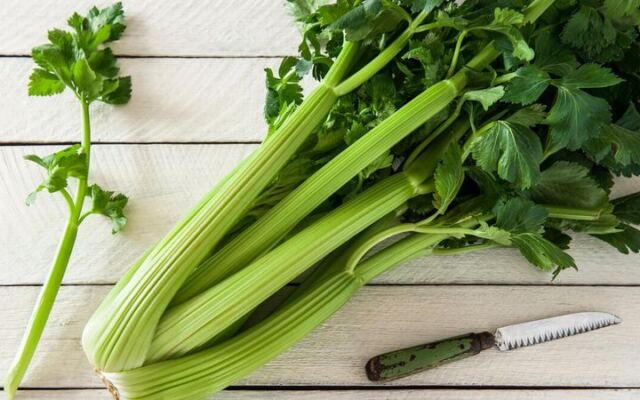
Eating celery every day gives your body water, a little fiber, a little potassium, and very few calories. That is the real story, and it is a modest one.
No special daily celery effect has been proven, and what celery does for you depends on the rest of your plate. Here is what Michiganders who grow and buy this crunchy vegetable can actually expect.
What celery adds to a meal
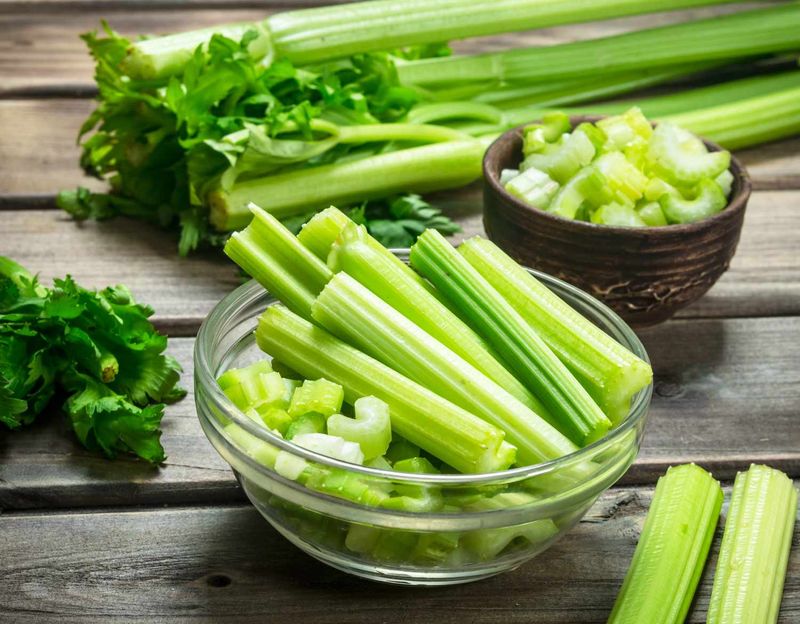
Picture two medium celery stalks on your cutting board. A federal nutrition reference, found in the 2025 federal rules on raw produce nutrition labeling, treats that pair, about 110 grams, as one serving.
It lists the serving at roughly 15 calories. That is low, though not zero.
Most of a celery stalk is water, which explains the snap and the light feel. Water adds volume without adding much energy, so celery fills space on a plate or in a bowl of soup.
That is its main trick.
Celery also brings some nutrients along. USDA nutrient data for raw celery list about 1.6 grams of fiber and 260 milligrams of potassium in every 100 grams.
For comparison, that is a small slice of what adults are usually advised to eat in a day. A stalk helps a little, but it will not carry your fiber or potassium goals by itself.
Keeping those numbers in proportion matters. Celery is a helpful, light ingredient, and these amounts do not add up to a special effect from eating it daily.
Think of it as a supporting player in soups, salads, and snack plates, not a star with secret powers.
If you grow celery in a backyard bed or pick up a bunch at a farm stand, you are getting a crisp, mild vegetable that fits almost any meal. The nutrition is plain and honest, and that is perfectly fine.
How celery fits into the rest of your diet
Nobody’s health is made or broken by one vegetable. What matters is the whole pattern of eating, and celery’s usefulness depends on what it takes the place of.
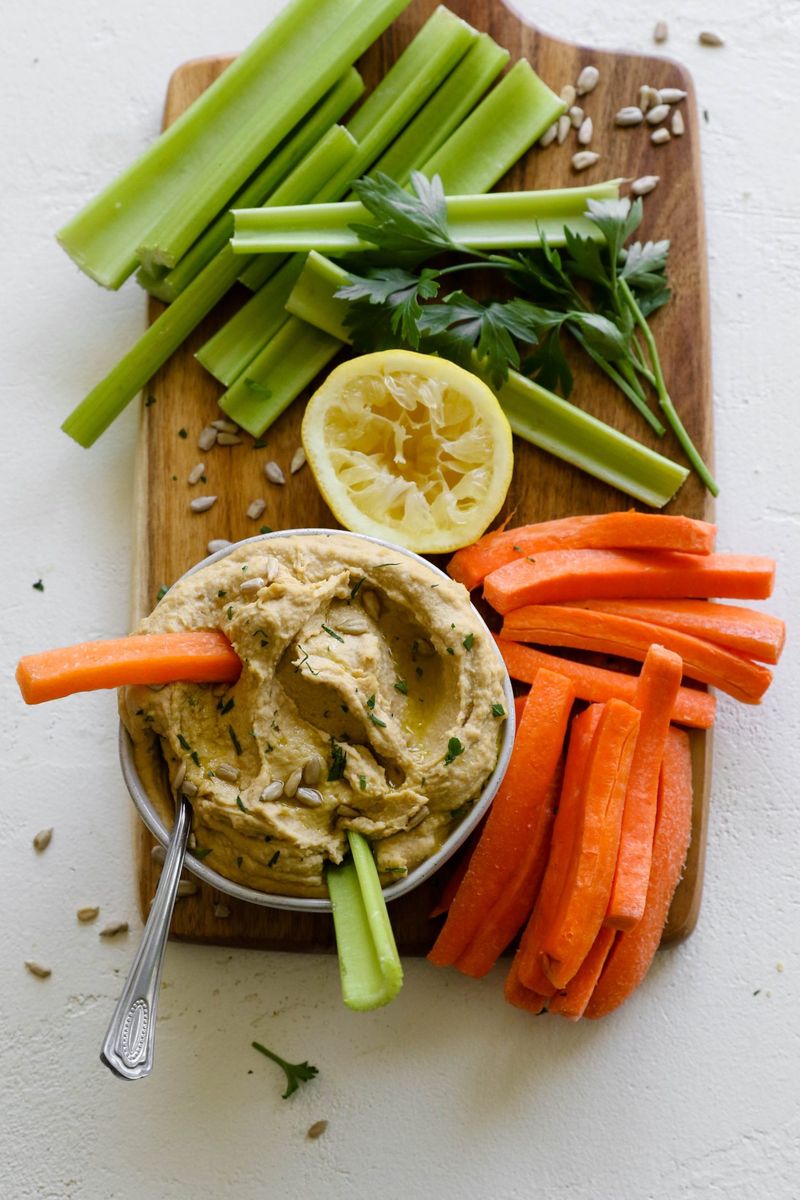
Crunchy celery sticks with hummus in place of a handful of chips can trim the calories in a snack. Celery added on top of an already full day of heavy food simply adds more.
Bulk is the practical benefit here. Because celery is low in calories and full of water, it can make a bowl of tuna salad, a pot of chili, or a veggie tray feel bigger and more satisfying.
Chopping some into a casserole or stir-fry stretches the dish without piling on much energy.
That said, celery does not cause weight loss on its own. The Tufts Health & Nutrition Letter takes on the popular idea of negative-calorie foods and explains why it does not hold up.
Celery is a light food, not a magic one.
There is also no proven daily serving. Nothing in the research says everyone needs a certain number of stalks each day, so you can skip the counting.
If you like celery, enjoy it. If you do not, other vegetables such as cabbage, carrots, green beans, or beets can do similar jobs.
A good test is simple: ask what the celery is replacing. If the answer is something heavier or sweeter that you would have eaten anyway, it is doing useful work.
What celery studies have tested
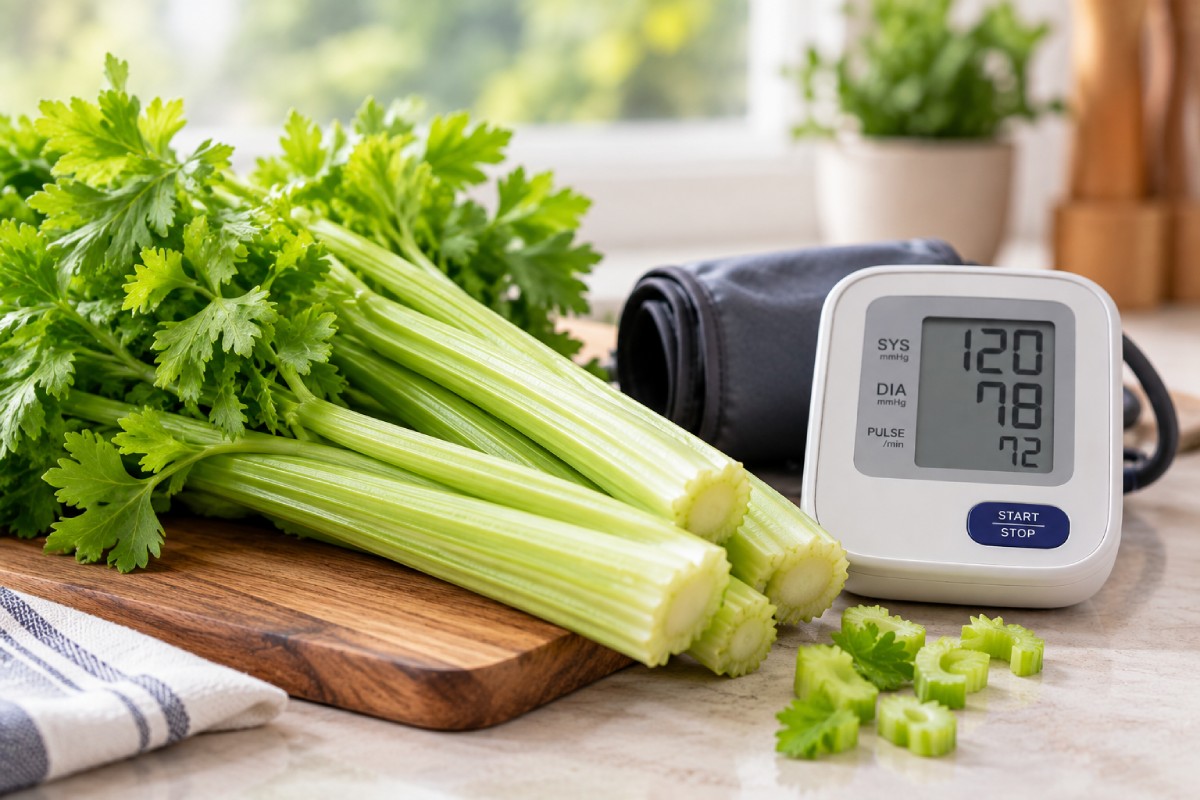
You may have seen headlines about celery and blood pressure. They trace back to a 2025 systematic review and meta-analysis in Frontiers in Nutrition, which pooled results from earlier trials of celery in adults.
It reported possible improvements in blood pressure, blood glucose, and triglycerides. That is a research signal, nothing more.
The details matter. The review included 10 studies with 511 participants, which is not a large group.
The trials also used different celery preparations and different doses, so they were not simple tests of ordinary stalks eaten every day.
Some of those products were concentrated, such as celery-seed capsules or extracts. A capsule packs far more of certain plant compounds than a crunchy supermarket stalk does.
Results from those forms cannot be turned into a recommended serving of fresh celery, and no therapeutic dose can be drawn from them.
The authors also pointed to limits. Sample sizes were small, and the studies differed a lot from one another, which researchers call substantial heterogeneity.
When studies disagree in design, the combined number is harder to trust.
So the fair reading is this: the findings are interesting and worth testing further. They do not prove that celery treats high blood pressure, diabetes, or abnormal cholesterol.
The authors themselves call for larger, higher-quality trials, and prescribed care should stay in place.
Where Michigan celery grows
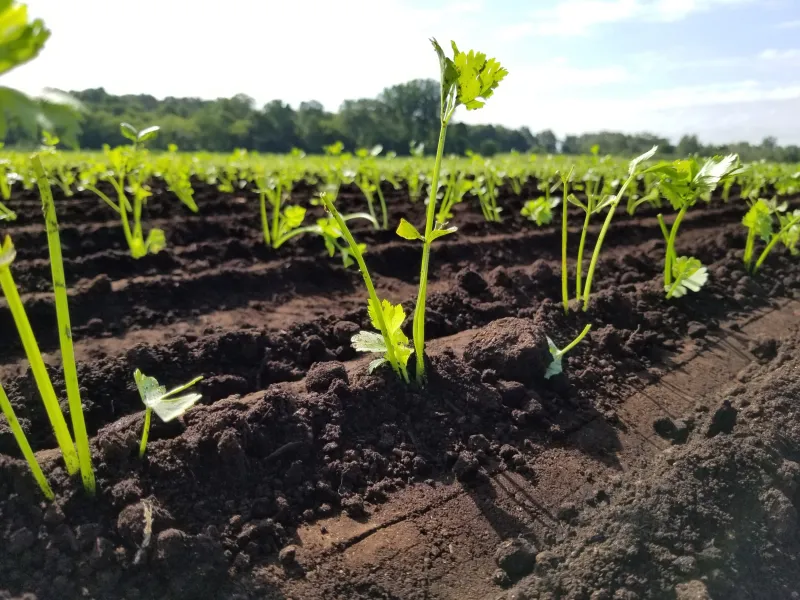
Celery has deep roots in Michigan farming. According to Michigan Agriculture Facts & Figures from the state agriculture department, the state produced 77 million pounds of celery in 2023.
The report also notes that most of it is still grown in southwestern counties.
Why there? Part of the answer is the soil.
Michigan State University Extension guidance on soil requirements describes celery as usually grown in deep, well-drained muck soils in the state. Those dark, organic-rich soils hold moisture while still draining, which suits a thirsty crop.
Still, muck is not the only option. The same guidance says celery can also grow in other soils when they are managed well, with attention to water, drainage, and fertility.
That is good news for home gardeners with ordinary loam, who can still raise a decent crop with steady watering.
It would also be wrong to assume every stalk in a Michigan store came from muck. Celery sold here may come from different growers and regions, so the label or the farm stand sign is your best clue.
This is local context, not a health claim. Knowing that your celery may have grown a few counties away adds a nice sense of place, but where it grew does not change what a stalk does inside your body.
Celery does not detox or burn extra calories
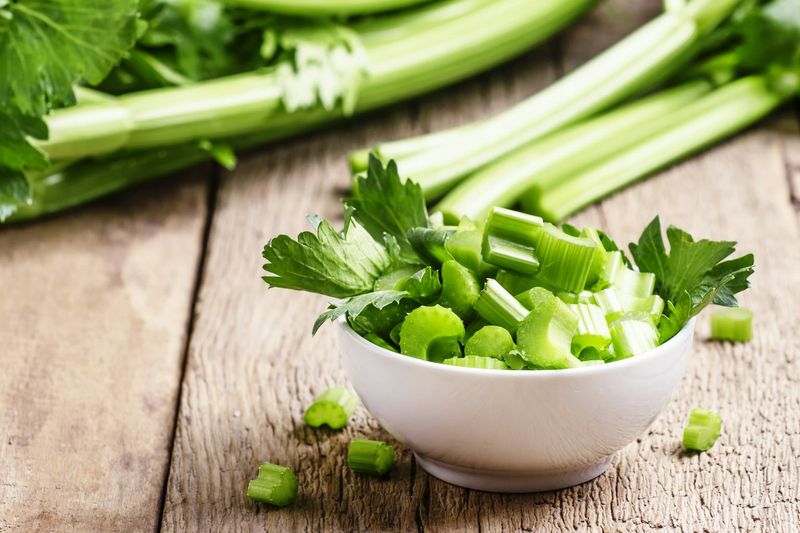
Two claims float around the internet: that celery burns more calories than it gives you, and that it flushes toxins out of the body. Neither holds up.
Tufts nutrition experts looking at negative-calorie foods explain that celery has few calories, but it is not calorie-free.
Its low energy density does have a limited meaning. A big, watery portion carries few calories for its size, which can make a meal feel fuller.
That helps only if it fits into your overall eating, and it does not build a calorie deficit by itself.
Detox talk is another matter. Your liver and kidneys already handle waste, and the National Center for Complementary and Integrative Health reports that evidence for detox diets is limited.
It does not compellingly show that they remove toxins or manage weight. Nothing here supports saying celery cleanses the body or cures disease.
Juice deserves the same caution. The cited evidence does not point to a special daily-juice routine, and juice is not shown to be equal to eating the whole stalk.
A celery cleanse that replaces meals is not a good plan.
Likewise, juice should never stand in for medical care. If you are managing a health condition, keep following your care team’s advice, and treat celery as food.
When to take extra care
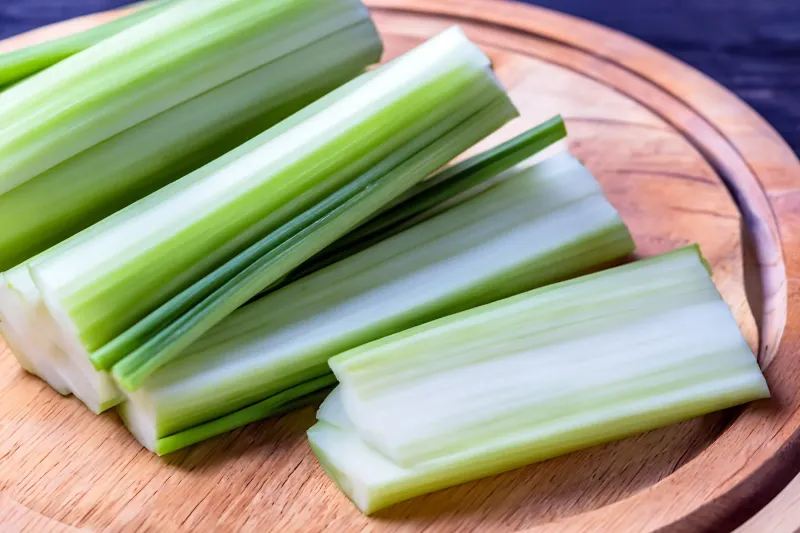
For most people, celery is a simple food. For a few, it needs care.
Celery allergy is one case, and Anaphylaxis UK’s celery allergy guidance notes that reactions can be serious and can include anaphylaxis.
If you think you may be allergic, perhaps because your mouth tingles or you break out in hives after eating it, do not test yourself by eating it daily. Talk with a doctor or allergy specialist who can guide testing and tell you what to avoid.
Seek emergency help for signs of a severe reaction such as trouble breathing or swelling of the throat.
Warfarin is the other situation. This blood thinner works differently depending on vitamin K in the diet, so NHS guidance on anticoagulant medicines stresses consistency in what you eat.
If you take warfarin, try to keep your intake of vitamin-K-rich foods steady from week to week.
Before making a major dietary change, or starting a supplement, check with your clinician or pharmacist. That includes big new habits like juicing or starting a long cleanse.
A quick conversation can prevent surprises in your blood tests.
This is not a warning that ordinary celery has a proven special interaction with warfarin, and it does not apply to all green vegetables. The point is steadiness and communication, not fear of a crunchy snack.
Make celery a choice, not a prescription
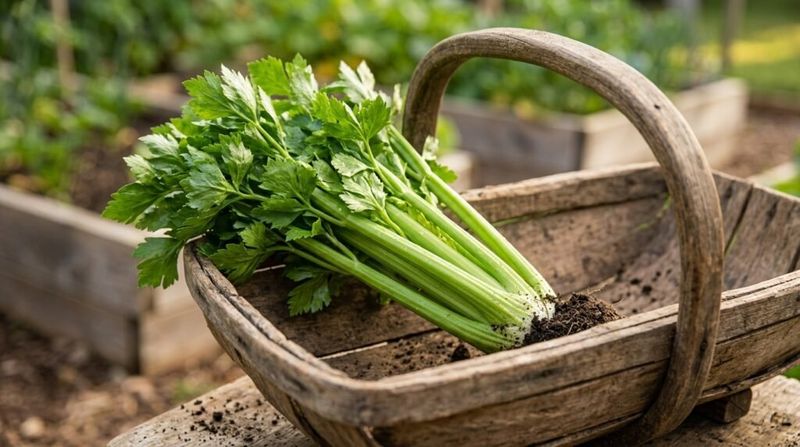
Celery works best as one option on a long list of vegetables. Rotate it with broccoli, cabbage, spinach, carrots, and whatever your garden or farm market is offering that week.
There is no health-based serving target to hit, so you can eat it when it suits the meal.
Preparation is the part that deserves a little discipline. FDA advice on selecting and serving produce safely says to wash produce under running water before preparing or eating it.
That includes celery you grew yourself, since garden soil, splashes, and animals can leave germs behind.
Skip the soap. The FDA advises against washing produce with soap, detergent, or commercial produce wash.
Rub the stalks gently under the tap, pay attention to the grooves along the ribs where dirt hides, and dry them with a clean towel.
With that done, use celery however you enjoy it. Slice it into soup, stuff it with peanut butter, or toss it into a Michigan summer salad.
If you are curious about a health condition, bring the question to a clinician rather than to a juice cleanse.
Celery is a fine ordinary food that can add crunch, water, and a few nutrients. A treatment is something proven to treat a condition, and a stalk is just a good thing to snack on.
Share this story