Some of the creepiest-looking creatures in New Jersey are also the most peaceful ones. You might spot them in your garage, under a porch light, or slithering across a hiking trail, and your first instinct might be to run.
Knowing which animals pose no real threat helps you stay calm and keeps helpful wildlife alive. Here are eight Garden State neighbors that look like trouble but would much rather be left alone.
1. Eastern Hognose Snake
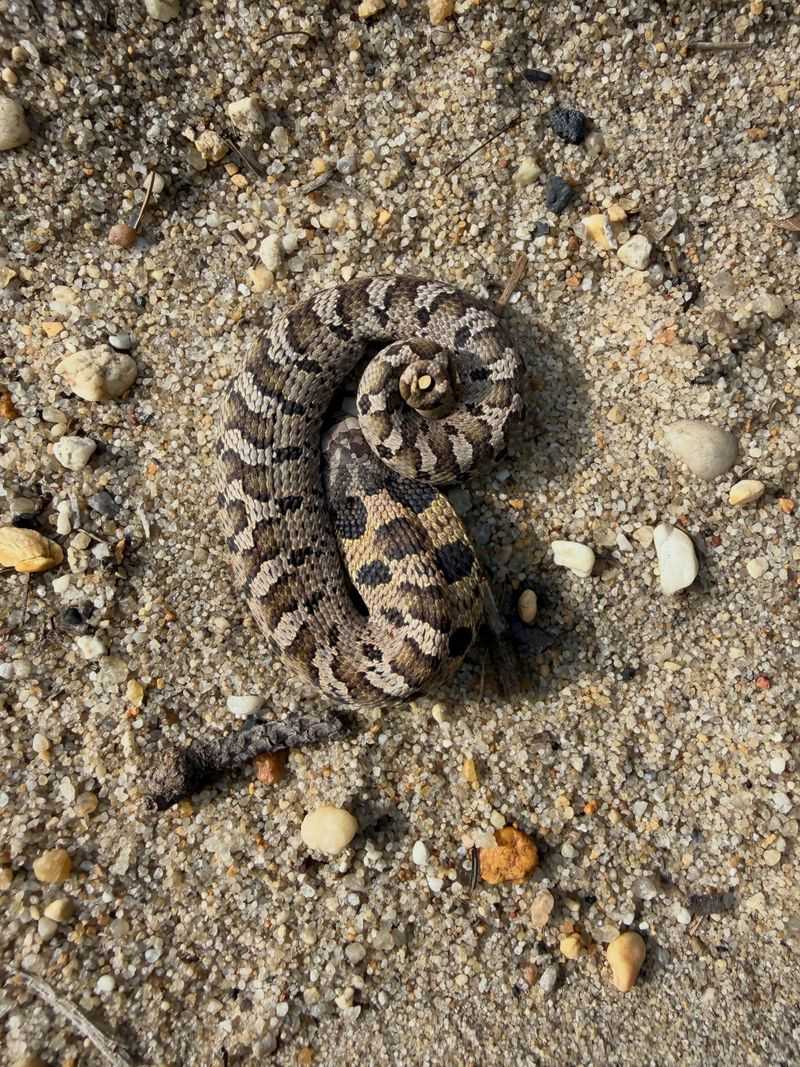
Picture a snake that hisses, spreads its neck like a cobra, and then, if you still won’t leave, flips over and plays dead with its tongue hanging out. That’s the Eastern hognose, the drama queen of the Pine Barrens.
All that theater is pure bluff. Hognoses almost never bite people, and their mild saliva is meant for toads, not humans.
Fun fact: if you flip a “dead” hognose right side up, it will often roll back over. Apparently, it insists on staying dead properly.
2. Eastern Dobsonfly
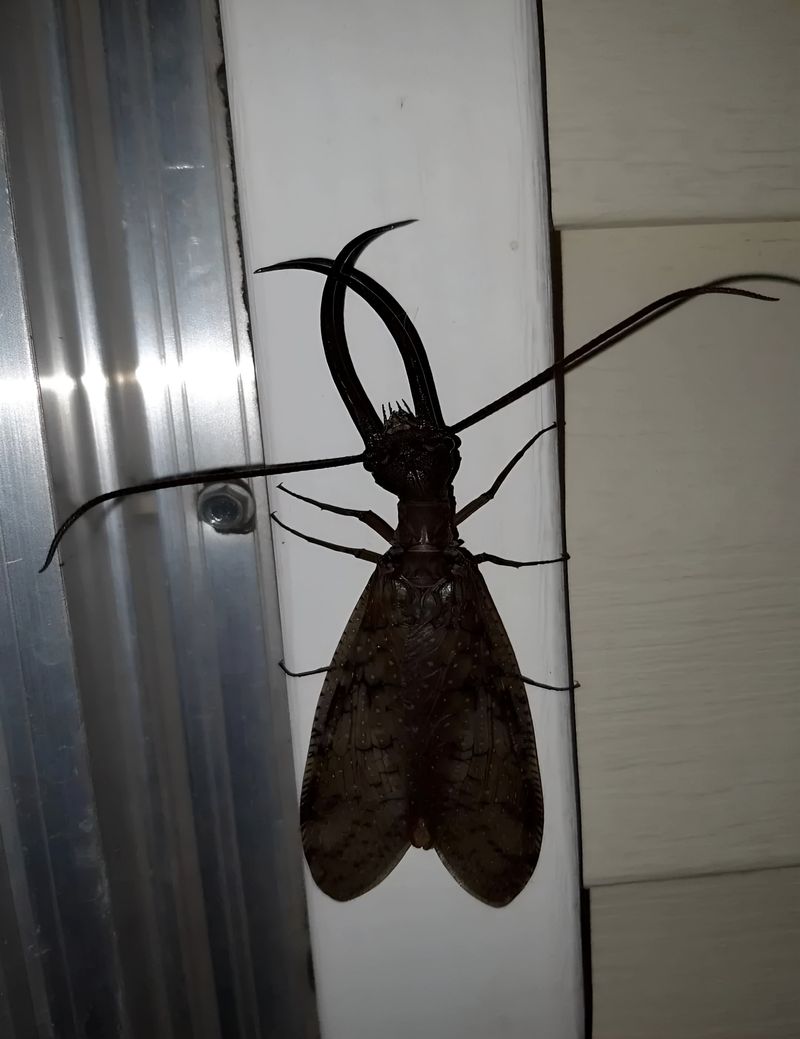
Long pincers, a five-inch wingspan, and a habit of showing up at porch lights after dark. Plenty of New Jersey homeowners have shrieked at a dobsonfly.
Here’s the twist: those giant jaws on the males are mostly for show and for wrestling rivals. They’re too long to pinch hard, so a male can’t really hurt you.
Females have shorter jaws and can give a small nip if grabbed, but nothing serious. Even better, their larvae, called hellgrammites, only live in clean streams, so spotting adults means local water is healthy.
3. Northern Water Snake
Ask any lake swimmer in Sussex County and they’ll swear they saw a water moccasin. Nope.
Venomous cottonmouths don’t live in New Jersey at all.
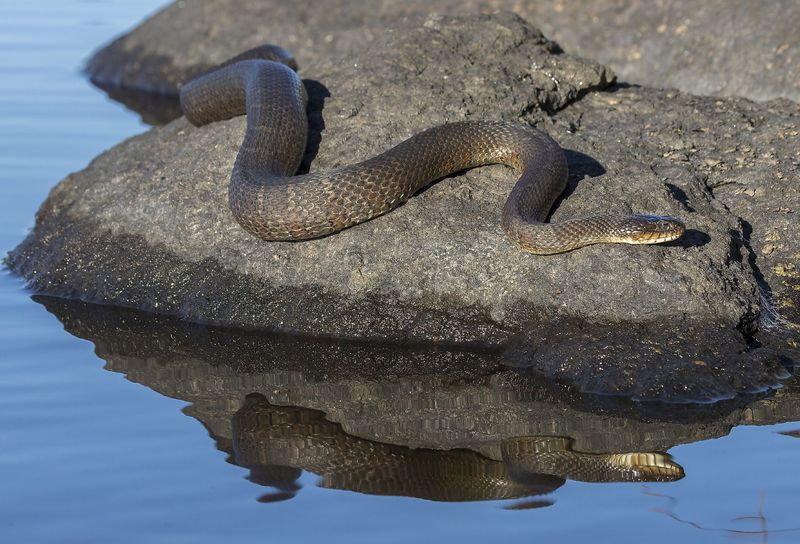
What they actually saw was a northern water snake, a thick, dark, banded swimmer that loves sunny rocks and docks. It can be grumpy when cornered and may bite if you grab it, but it has no venom.
Leave it be and it will slide into the water and vanish. Its main hobby is eating small fish and frogs, not chasing people.
4. Fishing Spider
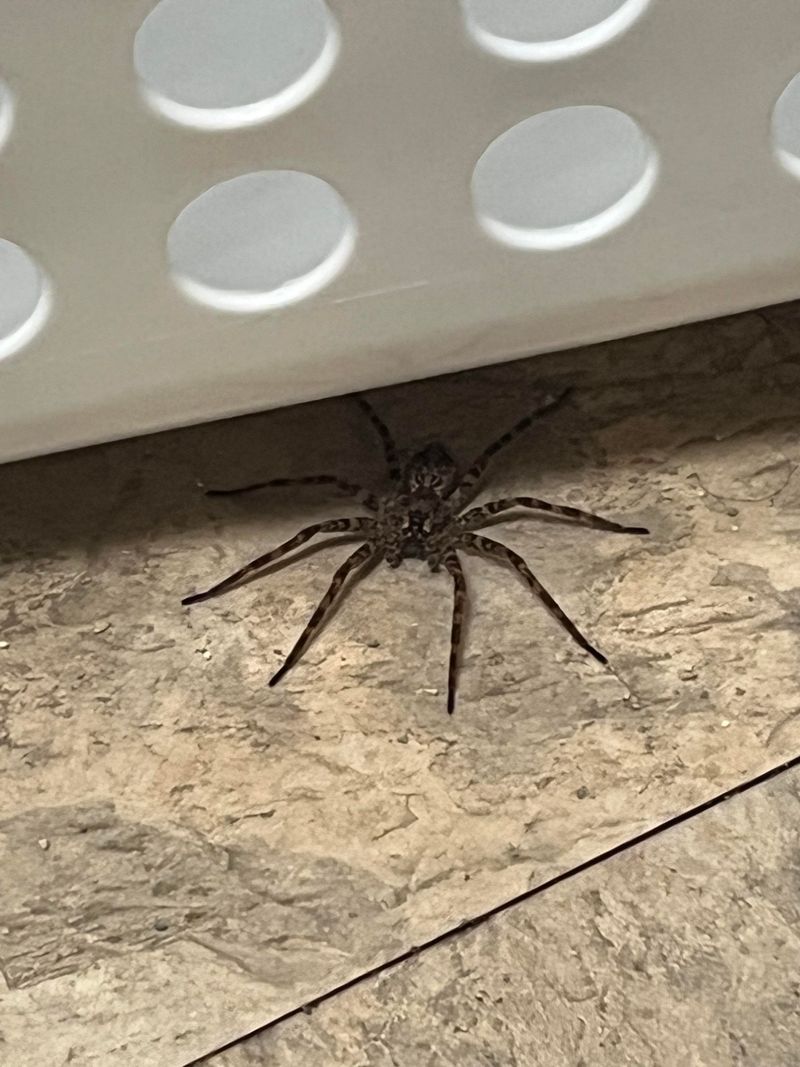
Few things make a kayaker jump like a spider nearly the size of a hand sitting on the dock. Fishing spiders can stretch three inches across, legs included.
They really do hunt in water, running across the surface and even diving to grab tadpoles and tiny fish. Pretty cool, right?
For people, though, they’re shy. A bite is rare and feels like a bee sting at worst.
Most will simply scoot away or hide under the boards when you walk by.
5. Virginia Opossum
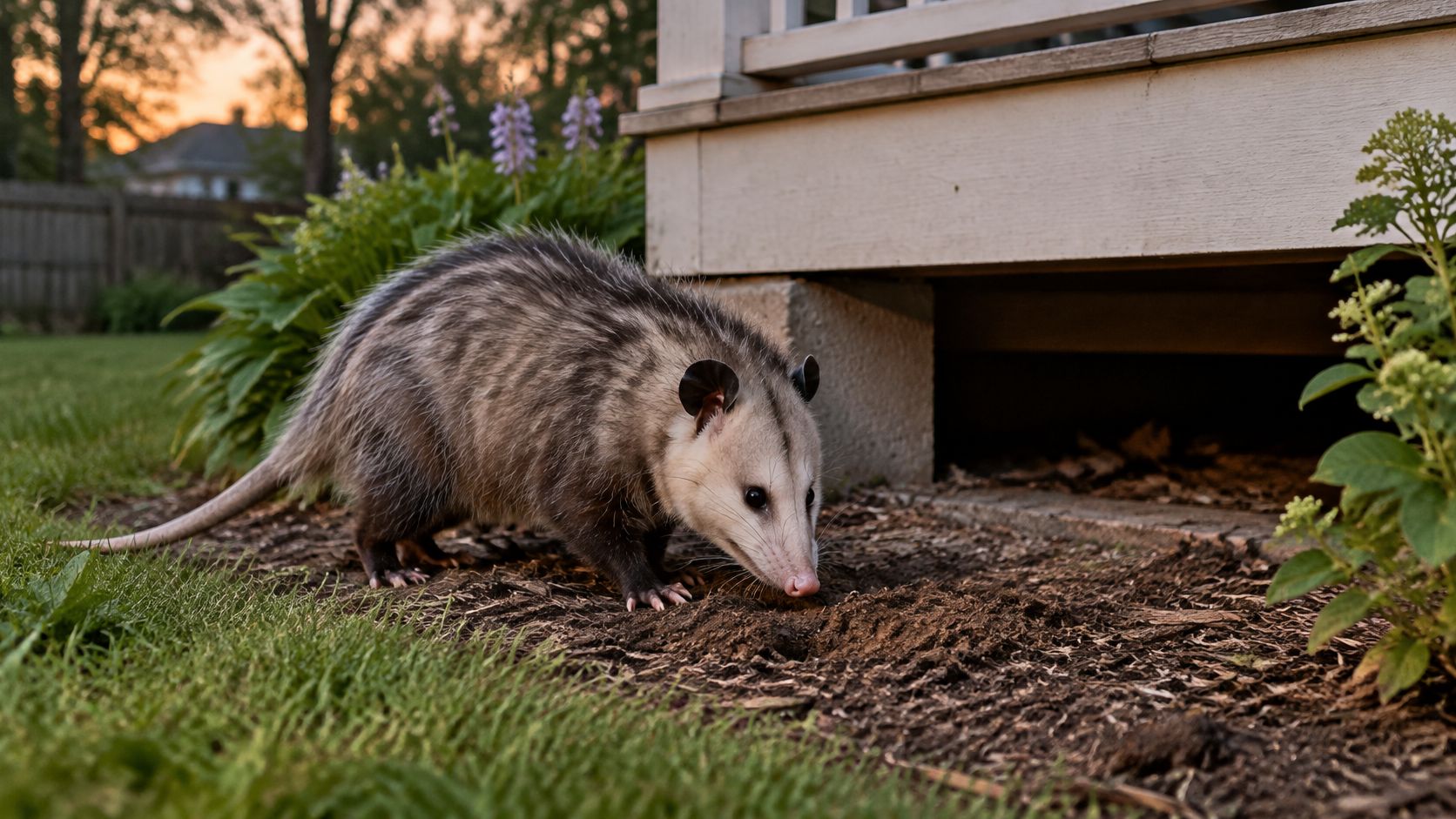
Fifty teeth. That’s how many a Virginia opossum has, more than any other North American land mammal.
When one opens wide and hisses at you near the trash cans, it looks like a tiny monster.
Really, it’s just nervous. Opossums rarely fight, and when truly scared they faint and “play possum,” even giving off a stinky smell to seem rotten.
They’re also great backyard helpers. They gobble up ticks, slugs, and fallen fruit, and their low body temperature makes them very unlikely to carry rabies.
6. Horseshoe Crab
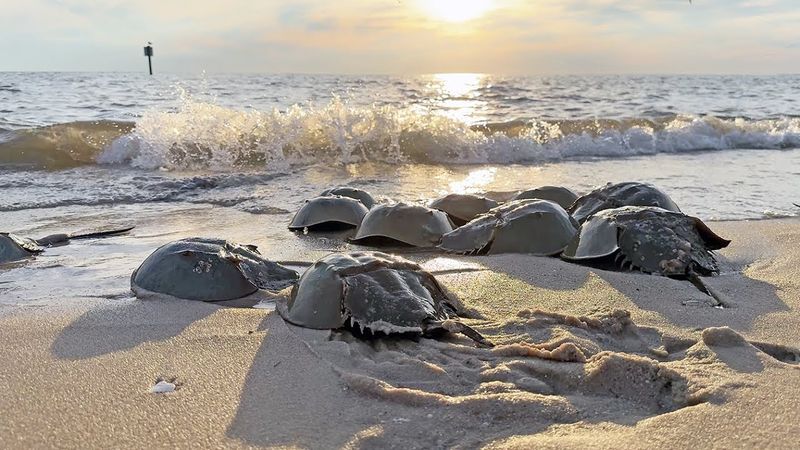
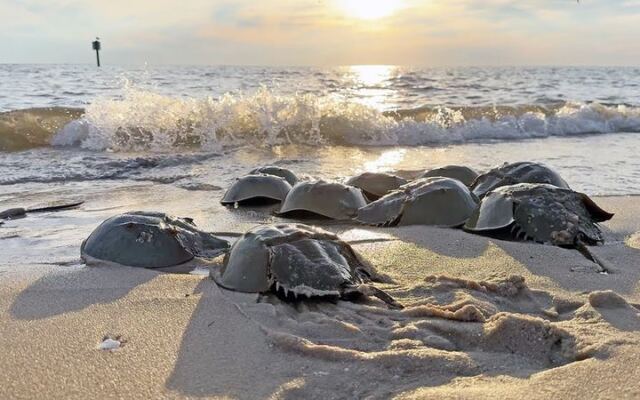
Every late spring, Delaware Bay beaches fill with armored creatures dragging spiky tails across the sand. They look like they crawled out of a dinosaur movie, and in a way they did.
Horseshoe crabs have been around for more than 450 million years.
That pointy tail isn’t a weapon. It’s called a telson, and the crab uses it to steer and flip itself over when a wave knocks it upside down.
They can’t sting or pinch you. If you find one stuck on its back, gently turn it over by the shell edge.
Groups in New Jersey even run “Just Flip ‘Em” programs to help.
Their eggs also feed migrating red knots, so these old-timers matter a lot.
7. Giant Leopard Moth Caterpillar
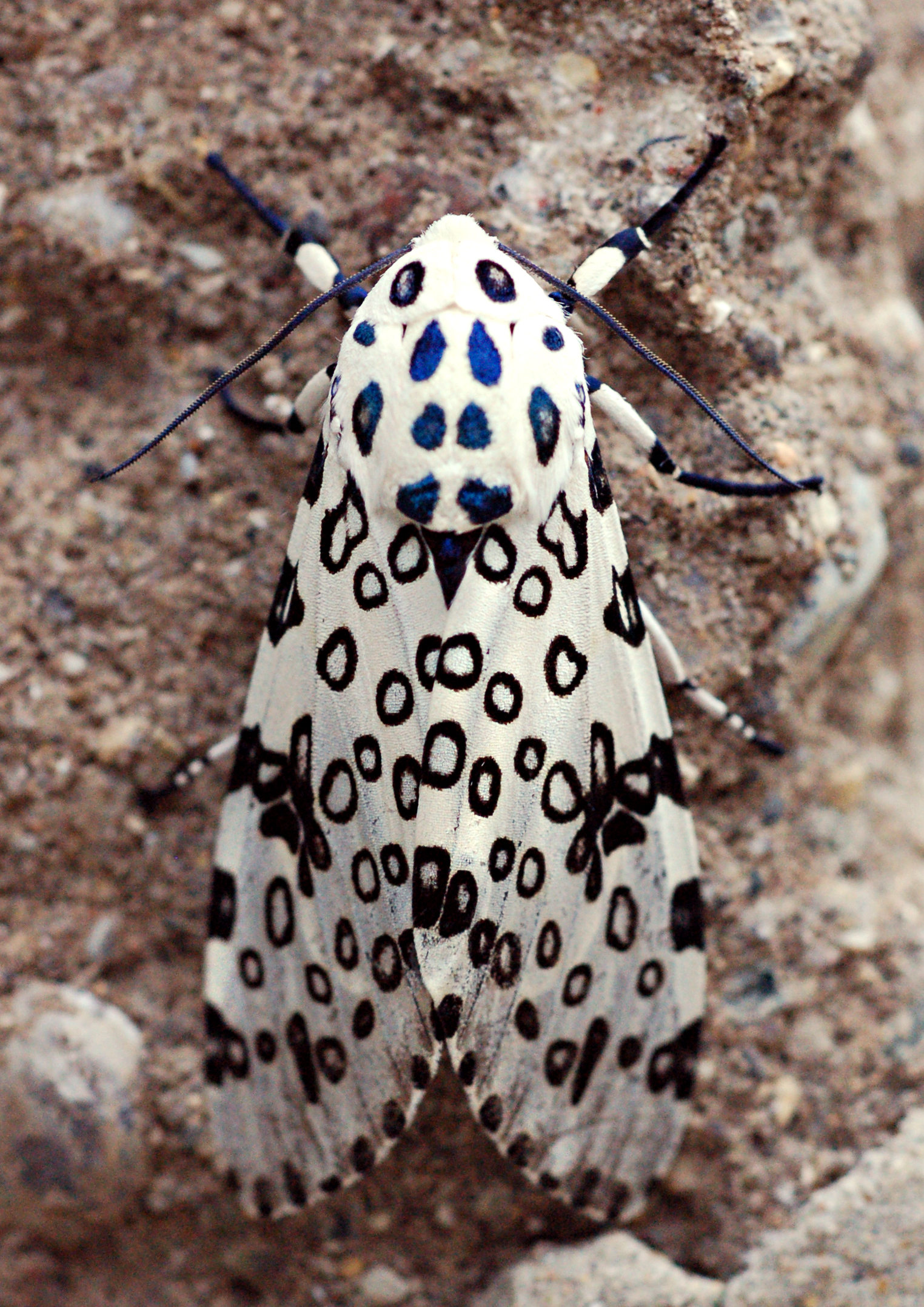
Spiky, black, and curled into a bristly ball, the giant leopard moth caterpillar looks like something your mom would warn you not to touch.
Good news: its stiff bristles don’t sting. When bothered, it rolls up to flash red bands between its spines, a clever trick to scare off birds.
Once it grows up, it becomes a gorgeous white moth covered in black rings, like a flying snow leopard. Just wash your hands after holding one, since some people have sensitive skin.
8. Cicada Killer Wasp
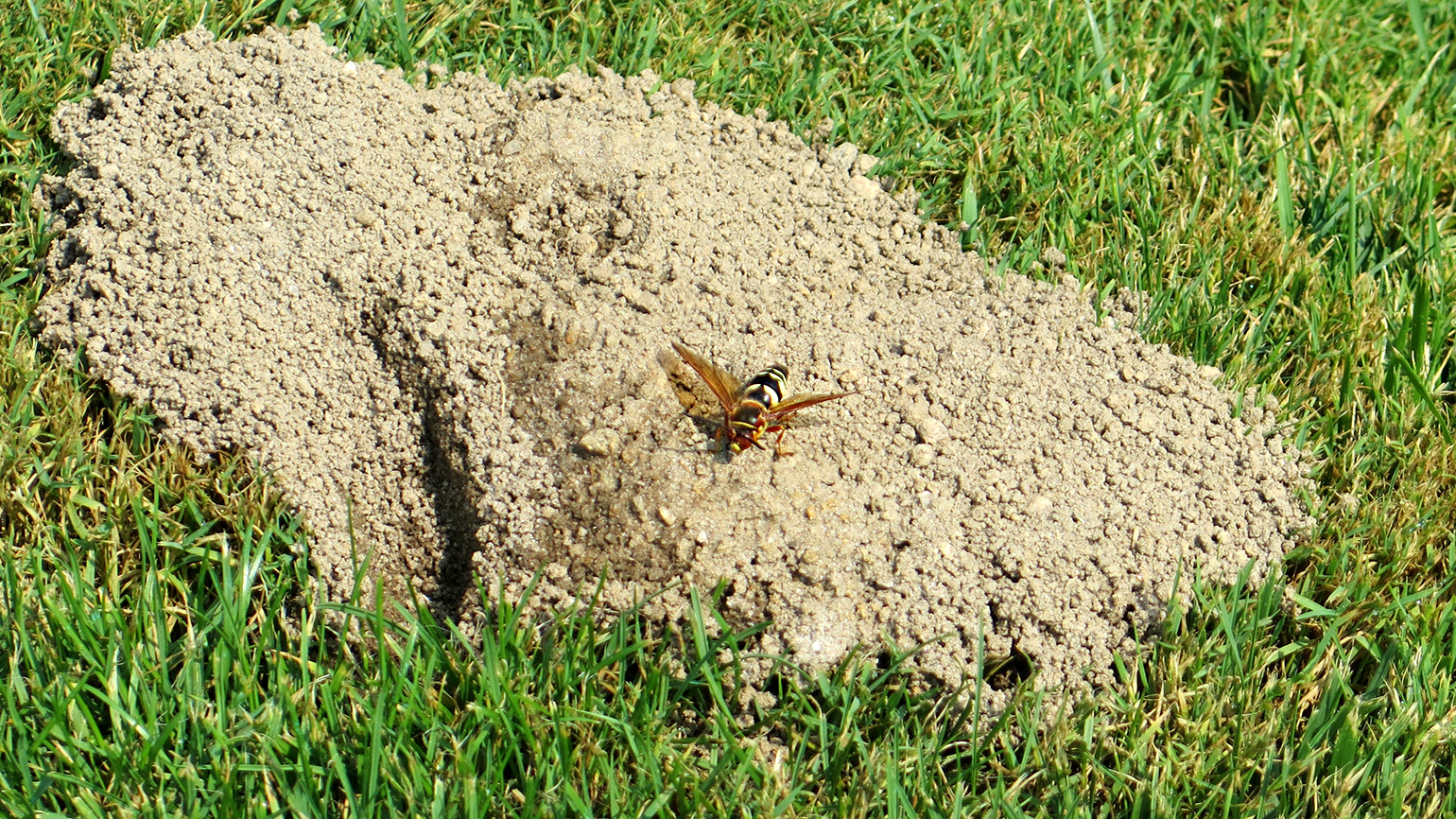
Late July in Jersey brings giant yellow-and-black wasps buzzing low over sandy lawns and playgrounds. At nearly two inches long, cicada killers look like hornets on a gym routine.
The males zooming at your face can’t sting at all. They’re just guarding territory and checking you out.
Females can sting, but they save it for hunting cicadas to feed their young. They’re so laid back that stings on people almost never happen unless you step on one barefoot.
Wear shoes and enjoy the show.
Share this story