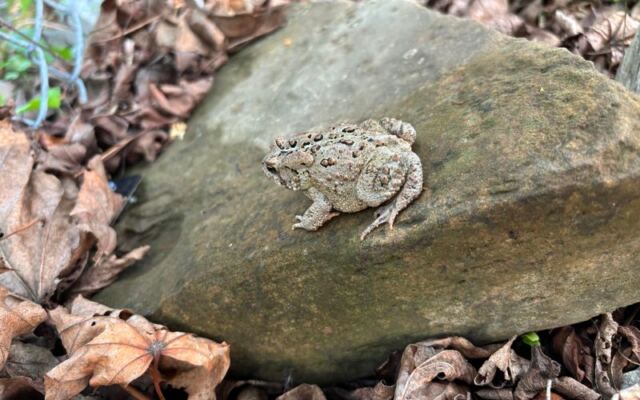
The humble American toad is quietly working in Michigan gardens after dark, snapping up ants, beetles, and other small creatures. That makes it a real help to the garden’s food web, even if you rarely see it.
Toads are common across the state, and many gardeners share a yard with one without knowing it. Here is what these bumpy neighbors do, what they do not do, and how to treat them well.
American toads already share many Michigan yards
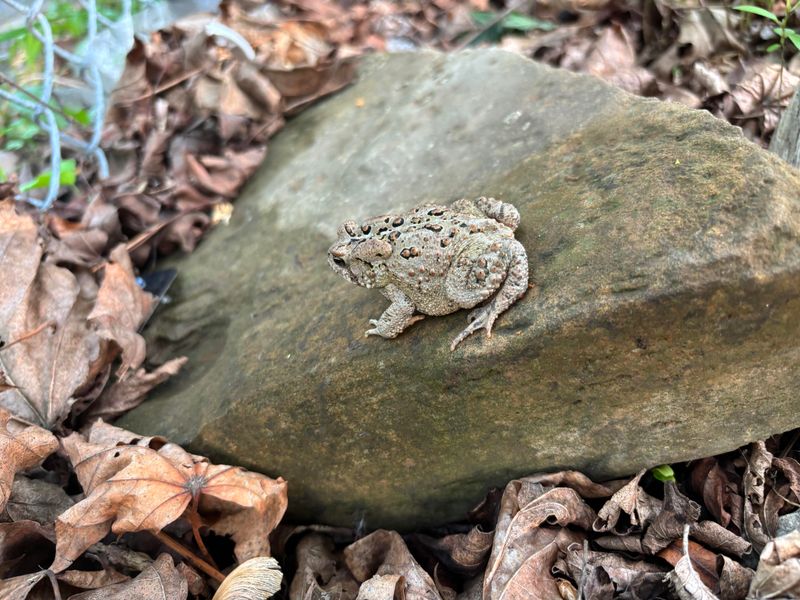
Walk out to a Michigan garden at dusk, and you might spot a squat, bumpy, brown animal hopping between the plants. That is probably an American toad.
The Michigan DNR describes it in its Critter Cards as common throughout the state and often found in gardens and backyards.
That does not mean every yard has one. Toads need the right mix of cover, moisture, and food, and some neighborhoods simply do not offer it.
If you do have a toad, it likely found your yard on its own, and you do not need to bring one in or do anything special to keep it.
Toads spend much of the day hidden under leaves, stones, or boards, then come out to hunt when it is cooler and darker. This is why many gardeners may go years without noticing one.
Their family life starts away from the garden bed. In spring, American toads lay eggs in small woodland ponds or shallow water.
The young that hatch there later head onto land, which is how a toad can end up near a flower border far from the water where it began.
For most gardeners, then, a toad is an ordinary part of the surroundings, a quiet resident that came without an invitation.
What does a toad actually eat?
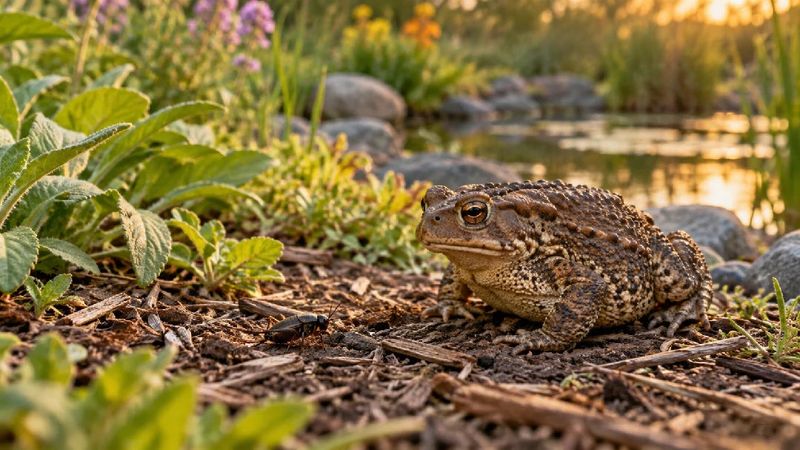
Ask what an adult toad eats, and the short answer is small invertebrates, lots of them. A USDA Forest Service species review reports that insects often make up most of the diet, with ants and beetles showing up prominently in the studies it summarizes.
Some of those meals are creatures gardeners consider pests, and the Michigan DNR notes that toads eat insect pests. But a toad is not picky in the way a gardener would like.
It eats what is small, moving, and close enough to catch, so its menu can also include helpful insects and spiders.
Think of a toad as an opportunist rather than a specialist. A beetle that chews your bean leaves and a beetle that hunts other bugs look much the same to a hungry toad at night.
Young toads live a different life. According to the Michigan DNR, most tadpoles primarily eat algae and other soft plant material, though they may scavenge.
So the pond stage and the garden stage have completely different diets.
If you see tiny black tadpoles in a shallow puddle in spring, they are grazing on algae, not hunting insects. Only after they grow legs and leave the water do they start eating the invertebrates described above.
A toad is not a dependable pest-control plan
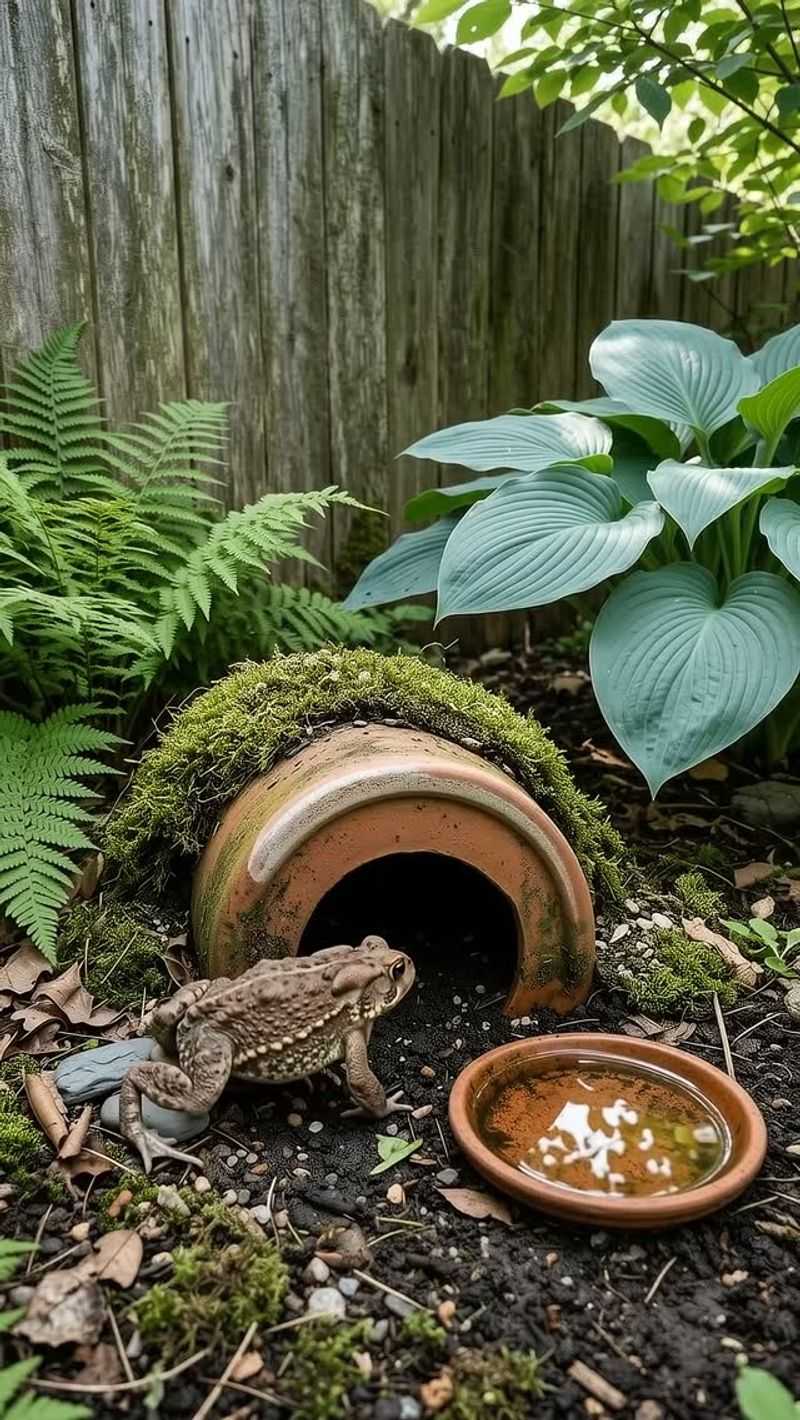
Eating insects sounds like a perfect job description for pest control, but it does not prove a toad will thin out the particular bug chewing your plants. A toad cannot be aimed at one pest.
It may skip the insect you worry about, or it may eat beneficial predatory insects and spiders along the way.
Some of the best evidence comes from a 2026 Pennsylvania study of American toads in small field mesocosms, which are enclosed test plots set up outdoors. The toads ate mostly rove beetles, ants, ground beetles, and spiders, and many of those are natural enemies of crop pests.
In the test plots, toads reduced ant and ground-beetle activity-density, a measure of how active and abundant those insects were. Even so, the researchers found no measurable increase in pest damage and no decrease in kale productivity.
In plain terms, the toads changed which insects were around, but that did not show up as a better or worse kale crop in that setting.
This was not a Michigan backyard trial, and the authors describe the effects as context-dependent. A different crop, yard, or season could turn out differently, so the results should not be stretched beyond the tested setup.
The practical lesson matches the DNR’s broad point that toads consume insect pests. A toad will not eliminate an infestation, guarantee crop protection, or replace the other pest-management methods you already use.
Keep scouting your plants and treat the toad as a bonus.
Make the yard more welcoming, without expecting a guarantee
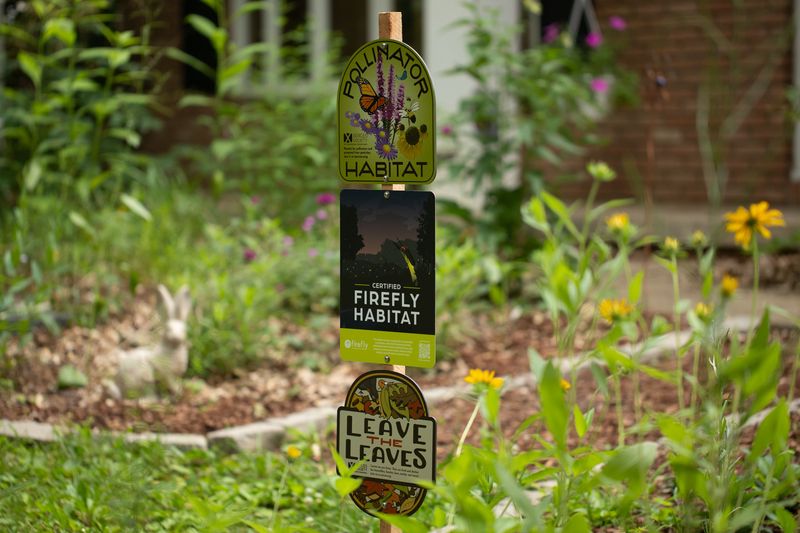
If you would like to be a better host, the Michigan DNR offers several habitat ideas. Think of them as ways to make a yard more suitable for wildlife, not a promise that a toad will move in.
Start with the easy ones. Keep some leaf litter in a corner instead of raking everything away, since it gives small animals cover and moisture.
Add native ground cover, grasses, and wildflowers, which create shady, low places to rest during the day.
Next, go lighter on pesticides and fertilizers. Toads absorb moisture through their skin and eat the small creatures that live in your soil, so a gentler approach is kinder to the whole little neighborhood.
A water feature is optional. If you want one, the DNR suggests a shallow pond with vegetation and rocks, which gives amphibians easy ways in and out and places to hide.
Finally, there is the toad light. The DNR describes a low light that attracts insects, giving toads a place to feed at night.
Keep it low and simple.
Any of these steps may help, and none of them can guarantee a visit. Pick the ones that suit your space and enjoy the other wildlife they bring, such as pollinators and songbirds.
Leave the toad alone—and keep pets from mouthing it
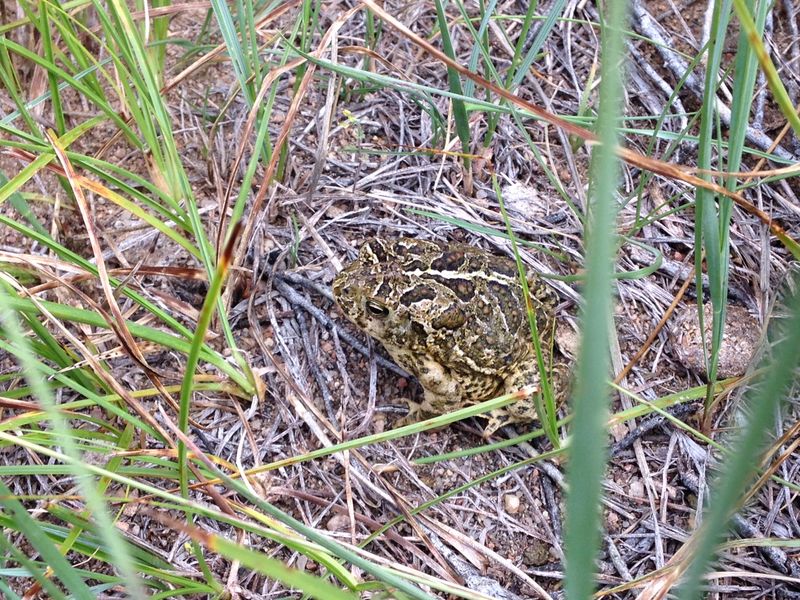
Here is some good news first: touching a toad does not give you warts. The Michigan DNR calls that an old myth.
Still, the kindest move is to admire the toad from a distance.
Amphibian skin is delicate and absorbs substances easily. Per DNR guidance, you should wash your hands after any amphibian contact and avoid handling a toad with sunscreen, insect repellent, or soap on your hands, since those can harm it.
The simplest plan is to leave wild toads alone rather than capturing or caging them.
Toads also have defensive skin secretions that can repel or sicken predators. Not every case is equally serious, so there is no need to panic.
Just keep dogs and cats from mouthing or biting a toad, and call your vet if a pet seems unwell after an encounter.
Please do not collect a toad or move it to a new spot. A toad that has settled in your yard knows where to find food and shelter, and moving it can leave it lost.
If you wonder about taking, trapping, or catching amphibians for personal use, Michigan law requires a valid fishing license and compliance with state rules. Check the current DNR guidance before doing anything.
A good garden neighbor, not a guaranteed solution
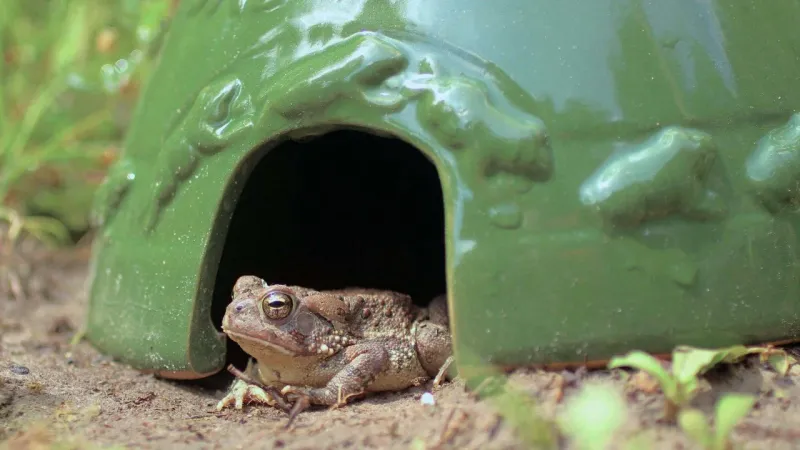
American toads, which the DNR lists as common statewide, add to the garden food web by eating invertebrates. Because their diet is so varied, and because the one study we looked at found no crop benefit in its test, they are no substitute for a targeted pest plan.
Make wildlife-friendly choices where they fit your yard, and let any toad you meet stay wild. Some of the best garden help comes without a promise attached.
Share this story