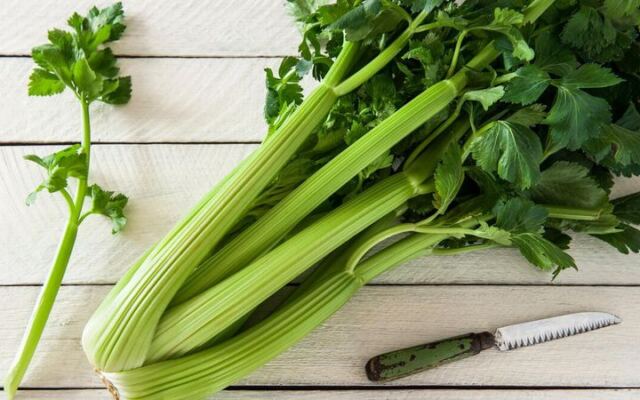
Eating celery every day mostly gives your body water, a little fiber, and very few calories. That is what New Jersey gardeners and farm stand shoppers are finding out about this crunchy, common vegetable.
It can be an easy way to get more vegetables into your meals, but it is not a cure or a cleanse. Here is what celery really does, and what the hype gets wrong.
What celery adds to a meal
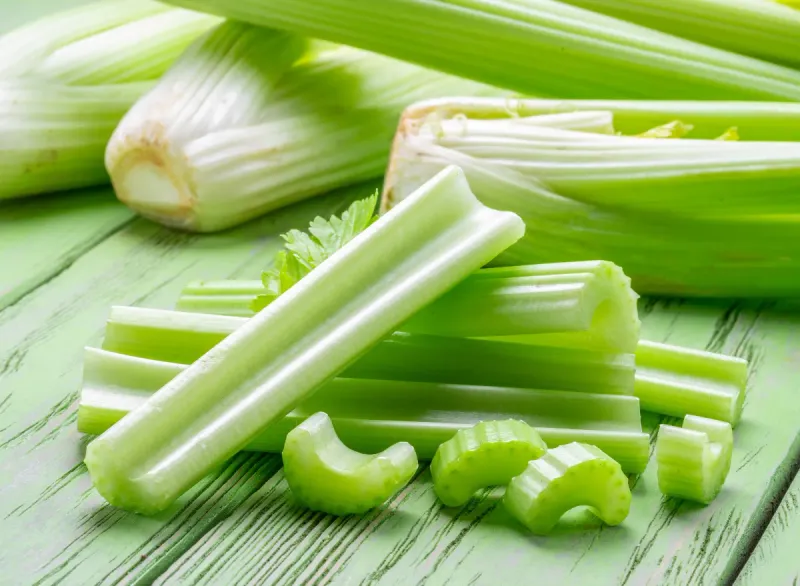
Crunch is the first thing celery brings, but the numbers tell the real story. USDA reference data list raw celery at about 95 grams of water and 1.6 grams of fiber in every 100 grams.
That makes it a very watery vegetable with a modest amount of fiber.
Calories are low too. A federal nutrition reference lists two medium stalks, about 110 grams, at roughly 15 calories, with 115 milligrams of sodium and 260 milligrams of potassium.
Those are composition figures. They describe what is in the stalk, not a promise that you will feel or see a change in your body after a week of snacking on it.
Celery can fill out a plate, add crunch to a tuna salad, or give soup a savory base. Whether it comes from your own garden bed or a farm stand table, it works best as a team player.
It complements a varied diet of other vegetables, fruits, whole grains, and proteins, but it does not replace them.
You do not need a set daily amount
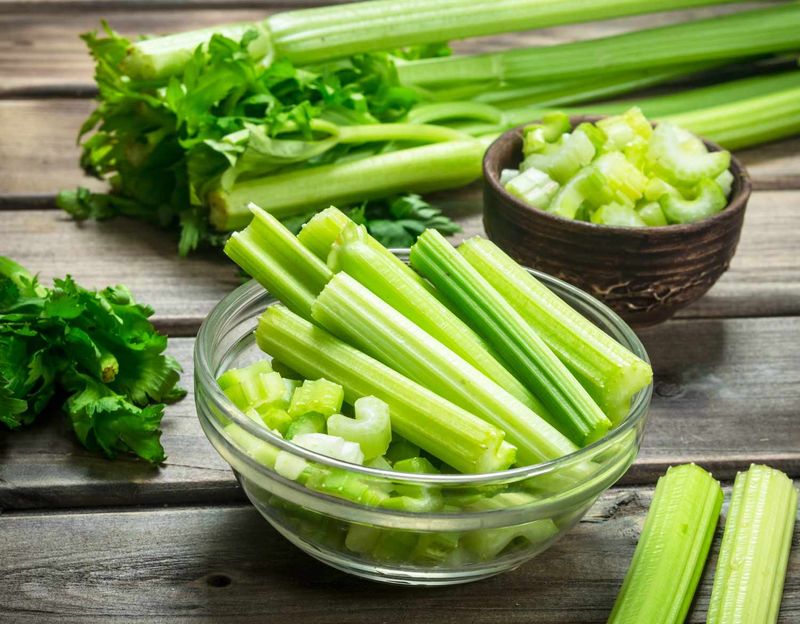
Nobody has proven that there is a magic number of celery stalks to eat each day. The sources reviewed for this article do not establish a celery-specific dose or a daily requirement.
You may see two medium stalks mentioned. That figure comes from a federal reference portion used for food labeling.
It describes a typical serving size, not a target, a minimum, or a cutoff.
So think of celery as an optional vegetable. If you like it, eat it as often as you enjoy it.
If you would rather have carrots, peppers, or green beans today, that is perfectly fine.
What matters more is the whole pattern of what you eat over weeks and months. A few stalks in a lunch salad count as one vegetable choice among many, and no single vegetable has to do all the work.
Whole stalks and juice are not the same
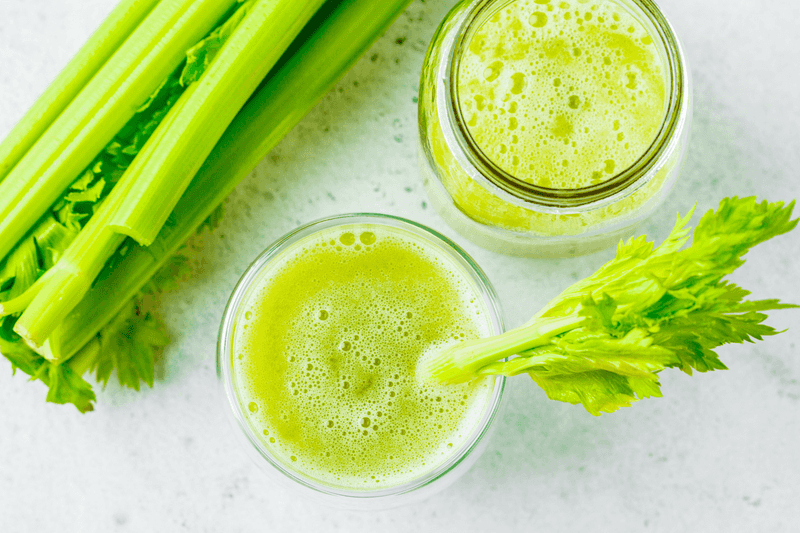
Picture a pile of celery stalks and the glass of juice they make. They look related, but nutritionally they are different foods.
When juice is strained, much of the fiber is removed, and fiber is one of the things whole stalks offer.
Chewing a stalk also takes longer than sipping a glass. Many people find whole celery more filling for that reason, though your own experience may vary.
Because of this, the two should not be treated as interchangeable. A claim about juice does not automatically apply to stalks, and a claim about stalks does not automatically apply to juice.
Celery juice has also been promoted as a fix for inflammation, skin problems, or long-term illness. The sources reviewed do not show that it treats those conditions in people.
If you enjoy a glass now and then, that is your choice, but whole stalks are the better match if fiber matters to you.
What celery research can and cannot tell us
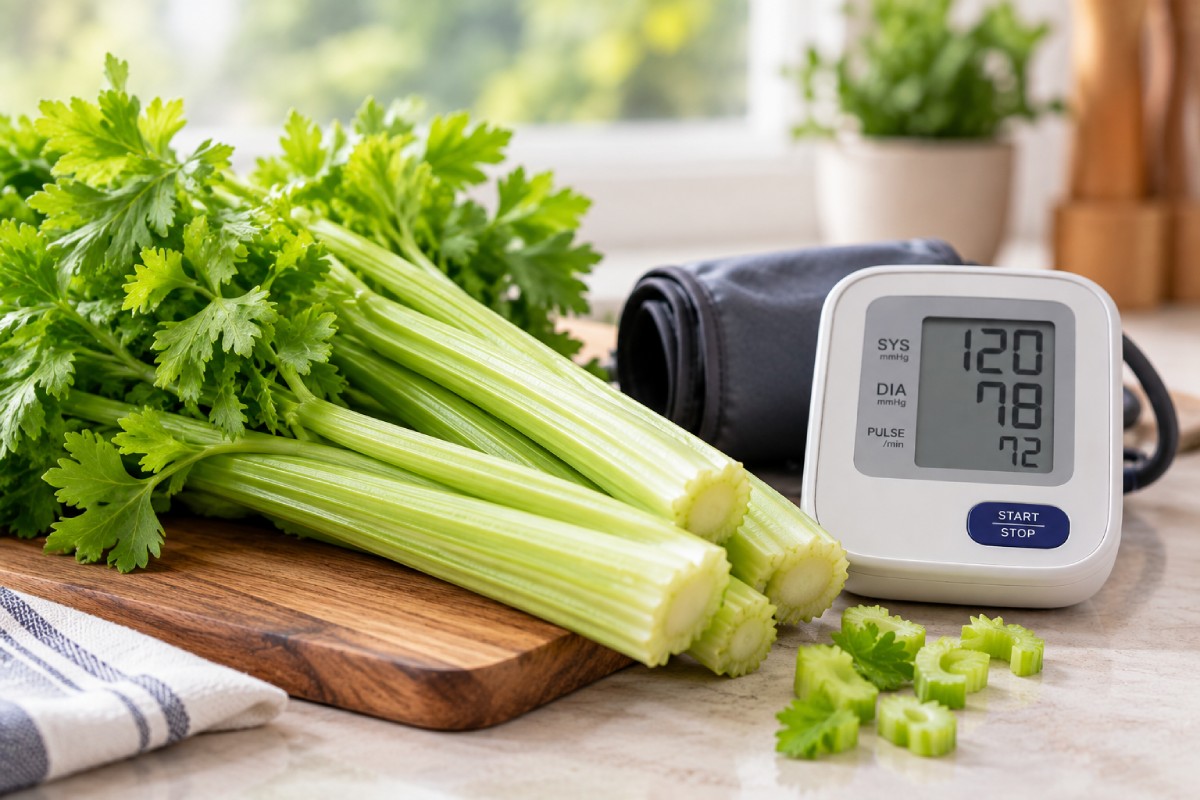
Headlines love a study, so it helps to look at what was actually tested. A 2025 meta-analysis pooled trials of celery interventions and reported possible improvements in blood pressure and some metabolic measures.
The catch is in the details. The trials used different preparations, including seed extracts, powders, and decoctions, and they included 511 participants in total.
Blood pressure results varied quite a bit from trial to trial.
That means the findings do not show that eating celery stalks every day produces the same effects.
One example is a small randomized crossover trial in people with hypertension. Participants took 1.34 grams per day of celery seed extract capsules for four weeks.
That is a supplement trial, not a test of ordinary stalks.
So no, you cannot count on everyday celery to lower blood pressure, blood sugar, or cholesterol. If you have any of those concerns, keep following your care team’s plan, and treat celery as a tasty vegetable rather than a replacement for medical care.
Celery is not a detox or a negative-calorie food
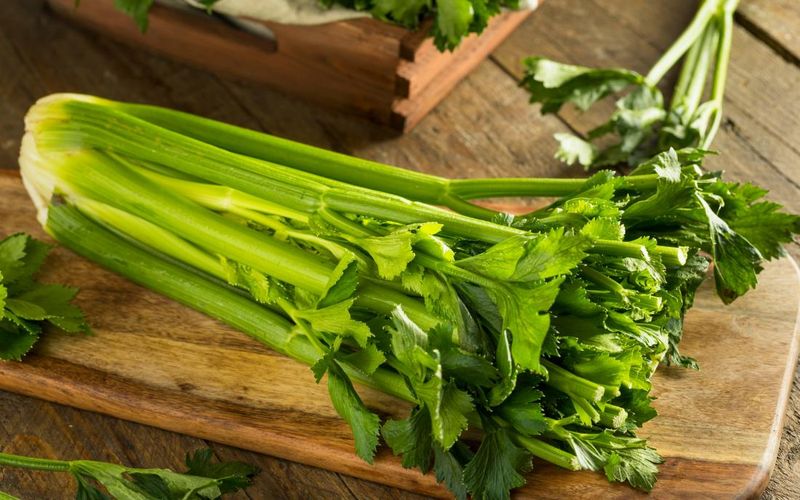
Two claims about celery keep circling online, and both miss the mark. The first is that celery has negative calories, meaning you burn more digesting it than it contains.
Celery is low in calories, but it is not calorie-free. As Tufts nutrition experts explain, foods supply net energy rather than costing more than they give.
The second claim is that celery or celery juice detoxes the body, cleanses the liver, or flushes out toxins. Evidence does not establish that.
The NIH’s NCCIH says research on detox programs is limited and low quality, and it found no compelling research supporting detox diets for eliminating toxins.
Your liver and kidneys already handle waste every day, and no stalk is needed to switch them on.
There is a practical difference between adding celery to your lunch and living on a celery-heavy cleanse. The first is just a vegetable on the plate.
The second leans on promises that are not backed up, and it can crowd out other foods your body needs.
Wash celery before you eat it
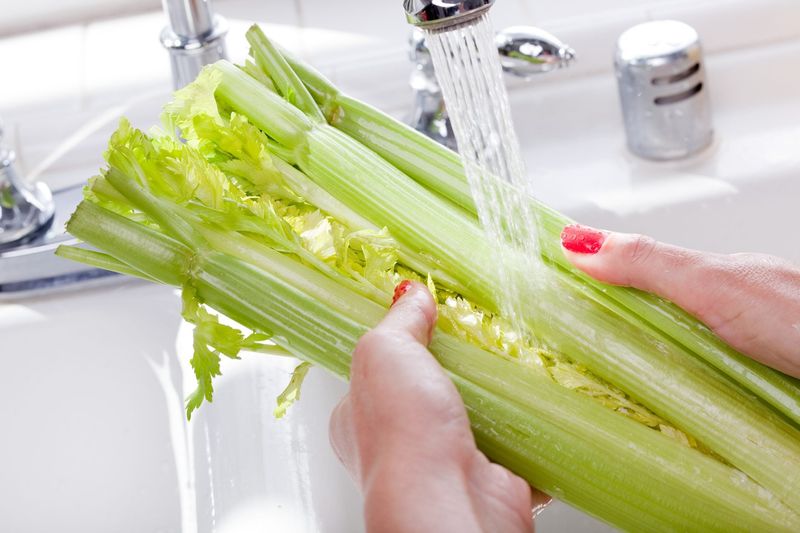
Garden-fresh or farm-stand fresh, celery should get the same treatment: a good rinse. FDA produce guidance says to wash produce under running water before eating or preparing it.
Separate the stalks and rub them gently under the tap, paying attention to the grooves where dirt tends to hide. Dry them with a clean cloth or paper towel.
Skip the soap, detergent, and commercial produce wash. Federal guidance advises against them, and plain running water is the recommended method.
Rinsing can reduce bacteria, but it does not eliminate them. It is still worth doing every time.
Celery from your own backyard bed does not need a different standard than celery from the grocery store, and neither one gets a free pass.
When to take extra care
For most people, celery needs no special handling. Two situations call for a bit more attention.
The first involves warfarin, a blood thinner. Celery contains vitamin K, and USDA nutrient data list it among the foods that supply some.
The NIH Office of Dietary Supplements notes that people on warfarin should keep their vitamin K intake consistent.
That is a consistency tip, not a ban. Ordinary servings are not prohibited.
If you plan a big change, such as starting daily celery juice, talk with your care team first.
The second situation is a known celery allergy. People with this allergy should avoid celery and follow their clinician’s guidance.
A clinical food-challenge study examined suspected celery-root allergy, which shows the reaction is a real medical matter.
Celery is not unsafe for everyone. These are simply the two cases where a quick check with a professional makes sense.
Keep celery in perspective
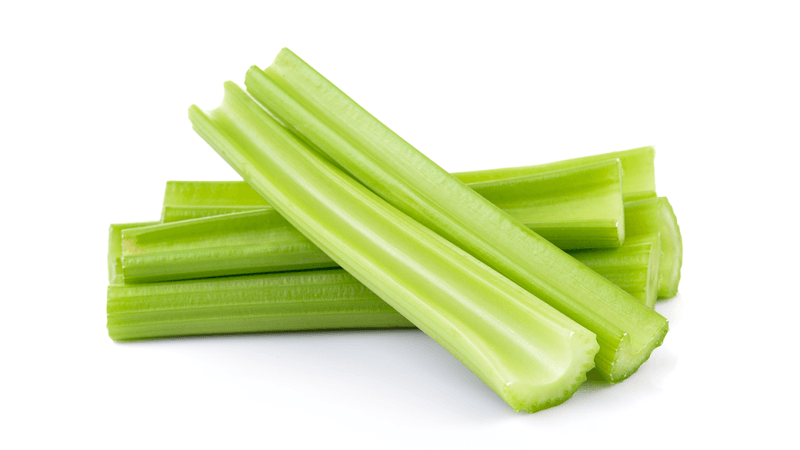
Celery is a fine everyday vegetable, and that is really the whole story. Eat it regularly if you enjoy it, since it brings water and some fiber for few calories, and a typical serving is small.
Wash it well, mix it in with other vegetables, and skip any pressure to hit a magic amount.
The best vegetable is the one that actually ends up on your plate, and for plenty of Garden State kitchens, that crisp green stalk is a handy start.
Share this story