Finding a wild animal living under your porch or in your attic can feel like an emergency. But in Virginia, some of those uninvited guests are protected by state or federal law, and grabbing a trap or shovel could land you a hefty fine.
Knowing which animals fall into this group helps you stay legal and keeps local wildlife safe. Here are nine creatures you should leave to the licensed pros.
1. Little Brown Bat
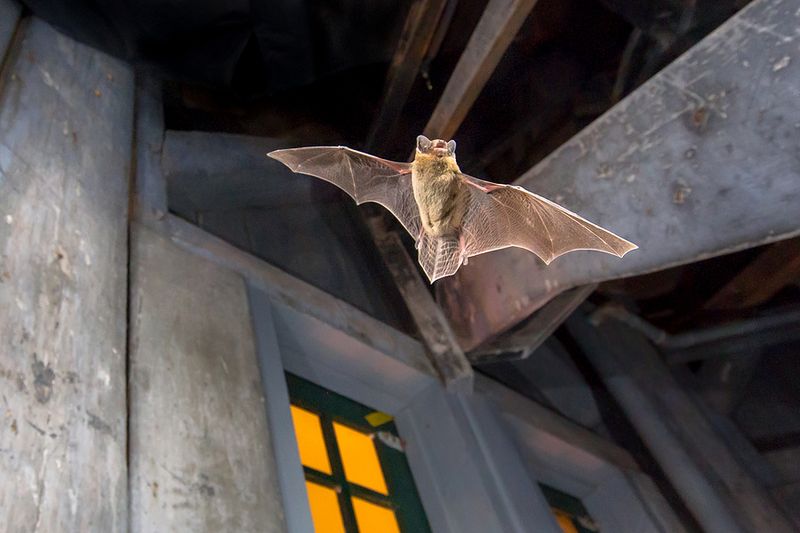
Picture a summer evening on your deck when a tiny shadow zips past, snatching mosquitoes out of the air. That little hunter might be a little brown bat, and it can eat hundreds of bugs in a single hour.
Populations of this bat crashed after white-nose syndrome swept through Virginia caves, so the state lists it as endangered. Killing, trapping, or sealing bats inside your home is against the law.
Virginia also bans bat exclusions during the pup season, roughly May 15 through July 31, because babies cannot fly yet. A licensed wildlife operator can install one-way exits at the right time so the colony leaves safely.
2. Bald Eagle
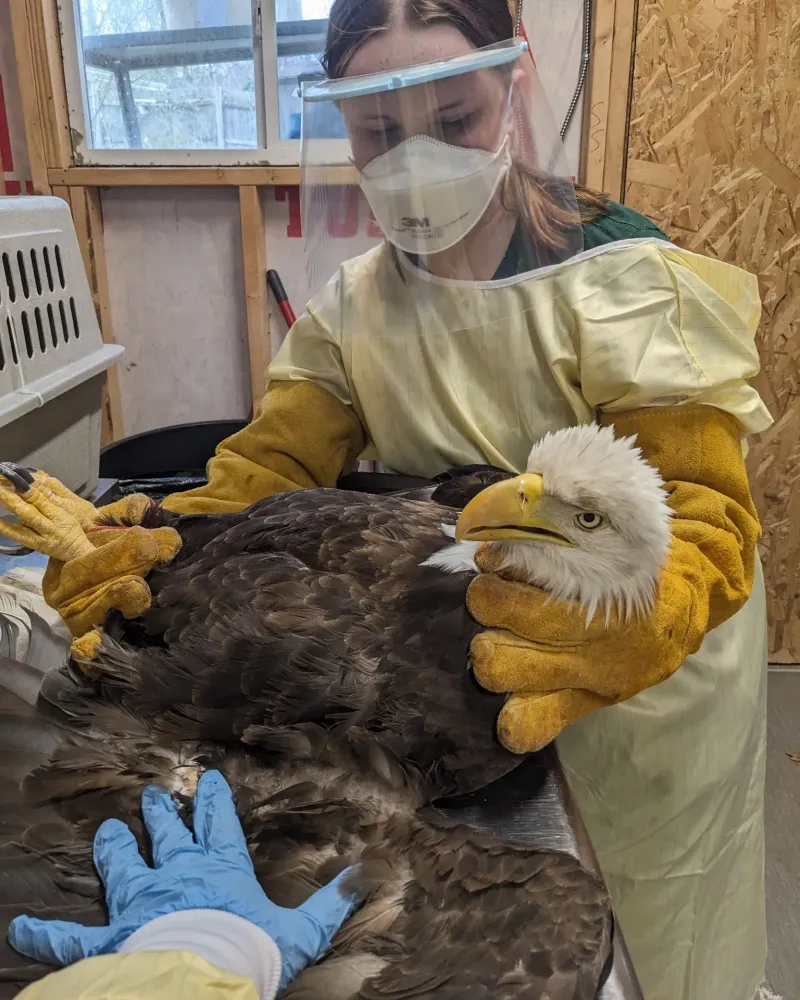
Few homeowners expect a national symbol to move in next door. Yet along the Chesapeake Bay and the James River, bald eagles now build giant nests in backyard trees.
Federal law, including the Bald and Golden Eagle Protection Act, makes it illegal to disturb, harm, or remove an eagle, its eggs, or even an empty nest. Cutting down a nest tree without a permit can bring serious penalties.
Got an eagle family on your property? Count yourself lucky, and contact the U.S.
Fish and Wildlife Service before any tree work or construction nearby.
3. Eastern Box Turtle
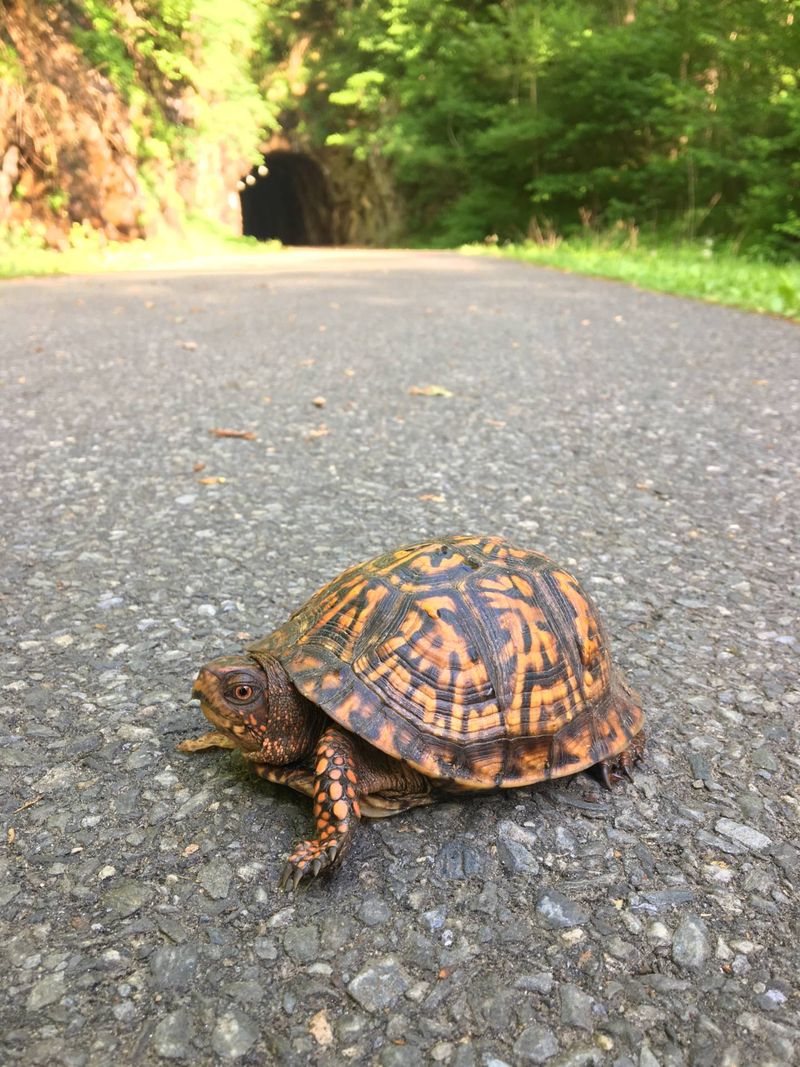
Slow and steady really is the motto here. An eastern box turtle can live over 50 years, often spending its whole life within a few acres.
Because of that tiny home range, moving one even a mile away can leave it lost and struggling. Virginia rules limit collecting and keeping native box turtles, and selling them is not allowed.
If one wanders through your garden, simply let it pass. Helping it across a road is fine, as long as you carry it in the direction it was already heading.
4. Chimney Swift
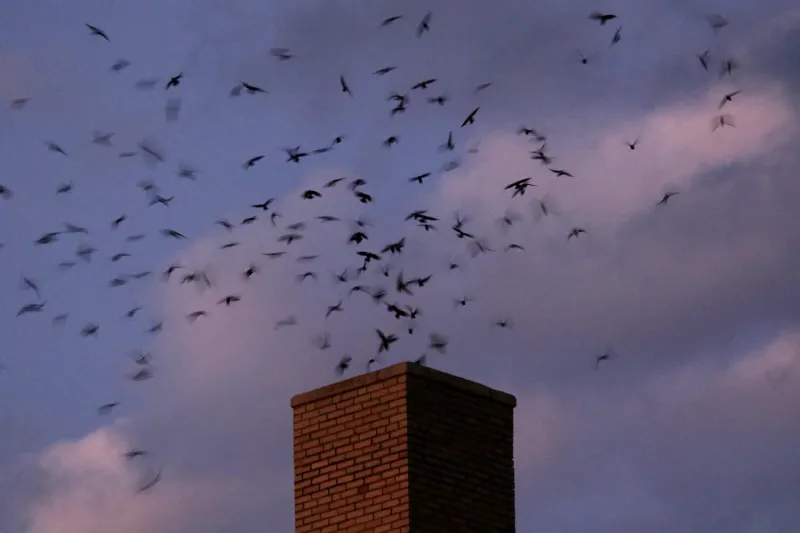
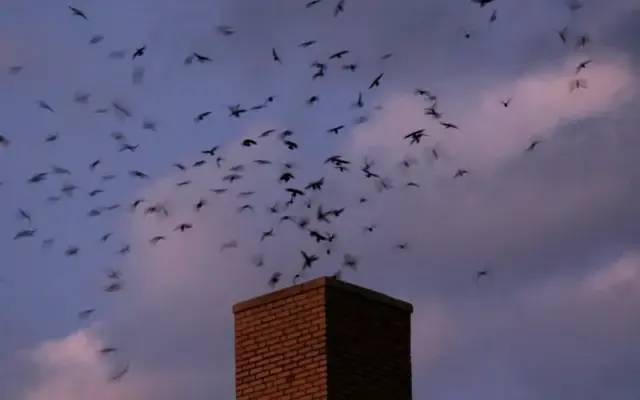
Hear a chattering, twittering racket coming from your fireplace? Chances are a family of chimney swifts has glued a tiny nest of twigs and spit to the inside of your flue.
These birds are protected under the Migratory Bird Treaty Act. Removing active nests or harming the birds is illegal, even when they are inside your house.
The good news is they only stay for the warm months and head to South America by fall. After they leave, schedule a chimney cleaning and add a cap if you want to avoid next year’s guests.
5. Barn Owl
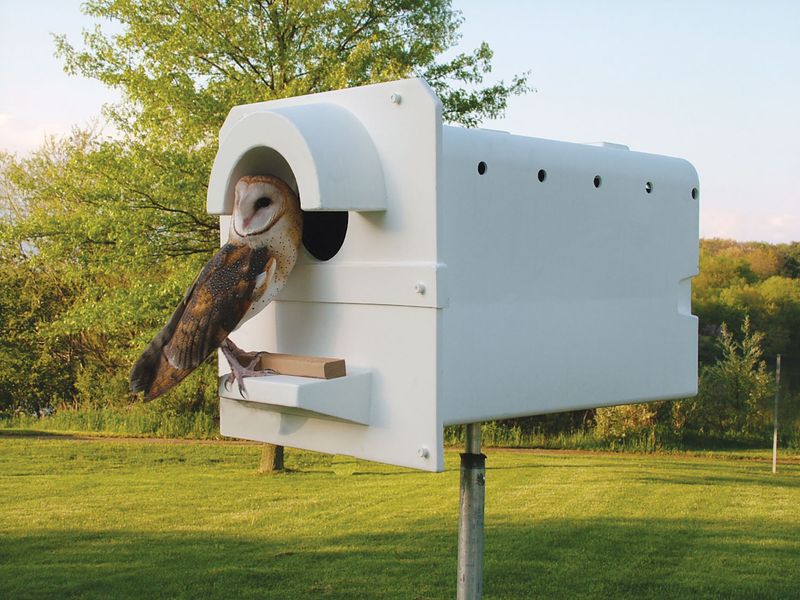
With a ghostly white face shaped like a heart, the barn owl looks like something out of a storybook. One family can gobble up more than a thousand rodents in a year.
Like all native owls, barn owls fall under federal migratory bird protections. Virginia also considers them a species of conservation concern since their numbers have dropped.
Finding one in your barn or shed is really a free pest control service. Leave the nest alone and call wildlife officials if the bird seems injured.
6. Northern Long-Eared Bat
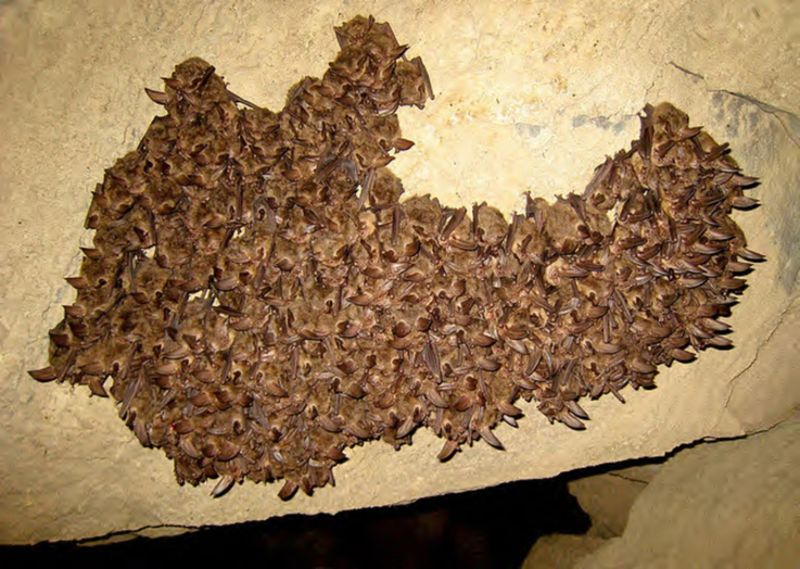
Those oversized ears are a giveaway. The northern long-eared bat uses them to hear insects crawling on leaves in total darkness.
Unlike some bats, this one is listed as endangered at the federal level, which raises the stakes for homeowners. It often roosts under tree bark, so clearing wooded lots during summer can harm hidden pups.
Planning to cut big trees? Check with the Virginia Department of Wildlife Resources first.
Timing tree work for winter is one easy way to stay in the clear.
7. Canebrake Rattlesnake
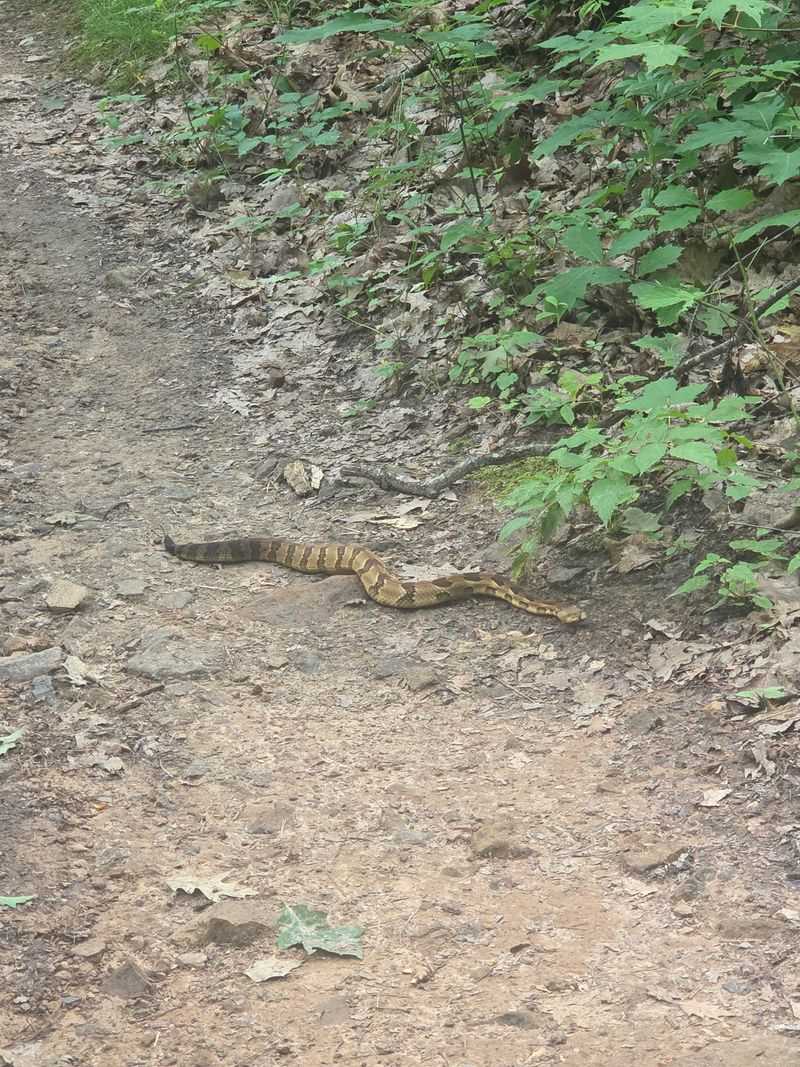
Here is a twist many people don’t see coming: a venomous snake that the law protects. In southeastern Virginia, the canebrake rattlesnake is listed as state endangered.
Killing one can mean real fines, even if it shows up near your shed. Thankfully, these snakes are shy and would much rather hide than strike.
Keep pets and kids back, and call the Department of Wildlife Resources or a licensed snake handler. They can move it safely to proper habitat.
8. Red-Tailed Hawk
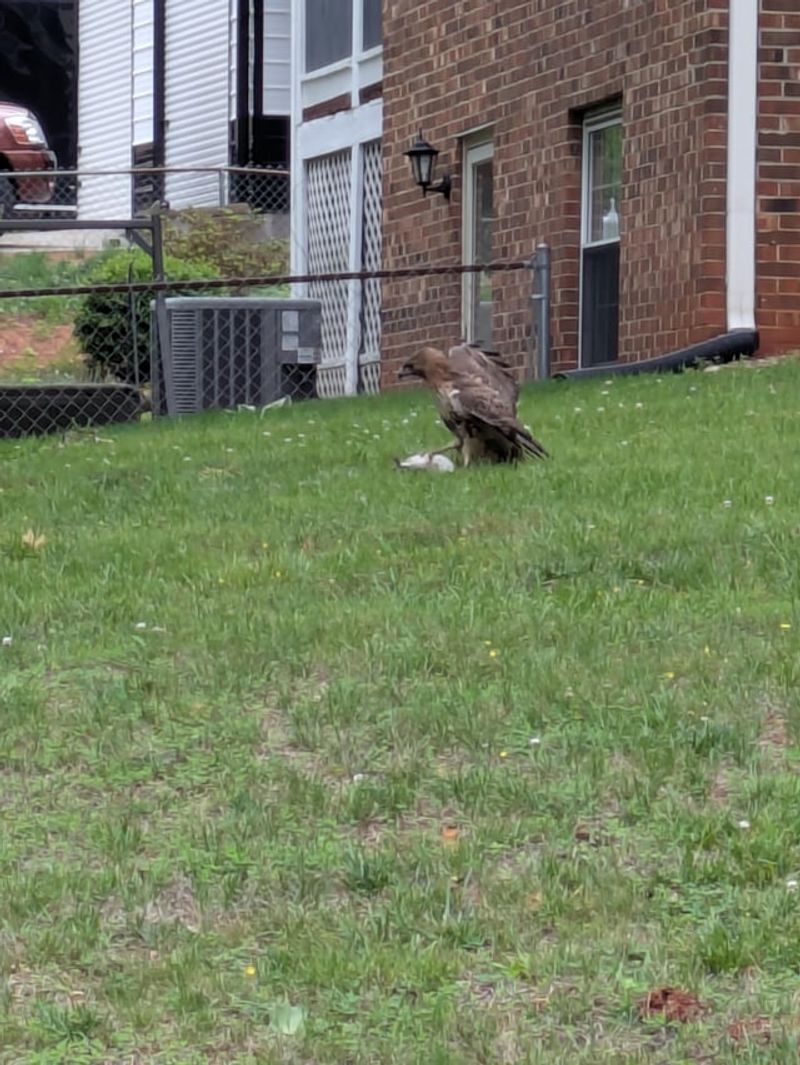
Backyard chicken keepers often have mixed feelings about the red-tailed hawk. Watching one circle above the coop can make anyone nervous.
Still, hawks are protected by federal law, and shooting or trapping them is a crime. Even collecting a fallen feather is technically not allowed without a permit.
Instead, cover runs with netting and give chickens shelter to duck under. Those steps protect your flock while letting the hawk keep the mouse population in check.
9. Wood Turtle
Did you know some turtles stomp on the ground to trick worms into surfacing? The wood turtle does exactly that, and it is one of the cleverest reptiles in the Appalachians.
Found mostly in northern and western Virginia, it is listed as state threatened. Collecting, moving, or keeping one as a pet is not allowed.
Homes near cool mountain streams are most likely to spot them. Snap a photo, report the sighting to wildlife officials, and let it keep wandering.
Share this story