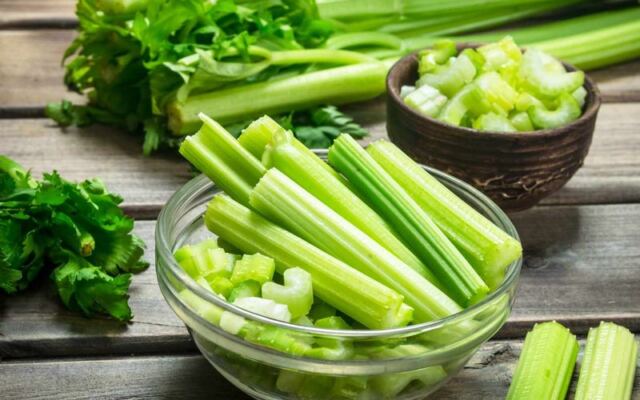
A daily celery snack gives you a crunchy, low-calorie vegetable with a little fiber, and that is about the size of it. It will not transform your body on its own, but it can be a handy habit for Maryland snackers.
What it does depends mostly on what you eat instead and how it fits into the rest of your meals. Here is what celery can and cannot do, from the nutrition label to the garden bed.
What two stalks add
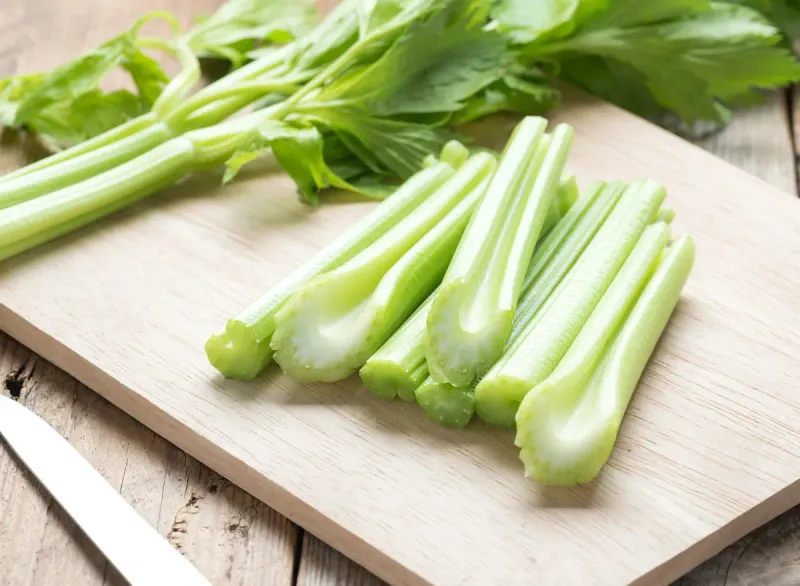
Picture two medium raw celery stalks on your cutting board. According to the federal nutrition reference, that portion weighs about 110 grams.
It provides 15 calories, 1 gram of dietary fiber, 115 milligrams of sodium, and 260 milligrams of potassium.
Those numbers tell a simple story. Celery is mostly water, so it fills a snack-sized spot on your plate without adding many calories.
The crunch also takes a little time to chew, which many people find satisfying.
The fiber is where expectations need a gentle check. One gram is a small contribution, so two stalks should not be treated as a major fiber source.
Adults need far more fiber across a whole day, and that usually comes from beans, whole grains, fruits, and a variety of vegetables.
The sodium and potassium amounts are modest too. Celery naturally contains some sodium, but 115 milligrams is a small slice of a day.
The potassium is a nice bonus, though it is not enough to make celery a standout source.
So the baseline is clear. A daily celery snack is a light, crisp, low-calorie vegetable serving with a bit of fiber.
Anything beyond that depends on the rest of your eating habits, which the next sections cover.
What celery replaces matters
Suppose you already eat your usual meals and then add celery on top. In that case, you have simply added 15 calories or so, and your total for the day goes up a little.
Nothing about celery will cancel that out.
Now suppose you grab celery instead of a handful of chips or a cookie. Here the numbers can shift, because you swapped a snack with many more calories for one with very few.
The federal reference values show celery does supply calories, just not many.
That difference comes from the swap, not from a special fat-burning power in the vegetable. Celery is also not a negative-calorie food, a popular claim that does not hold up.
Your body gets some energy from it, even if the amount is small.
For that reason, it is hard to predict weight change from this habit alone. Sleep, activity, portion sizes, and the rest of your meals all play bigger roles.
A snack swap is one small piece of that picture.
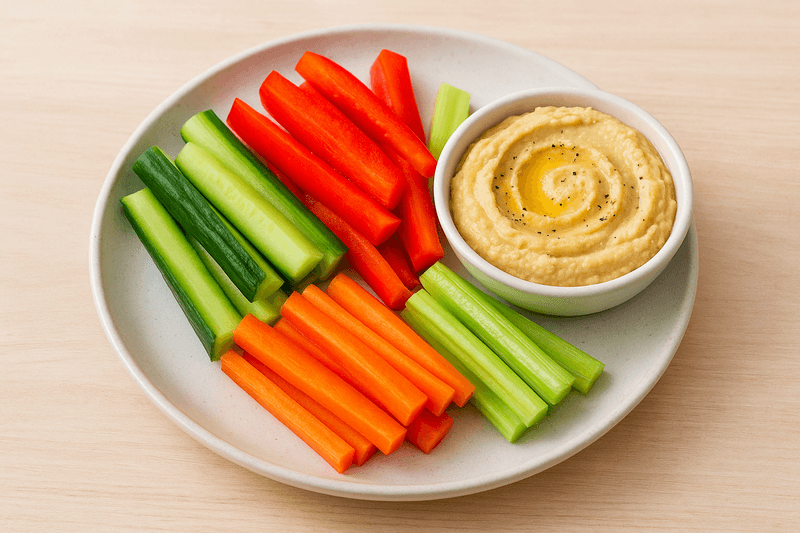
A practical way to test it: pick one snack you often eat while doing something else, like watching TV, and trade it for celery a few days a week. Pairing celery with a spoonful of peanut butter or hummus adds flavor and staying power, though it also adds calories, so measure that part.
Notice whether you feel satisfied or still hungry.
What celery research can show
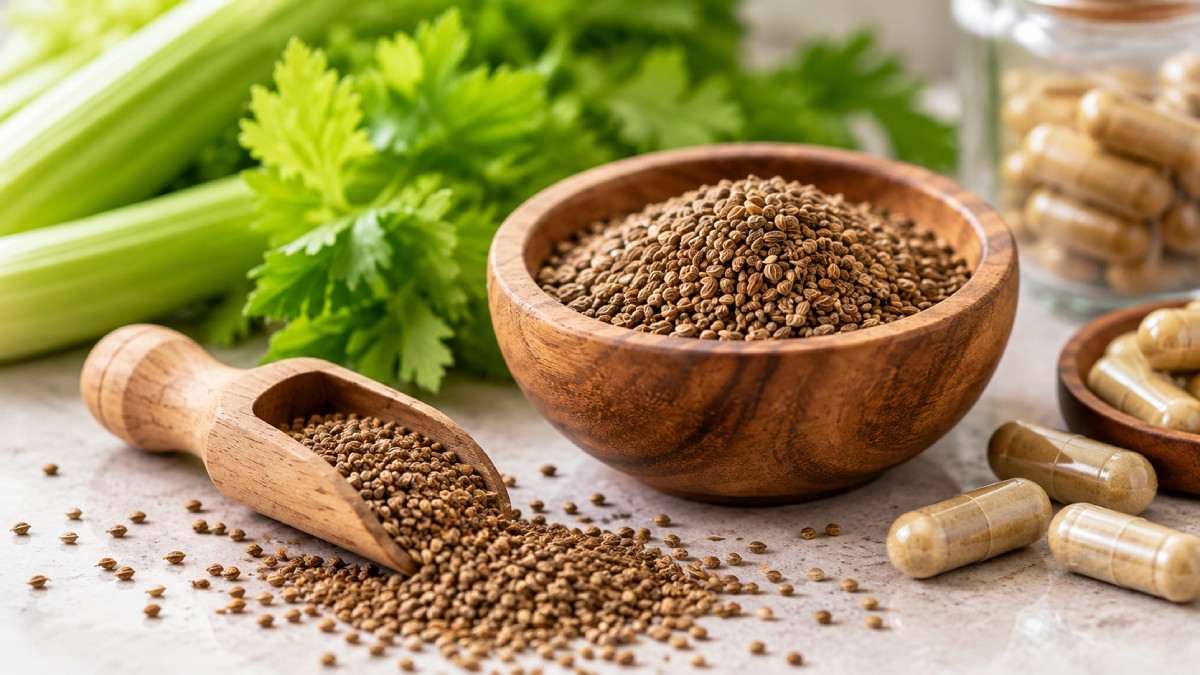
Headlines about celery and blood pressure, blood sugar, or cholesterol often trace back to studies of celery preparations, such as seed extracts and powders. Those are not the same as munching on a few raw stalks.
The difference matters for what you can expect.
A 2025 meta-analysis pooled 10 randomized trials with 511 people and reported improvements in some measures. The authors also noted big differences between studies, small sample sizes, and a need for larger, longer trials.
That means the results are interesting but not firm.
Individual studies show the same gap. One small trial tested 1.34 grams a day of celery-seed extract in 52 adults with hypertension.
A pilot study of celery powder in adults with type 2 diabetes found no significant differences between groups in cardiometabolic measures. Neither tested a daily raw-stalk snack as a treatment.
So there is no proof that snacking on celery prevents or treats high blood pressure, diabetes, or abnormal cholesterol. It also does not replace medical care or prescribed medicine.
If you manage any of these conditions, keep following your care plan.
Detox claims fall flat too. The National Center for Complementary and Integrative Health reports no compelling research that detox diets eliminate toxins or manage weight.
Celery is a fine snack, but it is not a cleanse.
How celery can grow in Maryland
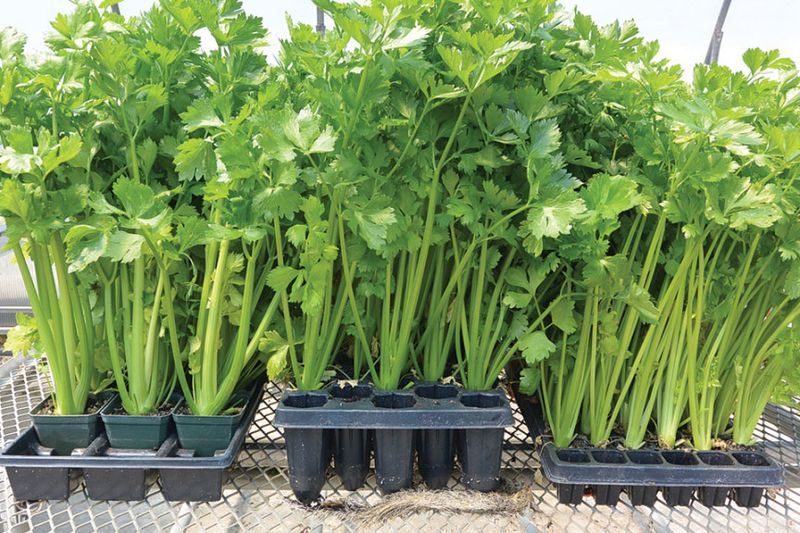
Maryland conditions can suit celery, and University of Maryland Extension describes it as a cool-season crop. It grows best when temperatures sit around 55 to 75 degrees Fahrenheit.
It also needs steady soil moisture, so a dry spell can set it back.
The guide gives May 1 through June 30 as a usual planting period. After transplanting, celery typically takes 85 to 100 days to reach harvestable size.
That is a long wait compared with many garden crops, so patience helps.
Temperature swings matter as well. Sustained cold exposure can cause plants to bolt, which means they shoot up a flower stalk instead of growing the tender stalks you want.
Watching the forecast and protecting young plants can help.
This is guidance on growing conditions, not a promise. It does not show that celery is easy, that many Marylanders grow it, or that you will always find it at local markets.
Some gardeners may find it fussier than lettuce or kale.
If you are curious, start with a few transplants and keep the soil evenly damp. If gardening is not your thing, a grocery store bunch works just as well for snacking.
Wash and store celery safely
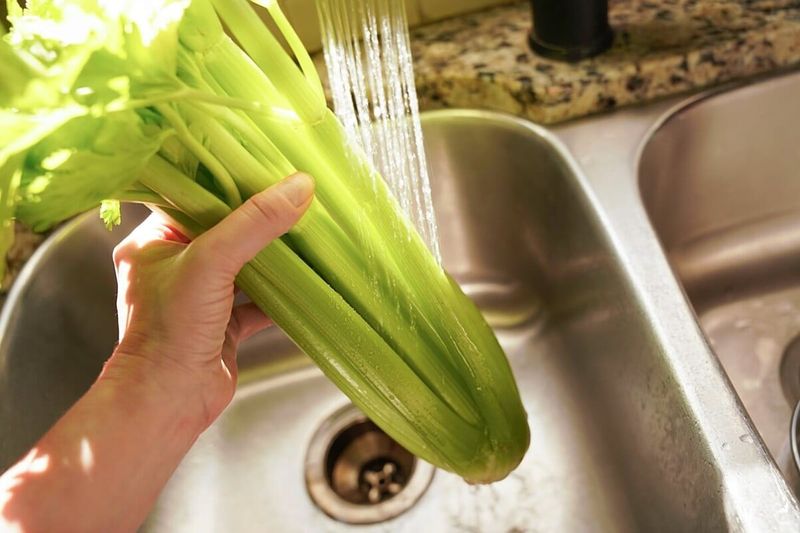
Before you crunch, rinse. FDA guidance says to wash produce under running water before eating or preparing it.
That goes for store-bought bunches, homegrown celery, and anything from a farmers market.
Skip the soap. FDA advises against washing produce with soap, detergent, or commercial produce wash.
Plain running water, plus a gentle rub with your hands or a clean brush near the base where dirt hides, does the job.
Celery stalks have grooves that can trap soil, so separate them and rinse each one. Pat them dry with a clean cloth or paper towel.
Dry stalks are easier to store and stay crisper.
Celery is perishable, so keep it cold. FDA says to refrigerate perishable produce at 40 degrees Fahrenheit or below.
A crisper drawer or a sealed container in the fridge works well.
Cut celery into snack sticks ahead of time so it is ready when hunger hits. Use clean knives and boards, and toss any pieces that turn slimy or smell off.
Those steps are about food safety, not health benefits.
When to take extra care
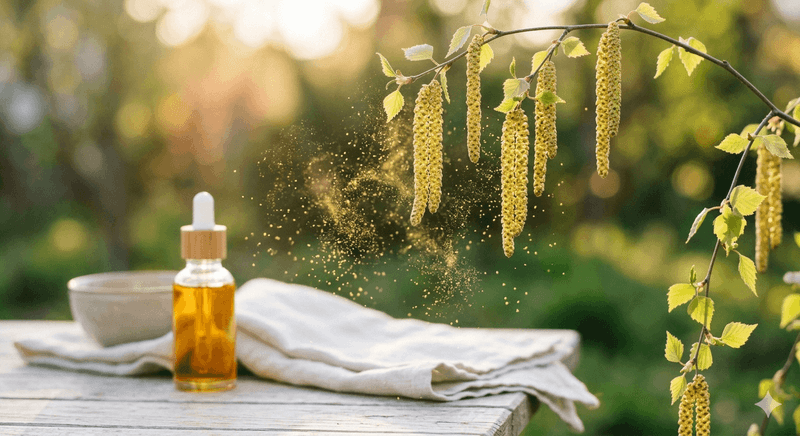
For most people, celery is an easy snack, but a couple of groups should pay attention. Some people with pollen allergies can react to celery through pollen-food allergy syndrome.
The American College of Allergy, Asthma and Immunology lists celery among foods linked to birch and grass pollen.
Symptoms are often limited to the mouth, such as itching or tingling. Reactions beyond the mouth and anaphylaxis are possible, but they are rare.
If celery makes your mouth itch or you notice other symptoms, stop eating it and talk with an allergist.
Warfarin is a different matter. Celery contains vitamin K, and the NIH Office of Dietary Supplements advises people taking warfarin to keep vitamin K intake from foods and supplements consistent.
The concern is big swings in overall intake, not a single food.
That does not mean an ordinary celery snack is off limits. If you eat it most days, the steady habit can be easier to manage than eating it only now and then.
Tell your care team about your usual foods so they can adjust your plan if needed.
Either way, your own doctor, pharmacist, or allergist knows your situation best. Questions about reactions or medication are worth asking before changing your routine.
Make celery one part of your diet
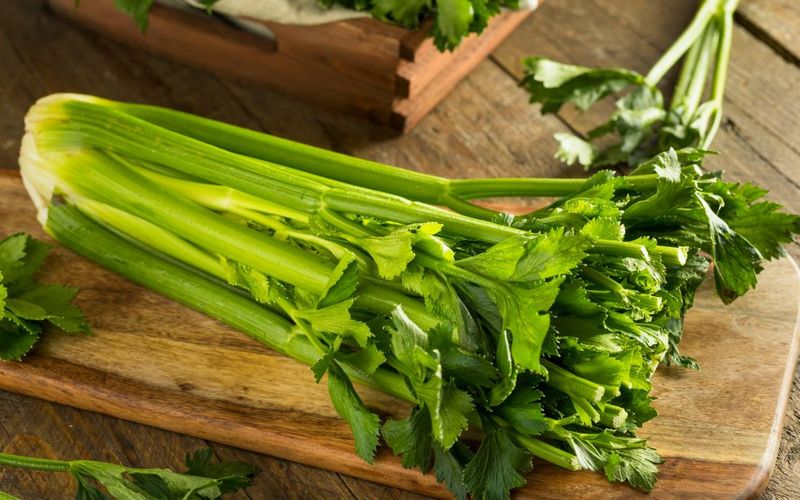
Celery can be a convenient way to get a vegetable into your day, especially when it is washed, cut, and waiting in the fridge. Still, no single food defines a healthy diet.
Federal dietary guidance focuses on an overall pattern of foods, including vegetables and fruits, rather than leaning on one vegetable.
Think variety. Rotate celery with carrots, bell pepper strips, cucumbers, apple slices, or whatever looks good in season.
Different foods bring different nutrients, and a mix keeps snacking from getting boring.
Celery also works well beyond the snack plate. Chop it into soups, tuna salad, stir-fries, or grain bowls so it joins meals that include protein and whole grains.
That way it supports your eating pattern instead of standing alone.
The realistic takeaway is modest. Celery offers a crisp, low-calorie choice with a little fiber, and it can help if it replaces a heavier snack.
It is not a guaranteed body transformation.
Treat it like a good supporting player, and let the rest of your plate do the heavy lifting. A small, steady habit often beats a dramatic one.
Share this story