Get the latest garden guides in your inbox →
Gardening Latest
  • General Gardening
  • Lawn Care
  • Plant Care
  • Composting
  • Soil Health
  • Backyard
  • Garden Muse Magazine
  • General Gardening
  • Lawn Care
  • Plant Care
  • Composting
  • Soil Health
  • Backyard
  • Garden Muse Magazine
  • News
  • Gardening Calendar
  • Garden Structures
  • Vegetable Garden
  • Vertical Garden
  • Raised Beds
  • Hydroponics
  • General Equipment
  • Community Gardens
Garden Themes
  • Spiritual Garden
  • Hydroseeding
  • Seeding and Laying Sod
  • Artificial Grass
  • Lawn Care Equipment
  • Plants
  • Trees
  • Planting Tools
  • Composting Basics
  • Fertilizer
  • Alternative Growing Mediums
  • Front Yard
  • Backyard Activities
  • Landscaping
Gardening Latest

Explore by state

Which state is your garden in?

Currently viewing Wisconsin

All states

Northeast

  • Connecticut —
  • Delaware 33
  • Maine —
  • Maryland 19
  • Massachusetts 35
  • New Hampshire —
  • New Jersey 19
  • New York 28
  • Pennsylvania 28
  • Rhode Island —
  • Vermont —

Southeast

  • Alabama 19
  • Arkansas —
  • Florida 19
  • Georgia 19
  • Kentucky 33
  • Louisiana 18
  • Mississippi —
  • North Carolina 17
  • South Carolina 32
  • Tennessee 16
  • Virginia 18
  • West Virginia —

Midwest

  • Illinois 18
  • Indiana 20
  • Iowa 32
  • Kansas —
  • Michigan 19
  • Minnesota 18
  • Missouri 18
  • Nebraska —
  • North Dakota —
  • Ohio 19
  • South Dakota —
  • Wisconsin 34

Southwest

  • Arizona 19
  • Colorado —
  • Nevada —
  • New Mexico —
  • Oklahoma —
  • Texas 18
  • Utah —

West

  • Alaska —
  • California 19
  • Hawaii —
  • Idaho —
  • Montana —
  • Oregon —
  • Washington —
  • Wyoming —

No state matches that search.

Site menu

Gardening Latest
  • General Gardening
    • News
    • Gardening Calendar
    • Garden Structures
    • Vegetable Garden
    • Vertical Garden
    • Raised Beds
    • Hydroponics
    • General Equipment
    • Community Gardens
    Garden Themes
    • Spiritual Garden
  • Lawn Care
    • Hydroseeding
    • Seeding and Laying Sod
    • Artificial Grass
    • Lawn Care Equipment
  • Plant Care
    • Plants
    • Trees
    • Planting Tools
  • Composting
    • Composting Basics
  • Soil Health
    • Fertilizer
    • Alternative Growing Mediums
  • Backyard
    • Front Yard
    • Backyard Activities
    • Landscaping
  • Garden Muse Magazine

Explore

  • About GardeningLatest.com
  • Contact Us

Get the latest from the garden

New guides on lawn care, plants and backyard projects, sent when they go up.

Subscribe →

Follow

  • Facebook
  • X
  • Pinterest
  • YouTube
Wisconsin Gardening

You’re Sharing Your Wisconsin Yard With Venomous Critters, And Late Fall Is When You’ll Notice Them

When the leaves drop and the nights turn cold, a lot of Wisconsin critters start looking for a warm place to hide…

HB

By Heidi Brandt

November 25, 2026 · 5 min read

You’re Sharing Your Wisconsin Yard With Venomous Critters, And Late Fall Is When You’ll Notice Them
You're Sharing Your Wisconsin Yard With Venomous Critters, And Late Fall Is When You'll Notice Them

When the leaves drop and the nights turn cold, a lot of Wisconsin critters start looking for a warm place to hide. Sometimes that place is your woodpile, your garage, or even your basement.

A few of these visitors can bite or sting, so it helps to know who they are before you grab that next armful of firewood. Here are seven venomous neighbors you might meet this fall, plus easy ways to stay safe.

At a glance

Where
Wisconsin Gardening
Hardiness zone
5 −20 to −10°F
Read
5 minutes
Published
November 25, 2026

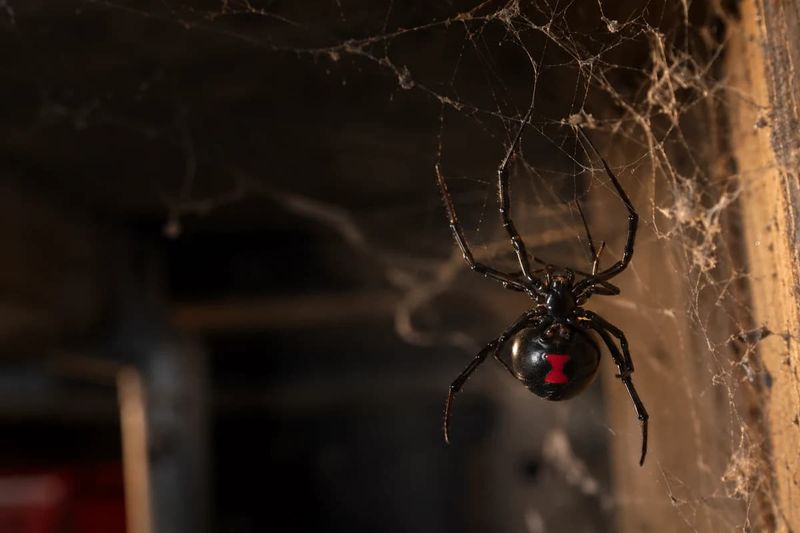
1. Northern Black Widow

Northern Black Widow
© Bug Identifier

Picture a shiny black spider the size of a raisin, hanging upside down in a messy web under your deck. Flip her over and you might spot red marks shaped like a broken hourglass.

Meet the northern black widow, one of the few spiders in Wisconsin with truly strong venom.

Black widows love dark, quiet places like woodpiles, old flower pots, and the corners of sheds. In late fall, people move firewood and store patio furniture, which means hands go right where these spiders live.

That is why bites tend to happen this time of year.

A bite can cause muscle cramps, sweating, and stomach pain. Bites are rare and almost never deadly for healthy adults, but kids and older folks should see a doctor fast.

Wear thick gloves when you handle stored items, and shake out anything that has been sitting outside all summer.

2. Eastern Yellowjacket
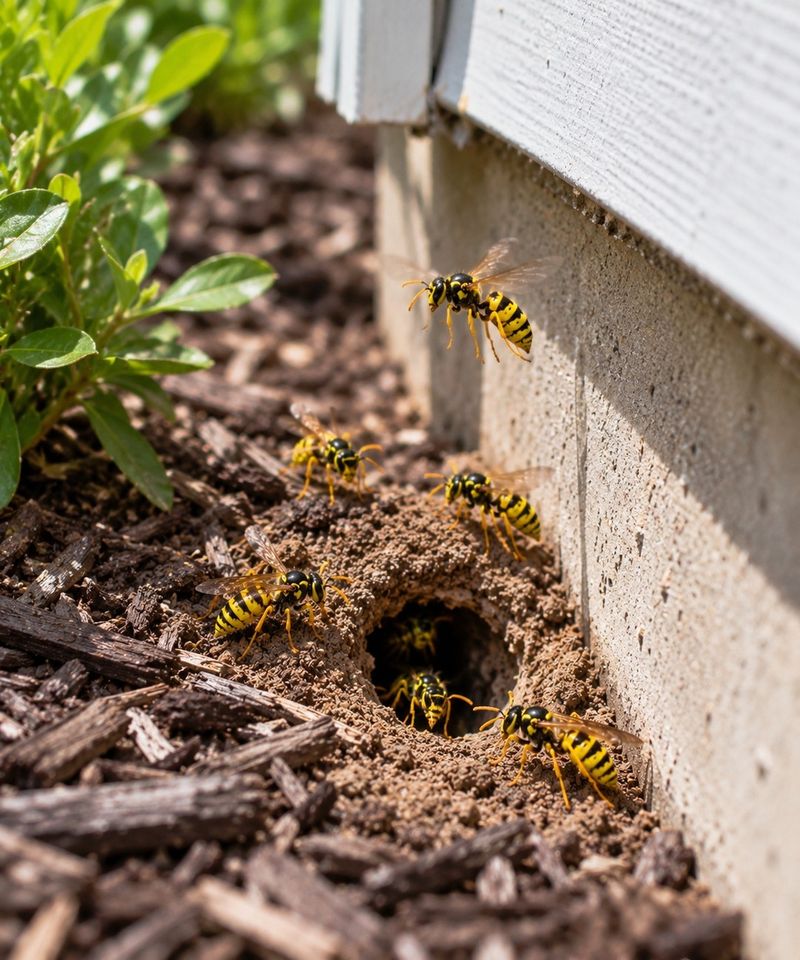
Eastern Yellowjacket
© hunt_country_wildlife_

Ever notice how yellowjackets get grumpier in October? You are not imagining it.

As their colony winds down, worker wasps run low on food and start crashing picnics, trash cans, and apple trees with a bad attitude.

Few Wisconsin residents will ever see one, and that makes a massasauga sighting pretty special.

Yellowjackets often nest in the ground, so mowing or raking leaves can stir up a whole angry crowd. Unlike honeybees, they can sting again and again.

Most stings just hurt and swell, but people with allergies can have serious reactions.

Keep lids on garbage cans and pick up fallen fruit quickly. Watch for wasps flying in and out of one spot in the lawn, and mark it so nobody steps there.

The good news is that hard frosts end the colony, and only the new queens survive to hide for winter.

3. Bald-Faced Hornet
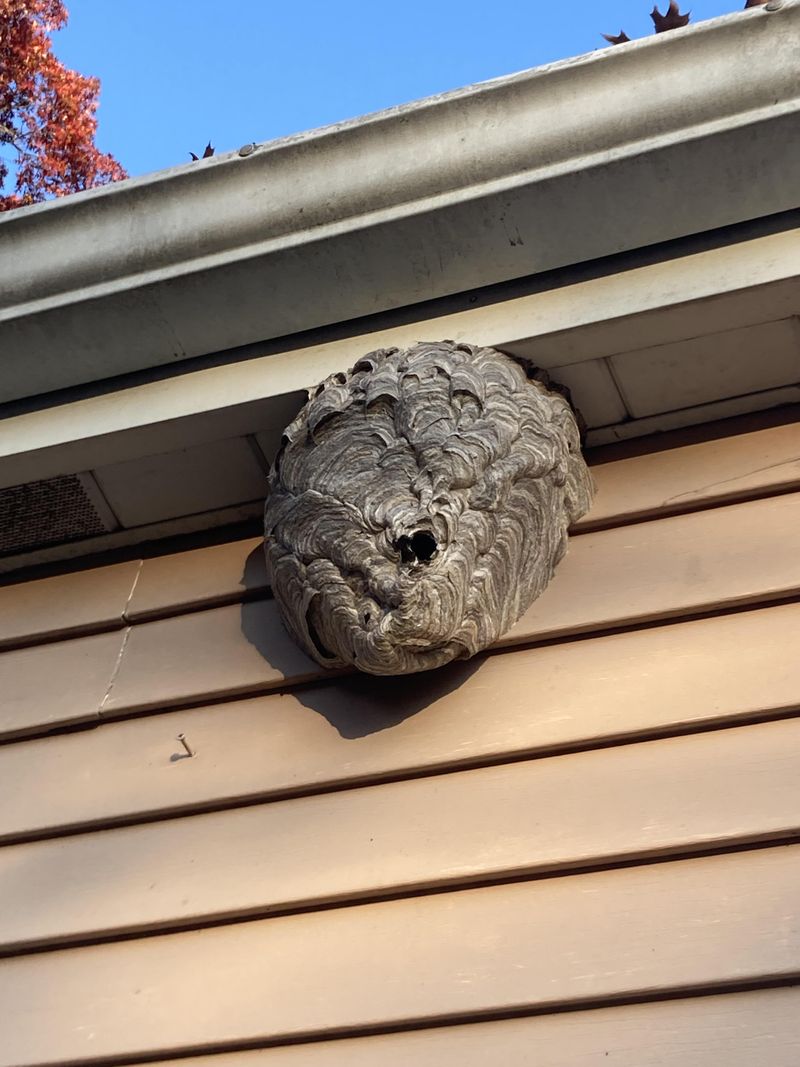
Bald-Faced Hornet
© Reddit

Surprise! That gray, football-shaped paper ball in your maple tree was there all summer.

You just could not see it until the leaves fell. Many Wisconsin homeowners discover bald-faced hornet nests this way every November.

These black-and-white hornets are actually a kind of yellowjacket, and they guard their homes fiercely. They can sting more than once and sometimes even squirt venom toward a threat’s eyes.

A nest can hold hundreds of workers by late summer.

Here is the comforting part. Once hard freezes hit, the nest is usually empty because the workers die off and new queens leave to hibernate elsewhere.

Hornets do not reuse old nests, so a winter nest is mostly a cool nature souvenir, though it is still smart to wait until it is truly cold before you touch it.

4. Brown Recluse (Rare Hitchhiker)
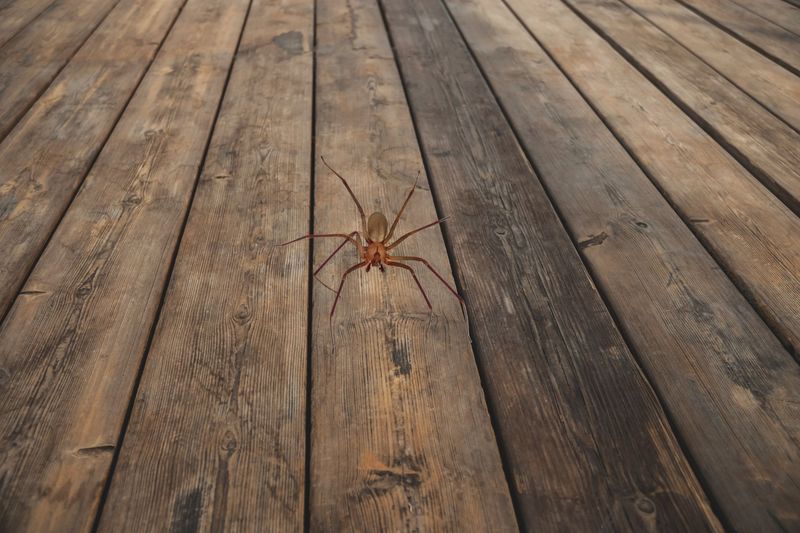
Brown Recluse (Rare Hitchhiker)
© 1st Choice Pest Solutions

Let’s clear up a big rumor first. Brown recluse spiders do not naturally live in Wisconsin.

Still, they sometimes ride in on moving boxes, furniture, or shipments from southern states, and a few have been found in homes here.

A recluse is tan to brown with a darker violin shape on its back. It likes cardboard boxes, closets, and clutter, which makes basements a cozy match.

Fall cleanup and storing summer gear can bring people face to face with one.

Bites are uncommon and many heal on their own, but some cause a sore that grows slowly. If you suspect a recluse, try to catch the spider in a jar for identification.

Plastic storage bins with tight lids beat cardboard boxes for keeping all kinds of spiders out.

5. Eastern Massasauga Rattlesnake
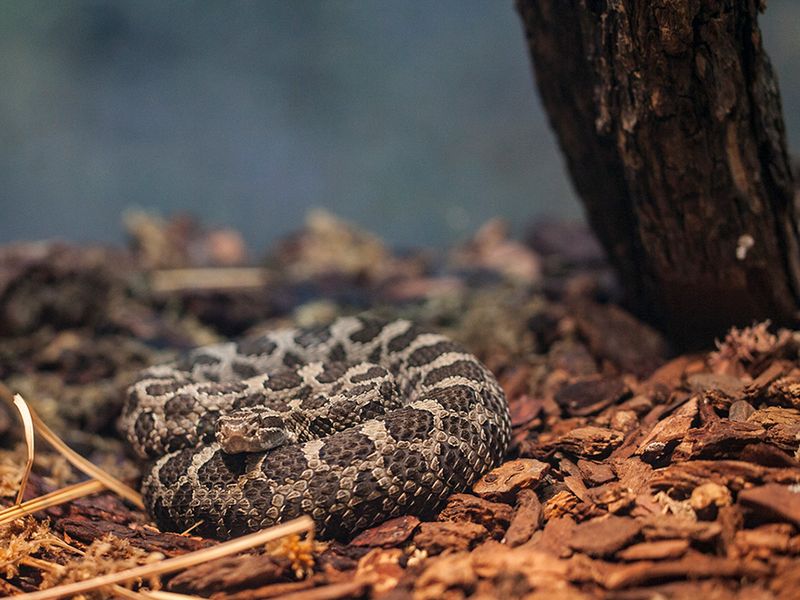
Eastern Massasauga Rattlesnake
© AZA.org

Few Wisconsin residents will ever see one, and that makes a massasauga sighting pretty special. This small rattlesnake is an endangered species in the state, living mostly in wet areas along rivers in western and central Wisconsin.

Massasaugas spend winter underground, often in crayfish burrows near wetlands. In early to mid fall, they move toward these winter spots, so people living near marshes might catch a glimpse.

They are shy and usually stay perfectly still to avoid being noticed.

Their venom is strong, but bites are extremely rare and usually happen when someone tries to grab one. If you see a massasauga, give it plenty of space and let it go on its way.

It is illegal to harm them, and they help control mice and voles.

6. Timber Rattlesnake
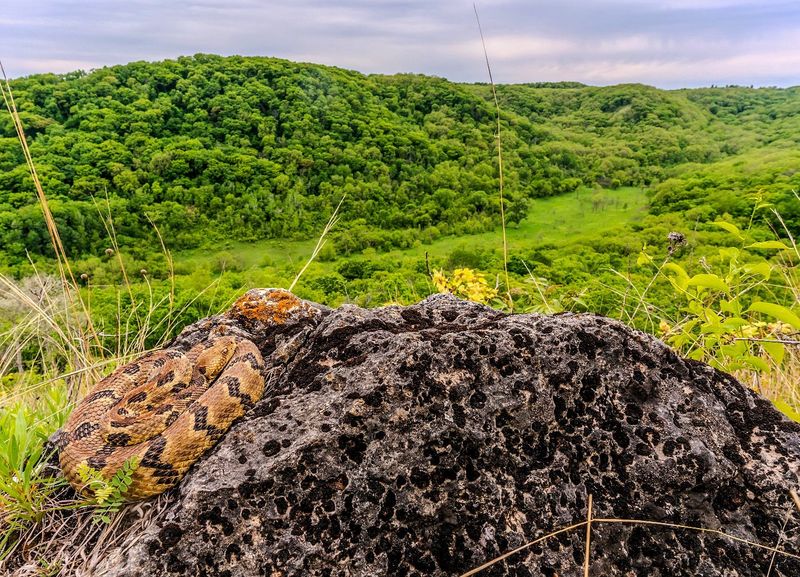
Timber Rattlesnake
© hawksexotics

Along the rocky bluffs of the Driftless Area, a bigger rattler soaks up the last warm sunshine of the year. The timber rattlesnake is Wisconsin’s larger venomous snake, with dark bands across a yellowish or tan body.

Each fall, timber rattlers return to the same rocky dens, sometimes traveling a mile or more to get there. They gather on sunny ledges before slipping underground for the winter.

If your home sits near bluffs in southwest Wisconsin, late September and October are prime viewing months.

Fun fact: some of these snakes use the same den for decades. They are calm and protected in the state, so admire them from a safe distance with binoculars.

Wear sturdy boots when hiking rocky areas and watch where you put your hands.

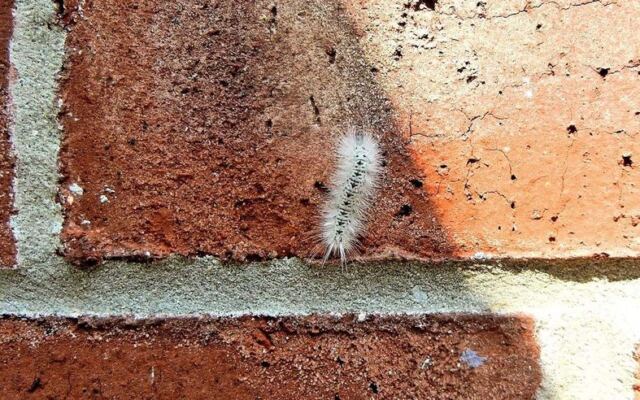
7. Stinging Caterpillars
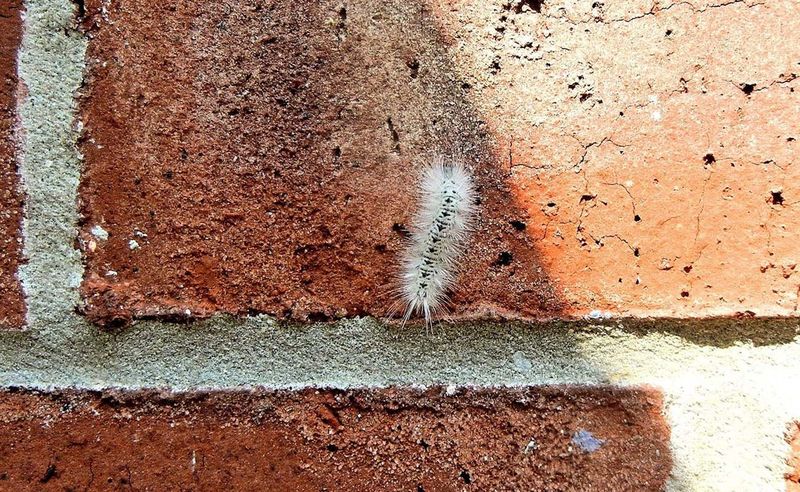
Stinging Caterpillars
© Farm and Dairy

Cute and fuzzy can fool you. Some Wisconsin caterpillars have hairs or spines that deliver a sting or itchy rash, and early fall is when many of them wander across driveways looking for a place to spin cocoons.

The white hickory tussock caterpillar is a common one, with black tufts that look like tiny pencils. The saddleback and spiny oak slug caterpillars pack a sharper punch with venomous spines.

Kids love to pick up fuzzy bugs, so this one is worth a quick family chat.

A sting usually feels like burning and causes a red rash. Pressing tape on the spot can pull out tiny hairs, and washing with soap helps too.

Simple rule: look, take a photo, but do not touch.

Share this story
HB

Written by

Heidi Brandt

More from Heidi Brandt →

About Gardening Latest

Gardening Latest provides in-depth guides to maintaining and enhancing your garden and backyard. Learn how to make the most of the space you have and create a beautiful garden.

More about us →

Latest stories

  • California GardeningIf a Gray Fox Keeps Trotting Through Your California Yard This Winter, Here’s What It’s After

    If a Gray Fox Keeps Trotting Through Your California Yard This Winter, Here’s What It’s After

    7 hr ago
  • Arizona GardeningWhen a Gray Fox Trots Through Your Arizona Yard This Winter, It’s on a Mission

    When a Gray Fox Trots Through Your Arizona Yard This Winter, It’s on a Mission

    7 hr ago
  • Texas GardeningNeighbor Vines Crossing Into Your Texas Yard: Texas Tree-Branch Guidance Is Clear, but the Answer for Vines Is Less Settled

    Neighbor Vines Crossing Into Your Texas Yard: Texas Tree-Branch Guidance Is Clear, but the Answer for Vines Is Less Settled

    7 hr ago
  • Wisconsin GardeningWisconsin Neighbors Fight Over Snow Piled on Their Property, and Here’s What the Law Actually Says

    Wisconsin Neighbors Fight Over Snow Piled on Their Property, and Here’s What the Law Actually Says

    7 hr ago
  • Missouri GardeningYellow Jackets Nesting Near Your Missouri Home? This Is What You Should Do First

    Yellow Jackets Nesting Near Your Missouri Home? This Is What You Should Do First

    7 hr ago

Gardening by state

Stories for your state, and the hardiness zone most of it gardens in.

Keep exploring

Read next

All Wisconsin Gardening →
Wisconsin GardeningWisconsin Neighbors Fight Over Snow Piled on Their Property, and Here’s What the Law Actually Says
Wisconsin Gardening

Wisconsin Neighbors Fight Over Snow Piled on Their Property, and Here’s What the Law Actually Says

7 hr ago
Wisconsin GardeningYour Wisconsin Christmas Tree Brings Thousands of Hidden Bugs Inside, and Here’s What Actually Hatches
Wisconsin Gardening

Your Wisconsin Christmas Tree Brings Thousands of Hidden Bugs Inside, and Here’s What Actually Hatches

10 hr ago
Wisconsin GardeningWisconsin Winters Bring Big White Tracks Into Your Yard, and Here’s Which Animal Left Each One
Wisconsin Gardening

Wisconsin Winters Bring Big White Tracks Into Your Yard, and Here’s Which Animal Left Each One

13 hr ago

More from Wisconsin Gardening

  • The Invasive Tree Wisconsin Gardeners Keep Pulling Is Still Spreading Through Their Neighborhoods

    Nov 24
  • Here’s Who Actually Pays When a Neighbor’s Tree Smashes Into Your Wisconsin Yard

    Nov 24
Back to top

Leave a response Cancel

Your email address stays private. Required fields are marked with an asterisk.

Gardening Latest

In-depth guides to maintaining and enhancing your garden and backyard: how to make the most of the space you have, and how to make it beautiful.

  • Facebook
  • X
  • Pinterest
  • YouTube

We may earn a portion of sales from products or services that are purchased through our site as part of our affiliate partnerships with retailers.

Explore

  • About GardeningLatest.com
  • Contact Us
  • Terms and Conditions
  • Privacy
  • Editorial Note:
  • FTC Disclosure

Newsletter

New garden guides and seasonal tips, straight to your inbox.

We’ll email you a link to confirm. Unsubscribe any time.

Almost there! Check your inbox and tap the link to confirm.

© 2026 Gardening Latest. All rights reserved.

Back to top