Get the latest garden guides in your inbox →
Gardening Latest
  • General Gardening
  • Lawn Care
  • Plant Care
  • Composting
  • Soil Health
  • Backyard
  • Garden Muse Magazine
  • General Gardening
  • Lawn Care
  • Plant Care
  • Composting
  • Soil Health
  • Backyard
  • Garden Muse Magazine
  • News
  • Gardening Calendar
  • Garden Structures
  • Vegetable Garden
  • Vertical Garden
  • Raised Beds
  • Hydroponics
  • General Equipment
  • Community Gardens
Garden Themes
  • Spiritual Garden
  • Hydroseeding
  • Seeding and Laying Sod
  • Artificial Grass
  • Lawn Care Equipment
  • Plants
  • Trees
  • Planting Tools
  • Composting Basics
  • Fertilizer
  • Alternative Growing Mediums
  • Front Yard
  • Backyard Activities
  • Landscaping
Gardening Latest

Explore by state

Which state is your garden in?

Currently viewing Ohio

All states

Northeast

  • Connecticut —
  • Delaware 33
  • Maine —
  • Maryland 19
  • Massachusetts 35
  • New Hampshire —
  • New Jersey 19
  • New York 28
  • Pennsylvania 28
  • Rhode Island —
  • Vermont —

Southeast

  • Alabama 19
  • Arkansas —
  • Florida 19
  • Georgia 19
  • Kentucky 33
  • Louisiana 18
  • Mississippi —
  • North Carolina 17
  • South Carolina 32
  • Tennessee 16
  • Virginia 18
  • West Virginia —

Midwest

  • Illinois 18
  • Indiana 20
  • Iowa 32
  • Kansas —
  • Michigan 19
  • Minnesota 18
  • Missouri 18
  • Nebraska —
  • North Dakota —
  • Ohio 19
  • South Dakota —
  • Wisconsin 34

Southwest

  • Arizona 19
  • Colorado —
  • Nevada —
  • New Mexico —
  • Oklahoma —
  • Texas 18
  • Utah —

West

  • Alaska —
  • California 19
  • Hawaii —
  • Idaho —
  • Montana —
  • Oregon —
  • Washington —
  • Wyoming —

No state matches that search.

Site menu

Gardening Latest
  • General Gardening
    • News
    • Gardening Calendar
    • Garden Structures
    • Vegetable Garden
    • Vertical Garden
    • Raised Beds
    • Hydroponics
    • General Equipment
    • Community Gardens
    Garden Themes
    • Spiritual Garden
  • Lawn Care
    • Hydroseeding
    • Seeding and Laying Sod
    • Artificial Grass
    • Lawn Care Equipment
  • Plant Care
    • Plants
    • Trees
    • Planting Tools
  • Composting
    • Composting Basics
  • Soil Health
    • Fertilizer
    • Alternative Growing Mediums
  • Backyard
    • Front Yard
    • Backyard Activities
    • Landscaping
  • Garden Muse Magazine

Explore

  • About GardeningLatest.com
  • Contact Us

Get the latest from the garden

New guides on lawn care, plants and backyard projects, sent when they go up.

Subscribe →

Follow

  • Facebook
  • X
  • Pinterest
  • YouTube
Ohio Gardening

Ohio’s Common Backyard Shrew Is Smaller Than Your Thumb, Yet It Paralyzes Prey With Venom

A tiny Ohio mammal carries venom in its saliva, and it uses that venom to help take down prey.

MK

By Margaret Kessler

November 25, 2026 · 6 min read

Ohio’s Common Backyard Shrew Is Smaller Than Your Thumb, Yet It Paralyzes Prey With Venom
Ohio's Common Backyard Shrew Is Smaller Than Your Thumb, Yet It Paralyzes Prey With Venom

A tiny Ohio mammal carries venom in its saliva, and it uses that venom to help take down prey. The northern short-tailed shrew is no bigger than a small mouse, yet its bite packs a chemical punch most people expect only from snakes or spiders.

Scientists have studied its toxin in the lab, and the results are surprising. Here is what we know, what we do not, and how to react if you ever cross paths with one.

At a glance

Where
Ohio Gardening
Hardiness zone
6 −10 to 0°F
Read
6 minutes
Published
November 25, 2026

How big is this Ohio shrew?

How big is this Ohio shrew?
© Edisto Island Open Land Trust

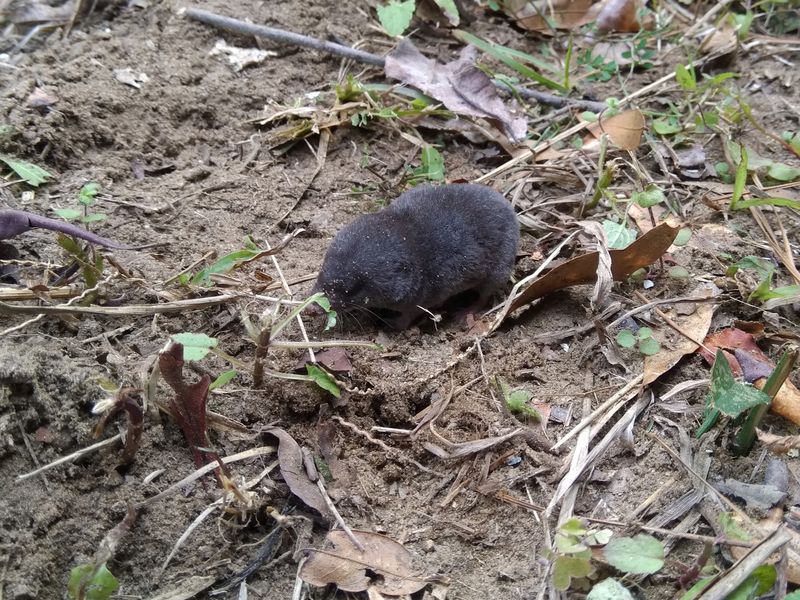
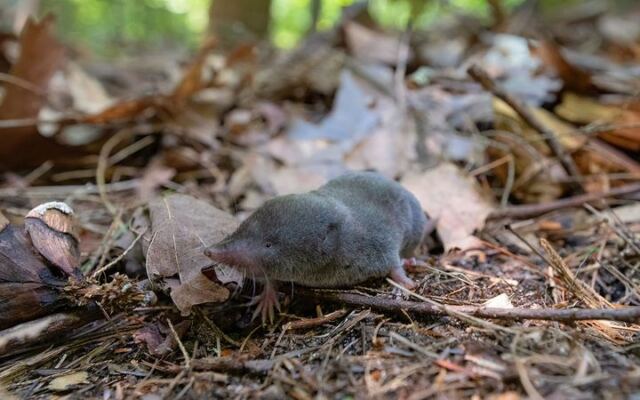
Picture a gray, velvety animal with a pointed snout, tiny eyes, and a stubby tail. That is the northern short-tailed shrew, Blarina brevicauda.

A wildlife-agency species account reports a length of 3.7 to 5 inches and a weight of 0.5 to 1 ounce.

That makes it small and lightweight, about the heft of a few coins. It is not shorter than a thumb, though, so do not expect something that tiny.

Think of a plump mouse with a shorter tail and a mole-like look.

In Ohio, this shrew is common. The Ohio Department of Natural Resources describes it in its Mammals of Ohio Field Guide as living in varied habitats, especially forests, grasslands, marshes, and brushy areas.

That wide range of homes helps explain why the species is so widespread across the state.

Common does not mean easy to spot. Shrews spend much of their time under leaf litter, in tunnels, and beneath dense plants, so most people never see one.

The guide does not say a shrew lives in every yard or garden, but a yard with brush, leaf cover, or damp ground near woods or fields could host one.

If you do glimpse a small, dark, fast-moving animal darting through the leaves, you may have just met one of Ohio’s most overlooked mammals.

A salivary toxin gives this shrew its venom
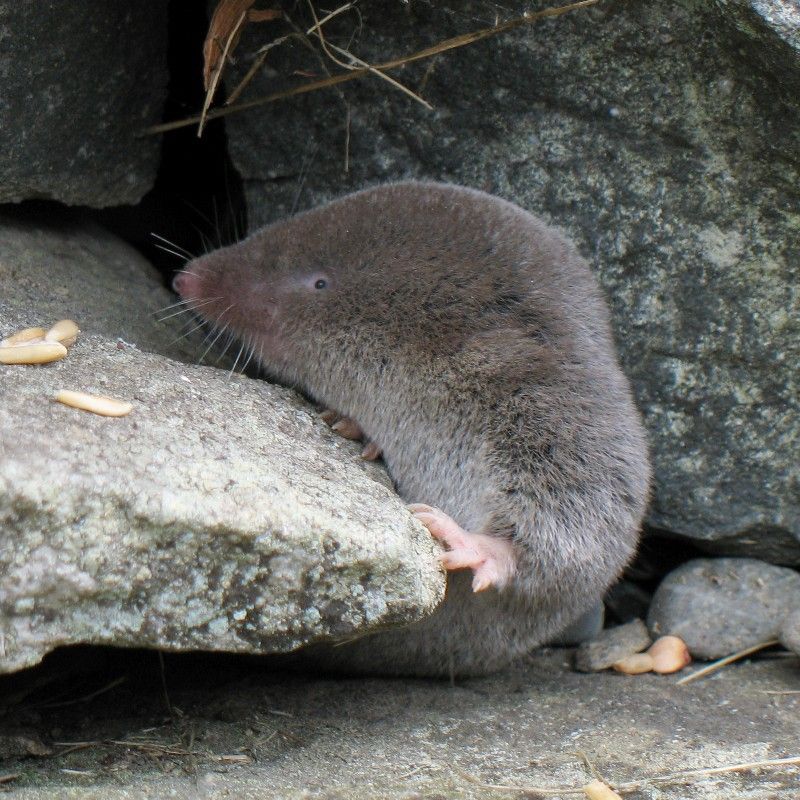
A salivary toxin gives this shrew its venom
© Wikipedia

Snakes get all the attention, but this shrew has venom too. Its salivary glands, the same glands that make spit in your own mouth, produce a toxic mix that enters prey through bites.

The venom is delivered from the mouth rather than through a stinger or fang system like a rattlesnake’s.

A needle puts a measured dose straight into the body, which is very different from a small animal’s bite.

The best-studied part of that mix is a protein called blarina toxin, or BLTX. In a laboratory study of the toxin, researchers isolated it from the shrew’s salivary glands and described it as a kallikrein-like protein.

Kallikreins are a type of enzyme, which means the toxin works by chemical action rather than by brute force.

That study gives us a solid starting point, but it does not tell us everything. Venoms are often complex cocktails, and the research supplied here focuses on this one component.

Scientists have not mapped every detail of how all the ingredients work together.

Still, the discovery changed how people think about mammals. Venomous mammals are rare, and finding one in Ohio woods and fields is a reminder that surprises can hide close to home.

The shrew is small, but its chemistry is anything but simple.

Venom can help the shrew subdue prey
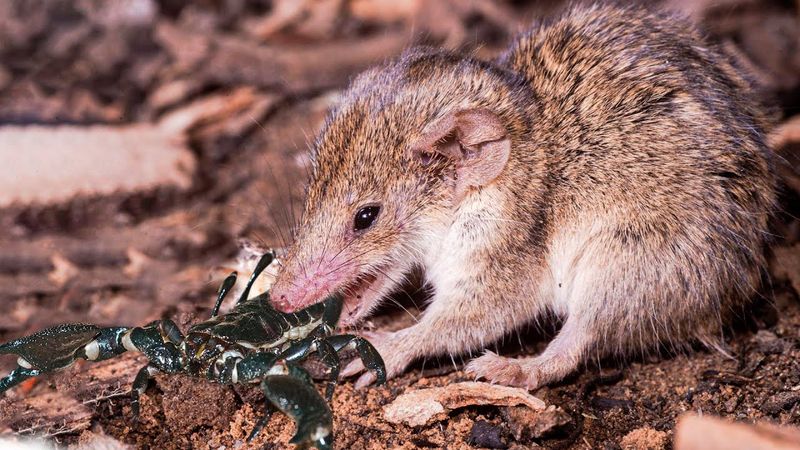
Venom can help the shrew subdue prey
© YouTube

Shrews burn energy fast, so they are always hunting. Earthworms and insects are typical meals, according to the Ohio DNR field guide, which also notes that some victims may be as large as, or larger than, the shrew itself.

That detail matters. Tackling a meal your own size is risky, and venom can help subdue it, making a struggling animal easier to handle.

A wildlife-agency account also lists occasional vertebrate prey, including salamanders, snakes, birds, and mice.

Think of venom as one tool in the kit. It does not mean every prey animal is paralyzed, and it is not the only way the shrew catches food.

A worm or insect may be taken with quick bites and plain speed, with no special help needed.

A fast, sharp-toothed hunter that can sometimes call on venom has an edge over larger animals. That helps explain how such a tiny mammal can thrive in so many places and keep its busy appetite fed.

What researchers know about bites and people
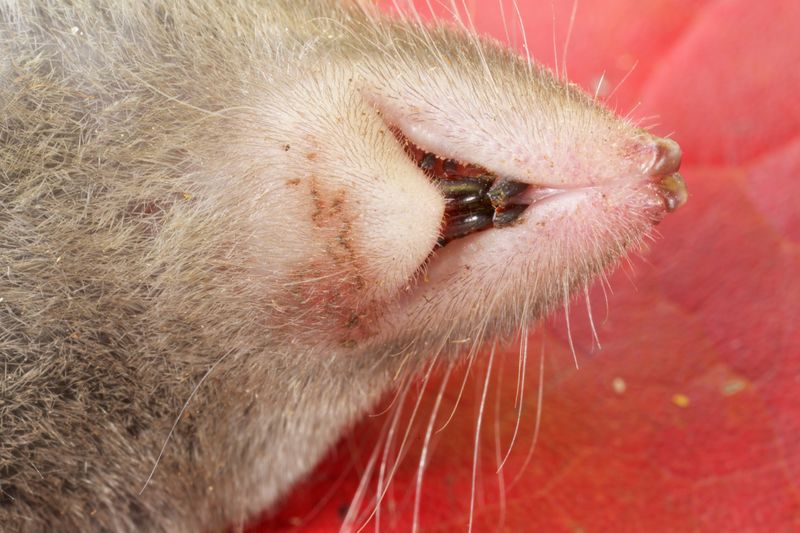
What researchers know about bites and people
© BBC Wildlife Magazine

Here is where reading carefully pays off. In the toxin study, researchers injected blarina toxin into mice.

The mice showed irregular breathing, paralysis, and convulsions.

Those are lab results from injections, not a record of what happens when a shrew bites a person. A needle puts a measured dose straight into the body, which is very different from a small animal’s bite.

The same study cites accounts of human bites. They describe burning around the tooth punctures, followed by swelling.

That is a local reaction, meaning it stays near the bite.

Nothing in that research shows that a shrew bite paralyzes a person or causes other effects throughout the body. But it would be wrong to call a bite harmless, because people did report pain and swelling.

The honest answer is that the evidence is limited, and neither a scary claim nor a casual shrug fits the facts.

For readers, the takeaway is simple: respect the animal, keep your hands off it, and treat any bite as a real injury.

Not every shrew has venom
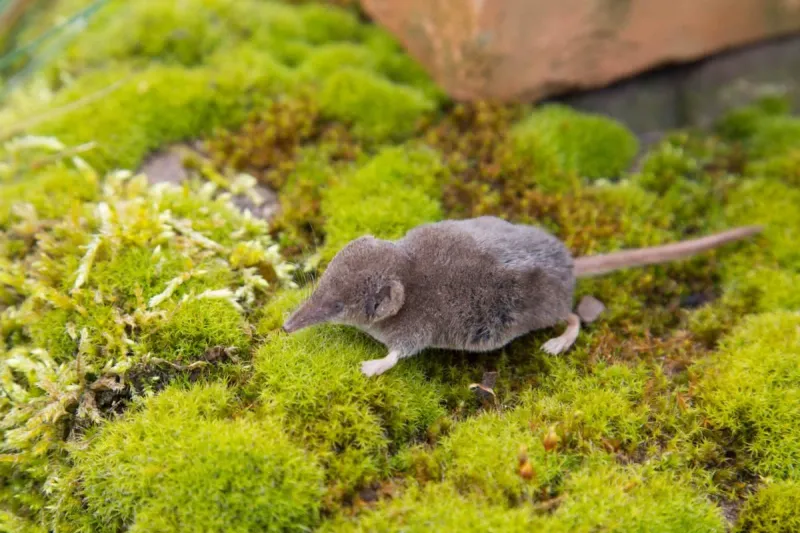
Not every shrew has venom
© Mammal Society

Hearing that one shrew is venomous might tempt you to say all of them are. That would be a mistake.

A comparative review of venom evolution in shrews and their relatives says most shrews are not venomous.

A separate experiment adds a useful example. In a study of Eurasian water shrew venom, researchers also tested saliva from the common shrew, Sorex araneus, and found no toxic effects.

So a shrew that looks much like its cousins may lack the chemical weapon entirely.

These results narrow the claim, but they do not erase it. Finding no venom in one species says nothing about another.

The evidence for venom in Blarina brevicauda, the northern short-tailed shrew, stands on its own.

For anyone in Ohio, the practical lesson is to keep the label specific. When you read or hear that shrews are venomous, ask which shrew is meant.

Naming the species keeps the story accurate and makes this little mammal’s unusual trait even more remarkable.

Observe from a distance, and take bites seriously
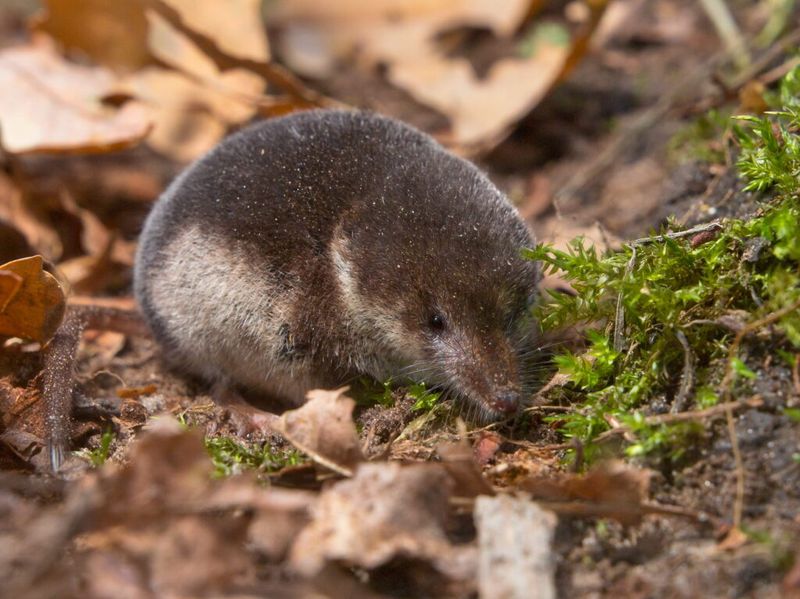
Observe from a distance, and take bites seriously
© The Mole Hunter

If a shrew crosses your path, enjoy the moment and give it room. Do not try to catch, trap, or pick one up.

Watching from a distance keeps you safe and keeps the animal from getting stressed.

If a bite ever breaks the skin, follow general guidance for animal bites from MedlinePlus. Wash the area thoroughly with soap and running water, then contact a health-care provider promptly.

A professional can check whether you need care for infection, tetanus, or other concerns.

Skip the guesswork about what the bite might do, and let a clinician decide. Small does not always mean trivial.

The northern short-tailed shrew weighs about as much as a few coins, yet it carries chemistry that can stop a meal in its tracks.

Share this story
MK

Written by

Margaret Kessler

More from Margaret Kessler →

About Gardening Latest

Gardening Latest provides in-depth guides to maintaining and enhancing your garden and backyard. Learn how to make the most of the space you have and create a beautiful garden.

More about us →

Latest stories

  • California GardeningIf a Gray Fox Keeps Trotting Through Your California Yard This Winter, Here’s What It’s After

    If a Gray Fox Keeps Trotting Through Your California Yard This Winter, Here’s What It’s After

    11 hr ago
  • Arizona GardeningWhen a Gray Fox Trots Through Your Arizona Yard This Winter, It’s on a Mission

    When a Gray Fox Trots Through Your Arizona Yard This Winter, It’s on a Mission

    12 hr ago
  • Texas GardeningNeighbor Vines Crossing Into Your Texas Yard: Texas Tree-Branch Guidance Is Clear, but the Answer for Vines Is Less Settled

    Neighbor Vines Crossing Into Your Texas Yard: Texas Tree-Branch Guidance Is Clear, but the Answer for Vines Is Less Settled

    12 hr ago
  • Wisconsin GardeningWisconsin Neighbors Fight Over Snow Piled on Their Property, and Here’s What the Law Actually Says

    Wisconsin Neighbors Fight Over Snow Piled on Their Property, and Here’s What the Law Actually Says

    12 hr ago
  • Missouri GardeningYellow Jackets Nesting Near Your Missouri Home? This Is What You Should Do First

    Yellow Jackets Nesting Near Your Missouri Home? This Is What You Should Do First

    12 hr ago

Gardening by state

Stories for your state, and the hardiness zone most of it gardens in.

Keep exploring

Read next

All Ohio Gardening →
Ohio GardeningOhio Homeowners Keep Seeing Red Foxes in the Yard This Winter, and Here’s What’s Going On
Ohio Gardening

Ohio Homeowners Keep Seeing Red Foxes in the Yard This Winter, and Here’s What’s Going On

14 hr ago
Ohio GardeningBrushed a Saddleback Caterpillar in Your Ohio Garden? These First Steps Ease the Sting Fast
Ohio Gardening

Brushed a Saddleback Caterpillar in Your Ohio Garden? These First Steps Ease the Sting Fast

16 hr ago
Ohio GardeningCopperheads, Rattlesnakes, And Black Widows All Live In Ohio, So Here’s How To Recognize Each One
Ohio Gardening

Copperheads, Rattlesnakes, And Black Widows All Live In Ohio, So Here’s How To Recognize Each One

23 hr ago

More from Ohio Gardening

  • The Winter Project Ohio Farmers Are Taking On to Bring Barn Owls Home

    Nov 24
  • What a Bald Eagle Circling Over Your Ohio Yard Is Really Telling You

    Nov 23
Back to top

Leave a response Cancel

Your email address stays private. Required fields are marked with an asterisk.

Gardening Latest

In-depth guides to maintaining and enhancing your garden and backyard: how to make the most of the space you have, and how to make it beautiful.

  • Facebook
  • X
  • Pinterest
  • YouTube

We may earn a portion of sales from products or services that are purchased through our site as part of our affiliate partnerships with retailers.

Explore

  • About GardeningLatest.com
  • Contact Us
  • Terms and Conditions
  • Privacy
  • Editorial Note:
  • FTC Disclosure

Newsletter

New garden guides and seasonal tips, straight to your inbox.

We’ll email you a link to confirm. Unsubscribe any time.

Almost there! Check your inbox and tap the link to confirm.

© 2026 Gardening Latest. All rights reserved.

Back to top