A tiny Ohio mammal carries venom in its saliva, and it uses that venom to help take down prey. The northern short-tailed shrew is no bigger than a small mouse, yet its bite packs a chemical punch most people expect only from snakes or spiders.
Scientists have studied its toxin in the lab, and the results are surprising. Here is what we know, what we do not, and how to react if you ever cross paths with one.
How big is this Ohio shrew?
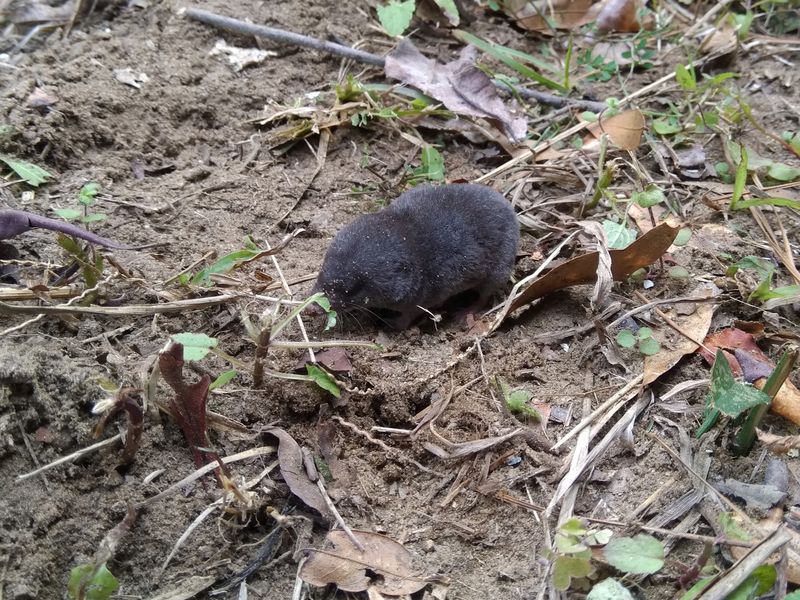
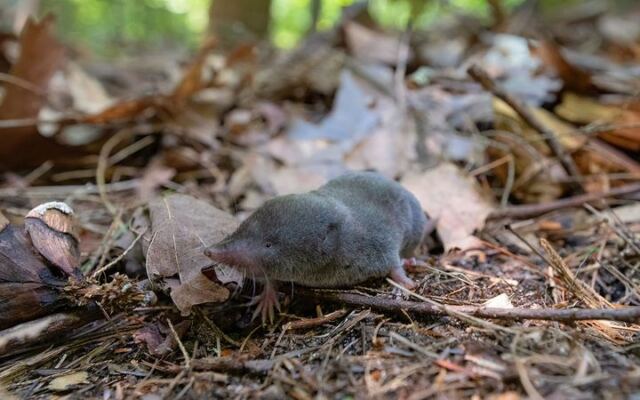
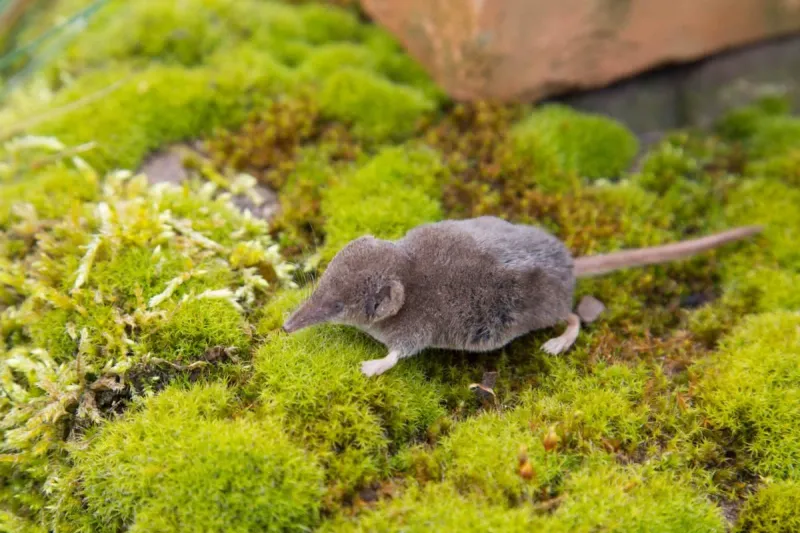
Picture a gray, velvety animal with a pointed snout, tiny eyes, and a stubby tail. That is the northern short-tailed shrew, Blarina brevicauda.
A wildlife-agency species account reports a length of 3.7 to 5 inches and a weight of 0.5 to 1 ounce.
That makes it small and lightweight, about the heft of a few coins. It is not shorter than a thumb, though, so do not expect something that tiny.
Think of a plump mouse with a shorter tail and a mole-like look.
In Ohio, this shrew is common. The Ohio Department of Natural Resources describes it in its Mammals of Ohio Field Guide as living in varied habitats, especially forests, grasslands, marshes, and brushy areas.
That wide range of homes helps explain why the species is so widespread across the state.
Common does not mean easy to spot. Shrews spend much of their time under leaf litter, in tunnels, and beneath dense plants, so most people never see one.
The guide does not say a shrew lives in every yard or garden, but a yard with brush, leaf cover, or damp ground near woods or fields could host one.
If you do glimpse a small, dark, fast-moving animal darting through the leaves, you may have just met one of Ohio’s most overlooked mammals.
A salivary toxin gives this shrew its venom
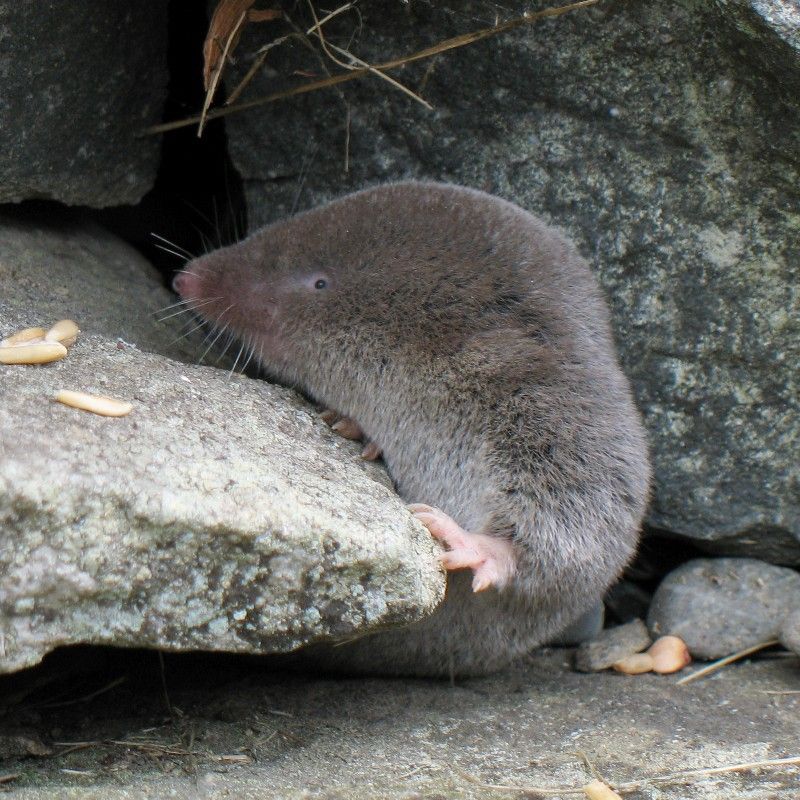
Snakes get all the attention, but this shrew has venom too. Its salivary glands, the same glands that make spit in your own mouth, produce a toxic mix that enters prey through bites.
The venom is delivered from the mouth rather than through a stinger or fang system like a rattlesnake’s.
The best-studied part of that mix is a protein called blarina toxin, or BLTX. In a laboratory study of the toxin, researchers isolated it from the shrew’s salivary glands and described it as a kallikrein-like protein.
Kallikreins are a type of enzyme, which means the toxin works by chemical action rather than by brute force.
That study gives us a solid starting point, but it does not tell us everything. Venoms are often complex cocktails, and the research supplied here focuses on this one component.
Scientists have not mapped every detail of how all the ingredients work together.
Still, the discovery changed how people think about mammals. Venomous mammals are rare, and finding one in Ohio woods and fields is a reminder that surprises can hide close to home.
The shrew is small, but its chemistry is anything but simple.
Venom can help the shrew subdue prey
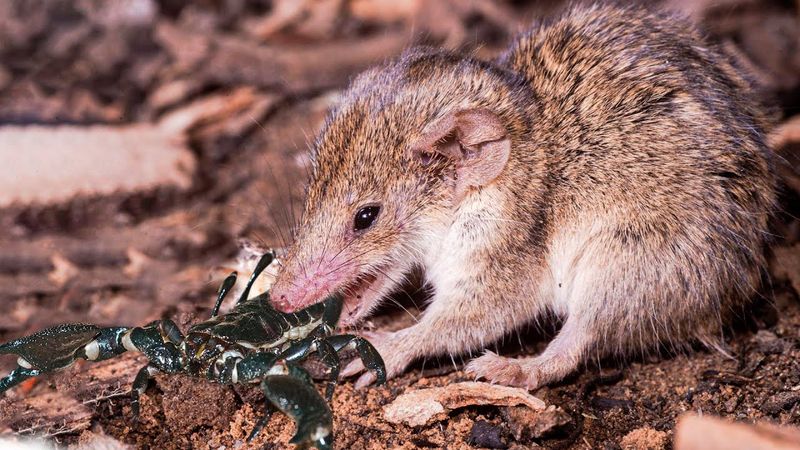
Shrews burn energy fast, so they are always hunting. Earthworms and insects are typical meals, according to the Ohio DNR field guide, which also notes that some victims may be as large as, or larger than, the shrew itself.
That detail matters. Tackling a meal your own size is risky, and venom can help subdue it, making a struggling animal easier to handle.
A wildlife-agency account also lists occasional vertebrate prey, including salamanders, snakes, birds, and mice.
Think of venom as one tool in the kit. It does not mean every prey animal is paralyzed, and it is not the only way the shrew catches food.
A worm or insect may be taken with quick bites and plain speed, with no special help needed.
A fast, sharp-toothed hunter that can sometimes call on venom has an edge over larger animals. That helps explain how such a tiny mammal can thrive in so many places and keep its busy appetite fed.
What researchers know about bites and people
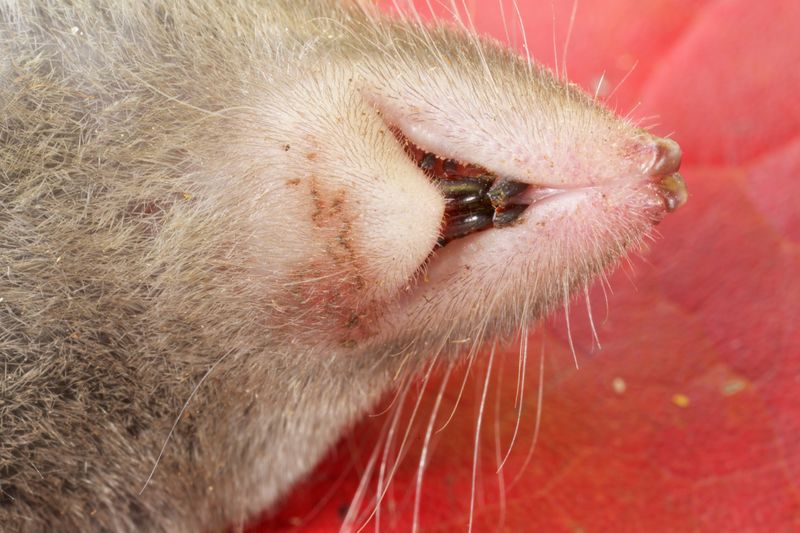
Here is where reading carefully pays off. In the toxin study, researchers injected blarina toxin into mice.
The mice showed irregular breathing, paralysis, and convulsions.
Those are lab results from injections, not a record of what happens when a shrew bites a person. A needle puts a measured dose straight into the body, which is very different from a small animal’s bite.
The same study cites accounts of human bites. They describe burning around the tooth punctures, followed by swelling.
That is a local reaction, meaning it stays near the bite.
Nothing in that research shows that a shrew bite paralyzes a person or causes other effects throughout the body. But it would be wrong to call a bite harmless, because people did report pain and swelling.
The honest answer is that the evidence is limited, and neither a scary claim nor a casual shrug fits the facts.
For readers, the takeaway is simple: respect the animal, keep your hands off it, and treat any bite as a real injury.
Not every shrew has venom
Hearing that one shrew is venomous might tempt you to say all of them are. That would be a mistake.
A comparative review of venom evolution in shrews and their relatives says most shrews are not venomous.
A separate experiment adds a useful example. In a study of Eurasian water shrew venom, researchers also tested saliva from the common shrew, Sorex araneus, and found no toxic effects.
So a shrew that looks much like its cousins may lack the chemical weapon entirely.
These results narrow the claim, but they do not erase it. Finding no venom in one species says nothing about another.
The evidence for venom in Blarina brevicauda, the northern short-tailed shrew, stands on its own.
For anyone in Ohio, the practical lesson is to keep the label specific. When you read or hear that shrews are venomous, ask which shrew is meant.
Naming the species keeps the story accurate and makes this little mammal’s unusual trait even more remarkable.
Observe from a distance, and take bites seriously
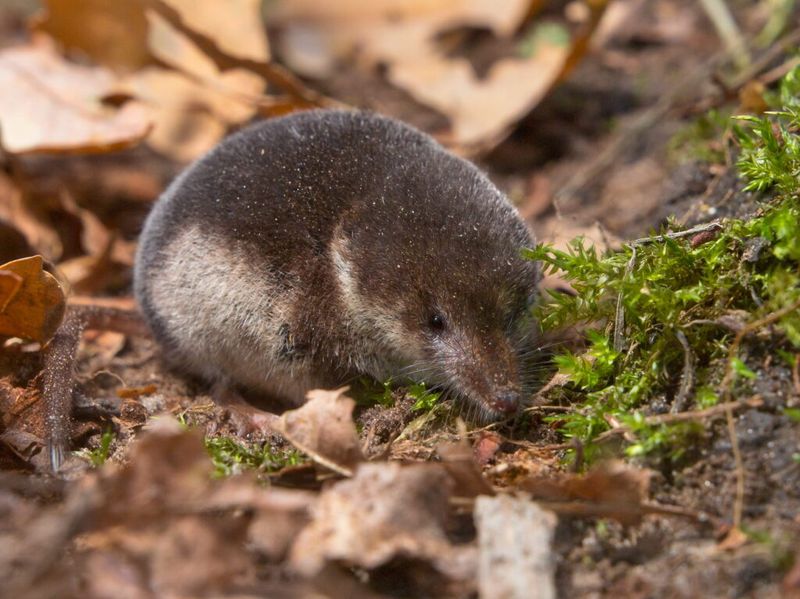
If a shrew crosses your path, enjoy the moment and give it room. Do not try to catch, trap, or pick one up.
Watching from a distance keeps you safe and keeps the animal from getting stressed.
If a bite ever breaks the skin, follow general guidance for animal bites from MedlinePlus. Wash the area thoroughly with soap and running water, then contact a health-care provider promptly.
A professional can check whether you need care for infection, tetanus, or other concerns.
Skip the guesswork about what the bite might do, and let a clinician decide. Small does not always mean trivial.
The northern short-tailed shrew weighs about as much as a few coins, yet it carries chemistry that can stop a meal in its tracks.
Share this story