
Snakes Keep Showing Up On Sunny Missouri Porches And Sidewalks During Mild November Afternoons
Imagine stepping outside on a warm November afternoon and spotting a snake stretched across the concrete. It can happen, though nobody has counted how often, and it is not something Missouri residents should expect every fall.
Snakes are cold-blooded, so sunny weather can change how active they are. Knowing why one might appear, and what to do next, helps everyone stay calm and safe.
A mild November day can make a snake sighting plausible
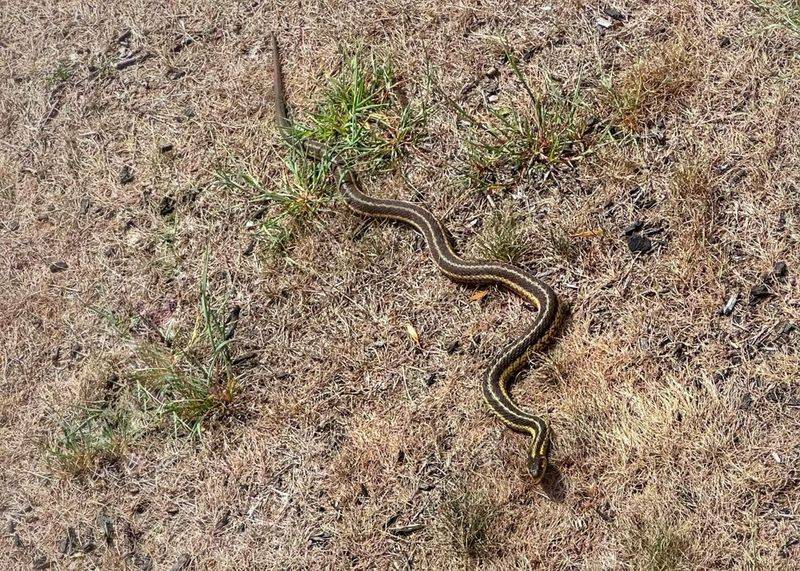
Picture a sunny, mild afternoon in late fall. Leaves are down, the air feels comfortable, and a snake happens to be out in the open.
That is a believable scene, and it is the main point here: a sighting is possible, not guaranteed.
Nobody has measured how often snakes turn up on Missouri porches or sidewalks in November. There is no record showing that these sightings are rising or that they form a statewide pattern.
Seeing one is simply one of many things that can happen outdoors in a warm spell.
Some snakes do stay active later in the year than others. The Missouri Department of Conservation’s bullsnake guide lists an activity period that stretches to mid-November.
That is a fact about one species, not a rule for every snake in the state.
Activity also depends on local conditions and on the individual animal. An MDC herpetologist interview explains that warm weather can interrupt winter conditions and bring some reptiles out.
Many snakes will already be tucked away by then, so a November sighting is one possibility among many.
Snakes use environmental heat and may remain active in mild weather
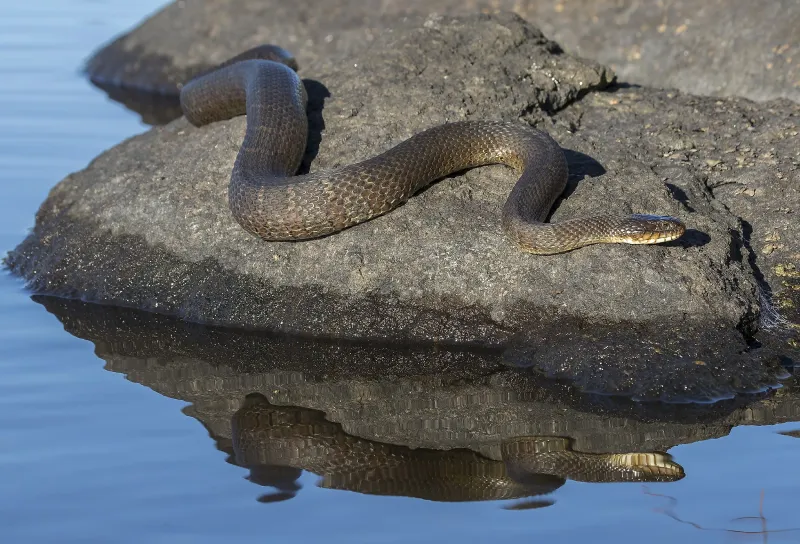
Snakes are ectotherms, which means they do not make their own body heat the way people do. They rely on warmth from the sun and from surfaces around them.
A cool morning can leave a snake sluggish, while a warm afternoon lets it move more easily.
In fall, many snakes begin heading toward sheltered spots where they will spend the winter. According to the MDC herpetologist interviewed in Episode 37, that movement typically starts around October.
Rock crevices, burrows, and similar protected places are common choices.
You may see the word brumation. It describes the reduced activity reptiles show in winter, similar to hibernation but not identical.
Overwintering is the safer general term, because not every snake stays inactive the whole season. Some may come out and bask when a warm spell arrives.
The same interview gives a rough range of 60 to 70 degrees Fahrenheit as the conditions in which reptiles generally keep moving. Treat that as a broad guide from one expert, not a hard line.
Species, local conditions, and the individual snake all change the picture.
So a snake out on a mild fall day is not strange. It may be basking, traveling, or doing both, and it does not tell you anything about what other snakes nearby are doing.
Warm pavement is one possibility, not a proven reason for a porch visit
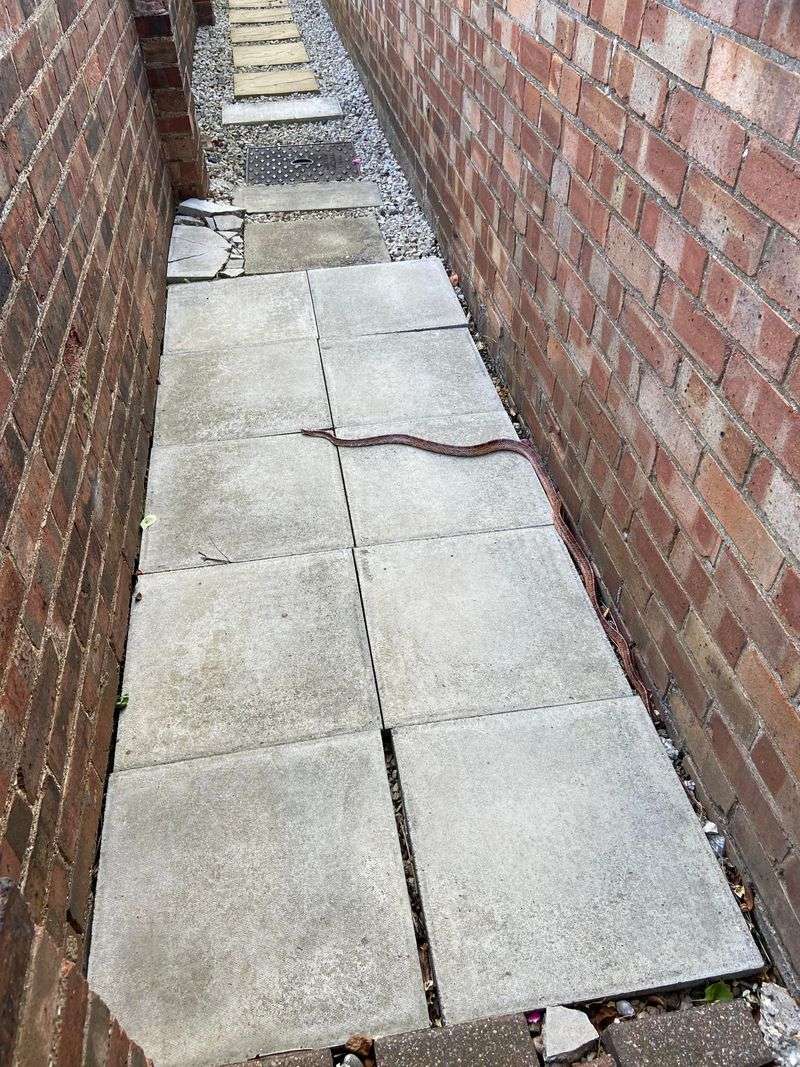
Concrete and asphalt soak up sunshine and hold the heat. MU Extension notes that snakes may be drawn to paved roads because of heat from the surface.
A sunny sidewalk or porch step could offer something similar.
That comparison is only an analogy. The Extension guide talks about roads, not porches, so it cannot tell us why a given snake is on your walkway.
Treat warm pavement as one possible factor, not the answer.
Consider the other explanations. A snake may be passing through on its way somewhere else.
It may have stopped to bask for a short time and happened to pick the sunniest spot. It could also be following a route toward a winter shelter without any interest in your house at all.
The MDC interview describes fall movement as a general behavior, not something every snake on pavement is doing. It is fair to say you cannot read one snake’s reasons from where you found it.
What you do next matters more than why it showed up.
Give an outdoor snake room to retreat
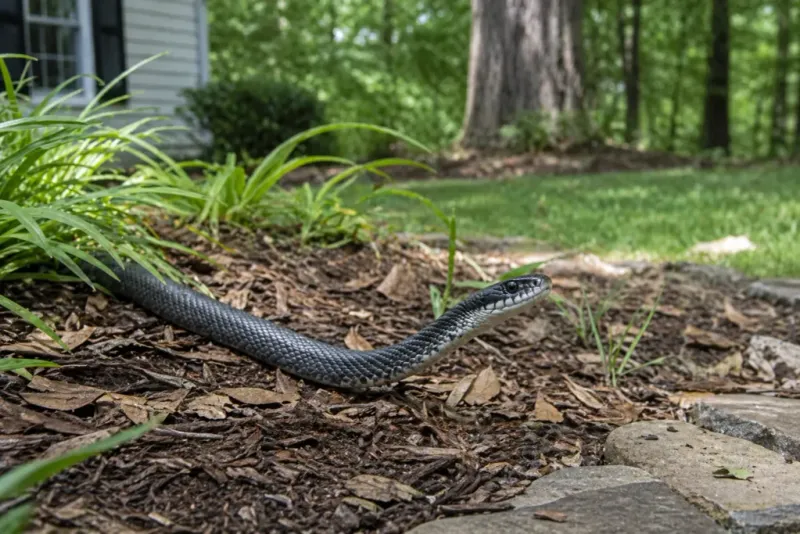
If you spot a snake outside, the best move is to step back. Call children and pets away and keep them well clear.
Missouri State Parks advice is to give wildlife distance and let it move on.
Leave the snake a clear path to retreat. Do not block it with a broom, bucket, or your own body.
A snake that feels cornered is more likely to act defensively, while one with an open route usually just leaves.
Never pick up, catch, or kill it, and do not lean in for a closer look. Most bites happen when people handle or harass snakes.
CDC wildlife guidance also advises keeping your distance.
It is tempting to judge a snake by its head, but that shortcut fails. MDC’s snake facts page points out that harmless species can flatten their heads and look triangular.
If you cannot identify the snake with confidence from a safe distance, treat it as potentially venomous. Then contact a wildlife professional for advice.
Waiting a little while often solves the problem, because the snake will probably move along once the area is quiet.
Call animal control about a snake inside the home
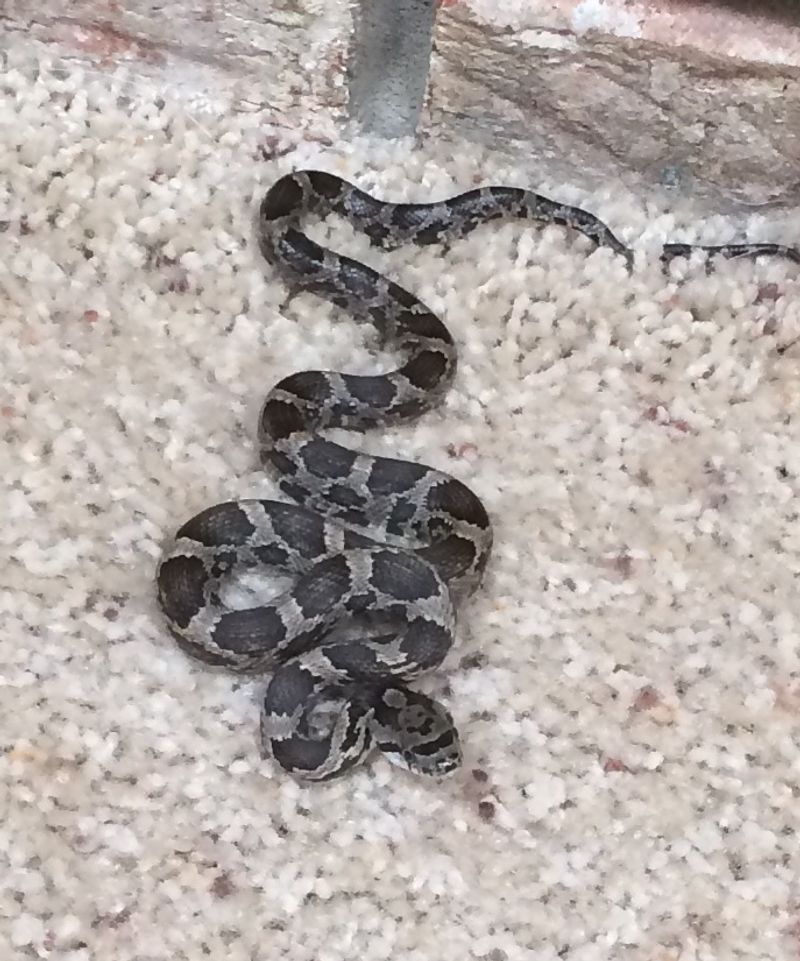
A snake indoors is a different situation from one on the porch. It has no easy way out, and you have little room to give it space.
Stay calm, keep children and pets out of the room, and avoid trying to identify it up close.
CDC guidance says not to remove or trap a snake found inside your home. Instead, call animal control and let trained people handle it.
If you can do so safely, close the door to the room and keep an eye on where the snake was last seen. That helps the responder find it quickly.
Leave the rest to the professionals.
Make the yard less inviting without promising a snake-proof barrier
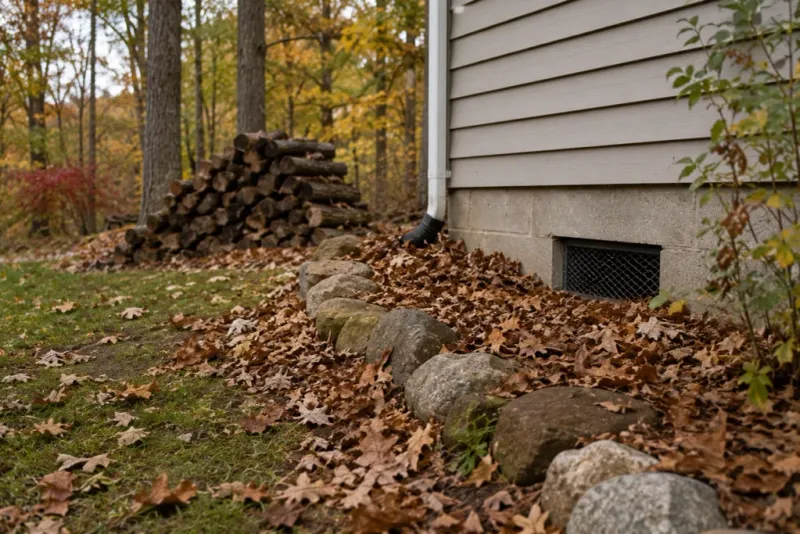
Snakes look for two things around a home: places to hide and animals to eat. Cutting down on both can make your yard a little less appealing.
It will not guarantee that a snake never visits.
Start with clutter. Brush piles, stacked boards, loose debris, and overgrown edges give snakes cover.
MDC’s snake facts page suggests removing such hiding spots and keeping rodents under control, since mice and rats are common prey.
Rodent control can be simple. Store birdseed and pet food in sealed containers, and clean up spilled grain.
Fewer mice nearby means less reason for a snake to linger.
Next, walk around the house and look for openings. Check gaps near the foundation, damaged vent screens, and spaces around pipes or doors.
Sealing them also keeps out mice and other unwelcome guests.
Skip the sprays and powders. MDC’s guide to Missouri snakes says reliable perimeter repellents are not available.
A cleaner yard and a sealed home are modest steps, but they are the ones with the most practical value.
Seek prompt medical care after a snakebite
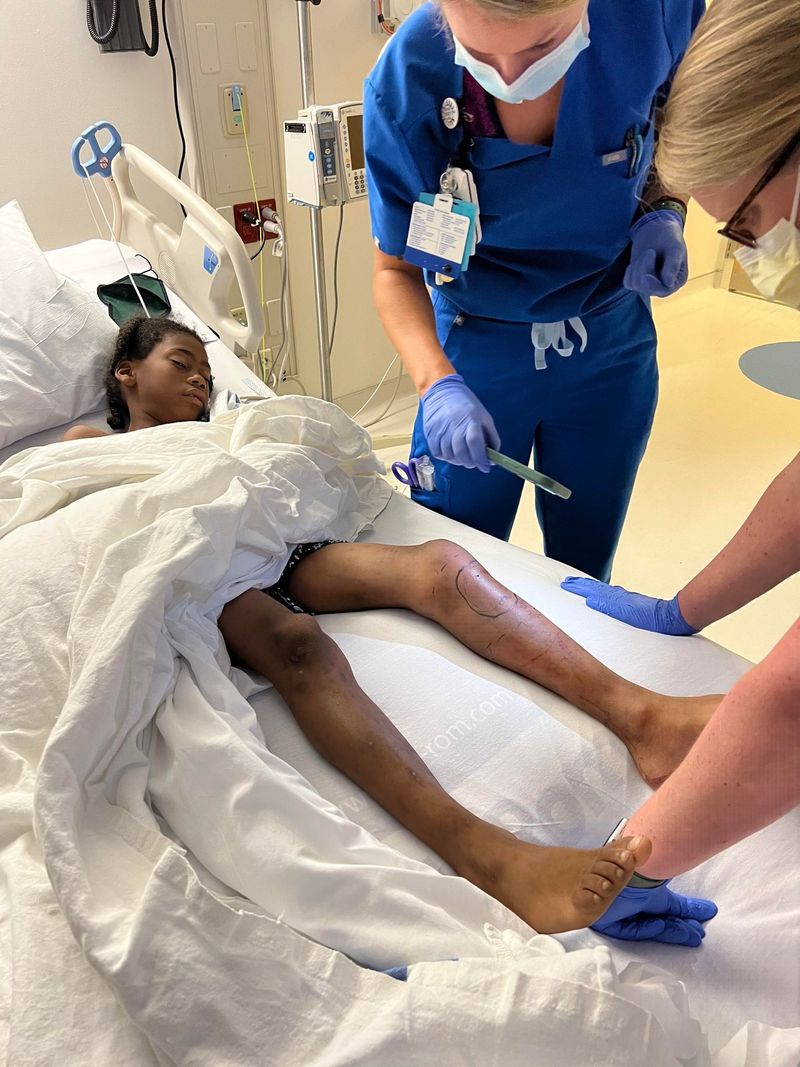
A bite is rare, but it calls for quick action. Get medical attention promptly, even if the bite seems minor or you are unsure what kind of snake it was.
Call emergency services or head to the nearest hospital, and keep the person calm and still.
Do not waste time chasing the snake or trying to kill it. CDC guidance advises against it, because that can lead to more bites.
Medical staff can work without it.
Old folk remedies do more harm than good. The Missouri Poison Center warns against cutting the wound, sucking out venom, and applying a tourniquet.
You do not need to diagnose the bite yourself. Leave that to the care team.
A quiet yard and a calm phone call are often the best ending to a very unusual afternoon.