
Minnesota Has a Venomous Mammal Under an Ounce, and It Might Be in Your Yard
Most people think venom belongs to snakes and spiders. Yet a tiny gray mammal in Minnesota has toxins in its saliva, and it uses them when it bites.
Its name is the northern short-tailed shrew, and it lives in woods, fields, and sometimes gardens. Here is what scientists know about it, what they do not know, and how to stay safe.
Meet Minnesota’s under-an-ounce shrew
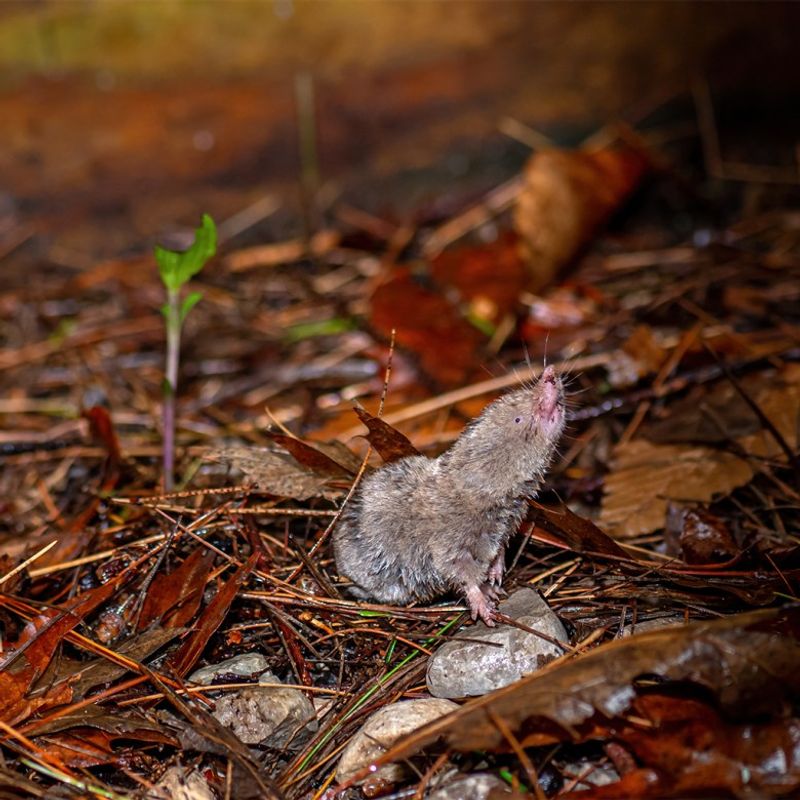
Picture an animal that could ride in your palm with room to spare. The northern short-tailed shrew is a small mammal found throughout Minnesota, and the Minnesota DNR reports that it weighs about one-half to three-fourths of an ounce.
That is lighter than most candy bars and about the weight of a few coins.
You may have seen the original version of this headline compare the shrew to a thumb. That comparison does not hold up well for this species.
Purdue Extension lists the northern short-tailed shrew at about 4.4 to 5.5 inches including its tail, which is longer than most thumbs. Weight is the more reliable way to picture it, so under an ounce it is.
The size mix-up probably comes from another Minnesota resident, the pygmy shrew. The DNR describes that species as having a body length of about two inches, which really is tiny.
The pygmy shrew is a different animal, and the venom statement from the DNR is about the short-tailed shrew.
So the star of this story is a compact, dark gray, velvety animal with a pointed snout and a short tail. It spends much of its life hunting insects, worms, and other small prey, and it is far more likely to be busy underground than to put on a show for people.
How its bite delivers venom
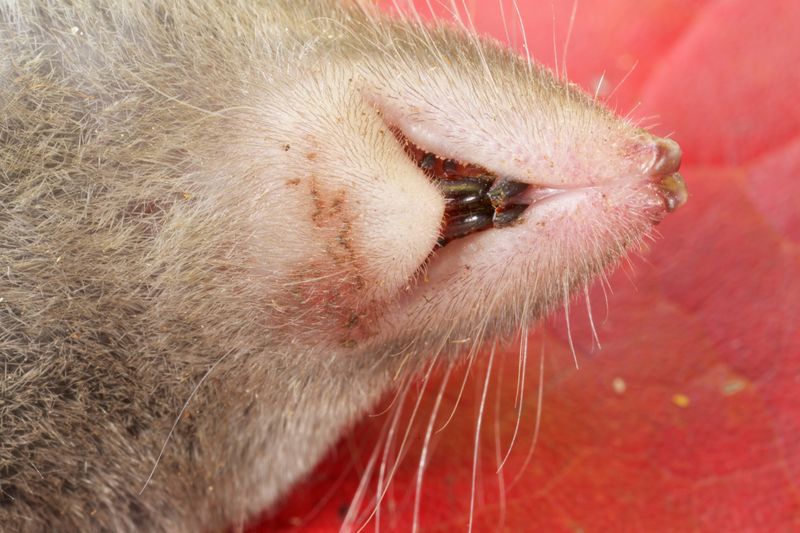
Venom and poison sound alike, but they work differently. A venomous animal delivers toxins through a bite or sting.
A poisonous animal is harmful when you touch or eat it. The northern short-tailed shrew fits the first group, because its toxins travel in saliva and enter prey through a bite.
An Idaho Department of Fish and Game explainer describes the short-tailed shrew’s grooved lower teeth and its toxin-bearing saliva. Those grooves help move saliva into a wound as the shrew chews.
It is a simple system, but it gives a very small hunter a way to handle prey that might otherwise struggle or escape.
The science goes back some years. Researchers isolated a toxin from the shrew’s salivary glands in a 2004 study, which gave the venom claim a firm footing.
The shrew is not simply an animal with a rumor attached to it.
None of this means the shrew is dangerous to be near. Simply seeing one, or walking through a garden where one has passed, is not a concern.
The word venomous describes how the toxins are delivered, which is through a bite, and it does not mean the animal is poisonous to touch.
What the research does—and does not—show about people
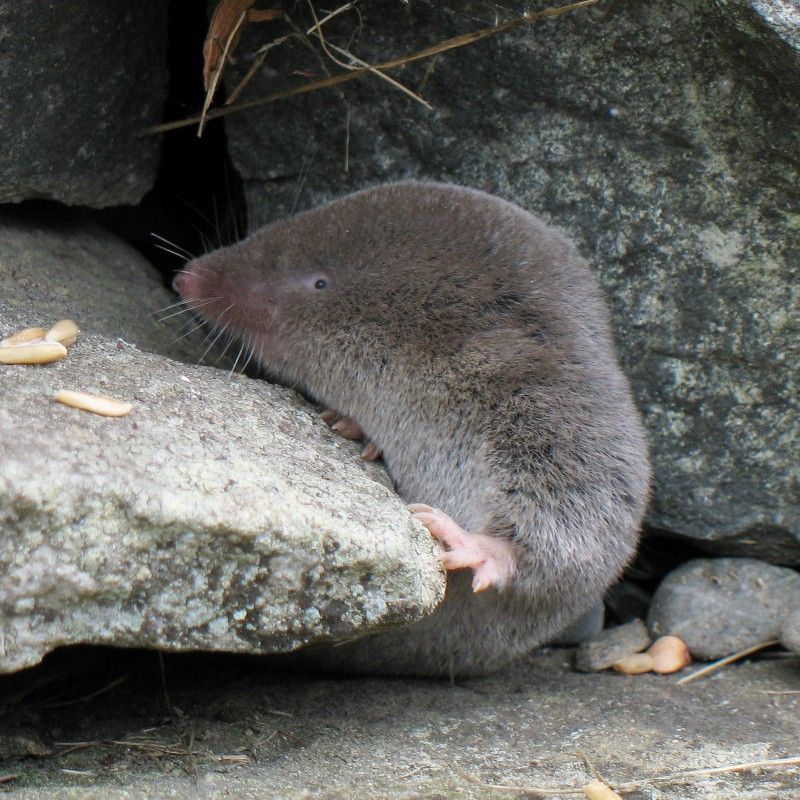
Lab studies are good at answering narrow questions. The 2004 work found toxic compounds in the saliva glands of the northern short-tailed shrew, as described in the toxin study.
That gave scientists a starting point for asking what those compounds actually do.
A later paper, a 2023 peptide study, identified peptides from the venom that paralyzed mealworms in experiments. The researchers also tested a human calcium channel in a lab assay, and the peptides had an effect on it.
Both of those results come from controlled experiments.
Neither result tells us that a shrew bite paralyzes a person. The studies do not report paralysis, serious illness, or death in human subjects.
A mealworm in a dish and a cell assay are far from a real bite on a real hand, so the findings are best read as clues about how the venom works.
There is one report from real life. The Minnesota DNR mentions a bite that caused painful swelling for several days.
That is a single account, not a measure of what usually happens, so it does not tell us how most bites would go.
One more fact keeps the picture honest. The 2023 paper notes that most shrew species around the world are not venomous, and toxic saliva is known in only some, including this one.
The northern short-tailed shrew is special, but it is not typical of shrews as a whole.
Could one be in your yard?
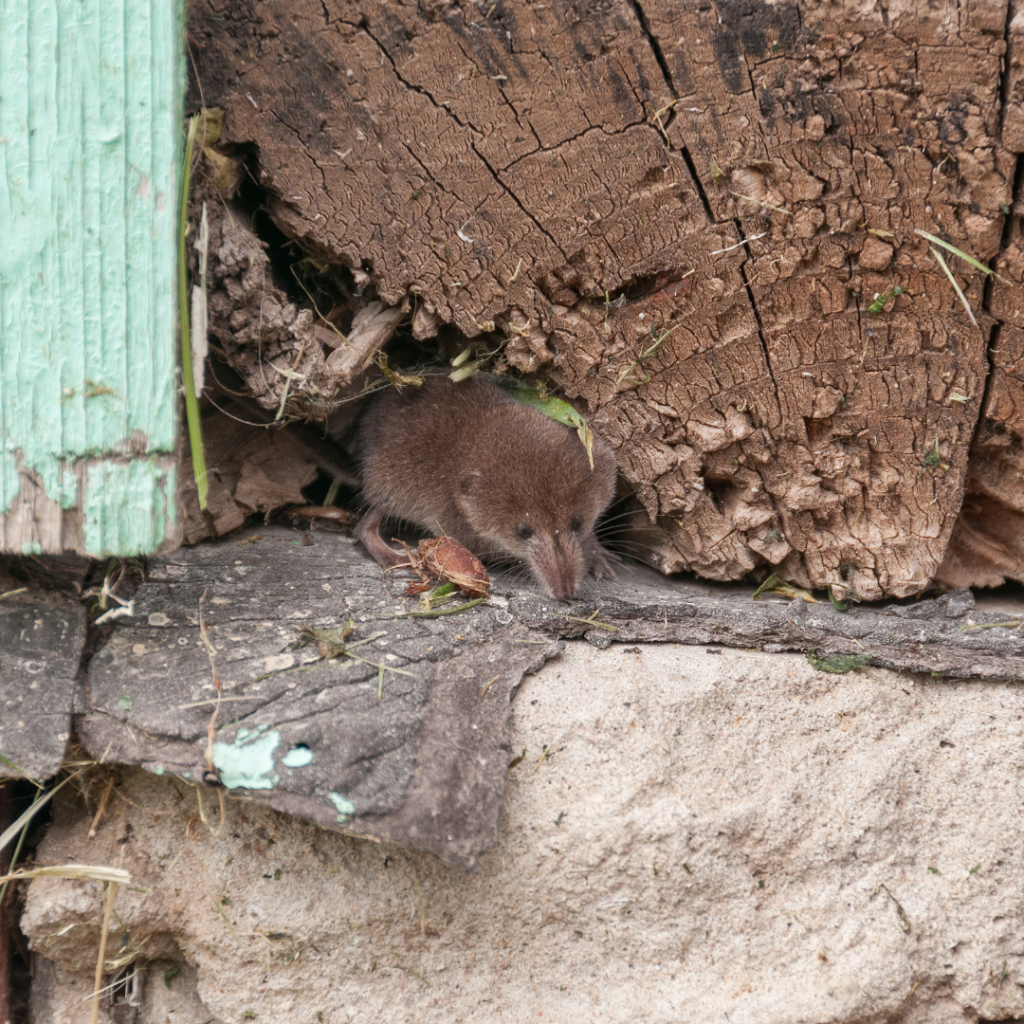
Yes, it could be, though nobody can say how likely it is at your house. The northern short-tailed shrew lives statewide in Minnesota, according to the DNR.
A range that covers the whole state shows the animal is around, but it does not predict what is under your shed.
The University of Michigan’s BioKIDS page says the species uses gardens and cultivated fields, along with brushy and other vegetated habitats. Thick plant cover, leaf litter, and soil full of insects and worms are the kind of setting where a shrew can find food and shelter.
So a garden is a place where an encounter is possible, and that is as far as the facts go.
If you spot a small animal dashing through the mulch, hold off on naming it. Shrews are often confused with mice.
The DNR points to the shrew’s pointed snout as one trait that helps tell them apart, along with other distinguishing features.
A quick glimpse is rarely enough for a confident answer. Without a clear look at that snout, treat your sighting as an unidentified small animal.
Photos taken from a distance can help, and they are safer than reaching in for a closer view.
Avoid handling it; get advice after a bite
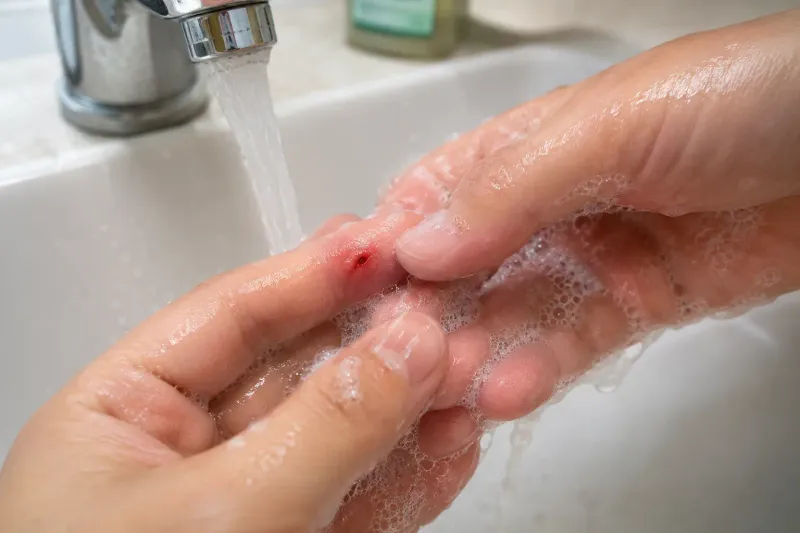
The simplest rule is to leave unfamiliar wild animals alone. The DNR describes the shrew’s sharp teeth and a reported bite that was painful and swollen, and CDC guidance advises against handling wild animals you do not know.
If a shrew turns up in the garden, give it space and let it move on.
Pets can bring surprises, too. A cat may carry in a small animal, and you may not know what it is.
Wear sturdy gloves or use a tool if you must move it, and keep your bare hands out of the picture.
If a bite does break your skin, start by washing the wound well with soap and running water. Then contact a healthcare provider.
The Minnesota Department of Health recommends talking to a provider whenever an animal bite breaks the skin.
A provider can look at the wound and think through care, tetanus, antibiotics, and rabies risk. Decisions about rabies after a wild animal bite depend on the details, so they are made case by case.
Do not assume treatment is always needed or never needed. Ask a provider or the Minnesota Department of Health, and share what you know about the animal and how the bite happened.
A surprising animal, with a measured risk
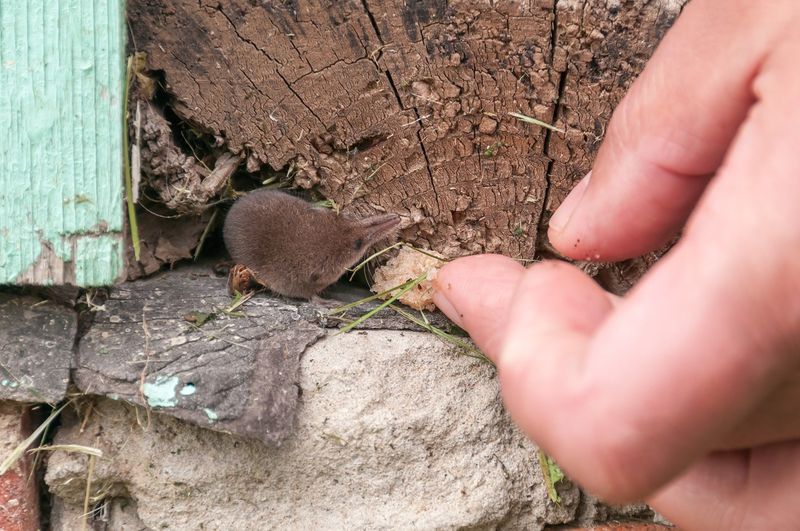
Minnesota really does have a venomous mammal, and the DNR puts its weight at less than an ounce. The thumb-size comparison does not fit this species.
Lab work, including the 2023 peptide study, shows effects on mealworms and a lab assay, but not paralysis in people.
Skip the handling, and if a bite breaks the skin, wash it and follow Minnesota Department of Health guidance by checking with a healthcare provider.
Some of nature’s biggest surprises come in very small packages.