
The Good Enough Guide to Simple Front Yard Landscaping
You are wrestling a tangled green hose across a dying patch of grass. The neighbor two doors down is edging his driveway with surgical precision. Your weekend is evaporating under the hot sun. You drop the hose and realize you absolutely hate your yard. This is the exact moment perfectionism ruins outdoor spaces. We put immense pressure on ourselves to maintain golf-course lawns and manicured hedges. It causes unnecessary stress and drains your free time. The good enough philosophy offers a way out. You can have a pleasant yard without the guilt.
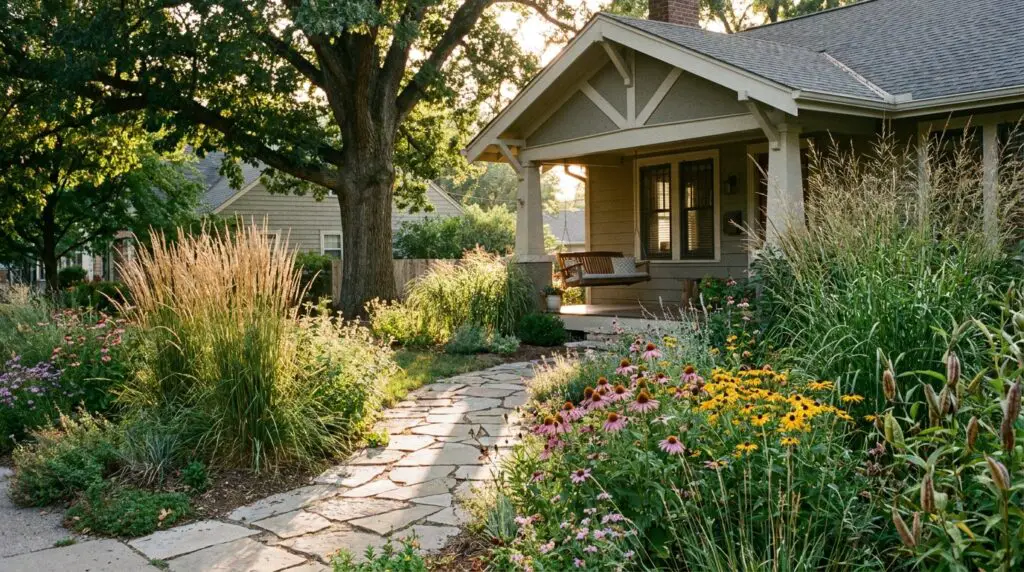
Glossy magazine spreads lie to us. They show yards maintained by full-time crews with unlimited budgets and a total disregard for actual human leisure. We need to focus on realistic layouts that fit a normal schedule. A space should be a place to sit in and think about rather than a second job. In truth the best kind of garden is practically useless.
Use implies something strictly utilitarian. You do not want your front yard for anything utilitarian at all. You want it to be aesthetic and ornamental and emotional. Most Americans do not think of gardens in those terms. They see a chore list instead of a psychological exploration. We are going to change that perspective today. You will learn to accept the unruly marching band of nature and stop trying to conduct every single leaf.
Ditching Perfection for a Relaxed Yard Aesthetic
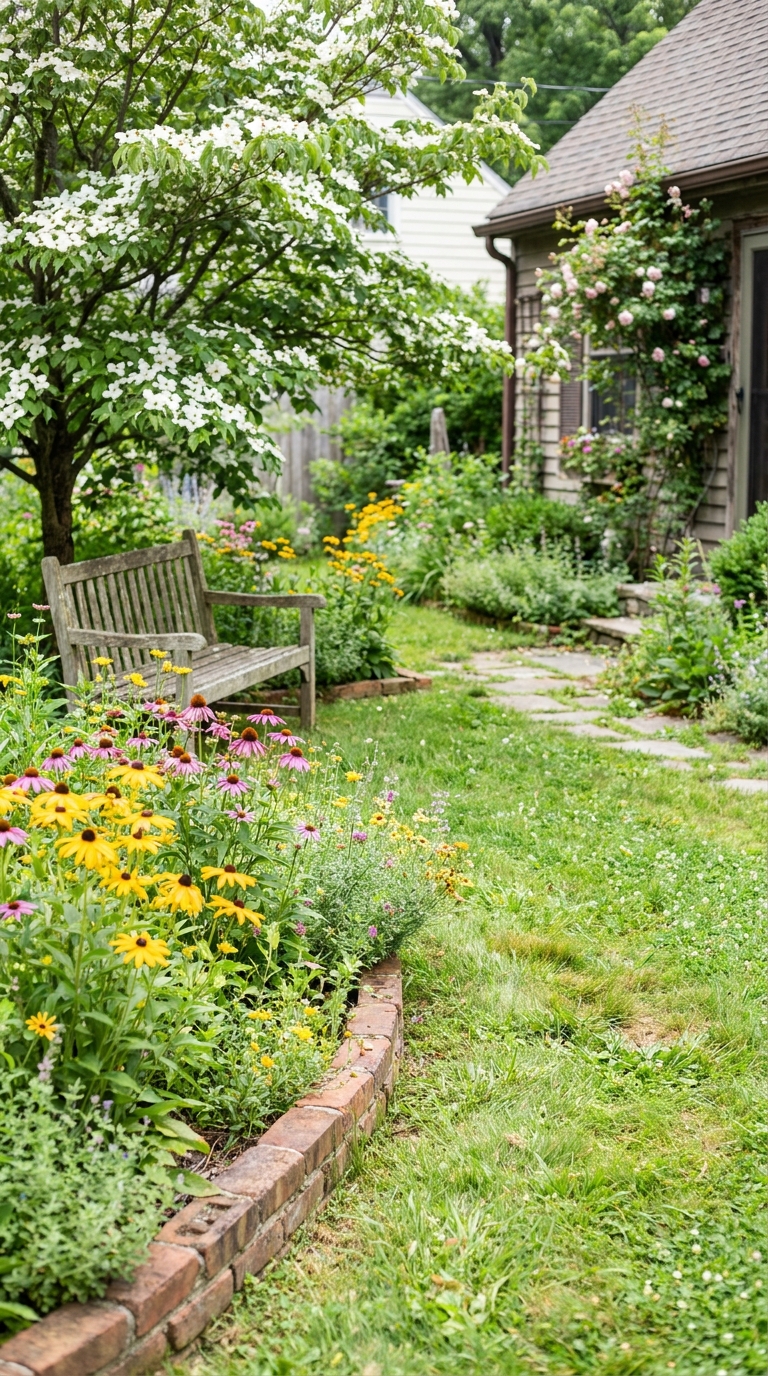
Perfection is a moving target that nobody actually hits. Plants grow at different rates and weather disrupts your grand plans. A relaxed yard aesthetic prioritizes your sanity over strict geometric lines and rigid symmetry. This approach forgives overgrowth and makes the space feel lived-in rather than staged for a real estate brochure. You stop comparing your grass to the professionals and start enjoying the view from your porch.
The neighbor with the perfect lawn is probably miserable. He spends his Saturday mornings measuring the height of his grass blades and cursing the dandelions. You can opt out of that particular rat race. A useless garden still holds deep meaning for the people who live inside the house. It is an all-encompassing creation that fills your days and reveals your innermost feelings to the world. You just need to let go of the haughty-culture that demands absolute obedience from your shrubs.
Finding Your Style with Imperfect Garden Design
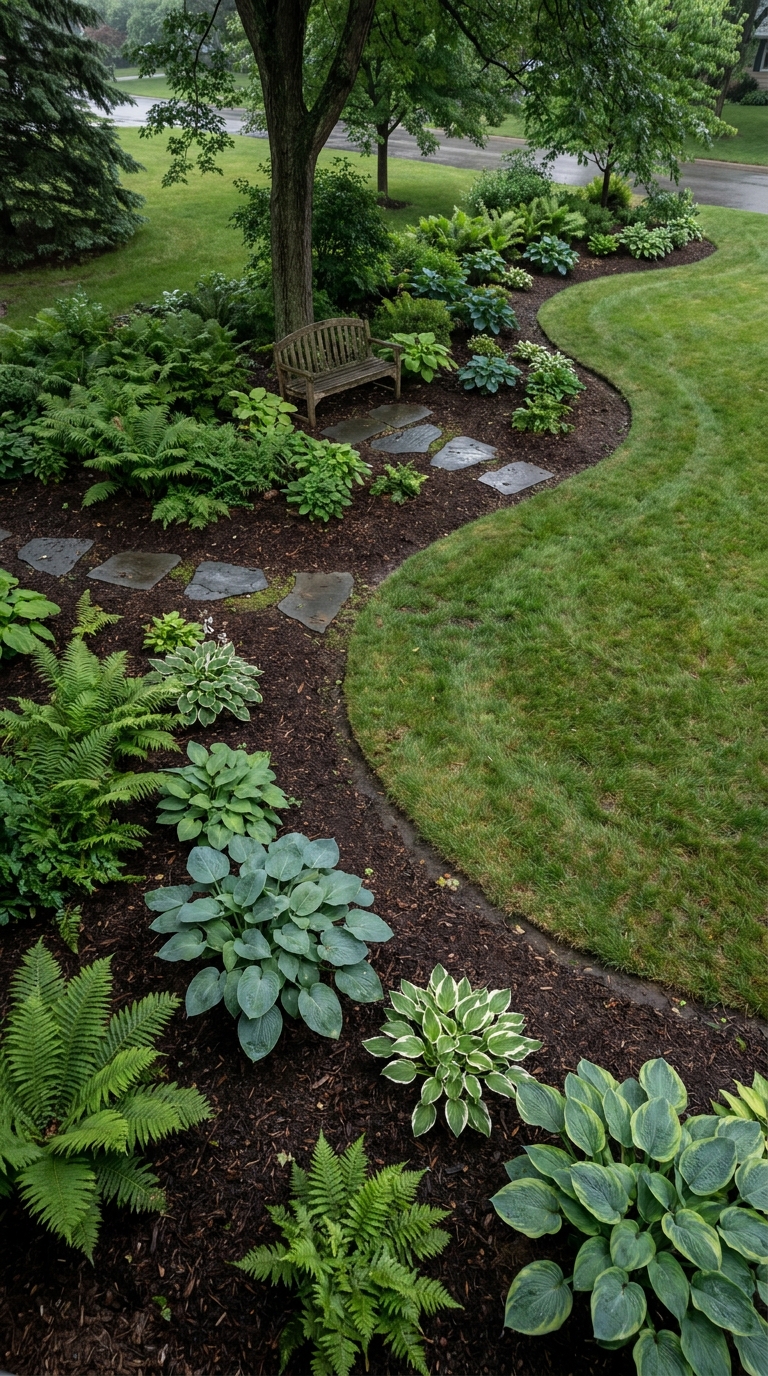
Most know that a wild garden does not necessarily end up being a low-maintenance garden. But an imperfect garden design leans into the reality of nature taking the upper hand. We adopt a cottage garden style and use relaxed planting methods that forgive a stray weed or an overgrown fern. This approach creates a prairie of the imagination where dead plants and seed pods hold just as much beauty as fresh blooms. You let the instruments promenade where they will.
Straight lines require constant trimming and edging to look acceptable. Curves and naturalized edges forgive overgrowth and look much softer against the house. Carving out organic shapes for your garden beds reduces the amount of edging you need to do. It creates a more natural flow around your property and gives the eye a place to rest. You stop fighting the natural topography of your lot and start working with the existing features. The creation process becomes a joy instead of a burden.
Take a look at the old cemetery in Canton Mississippi. At one time it was overgrown and quiet and entirely unbothered by the need for perfection. Your front yard can have that same peaceful energy. You do not need to manicure every square inch of soil. You just need to create a space where you can sit and look at the sky. The rest is just noise and unnecessary labor.
Building a Low Maintenance Front Yard That Survives You
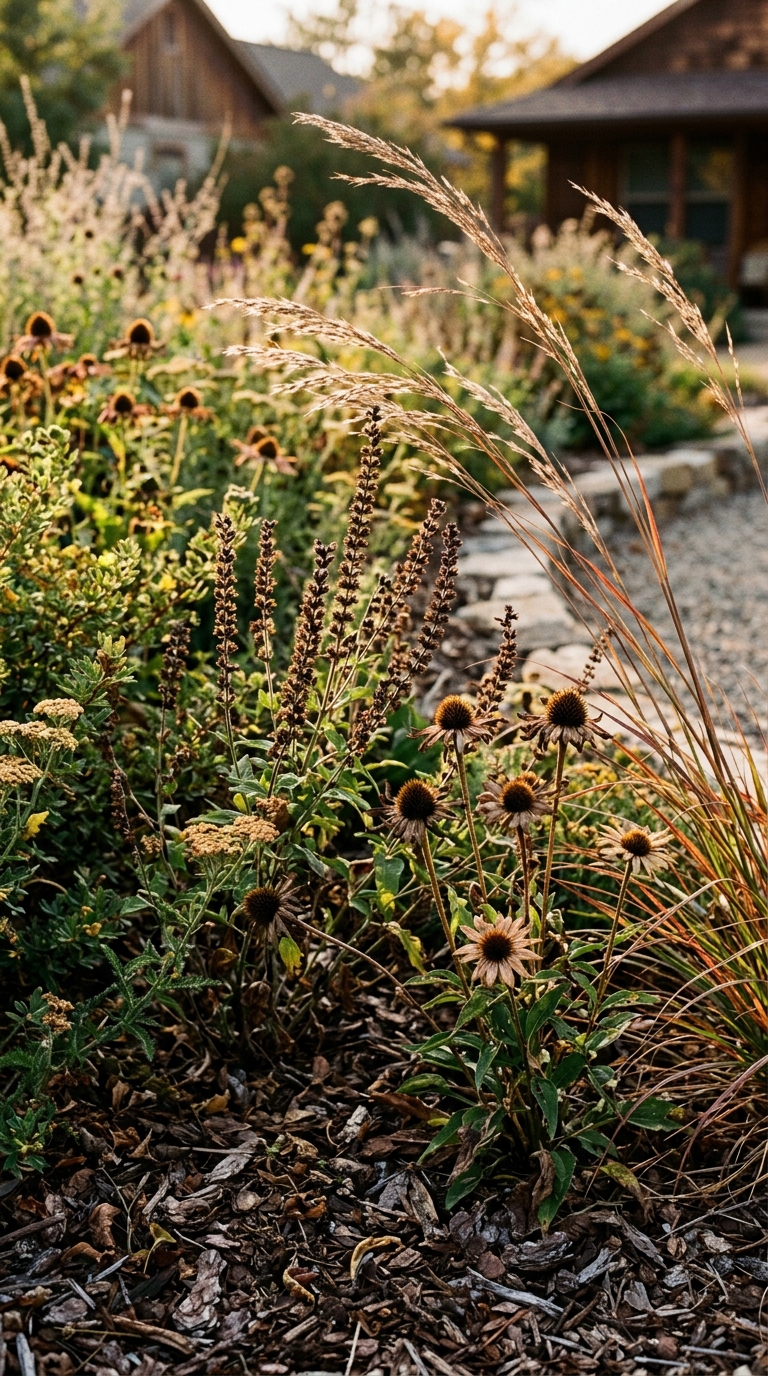
Some plants simply want to die. Others fight to live with an aggressive tenacity. Building a low maintenance front yard means choosing the fighters. You want greenery that ignores neglect and thrives on benign ignorance. This means selecting the right flora and hardscaping to minimize your weekend chores. You are looking for an ecosystem that sustains itself while you are inside reading a book or taking a nap.
Traditional garden primers often suggest plantings in strict groups of five or seven. But on a larger scale this effort is just busywork. You often need ten or twenty or thirty plants to make a real statement. The creation process is really just planting highly competitive plants and seeing how they live with each other. You set down the notes and let the melody evolve into something like free jazz.
Picking Survivor Plants for Landscaping Success
We need to highlight heat tolerant shrubs and deer resistant perennials that laugh at bad weather. Survivor plants for landscaping are the absolute backbone of a stress-free outdoor space. Specific varieties thrive in heavy clay soil and shady spots without needing constant fertilization or babying. Think about the oversize fantasy foliage of a Maurice Sendak dreamscape rather than delicate orchids that faint when the wind blows. You want plants that rattle in the autumn breeze and look handsome even when they are dormant.
Those who want the perfect garden prize plants that bear the oversize foliage of a dreamscape. They tend not to care that much about flowering. This can cause its own issues with dead plants and seed pods that look as if they might contain goblin teeth. If this is a prairie it is a prairie of the imagination. You want grasses that shimmer and grasses that undulate. You want textures that make you want to reach out and touch them.
Bare dirt invites weeds and demands constant attention. Slow growing shrubs and self seeding flowers fill those gaps without requiring you to spend every Saturday weeding. Using native ground covers chokes out invasive species and keeps the soil cool. We also look at mulch alternatives that stay in place during heavy rain and break down slowly to feed the soil. A good layer of organic matter does the heavy lifting so you do not have to.
Relying on Native Ground Covers and Mulch Alternatives
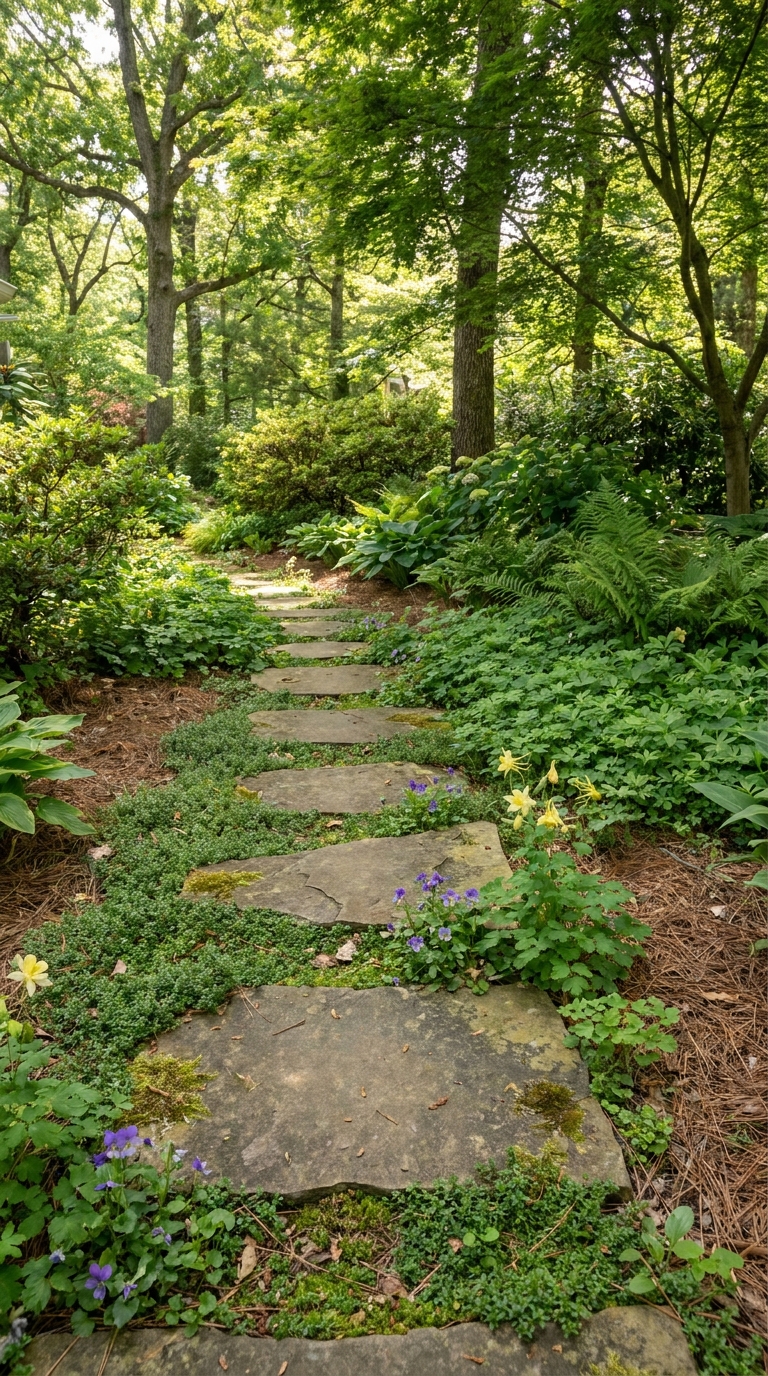
Bare dirt invites weeds and demands constant attention. Slow growing shrubs and self seeding flowers fill those gaps without requiring you to spend every Saturday weeding. Using native ground covers chokes out invasive species and keeps the soil cool. We also look at mulch alternatives that stay in place during heavy rain and break down slowly to feed the soil. A good layer of organic matter does the heavy lifting so you do not have to.
You can use shredded leaves from your own yard instead of buying bags of dyed wood chips. Pine needles work beautifully for acid-loving plants and stay put on sloped beds. The goal is to cover the soil completely so weed seeds never see the light of day. This simple step cuts your weeding time in half and keeps the root zones of your survivor plants moist during dry spells.
Easy Curb Appeal Ideas Without the Weekend Warfare
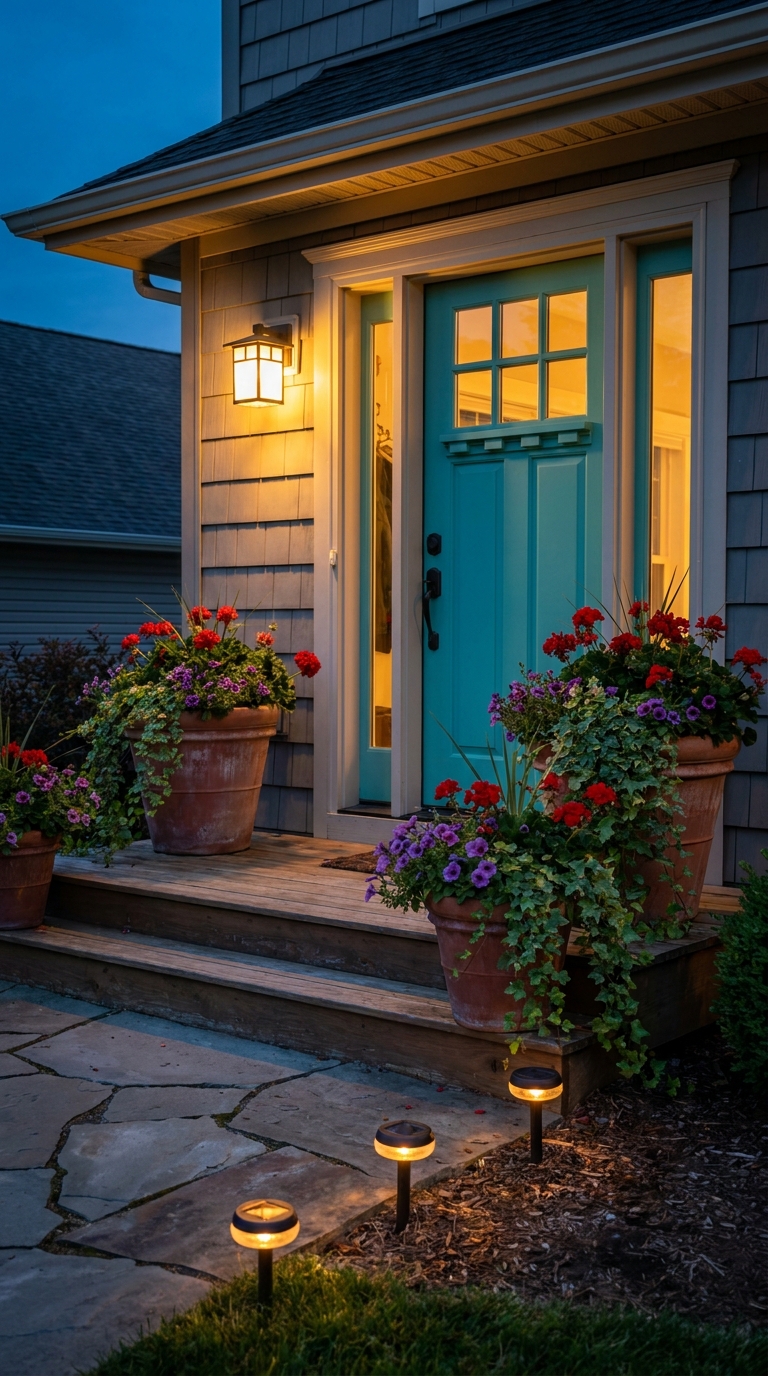
You do not need to tear up your entire walkway to make your house look welcoming to guests. Small strategic changes make a massive difference to the overall vibe. Easy curb appeal ideas focus on high-impact visual tweaks that take an afternoon instead of a month. You can achieve a beautiful exterior without breaking your back or your bank account. It is all about editing the space and highlighting the best features you already possess.
Sometimes the best view of the garden is from inside the house. You can frame that view with large potted porch plants and a fresh coat of paint on the front door. This changes the whole mood of the property without requiring you to dig trenches or amend the soil. You just need to clear the windows and sweep the porch. Trimming overgrown bushes away from the siding instantly tidies the exterior.
Quick Wins with Potted Porch Plants and Paint
A bold teal or deep red front door acts as a massive focal point for very little money. Large weathered terracotta pots flanking the entryway draw the eye and add instant architecture. Fill them with tough trailing ivy and hardy annuals that survive a missed watering. These simple additions provide cheap annual color and frame your entrance beautifully without demanding a full weekend of digging and hauling soil.
Trimming Overgrown Bushes and Adding Solar Lights
Overgrown foundation plantings hide your house and block natural light from entering your windows. Grab a pair of loppers and open up the space by cutting back branches that touch the siding. Once the architecture is visible again, stake a few warm-white solar lights along the walkway. They charge during the day and highlight your newly trimmed shrubs at night without requiring you to dig trenches for low-voltage wiring.
Planning a Budget Friendly Front Yard Makeover
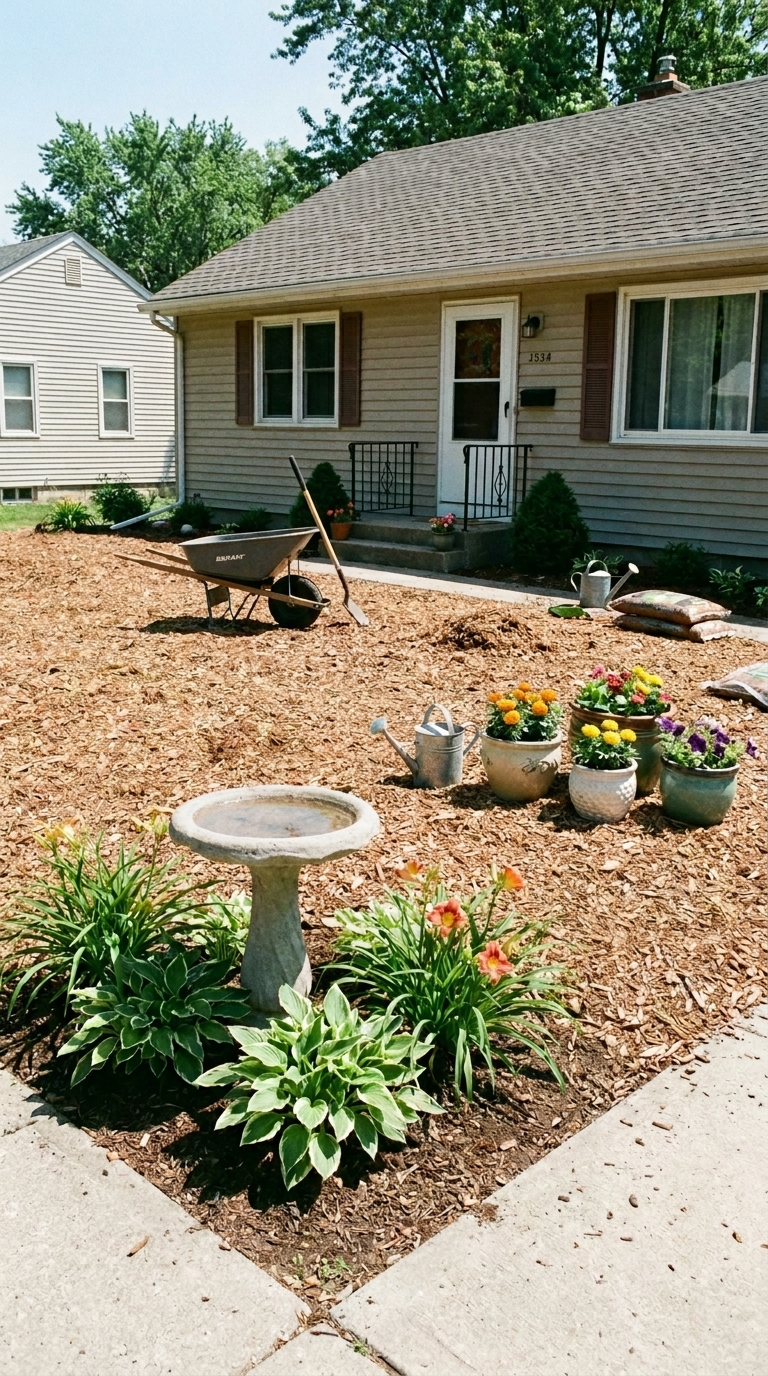
Do not try to do it all at once. Spread the work and the cost over a few seasons to keep your stress levels manageable. A budget friendly front yard relies on patience and resourcefulness rather than a massive credit limit. Phasing landscaping projects allows you to focus on one focal point at a time. This keeps the project manageable and lets you adjust your plan as you see what actually works in your specific microclimate.
Finances shape our outdoor spaces in many ways. For example you could end up paying a small fortune to erect an eight-foot-tall deer fence around an acre of land. You might not have that kind of money or that kind of deer problem.
Phasing Landscaping Projects for Gradual Updates
Tackle the front entryway first and leave the side yards for next spring. This strategy prevents you from abandoning a half-finished project when your budget runs dry. Focusing on one small area at a time lets you learn how the sunlight hits different corners of your property. You will make fewer expensive mistakes when you take the slow approach to your exterior upgrades.
Dividing Existing Perennials and Using Free Wood Chip Mulch
Having a large outdoor space causes its own isssues with finance. Dividing existing perennials gives you instant mass and saves a fortune. You can source materials without paying retail nursery prices if you are willing to make a few phone calls. Thrift store planters and cheap annual color add personality without draining your wallet. Every day involves compromise when you are working with a limited budget. But those compromises often lead to the most interesting and personal design choices.
Guilt Free Gardening and Natural Front Yard Landscaping
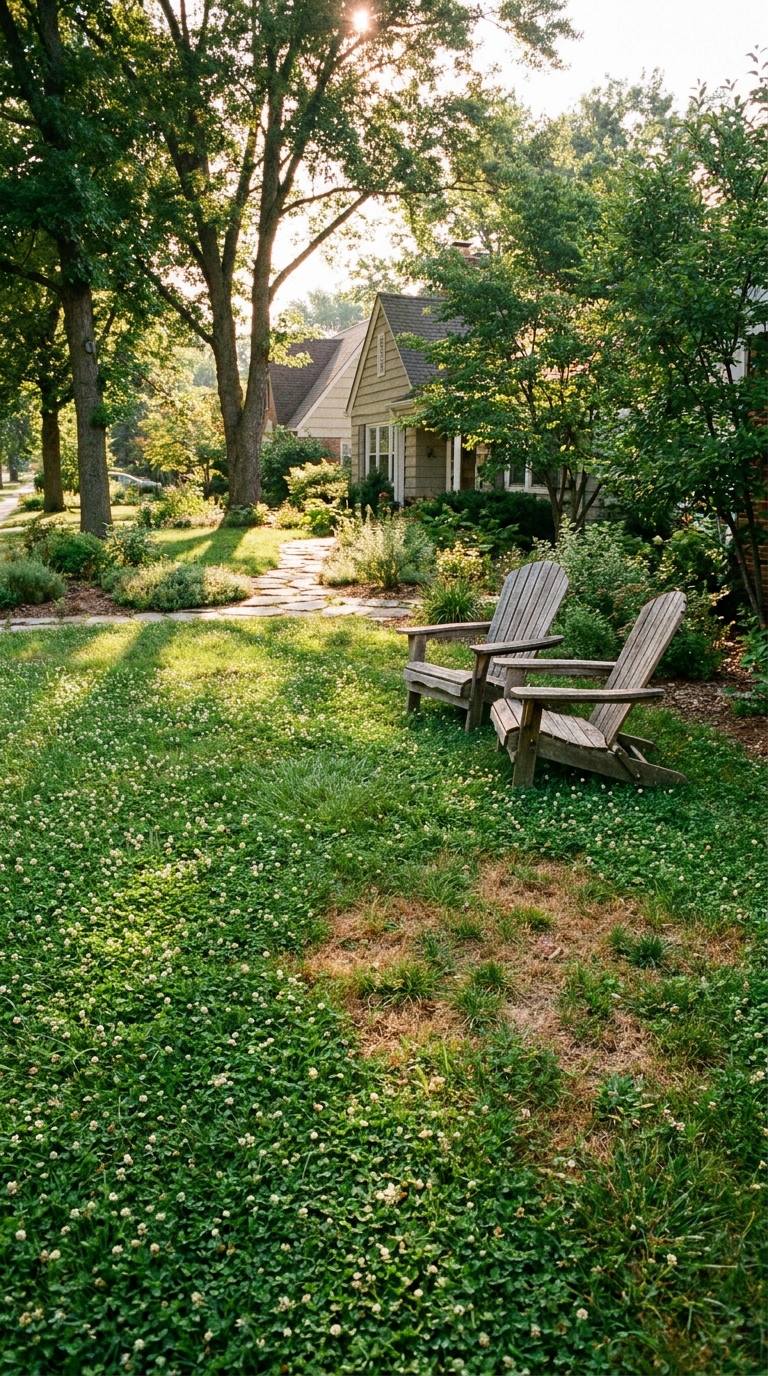
Grass goes dormant in the heat. Let it. You save water and time when you stop fighting the seasons. Guilt free gardening means setting realistic expectations for the changing weather and accepting that your yard will look different in August than it does in May. This mindset pairs perfectly with natural front yard landscaping techniques that benefit the local environment while drastically reducing your weekend workload.
There is no tetherball pole in a useless garden. There is no pristine habitat to restore. You are just making a space that feels right to you. I’ve heaed of someone clearing eighty scrub cedars to bring in light when they started their own space. You might just need to let the clover grow a little taller. Redefining what counts as a weed changes how you view your entire lawn.
Skipping Weekly Mowing and Embracing Simple Front Yard Landscaping
We need to talk about the benefits of skipping weekly mowing during peak summer. Accepting brown patches as a normal part of seasonal dormancy frees up your Saturdays for actual leisure. Reducing the lawn area entirely by expanding your garden beds saves even more time. You stop staring at the grass and start noticing the actual life in your yard. That is a much better use of your mental energy.
Letting Weeds Bloom for Pollinator Friendly Plants
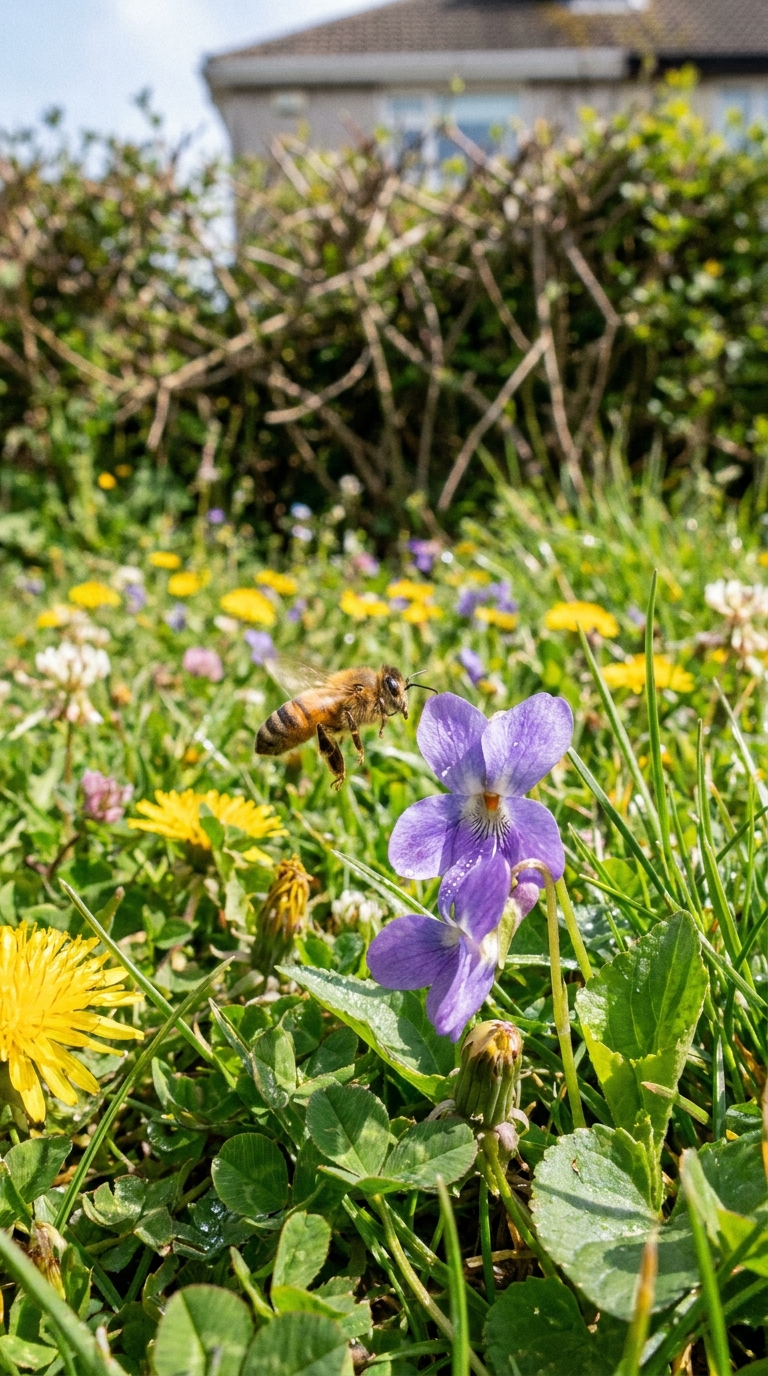
Clover and dandelions feed bees and redefine what counts as a weed. Letting weeds bloom supports pollinator friendly plants and creates a lively wildlife habitat right in your front yard. A honeybee landing on a wild violet is a beautiful sight. Down in the pond frogs might rampage through the broadleaf arrowhead plants. You learn to edit the space and pull what you do not want. A wild garden is a forgiving one.
The Final Word on Your Front Yard Renovation on Budget
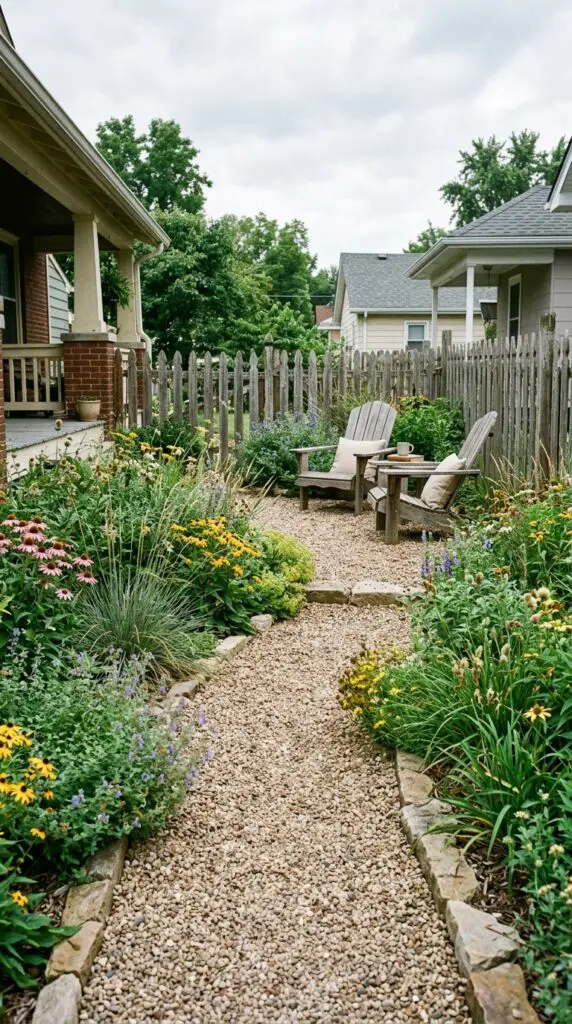
Your yard is for you. It is a place to sit and drink your morning coffee while watching the birds argue over a feeder. Your outdoor space serves no purpose for the neighborhood association or as a utilitarian zone for endless chores. A successful front yard renovation on budget prioritizes your peace of mind over arbitrary rules set by people who do not live in your house.
Someday someone will buy this house and cut down everything. The prospect is abominable and also just fine. Most gardens should depart with their owners. You are just the temporary steward of this little patch of dirt. Make it exuberant and in-your-face while you are here. Let it be the opposite of your timid personality. Let it be a place where you feel more alive and happy and contented.
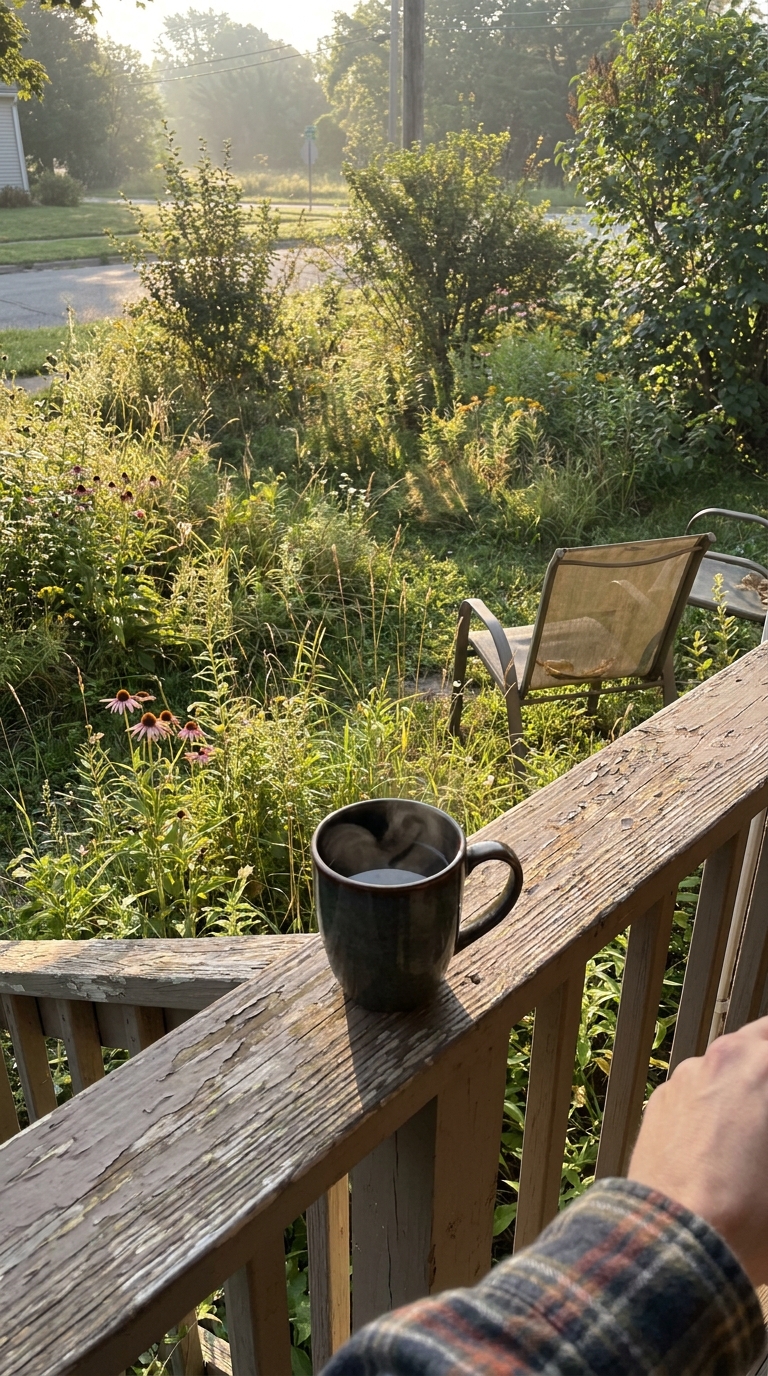
Drop the shears and let the grass grow a little longer. Make peace with the imperfections and finally enjoy the view from your porch. The best kind of garden is one that asks very little of you and gives you a place to rest. Let nature take the upper hand and reclaim your weekends. The white hydrangeas will screen your favorite view and the rattling calyxes will catch the autumn wind.
