
The Art of Letting Go: Mastering the Art of the Naturalistic Garden
You are standing in the dirt with a pair of loppers, staring down a perfectly healthy row of bright yellow daylilies. Your neighbor leans over the fence expecting you to prune them. Instead you chop them straight to the ground. You toss the bright blooms into the wheelbarrow to make room for a patch of tall brown rattling seed pods. The neighbor looks horrified. You just smile. You are chasing the raw untamed aesthetic of a wild prairie and those tidy yellow flowers ruined the illusion.
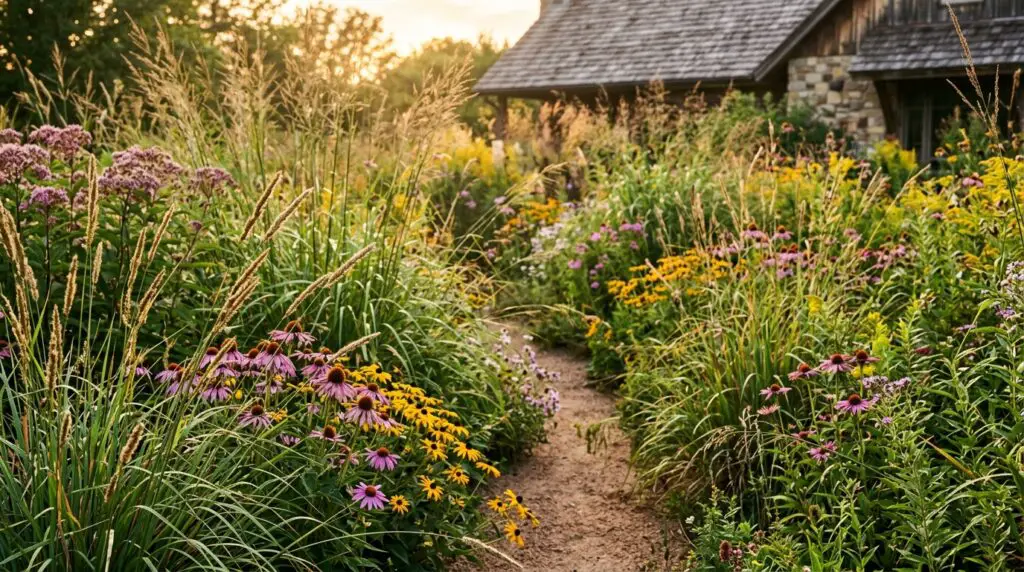
Making a space look entirely wild is actually a highly calculated endeavor. We’re taught that yards must produce vegetables or yield cut flowers or provide a manicured lawn for games. A true wild space produces nothing but emotion and aesthetic beauty and habitat. This guide will walk you through building a space that serves no utilitarian purpose but offers a massive emotional payoff.
This shift in mindset requires you to abandon the neighborhood norms. You are no longer trying to win the yard of the month award from the local homeowners association. You are trying to build a habitat that looks like it sprouted from the earth entirely on its own. The goal is to create a prairie masquerade right outside your back door.
The Philosophy Behind Naturalistic Garden Design
Why the Best Naturalistic Garden Design Serves Little Utility
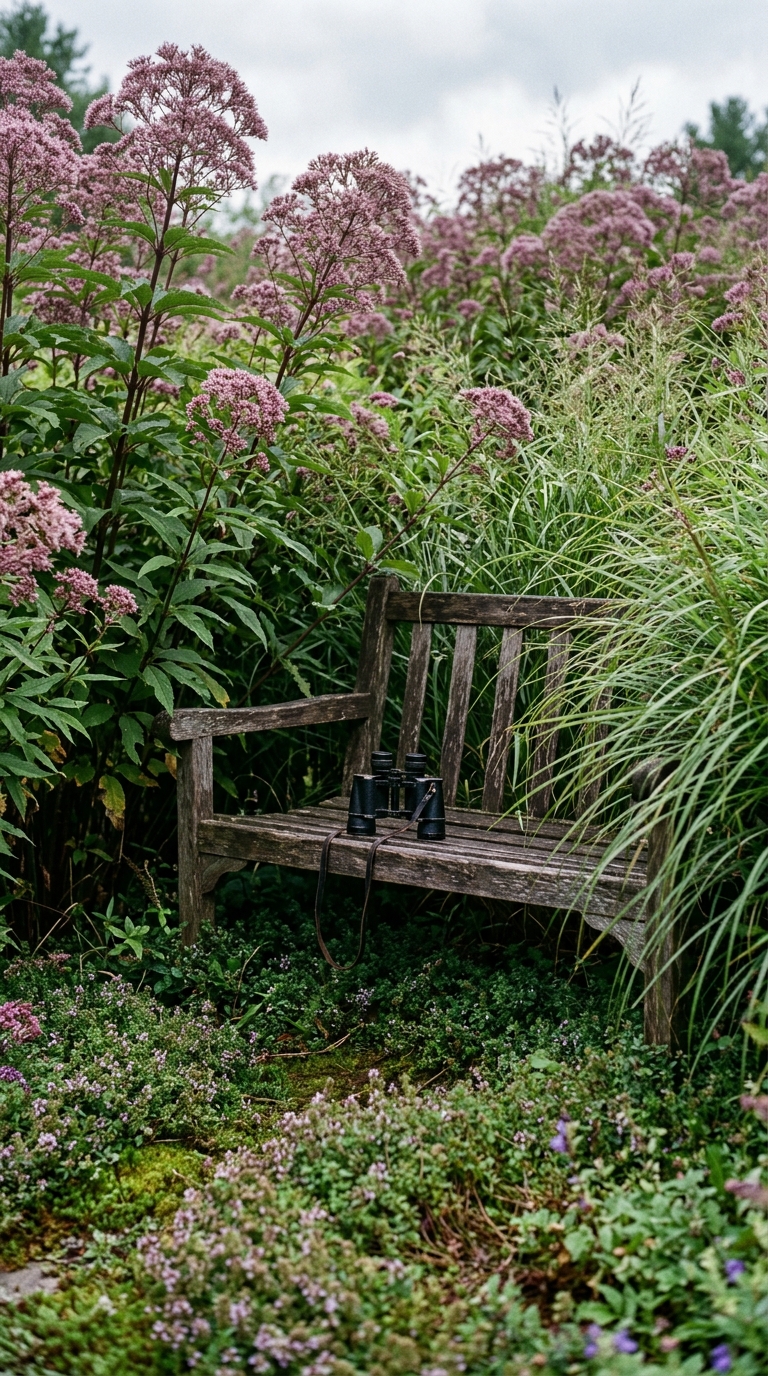
The best outdoor space is a useless one. Use implies something utilitarian like growing tomatoes or maintaining flat grass for tetherball. Leave the farming to the farmers. When you strip away the pressure to produce food, you free yourself to focus purely on ecology. This approach shifts your focus from outdoor chores to quiet observation. You stop worrying about the harvest and start watching goldfinches tear apart the coneflowers.
Neighbors might think you have simply given up on yard work. Let them think that while you watch native bees pollinate the asters. You are curating an experience rather than managing a botanical factory. The lack of utility makes the space incredibly freeing.
Finding Emotional Depth in Naturalistic Garden Design
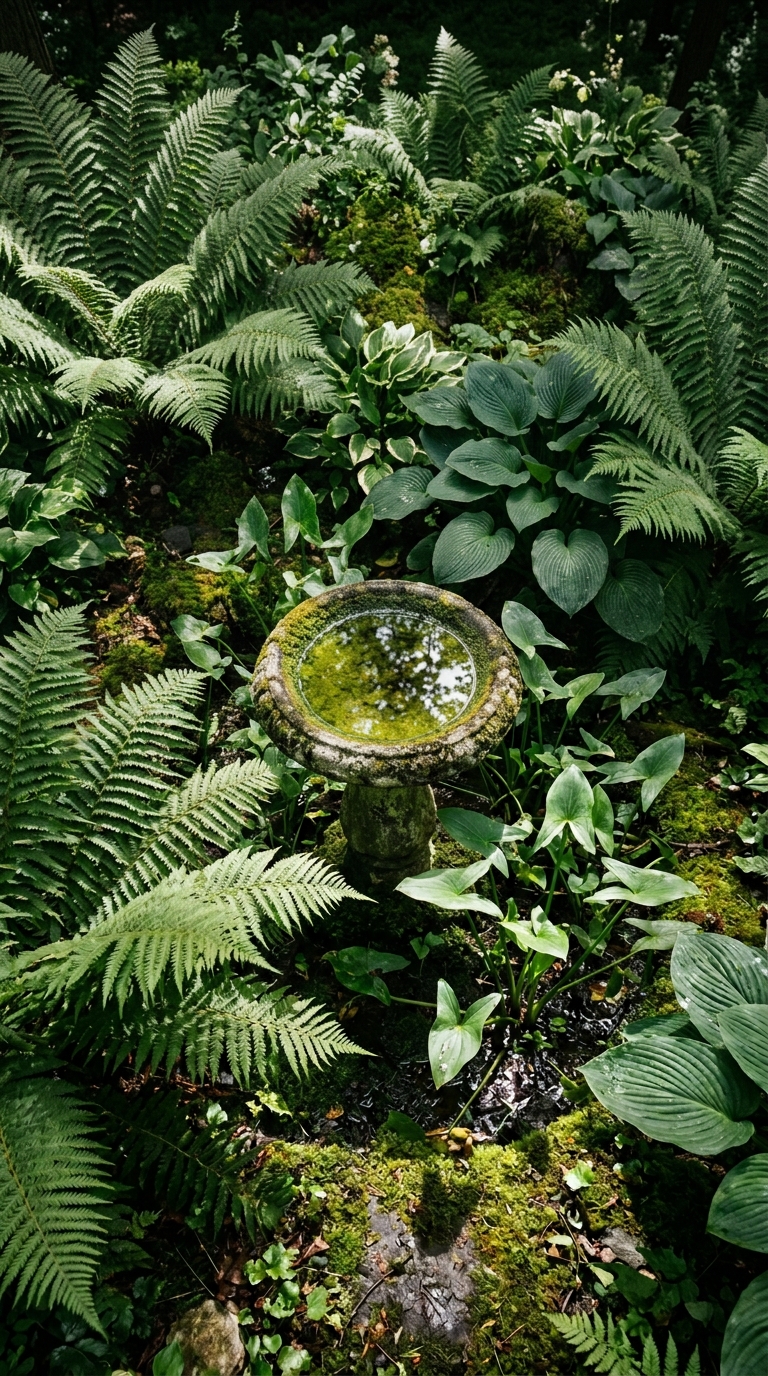
Useless never means meaningless. A wild space reflects your inner life in ways a tidy vegetable patch never could. Surrounding yourself with untamed exuberant growth offers massive psychological benefits. It gives you a place to sit and look at the sky. Maybe you are a timid person who adapted to a loud world. On sunny days the space becomes quite exuberant and in your face. It becomes the exact opposite of your daily personality.
This emotional connection grows much stronger as the seasons change and the plants mature. You start to recognize the specific insects that rely on your chosen foliage. The space becomes a private sanctuary where you can process the noise of the modern world.
Executing a Flawless Naturalistic Planting Design
Layering Textures in Your Naturalistic Planting Design
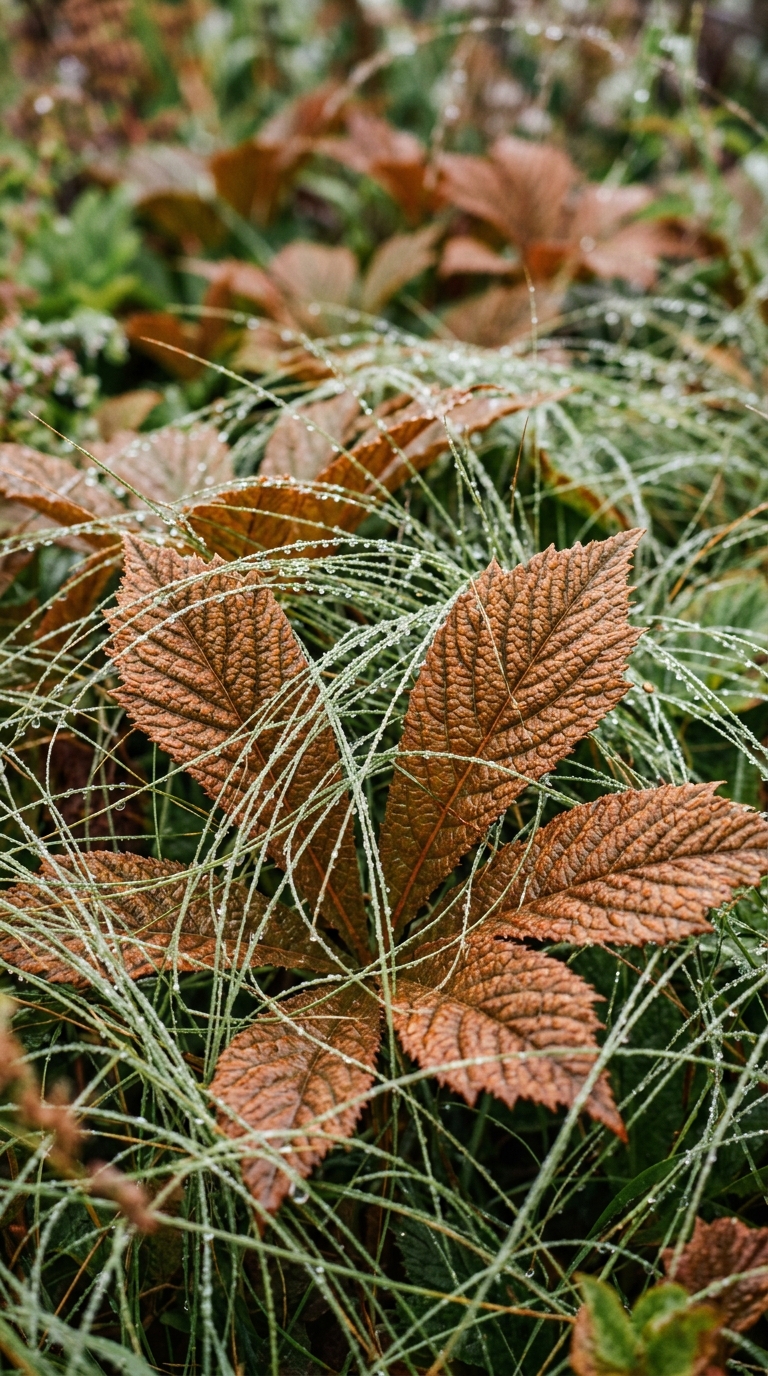
Master the matrix planting method to get this look right. This technique involves intermingling roots rather than planting in rigid traditional blocks. Weave groundcover plants tightly together and let taller structural specimens poke through the canopy. Mixing fine textures with bold oversize leaves creates serious visual tension. Think of endless bolts of cloth. You want grasses that shimmer right next to broadleaf arrowhead plants. The contrast makes the whole area sing.
Getting the density right is the hardest part for beginners. Most people leave too much bare soil between new plugs. You want the plants to touch and fight for space right from the first day. This dense planting suppresses weeds and creates that lush immersive feeling.
Editing the Chaos of a Naturalistic Planting Design
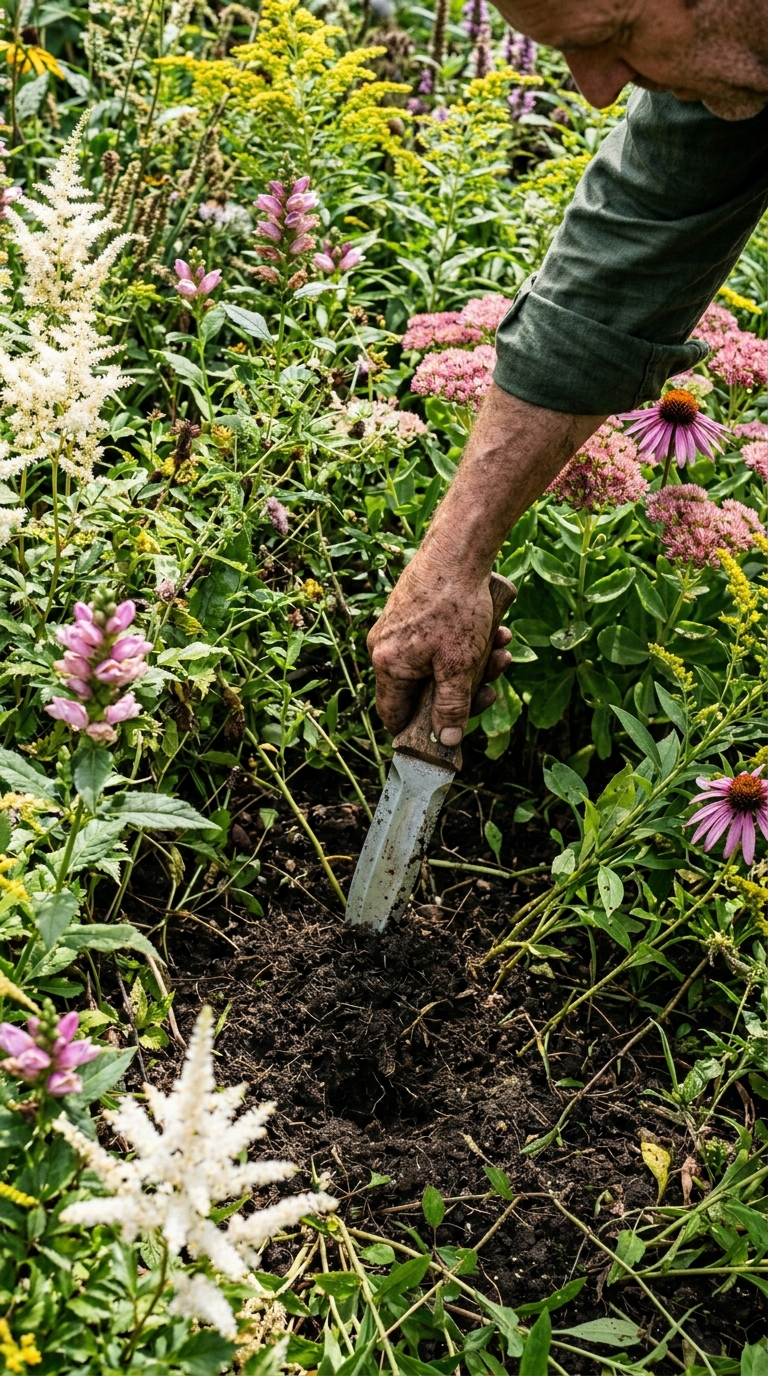
People wrongly assume a wild space requires zero work. It is absolutely a high maintenance area. You are planting highly competitive specimens and watching how they live together. Sometimes it starts looking messy. Your role shifts from composer to conductor of an unruly marching band. You must thin out aggressive thugs so slower specimens survive. A single square foot might sprout a half dozen perennials fighting for sunlight. You have to step in and referee the chaos.
Be ruthless when a single species tries to take over. Dig out the excess and compost it. This editing process keeps diversity high and prevents the area from turning into a monoculture. It takes a keen eye to spot the bullies early.
Expanding Your Vision with Naturalistic Landscape Ideas
Hardscaping and Naturalistic Landscape Ideas
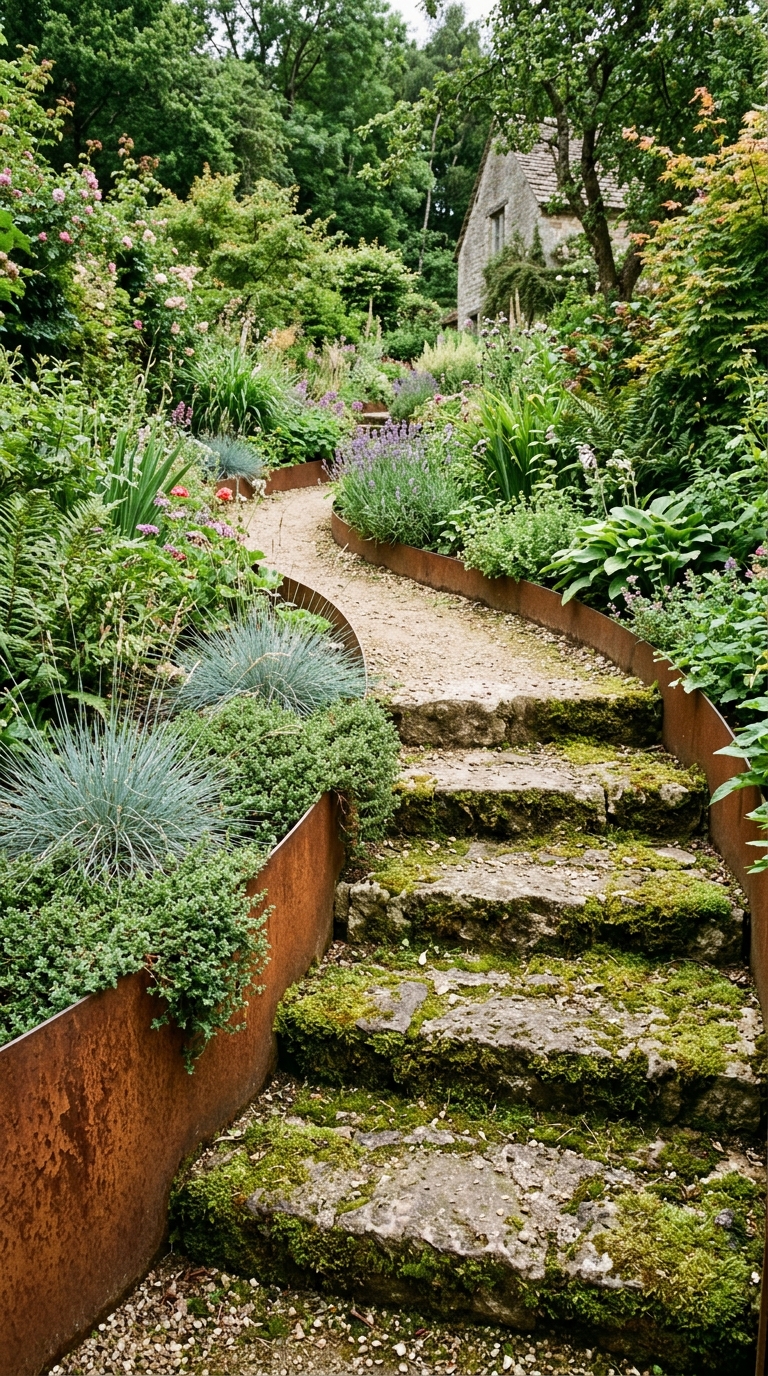
The structures you build should look like they have been sitting there for a century. Focus on using raw unpolished materials like Corten steel and local fieldstone and decomposed granite. Avoid perfectly cut brick or stamped concrete or bright white gravel at all costs. Those manufactured materials scream human intervention and ruin the illusion. Let moss and creeping thyme soften the edges of your stone pathways. The hardscaping should recede into the background.
Rusting steel edges look fantastic when half hidden by sprawling groundcovers. The orange patina picks up the warm tones of the autumn foliage. Keep your pathways narrow and winding to force visitors to slow down. A straight wide path feels too formal and ruins the relaxed vibe.
Water Features and Naturalistic Landscape Ideas
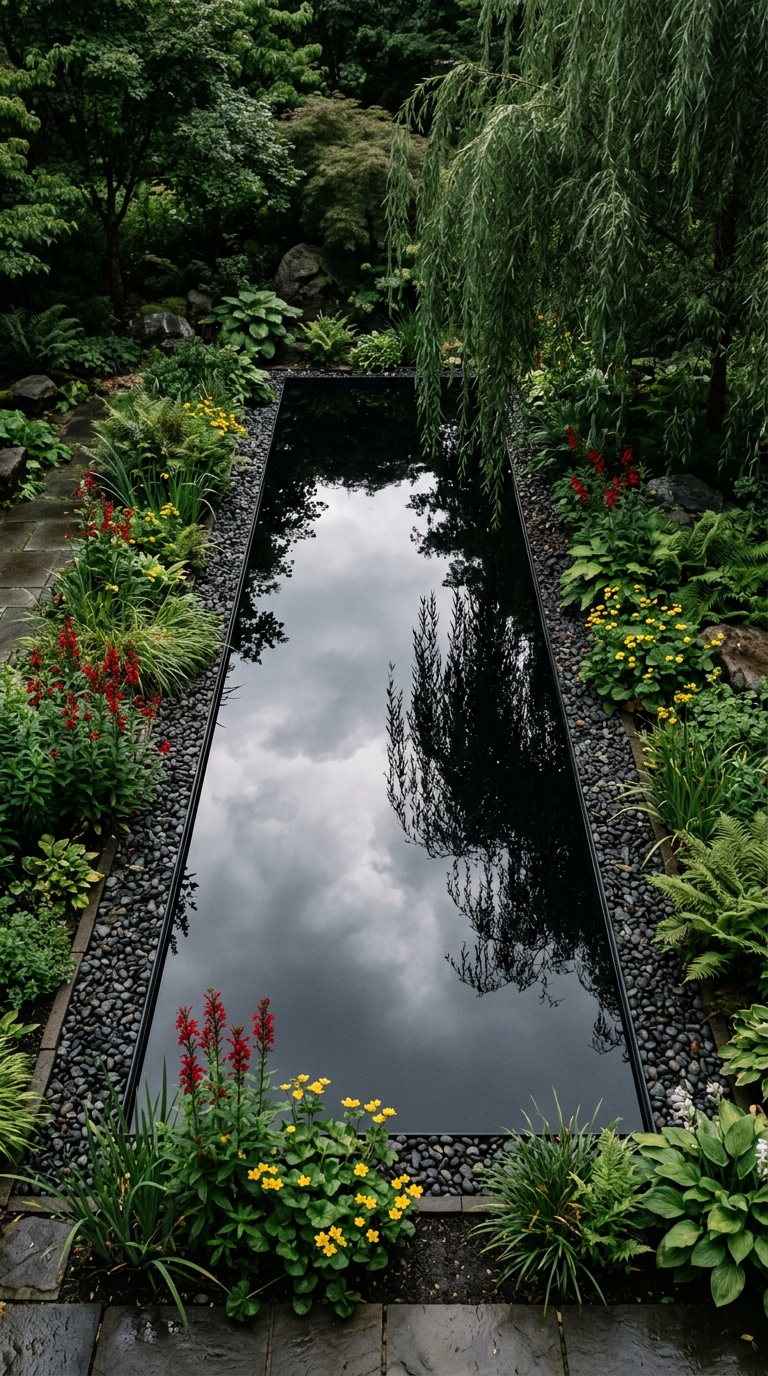
Water brings a completely different energy to a wild space. Dark dyed water in reflecting ponds mimics deep forest pools and creates a moody atmosphere. Shallow rills and bog gardens attract birds looking for a quick drink. Avoid ornamental fountains or waterfalls that look manufactured and out of place. A simple black rectangular pool surrounded by gravel looks incredibly striking. The water acts as a mirror for the sky.
Keep water sounds subtle rather than loud and splashing. A gentle trickle over a flat stone beats a massive tiered fountain. Frogs and dragonflies will quickly move in and claim the territory. You will spend hours just sitting by the edge watching the wildlife.
Building a Resilient Naturalistic Perennial Garden
Choosing the Backbone of a Naturalistic Perennial Garden
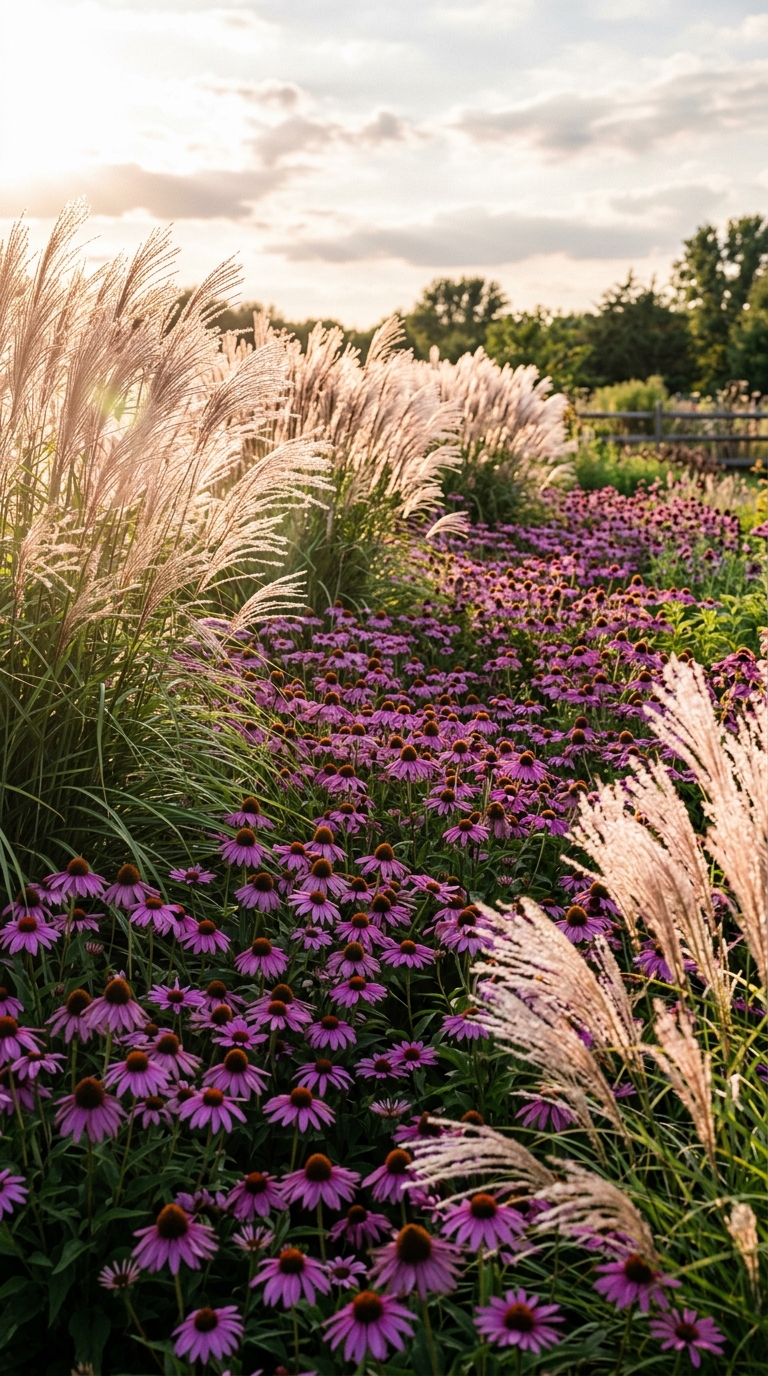
You need deep rooted drought tolerant species to anchor the soil. Giant miscanthus and joe pye weed and native coneflowers are fantastic for this heavy lifting. These plants survive terrible weather and provide a canvas for smaller flowers. Traditional primers suggest planting in groups of five. On an epic scale that is like seasoning a tray of paella with one peppercorn. You often need thirty of the same plant to create a sweeping effect.
Buying in bulk saves money and creates a better visual impact. Find a wholesale native nursery and order flats of plugs instead of gallon pots. Smaller plants establish faster and catch up within a single season. You get to cover more ground and create massive sweeping drifts.
Seasonal Shifts in a Naturalistic Perennial Garden

Most people only care about the space looking spectacular in May. Plan for the area to look incredible in November and February. Fading foliage and rust colored leaves hold incredible beauty. Leaving the area uncut through winter provides vital shelter for overwintering insects. The structure of dead plants holds snow and catches low winter light. Train your eye to appreciate the skeletal remains.
The winter garden has a stark architectural beauty you cannot get from evergreens. Hollow grass stems whistle in the cold wind and create a haunting soundtrack. Leaving foliage standing protects the plant crown from freezing. Cut everything down to the ground in early March before new growth starts.
Transforming Your Space into a Naturalistic Backyard Garden
Creating Privacy in a Naturalistic Backyard Garden
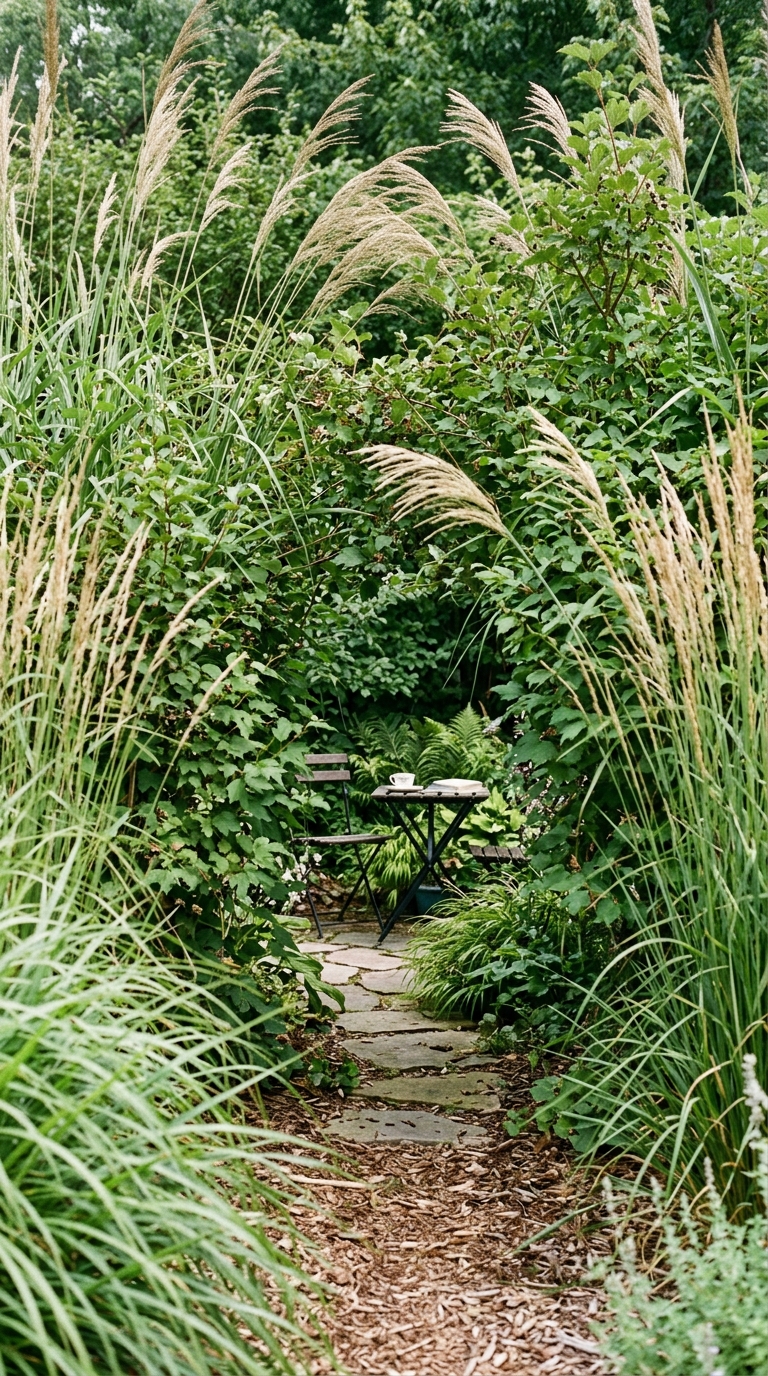
Skip the massive wooden fence and block the street view with plants. Tall ornamental grasses and dense shrub borders create a living screen that moves with the wind. This green wall changes with the seasons and provides excellent habitat. Fast growing native shrubs block sightlines from nosy neighbors while looking completely organic. The rustling sound of the leaves also drowns out traffic noise.
Planting in dense layers makes it nearly impossible for anyone to see your retreat. The outer layer should be tall grasses followed by mid height shrubs and low groundcovers. This graduated approach looks natural and blocks sightlines from multiple angles. You will feel hidden deep in a forest.
Blending Living Spaces with a Naturalistic Backyard Garden
Your patio should feel like it is being swallowed by the foliage. Place your seating area deep inside the planting beds so you are completely immersed. Viewing the space from inside the house during bad weather is just as important. Large windows should frame the wild textures like a living painting. Use minimal outdoor furniture that doesn’t compete with the flora. The furniture should fade into the background.
Keep lighting to an absolute minimum to preserve the moody atmosphere. A few subtle uplights hidden in the grasses are all you need to navigate at night. Bright floodlights ruin the wild aesthetic and scare away nocturnal wildlife. Let the moonlight filter through the tall stems and cast shadows.
Selecting the Best Naturalistic Garden Plants
Grasses and Foliage for Naturalistic Garden Plants
Foliage form and movement matter far more than fleeting flower colors. Flowers only last a few weeks but interesting leaves look great for months. The shimmering qualities of native grasses bring the whole area to life. Certain grasses catch the late afternoon light and glow like spun gold. You want to feel the blades caressing your neck as you walk. Form and texture do the heavy lifting while flowers provide occasional punctuation.
Pay close attention to how the leaves interact with the wind. Some grasses stand stiff while others flop and cascade over the pathways. You want a mix of both behaviors to create a lively space. The movement brings the entire area to life even when nothing is blooming.
Welcoming Decay with Naturalistic Garden Plants
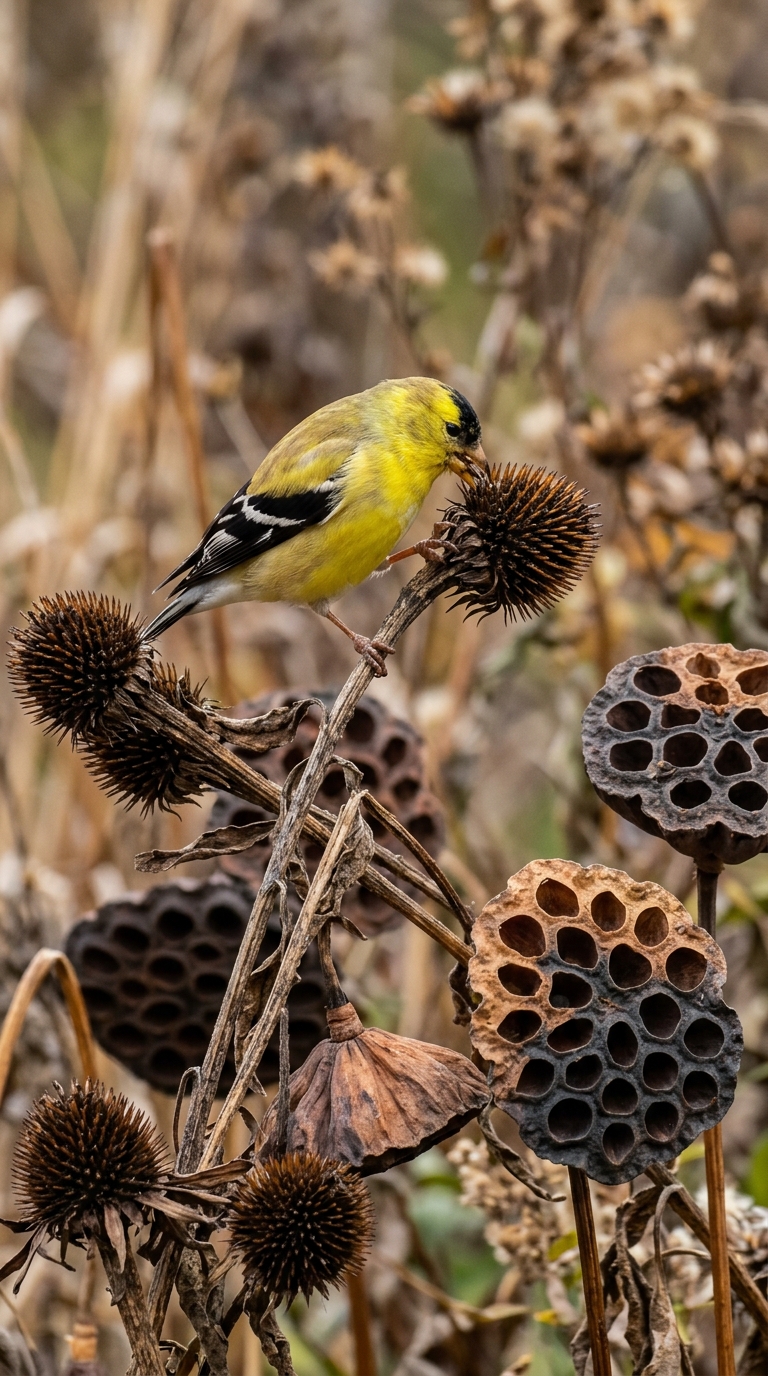
Dead plants and rattling calyxes and hollow seed pods possess a strange rugged beauty. Leaving decay in place feeds the local food web and provides essential winter structure. Stop deadheading and let the plants complete their natural life cycles. Brown seed heads look like they might contain goblin teeth and add serious architectural interest. The spent blooms feed the goldfinches and provide nesting material. Welcoming the rot is essential for this aesthetic.
The sound of dry seed pods rattling in the autumn breeze is incredibly soothing. It adds an auditory element you cannot get from fresh green growth. Let the plants collapse naturally under the weight of the snow. The resulting tangled mess is exactly what you are aiming for.
Sowing and Maintaining a Naturalistic Meadow Garden
Lawn Conversion for a Naturalistic Meadow Garden
Killing turf grass is the first step toward a wilder life. Smother the lawn with cardboard and wood chips or use black plastic to solarize the area. Preparing a clean weed free seedbed is critical before sowing. Select a seed mix tailored to your specific soil type and sun exposure. A generic wildflower mix will just give you aggressive weeds. Buy high quality regional seeds.
Patience is critical during the first year of a meadow conversion. Seeds will take their sweet time to germinate and you will see bare dirt. Keep the area lightly watered and pull any obvious weeds. By the second year you will see the native rosettes forming. The third year is when the meadow finally closes in.
The Reality of Maintaining a Naturalistic Meadow Garden
People talk about no mow yards but that is a myth. You need an annual late winter cut to keep woody shrubs from taking over. You will also fight an ongoing battle against invasive tree seedlings and aggressive weeds. Pulling out baby maples is just part of the deal. The maintenance keeps you engaged with the soil. You are managing a habitat rather than pushing a lawnmower.
The annual cut is a massive event requiring serious tools and physical effort. Use a string trimmer to bring tall stems down to four inches. Leave the cut foliage on the ground for a few weeks to let overwintering insects wake up. Then rake it away to expose the soil and let the spring sun warm the plant crowns.
Dropping the Shears
Letting nature take the upper hand offers massive emotional and ecological rewards. A wild space is a living entity that will evolve long after the initial planting. The instruments promenade where they will as the melody evolves into free jazz. Someday someone might buy your house and cut down everything. That prospect is abominable but also just fine. Most outdoor spaces should depart with their owners. Put down the shears and watch the prairie masquerade come to life.
The best view is often from inside the house with a hot cup of coffee. You get to watch the wind ripple through the grasses without braving the cold. It’s a useless space that fills your days and reveals your innermost feelings. The world for once is finally listening.
