North Carolina is a beautiful place to live, but some of its smallest neighbors pack a painful punch. Snakes curl under woodpiles, spiders tuck into garage corners, and stinging insects build nests right beside your front door.
Knowing who these critters are and where they hide can keep your family and pets safe. Here is a friendly field guide to the ten venomous creatures you are most likely to meet close to home.
1. Copperhead
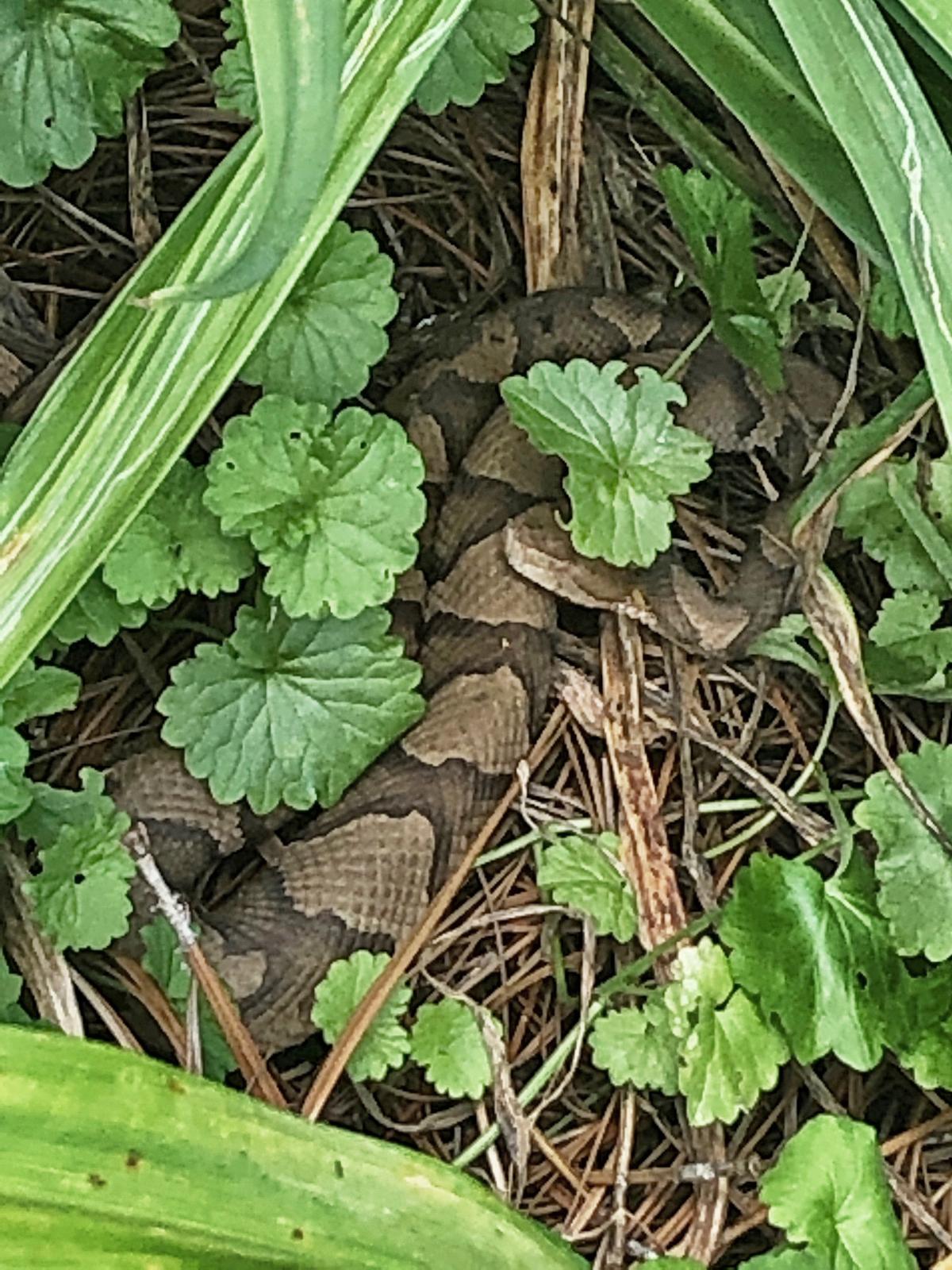
Ask almost any North Carolina emergency room doctor which snake causes the most bites, and you will hear the same answer. Copperheads are responsible for the vast majority of venomous snakebites in the state.
They are everywhere, from mountain hollows to Charlotte cul-de-sacs.
Their camouflage is the real trick. Those coppery, hourglass-shaped bands blend perfectly into fallen leaves, mulch beds, and pine straw.
Many bites happen when someone reaches into a flower bed or steps outside barefoot at dusk.
The good news is that copperhead venom is rarely deadly to healthy adults, though bites still hurt badly and need medical care. Fun fact: baby copperheads have bright yellow tail tips they wiggle to lure frogs, a trick called caudal luring.
Wear gloves while gardening, keep a flashlight handy on summer evenings, and clear brush piles away from the house.
2. Timber Rattlesnake

Picture a hiker in the Blue Ridge hearing a sound like dry seeds shaking in a gourd. That buzz belongs to the timber rattlesnake, the largest venomous snake in much of the state.
Some stretch past five feet long.
Timbers live mostly in the mountains and the coastal plain, where folks sometimes call them canebrake rattlers. They prefer quiet woods, rocky slopes, and old fields, but homes built at the forest edge can see visitors.
These snakes are surprisingly calm and usually stay still rather than strike. Still, their venom is powerful, so give them plenty of room.
They are protected as a species of special concern in North Carolina, so the best move is to back away and let them go about their business.
3. Cottonmouth
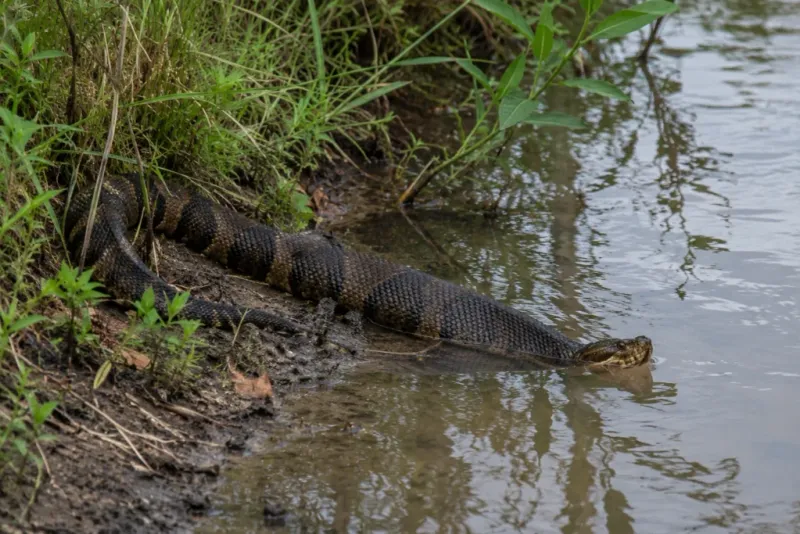
Open wide and say ah. When threatened, the cottonmouth does exactly that, flashing a bright white mouth lining as a warning.
That display gave the snake its famous name.
You will find cottonmouths in the eastern half of the state, around swamps, ponds, ditches, and slow creeks. Homes near water in places like the Outer Banks region or along the Cape Fear River may spot them on docks or lawns after heavy rain.
Here is a myth worth clearing up. Many harmless water snakes get mistaken for cottonmouths and killed for no reason.
A true cottonmouth tends to float high on the water with its whole body showing, while harmless water snakes usually swim with only their heads up.
4. Eastern Coral Snake

Red touches yellow, kills a fellow. Generations of Southern kids learned that rhyme to spot the eastern coral snake, though experts now suggest just avoiding any brightly banded snake.
Coral snakes are the rarest venomous snake in North Carolina. They show up only in a few sandy southeastern counties, often hiding under pine straw, logs, or loose soil.
Most people will never see one.
Unlike the pit vipers on this list, coral snakes have neurotoxic venom that affects nerves. Symptoms can be delayed for hours, so anyone bitten should go to the hospital right away even if they feel fine.
Their small mouths and shy habits mean bites are very uncommon.
5. Pygmy Rattlesnake

Small but sassy, the pygmy rattlesnake rarely grows longer than a ruler and a half. Its rattle is so tiny that it sounds more like an insect buzzing than a warning.
Pygmies live in scattered pockets of the coastal plain, especially in pine flatwoods and near wetlands. Because they are so small and quiet, people sometimes step right next to one without noticing.
A bite from a pygmy is painful and swollen but rarely life-threatening. Kids and dogs exploring tall grass are most at risk.
Keeping lawns mowed short near play areas takes away much of the cover these little snakes love.
6. Black Widow Spider
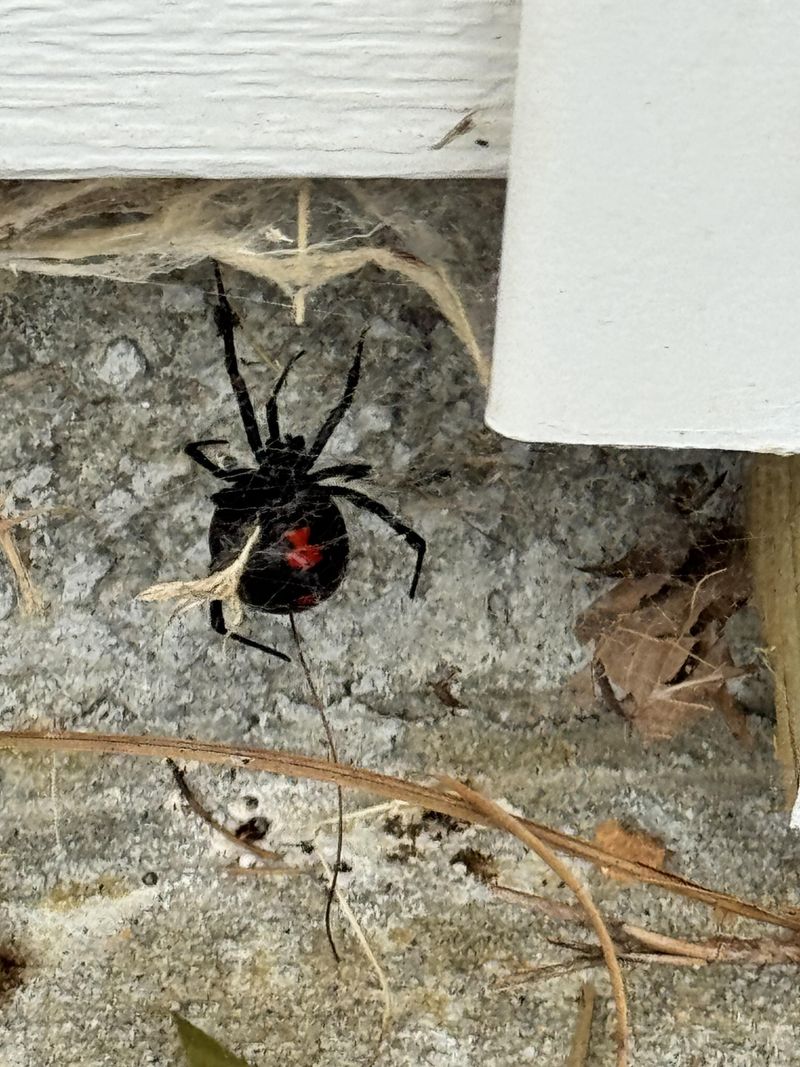
That glossy black body and red hourglass might be the most recognizable warning label in nature. Both the southern and northern black widow live in North Carolina.
Widows love dark, undisturbed spots. Think woodpiles, outdoor toilets, water meter boxes, garage shelves, and the underside of patio furniture.
Their webs look tangled and messy, not neat like a garden spider’s.
Only the females bite in a way that matters to people, and their venom can cause intense muscle cramps and stomach pain. Deaths are extremely rare today.
Shake out gloves and boots stored in the shed, and you will avoid most surprise encounters.
7. Brown Recluse Spider
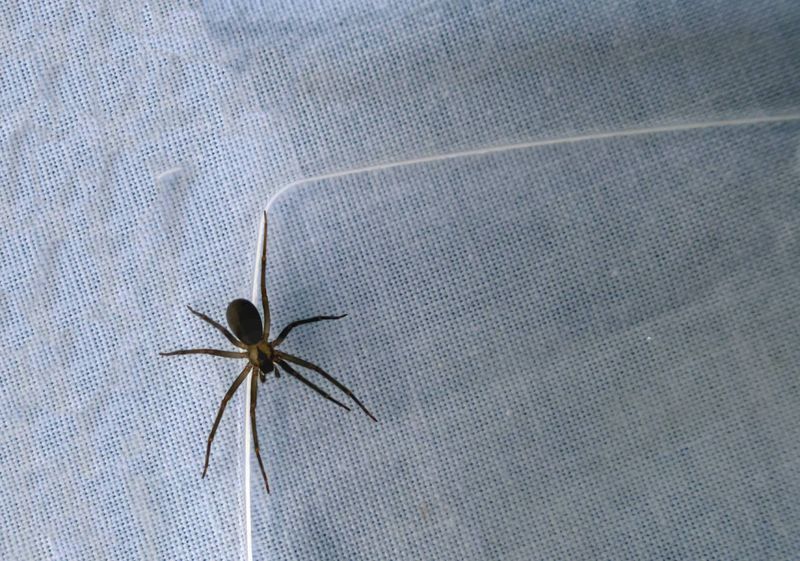
Here is a surprise. Brown recluses are actually uncommon in North Carolina, even though many skin wounds get blamed on them.
Confirmed populations are spotty and mostly linked to items moved from other states.
When they do show up, they hide in attics, closets, cardboard boxes, and stored clothing. Look for a tan spider with a darker violin shape on its back and six eyes instead of eight.
A recluse bite can sometimes cause a slow-healing sore. If you suspect a bite, see a doctor and try to catch the spider for identification.
Storing items in sealed plastic bins instead of cardboard makes your home far less inviting.
8. Yellowjacket
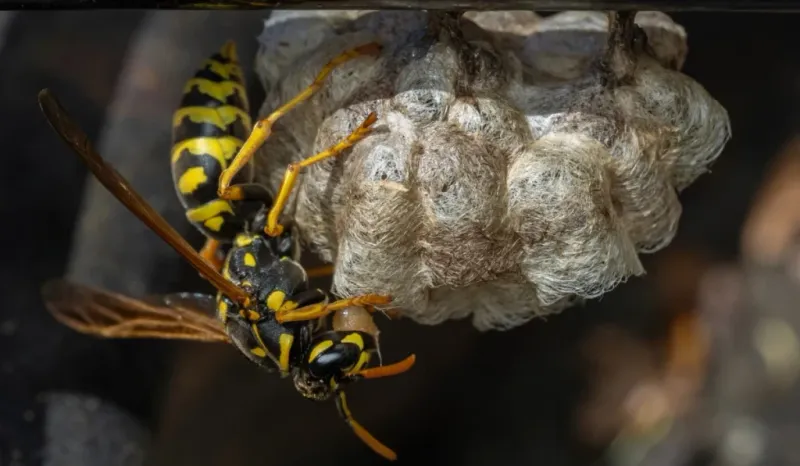
Late summer picnic, sweet tea on the table, and suddenly uninvited guests arrive. Yellowjackets are the bullies of the stinging world, and North Carolina has plenty of them.
Most species nest underground, often in old rodent holes in lawns. Lawn mowers and weed trimmers are a classic way to discover a nest the hard way.
By August and September, a single colony can hold thousands of workers.
Unlike honeybees, yellowjackets can sting again and again. Keep drinks covered outdoors, and if you find a ground nest, mark it and call a professional rather than pouring gasoline down the hole, which is dangerous and harmful to soil.
9. Bald-Faced Hornet
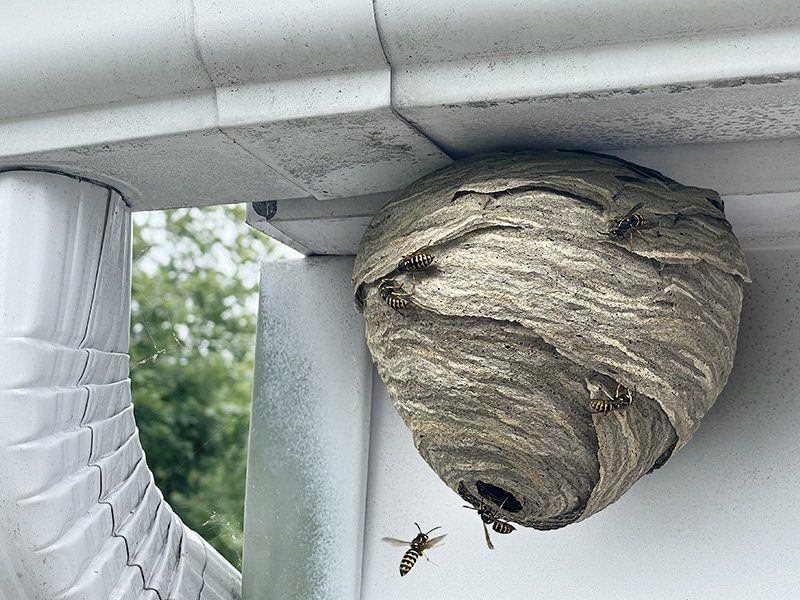
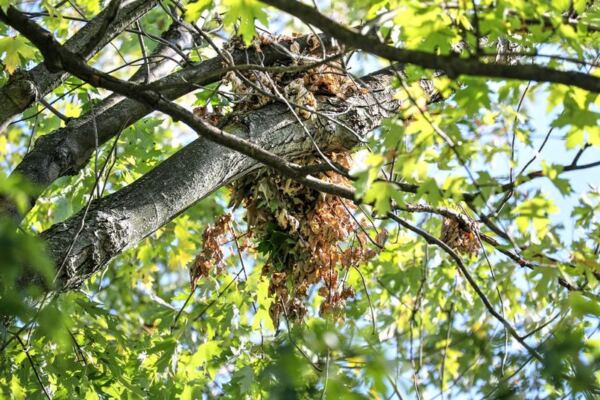
That gray paper balloon hanging from your maple tree is not a decoration. It belongs to the bald-faced hornet, which is actually a type of yellowjacket dressed in black and white.
Their nests can grow as large as a basketball by fall, tucked into trees, shrubs, or eaves. Workers guard them fiercely and will chase intruders for a surprising distance.
Curious fact: the paper is made from chewed wood fibers mixed with saliva. Admire it from afar, and once winter frost kills the colony, the empty nest is safe to remove.
10. Saddleback Caterpillar
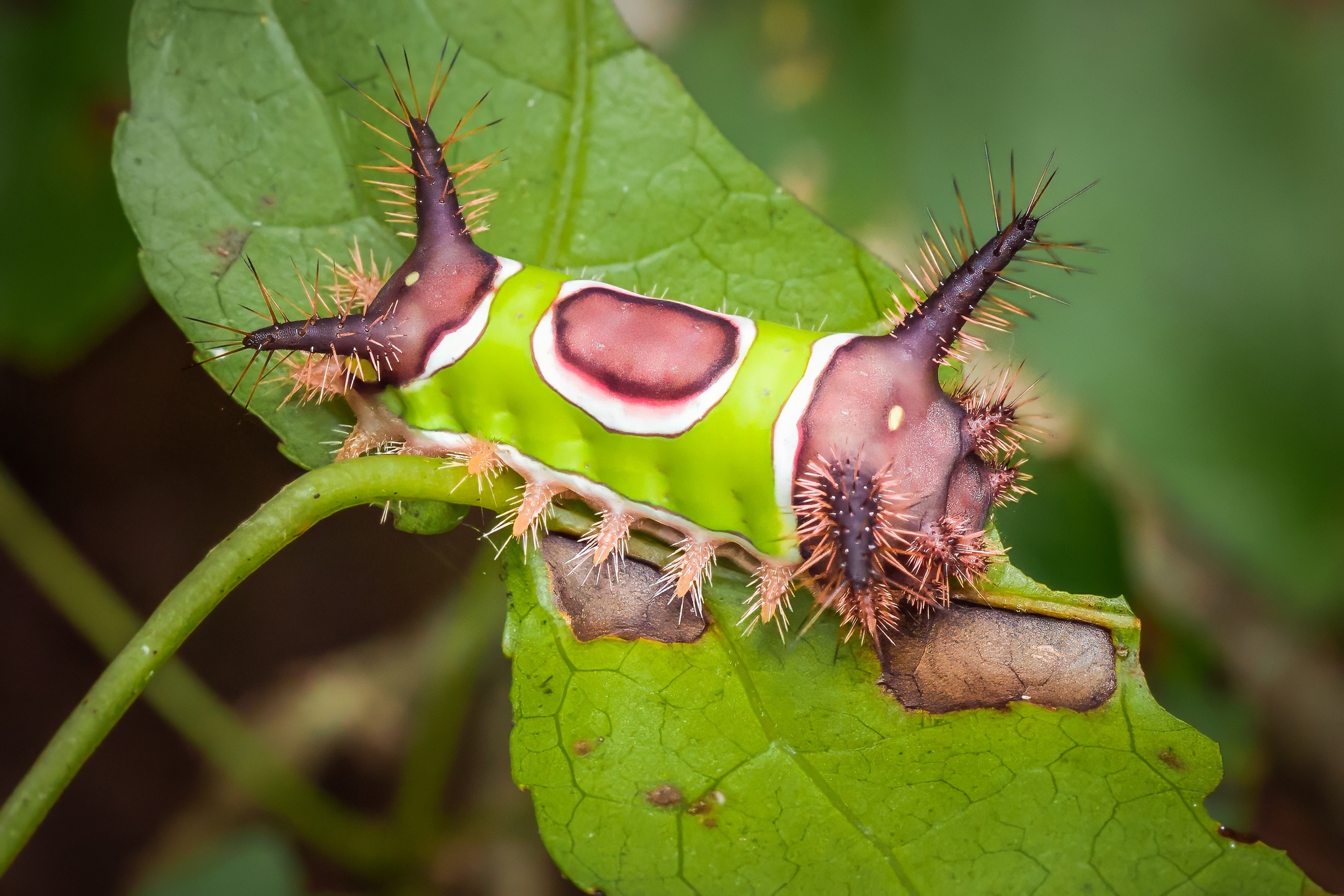
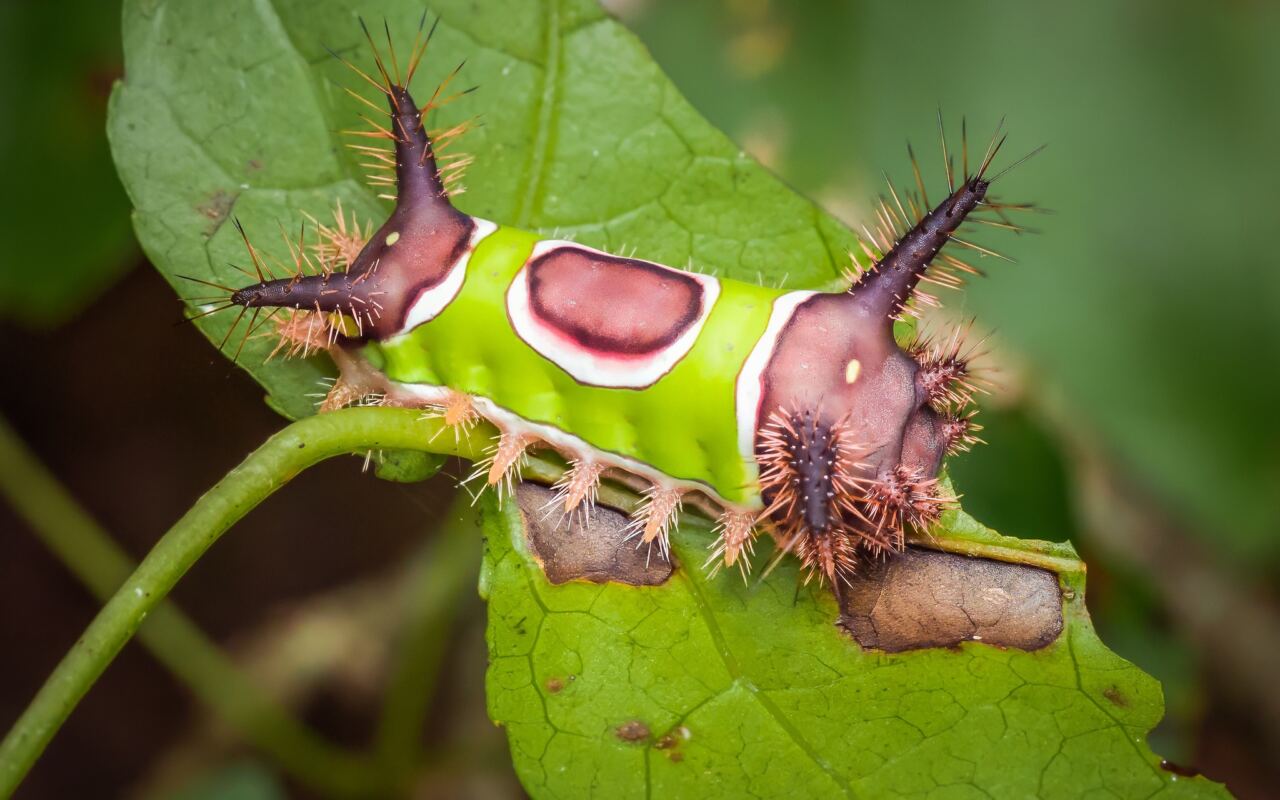
Not every stinger has wings. The saddleback caterpillar looks like a tiny green blanket with a brown saddle, and it is covered in venomous spines.
Kids often find them on ornamental shrubs, corn, and fruit trees in late summer. Brushing against one can cause burning pain, swelling, and sometimes nausea that lasts for hours.
If stung, press tape against the skin to lift out broken spines, then wash with soap and water. North Carolina is also home to other stinging caterpillars like the puss caterpillar, so teach children a simple rule: admire fuzzy or spiky caterpillars with your eyes, not your fingers.
Share this story