Get the latest garden guides in your inbox →
Gardening Latest
  • General Gardening
  • Lawn Care
  • Plant Care
  • Composting
  • Soil Health
  • Backyard
  • Garden Muse Magazine
  • General Gardening
  • Lawn Care
  • Plant Care
  • Composting
  • Soil Health
  • Backyard
  • Garden Muse Magazine
  • News
  • Gardening Calendar
  • Garden Structures
  • Vegetable Garden
  • Vertical Garden
  • Raised Beds
  • Hydroponics
  • General Equipment
  • Community Gardens
Garden Themes
  • Spiritual Garden
  • Hydroseeding
  • Seeding and Laying Sod
  • Artificial Grass
  • Lawn Care Equipment
  • Plants
  • Trees
  • Planting Tools
  • Composting Basics
  • Fertilizer
  • Alternative Growing Mediums
  • Front Yard
  • Backyard Activities
  • Landscaping
Gardening Latest

Explore by state

Which state is your garden in?

Currently viewing Virginia

All states

Northeast

  • Connecticut —
  • Delaware 19
  • Maine —
  • Maryland 6
  • Massachusetts 22
  • New Hampshire —
  • New Jersey 6
  • New York 15
  • Pennsylvania 15
  • Rhode Island —
  • Vermont —

Southeast

  • Alabama 5
  • Arkansas —
  • Florida 5
  • Georgia 6
  • Kentucky 19
  • Louisiana 4
  • Mississippi —
  • North Carolina 4
  • South Carolina 18
  • Tennessee 2
  • Virginia 5
  • West Virginia —

Midwest

  • Illinois 4
  • Indiana 7
  • Iowa 19
  • Kansas —
  • Michigan 6
  • Minnesota 4
  • Missouri 4
  • Nebraska —
  • North Dakota —
  • Ohio 6
  • South Dakota —
  • Wisconsin 20

Southwest

  • Arizona 5
  • Colorado —
  • Nevada —
  • New Mexico —
  • Oklahoma —
  • Texas 4
  • Utah —

West

  • Alaska —
  • California 5
  • Hawaii —
  • Idaho —
  • Montana —
  • Oregon —
  • Washington —
  • Wyoming —

No state matches that search.

Site menu

Gardening Latest
  • General Gardening
    • News
    • Gardening Calendar
    • Garden Structures
    • Vegetable Garden
    • Vertical Garden
    • Raised Beds
    • Hydroponics
    • General Equipment
    • Community Gardens
    Garden Themes
    • Spiritual Garden
  • Lawn Care
    • Hydroseeding
    • Seeding and Laying Sod
    • Artificial Grass
    • Lawn Care Equipment
  • Plant Care
    • Plants
    • Trees
    • Planting Tools
  • Composting
    • Composting Basics
  • Soil Health
    • Fertilizer
    • Alternative Growing Mediums
  • Backyard
    • Front Yard
    • Backyard Activities
    • Landscaping
  • Garden Muse Magazine

Explore

  • About GardeningLatest.com
  • Contact Us

Get the latest from the garden

New guides on lawn care, plants and backyard projects, sent when they go up.

Subscribe →

Follow

  • Facebook
  • X
  • Pinterest
  • YouTube
Virginia Gardening

Why Virginia Homes Fill Up With Stink Bugs Every Fall And How To Seal Them Out

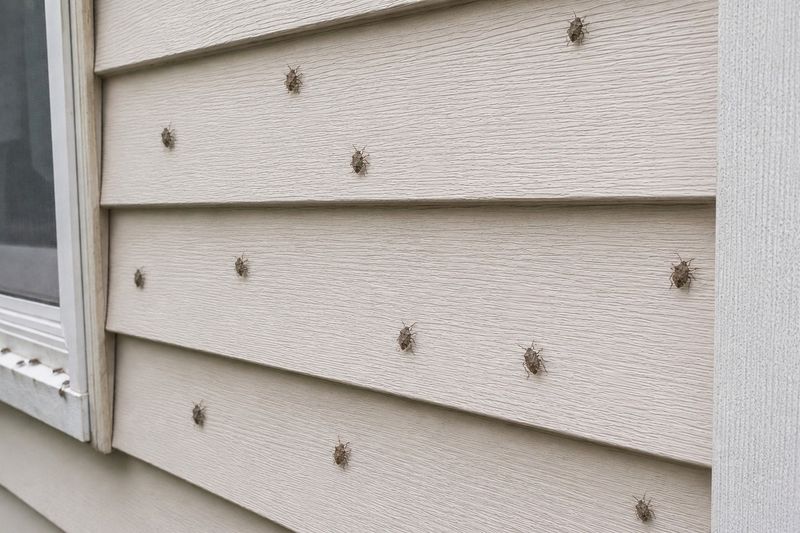
Every fall, stink bugs show up on Virginia siding, windowsills, and living room walls as they look for a warm place…

CW

By Caroline Whitfield

November 22, 2026 · 6 min read

Why Virginia Homes Fill Up With Stink Bugs Every Fall And How To Seal Them Out

Every fall, stink bugs show up on Virginia siding, windowsills, and living room walls as they look for a warm place to wait out winter. Many homes see them, though how many varies a lot from one neighborhood to the next.

Knowing why they come and where they slip in gives you a head start. A few simple fixes made before the weather cools can keep many of them outside.

At a glance

Where
Virginia Gardening
Hardiness zone
7 0 to 10°F
Read
6 minutes
Published
November 22, 2026

Why stink bugs seek shelter in fall

Why stink bugs seek shelter in fall
© mosquito_joe_cville

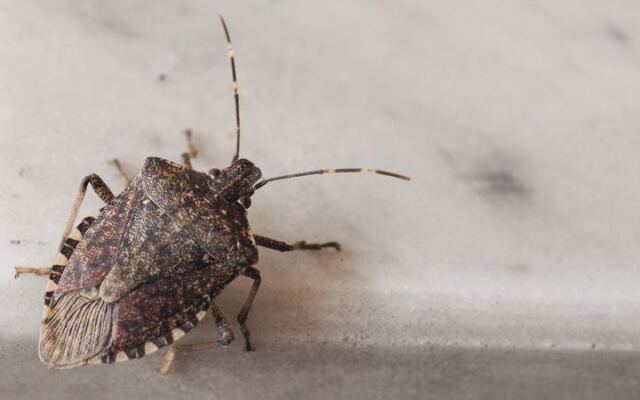
As late summer turns to fall, days get shorter and nights get cooler. Adult brown marmorated stink bugs respond by looking for protected places to spend the winter.

A building can look like a good rock crevice to them, so they gather on walls and slip into small gaps. Virginia Cooperative Extension describes this as a regular seasonal habit of the invasive species.

Timing is not set in stone. Virginia Tech guidance says the bugs often begin gathering on buildings after the first cool day in September.

That is a rough pattern, not a calendar date you can count on, and it does not mean a heavy invasion every year.

Local numbers swing too. NC State Extension notes that abundance changes from year to year and from place to place.

One street may see plenty while another sees only a few, so your experience may not match a neighbor’s.

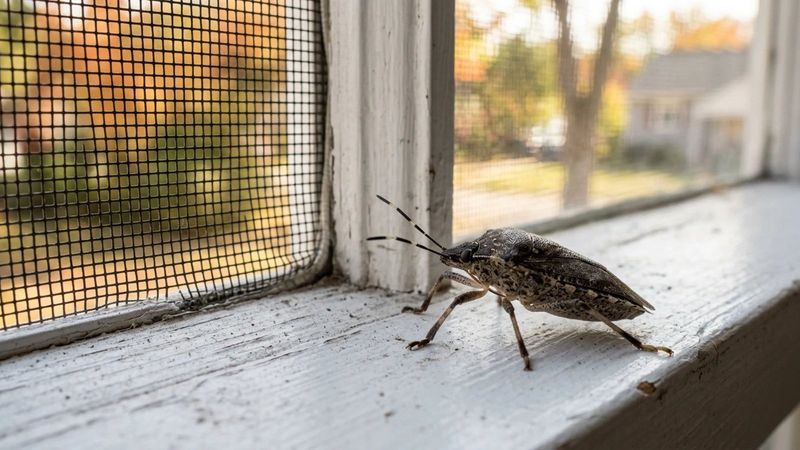
Also keep in mind that Virginia is home to several kinds of stink bugs. Seeing one on your porch does not prove it is a brown marmorated stink bug.

Some native species look similar, and many of them stay outdoors in fields and gardens rather than seeking out houses.

How bugs get into buildings
How bugs get into buildings
© Reptiles

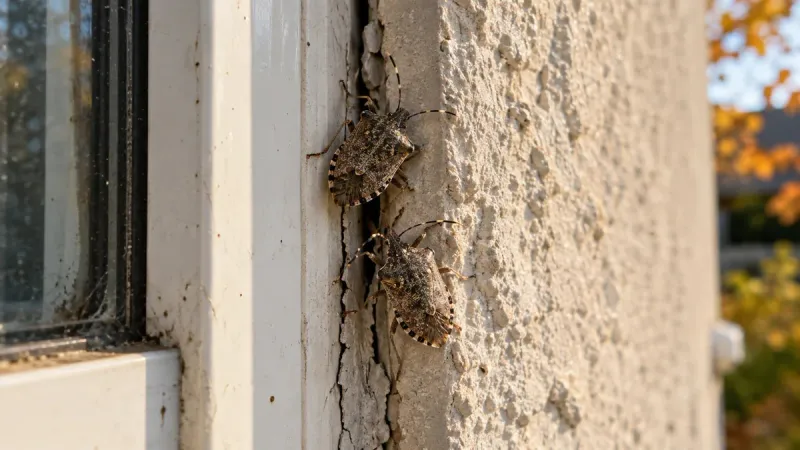
Stink bugs are flat enough to squeeze through surprisingly small openings. Gaps around window frames, siding edges, utility lines, and vents can all work as doorways.

Once inside, they tuck into sheltered spots such as wall voids, attics, and the spaces behind trim.

The simplest fix is a container: slide a cup or jar over the bug, slip a card underneath, and carry it outside.

The good news is that a stink bug indoors is a nuisance, not a danger. According to UC IPM, brown marmorated stink bugs do not reproduce inside homes, and they do not damage the building.

They also do not bite or sting people or pets, and they do not chew into wood.

What they do is wait. They can stay tucked away through the cold months, then become active on warm winter days or when spring arrives.

That is when many people notice them crawling on walls or windows, seemingly out of nowhere.

Their gathering on outside walls is also linked to sun exposure. Virginia Tech lists nuisance bug entry points around houses, which makes the next step clear: find the gaps before the bugs do.

The following sections walk through how to do that.

Inspect outside before fall
Inspect outside before fall
© Advanced Pest Management

A walk around the outside of your home in summer is the best first move. Virginia guidance recommends preparing before fall entry begins, not after bugs are already inside.

Grab a flashlight and take your time.

Look closely at these spots: windows and doors, siding and trim, fascia, and chimneys. Check where pipes, cables, and wires pass through the walls.

Do not skip window air conditioners, or attic and foundation vents, since gaps often hide around their edges.

Pay extra attention to the sunniest sides of the house. Virginia Tech Extension reports that the bugs often gather on south- and west-facing surfaces.

That makes those walls a smart place to start, though it is a tendency and not a rule for every house.

Make a simple list as you go. Note cracks that need caulk, torn screens, worn weatherstripping, and vents that are open to the outside.

A written list turns a vague worry into a weekend project, and it keeps you from missing a spot when the supplies are in hand.

Seal gaps and keep vents working
Seal gaps and keep vents working
© Reptiles

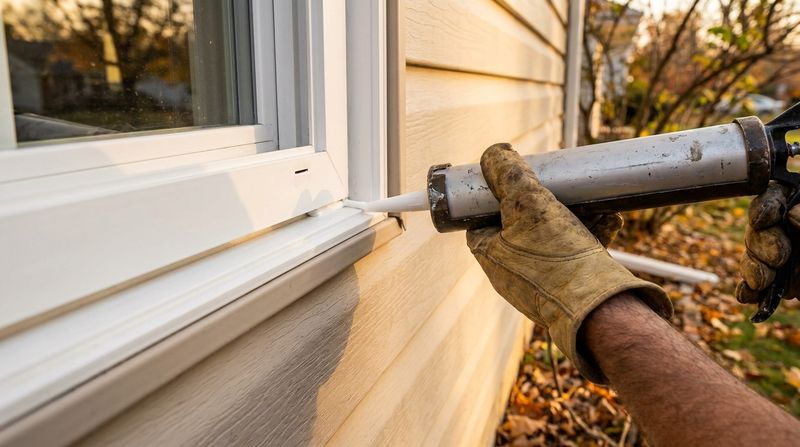
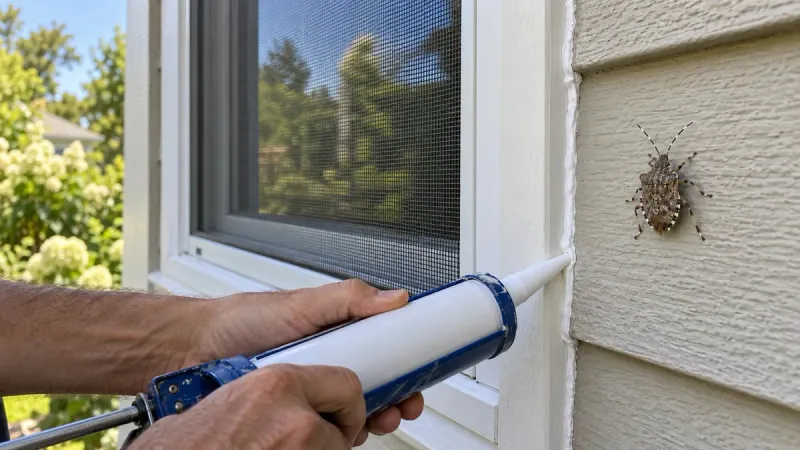
Once you have your list, sealing begins. Virginia Tech recommends caulk for suitable cracks and gaps, such as those around window and door trim and where utilities enter the house.

Choose a caulk made for exterior use and press it in so it fills the gap fully.

Next, handle doors and windows. UC IPM also suggests repairing torn screens and adding weatherstripping and door sweeps where daylight shows under or around a door.

Small fixes like these often cost little.

Vents need a different approach. They exist to move air, so never stuff or cover them solid.

Instead, add screening to vents and weep holes where appropriate, using a mesh that keeps bugs out while letting air flow as intended.

Sealing is the leading way to cut down on entry, but it is not a guarantee. A few bugs may still find a path you missed or arrive through a door.

Think of the work as lowering the odds, and be ready to handle any stragglers that do get inside.

Remove bugs already inside
Remove bugs already inside

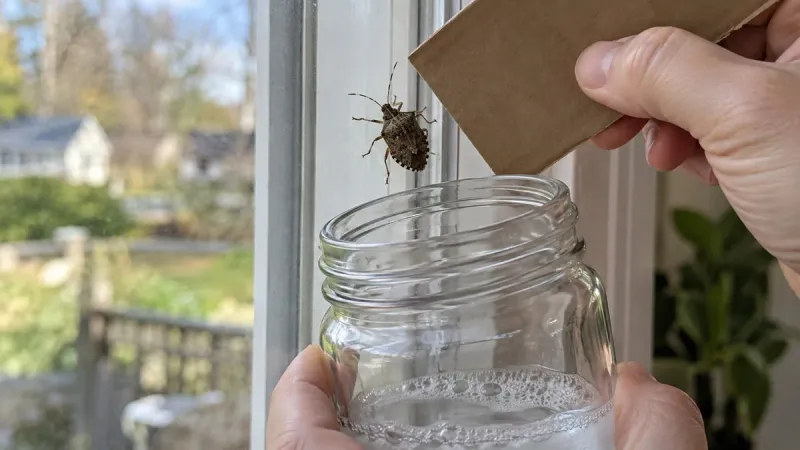
When a stink bug turns up on your wall, stay calm. The simplest fix is a container: slide a cup or jar over the bug, slip a card underneath, and carry it outside.

No tools or chemicals are needed.

For several bugs at once, a vacuum works well. UC IPM describes using a dedicated vacuum, or placing a stocking inside the vacuum tube so the bugs collect there.

The vacuum may hold their odor afterward, so empty it outdoors and consider keeping it just for this job.

Skip the swatting and squashing. The National Pesticide Information Center notes that stink bugs can give off an unpleasant smell when disturbed or crushed.

That is a good reason to be gentle, though the smell from one bug does not draw in others.

If you find bugs now and then through winter, simply collect them as you spot them. Warm days can wake them up, and they may wander toward lamps and windows.

A jar kept near the window makes quick work of it.

Avoid sprays and sealing bugs inside
Avoid sprays and sealing bugs inside
© I’m Home

It is tempting to reach for a can of bug spray. Extension guidance says indoor pesticide sprays are generally ineffective for this problem, and foggers will not clear out bugs hidden in walls.

The EPA advises using pesticides only as the label directs and choosing nonchemical methods where possible.

Outdoor perimeter treatments are another option some people consider. UC IPM indicates they may deter bugs for a short time, but they do not replace sealing gaps.

If you use any product, read the label and follow every rule on it.

Timing matters for sealing, too. If stink bugs may already be inside wall voids or other hidden spaces, do not seal those openings in fall or winter.

Doing so can trap them inside, where they may wander further into the living space.

NC State Extension advises letting the bugs leave on their own in spring. Then seal the gaps before they try to return in late summer.

That gives you a clear schedule to follow.

Make prevention a seasonal routine
Make prevention a seasonal routine
© The Morning Call

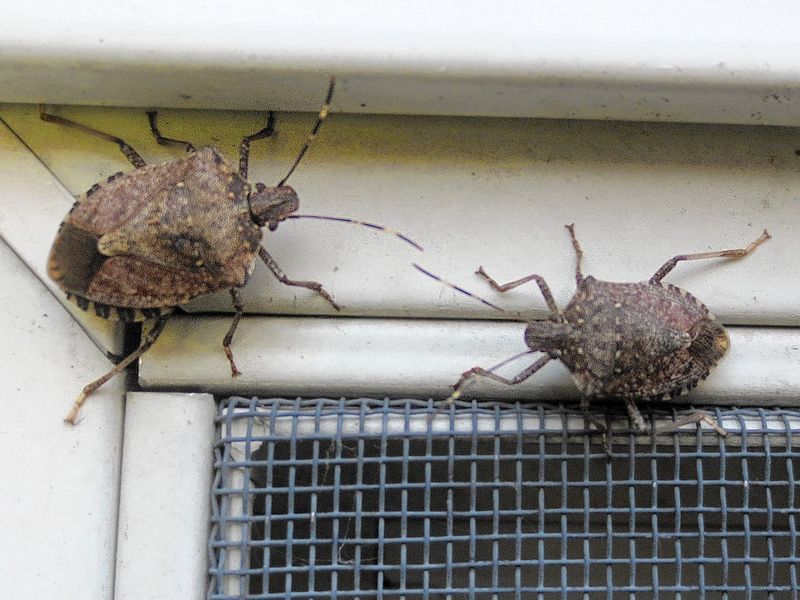
Treat stink bug prep like gutter cleaning: a small chore on the yearly list. Check and refresh your seals before fall gathering begins, keep vents breathing, and scoop up strays with a jar or a dedicated vacuum.

These habits shrink your odds of company but cannot promise a bug-free house. A stray visitor now and then is simply part of living where the seasons change.

Share this story

CW

Written by

Caroline Whitfield

More from Caroline Whitfield →

About Gardening Latest

Gardening Latest provides in-depth guides to maintaining and enhancing your garden and backyard. Learn how to make the most of the space you have and create a beautiful garden.

More about us →

Latest stories

  • Maryland GardeningThe Simple Sealing Fix Maryland Homeowners Use To Stop Stink Bugs Moving In For Winter

    The Simple Sealing Fix Maryland Homeowners Use To Stop Stink Bugs Moving In For Winter

    Just now
  • Iowa GardeningWhy an Opossum Shows Up Near Your Iowa Home in Winter, and What to Do

    Why an Opossum Shows Up Near Your Iowa Home in Winter, and What to Do

    6 min ago
  • New Jersey GardeningThese Toxic Mushrooms Are Popping Up In New Jersey Yards, And Here’s How To Recognize Each One

    These Toxic Mushrooms Are Popping Up In New Jersey Yards, And Here’s How To Recognize Each One

    19 min ago
  • North Carolina GardeningThe Venomous Snakes, Spiders, and Stingers Hiding Around North Carolina Homes and Yards

    The Venomous Snakes, Spiders, and Stingers Hiding Around North Carolina Homes and Yards

    25 min ago
  • Michigan GardeningIs Putting Out Corn for Deer in Your Michigan Yard Actually Legal This Winter

    Is Putting Out Corn for Deer in Your Michigan Yard Actually Legal This Winter

    30 min ago

Gardening by state

Stories for your state, and the hardiness zone most of it gardens in.

Keep exploring

Read next

All Virginia Gardening →
Virginia GardeningThe Trees In Your Virginia Yard That Need A Permit Before The Chainsaw Comes Out
Virginia Gardening

The Trees In Your Virginia Yard That Need A Permit Before The Chainsaw Comes Out

3 hr ago
Virginia GardeningVenomous Creatures Hiding In Virginia Leaf Piles That Homeowners Should Know Before Raking
Virginia Gardening

Venomous Creatures Hiding In Virginia Leaf Piles That Homeowners Should Know Before Raking

6 hr ago
Virginia GardeningFinal Mowing Heights for Virginia Lawns: Practical Targets for Tall Fescue and Bermudagrass
Virginia Gardening

Final Mowing Heights for Virginia Lawns: Practical Targets for Tall Fescue and Bermudagrass

Nov 11

More from Virginia Gardening

  • The Venomous Snakes, Spiders, and Stingers Hiding Around North Carolina Homes and Yards

    25 min ago
  • Is Putting Out Corn for Deer in Your Michigan Yard Actually Legal This Winter

    30 min ago
Back to top

Leave a response Cancel

Your email address stays private. Required fields are marked with an asterisk.

Gardening Latest

In-depth guides to maintaining and enhancing your garden and backyard: how to make the most of the space you have, and how to make it beautiful.

  • Facebook
  • X
  • Pinterest
  • YouTube

We may earn a portion of sales from products or services that are purchased through our site as part of our affiliate partnerships with retailers.

Explore

  • About GardeningLatest.com
  • Contact Us
  • Terms and Conditions
  • Privacy
  • Editorial Note:
  • FTC Disclosure

Newsletter

New garden guides and seasonal tips, straight to your inbox.

We’ll email you a link to confirm. Unsubscribe any time.

Almost there! Check your inbox and tap the link to confirm.

© 2026 Gardening Latest. All rights reserved.

Back to top