Skunks have noses that can pick up food smells from far away, and your porch might be sending out more invitations than you think. In Pennsylvania, striped skunks live in cities, suburbs, and farm country alike, and they are always hunting for an easy meal.
A skunk that settles under your steps can spray your dog, dig up your yard, and leave a stink that lingers for days. Knowing which ordinary smells pull them in is the simplest way to keep them moving along.
1. Pet Food Left Outside
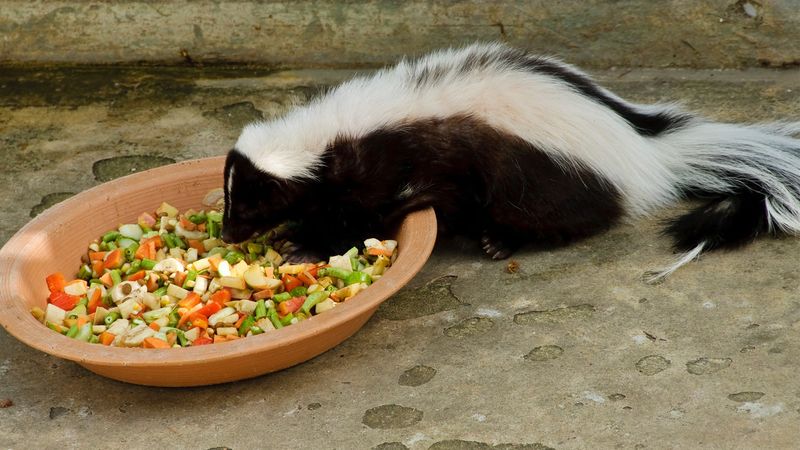
Picture a bowl of kibble on a quiet porch at 10 p.m. To a hungry skunk, that is basically a free buffet with the lights left on.
Dry dog and cat food is packed with fats and meat proteins, and the scent drifts a long way on a calm summer night. Skunks are not picky eaters, so even a few crumbs in the bottom of a bowl are worth a visit.
The fix is simple. Feed pets indoors, or pick up bowls as soon as mealtime is over, and store bags of food in a sealed bin inside the garage or house.
2. Overflowing Garbage Cans
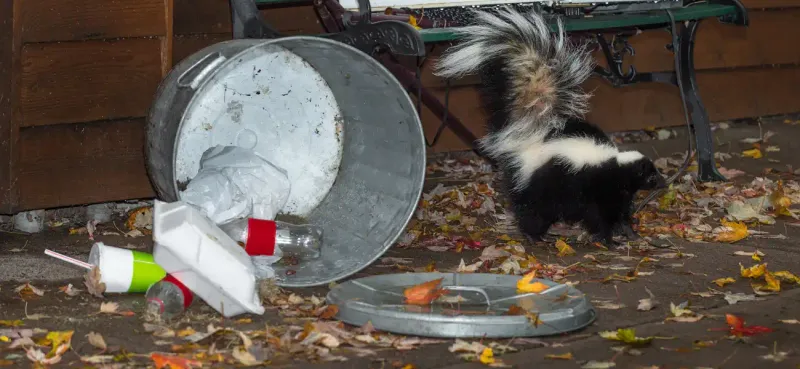
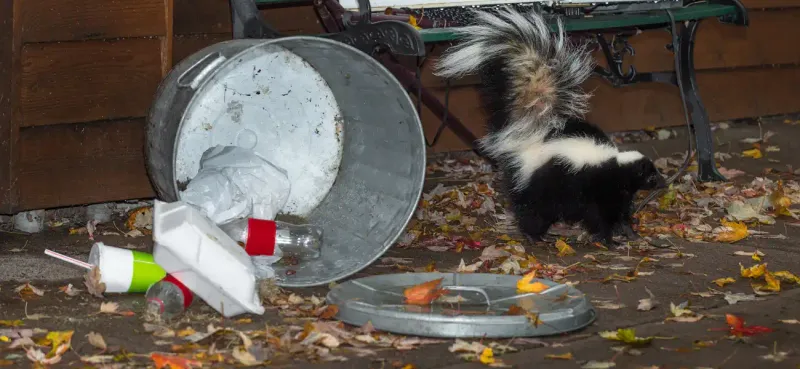
Trash night in Pennsylvania doubles as dinner night for local wildlife. Meat scraps, greasy pizza boxes, and old fruit peels give off a rich smell that skunks can follow from across the neighborhood.
Unlike raccoons, skunks are poor climbers, so they usually rely on cans that tip over or lids that do not close. A bag left on the porch overnight is even easier.
Use cans with tight, locking lids and rinse them out every few weeks. If you can, put trash at the curb the morning of pickup rather than the night before.
3. Birdseed Under the Feeder
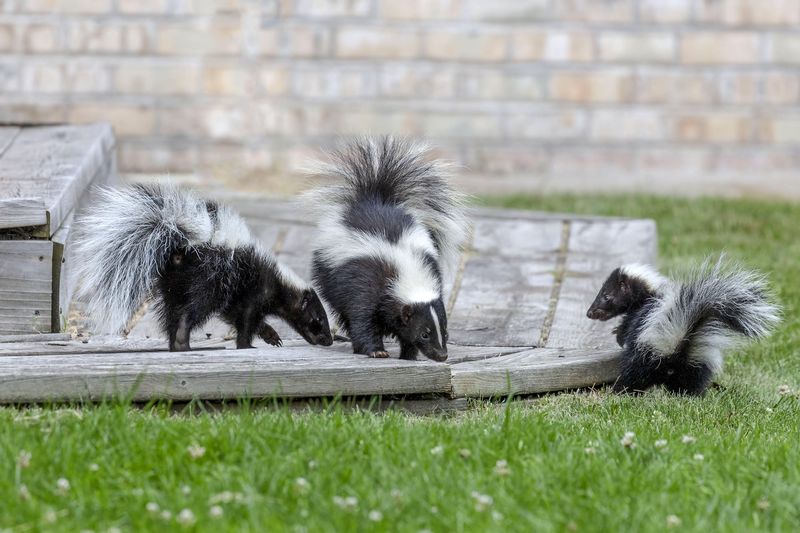
Here is a twist many bird lovers never see coming: the feeder itself is fine, but the mess underneath is a magnet.
Spilled sunflower seeds, suet crumbs, and cracked corn pile up on the ground. Skunks snack on the seed, and they also hunt the mice and insects that show up for the same leftovers, so one feeder can turn into a small food chain.
Try a seed tray under the feeder, or switch to no-mess blends with hulled seeds. Sweeping the area every few days also cuts the smell way down.
4. Grill Grease and Barbecue Drippings
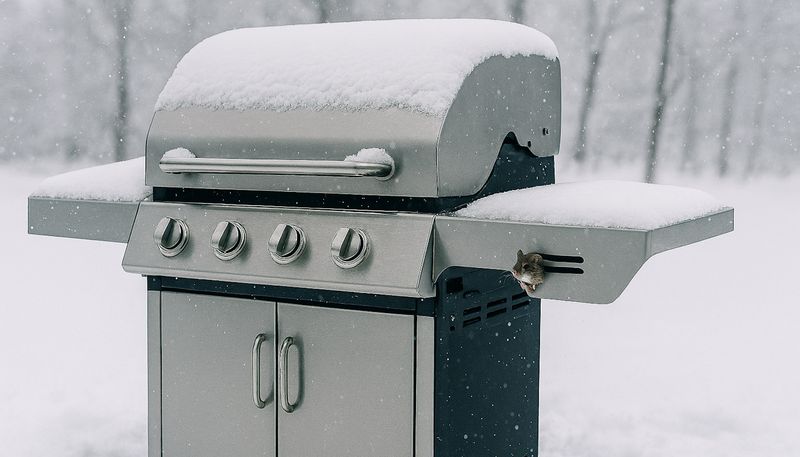
Few things beat a summer cookout in the Keystone State. Burgers, hot dogs, and ribs all leave behind something you may forget about: the grease trap.
Drippings soak into the drip pan and the ground below, and that smoky, fatty smell can linger for days. Skunks will lick pans, dig in the dirt, and sometimes knock over lightweight grills trying to reach the source.
After the grill cools, empty and scrub the drip tray. Covering the grill and wiping up spills on the deck boards helps keep the aroma from calling in visitors.
5. Compost Piles and Kitchen Scraps
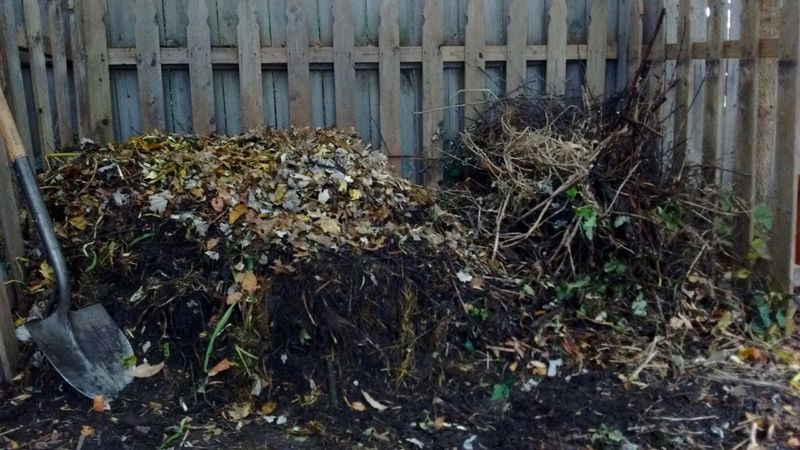
Gardeners love compost, and honestly, so do skunks. Rotting vegetables, eggshells, and coffee grounds give off a warm, earthy smell that says food is close by.
Open piles are the biggest problem, especially when meat, dairy, or cooked food gets tossed in. Those items smell strong as they break down and pull skunks right up to the house if the pile sits near the porch.
Keep compost in a closed bin, move it farther from your home, and stick to plant scraps only. Turning it often speeds up decay and reduces the odor.
6. Fallen Fruit and Ripe Garden Produce
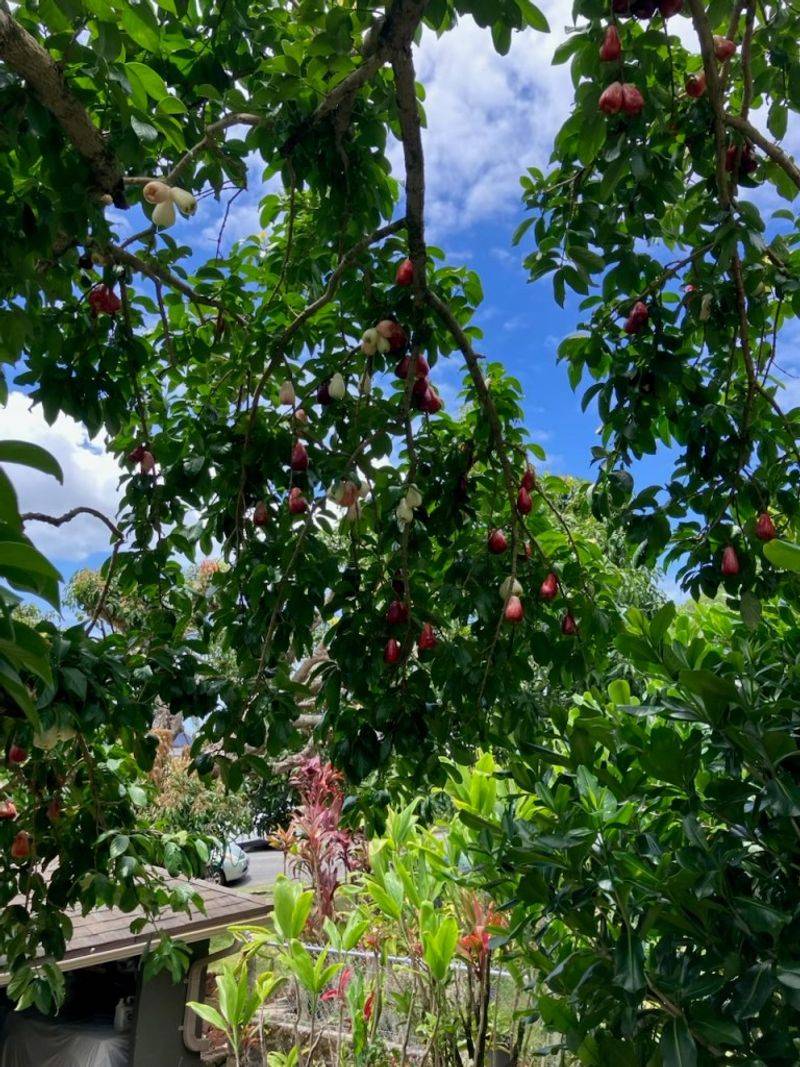
Late summer in Pennsylvania means apples, pears, berries, and tomatoes, and not all of them make it into a basket. Fruit that drops and starts to ferment sends out a sweet smell that skunks find hard to resist.
Fun fact: skunks are omnivores, so they will happily switch from grubs to blackberries depending on the season. A yard with fallen fruit is like a seasonal snack bar.
Pick up dropped fruit every day or two, and harvest garden crops as they ripen. Your pie supply and your porch will both be better for it.
7. Grubs in a Damp Lawn
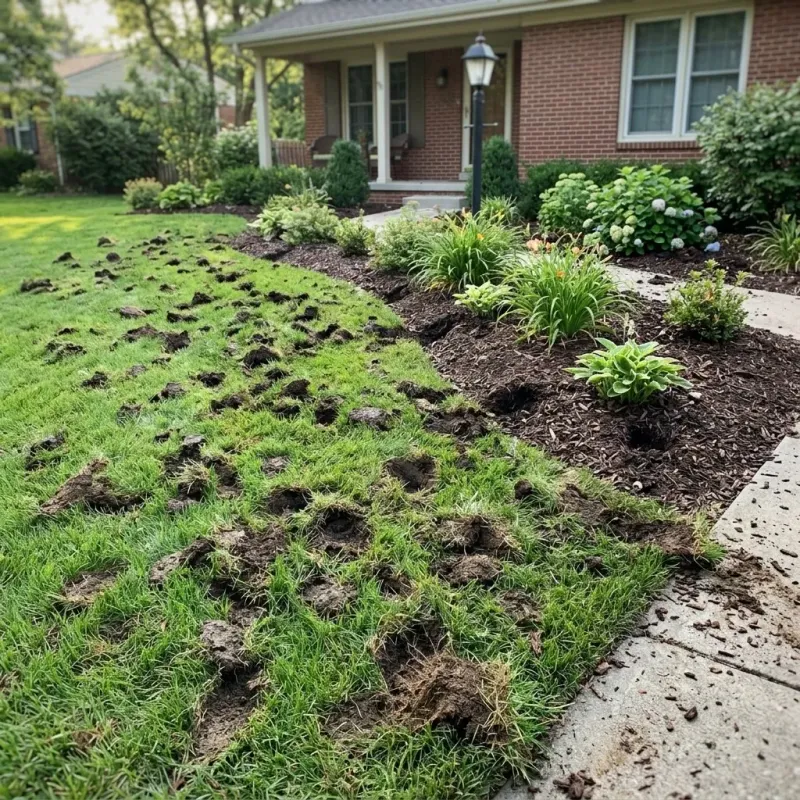
Ever wake up to tiny holes all over the lawn? That is often a skunk sniffing out grubs, which are beetle larvae living just under the grass.
Moist soil and grubs have a scent skunks can track from above ground. Wet springs in Pennsylvania make the problem worse because the larvae move closer to the surface, and once a skunk finds a good spot near your house, a porch hideout becomes very tempting.
Treat grub problems early, avoid overwatering, and fix soggy spots near the foundation. Sealing gaps under porches with wire mesh keeps a snacking skunk from also moving in.
Share this story