
7 Toxic Plants Hiding in Delaware Yards That Every Pet Owner Should Spot This Winter
Winter in Delaware can make your yard look quiet and empty, but some plants stay green and tempting all season long. Curious dogs and cats often sniff, chew, or lick whatever stands out against the gray, and a few of those bright leaves and berries can make them very sick.
Knowing what to look for is the easiest way to keep your furry friend safe. Here are seven common plants worth spotting on your next chilly walk around the yard.
1. American Holly
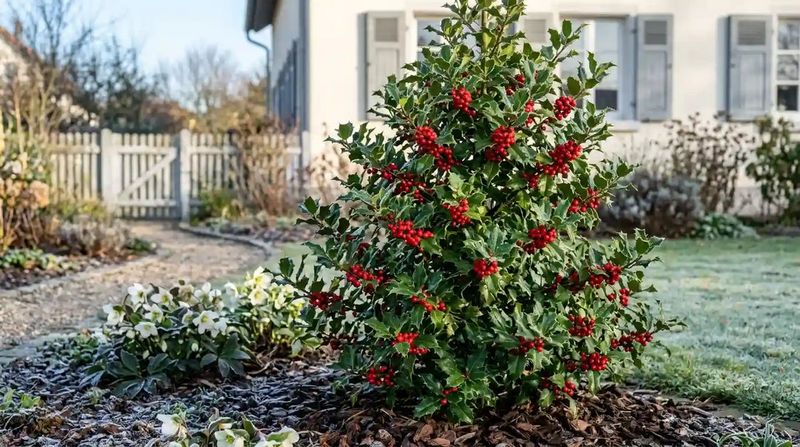
Delaware’s official state tree shows up everywhere, from Wilmington front walks to Rehoboth beach cottages. Those cheerful red berries are basically a neon sign for a bored puppy in January.
Holly contains saponins and other compounds that upset the stomach. A dog or cat that eats the berries or leaves may drool, vomit, have diarrhea, or shake its head from mouth irritation.
The prickly leaves can also scratch the mouth and throat.
Serious poisoning is rare, but a pile of fallen berries can add up fast for a small pet. Rake up dropped fruit after windy days, and keep holly sprigs on mantels well out of reach during holiday decorating.
2. English Ivy

Picture an old brick colonial in New Castle with green vines crawling up the side. Pretty?
Sure. Pet-friendly?
Not so much.
English ivy stays green through the coldest months, which makes it one of the few leafy snacks around when everything else has died back. The leaves contain triterpenoid saponins that can cause vomiting, belly pain, heavy drooling, and diarrhea.
Some pets also get skin rashes from brushing against the sap.
Ivy is also considered invasive in Delaware, so pulling it out helps both your pet and local woodlands. Wear gloves, bag the vines, and keep your dog inside while you work so it doesn’t treat the cleanup like a game of tug.
3. Japanese Yew
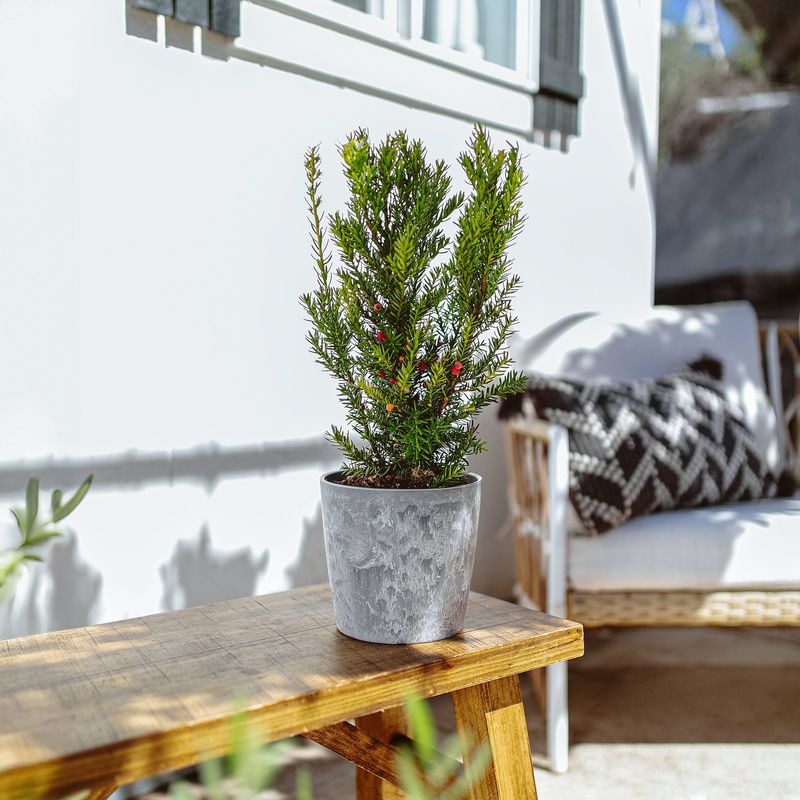
If only one plant on this list makes you grab the pruning shears, let it be yew. Veterinarians rank it among the most dangerous landscape shrubs in the country.
Almost every part of the yew, including needles, bark, and seeds, contains taxine. This toxin affects the heart and can cause trembling, trouble breathing, a slow heartbeat, collapse, and even sudden death.
The red fleshy cup around the seed is the only part that isn’t toxic, but the seed inside is.
Yews are hugely popular foundation hedges across Kent and Sussex counties because they stay green and handle shade well. Clippings left on the lawn are just as deadly as the living shrub.
If you suspect any nibbling at all, call your vet or a pet poison hotline right away.
4. Mountain Laurel

Hikers along the Brandywine know mountain laurel for its pink spring blooms. In winter, though, it’s the thick, leathery leaves that hang around and catch a pet’s attention.
The plant holds grayanotoxins, the same troublemakers found in rhododendrons and azaleas. Even a few leaves can trigger drooling, vomiting, weakness, wobbly walking, and changes in heart rhythm.
Goats and other livestock have died from it, so backyard chicken and goat keepers should take note too.
Fun fact: honey made from laurel nectar has historically caused “mad honey” sickness in people. Keep laurels fenced off or away from favorite potty spots, especially for dogs who chew when they’re bored.
5. Rhododendron and Azalea

Ever notice rhododendron leaves curling tight like cigars on a frosty morning? That’s the plant protecting itself from the cold, and it’s a handy way to spot one in your yard.
Rhododendrons and their smaller cousins, azaleas, are cousins of mountain laurel and share its grayanotoxins. Cats seem especially sensitive.
Signs show up within a few hours and include vomiting, diarrhea, drooling, low blood pressure, and in bad cases, seizures or coma.
These shrubs line countless Delaware neighborhoods because they love our acidic soil. You don’t have to rip them out.
Just watch puppies closely, pick up fallen leaves, and never toss trimmings into a pet’s play area.
6. American Bittersweet
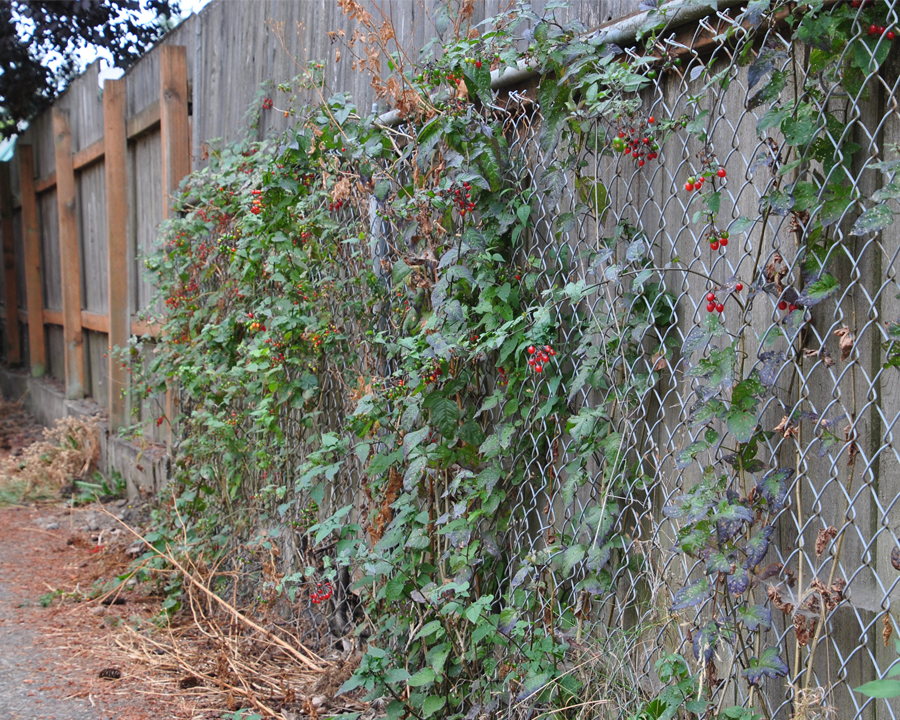
Those cute orange berries popping open along a fence line? Lots of people snip them for wreaths.
Your dog might want them for a very different reason.
Bittersweet, including the invasive Oriental type that has spread across Delaware fields and woods, contains compounds that can cause vomiting, weakness, and in larger amounts, convulsions. The berries cling to the vine well into winter, long after most color has left the landscape.
Homemade wreaths and garlands are another sneaky risk, since dropped berries end up on the floor. Choose fake berries for decorating, and pull wild vines off fences before they produce next year’s crop.
7. Daffodil Bulbs

Dogs that love to dig are the reason daffodils belong here. You can’t see anything above ground in winter, but the bulbs are sitting right there under the dirt.
Daffodils contain lycorine, and the bulb holds the highest dose. Eating one can bring on intense vomiting, diarrhea, stomach cramps, and sometimes heart rhythm problems.
Even water from a vase of forced indoor daffodils can upset a pet.
Many Delaware gardeners plant bulbs in fall, and a warm February day can tempt dogs to excavate. Cover beds with chicken wire or heavy mulch, store spare bulbs in sealed bins, and keep an eye out for fresh holes.
A little prevention now means safer spring blooms later.