
These 8 Toxic Plants Are Hiding in Kentucky Yards as Winter Sets In
When the leaves drop and the grass turns brown, most people stop paying attention to their yards. But some of the most dangerous plants in Kentucky stay green, grow berries, or hide in plain sight all winter long.
Kids, dogs, cats, and even horses can get sick from nibbling the wrong leaf or berry. Knowing what to look for could save you a scary trip to the vet or the emergency room.
1. American Holly
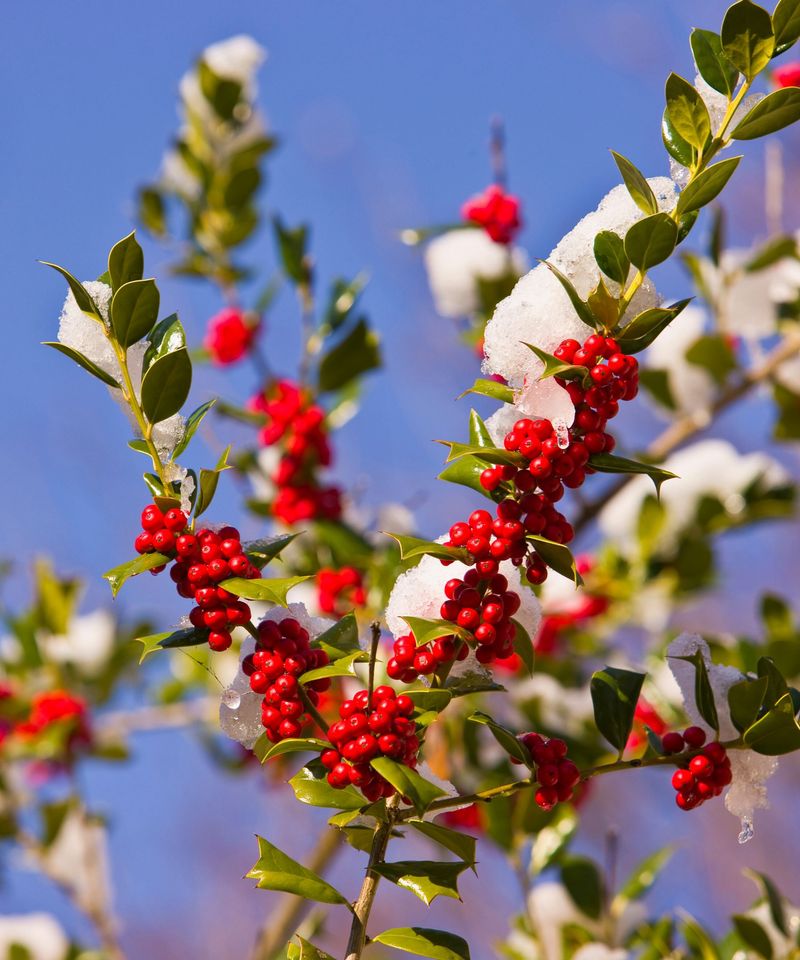
Picture a perfect Christmas card, and you are probably imagining holly. Those shiny leaves and cheerful red berries look harmless, which is exactly why they cause so much trouble every December.
The berries contain saponins and other compounds that can upset the stomach fast. A child who eats a handful may deal with vomiting, diarrhea, and drowsiness.
Dogs and cats tend to drool, shake their heads, and lick their lips after chewing the prickly leaves.
American holly grows wild across much of Kentucky, and many homeowners plant it near doors and porches. If you bring sprigs inside for decorating, keep them high on mantels and sweep up any fallen berries right away.
2. Yew
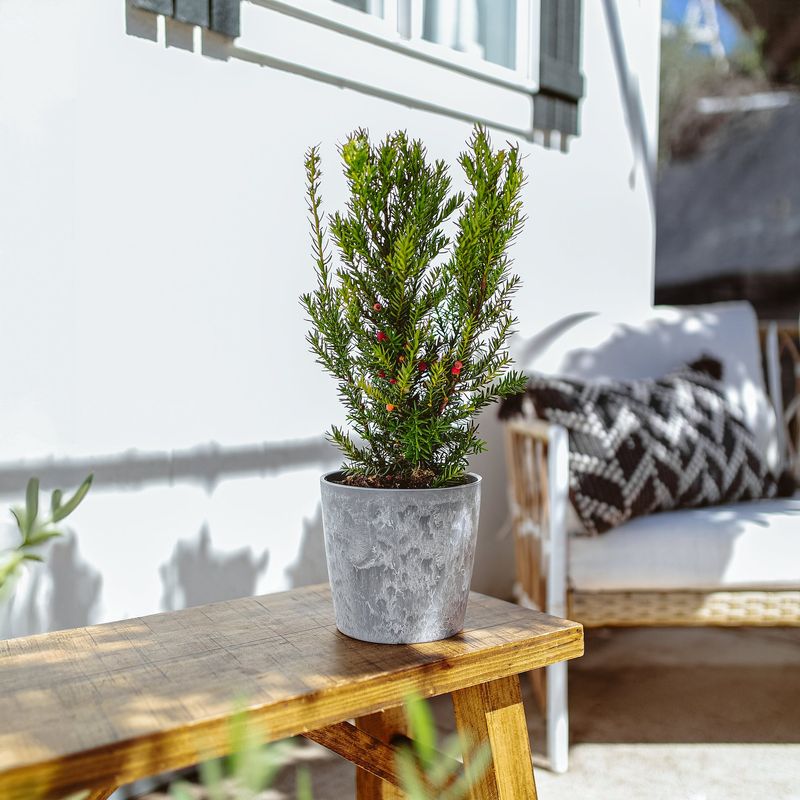
Veterinarians have a saying about yew: a horse that eats it is often found dead before anyone notices symptoms. That grim reputation is well earned.
Nearly every part of the yew, including needles, bark, and seeds, contains taxine alkaloids that disrupt the heart. Only the red fleshy cup around the seed is low in toxin, but the seed inside is deadly.
Even dried clippings tossed over a fence can poison livestock.
Yews are one of the most popular foundation shrubs in Kentucky neighborhoods because they stay green all winter. When snow covers the grass, hungry deer, goats, and curious dogs may turn to these bushes for a snack.
Trim yews carefully and bag the cuttings. Never dump them where animals graze.
3. Pokeweed
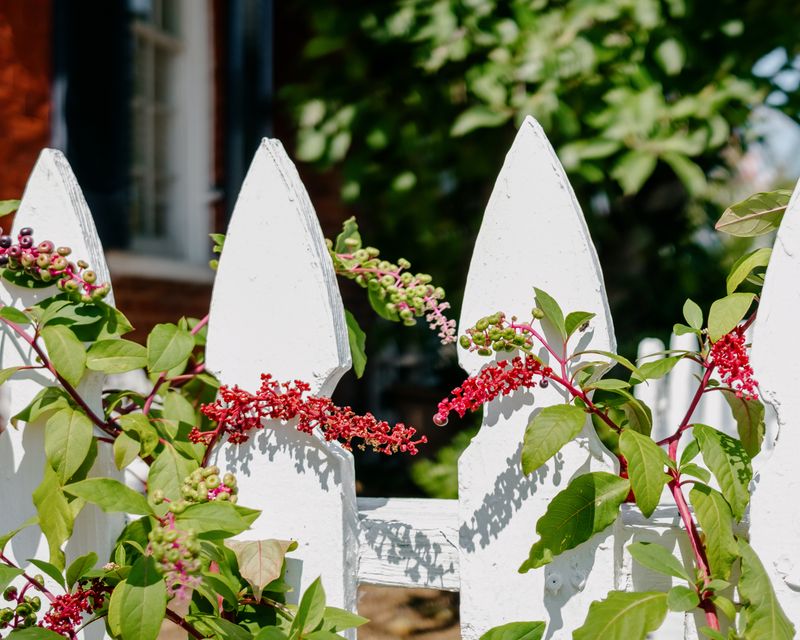
Grandparents across Appalachia may remember eating poke sallet, a spring dish made from young pokeweed leaves boiled several times. Few people realize how risky that tradition really is.
By late fall, the plant looks very different. Its tall magenta stems hold heavy clusters of purple-black berries that stain fingers like ink.
Those berries, along with the roots, are the most toxic parts.
Children are drawn to the grape-like fruit, and eating several can lead to cramping, vomiting, and in serious cases trouble breathing. The thick taproot survives winter underground and pushes up new shoots each spring.
Fun fact: early Americans used pokeberry juice as ink, and some say parts of the Declaration of Independence drafts were written with it. Pull young plants with gloves before berries form next year.
4. English Ivy

Ever notice that one green wall in an otherwise brown winter landscape? Odds are good it is covered in English ivy, a stubborn vine that refuses to go dormant.
The leaves and dark berries contain triterpenoid saponins. Pets that chew it may vomit, drool, or get diarrhea.
Some people also develop an itchy rash just from handling the sap while pulling vines.
Beyond the health risk, English ivy is considered invasive in Kentucky. It climbs trees, smothers native plants, and gives rodents a cozy hideout.
Wear gloves and long sleeves if you decide to tear it out this season.
5. Nandina
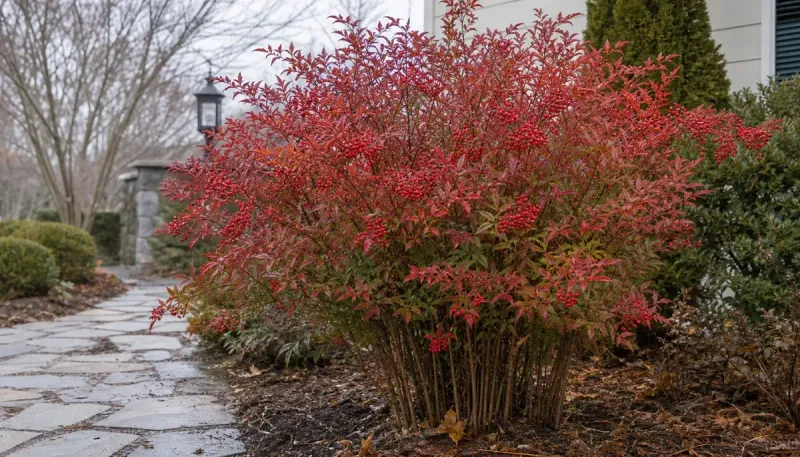
Bird lovers, this one might surprise you. Nandina, also called heavenly bamboo, has been linked to the deaths of cedar waxwings that gorge on its berries.
The bright red fruit contains compounds that release cyanide when digested. Cats and dogs are at risk too, although they usually avoid the bitter taste.
Flocks of hungry birds in late winter are not so picky.
Landscapers love nandina for its fiery leaf color and easy care, so it shows up in many Kentucky subdivisions. If you want to keep it, consider clipping off the berry clusters before winter.
Better yet, swap it for a native shrub like winterberry or beautyberry.
6. Bittersweet Nightshade
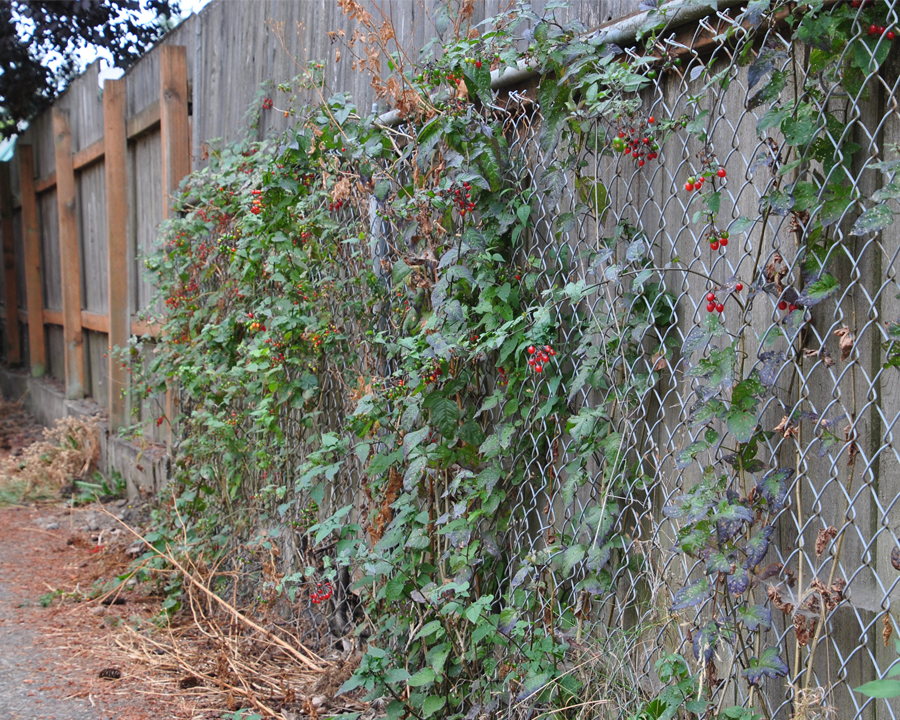
Sneaky is the best word for bittersweet nightshade. It weaves itself into fences and shrubs, staying quiet until its shiny red berries pop out in fall.
The vine belongs to the same family as tomatoes and potatoes, but it carries solanine, a toxin that affects the stomach and nervous system. Green berries are especially dangerous, while the ripe red ones still pose a risk to small kids.
Symptoms can include headache, nausea, dilated pupils, and a slow heartbeat. Because the berries often linger well into December, a toddler playing near the fence could easily grab a few.
Look for purple star-shaped flowers in summer to spot it early. Pull the whole vine, roots included, to keep it from coming back.
7. Boxwood

Boxwoods give Kentucky homes that tidy, classic look, especially around historic farmhouses and Lexington estates. Their small evergreen leaves hardly seem like a threat.
Yet the whole shrub contains alkaloids that can cause vomiting, diarrhea, and in large amounts, breathing problems. Horses and other livestock are the most common victims, often after someone tosses hedge trimmings into a pasture.
Dogs who like to chew sticks can get sick too. Keep pruning waste bagged and away from animals, and remind kids not to pluck the leaves while waiting for the school bus.
8. Mistletoe
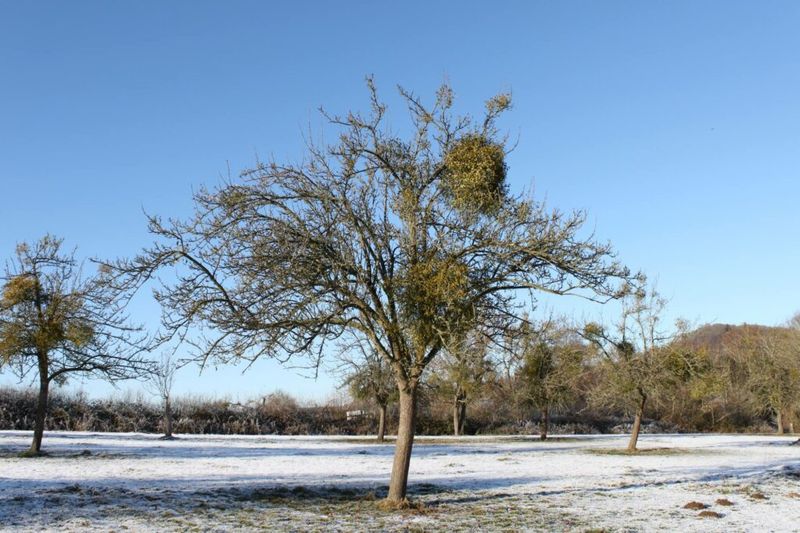
Most folks only think about mistletoe when they hang it in a doorway for holiday kisses. In Kentucky, though, the real thing grows wild in bare treetops all winter.
Those green clumps you see high in oaks and maples are a parasite that feeds on the tree. Storms and wind can knock pieces into the yard, where pets and kids may find the waxy white berries.
American mistletoe is less dangerous than its European cousin, but it can still cause stomach upset and drooling. Large amounts may affect heart rate in small pets.
Did you know? Kentucky hunters once shot mistletoe down from trees to sell at holiday markets.
If you decorate with it, choose fake berries or tie it up well out of reach.