
8 Venomous Creatures Hiding in South Carolina Yards That Every Gardener Should Recognize
South Carolina gardens are full of life, and not all of it is friendly. Some of the creatures tucked under mulch, leaves, and flower pots can deliver a painful or even dangerous bite or sting.
Knowing what they look like helps you stay safe without panicking every time something wiggles. Here are eight venomous neighbors worth recognizing before you reach into that next shrub.
1. Copperhead
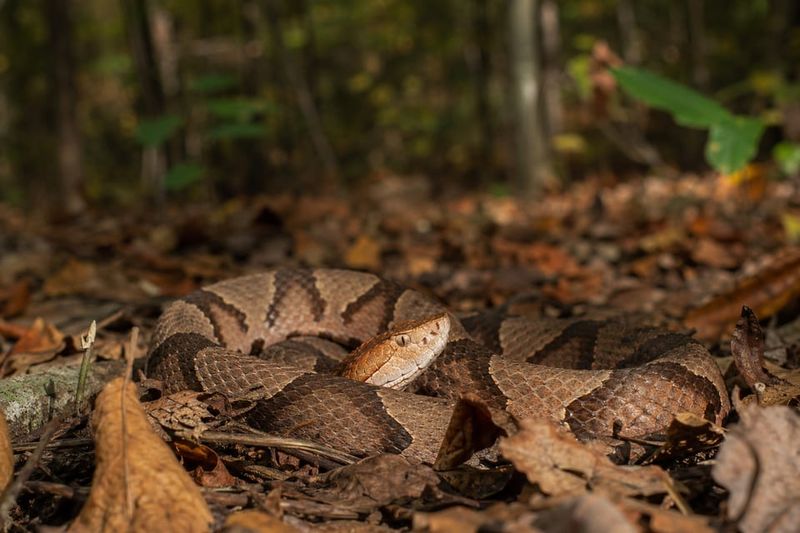
Reach for a pile of leaves in a Columbia backyard, and you might be inches from the most common venomous snake in the state. Copperheads cause more bites in South Carolina than any other snake, mostly because they blend into leaf litter so perfectly.
Their tan bodies carry darker bands shaped like hourglasses or Hershey’s Kisses.
Gardeners usually meet them in mulch, woodpiles, and along stone borders. Copperheads tend to freeze instead of fleeing, which is why people step on them or grab them by accident.
Young ones have a bright yellow tail tip that they wiggle to lure frogs.
Bites are painful but rarely deadly, though you should still get medical care right away. Wear gloves, use a rake to move debris, and keep firewood off the ground.
2. Timber Rattlesnake
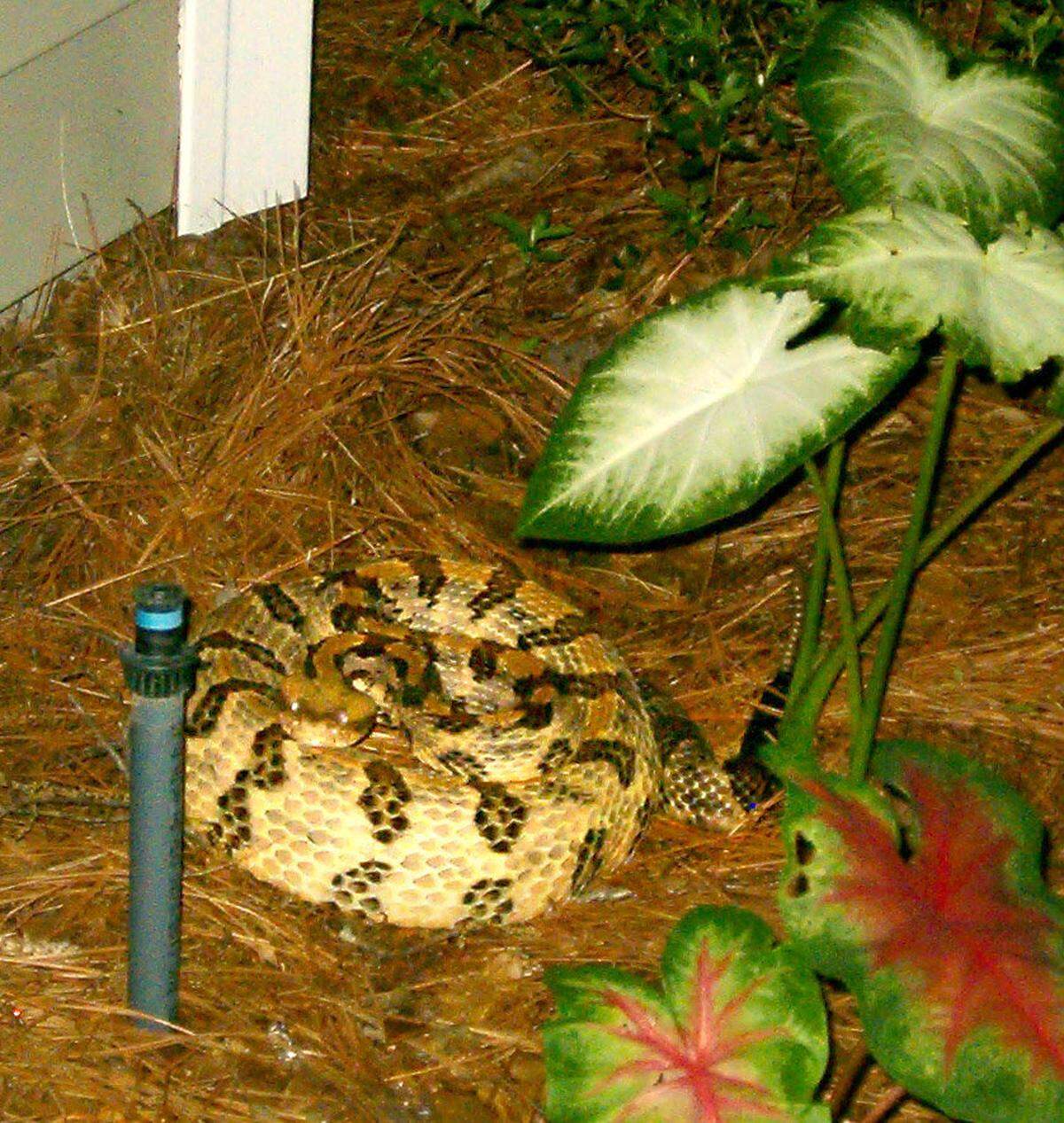
Locals in the Lowcountry often call it the canebrake rattler, and older folks still tell stories about finding one stretched across a porch step. The timber rattlesnake is big, heavy-bodied, and marked with dark zigzag bands over a gray or pinkish background.
Many have a rusty stripe running down the back.
These snakes prefer woods and field edges, so yards near forests see them most. They are surprisingly calm and will often stay still and rattle as a warning.
Respect that buzz and back away slowly.
Their venom is potent, so a bite is a true emergency. Keep grass trimmed near the house and clear brush piles where rodents, their favorite meal, like to hide.
3. Eastern Coral Snake
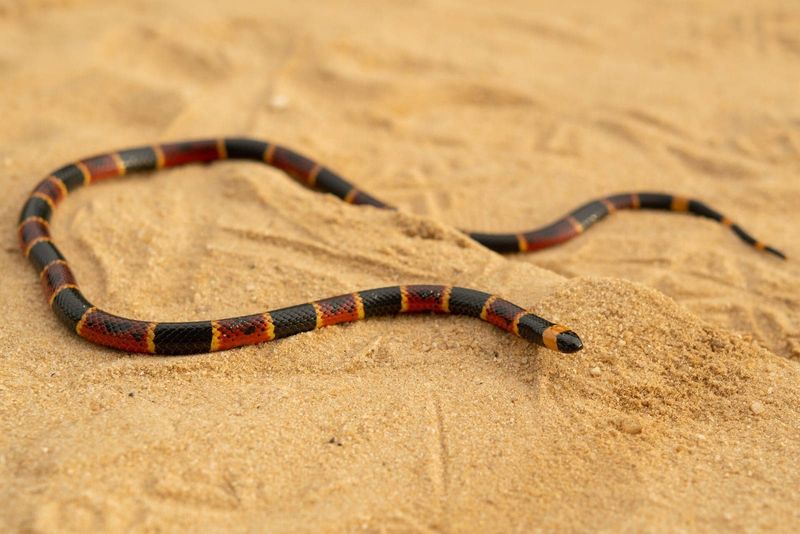
“Red touches yellow, kills a fellow.” That old rhyme exists for a reason. The eastern coral snake wears bold rings of red, yellow, and black, and its red bands touch the yellow ones, unlike the harmless scarlet kingsnake that copies its look.
Coral snakes are shy and secretive. They spend most of their lives under pine straw, logs, and sandy soil, mainly in the southern coastal parts of the state.
You may garden for decades and never see one.
Their venom affects the nervous system, and symptoms can be delayed for hours. Anyone bitten should head to a hospital even if they feel fine.
Never pick up a brightly banded snake, no matter how small or cute it seems.
4. Southern Black Widow Spider
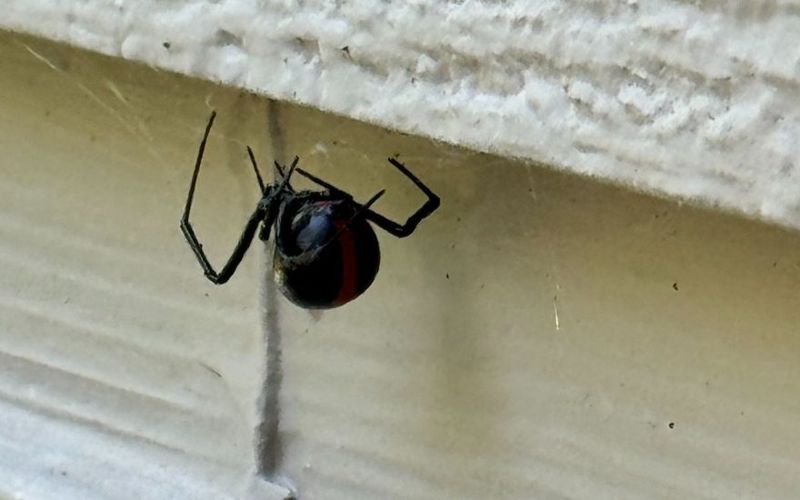
Flip over a clay pot that has sat untouched all summer, and there she might be: shiny, black, and round as a pea. The female southern black widow is famous for the red hourglass on her belly.
Males are smaller and mostly harmless.
Widows love quiet, dark spots. Think water meter boxes, garden hose reels, outdoor furniture, and the undersides of stepping stones.
Their webs look messy and tangled rather than neat and round.
A bite can cause muscle cramps, sweating, and stomach pain. Deaths are extremely rare, but children and older adults should be checked by a doctor.
Shake out gloves and boots before slipping them on.
5. Brown Recluse Spider
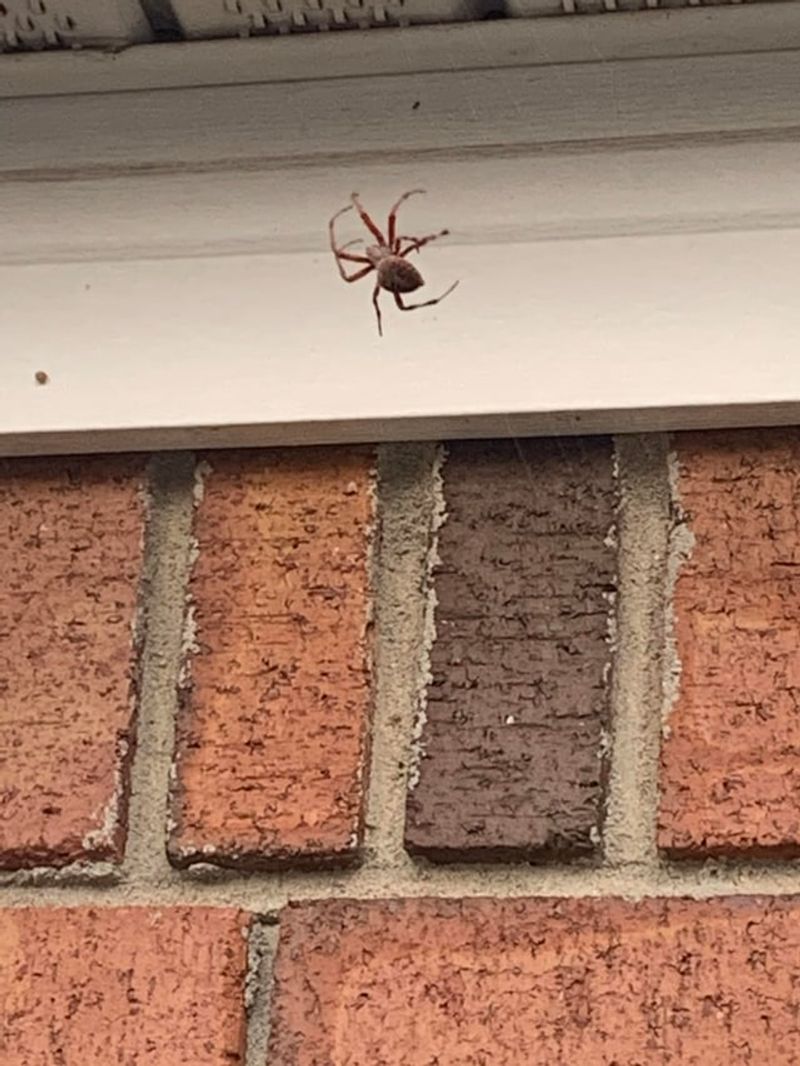
Here is a twist: brown recluses are not native to South Carolina, and true sightings are uncommon. Still, they do turn up, often hitching rides in moving boxes or furniture from other states.
That makes the garden shed the place to stay alert.
Look for a light brown spider with a darker violin shape behind the eyes. It has six eyes instead of the usual eight, though you would need a magnifying glass to notice.
Recluses hide in cardboard, old clothes, and stacked supplies.
Many bites heal on their own, but some cause slow-healing sores. Keep sheds tidy, store items in sealed plastic bins, and see a doctor if a bite starts to darken or spread.
6. Red Imported Fire Ant
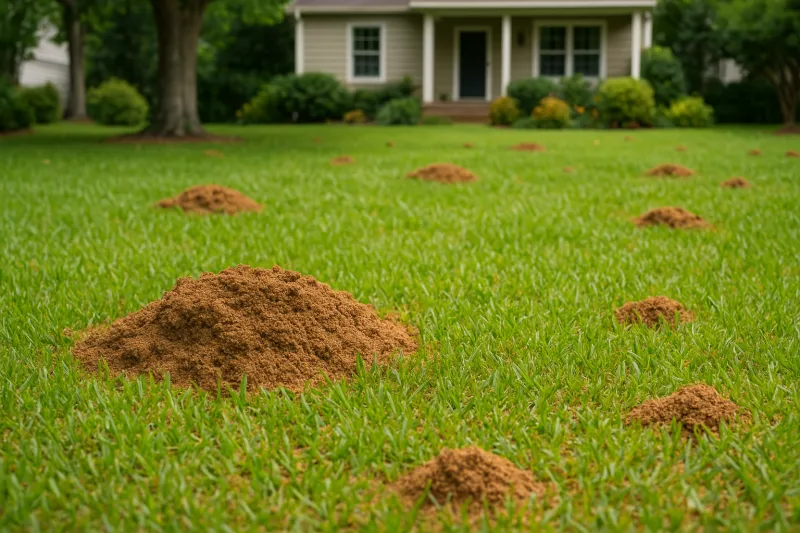
Kneel in the wrong patch of lawn, and you will know within seconds. Fire ants swarm fast, and each one stings again and again, leaving itchy white pustules behind.
They arrived in the U.S. by ship in the 1930s and now cover nearly every county in South Carolina.
Their mounds look like loose, fluffy dirt with no opening on top. After a heavy rain, colonies often pop up overnight in flower beds and vegetable rows.
For most people the stings are a nasty nuisance. For those with allergies, they can trigger a serious reaction that needs emergency help.
Treat mounds early, and check the ground before you sit or kneel.
7. Saddleback Caterpillar
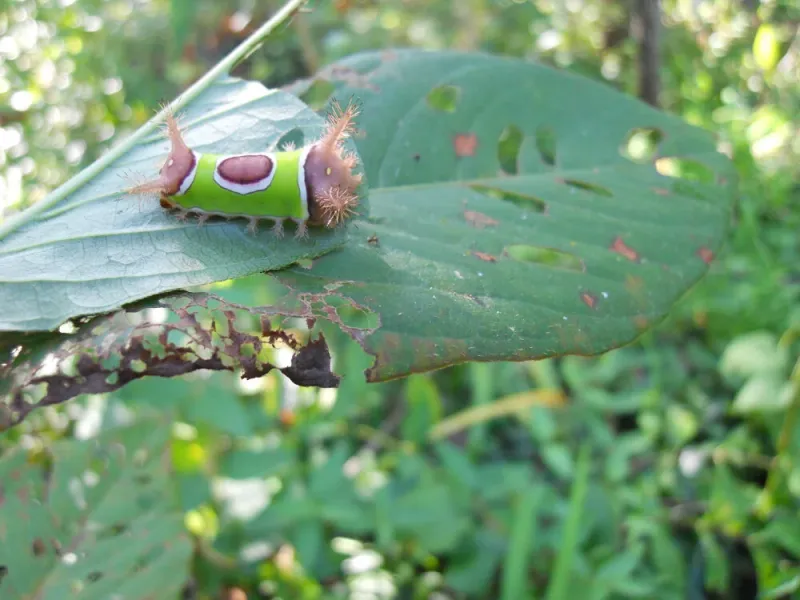
It looks like a tiny cartoon creature wearing a green blanket and a brown saddle. Kids love spotting saddleback caterpillars, and that is exactly the problem.
Those spiky horns are loaded with venom.
Brushing against one feels like a hot sting, followed by swelling and sometimes a rash that lasts for days. They munch on many plants, including corn, roses, and ornamental shrubs, usually in late summer and early fall.
If you get stung, press clear tape on the spot and pull it off to remove broken spines. Then wash with soap and cool water.
Teach little helpers to admire caterpillars with their eyes, not their fingers.
8. Southern Flannel Moth Caterpillar (Puss Caterpillar)
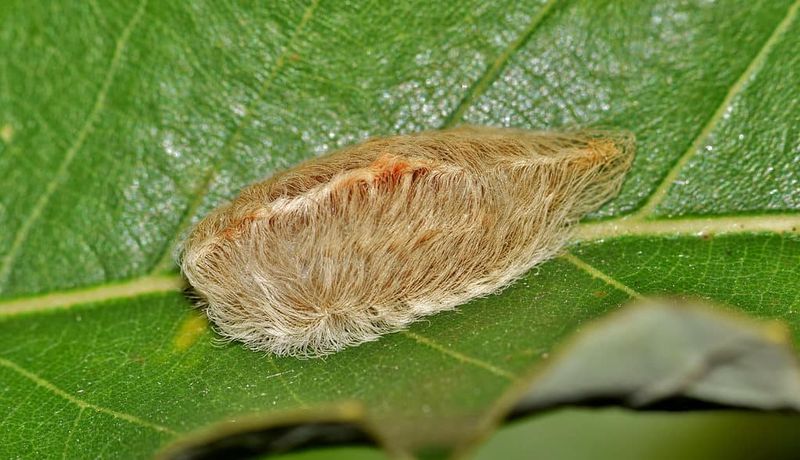
Soft, fluffy, and almost like a toupee for a mouse, the puss caterpillar may be the most deceiving creature in your yard. Hidden under all that fur are short, venomous spines.
Many experts rank its sting among the most painful of any North American caterpillar.
People describe the pain as burning or throbbing that can spread up an arm. Some also get headaches, nausea, or swollen glands.
You will usually find these caterpillars on oak, elm, and citrus trees, plus porch rails and fences.
Fun fact: the adult moth is a harmless fuzzy flier with wavy wings. Use the tape trick if stung, apply ice, and call a doctor if symptoms grow worse.