Copperheads are the most common venomous snake in North Carolina, and they show up in backyards, woodpiles, and garden beds every warm season. The trouble is that a lot of what people believe about them is just plain wrong.
Some of those old stories lead folks to get bitten, waste money, or kill harmless snakes by mistake. Here are nine myths worth dropping, and what to do instead.
1. Baby Copperheads Are More Dangerous Than Adults
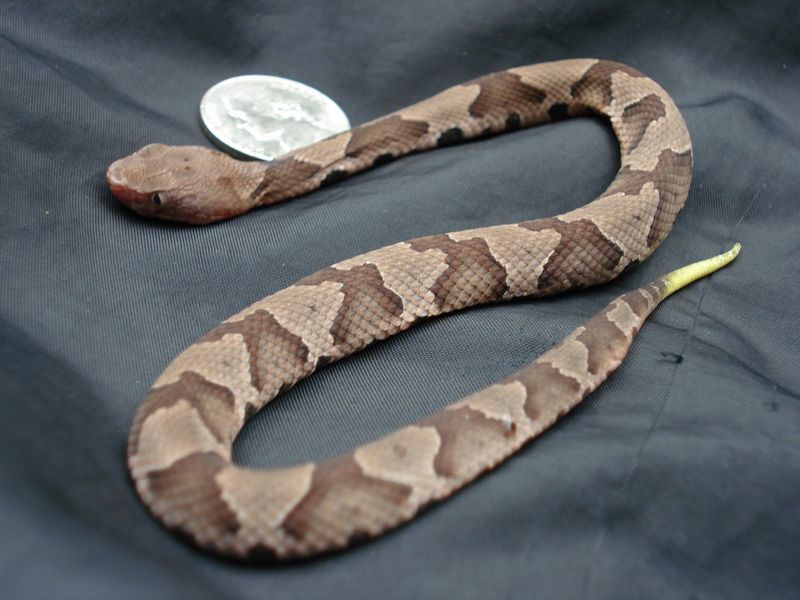
Ask around any cookout in Raleigh and someone will swear that baby copperheads are deadlier because they cannot control their venom. It sounds scary and logical.
Science does not back it up.
Adult copperheads carry far more venom than young ones, simply because they are bigger. Studies have found no proof that babies dump all their venom in one bite.
Bites from either age are rarely deadly to healthy adults, though both deserve a trip to the hospital.
The real lesson is simple. Treat every copperhead, big or small, with the same calm respect and keep your distance.
2. Mothballs Keep Snakes Away
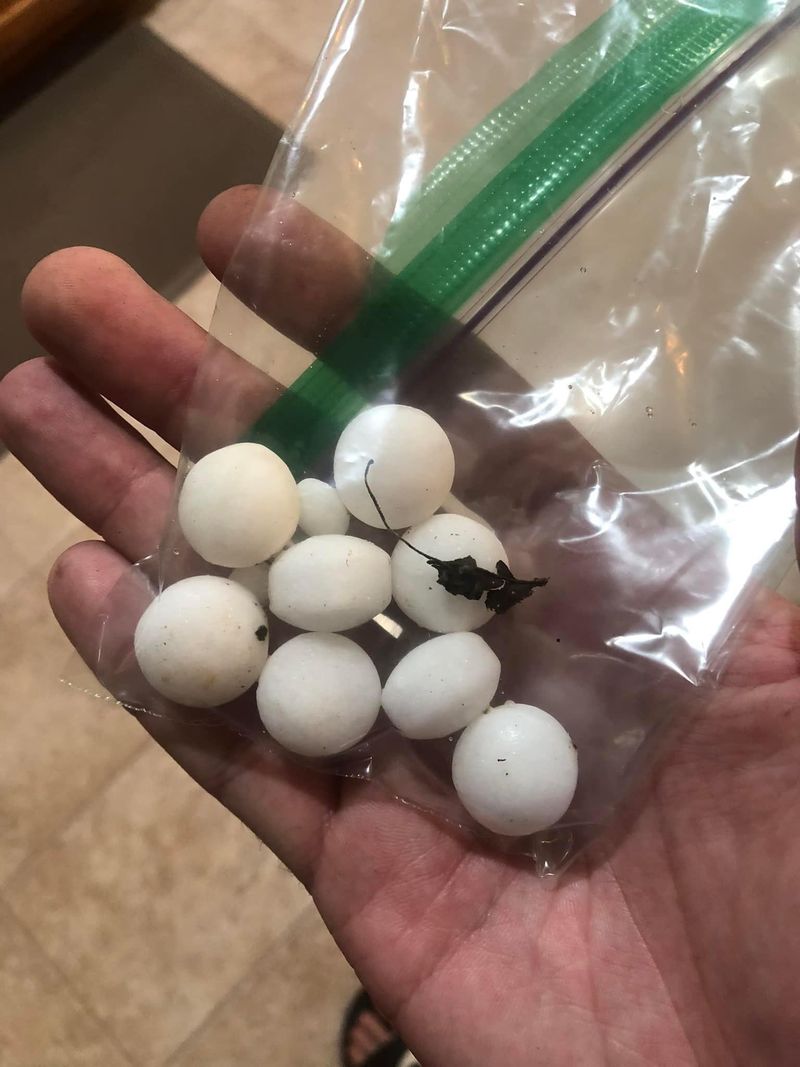
Grandma’s trick of sprinkling mothballs around the porch has survived for generations. Sadly, it does nothing to stop a copperhead.
Snakes do not care about the smell the way people hope.
Worse, mothballs are a pesticide, and using them outdoors this way breaks the label rules. They can poison pets, kids, and groundwater.
Want fewer snakes? Clear brush piles, trim tall grass, and seal gaps under sheds.
Take away hiding spots and the snakes move on.
3. Copperheads Chase People
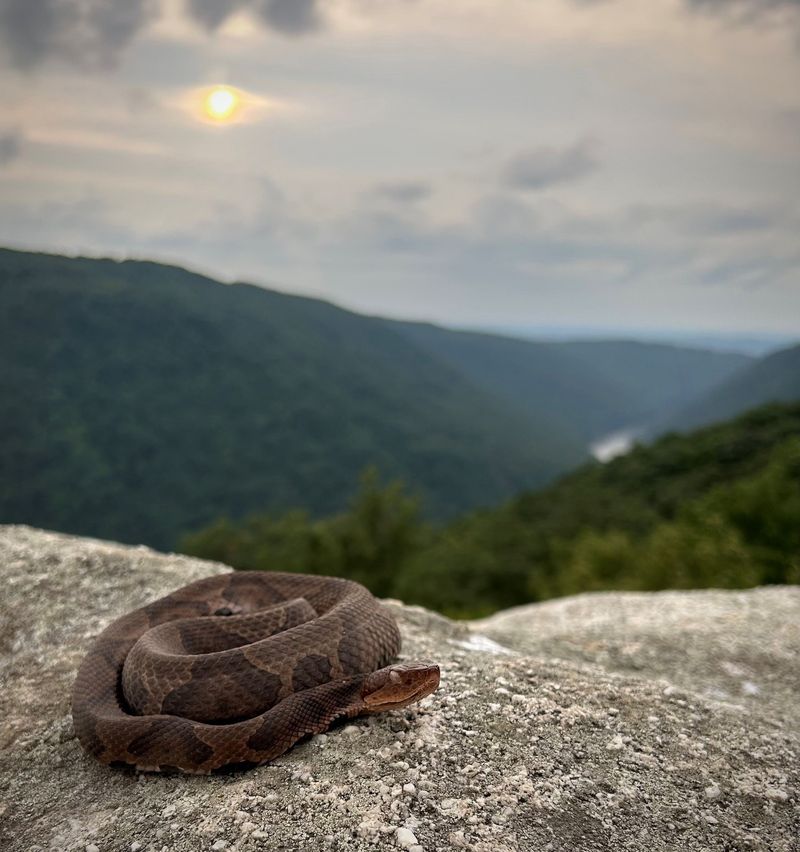
Picture this: you step off the back deck, spot a snake, and it seems to slide right toward you. Panic sets in.
Was it chasing you?
Almost certainly not. Copperheads are ambush hunters that would much rather freeze or slip away.
A snake moving your way is usually heading for cover that happens to be behind you.
Back up slowly and give it a few feet. It will go about its business.
4. You Should Kill Every Copperhead You See
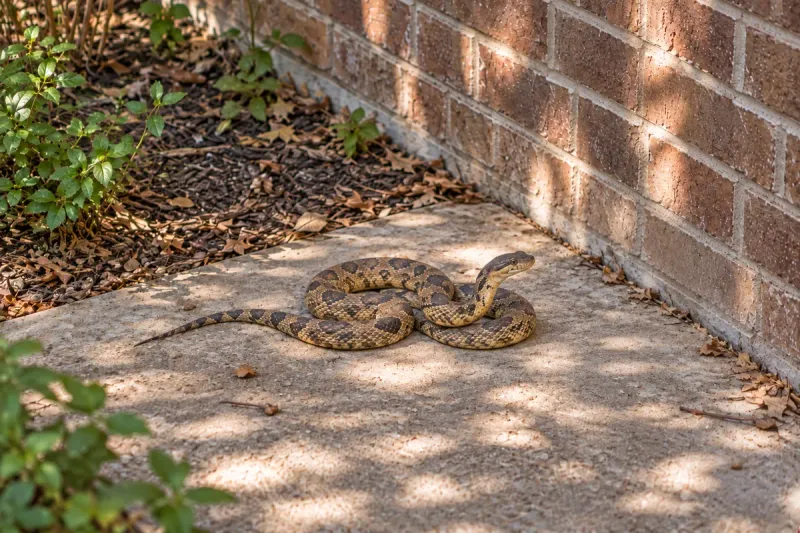
Here is a fact that surprises many people: a large share of snakebites happen while someone is trying to kill or handle the snake. Grabbing a shovel puts you right in striking range.
Copperheads also eat mice, voles, and big cicadas, so they help keep pests down. If one is in a spot you cannot avoid, call a wildlife removal service.
Leaving it alone is often the safest choice for everyone.
5. Cut and Suck Out the Venom
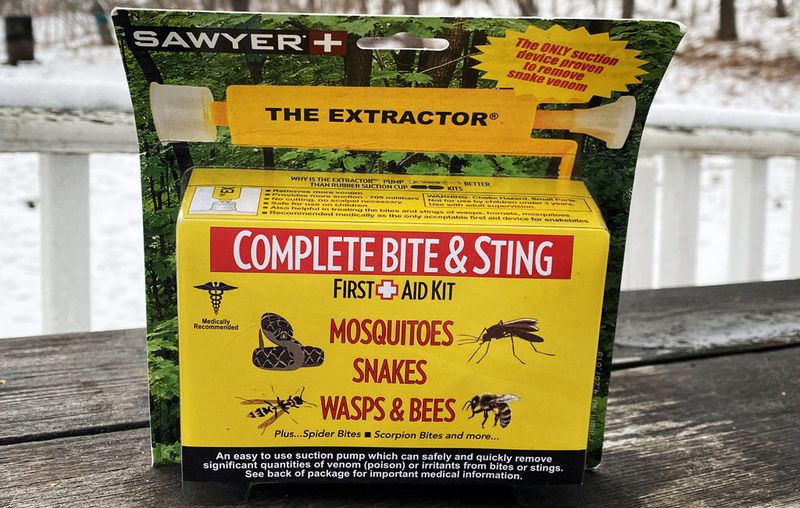
Old Westerns made it look heroic. Slice the bite, suck out the poison, and ride off into the sunset.
Real medicine says no.
Cutting causes infection and damage, and sucking removes almost no venom. Tourniquets, ice, and snakebite kits also make things worse.
Instead, stay calm, remove rings or tight items, keep the limb still, and get to an emergency room. Call Carolinas Poison Center for guidance on the way.
6. Every Brown Patterned Snake Is a Copperhead
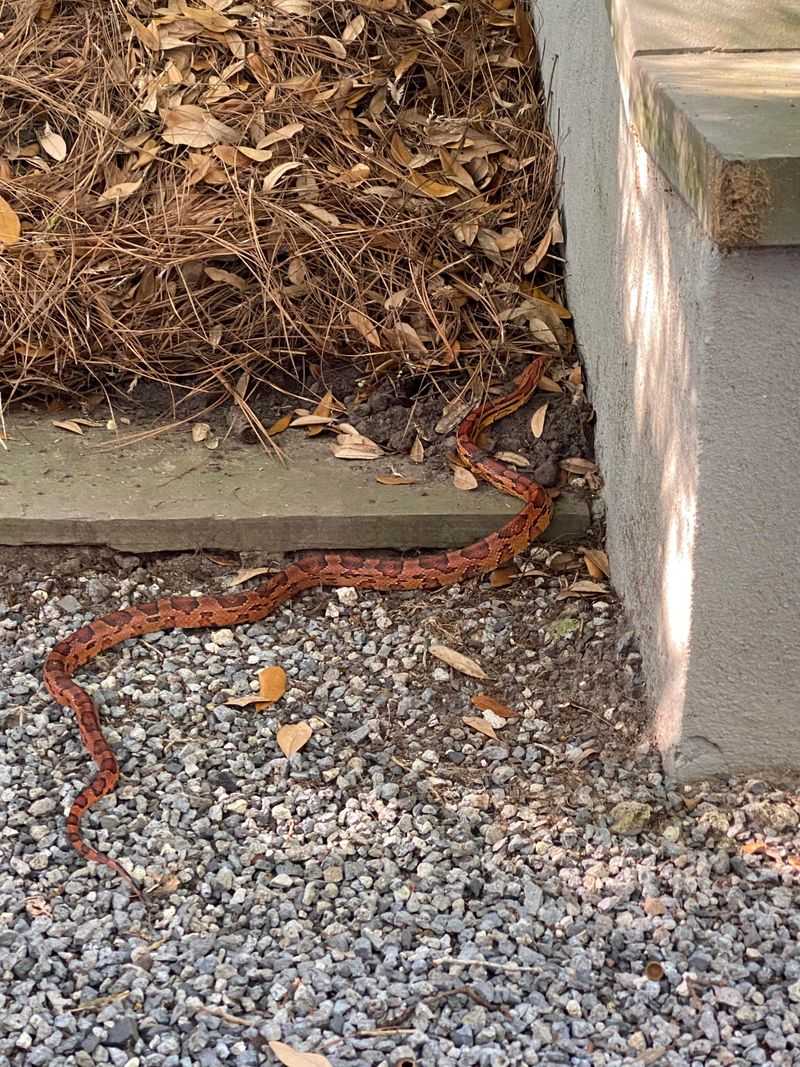
Corn snakes, young rat snakes, and northern water snakes get killed by the thousands because people mistake them for copperheads. That is a shame.
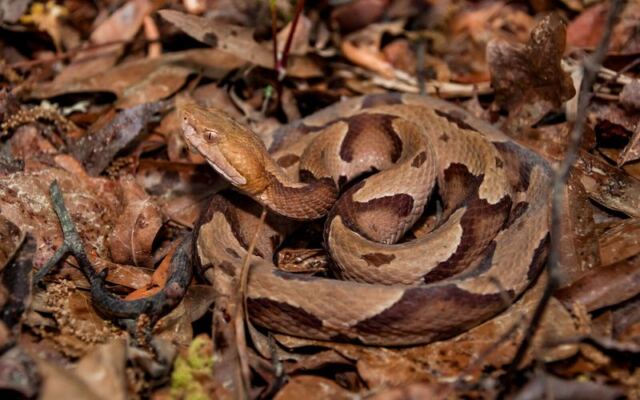
Look for the hourglass bands, which are wide on the sides and narrow across the back. Copperheads also have a copper-colored head with no spots.
When in doubt, snap a photo from a distance and post it to a local snake ID group.
7. Copperheads Smell Like Cucumbers
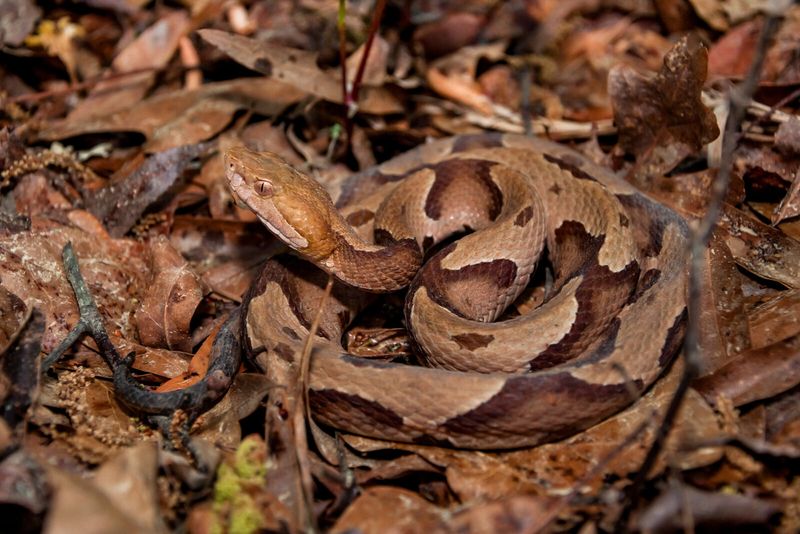
Some neighbors claim they can sniff out a copperhead by its cucumber scent. Fun idea, but do not trust your nose.
When stressed, copperheads can release a musky odor, and some people describe it differently. Most of the time, though, you will smell nothing.
Use your eyes, a flashlight at night, and boots in tall grass instead.
8. Snakes Are Only Out in the Daytime
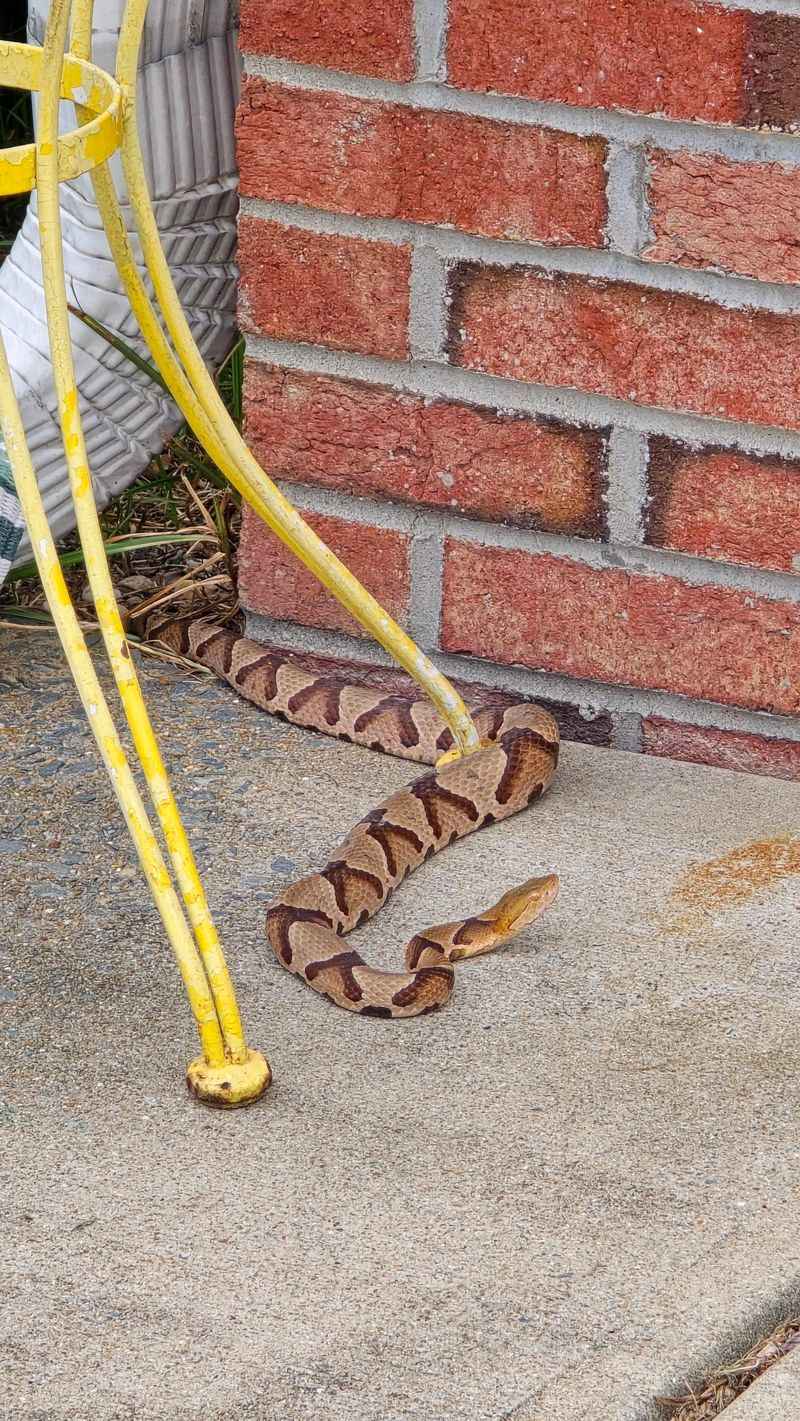
Summer evenings in Charlotte feel perfect for barefoot walks. That is exactly when copperheads get busy.
During hot months, they hunt mostly at night, especially after rain. Many bites happen on dark sidewalks and driveways.
Wear shoes and carry a light after sunset. It is an easy habit.
9. A Dead Copperhead Cannot Bite
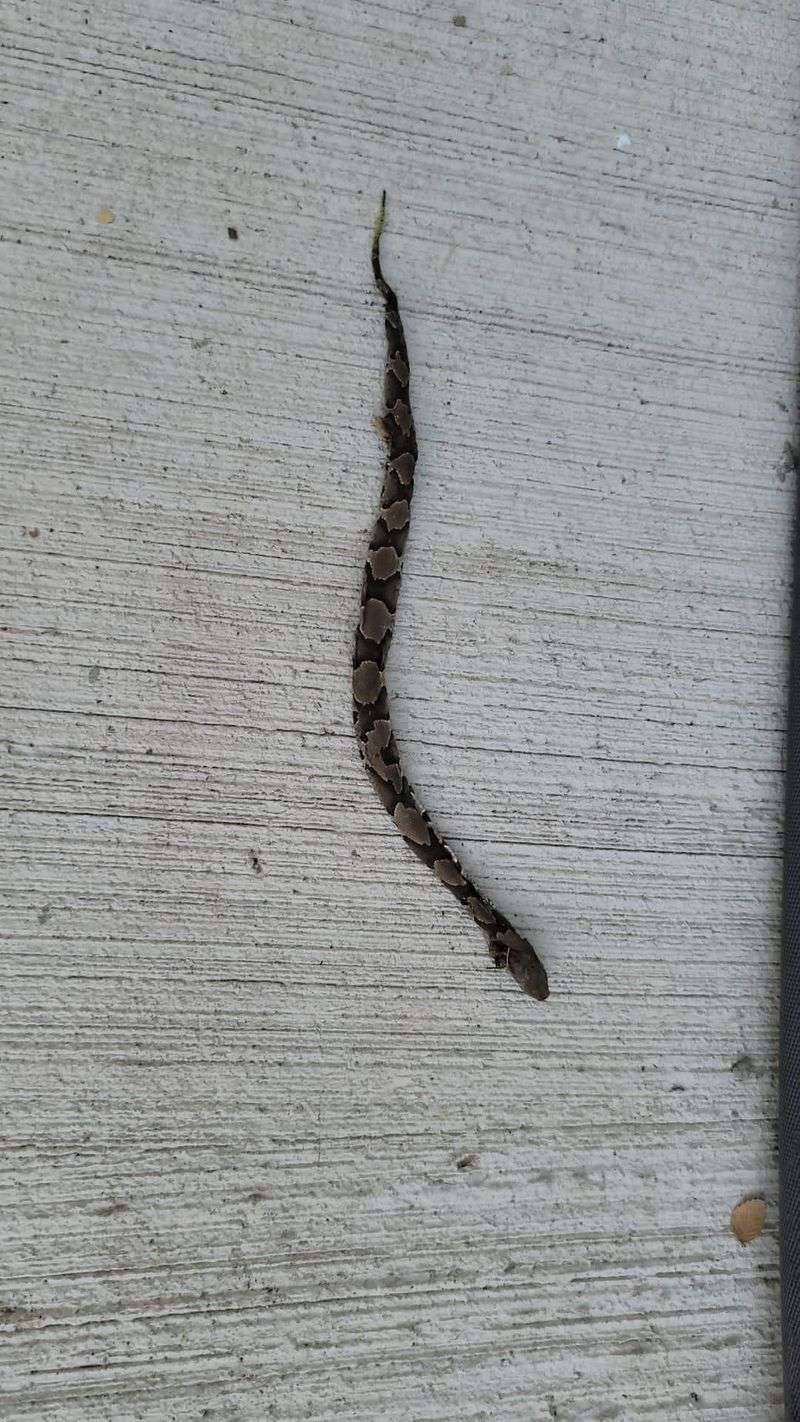
Believe it or not, a snake’s reflexes can keep working for an hour or more after death. Even a cut-off head can still bite.
People have ended up in the hospital after picking up a snake they thought was harmless.
Move it only with a long shovel, and never with your hands.
Share this story