North Carolina really does have scorpions. The native one is small and lives mainly in the western part of the state, so most people never see it.
Still, a sting can hurt, and knowing what to do ahead of time keeps you calm. Here is where these animals live and how to handle a sting step by step.
The native scorpion is small and lives mainly in western North Carolina
Picture a scorpion, and the desert probably comes to mind. North Carolina has its own, though.
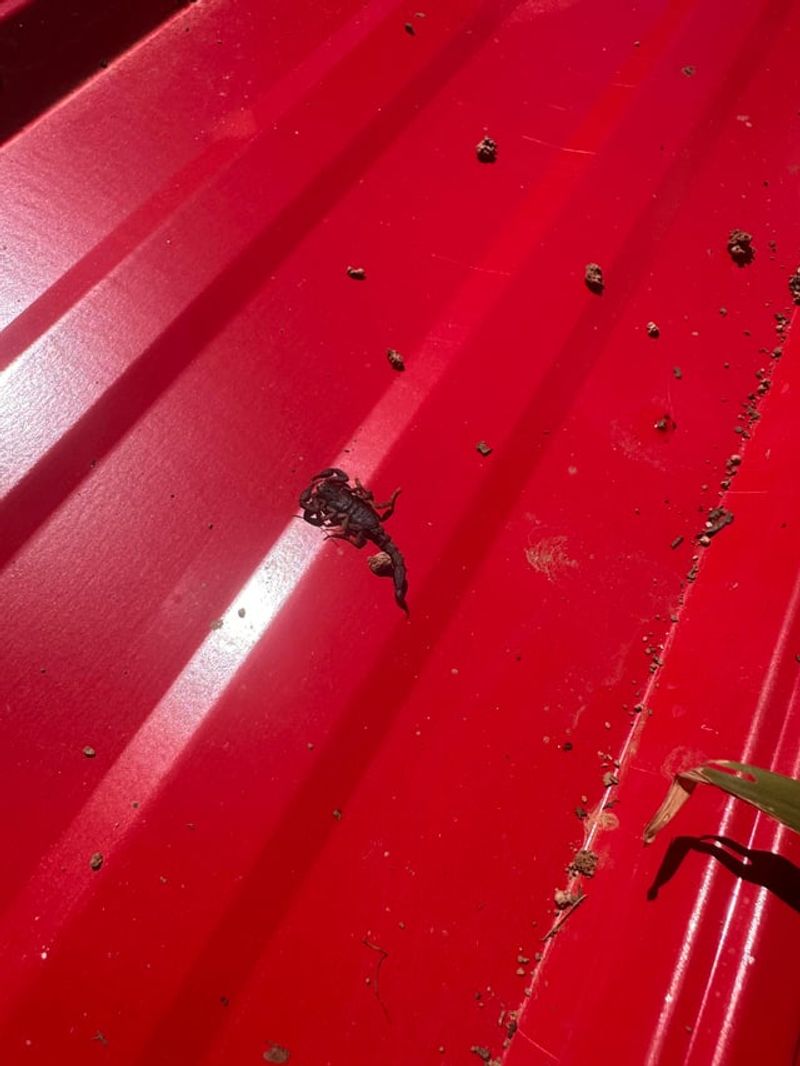
The southern unstriped scorpion (Vaejovis carolinianus), also called the southern devil scorpion, is the native species highlighted by NC State Extension.
It is small, usually about an inch long as an adult. It is linked mainly to the state’s western counties and to moist areas such as damp woods, rotting logs, and stacked rocks.
NC State Extension says it has also been reported elsewhere in the state, so a sighting outside the mountains is not impossible.
That does not mean people run into scorpions all over North Carolina. Most residents will go their whole lives without meeting one.
Think of it as a shy, uncommon neighbor rather than a regular visitor.
Other scorpions show up on lists too. The state’s arachnid checklist includes the Hentz striped scorpion and the striped bark scorpion.
NC State says these have been accidentally carried in with transported items and could become established someday. That is different from being common or widespread here, and nothing suggests they are.
You may also have heard rural stories about “scorpions” in the woodpile. Those tales usually describe skinks, which are lizards.
The North Carolina Wildlife Resources Commission notes that three native skinks get this nickname and are wrongly believed to be venomous. They are harmless.
The folklore does not prove real scorpions are missing, because they are here, just in small numbers.
What a North Carolina scorpion sting may mean
Here is the reassuring part. NC State Extension does not consider the native species a public-health threat for most people.
A sting is still no fun, and pain at the spot is the usual complaint.
The same source points out possible exceptions. People who are allergic to other arthropod venoms, or who have other health issues, may react differently.
Reactions vary from person to person, so a mild outcome for one neighbor is no promise for the next.
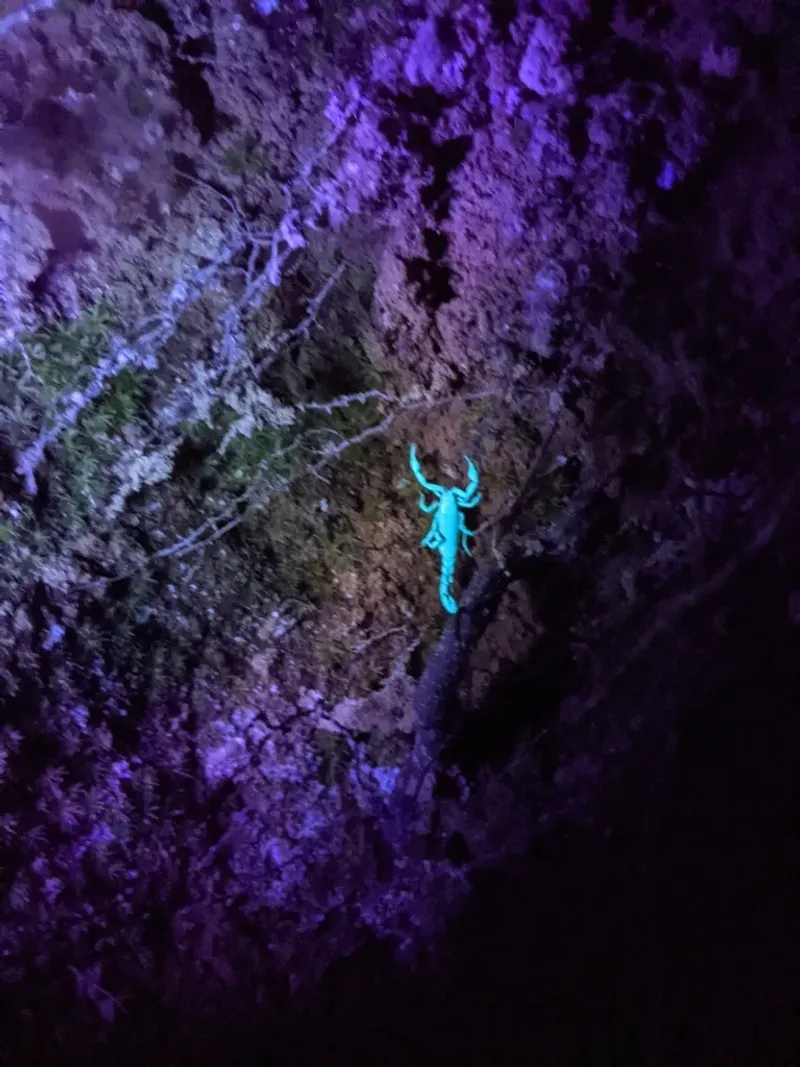
Identification is the tricky bit. Many stings leave no visible mark, as Poison Control explains, and it is hard to judge a scorpion’s risk from a quick glance.
If you did not get a clear look, or it might have been a species other than the native one, do not assume it was harmless.
You may have read frightening stories about the bark scorpion of the Southwest. That animal is a different species, and Poison Control points to serious effects as a concern especially with its stings.
The native North Carolina scorpion is not described as carrying the same risk, but the two should not be treated as interchangeable, and size or color alone will not settle it.
So the practical approach is calm and careful. Treat the sting at home with simple first aid, call for advice, and know the warning signs.
The next sections walk through each step.
Wash the sting and use cold for local pain
Start with the basics. Wash the sting site with soap and water to clean the skin.
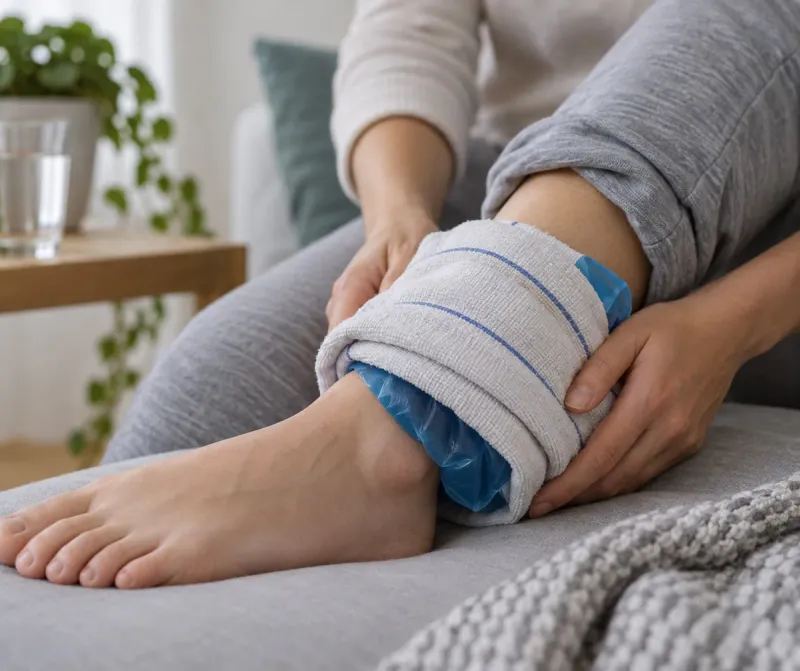
Then apply a cold pack, or ice wrapped in a cloth, to ease the pain right where it hurts. Wrapping matters because ice placed straight on skin can cause damage.
Next, call Poison Control at 1-800-222-1222. This is the number for North Carolina, and the line gives advice tailored to you, your symptoms, and your health history.
The Poison Control scorpion guide lays out these same steps, and help is also available online. The state’s poisoning prevention page is another place to learn about the service.
Cold is for comfort. It can take the edge off local pain, but it is not a way to stop venom from spreading.
If the spot still aches, an over-the-counter pain reliever may help. The 2024 AHA and American Red Cross first aid guidelines say acetaminophen or an NSAID such as ibuprofen may be used for local pain.
Follow the directions on the label, and follow any advice from your own doctor or pharmacist, especially if you have other health conditions or take other medicines.
Keep an eye on how you feel over the next few hours. Note when the sting happened and any changes, so you can describe them clearly if you call for help.
Know which symptoms call for urgent care
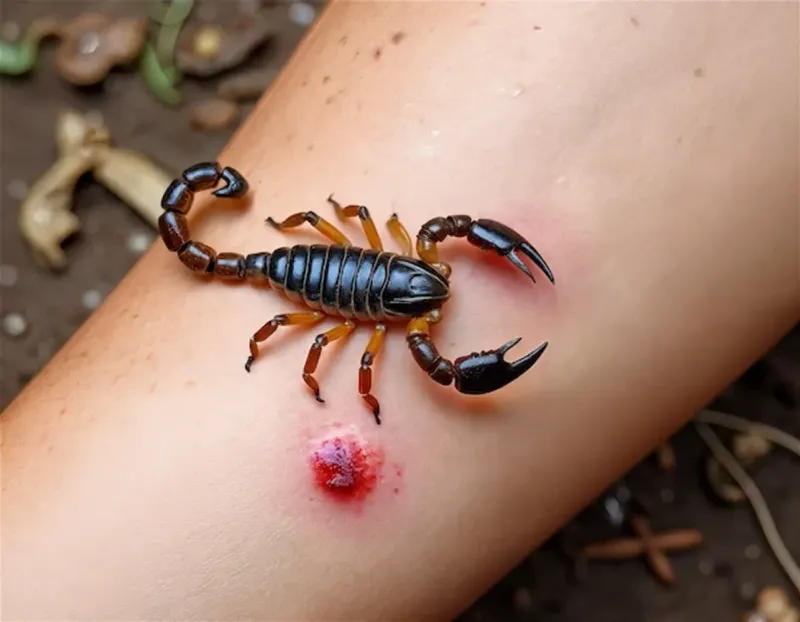
Most readers want to know when a sting stops being a home-care situation. The answer depends on the symptoms, and they fall into two groups.
Call 911 for serious whole-body symptoms. These include trouble breathing, muscle rigidity, dizziness, or confusion.
Do not wait to see if they pass, and do not drive yourself.
Other warning signs call for medical care, even if they are not 911 emergencies. The 2024 AHA and American Red Cross first aid guidelines point to these situations:
Pain that spreads beyond the sting site. Severe pain that over-the-counter medicine does not control.
An open wound at the site. Any symptoms that affect the body as a whole.
A real example helps. Say you are stung on the foot while moving firewood.
The foot hurts, but you feel fine otherwise. That fits cleaning the spot, using wrapped cold, and calling Poison Control.
If an hour later the pain climbs up your leg, or you feel lightheaded, the plan changes and you should get medical care right away.
Not every sting needs an emergency room visit, and not every sting can safely be handled at home without checking in. The middle path is to watch closely, get advice, and act quickly if anything on this list shows up.
Children, older adults, and people with health problems should be especially careful about acting early.
Skip risky remedies and unsafe attempts to catch the scorpion
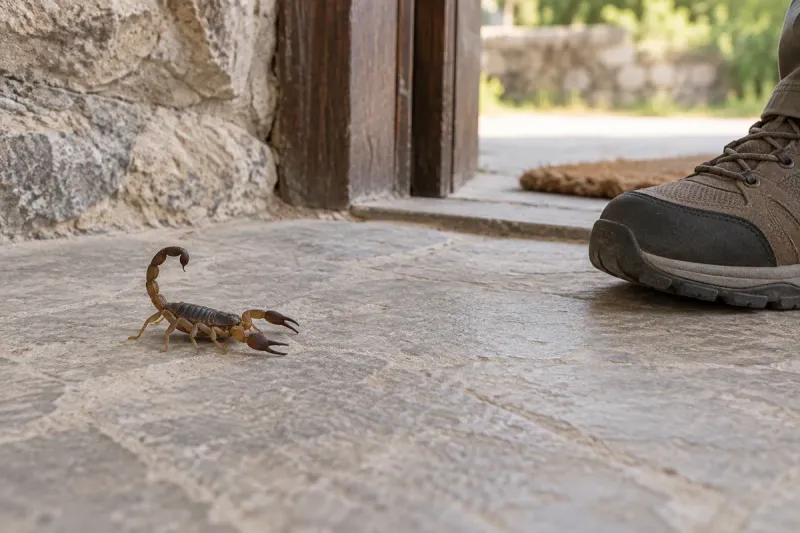
Old-fashioned remedies can do more harm than the sting. Do not put on a tourniquet.
Do not cut the wound, and do not try suction. None of these helps, and each can cause injury of its own.
Ice deserves a quick word. It can ease local pain, but it does not stop venom from spreading.
The Red Cross calls that idea a myth, so use it for comfort only.
Many people also feel tempted to catch the scorpion to show a doctor. Please resist the urge if there is any chance of a second sting.
Poison Control says guidance is available by phone or online, so a specimen is not required to get help.
If you can do it safely, a photo from a distance or a capture with a jar and stiff paper can help. The CDC says to capture it only if safe.
If it is not safe, skip it.
Get advice if you are unsure
Keep it simple: clean the sting, use wrapped cold for local pain, and call Poison Control at 1-800-222-1222 for advice that fits you. Call 911 for serious whole-body symptoms, as outlined in the first aid guidelines.
Save that number in your phone today. A scorpion in the mountains is rare, but a quick call is always easy.
Share this story