Get the latest garden guides in your inbox →
Gardening Latest
  • General Gardening
  • Lawn Care
  • Plant Care
  • Composting
  • Soil Health
  • Backyard
  • Garden Muse Magazine
  • General Gardening
  • Lawn Care
  • Plant Care
  • Composting
  • Soil Health
  • Backyard
  • Garden Muse Magazine
  • News
  • Gardening Calendar
  • Garden Structures
  • Vegetable Garden
  • Vertical Garden
  • Raised Beds
  • Hydroponics
  • General Equipment
  • Community Gardens
Garden Themes
  • Spiritual Garden
  • Hydroseeding
  • Seeding and Laying Sod
  • Artificial Grass
  • Lawn Care Equipment
  • Plants
  • Trees
  • Planting Tools
  • Composting Basics
  • Fertilizer
  • Alternative Growing Mediums
  • Front Yard
  • Backyard Activities
  • Landscaping
Gardening Latest

Explore by state

Which state is your garden in?

Currently viewing Iowa

All states

Northeast

  • Connecticut —
  • Delaware 2
  • Maine —
  • Maryland 3
  • Massachusetts 4
  • New Hampshire —
  • New Jersey 3
  • New York 2
  • Pennsylvania 2
  • Rhode Island —
  • Vermont —

Southeast

  • Alabama 3
  • Arkansas —
  • Florida 3
  • Georgia 3
  • Kentucky 3
  • Louisiana 2
  • Mississippi —
  • North Carolina 1
  • South Carolina 2
  • Tennessee —
  • Virginia 2
  • West Virginia —

Midwest

  • Illinois 2
  • Indiana 4
  • Iowa 2
  • Kansas —
  • Michigan 3
  • Minnesota 2
  • Missouri 2
  • Nebraska —
  • North Dakota —
  • Ohio 3
  • South Dakota —
  • Wisconsin 3

Southwest

  • Arizona 3
  • Colorado —
  • Nevada —
  • New Mexico —
  • Oklahoma —
  • Texas 2
  • Utah —

West

  • Alaska —
  • California 3
  • Hawaii —
  • Idaho —
  • Montana —
  • Oregon —
  • Washington —
  • Wyoming —

No state matches that search.

Site menu

Gardening Latest
  • General Gardening
    • News
    • Gardening Calendar
    • Garden Structures
    • Vegetable Garden
    • Vertical Garden
    • Raised Beds
    • Hydroponics
    • General Equipment
    • Community Gardens
    Garden Themes
    • Spiritual Garden
  • Lawn Care
    • Hydroseeding
    • Seeding and Laying Sod
    • Artificial Grass
    • Lawn Care Equipment
  • Plant Care
    • Plants
    • Trees
    • Planting Tools
  • Composting
    • Composting Basics
  • Soil Health
    • Fertilizer
    • Alternative Growing Mediums
  • Backyard
    • Front Yard
    • Backyard Activities
    • Landscaping
  • Garden Muse Magazine

Explore

  • About GardeningLatest.com
  • Contact Us

Get the latest from the garden

New guides on lawn care, plants and backyard projects, sent when they go up.

Subscribe →

Follow

  • Facebook
  • X
  • Pinterest
  • YouTube
Iowa Gardening

There’s a Venomous Mammal in Iowa That Weighs Up to 1 Ounce, and It Lives in Lawns and Underground

A tiny mammal with venom in its saliva lives in Iowa, and it may be closer to your yard than you think…

LP

By Lyle Petersen

November 17, 2026 · 6 min read

There’s a Venomous Mammal in Iowa That Weighs Up to 1 Ounce, and It Lives in Lawns and Underground
There's a Venomous Mammal in Iowa That Weighs Up to 1 Ounce, and It Lives in Lawns and Underground

A tiny mammal with venom in its saliva lives in Iowa, and it may be closer to your yard than you think. The northern short-tailed shrew is small enough to fit in your palm, yet it has a surprising set of tools for catching food.

Most people never see one because it spends so much time underground. Here is what is known about this little hunter, and what it means for your lawn and garden.

At a glance

Where
Iowa Gardening
Hardiness zone
5 −20 to −10°F
Read
6 minutes
Published
November 17, 2026

Meet Iowa’s short-tailed shrew

Meet Iowa’s short-tailed shrew
© Reddit

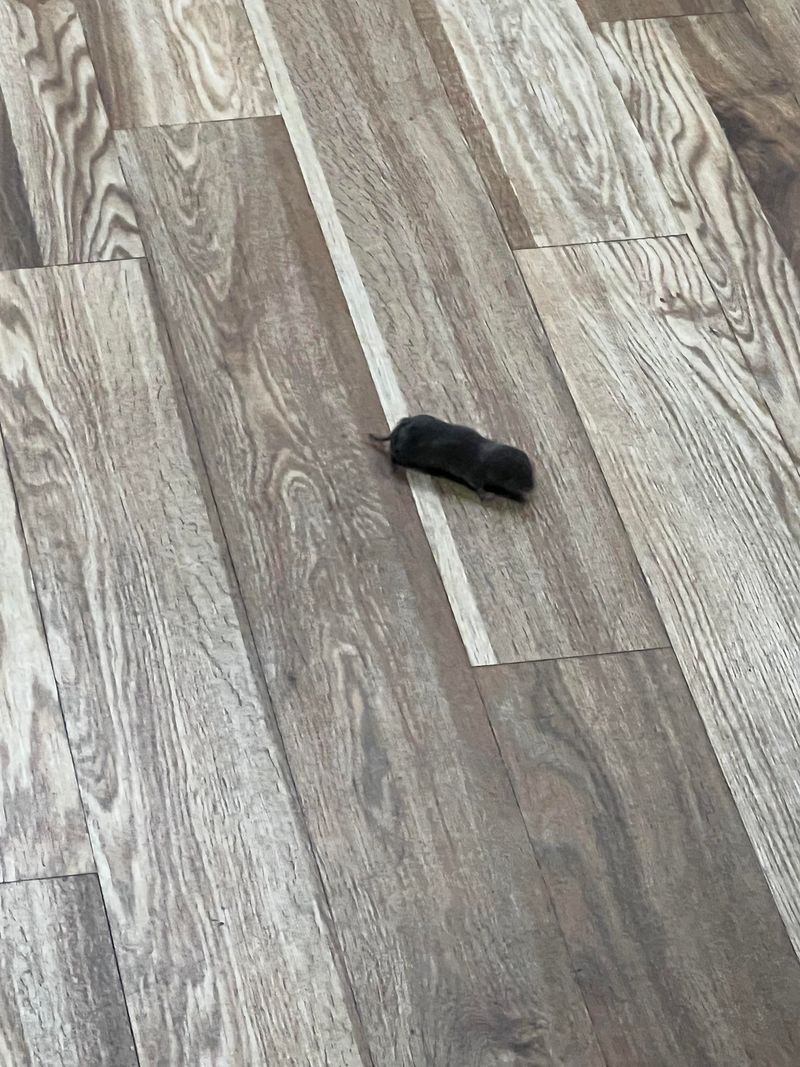
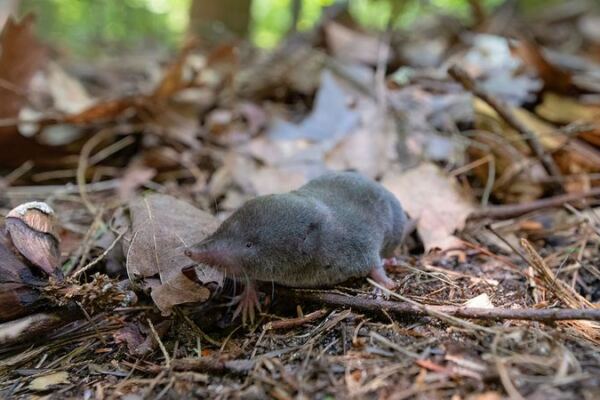
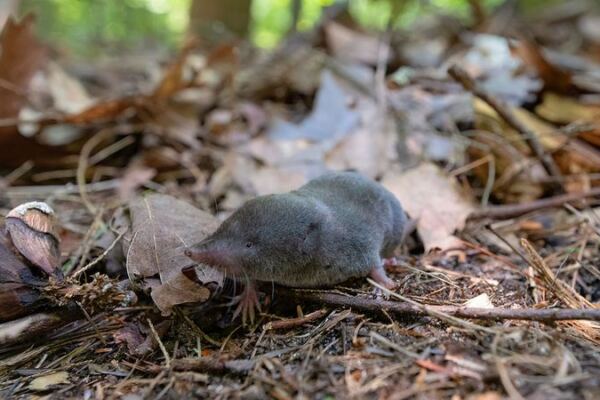
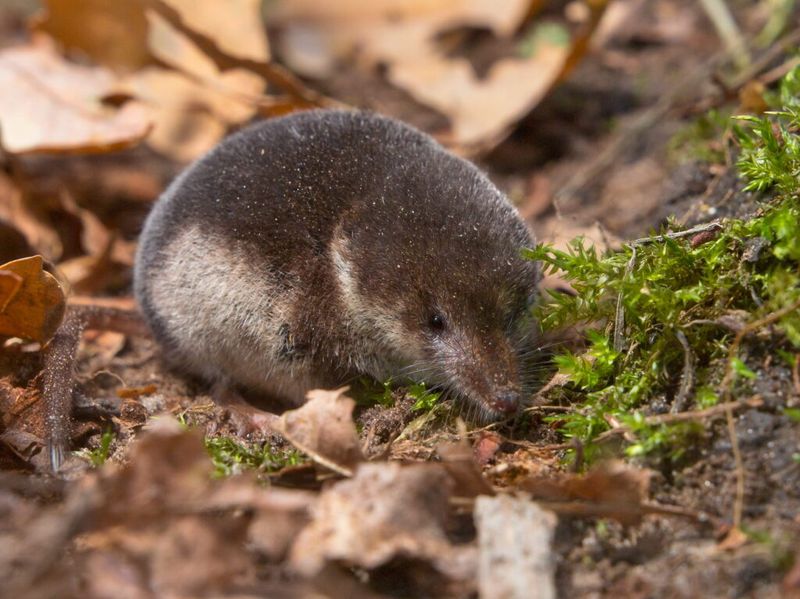
The animal behind the headline is the northern short-tailed shrew, known to scientists as Blarina brevicauda. It is a stocky little mammal with dense gray fur, a pointed nose, tiny eyes, and a tail that is short compared with its body.

Iowa State Extension’s Mammals of Iowa guide lists it as venomous and says it weighs up to 1 ounce.

That wording matters. The original headline said these shrews weigh less than an ounce, but the Iowa guide gives 1 ounce as an upper limit.

Some animals may come in lighter, and none should be described as if every one fits a single number. Think of it as roughly the weight of a few coins stacked together.

Iowa has a close relative too. Elliot’s short-tailed shrew, another venomous Blarina species, just reaches the southwest corner of the state.

The guide says the two are hard to tell apart without genetic analysis, so a small gray shrew found in a yard cannot always be named with confidence.

Being small and venomous does not make a shrew a garden problem. Spotting one, or even knowing the species lives in your county, tells you nothing about whether it is doing anything to your plants.

It is simply a wild predator doing its job out of sight.

Lawns are habitat, not proof of a garden invasion
Lawns are habitat, not proof of a garden invasion
© The Mole Hunter

Picture a shrew’s ideal neighborhood: damp, shaded, and cluttered with ground cover. Iowa State Extension says the northern short-tailed shrew lives in woods, grasslands, pastures, ditches, farmsteads, and lawns.

It does best in moist places with plant litter, according to the Iowa mammal guide.

The toxin study mentions earlier accounts of human bites that caused local burning and swelling.

The same guide notes that this shrew spends more time underground than most other shrews. So a lawn can be part of its home range, and some of its travels happen below the surface where you will never notice them.

That is a long way from saying one is hunting under your tomatoes.

Nothing in the Iowa material shows that shrews commonly dig damaging tunnels through garden beds. For some broader context, a University of Georgia Extension newsletter says shrews generally do little or no burrowing in garden beds and may use tunnels that moles or voles already made.

That is general gardening advice, not an Iowa study, so treat it as a helpful hint rather than a rule.

If you keep a tidy bed with bare soil, you are less likely to offer the leafy cover shrews like. A weedy fence line or a mulch pile is a different story.

Even then, a shrew passing through is not the same as a shrew moving in to cause trouble.

Venom helps the shrew subdue prey
Venom helps the shrew subdue prey
© Edisto Island Open Land Trust

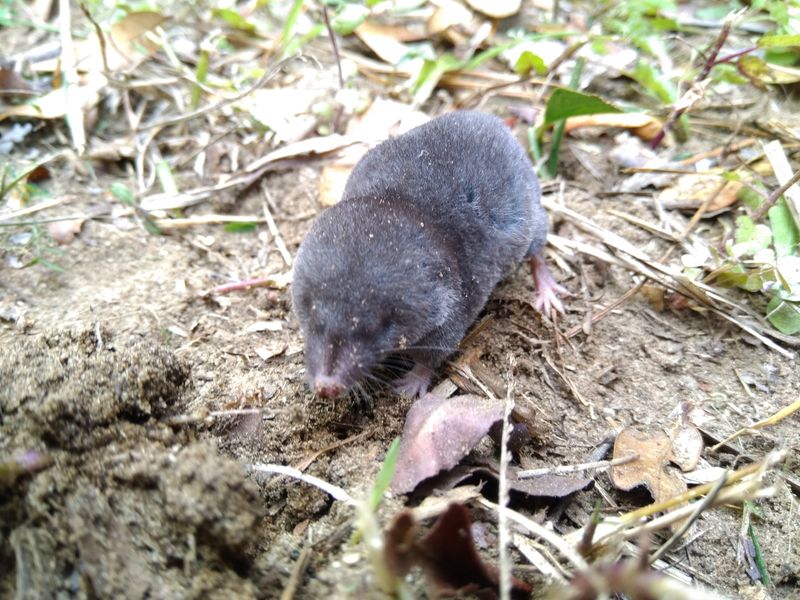
Fast metabolism means constant hunger, and the northern short-tailed shrew has a menu to match. The Iowa guide lists worms, millipedes, and other insects as its primary prey, with snails and small mammals also eaten.

In other words, it is mostly a bug and worm eater that occasionally takes bigger meals.

Venom helps with that job. Researchers isolated and characterized a toxin from Blarina brevicauda, and their study in PNAS points to a role in capturing or subduing prey.

The venom comes from the saliva, so a bite can slow down an animal that might otherwise get away or fight back.

One detail deserves care. The experiments in that study included giving the toxin to mice in a laboratory.

That tells us how the venom affects small animals, which fits the idea of prey control. It does not measure what happens when a shrew bites a person.

For gardeners, the takeaway is more curious than worrying. A shrew uses its venom on worms, insects, and the occasional small mammal, not on people.

It is a specialized predator, and you can appreciate that without treating it as a threat.

What the evidence says about bites
What the evidence says about bites
© West Coast Wound

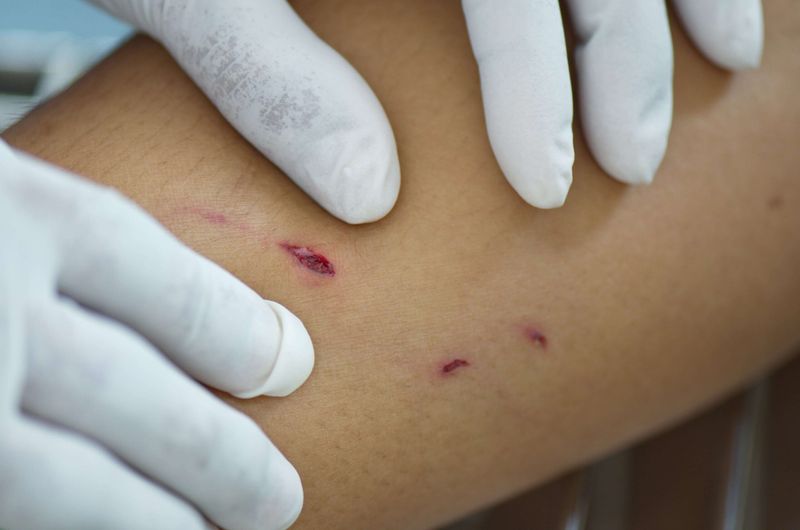
Bites are the question most people ask next, so here is the plain version. The toxin study mentions earlier accounts of human bites that caused local burning and swelling.

It does not show that shrew venom paralyzes or kills people.

Still, the best move is to avoid the situation. Do not pick up a wild shrew, even to move it out of the way or take a closer look.

Wild animals bite when they feel trapped, and a gloved hand is not a reason to take the chance.

If a bite does happen, these are general precautions for any wildlife bite, not a shrew-specific treatment plan. CDC guidance on wildlife supports washing the wound promptly with soap and water.

Then contact a health professional for advice, especially if the wound is serious or symptoms develop.

For questions about an exposure, Poison Control can help by phone at 1-800-222-1222 or online. Keep the number handy, since it is useful for many outdoor mishaps.

A calm response and a quick wash go a long way.

Check lawn signs before blaming a shrew
Check lawn signs before blaming a shrew
© LawnGuru Blog

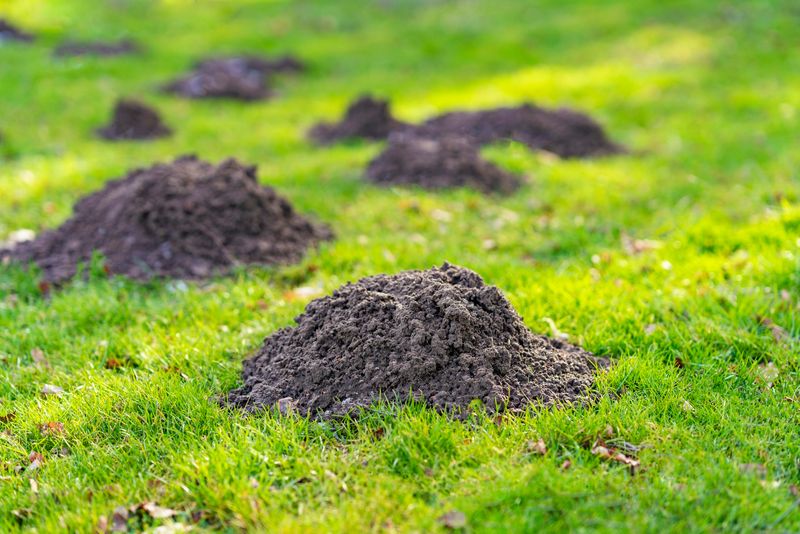
Found a ridge snaking across the grass? Hold off on pinning it on a shrew.

Iowa State Extension says eastern moles are the commonest moles in Iowa lawns, and it describes their raised surface ridges and volcano-shaped soil mounds as classic signs.

Shrews live underground part of the time, but that habit alone does not explain a particular ridge or mound. Not every disturbed spot has the same cause, either.

Voles, birds, digging pets, and soil problems can all leave marks of their own.

A few clues can help. Look at the shape of the mounds, whether the ridges are fresh, and whether plants are actually chewed or just loosened by tunnels.

Walking the lawn after a rain, when new activity shows up clearly, can give you a better picture.

The Iowa mammal guide describes the shrew as a prey-eating animal that uses underground habitat. That is a very different story from a lawn wrecker.

Until you know what is making the signs, there is no good reason to take action aimed at any animal.

Leave it alone and identify the problem
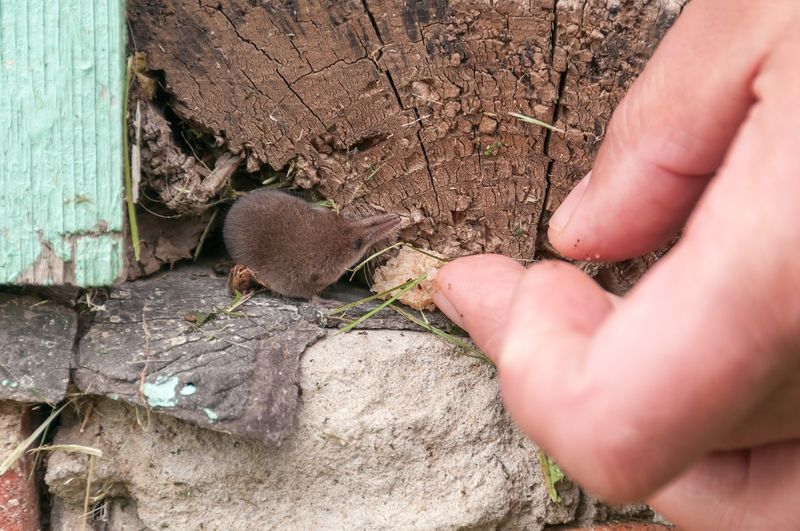
Leave it alone and identify the problem
© BugSpray.com

A small venomous shrew can live in Iowa lawns and underground, yet that does not prove it is hunting beneath your garden beds or chewing up your grass. Keep your hands off any wild shrew, as CDC wildlife guidance advises for wild animals in general.

If your yard shows damage, work out the cause first. Start with the signs described in Iowa State’s mole guidance before deciding anything else.

Somewhere under the grass, a shrew with a big appetite is probably just working through its worms.

Share this story
LP

Written by

Lyle Petersen

More from Lyle Petersen →

About Gardening Latest

Gardening Latest provides in-depth guides to maintaining and enhancing your garden and backyard. Learn how to make the most of the space you have and create a beautiful garden.

More about us →

Latest stories

  • Wisconsin GardeningWisconsin Yards May Host a Venomous Mammal That Averages Under an Ounce

    Wisconsin Yards May Host a Venomous Mammal That Averages Under an Ounce

    6 hr ago
  • Massachusetts GardeningA Northern Short-Tailed Shrew May Use Massachusetts Leaf Litter This Winter, and It Is Easy to Miss

    A Northern Short-Tailed Shrew May Use Massachusetts Leaf Litter This Winter, and It Is Easy to Miss

    7 hr ago
  • Delaware GardeningWhy a Copperhead Might Turn Up Near Delaware Woodpiles and Yard Debris

    Why a Copperhead Might Turn Up Near Delaware Woodpiles and Yard Debris

    7 hr ago
  • Kentucky GardeningKentucky’s Venomous Shrew Can Live in Suitable, Covered Yards, and It Weighs Under an Ounce

    Kentucky’s Venomous Shrew Can Live in Suitable, Covered Yards, and It Weighs Under an Ounce

    7 hr ago
  • South Carolina GardeningWhat Eating Celery Every Day Actually Does To Your Body, South Carolina

    What Eating Celery Every Day Actually Does To Your Body, South Carolina

    7 hr ago

Gardening by state

Stories for your state, and the hardiness zone most of it gardens in.

Keep exploring

Read next

All Iowa Gardening →
Iowa GardeningTiny Flies in an Iowa Bedroom: Finding Where They Actually Started
Iowa Gardening

Tiny Flies in an Iowa Bedroom: Finding Where They Actually Started

Yesterday
Wisconsin GardeningWisconsin Yards May Host a Venomous Mammal That Averages Under an Ounce
Wisconsin Gardening

Wisconsin Yards May Host a Venomous Mammal That Averages Under an Ounce

6 hr ago
Massachusetts GardeningA Northern Short-Tailed Shrew May Use Massachusetts Leaf Litter This Winter, and It Is Easy to Miss
Massachusetts Gardening

A Northern Short-Tailed Shrew May Use Massachusetts Leaf Litter This Winter, and It Is Easy to Miss

7 hr ago

More from Iowa Gardening

  • Coyote Howls Near Your Kentucky Home Offer Clues About Communication, Not a Precise Message

    Yesterday
  • Hearing Coyotes Howl Near Your Wisconsin Home at Night? What Their Calls Can and Cannot Tell You

    Yesterday
Back to top

Leave a response Cancel

Your email address stays private. Required fields are marked with an asterisk.

Gardening Latest

In-depth guides to maintaining and enhancing your garden and backyard: how to make the most of the space you have, and how to make it beautiful.

  • Facebook
  • X
  • Pinterest
  • YouTube

We may earn a portion of sales from products or services that are purchased through our site as part of our affiliate partnerships with retailers.

Explore

  • About GardeningLatest.com
  • Contact Us
  • Terms and Conditions
  • Privacy
  • Editorial Note:
  • FTC Disclosure

Newsletter

New garden guides and seasonal tips, straight to your inbox.

We’ll email you a link to confirm. Unsubscribe any time.

Almost there! Check your inbox and tap the link to confirm.

© 2026 Gardening Latest. All rights reserved.

Back to top