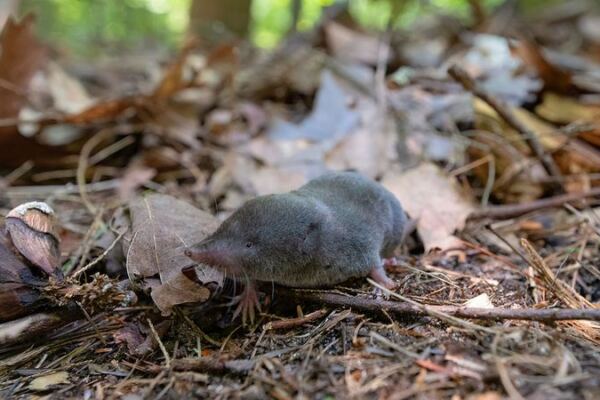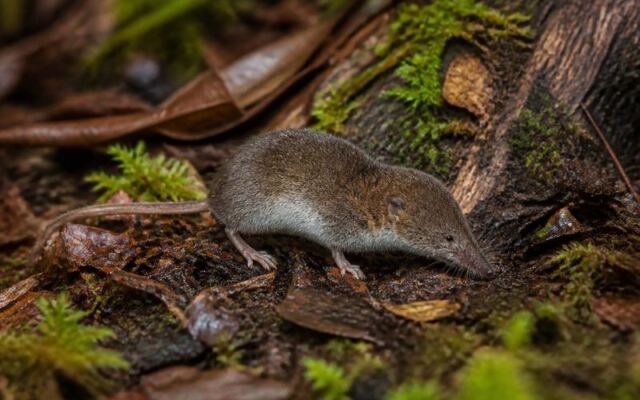
Somewhere under the leaves and grass of Kentucky, a mammal smaller than a golf ball is hunting. It has toxic saliva that helps it overpower worms, insects, and even mice.
Most people never see it, and it is not something to fear. Here is what Kentucky homeowners and gardeners should know about this tiny hunter.
Meet the northern short-tailed shrew
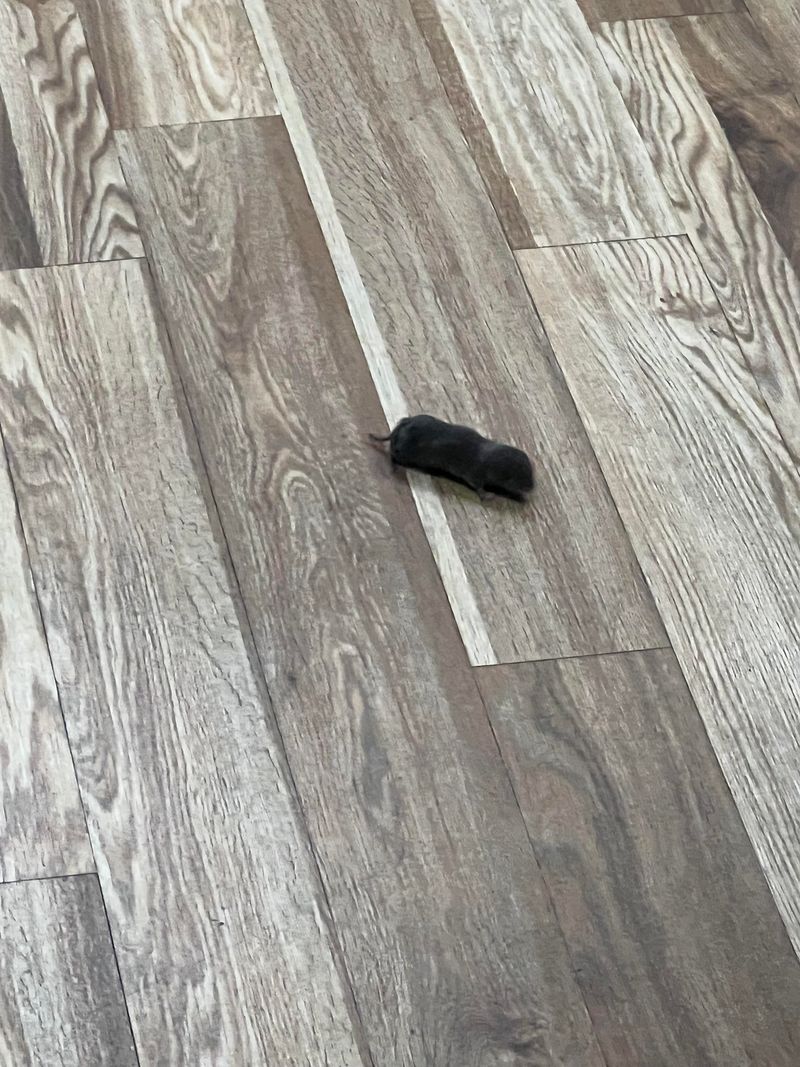
Picture a chunky little animal with dark gray, velvety fur, a pointed nose, a short tail, and eyes so small you can barely spot them. That is the northern short-tailed shrew, known to scientists as Blarina brevicauda.
It is a mammal, not a mouse, and it belongs to a group that hunts mostly insects, worms, and snails.
Kentucky has good records of this species. A mammal survey report that covers Kentucky distribution documents it across the state.
A statewide small-mammal survey summarized by Kentucky’s Energy and Environment Cabinet found it to be the state’s most widely distributed small mammal.
Here is the careful part. Being documented statewide means the species lives in Kentucky’s landscapes as a whole.
It does not mean every backyard has one, or that you will ever cross paths with one in your own.
Everything in this article is about this one species. Other shrews are different animals, and the claims about toxic saliva here should not be stretched to all of them.
Think of the northern short-tailed shrew as a quiet neighbor of Kentucky’s fields, forests, and edges, one that mostly goes about its business out of sight.
Under an ounce is a range, not a guarantee
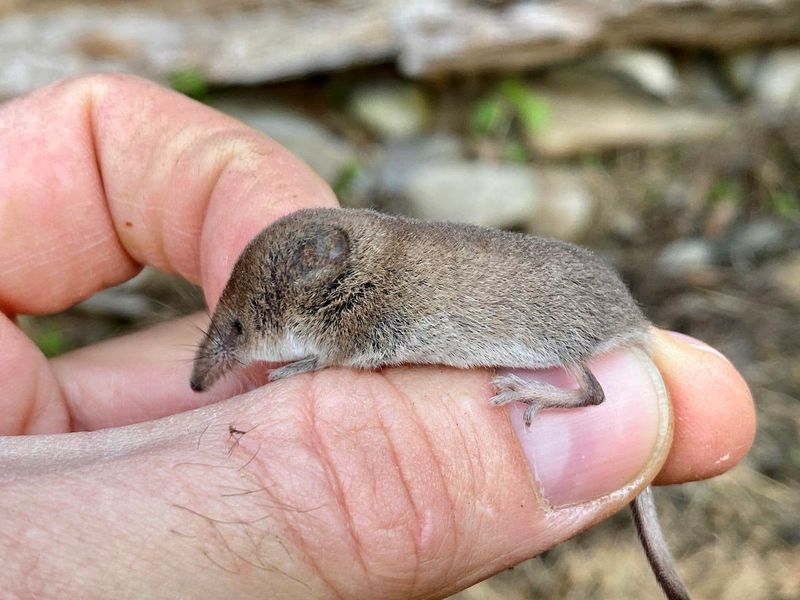
Weight is where the headline gets its punch, so let’s be exact. Purdue Extension lists the northern short-tailed shrew at 11 to 26 grams, which works out to 0.39 to 0.92 ounces.
Both ends of that range sit below one ounce, so saying the animal weighs under an ounce is a fair summary of the documented numbers. A range is not a promise about every animal, though.
Weight shifts from one shrew to the next, and an individual could land outside the published figures.
To get a feel for it, a single slice of bread usually weighs more than the heaviest shrew in that range. A few pennies stacked together would come close to the low end.
It is a small package for an animal that spends its days tunneling and hunting.
That small size also helps explain why people rarely notice shrews. They are light, quick, and often hidden under cover.
How does shrew venom work?
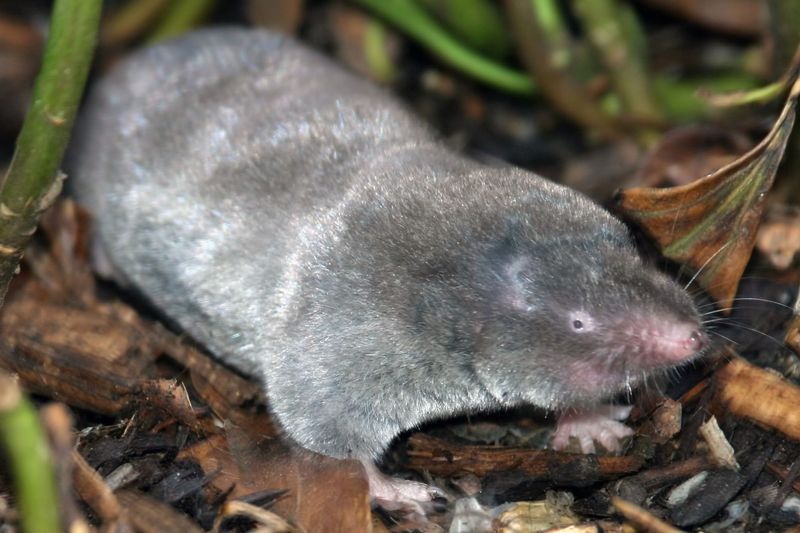
Hunting at this size takes tricks. The northern short-tailed shrew has toxic saliva, and a peer-reviewed study of Blarina toxin describes it as a lethal venom for small mammals.
In plain terms, the saliva can harm or kill animals such as mice, which helps the shrew subdue prey that might otherwise fight back.
The delivery method is not what many people picture. Nothing here resembles a snake’s hollow fangs and a deliberate injection.
According to the research and to the Pennsylvania Game Commission, the secretion enters the wound while the shrew bites and chews.
That makes the toxin a hunting tool. A slowed or paralyzed meal is easier to handle, and a shrew burns energy fast, so a steady food supply matters a great deal to it.
One more distinction matters. The findings belong to Blarina brevicauda.
Shrews are a big and varied group, and it would be wrong to say that every shrew in the world has venom like this one.
So yes, the word venomous fits when you describe how this shrew’s saliva affects its prey. It just does not mean the animal is a tiny snake with fur.
A bite can affect people, too
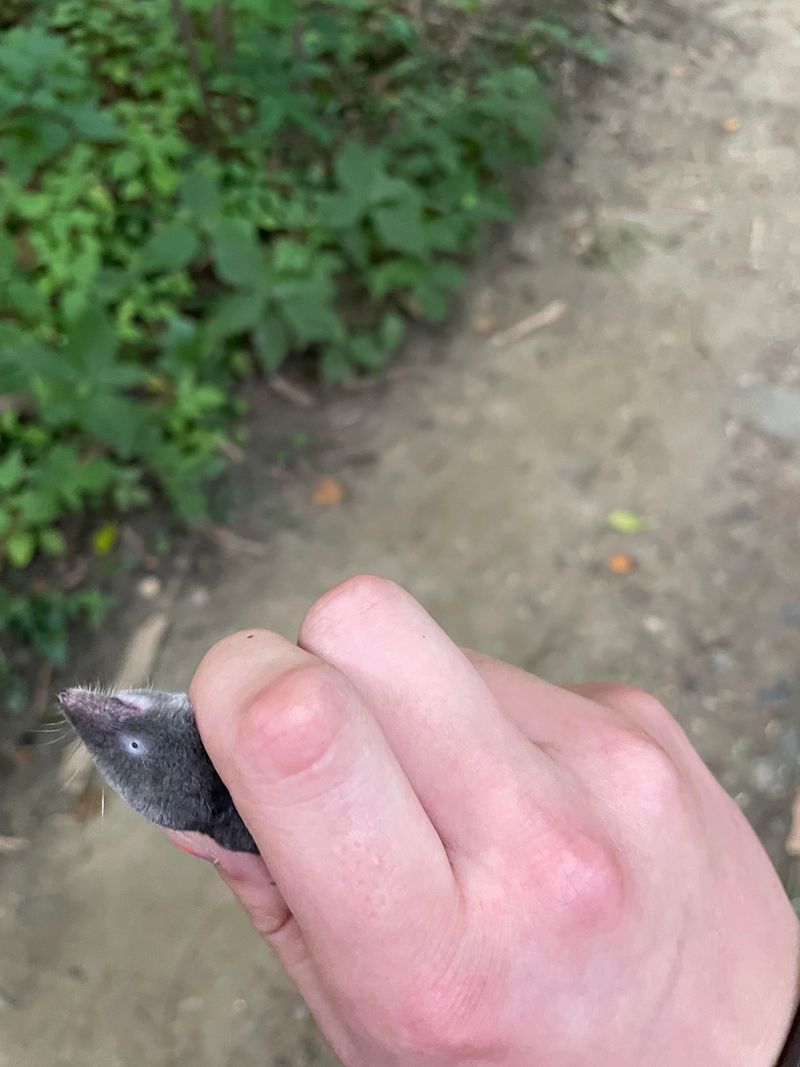
Venom that works on a mouse is a different story from what happens to a person. Shrews are not aggressive toward people, and bites mostly come up when someone picks one up.
A frightened animal in the hand may bite.
Sources describe the effects as local. The University of Michigan’s BioKIDS page mentions bites that can cause pain, irritation, or swelling.
Purdue Extension says the toxin is not fatal to humans.
That is reassuring, but it does not make a bite something to wave off. Any wildlife bite breaks the skin, and a broken-skin wound deserves proper attention no matter which animal caused it.
The shrew’s venom is only one part of that picture.
So the balanced takeaway is simple. The toxic saliva is built for small prey, the reported human effects are limited to symptoms like soreness and swelling, and a bite still counts as a wildlife exposure.
The next section covers what to do if one happens, along with the easiest way to avoid it in the first place.
Could one be living in your yard?
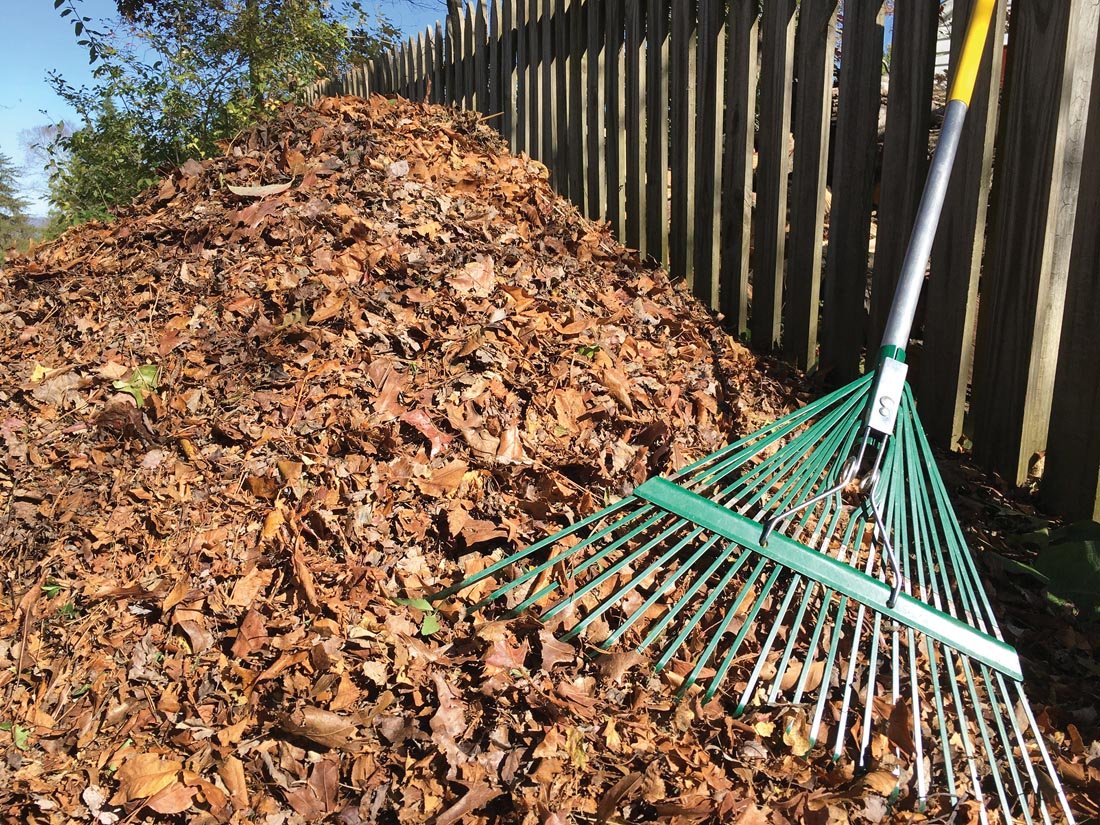
Possibly, though it depends on the yard. A university extension field guide says the species can use lawns, farmsteads, pastures, ditches, and windbreaks.
The key detail is cover. Places with plenty of ground cover and moist leaf litter suit it best.
In a home landscape, that might mean a shady corner with a thick layer of fallen leaves, a mulched bed, a brushy fence line, or a stretch of tall grass. A tidy, bare, sunbaked patch of lawn offers much less.
Habitat is only a maybe, though. A yard that looks inviting does not prove a shrew lives there, and a neighbor with a similar yard could have none at all.
Spotting one is also unlikely. The northern short-tailed shrew spends much of its time underground or under cover, moving through tunnels and leaf layers.
Seeing one running across open grass would be unusual.
If you are curious, clues might include small, narrow burrow openings or runways in leaf litter. Even then, mice, voles, and other small animals leave similar signs, so a clue is not proof.
Enjoy not knowing for sure, since the animal is doing its work quietly out of view.
Keep your distance, and get advice after a bite
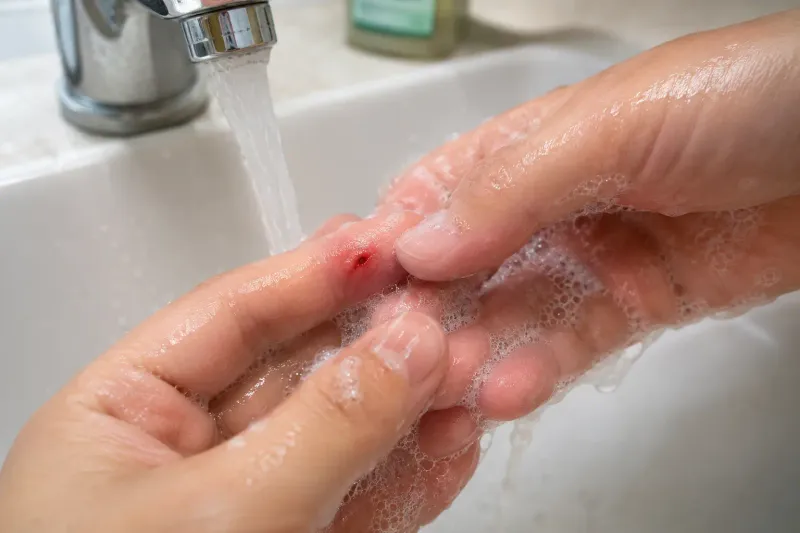
The simplest safety rule is the best one: leave the animal alone. Do not pick up or handle a shrew, even though it is tiny and may look harmless.
CDC guidance on wildlife advises keeping a safe distance from wild animals, and that includes small ones.
If a bite or scratch does happen, wash it promptly with soap and water. Do that first, before anything else, and keep rinsing for a few minutes.
Cleaning the wound is a quick step that makes a real difference.
After that, contact a healthcare provider or your local public-health office. Tell them what happened, what animal was involved if you know, and when it occurred.
They can look at the wound and talk through whether any further care is needed.
Rabies is a fair question to raise during that call. Nobody can make a blanket statement about it from a distance, because CDC rabies guidance explains that the decision depends on the details of the exposure.
A professional can sort through those details with you and say whether rabies-related care makes sense.
For pets, the same spirit applies. Keep curious cats and dogs from cornering wildlife, and call a veterinarian if your animal gets bitten.
A shrew in the garden is rarely a garden problem
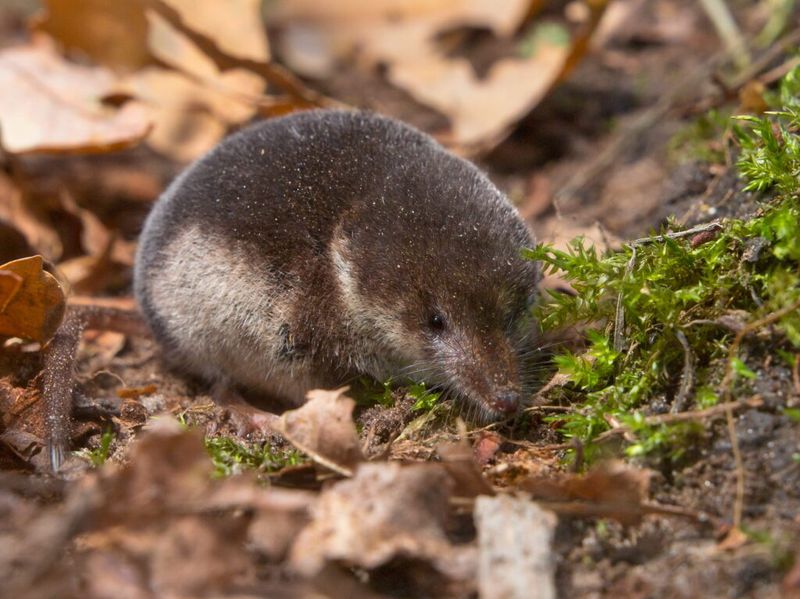
Gardeners tend to worry when an unfamiliar animal turns up near the tomatoes. In this case, University of Kentucky Extension offers calm advice in its guide to managing small mammals in gardens and orchards: shrews are rarely a garden problem.
Their menu helps explain why. Shrews go after insects, worms, and other small creatures, not your seedlings.
Having one around does not add up to an infestation, so poison or removal is not a sensible response to its presence alone.
Suppose something is chewing your plants. Start with detective work.
Look at the damage: are stems clipped, roots eaten, bulbs missing, or fruit nibbled? Tunnels, tooth marks, and the timing of the damage can all narrow down which animal is responsible.
Once you know who is behind it, you can choose a response that fits that animal. Guessing wrong can mean wasted effort and harm to creatures that were never the problem.
A leafy, mulched yard can give a shrew a place to live without making it a threat. Sometimes the best thing a gardener can do is leave a quiet hunter to its beetles and grubs.
Share this story