Under the leaves and snow of a Massachusetts yard, a small mammal with a venomous bite may be going about its business. The northern short-tailed shrew lives across the state and stays active when many animals sleep through winter.
You will probably never see one, but knowing how it lives can change how you look at a leaf pile. Here is what is known, what is not, and what to do if you ever cross paths with one.
Massachusetts is within its range, but a yard sighting is never guaranteed
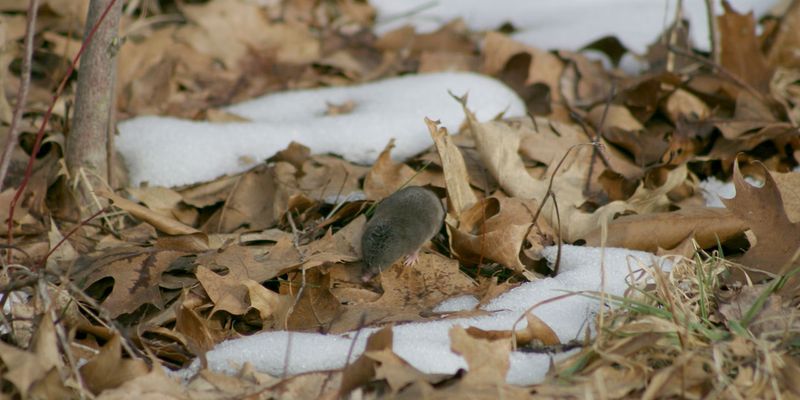
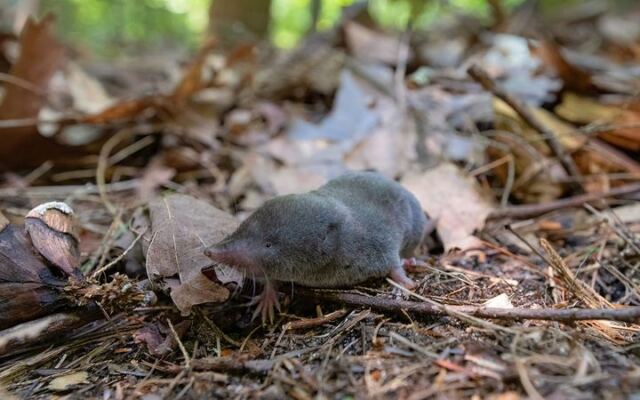
Meet the northern short-tailed shrew, known to scientists as Blarina brevicauda. It is a mammal, not a rodent, and it has a pointed snout, velvety gray fur, and a very short tail.
Massachusetts wildlife officials list the species among the mammals found statewide.
Statewide, though, is a big phrase. It tells you the animal belongs to the state’s wildlife, from woodlots to wet meadows.
It does not tell you that one is living in your backyard, under your rake pile, or anywhere near your porch.
Think of it like a map of a bird’s range. A warbler may be listed for your county, yet you can spend a whole spring without spotting one.
The shrew is even harder to catch sight of, because it spends most of its life hidden in tunnels, cover, and tangled plant debris.
So the honest way to picture this animal is as a possibility. A shrew may pass through leaf litter near your home, and it may not.
Neither answer is unusual, and neither one means something is wrong with your yard.
If you enjoy wildlife, that uncertainty is part of the fun. The next sections cover where these shrews are likely to shelter, how they get through winter, and what their venom actually does.
Leaf litter offers cover, not proof of a resident
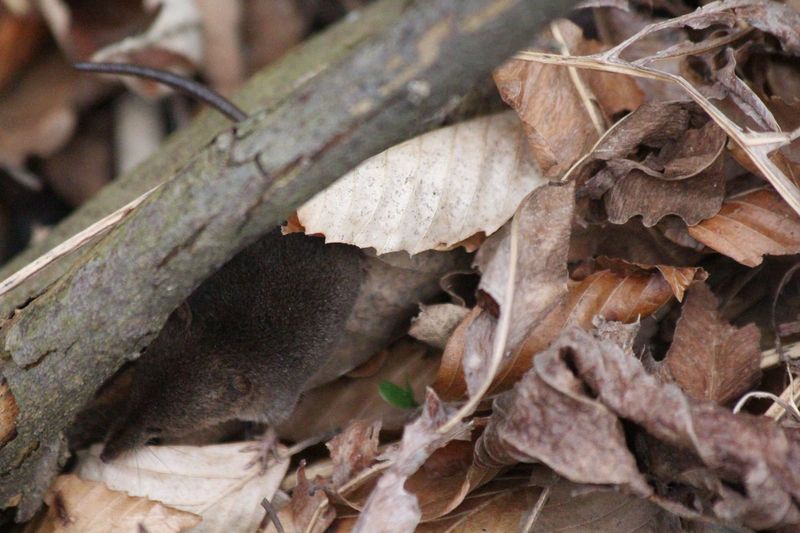
Shrews like places where they can move without being seen. A USDA Forest Service guide to New England wildlife habitat links the species with low vegetation and damp, loose leaf litter.
Logs, rocks, and similar cover fit the picture too.
Why does that matter? Loose, moist leaves create a layer of small gaps near the soil.
A small animal can slip through those gaps, find food, and stay out of sight of hawks, owls, and neighborhood cats.
That makes a leaf pile plausible shelter, but plausible is the key word. Nothing in the habitat research says ordinary residential leaf piles commonly hold shrews.
A tidy pile of raked maple leaves beside a driveway is a different place from a forest floor with logs, rocks, and years of built-up litter.
Here is a practical example. If you turn over a damp layer of leaves along a wooded edge of your yard and see narrow runways in the soil, that suggests small animals use the spot.
It still does not tell you which animal made them. Mice, voles, and insects all use similar cover.
The takeaway is simple. Leaf litter gives wildlife a place to hide, and a shrew may use it, but a pile of leaves is not a sign that one is home.
Winter activity continues out of sight
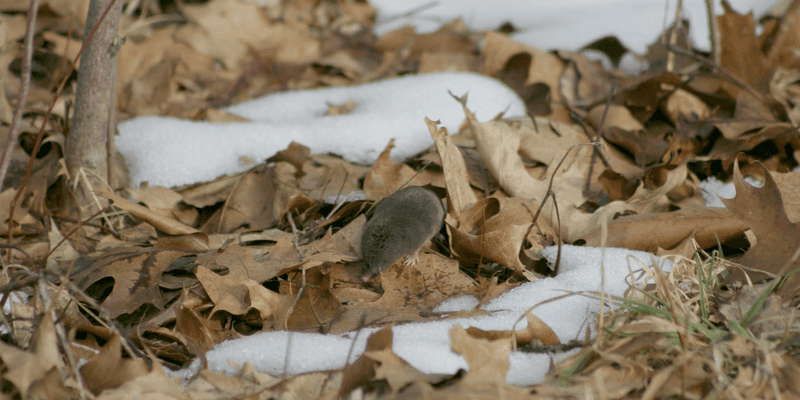
Some small mammals avoid winter by sleeping through it. The short-tailed shrew does not.
A study on its winter survival adaptations describes an animal that stays active through the cold months rather than hibernating.
Staying active does not mean staying out in the open. Winter foraging seems to happen in a more stable thermal regime, which in plain terms means places where temperatures swing less than they do in open air.
Leaf litter, tunnels, and the space under snow can all fit that description.
Snow acts like a blanket. Beneath it, the ground stays closer to a steady temperature, so a small animal moving around there faces gentler conditions than one crossing a bare, windy lawn.
There is an important limit here. Activity can drop during cold spells, so a shrew is not racing around nonstop all winter.
It is also not something you are likely to watch scampering across the snow.
If you want clues that small animals are active in winter, look for tiny tunnels where snow meets leaves or tracks near the base of a log. Those signs point to small mammals in general, not to a shrew specifically.
Most of the action happens where you cannot see it.
Venom helps the shrew subdue prey
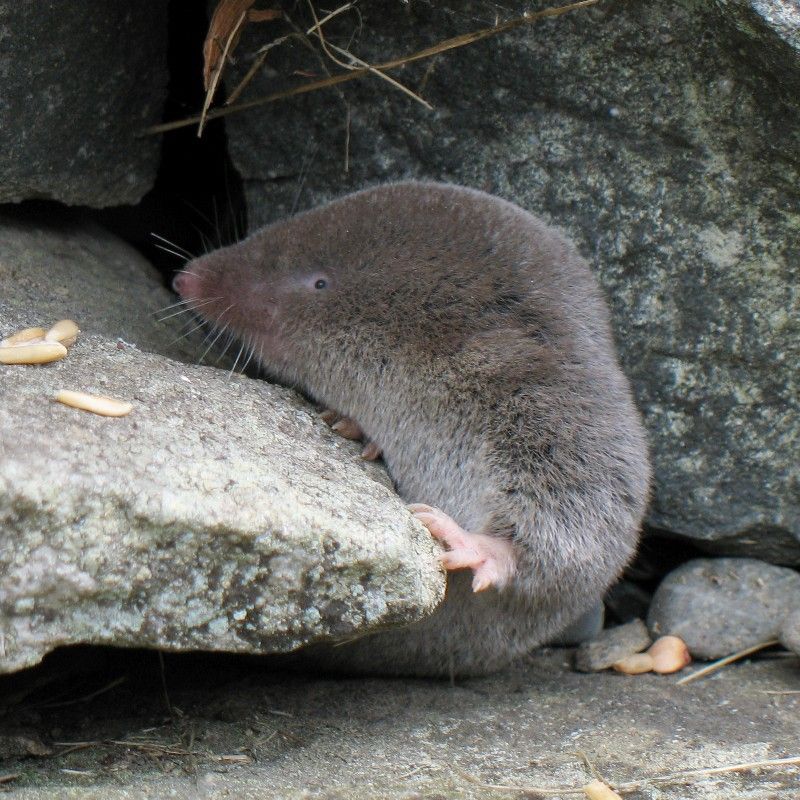
Yes, this mammal is venomous. It is one of the few mammals that can make venom, and it does it in its saliva.
A research paper that isolated the toxin named it Blarina toxin, after the shrew’s genus.
The venom is mostly discussed as a feeding tool. A shrew has a fast metabolism and needs to eat often, and venom helps it subdue prey.
That can be useful when the prey is something that might fight back or escape.
Think of it as a hunting trait, like a spider’s bite or a snake’s fangs. It evolved for dealing with food, not for confronting people.
Nothing about the research casts the shrew as a routine danger to humans.
That balance matters because the word venomous can sound dramatic. In practice, a shrew that meets a person is far more likely to run for cover than to pick a fight.
The venom is a real part of its biology, and it is simply not something most homeowners will ever have to think about.
For gardeners, the useful lesson is respect without worry. You can appreciate the animal as a remarkable small predator and still leave it alone.
What might a shrew bite feel like?
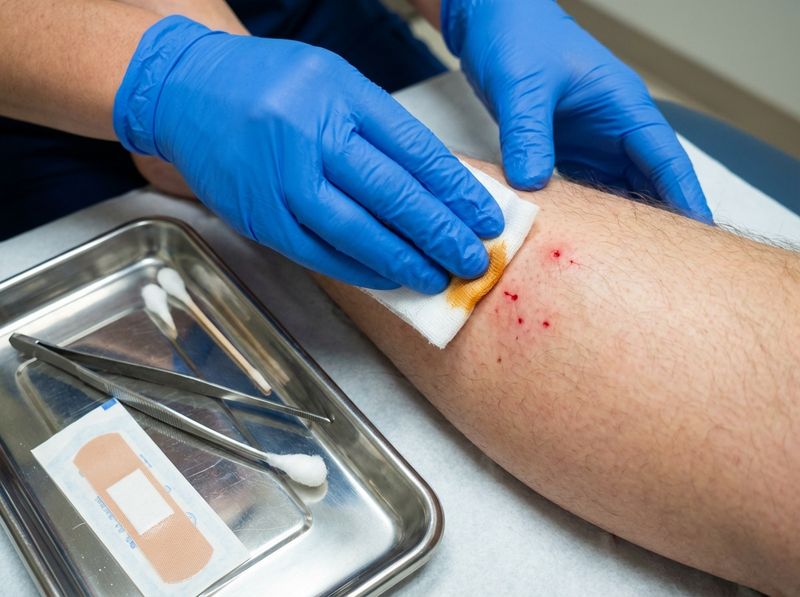
Bites are rare, and what is known comes from limited reports. The research paper on Blarina toxin recounts human bite accounts that describe burning near the puncture marks, followed by swelling.
Those accounts are worth knowing, but they are not a complete medical picture. A few descriptions cannot tell you how every bite will feel or how every person will react.
So it makes no sense to assume a bite is serious, and it makes no sense to brush it off either.
The best plan is to avoid the situation. Do not pick up a shrew or any wild mammal, even to move it out of the way or take a closer look.
If you find one indoors, give it space and call your local animal control or wildlife officials for advice.
If you are bitten, wash the wound with soap and water. Then contact a healthcare provider or your local public-health authority.
Boston Public Health Commission guidance advises avoiding contact with wild animals, and the state’s rabies information covers why a wild-animal bite should be assessed.
Skip the guesswork about venom effects. Let a professional decide what the bite needs.
It may eat garden pests, but it is no guaranteed pest control
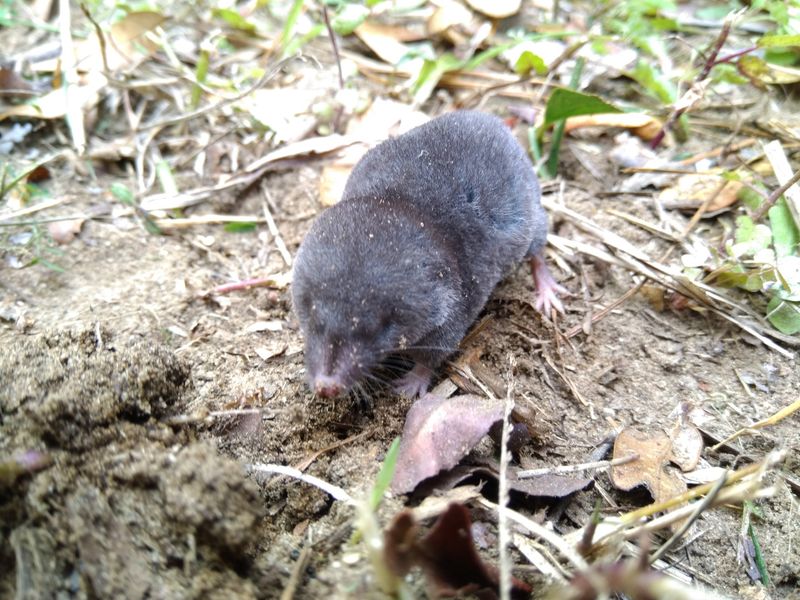
A shrew’s menu is long. The Missouri Department of Conservation notes that short-tailed shrews eat insects and their larvae, slugs, earthworms, and other small animals.
They may take mice and other vertebrate prey as well.
For a gardener, some of that sounds welcome. Insect larvae and slugs can chew up plants, so an animal that eats them might help a little.
That is a fair thing to say, and it is worth appreciating.
The picture gets more balanced when you remember the earthworms. Most gardeners like earthworms, since they help loosen and enrich soil, and shrews eat them too.
The animal does not sort its food into pests and helpers.
There is also a gap in the knowledge. The sources do not measure how much a shrew changes pest numbers in Massachusetts gardens.
That means nobody can promise that having one around will protect your lettuce or hostas.
A sensible approach is to see shrews as one small part of a larger food web. If one happens to pass through, it may eat a few things you would rather not have.
Keep using your usual garden practices and treat any shrew help as a bonus, not a plan.
Observe from a distance
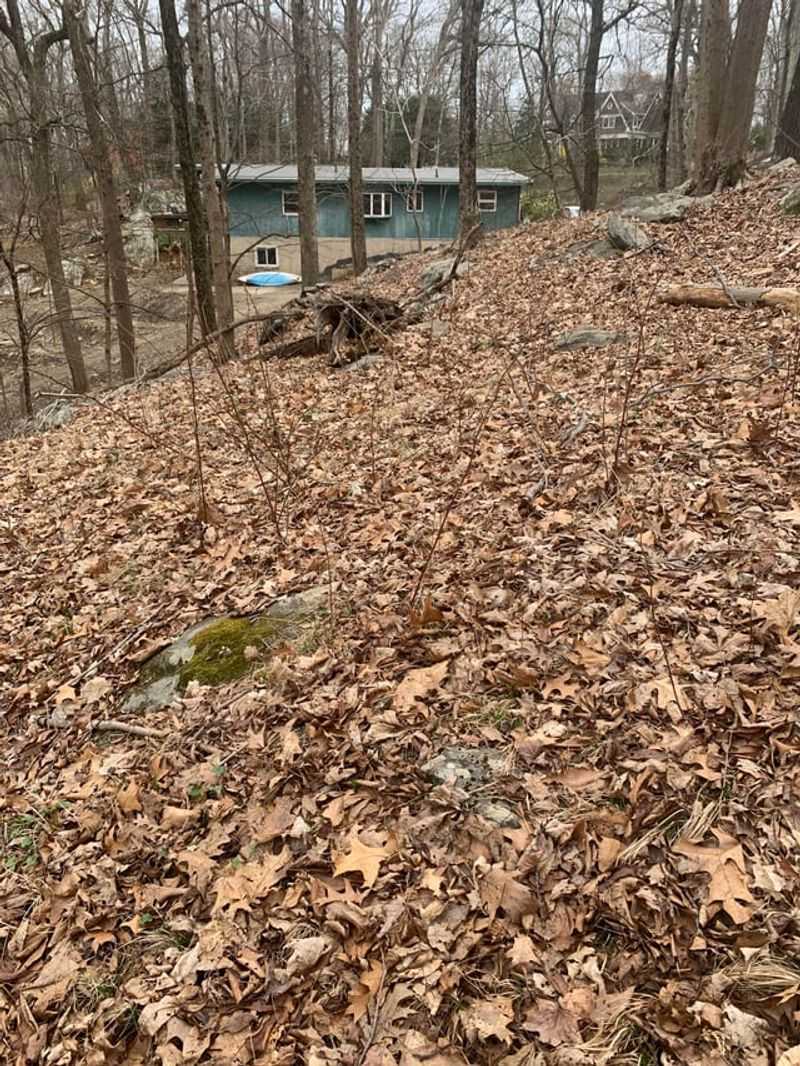
A leaf pile can give small animals cover, as habitat guidance for New England suggests, but cover alone does not prove a shrew is inside. Enjoy the mystery and leave the leaves be where you can.
If you do spot a wild animal, watch it from a distance and never handle it. For reminders on staying clear of wildlife, see Boston’s animal bite prevention advice.
Some of the best wildlife stories are the ones that happen right beside us, just out of view.
Share this story