When the first chilly nights roll into Massachusetts, people are not the only ones looking for a warm place to stay. Spiders start creeping into basements, garages, and closets to escape the cold.
A few of them carry venom that can cause real trouble, though most are shy and rarely bite. Knowing which ones to watch for can help you stay calm, stay safe, and keep your home a little less crawly this fall.
1. Northern Black Widow
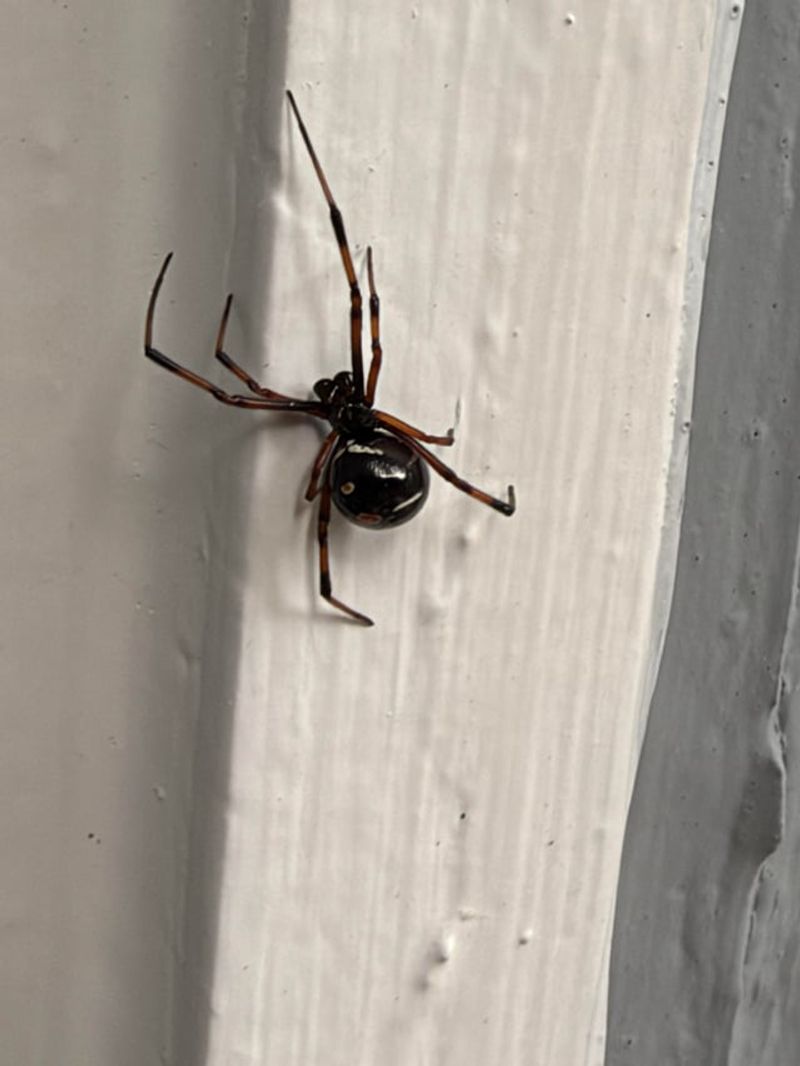
Shiny as a drop of ink, the northern black widow is the spider most Massachusetts residents worry about, and for good reason. Its venom affects the nervous system and can cause painful muscle cramps, sweating, and nausea.
Serious cases are rare, but a bite still deserves a doctor’s attention.
Look for a round, glossy black body about the size of a pea. Unlike its southern cousin, this species usually has a red hourglass that is split into two pieces, plus a row of red dots along its back.
The web is tangled and sticky, not the neat wheel you see in cartoons.
As temperatures drop, widows tuck themselves into woodpiles, stone walls, garages, and cluttered basements. Wear gloves when grabbing firewood, and shake out boots stored in the shed before slipping them on.
2. Yellow Sac Spider
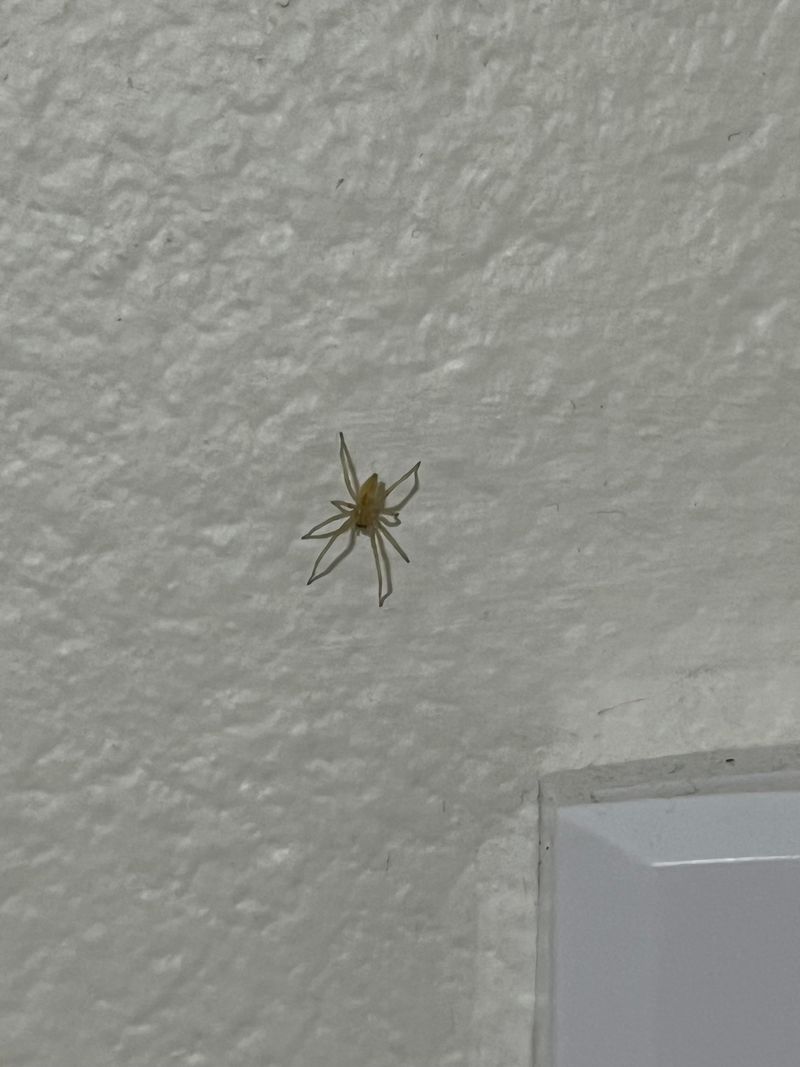
Ever woken up with a small, itchy red bump and no idea where it came from? The yellow sac spider might be the sneaky culprit.
Experts believe it causes more indoor bites in the Northeast than almost any other spider.
It is small, pale yellow or light green, with darker tips on its legs and jaws. Instead of building a web to catch food, it roams at night and hunts.
During the day it hides inside a little silk pouch tucked where walls meet ceilings or behind picture frames.
Its venom usually causes mild pain, redness, and swelling that fade within a few days. Fall is when these hunters wander indoors in larger numbers.
Vacuuming corners and sealing gaps around windows can cut down on surprise visits.
3. Broad-faced Sac Spider
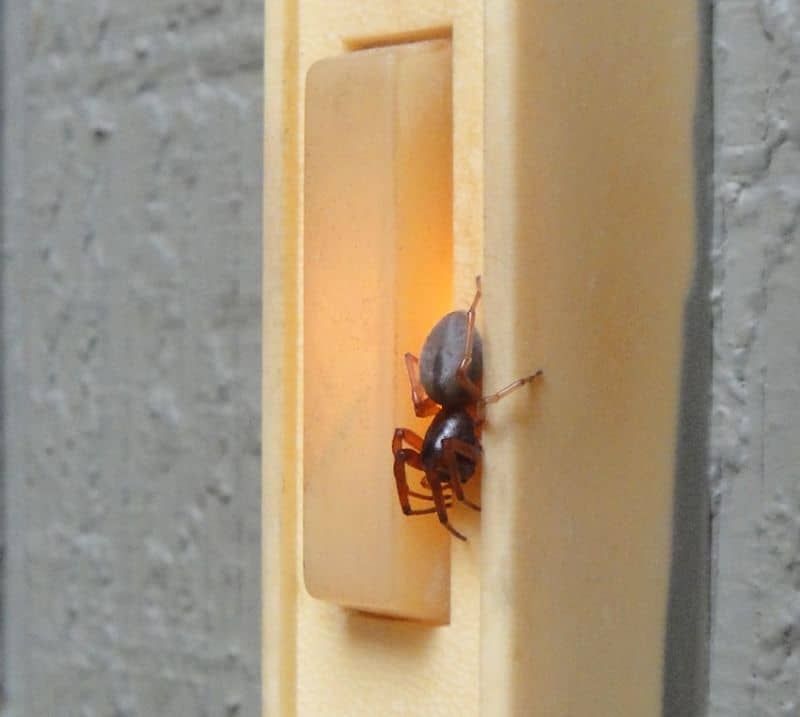
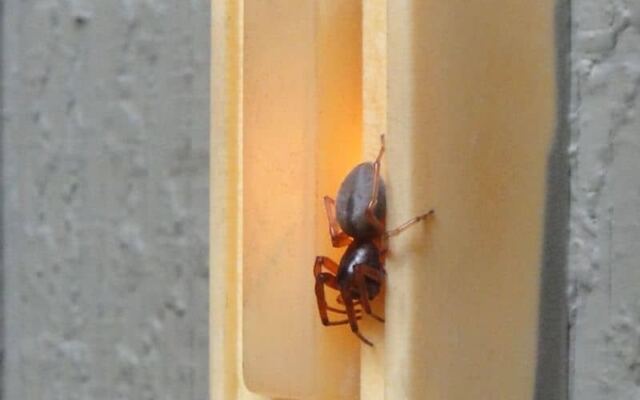
Picture a spider wearing a glossy, reddish-brown helmet. That is the broad-faced sac spider, a close relative of the yellow sac spider with a bolder look and a slightly bigger build.
Its front section is dark and shiny, while its rear is grayish or tan. It lives under bark and leaf litter outdoors, but cooler nights push it toward windowsills, door frames, and garages.
Like its cousins, it hunts on foot instead of spinning a web.
Bites can sting and swell, sometimes with a small blister. Most people heal on their own with soap, water, and a cold pack.
If redness spreads or the bite looks infected, a quick call to your doctor is a smart move.
4. Brown Recluse (Rare Hitchhiker)
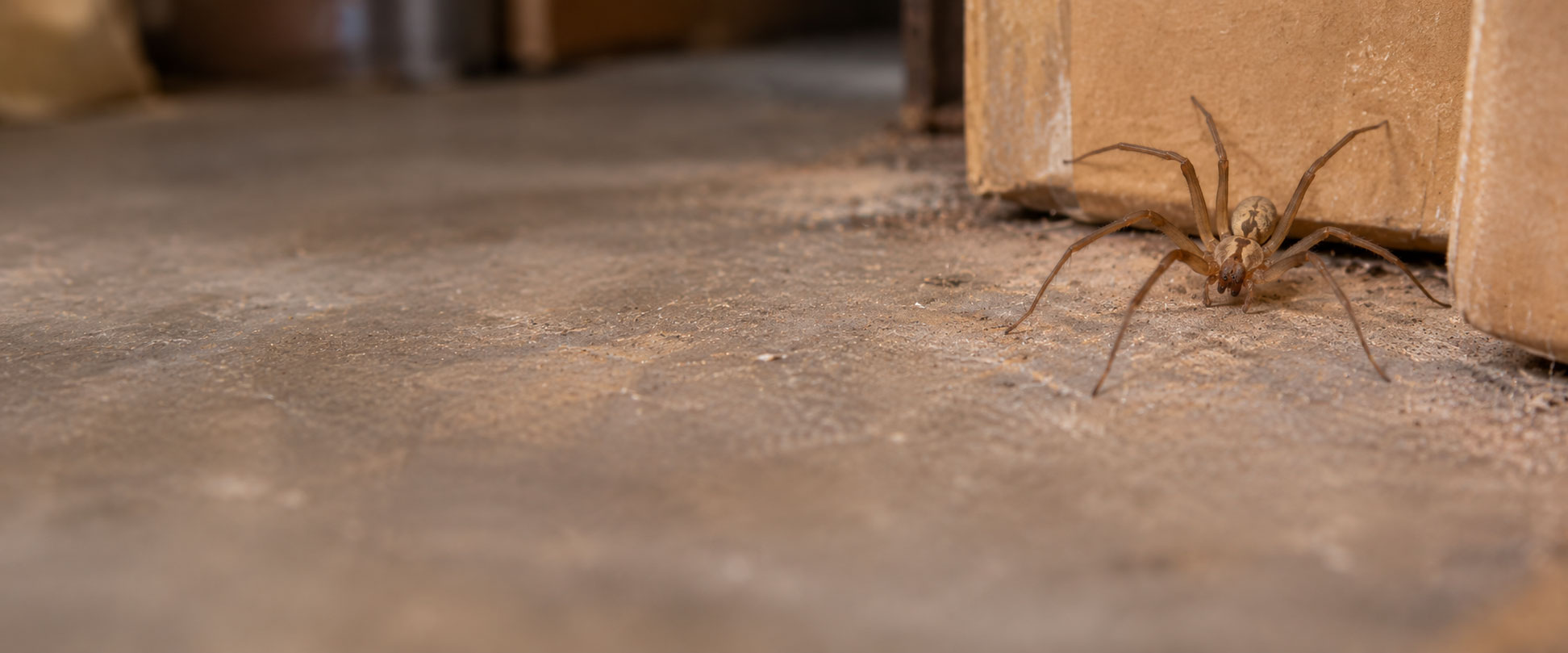
Here is some good news: brown recluses do not naturally live in Massachusetts. Our winters are simply too harsh for them to build steady populations outdoors.
Still, they occasionally ride in on moving boxes, furniture, or shipments from southern and midwestern states. A recluse is tan to brown with a dark violin shape on its back, the neck of the violin pointing toward the rear.
It also has six eyes instead of the usual eight, though you would need a magnifying glass to check.
Recluse venom can damage skin and leave a slow-healing wound. If you recently moved from places like Missouri or Tennessee, unpack boxes carefully.
Many spiders blamed on recluses turn out to be harmless look-alikes, so getting a clear photo before panicking really helps.
5. Dark Fishing Spider
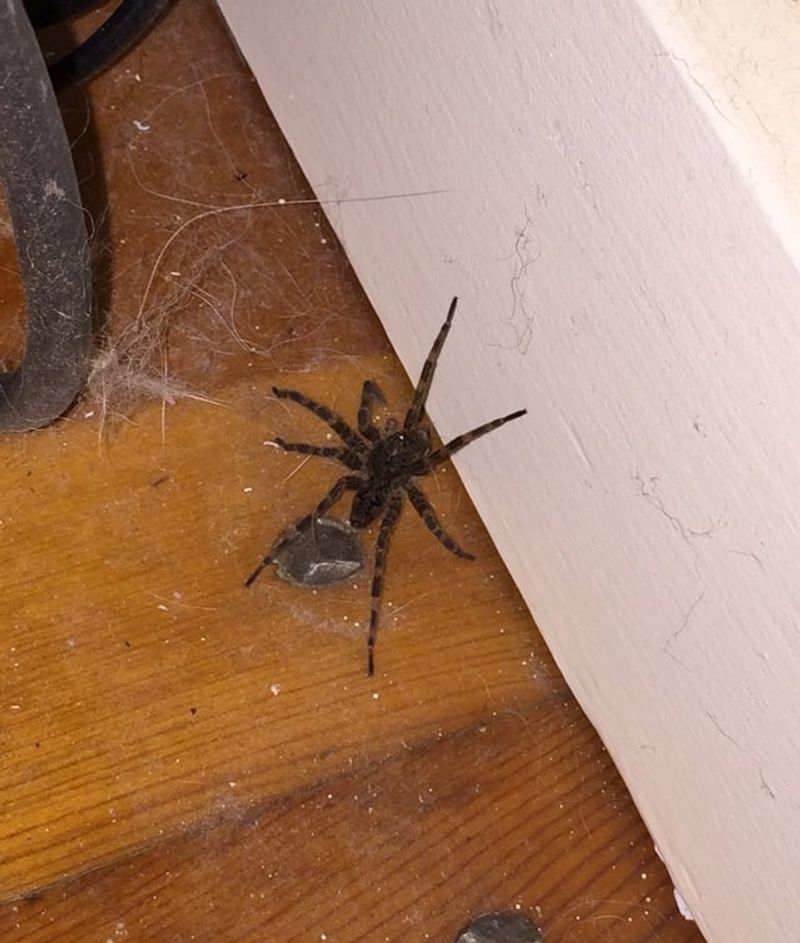
Few things make people scream louder than a spider the size of your palm sprinting across the basement floor. Meet the dark fishing spider, one of the biggest arachnids in the state.
Despite its name, it often lives far from water in woods and around houses. It is brown with dark bands and chevrons, and its legs can stretch close to three inches.
Damp basements and crawl spaces attract it when the weather cools.
Its bite is painful, similar to a bee sting, but not considered dangerous for healthy people. Honestly, it would much rather run away than fight.
A cup and a piece of cardboard are all you need to escort it back outside.
6. Wolf Spider
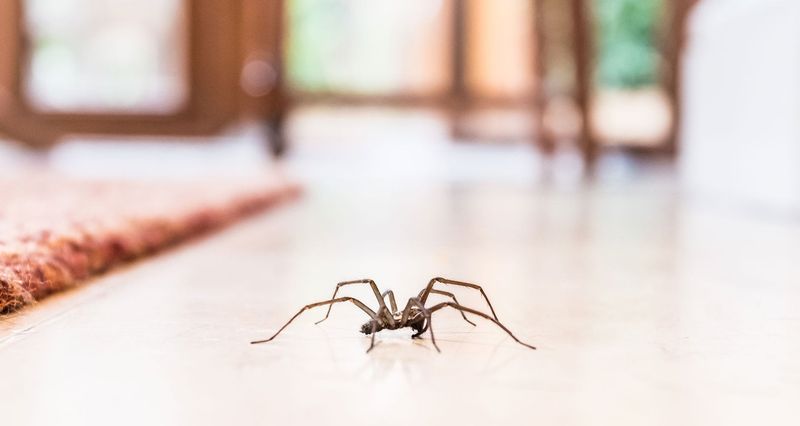
Shine a flashlight across your lawn on a fall evening and you might see tiny green sparkles. Those are wolf spider eyes reflecting the light back at you!
Wolf spiders are hairy, brown or gray, with stripes running down their backs. They do not use webs at all.
Instead they chase down insects, and mothers even carry their babies piled on their backs.
When frost arrives, they slip under doors and into garages. A bite might cause mild pain and redness, kind of like a mosquito bite turned up a notch.
Door sweeps and weather stripping are the best way to keep these speedy hunters outside where they belong.
7. Where They Hide Indoors
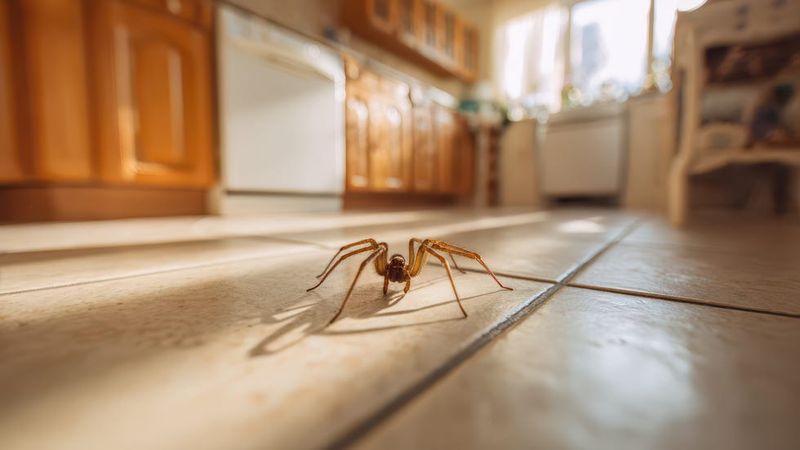
Spiders are not picky about luxury. They want three things: shelter, quiet, and a steady supply of bugs to eat.
In Massachusetts homes, that usually means basements, attics, garages, closets, and spaces behind furniture. Stacks of cardboard boxes are a favorite because they offer dark gaps and rarely get moved.
Firewood brought inside can carry hidden passengers too.
Check under sinks, inside window wells, and around the water heater. Do a quick scan of shoes, gloves, and blankets that have sat in storage.
Swapping cardboard for sealed plastic bins makes a big difference.
8. Safe Prevention and Bite Care
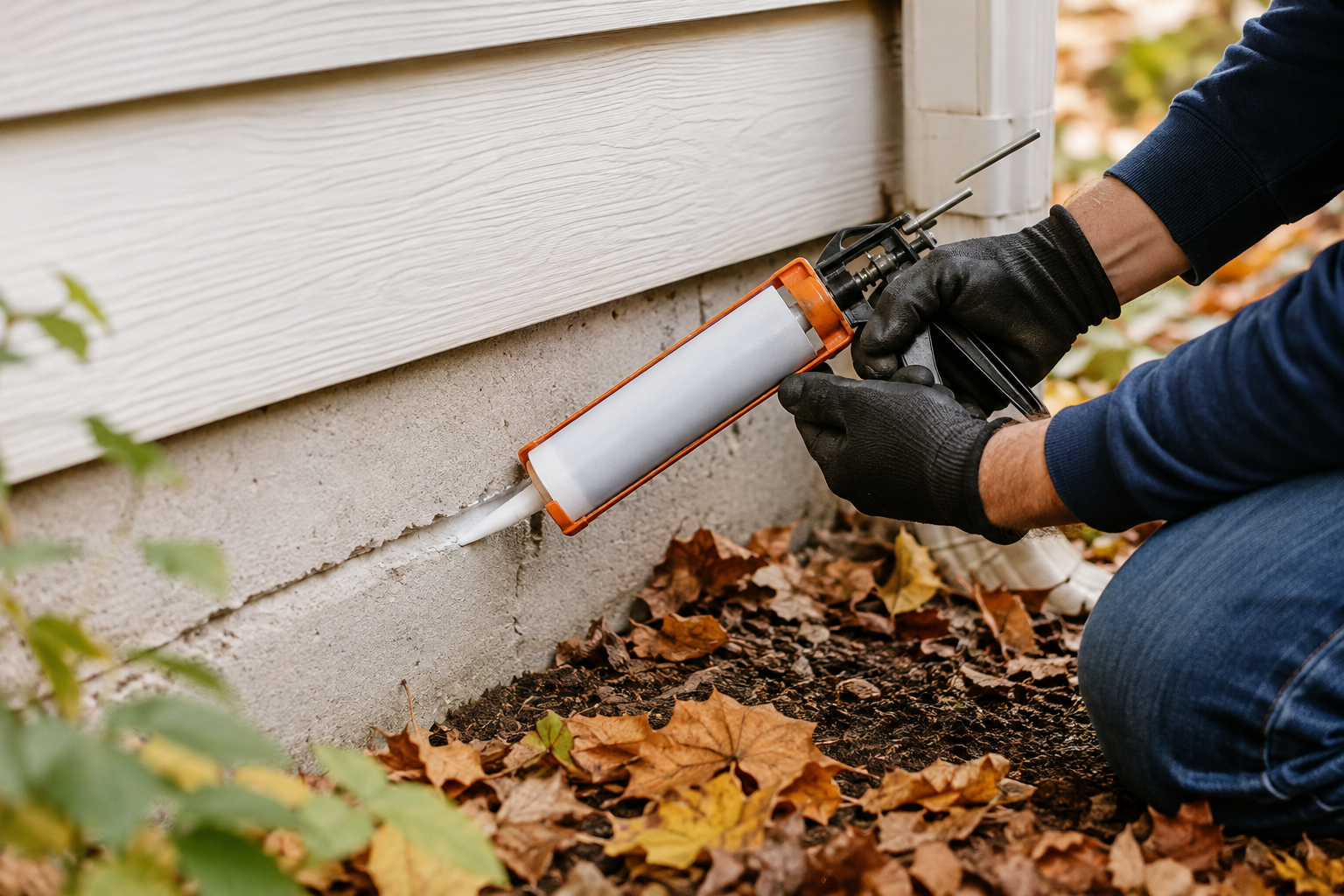
Think of your house like a fortress with a few cracks in the wall. Sealing them up is the single best way to keep spiders out.
Caulk gaps around windows, pipes, and wires. Add door sweeps, fix torn screens, and turn off outdoor lights when you can, since bright lights pull in the bugs spiders love to eat.
Sticky traps placed along basement walls also help you see what is moving around.
If someone gets bitten, wash the spot with soap and water, then apply a cold pack. Head to a doctor or call Poison Control at 1-800-222-1222 if you suspect a black widow, see spreading redness, or feel cramps or fever.
Catching the spider in a jar, if it is safe, helps experts identify it quickly.
Share this story