A scratch, a scamper, then silence. Nighttime noises in a wall can make anyone lie awake and wonder what is up there.
Southern flying squirrels live in Massachusetts and are active after dark, so they are one animal that could be behind the sounds. This guide shows how to weigh the clues, avoid common mistakes, and choose a safe next step.
Nighttime scratching cannot identify the animal
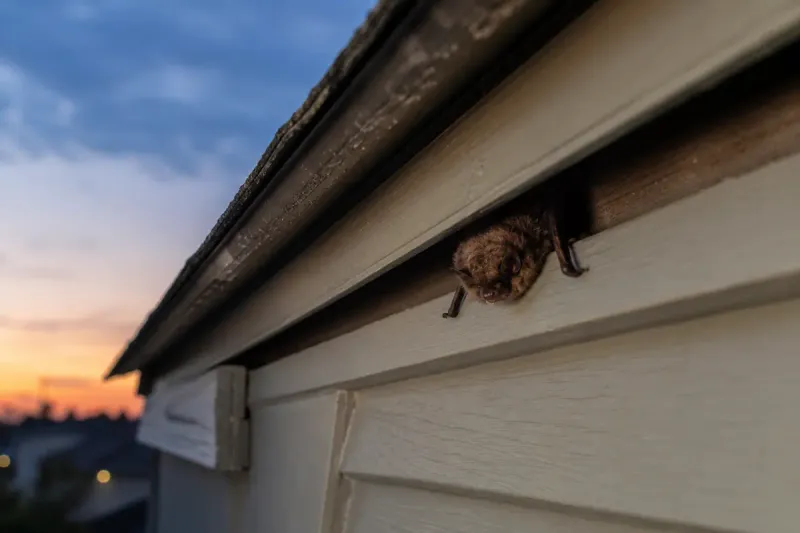
Lying in bed at 2 a.m., it is easy to decide you know exactly what is scampering behind the plaster. But a noise by itself rarely tells the whole story.
Flying squirrels are active at night, so after-dark sounds fit them. Mice and rats can also be busy at night, so the same sounds fit them too.
That overlap is why guessing can lead you astray. Mass Audubon notes that southern flying squirrels in Massachusetts emerge at night, which makes nighttime activity compatible with them.
Compatible does not mean proven. A time of night is only one clue, and many animals share it.
A wildlife-damage identification resource, Beasts Begone, describes sounds, droppings, gnaw marks, and other signs as things to assess alongside one another. It does not treat any single sign as a definitive test.
That is a helpful way to think about your own situation.
So think of this guide as a way to gather better evidence rather than a way to name a culprit from the bedroom. You will look at what the sounds are like, what the physical signs show, and where an animal might be getting in.
Then you can choose a next step that is safe for your home and for the animals.
Along the way, you will also see why some popular quick fixes can backfire. Closing a hole too soon, trapping and driving an animal elsewhere, or using poison can all cause harm or break Massachusetts rules.
A calm, step-by-step approach works better than a rushed one.
Southern flying squirrels are one possibility in Massachusetts
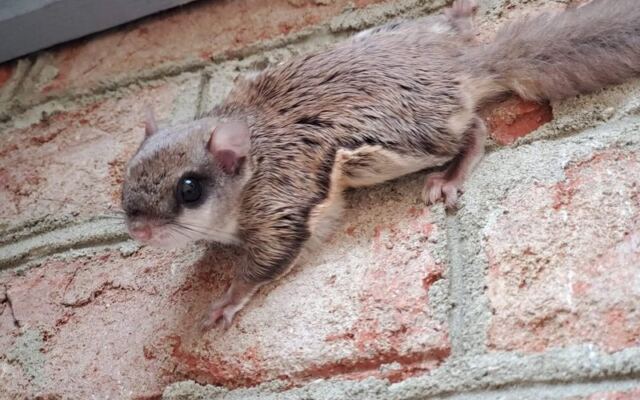
Massachusetts has a good reason to put flying squirrels on the list of suspects. According to Mass.gov, the southern flying squirrel is found statewide except in Dukes and Nantucket counties.
The northern flying squirrel was historically present, but the state reports no records since 1968. For a Massachusetts home, the southern species is the plausible one.
Despite the name, these animals do not truly fly. They glide, stretching a fold of skin between their front and back legs to sail from one spot to another.
Mass Audubon describes them as about 8 to 10 inches long and active at night, which is why people rarely see them.
Winter adds another detail. University of Missouri Extension explains that southern flying squirrels may share dens in cold weather, and they can use buildings as well as tree cavities.
Still, a documented habit of winter denning is a pattern across the species, not proof about your wall. A noise does not show that the animal is a flying squirrel, how many are inside, or when they arrived.
Think of flying squirrels as one reasonable possibility to test against the other clues.
What clues can help distinguish squirrels from mice and rats?
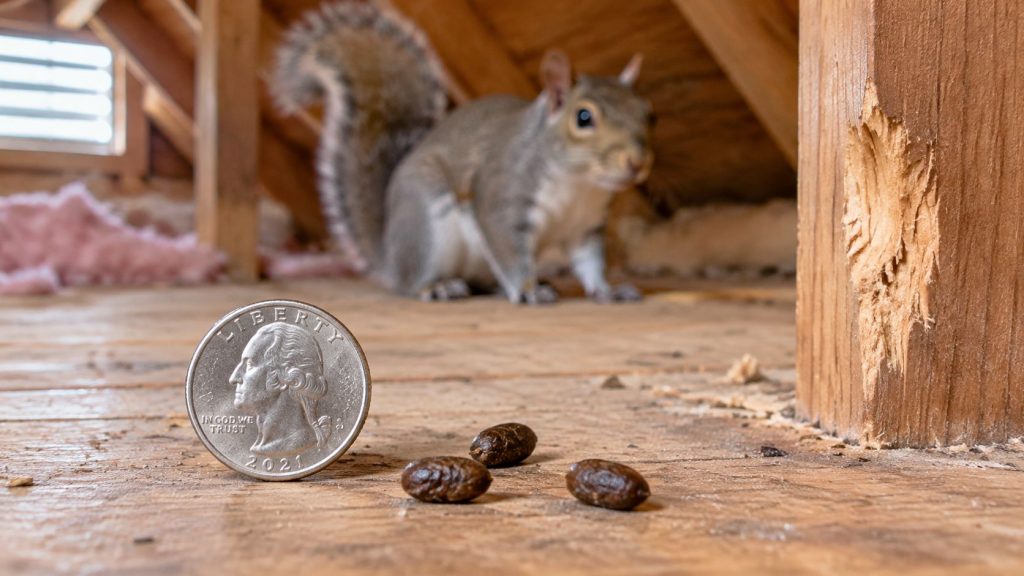
Wildlife-damage guides give some hints about what each animal sounds like. The Beasts Begone guide describes flying squirrel signs in buildings as nighttime landing sounds, scampering, gnawing, and high-pitched twitters.
Those details are worth writing down if you hear them.
The trouble is that mice and rats can also scamper and gnaw at night inside wall voids. A light patter or a gnawing noise could belong to any of them.
So a sound description can raise a question, but it cannot settle it.
Physical signs add context. Droppings can be compared in size and location, and gnaw marks show what has been chewed and how large the marks are.
Nesting material, such as shredded insulation or leaves tucked into a corner, may hint at where an animal is staying.
Entry points matter too. A gap along a roofline, a chewed edge near a vent, or a worn spot around a hole may show how an animal gets in and out.
Where that opening is can also narrow down which animal could fit.
Try not to turn this into a checklist that promises an answer. One clue, such as droppings, is not conclusive by itself.
When signs overlap or seem to point different ways, an inspection by someone experienced with wildlife may still be needed to say what is really living in your walls.
Inspect for evidence before acting
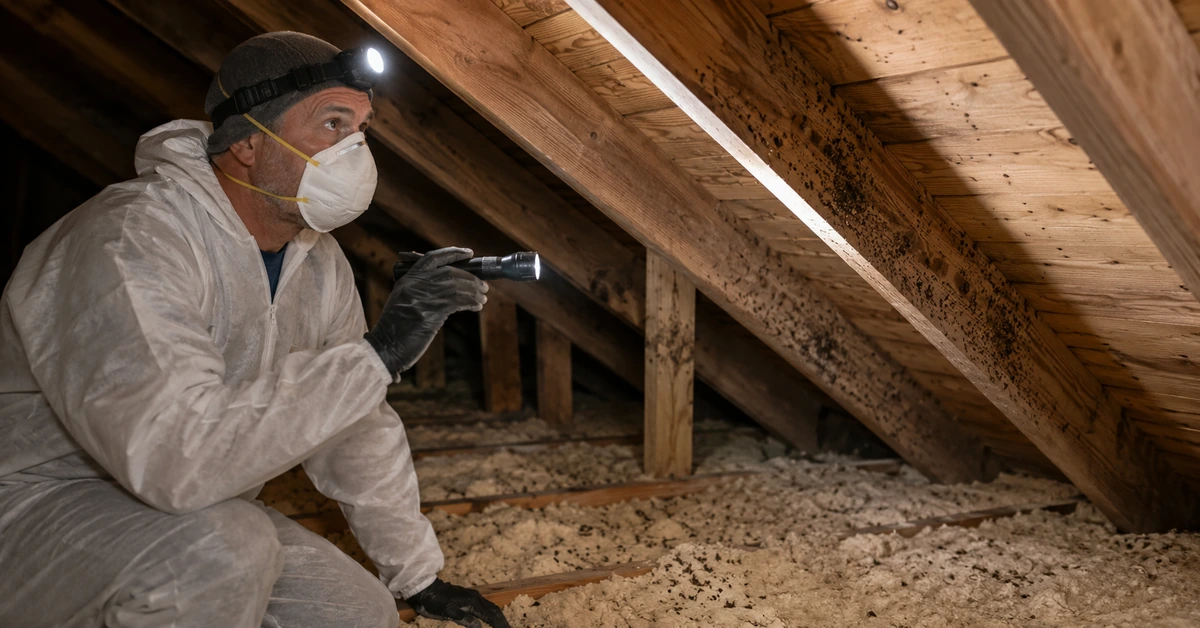
Once you have listened, it is time to look. Walk around the outside of the house and check along rooflines, vents, siding gaps, and where utility lines enter.
Inside, a flashlight can help you check attics, basements, and corners for droppings, gnaw marks, or nesting material.
Treat each finding as one piece of evidence. The Beasts Begone guide presents signs such as sounds, droppings, and chew marks as clues to assess together.
Taking photos and notes about when and where you hear noises can help you or a professional later.
Do not close an opening while an animal or its young may still be inside. Massachusetts wildlife guidance warns that improper exclusion can trap animals or separate adults from their young.
A sealed hole can leave animals stuck in a wall, where they may die or try to chew their way into living space.
Finding a likely entry point is useful, but it is not the same as being ready to block it. Finding it simply tells you where to focus later.
If you still cannot tell what the animal is, or whether anything remains inside, ask for a professional assessment. A licensed wildlife professional can look at the evidence and recommend a safe plan.
That is often quicker and safer than guessing.
Proper exclusion avoids trapping animals inside
The word humane gets used a lot, so it helps to be specific. In this setting, humane eviction means resolving access to your home without sealing animals in or splitting a mother from her young.
The goal is for animals to leave on their own and then be kept out.
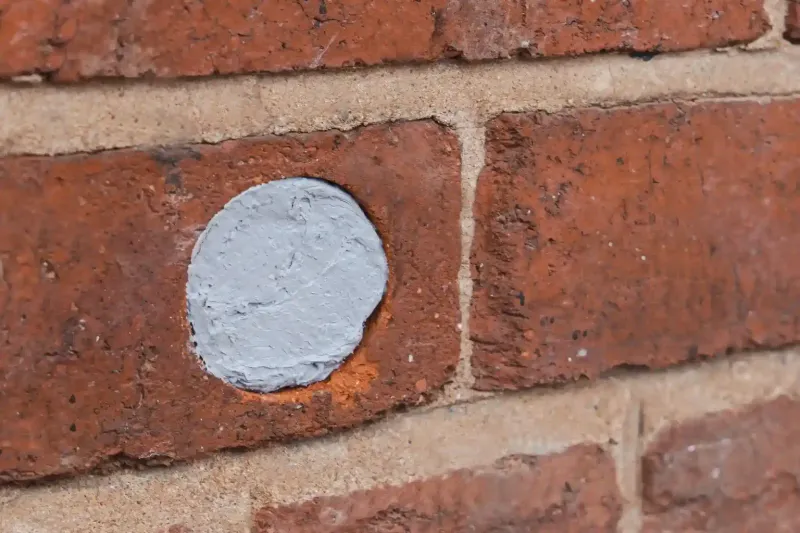
Massachusetts wildlife guidance says exclusion has to be done properly, and it cautions that doing it badly can trap animals inside or leave babies without their parents. Closing off a hole is not automatically safe, and it is not a complete plan by itself.
Timing and checking matter as much as materials. You need a reliable sense of whether anything is still inside, and whether young could be present.
If you cannot confirm that, the safest move is to pause and get help instead of improvising.
Massachusetts licenses Problem Animal Control agents for this kind of work. The state’s page on Problem Animal Control agents explains who they are and what they are allowed to do.
Hiring a licensed agent gives you someone who knows the rules and can judge your particular building.
This article does not lay out a step-by-step exclusion method, because the right approach depends on the animal, the house, and the season. A qualified professional can tailor it to your situation.
Massachusetts rules limit DIY capture and relocation
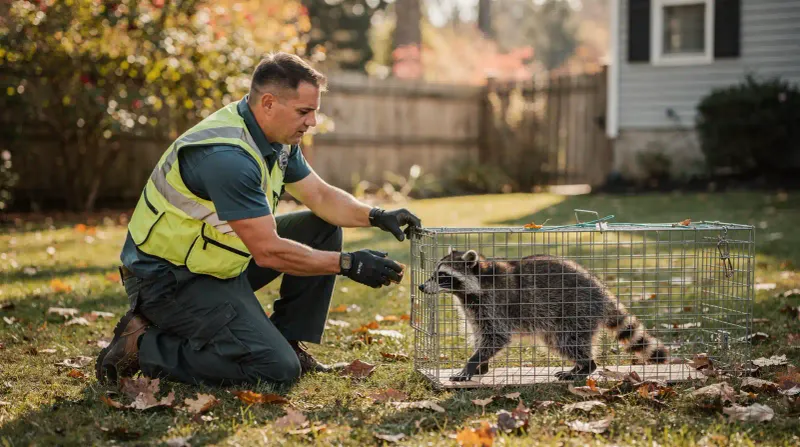
It may seem simple to set a trap, catch the animal, and drive it somewhere far away. Massachusetts does not make it that simple.
Live-animal handling and what happens to a captured animal are regulated, so a do-it-yourself trap-and-release plan is not something to assume is allowed.
The state’s page on moving wildlife explains that wildlife cannot be relocated off the property where it was caught. Moving an animal can also leave it in unfamiliar territory, and can separate it from dependent young.
Professional help is built into the system. According to Mass.gov, the state licenses Problem Animal Control agents, and its regulations include flying squirrels among the animals those agents may control.
The rules also say that, where possible and practical, agents should use or recommend exclusion rather than lethal control.
Avoid shortcuts that seem easy but cause harm. MassWildlife says it is illegal to use poisons to eliminate wildlife, including in buildings.
The state also warns against using mothballs in human-occupied dwellings.
If you are tempted to act on your own, call first. A licensed agent or the state wildlife office can tell you what is allowed in your town and for your situation.
Clean up safely and choose a measured next step
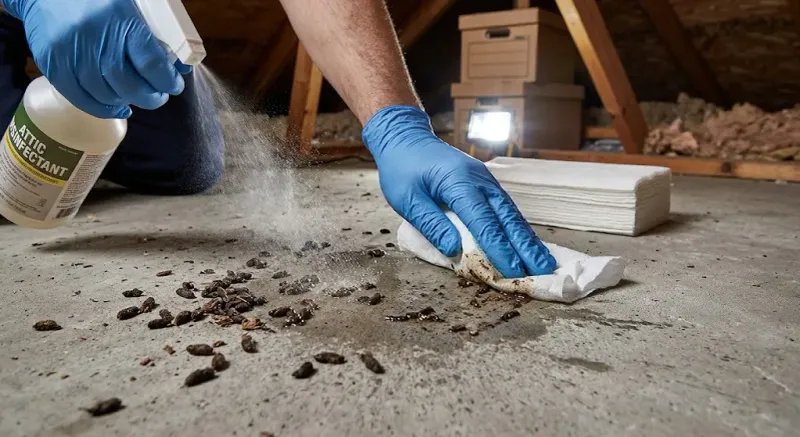
If you find droppings or nesting material, handle them with care. CDC guidance advises wearing gloves, wetting the material with disinfectant, and wiping it up instead of sweeping or vacuuming.
Heavy infestations call for extra precautions. This is general rodent cleanup advice, not a statement about any particular disease in Massachusetts flying squirrels.
Before you clean a space, make sure no animals or young are still using it. Clearing out a nest too early can disturb them.
The state’s wildlife guidance is a good reminder to check first, and a licensed agent can help if you are unsure.
Put the pieces together: weigh several clues, hold off on sealing, skip improvised relocation, and call in qualified help when identification or safe exclusion is unclear.
A wall noise is a question, and the answer comes from patient looking, not from the sound itself.
Share this story