Get the latest garden guides in your inbox →
Gardening Latest
  • General Gardening
  • Lawn Care
  • Plant Care
  • Composting
  • Soil Health
  • Backyard
  • Garden Muse Magazine
  • General Gardening
  • Lawn Care
  • Plant Care
  • Composting
  • Soil Health
  • Backyard
  • Garden Muse Magazine
  • News
  • Gardening Calendar
  • Garden Structures
  • Vegetable Garden
  • Vertical Garden
  • Raised Beds
  • Hydroponics
  • General Equipment
  • Community Gardens
Garden Themes
  • Spiritual Garden
  • Hydroseeding
  • Seeding and Laying Sod
  • Artificial Grass
  • Lawn Care Equipment
  • Plants
  • Trees
  • Planting Tools
  • Composting Basics
  • Fertilizer
  • Alternative Growing Mediums
  • Front Yard
  • Backyard Activities
  • Landscaping
Gardening Latest

Explore by state

Which state is your garden in?

Currently viewing Wisconsin

All states

Northeast

  • Connecticut —
  • Delaware 13
  • Maine —
  • Maryland 3
  • Massachusetts 15
  • New Hampshire —
  • New Jersey 3
  • New York 9
  • Pennsylvania 9
  • Rhode Island —
  • Vermont —

Southeast

  • Alabama 3
  • Arkansas —
  • Florida 3
  • Georgia 3
  • Kentucky 14
  • Louisiana 2
  • Mississippi —
  • North Carolina 1
  • South Carolina 13
  • Tennessee —
  • Virginia 2
  • West Virginia —

Midwest

  • Illinois 2
  • Indiana 4
  • Iowa 13
  • Kansas —
  • Michigan 3
  • Minnesota 2
  • Missouri 2
  • Nebraska —
  • North Dakota —
  • Ohio 3
  • South Dakota —
  • Wisconsin 14

Southwest

  • Arizona 3
  • Colorado —
  • Nevada —
  • New Mexico —
  • Oklahoma —
  • Texas 2
  • Utah —

West

  • Alaska —
  • California 3
  • Hawaii —
  • Idaho —
  • Montana —
  • Oregon —
  • Washington —
  • Wyoming —

No state matches that search.

Site menu

Gardening Latest
  • General Gardening
    • News
    • Gardening Calendar
    • Garden Structures
    • Vegetable Garden
    • Vertical Garden
    • Raised Beds
    • Hydroponics
    • General Equipment
    • Community Gardens
    Garden Themes
    • Spiritual Garden
  • Lawn Care
    • Hydroseeding
    • Seeding and Laying Sod
    • Artificial Grass
    • Lawn Care Equipment
  • Plant Care
    • Plants
    • Trees
    • Planting Tools
  • Composting
    • Composting Basics
  • Soil Health
    • Fertilizer
    • Alternative Growing Mediums
  • Backyard
    • Front Yard
    • Backyard Activities
    • Landscaping
  • Garden Muse Magazine

Explore

  • About GardeningLatest.com
  • Contact Us

Get the latest from the garden

New guides on lawn care, plants and backyard projects, sent when they go up.

Subscribe →

Follow

  • Facebook
  • X
  • Pinterest
  • YouTube
Wisconsin Gardening

Here’s What To Do Next If You Spot A Yellow Jacket Nest Near Your Wisconsin Home

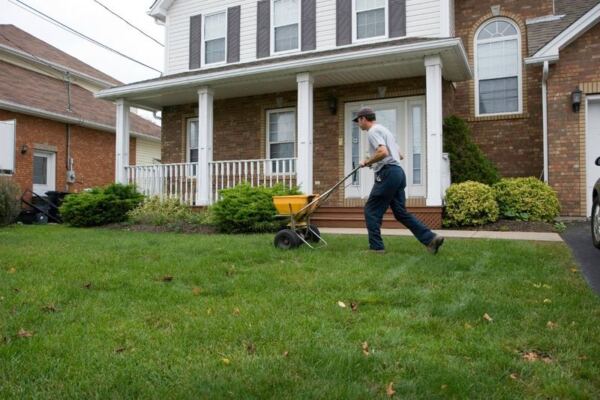
You are mowing, hanging laundry, or taking out the trash when wasps keep streaming in and out of a small hole.

HB

By Heidi Brandt

November 20, 2026 · 6 min read

Here’s What To Do Next If You Spot A Yellow Jacket Nest Near Your Wisconsin Home
Here's What To Do Next If You Spot A Yellow Jacket Nest Near Your Wisconsin Home

You are mowing, hanging laundry, or taking out the trash when wasps keep streaming in and out of a small hole. Many people panic, but the best next step is usually a calm, careful one.

Some nests are easy to avoid, while others sit right where your family walks. Here is how to tell the difference and keep everyone safe.

At a glance

Where
Wisconsin Gardening
Hardiness zone
5 −20 to −10°F
Read
6 minutes
Published
November 20, 2026

Start by confirming what you have found
Start by confirming what you have found
© Cooper Pest Solutions

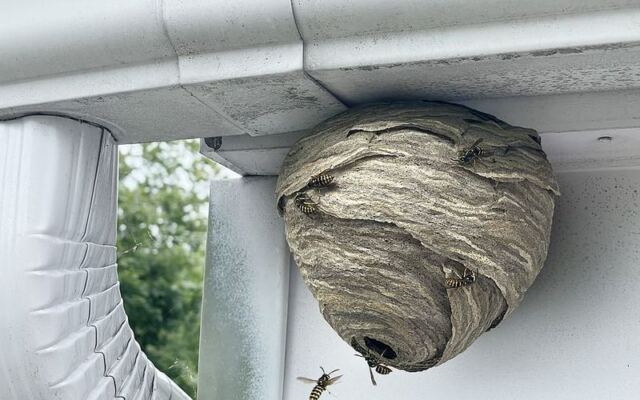
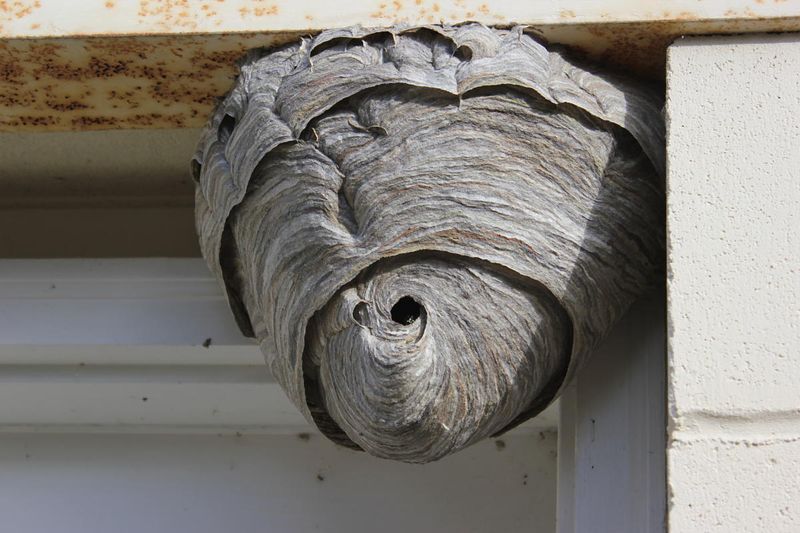
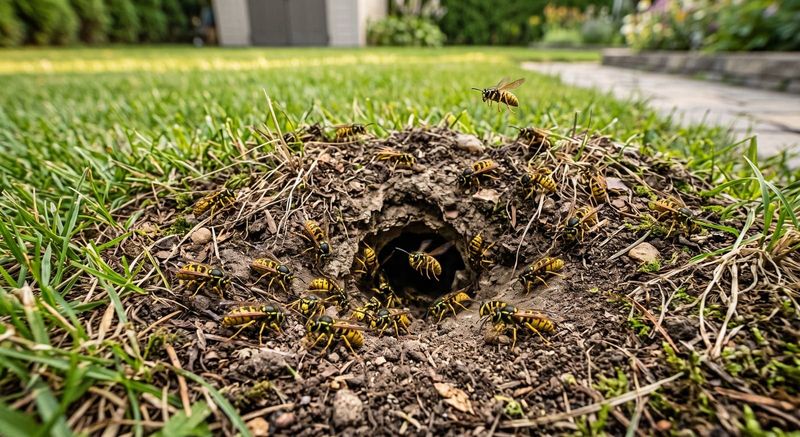
A suspected yellow jacket nest can hide in several places. It may be a hole in the ground, a gap in a wall, or an enclosed paper structure under an eave or in a shrub.

Wasps flying in and out of one opening is often the first clue you will get.

Looks can fool you. Yellow jackets are easy to mix up with bees and other wasps, and each insect calls for a different response.

According to UC IPM guidance, yellow jackets may nest in the ground, in wall cavities, or in enclosed paper nests, so location alone will not settle the question.

If you are not sure what you are looking at, do not walk up for a closer look and do not treat the site. Watch from a safe distance, then ask for expert identification.

A local county Extension office or a licensed pest-control business is a sensible place to start.

Also be careful about assuming the visible opening tells the whole story. Virginia Tech Extension notes that nests can be underground or inside building spaces, and there may be more than one entrance.

The hole you see could be just one doorway into a much larger colony.

Keep people clear and avoid disturbing the nest
Keep people clear and avoid disturbing the nest
© Ultra Pest Control

Yellow jackets defend their nests, and disturbing one raises the chance of stings. The simplest safety step is to give the area plenty of room.

Tell everyone in the household, including kids and visiting neighbors, where the nest is.

A nest inside a wall, in a hard-to-reach spot, or anywhere treatment would put someone at risk calls for a professional.

Keep children and pets away from the spot. Do not mow over it, poke it, throw things at it, or block the opening.

Even a lawn mower’s vibration can set off a rush of defenders, so it helps to mark the area with a flag or a cone you can see from a distance.

Next, cut down on the food that draws wasps to your yard. UC IPM recommends covering food and drinks, cleaning up spills, and keeping garbage covered.

Sweet sodas and open cans at a cookout are common culprits.

These habits make your yard less appealing and lower the odds of a surprise encounter. They will not get rid of a nest that is already there, though.

Think of them as basic safety manners while you decide what to do about the colony itself.

Decide whether the nest creates an unavoidable hazard
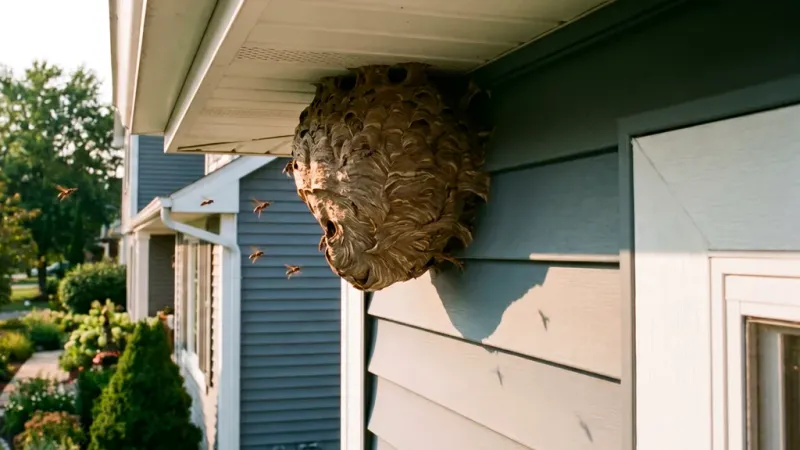
Decide whether the nest creates an unavoidable hazard
© Paladin Pest Solutions

Distance from the house is not the best test. What matters is exposure: can people go about their day without passing near the nest?

A nest at the back edge of a wooded lot is a very different situation from one beside the front steps.

Ask a few plain questions. Is it next to a doorway, a play area, or a path you use daily?

Is it on your regular mowing route? Do you have to work, garden, or play near it?

If the answer is yes, the nest is an unavoidable hazard and control is worth arranging.

If everyone can steer clear, leaving it alone may be reasonable. Extension guidance supports coexistence with an isolated nest and treatment when the hazard cannot be avoided.

Yellow jackets also prey on other insects, and, as Virginia Tech explains, they are not simply bad pests.

Colonies are generally annual, so a nest is not a permanent resident. In Wisconsin, UW Extension has described late-season colonies as naturally declining.

Timing varies, though, and no particular nest is guaranteed to go quiet by a set date.

Treating one nest also will not clear every yellow jacket from your property, since workers may forage from nests farther away. Waiting is a choice only when avoidance truly works.

If you find yourself dodging the spot every day, that is your cue to call for help.

Use professional help for wall nests and risky jobs
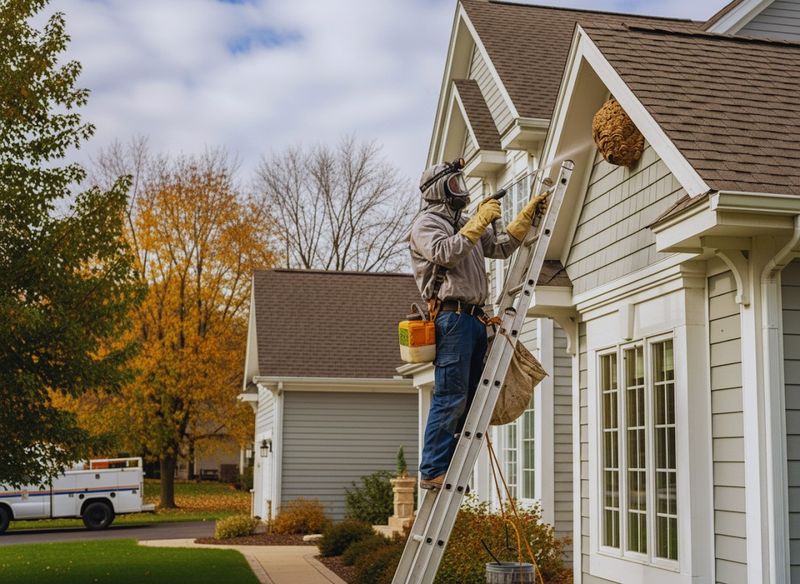
Use professional help for wall nests and risky jobs
© 1st Choice Pest Solutions

Some nests are simply not good do-it-yourself projects. A nest inside a wall, in a hard-to-reach spot, or anywhere treatment would put someone at risk calls for a professional.

Think of a ladder, a roofline, or a crawl space with a swarm of angry defenders.

Wall nests are tricky because they are hard to find and hard to treat accurately. Virginia Tech Extension warns against plugging the entrance to an active wall nest, because workers may find or chew another route, sometimes into the living space.

When you hire help in Wisconsin, check credentials. The state DATCP says businesses that apply pesticides for hire must hold the required business license.

Their applicators must also hold the appropriate individual licenses and certifications.

A business license alone is not enough, so ask about the technician too. Good questions to ask include who will do the treatment, how they will handle the nest location, and what you should do with pets and children afterward.

A reputable company will answer plainly.

Let the exact pesticide label govern any DIY treatment
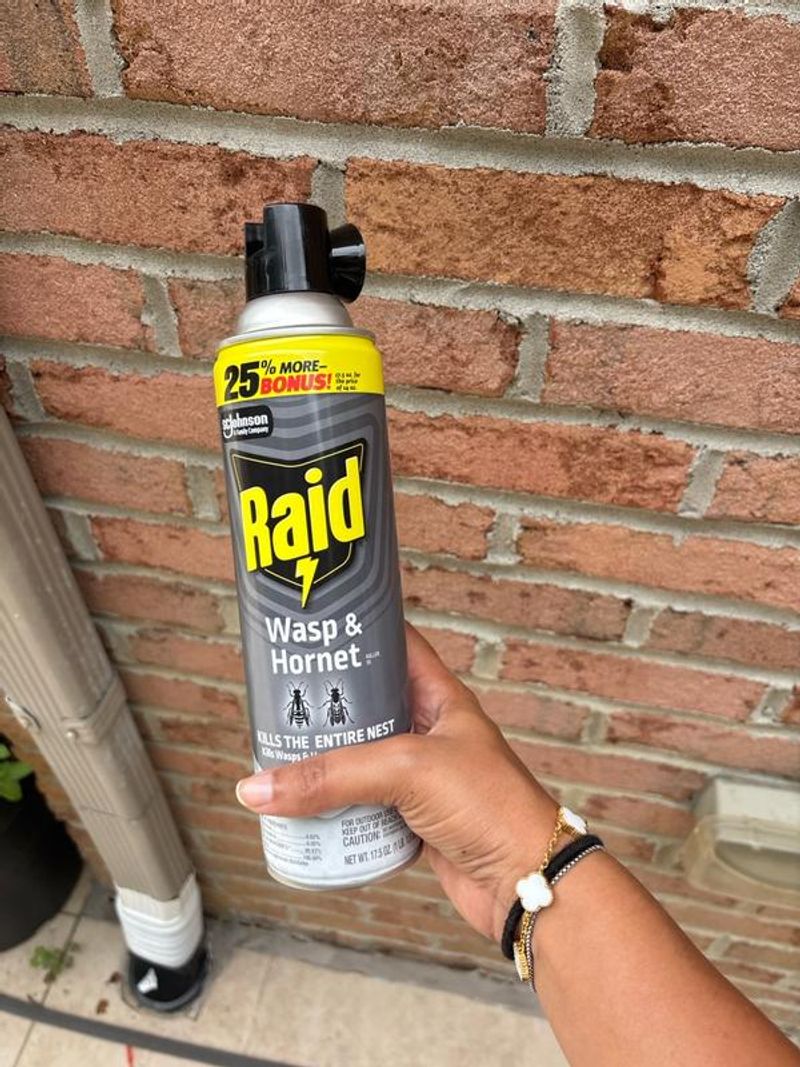
Let the exact pesticide label govern any DIY treatment
© Raid

If you are weighing a do-it-yourself treatment for an accessible nest, the product label is your rulebook. Directions differ from one product to the next, so follow the exact label for timing, distance, weather, protective gear, pets, and water.

Skipping any of them can raise the risk to you and others.

One current EPA-filed label shows how specific these directions get. It calls for treating in still air, from a safe distance, and not directly beneath the nest, and it sets a 48-hour wait before nest removal.

Those details belong to that product and are not rules for any other one.

Several shortcuts are best skipped. Extension sources warn that fire, smoke, gasoline, and flooding a nest are dangerous or ineffective and can provoke stinging.

Virginia Tech also advises against sealing an active wall entrance.

What about hanging a paper-bag decoy? Penn State Extension reports no clear evidence that decoy nests keep wasps from nesting.

If reading the label leaves you unsure, that is a good sign to call a professional.

Know when a sting needs emergency help
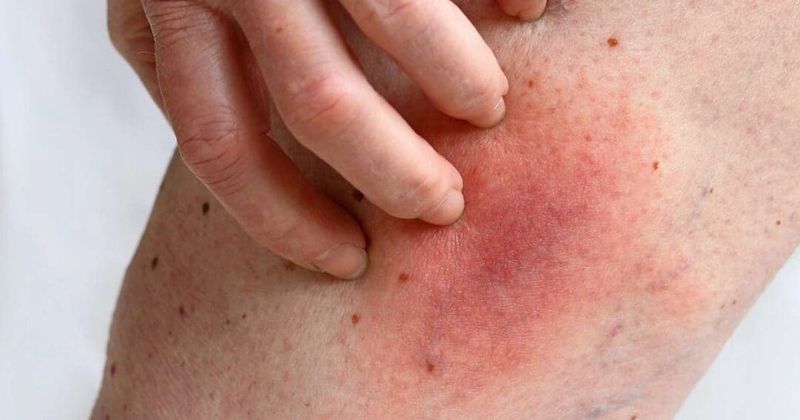
Know when a sting needs emergency help
© Allergy & Asthma Network

Most stings cause pain, redness, and a bit of swelling at the spot. A serious allergic reaction is different.

Get emergency help for trouble breathing, swelling of the throat or tongue, collapse, or other signs that the reaction is spreading beyond the sting.

People who know they are allergic to stings should have a plan before an encounter. MedlinePlus advises those with a known sting allergy to carry a prescribed epinephrine kit and use it promptly after a sting.

It lists 911 for emergencies and Poison Control at 1-800-222-1222 for guidance.

Tell family members where the kit is kept, and keep it with the allergic person when working near the yard. A nest you can see is a good reason to review that plan.

Calm preparation beats a frantic scramble. A nest you can avoid is just a neighbor, and a plan keeps even a surprise sting manageable.

Share this story
HB

Written by

Heidi Brandt

More from Heidi Brandt →

About Gardening Latest

Gardening Latest provides in-depth guides to maintaining and enhancing your garden and backyard. Learn how to make the most of the space you have and create a beautiful garden.

More about us →

Latest stories

  • Iowa GardeningHearing Coyotes Howl Near Your Iowa Home Late at Night? Here’s What It Really Means

    Hearing Coyotes Howl Near Your Iowa Home Late at Night? Here’s What It Really Means

    43 min ago
  • Massachusetts GardeningHearing Scratching in Your Massachusetts Walls at Night? Flying Squirrels Are One Possibility

    Hearing Scratching in Your Massachusetts Walls at Night? Flying Squirrels Are One Possibility

    1 hr ago
  • Delaware GardeningA Virginia Opossum Crossing Your Delaware Yard on a Cold Night Is Generally Normal Wildlife Activity

    A Virginia Opossum Crossing Your Delaware Yard on a Cold Night Is Generally Normal Wildlife Activity

    1 hr ago
  • Kentucky GardeningKentucky’s Northern Short-Tailed Shrew Has a Venomous Bite, and Your Fallen Leaves Make Good Habitat

    Kentucky’s Northern Short-Tailed Shrew Has a Venomous Bite, and Your Fallen Leaves Make Good Habitat

    1 hr ago
  • South Carolina GardeningHere’s What It Means When South Carolina Collards Shoot Up a Tall Flower Stalk, and Whether to Cut It Off

    Here’s What It Means When South Carolina Collards Shoot Up a Tall Flower Stalk, and Whether to Cut It Off

    1 hr ago

Gardening by state

Stories for your state, and the hardiness zone most of it gardens in.

Keep exploring

Read next

All Wisconsin Gardening →
Wisconsin GardeningAdult Blacklegged Ticks May Be Active During Some Mild Wisconsin Winter Spells, but Activity Is Intermittent and Generally Lower
Wisconsin Gardening

Adult Blacklegged Ticks May Be Active During Some Mild Wisconsin Winter Spells, but Activity Is Intermittent and Generally Lower

5 hr ago
Wisconsin GardeningWhat Those Late-Night Coyote Howls Around Your Wisconsin Home Really Mean
Wisconsin Gardening

What Those Late-Night Coyote Howls Around Your Wisconsin Home Really Mean

19 hr ago
Wisconsin GardeningWisconsin Bars All Fertilizer on Frozen Turf, While Phosphorus Lawn Fertilizer Faces a Separate Restriction
Wisconsin Gardening

Wisconsin Bars All Fertilizer on Frozen Turf, While Phosphorus Lawn Fertilizer Faces a Separate Restriction

Yesterday

More from Wisconsin Gardening

  • What Happens To Your Body When You Eat Celery Every Day In Wisconsin

    Nov 18
  • These Venomous Creatures Share Your Wisconsin Yard, And Here’s How To Recognize Each One

    Nov 17
Back to top

Leave a response Cancel

Your email address stays private. Required fields are marked with an asterisk.

Gardening Latest

In-depth guides to maintaining and enhancing your garden and backyard: how to make the most of the space you have, and how to make it beautiful.

  • Facebook
  • X
  • Pinterest
  • YouTube

We may earn a portion of sales from products or services that are purchased through our site as part of our affiliate partnerships with retailers.

Explore

  • About GardeningLatest.com
  • Contact Us
  • Terms and Conditions
  • Privacy
  • Editorial Note:
  • FTC Disclosure

Newsletter

New garden guides and seasonal tips, straight to your inbox.

We’ll email you a link to confirm. Unsubscribe any time.

Almost there! Check your inbox and tap the link to confirm.

© 2026 Gardening Latest. All rights reserved.

Back to top