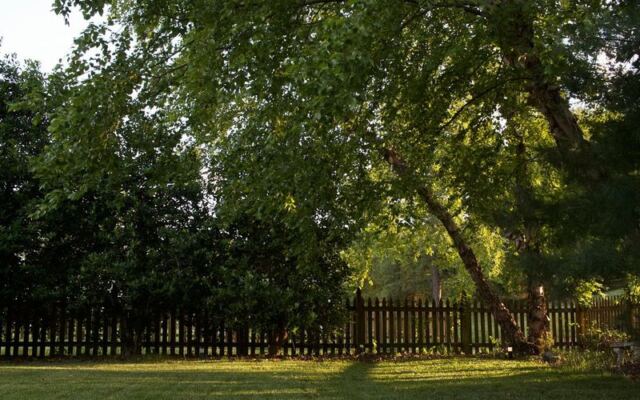
A big limb from the neighbor’s maple hangs over your fence, drops leaves in your gutters, and scrapes your roof. Iowa law gives you some power to deal with it, but that power has edges.
Where you cut and how you cut can decide whether you solve a problem or create a legal one. Here is what Iowa law generally allows and where the risks begin.
Iowa allows limited self-help at the property line
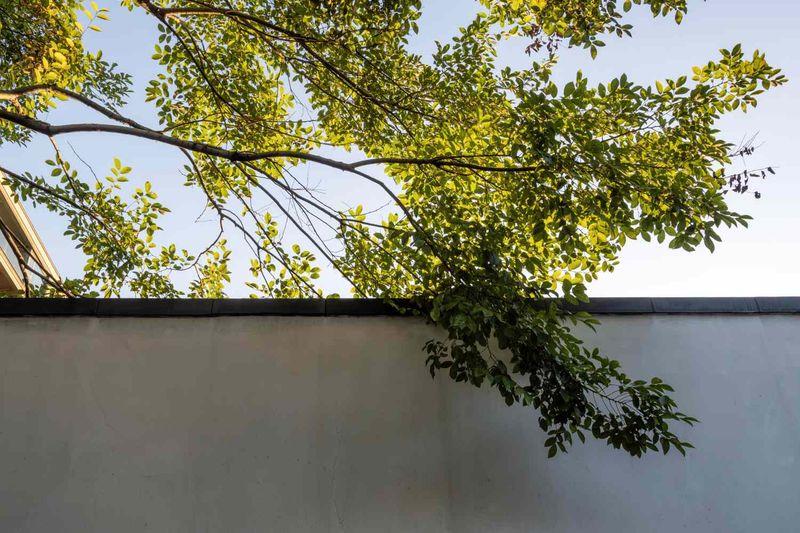
Iowa generally follows what lawyers call the Massachusetts Rule. Under it, an adjoining owner may use self-help to cut encroaching tree branches back to the actual property line, as described by Iowa State’s Center for Agricultural Law and Taxation.
In plain terms, the part of the branch that crosses onto your land is the part you may remove.
The rule traces back to an Iowa Supreme Court case from 1904. In Harndon v.
Stultz, the court said an owner could cut overhanging limbs at the line, and could deal with roots that entered the owner’s soil, but could carry the objection no further. That last phrase matters as much as the permission itself.
So the right is real, but it is narrow. It does not let you cross onto the neighbor’s land to cut.
It does not let you cut a limb that stays on the neighbor’s side. And it does not let you remove or destroy a tree that stands on the neighbor’s property, even if the tree bothers you a great deal.
Think of it as permission to deal with what comes onto your land, not permission to reshape the neighbor’s tree. The sections ahead cover the practical limits, starting with the question of where the line actually sits.
Every dispute has its own facts, so none of this replaces advice from a lawyer about your situation.
Confirm the legal boundary before you cut
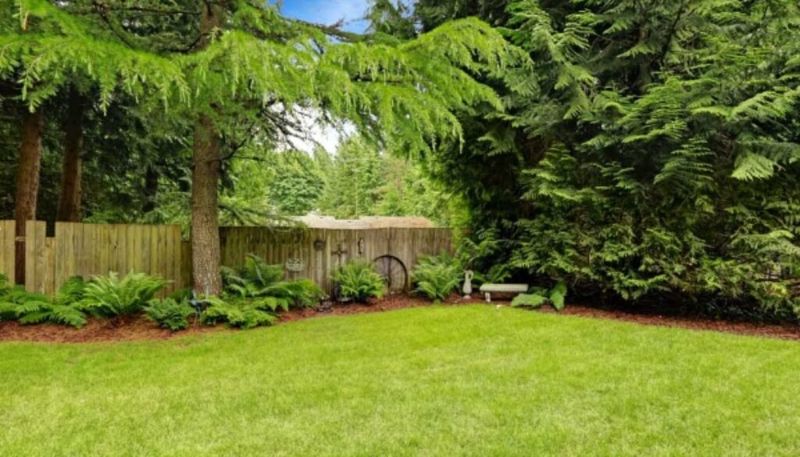
Many people measure from the fence and call it good. A fence, though, may not mark the legal boundary.
Fences get built a few feet off the line, and sometimes they stay there for decades.
Iowa law also recognizes that a boundary can be established by acquiescence. Iowa Code section 650.14 addresses this, and Iowa Code chapter 650 sets out a process for it.
When neighbors have treated a line as the boundary for a long time, the answer to where it really is can depend on specific facts.
That is why the fence alone should not be treated as the final word in a disputed situation. A branch that looks like it crosses your fence might sit over your neighbor’s land, or the reverse.
Cutting based on a guess can mean you remove growth you had no right to touch.
Start with your deed, a plat map, or survey markers if you have them. If the line or ownership is uncertain, pause.
Try to reach an agreement with your neighbor about where the boundary is, or get advice from a licensed surveyor or an attorney. A short delay costs far less than a dispute over a tree you cut in the wrong place.
Willful tree injury can lead to treble damages
Iowa has a statute aimed at people who hurt other people’s trees. Iowa Code section 658.4 provides treble damages, meaning three times the loss, for willfully injuring a tree or shrub on another person’s land.
The key word is willfully.
That word keeps the statute from working like a trap. It does not say that any pruning, or any accident, triggers triple damages.
A cut that goes wrong is not the same as a deliberate act taken without regard for the owner’s rights.
A 2015 case shows how courts can treat the difference. In Lackman v.
Muff, the Iowa Court of Appeals affirmed ordinary damages for trees removed from a neighbor’s land. It upheld the denial of treble damages, because the factfinder did not find willful disregard of the owners’ rights.
The court described the standard as intentional and deliberate action without regard to others’ rights.
Treat that case as one example, not a forecast. Another court, looking at different facts, could reach a different result.
Uncertainty over a boundary mattered in that case, but it will not protect everyone.
The practical lesson is simple. Even without treble damages, you can still owe ordinary damages for harm you cause.
Staying on your side of the line and cutting carefully are your best protections.
Prune carefully to reduce the risk of harming the tree
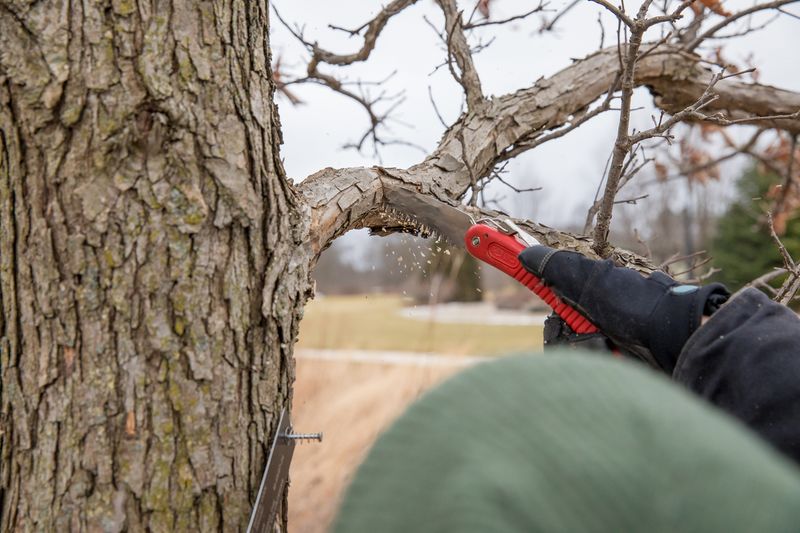
Cutting only what crosses the line is half the job. The other half is how you cut.
Iowa State University Extension advises against flush cuts, stubs, and topping, since each can leave a tree more open to damage or decay.
A flush cut slices a branch right against the trunk and removes tissue the tree needs to heal. A stub is the opposite mistake, a leftover piece of branch that dies back.
Topping chops large limbs to blunt ends, which is hard on a tree’s health.
Extension guidance points to a better approach. Cut back to the branch’s point of origin, or to a side branch large enough to take over as the new growth leader.
That way the cut ends at a natural place on the tree rather than in the middle of a limb.
Good technique has a limit, though. Careful pruning may lower the risk of injuring the tree, but it is not a guarantee that a cut is legally safe.
It also does not expand your right to cut beyond the property line.
If an overhanging limb is large, high, or heavy, a certified arborist can make clean cuts safely. Ask whether the cut location can stay on your side of the boundary.
Treat vines, power lines, and public areas as special cases
The rule discussed so far is about tree branches. Iowa State’s legal center and the Harndon decision speak to trees, limbs, and roots, and Harndon also involved a hedge.
The sources do not lay out a complete rule for every vine or climbing plant. If a neighbor’s vine spreads over your fence or up your wall, treat it as a fact-specific issue rather than assuming it works just like a branch.
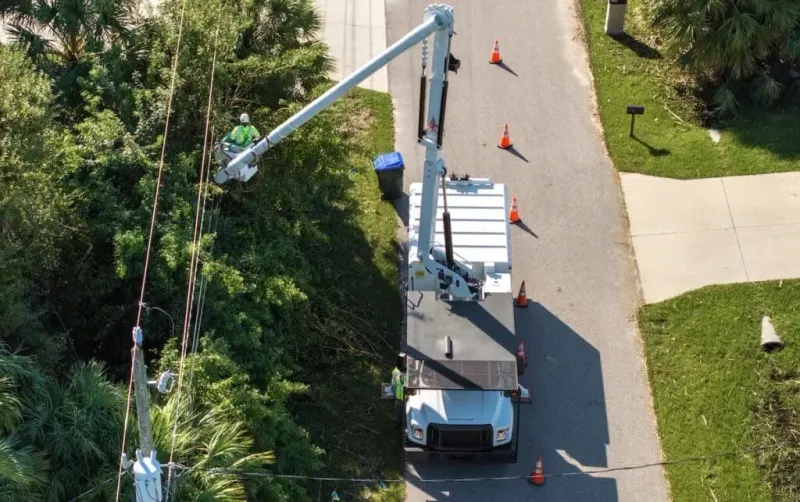
Power lines call for a firm stop. The Iowa Utilities Commission says to assume lines are energized, never climb trees near them, and hire a professional to trim vegetation near power lines.
Do not try this yourself, no matter how small the limb looks.
Public areas add another layer. Branches or growth that affect streets, sidewalks, public rights-of-way, or public safety may be covered by local rules.
Iowa Code section 364.12 addresses city powers and duties, including nuisance abatement, so cities may require owners to fix certain problems.
Cities handle trees differently. A discussion of neighbor trees in the City of Ames FAQ is one example of local guidance.
Before working near a street or sidewalk, check your own city code or call city offices.
Talk with your neighbor and plan the work
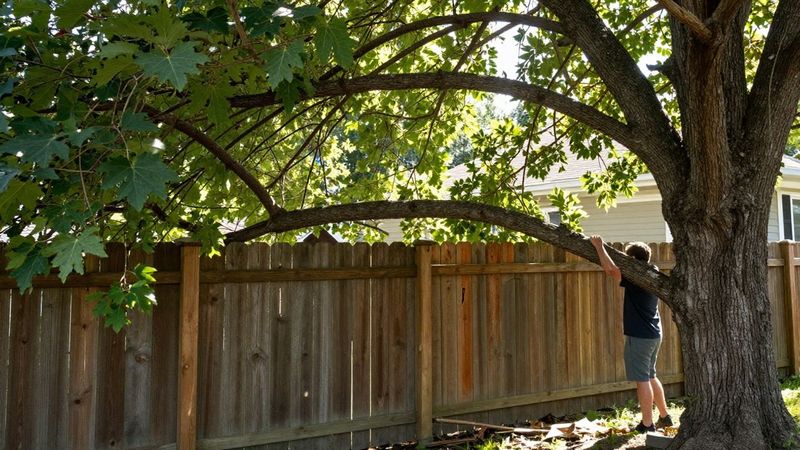
A sensible order helps. Confirm the boundary first, then identify only the growth that actually crosses it.
Next, talk with your neighbor when that is practical. Iowa State’s agricultural law center recommends trying to reach an agreement.
Consent is not always legally required, but a friendly heads-up can prevent a bigger fight.
Bring in a professional for work that is uncertain or hazardous, and always for anything near power lines, as the Iowa Utilities Commission advises.
Your right is to trim what crosses the line, not to damage a tree on the other side. A short conversation costs nothing, and a bad cut can cost plenty.
Share this story