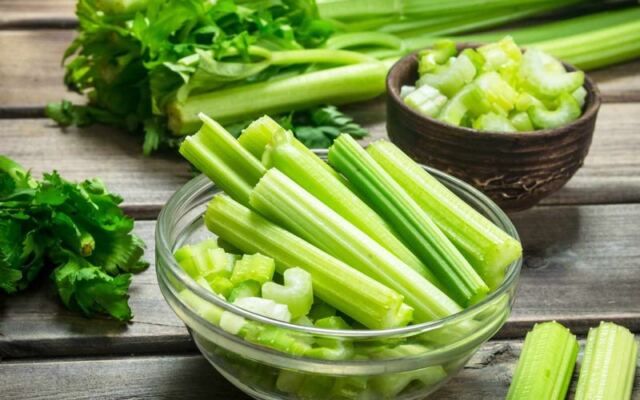
Celery shows up in lunch boxes, hotdishes, and snack trays all over Iowa. Some people say eating it daily does amazing things for your body.
Others say it is just crunchy water. Here is what a daily celery habit can and cannot do, based on the best information we have.
Celery adds volume with few calories
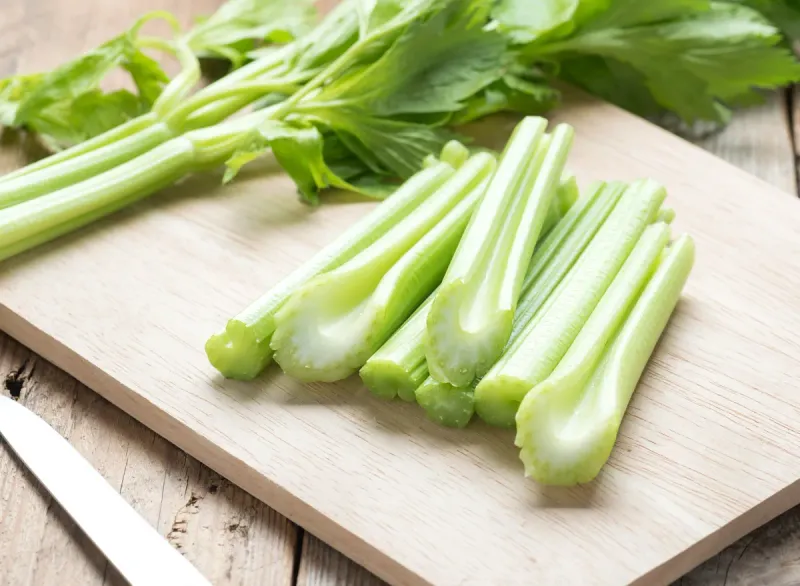
Picture a big crunchy stalk of celery next to a candy bar. The celery fills your hands and your mouth for very few calories.
That is its main nutritional trick.
According to USDA FoodData Central, raw celery has about 14 calories and 1.6 grams of fiber per 100 grams. That is roughly a couple of medium stalks, though real portions vary depending on how big your stalks are and how many you eat.
Those numbers describe a light, watery vegetable that adds crunch and a little fiber. They do not describe a weight-loss tool, a detox, or a disease shield.
A food being low in calories is not the same as a food changing your health on its own.
What celery does for you depends on what it adds to your day. If it takes the place of a snack you would otherwise skip the vegetables with, that is a small win.
If it simply gets added on top of everything else, the difference will be modest.
Living in Iowa does not change any of this. A stalk grown near Des Moines or bought in a store in Dubuque has the same basic nutrition information.
The state is where you live, not a special ingredient in the celery.
Whole stalks keep the fiber that juice may lose

Chewing a celery stalk and sipping celery juice may feel like the same habit, but they are not the same food. When you eat the stalk, you get the fiber that is part of the plant.
Juicing, especially when the juice is strained, can leave much of that fiber behind in the pulp.
Not every juice is the same. Some are strained heavily and some are not, so it would be wrong to say all juice has no fiber or no nutritional value.
The point is that juice is not a like-for-like swap for the whole vegetable.
The 2025-2030 Dietary Guidelines for Americans lean toward whole forms of vegetables and fruits. They also advise limiting portions of 100% juice.
Eating a stalk also takes more time. You chew it, and that slows you down in a way a quick glass does not.
That is one more practical reason whole celery makes a simpler daily choice.
Nothing here says a glass of celery juice is harmful. It just should not be treated as a cleanse or as a replacement for eating vegetables whole.
If you like the taste, think of it as a drink, not a remedy.
A celery habit matters in the context of the whole diet
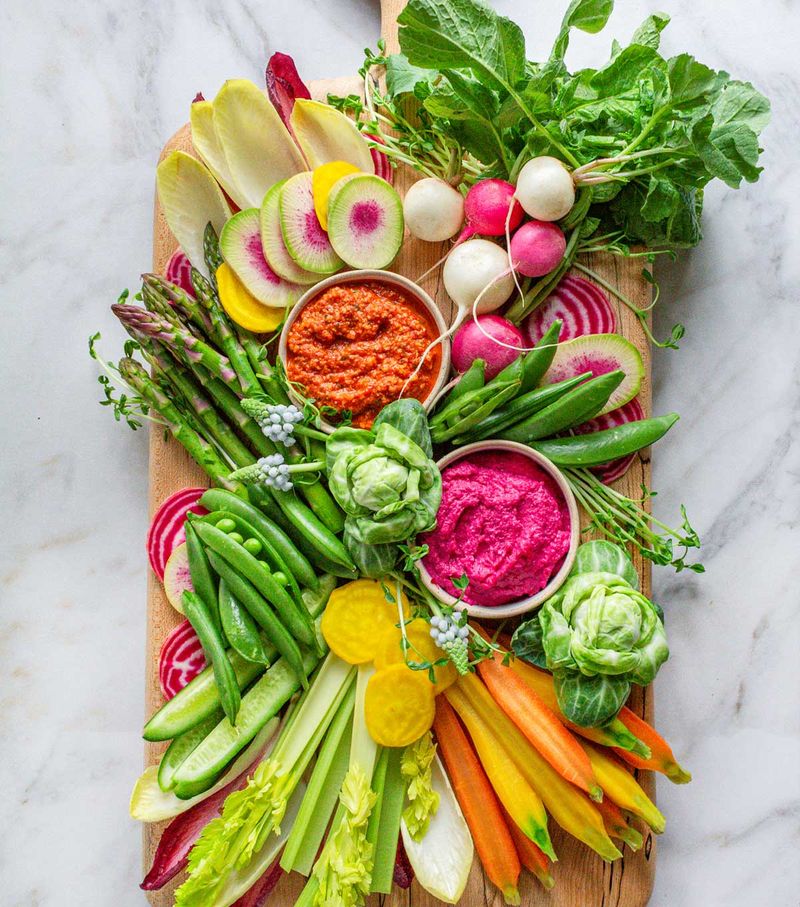
Think of a dinner plate with only celery on it. It would be crunchy, but pretty bare.
Celery does its best work as one piece of a bigger, varied way of eating.
The Dietary Guidelines for Americans encourage a variety of vegetables and fruits. For a 2,000-calorie eating pattern, the vegetable goal is three servings a day, adjusted to each person’s needs.
That goal does not mean three servings of celery. It means three servings from a mix of vegetables.
Dark leafy greens, orange vegetables, beans, and others all bring different things to the table.
So the useful question is what celery replaces. If it stands in for chips at snack time, it may be a helpful swap.
If it pushes out carrots, spinach, or tomatoes you would otherwise eat, you may lose variety.
The same goes for more nutrient-dense foods. A celery habit should sit alongside them, not shove them aside.
Eating it every day is fine if you enjoy it, but it is optional, not a requirement for a healthy diet.
A simple way to keep balance is to rotate. Celery with peanut butter on Monday, carrots with hummus on Tuesday, and a salad with peppers later in the week.
Blood-pressure findings do not prove a daily stalk works
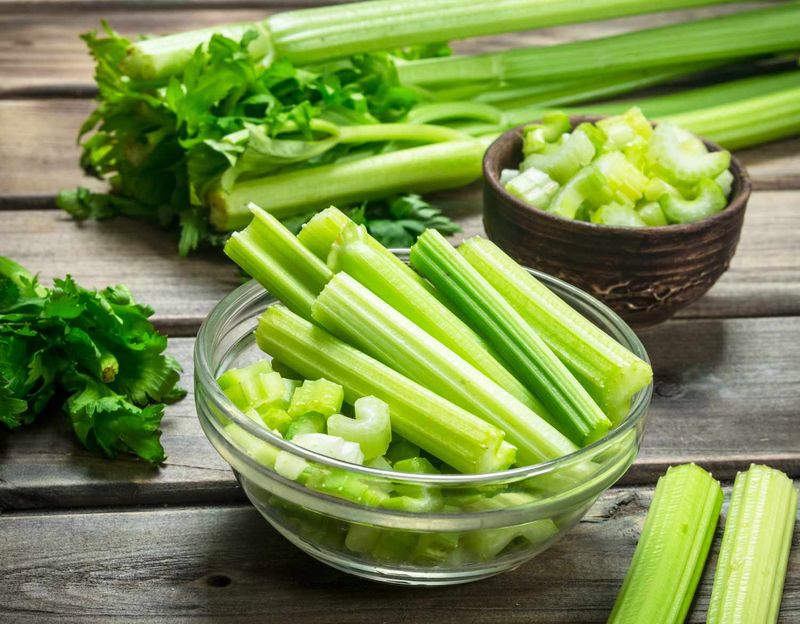
Headlines love to claim celery lowers blood pressure. The research is more tangled than that.
A 2025 systematic review and meta-analysis pulled together 10 randomized trials with 511 people.
The review reported possible improvements in blood pressure and some metabolic measures. That sounds promising, and it is a reason for researchers to keep studying celery.
It is not a reason to expect a result from your lunch.
The studies were small. They also differed a lot from one another, and the authors noted the need for better trials.
The celery used in them varied too, and it included preparations such as seeds or supplements.
That last point matters. A concentrated seed extract or supplement is not the same as crunching on stalks.
Doses and findings from supplement studies cannot be carried over to a regular serving of celery.
So the fair reading is this. There is a hint that celery products may help in some settings, and nothing that shows a daily stalk prevents or treats high blood pressure or any other disease.
If you have high blood pressure, medication and advice from your clinician come first. Celery can sit on your plate as a vegetable you enjoy, not as a treatment plan.
Sodium in celery is not a reason to fear it, either.
Wash celery under running water before eating it
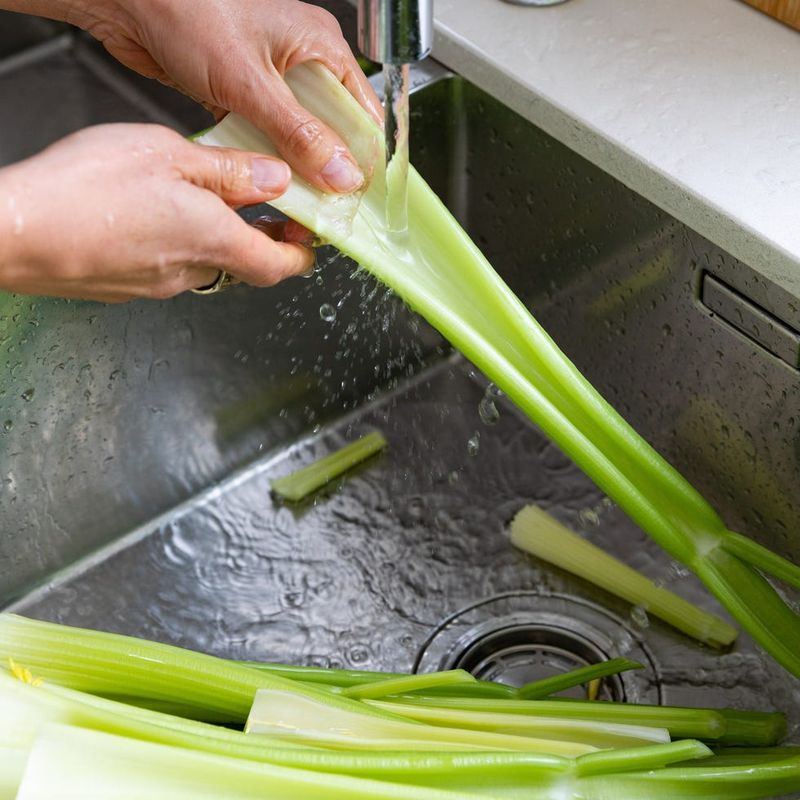
A daily celery habit means a daily rinse. The FDA advises washing produce under running water before you eat it or cut it.
Skip the soap and detergent. The FDA also advises against commercial produce washes.
Plain running water does the job you need.
Rubbing the stalks gently as the water runs can help loosen dirt, especially in the grooves along the outside. Dry them with a clean cloth or paper towel afterward.
Washing can reduce bacteria on the surface, but it cannot remove all of it. That is not a sign that celery is especially risky.
It is just how fresh produce works, and a good rinse is a sensible habit with any raw vegetable.
Cutting is the reason to wash first. A knife can drag germs from the outside of a stalk into the inside.
Rinsing before you chop keeps that from happening as easily.
Keep celery intake consistent if you take warfarin

Warfarin is a blood thinner, and it works in a delicate balance with vitamin K. Vitamin K is found in a number of foods, including many vegetables.
The key word for people taking warfarin is consistency.
According to MedlinePlus, anyone on warfarin should avoid abrupt changes in vitamin-K-containing foods. Suddenly eating much more or much less can throw off how the medicine works.
That does not mean celery is dangerous for everyone on warfarin. It means starting a new daily celery habit is a change worth mentioning before you make it.
A good next step is to ask your clinician or pharmacist how to keep your intake steady. They know your dose and your blood test results, so they can give guidance that fits you.
This article cannot do that.
If you already eat celery regularly, steady is fine to keep. A sudden juice cleanse or a week of heavy celery snacking is the kind of shift to check first.
Pollen allergies can make celery a trigger for some people

If spring sneezing is part of your life, celery can occasionally join the story. Some people with pollen allergies react to certain raw fruits, vegetables, or nuts.
This is called pollen-food allergy syndrome.
The usual sign is an itchy mouth or throat soon after eating the raw food. It happens because some proteins in plants look similar to pollen proteins to the immune system.
Most people will not react to celery. This is a concern for a smaller group, mainly those who already have pollen allergies.
If your mouth tingles after a crunchy stalk, pay attention and mention it to your doctor or an allergist. Stop eating the food that causes it until you get advice.
Get medical attention for symptoms beyond the mouth, or if you have difficulty swallowing. Those signs mean it is more than a mild itch and should be checked right away.
Treat daily celery as an option, not a remedy
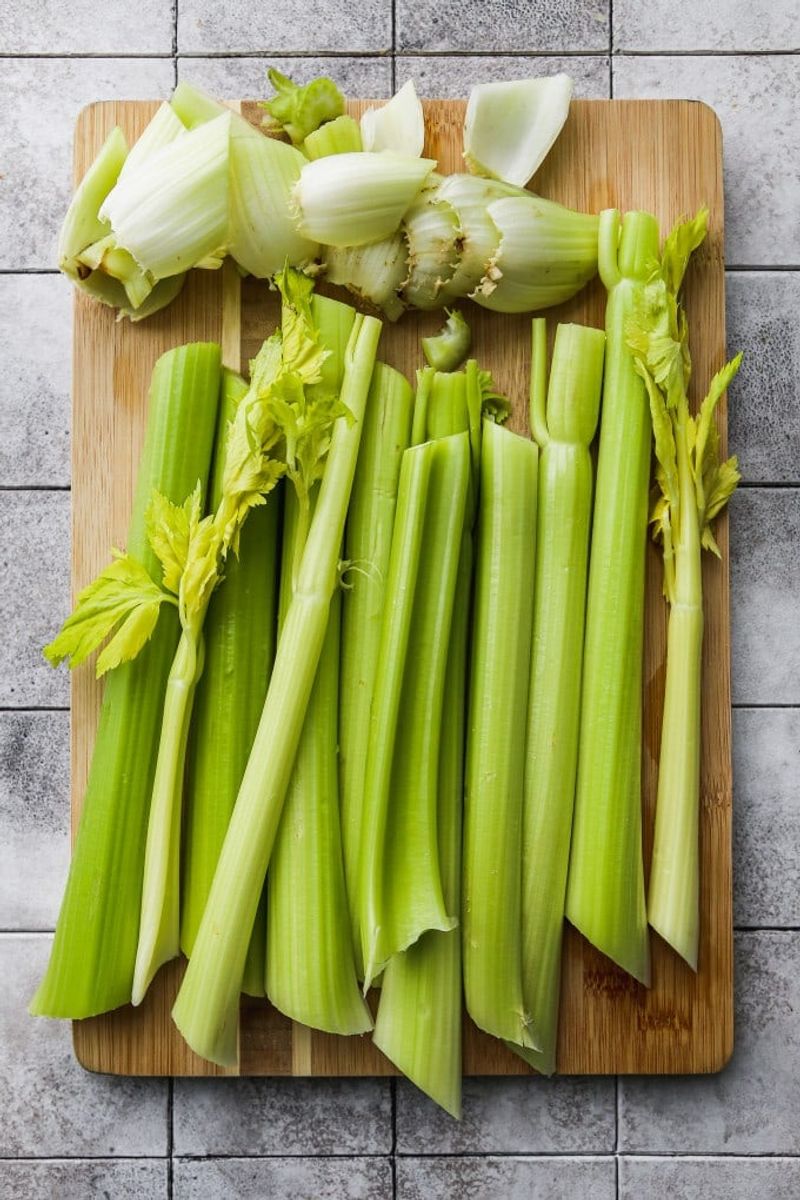
Celery can be a simple, low-calorie way to add a vegetable, USDA data shows, especially when you eat it whole as federal dietary guidance favors. It is not required, and it is not a proven cleanse or treatment.
Nothing reviewed points to a special effect from eating it in Iowa. If you like the crunch, enjoy it, keep your vegetables varied, and follow the safety tips above.
A good diet is built from many ordinary choices, and celery is just one of them.
Share this story