A focused cleanup near your back door takes away the hiding spots that make that spot comfortable for a fast, dark snake. You do it by clearing debris, tall grass, and clutter from the places your family uses most.
Some snakes may still pass through, so the goal is fewer surprises, not a perfect barrier. Here is a calm, safe plan that leaves the snake and the rest of your yard’s wildlife alone.
What a focused cleanup can do
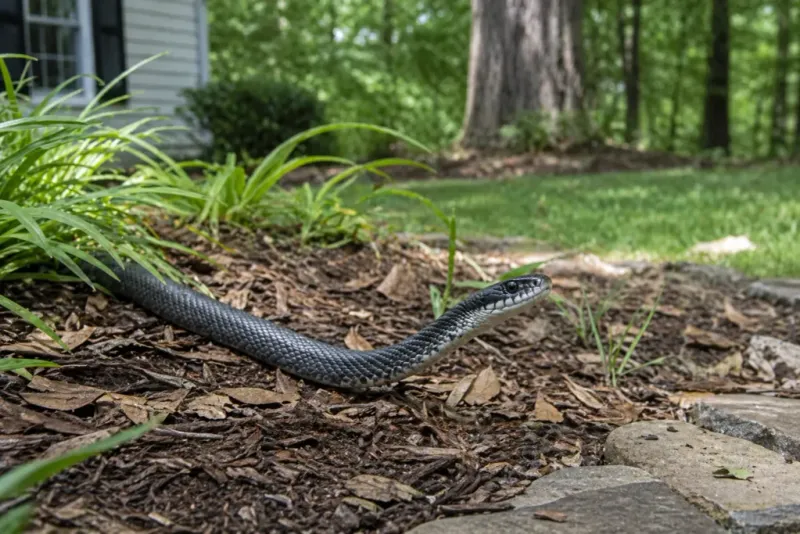
Snakes look for places to hide, and a cluttered doorway offers plenty. Piles of boards, old pots, leaf litter, and tall grass all create shady cover close to the house.
UF/IFAS guidance on preventing snake encounters recommends reducing hiding places like debris, brush piles, boards, and tall grass to cut down on run-ins.
Think of it as making the busiest part of your yard less comfortable for a snake to settle in. When the cover is gone, a snake near your door is easier to see, and it has fewer spots to tuck into where you might step or reach.
There is a limit, though. Southern black racers are active, wide-ranging snakes that use many kinds of habitat, and one may still cross a tidy yard while moving through its territory.
The Florida Museum’s racer profile shows how adaptable the species is, which is why a cleanup cannot promise that a racer will never pass by or visit again.
The realistic aim is lower risk in the spots where people walk, play, and reach for things. That is a goal you can actually meet with a weekend of work.
How to recognize a black racer
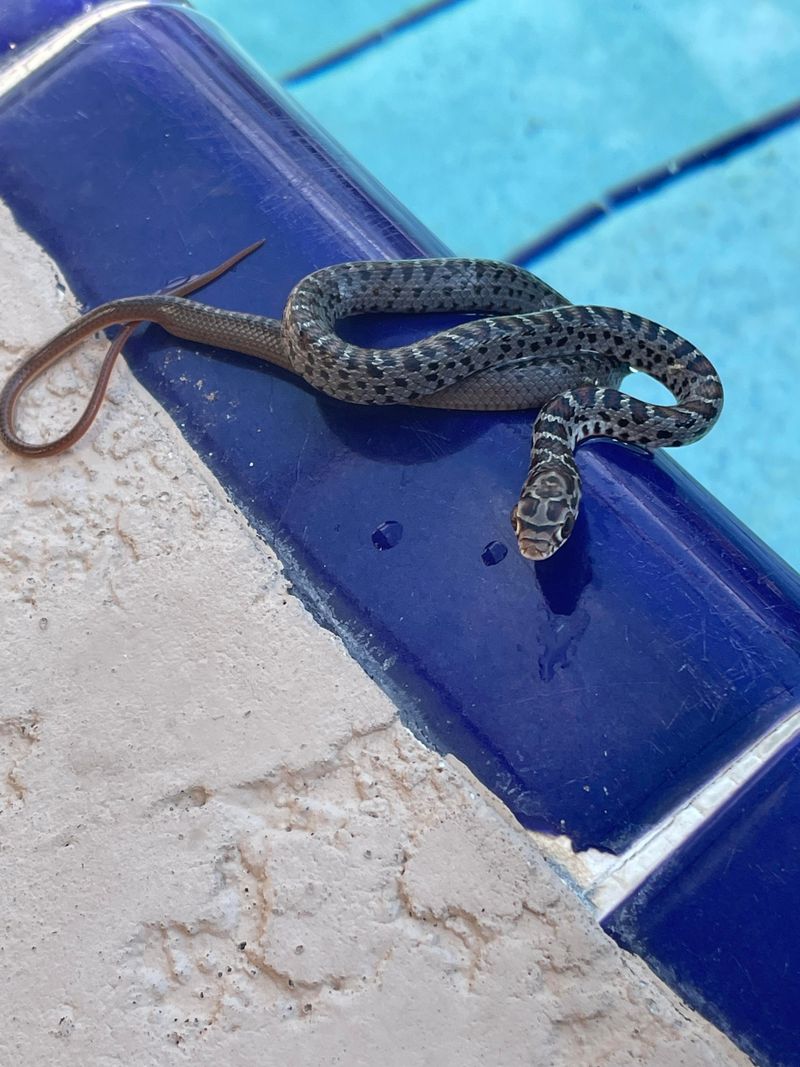
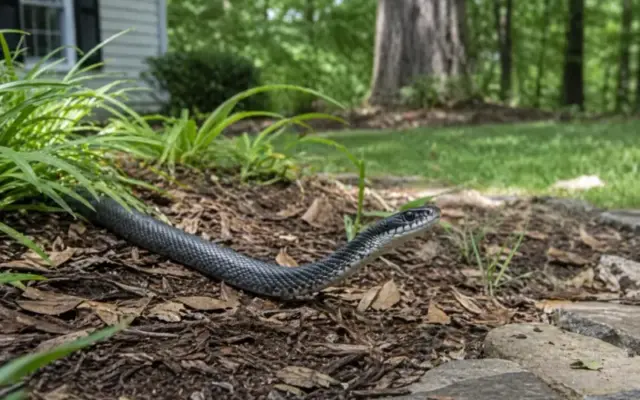
Southern black racers live throughout mainland Florida and the Keys, so odds are good that one has been near your neighborhood. They are nonvenomous and slim, and they usually race away when they notice you.
Even so, a racer may bite if it is cornered, grabbed, or handled, as the Florida Museum explains.
Do not assume every dark snake is a racer. Color alone cannot identify a snake, because several Florida species can look dark or black.
Young racers also look different from adults, often showing patterns or markings that fade as they grow, a point covered in UF/IFAS material on so-called black snakes.
That mix-up matters for safety. A snake you label a harmless racer from a quick glance might be something else entirely.
If you cannot identify the snake with confidence, keep your distance. Step back, give it room to leave, and keep children and pets inside until it is gone.
Never approach it to get a better look or a photo.
Move hiding places away from the back door
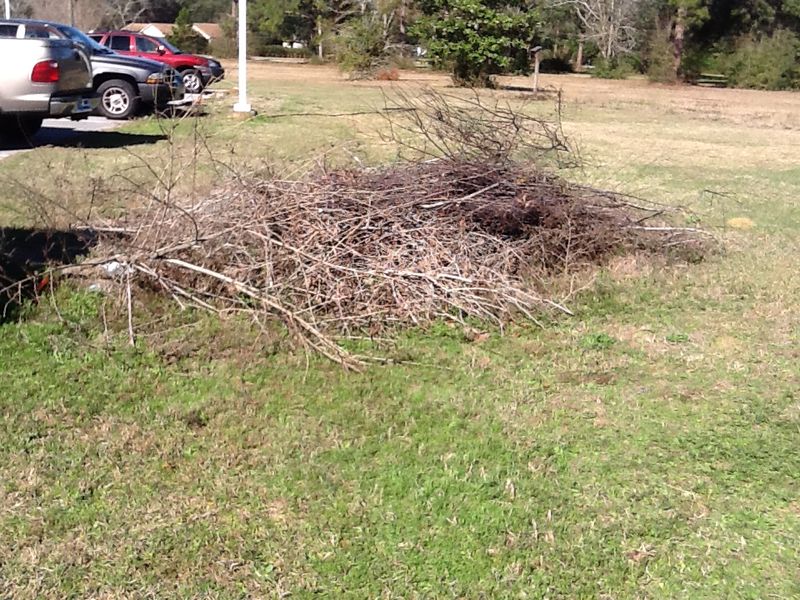
Start with the grass. Keep it mowed around the house and along the paths you use, since tall grass gives a snake a screen to move behind.
Then trim shrubs and low branches so they do not touch the walls or hang over the steps.
Next, walk the edges of the patio and look for clutter. Brush, debris, loose boards, stacked pots, and firewood piles are classic snake shelters, so move them away from buildings and play areas.
UF/IFAS recommends these same steps for cutting down on encounters near homes.
Firewood deserves special attention. Store it neatly and off the ground on a rack, and keep the stack away from the door instead of beside it.
A tidy, raised stack leaves fewer dark gaps for a snake to slip into.
Keep the project focused. You are not trying to reshape the whole yard, only the zone where you walk, sit, and carry things in and out.
A good rule is to start at the door and work outward until the busy area is open and easy to scan.
Plan on repeating the routine every so often, because grass regrows and clutter creeps back. A quick monthly walk-through keeps the work small.
What Florida racers eat
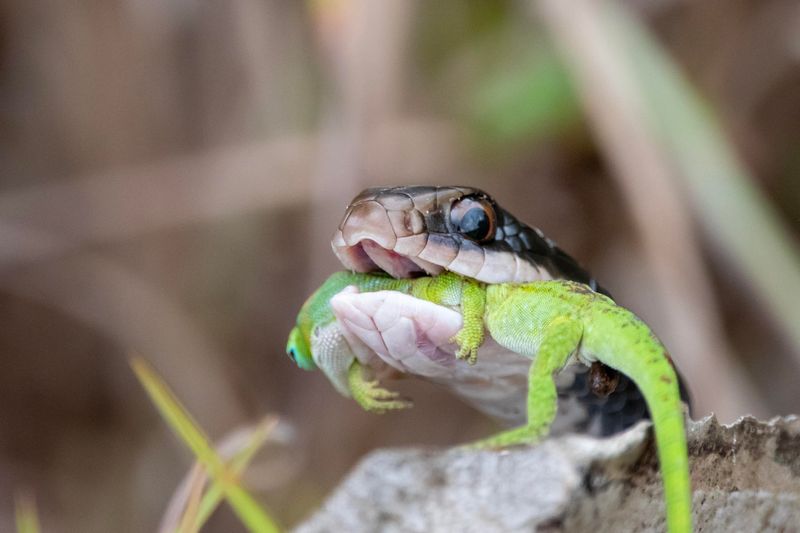
Racers are not picky eaters. According to the Florida Museum, most of their diet in Florida is frogs, lizards, and small snakes.
They also eat small mammals, birds, and eggs, along with other small animals they come across.
That variety is worth knowing because many people assume every snake is hunting mice. For racers in Florida, rodents are only one part of a much wider menu.
Knowing the menu does not tell you why a particular snake showed up at your house. A racer might be hunting, passing through, sheltering from heat, or just following the edge of your yard.
Diet facts cannot sort out which one it was.
For the same reason, getting rid of prey is not a dependable way to keep racers from visiting. Lizards and frogs live all over Florida yards, and you would never clear them all.
So treat diet as background, not a plan. If you have a real rodent problem, deal with it for its own sake.
For snakes, the more useful move is the one from earlier: take away the clutter that gives them a place to hide near your door.
Clear debris without reaching blindly
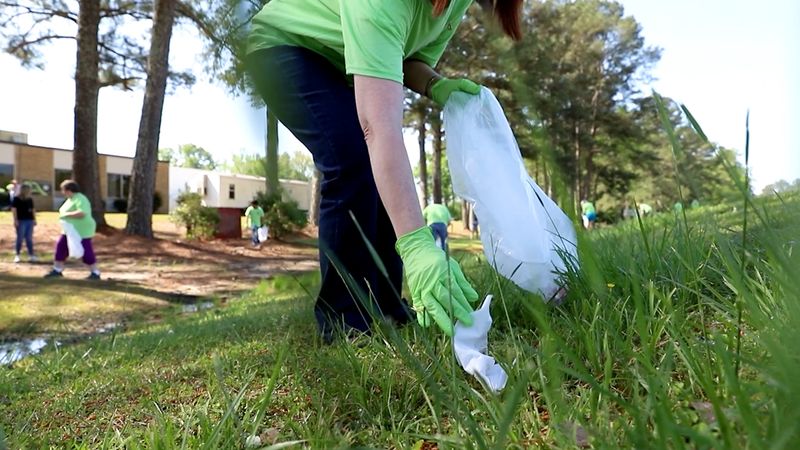
Cleanup day is when most people end up close to a hidden snake, so dress for it. Wear sturdy boots and thick work gloves, and keep long pants on.
These are simple layers of protection that cost very little.
Never push your hand into a pile, a hollow, or any gap you cannot see inside. Use a rake or long-handled tool to move boards and branches, and lift things away from your body.
UF/IFAS wildlife guidance warns that handling or harassing snakes raises the chance of a bite.
If you spot a snake, stop working. Walk away calmly, and get kids and pets indoors or well back.
Do not poke it, spray it, throw things, or try to move it.
Most snakes will leave on their own if given time and space. Come back to the job later, once the area is clear.
Call a wildlife or snake professional if you cannot identify the snake confidently, or if you think it might be venomous. A photo taken from a safe distance with a zoom lens can help an expert tell you what you are dealing with.
Keep natural cover away from busy areas
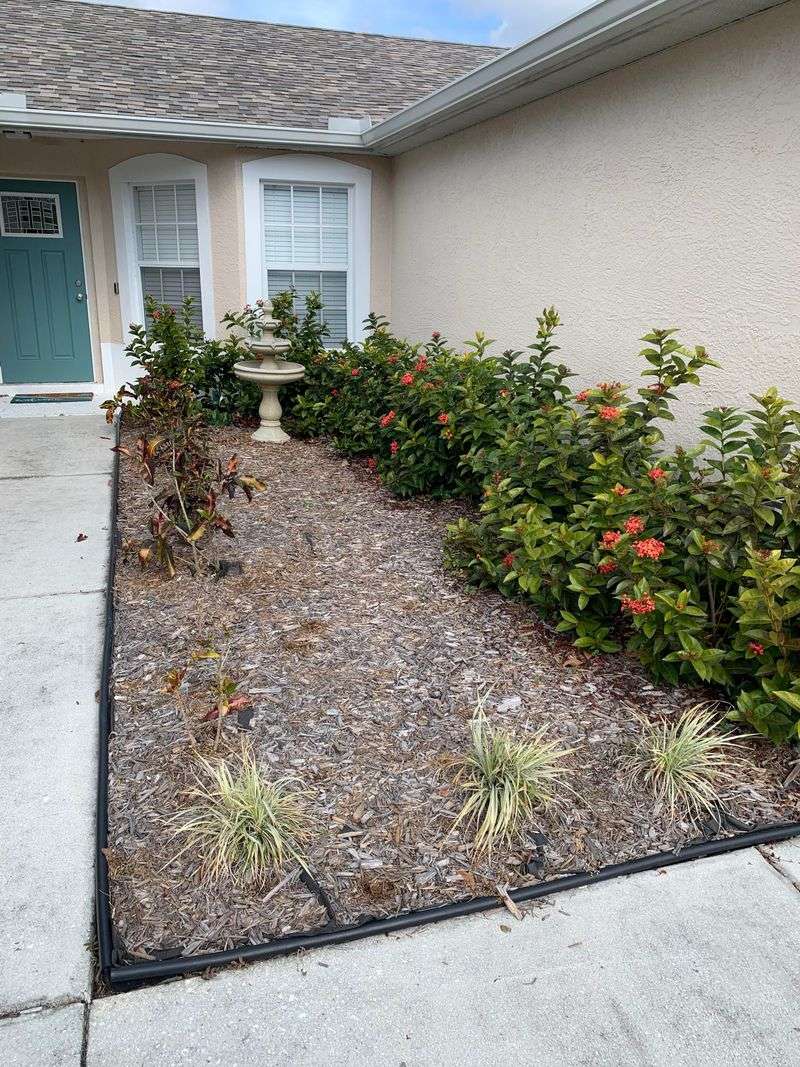
A snake-conscious yard does not need to look bare. Stripping every plant and log from your property would hurt birds, lizards, frogs, and pollinators, and it is not what experts advise.
UF/IFAS suggests keeping cover away from the places people use most, rather than removing everything.
So draw a line. Near the back door, the patio, the grill, and the kids’ play area, keep things open and easy to see across.
Farther out, along the back fence or in a corner you rarely visit, native plants and a modest brush pile can stay.
Picture it as zones. The closest zone is for people, the middle zone is for mowed lawn and neat plantings, and the outer zone is for wildlife.
Remember what this does and does not do. Moving cover lowers the number of places a snake can hide right beside you, which cuts down on encounters.
It does not make a yard snake-proof, and a snake may still wander through now and then.
That is a fair trade for a yard that stays alive and still feels safe to use.
Make the doorway a lower-risk area
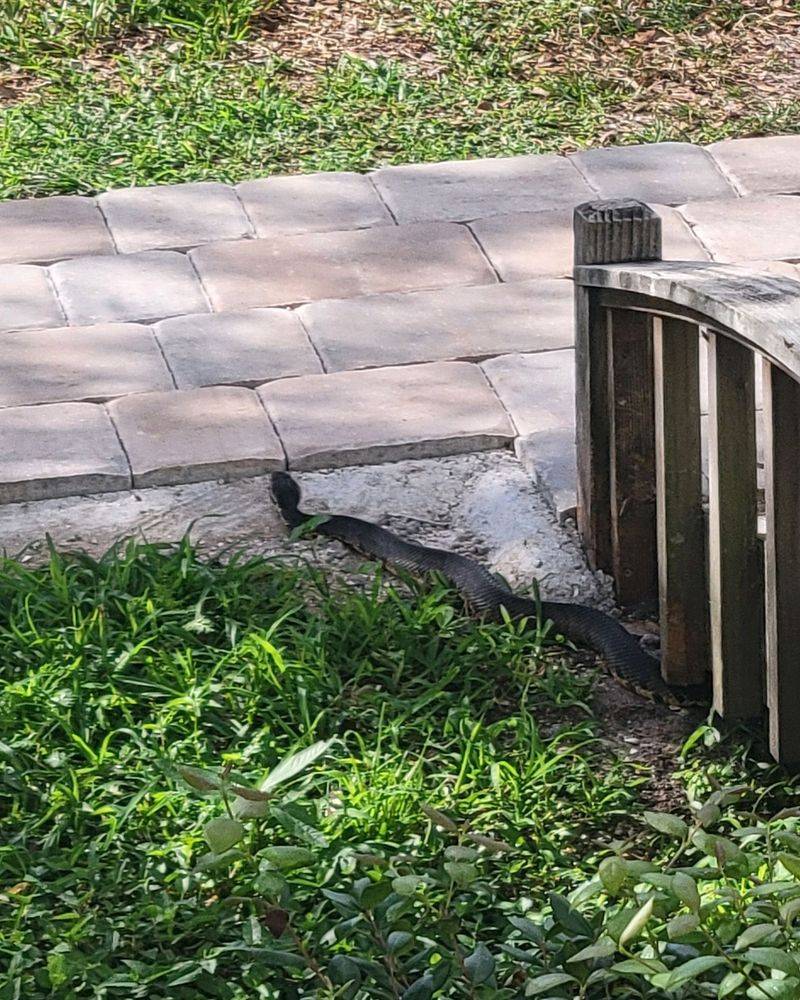
Pick the spot you use most, clear the cover around it, and do the work in boots and gloves. UF/IFAS says advertised snake repellents do not reliably keep snakes away, so skip them and spend your effort on cleanup.
A racer may still pass through someday, but you will meet it far less often by surprise.
Share this story