You might think dangerous critters only live in deserts or jungles, but some are living right under your New Jersey porch steps. Spiders, snakes, stinging insects, and even a fuzzy caterpillar can deliver a painful or harmful dose of venom.
Most of them would rather avoid you, but knowing what they look like can save you from a nasty surprise. Here are ten venomous neighbors worth recognizing before your next barefoot trip to the mailbox.
1. Northern Copperhead
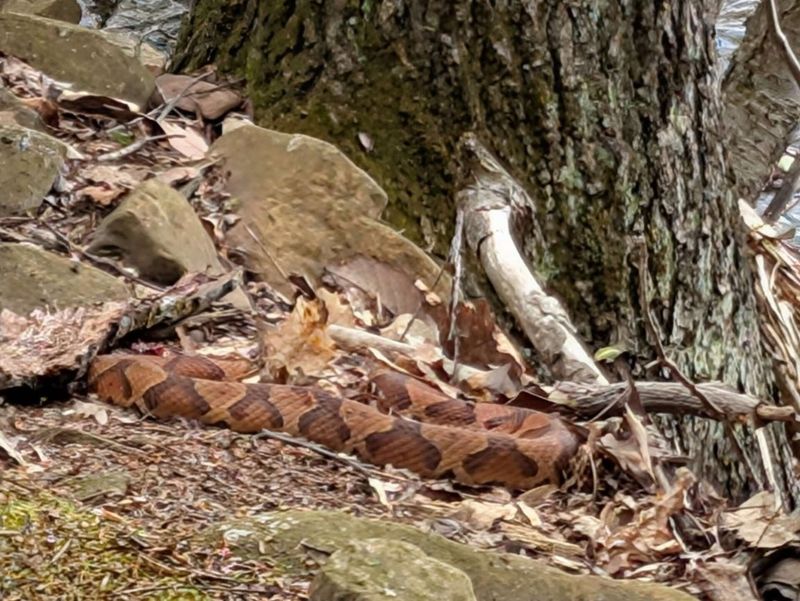
Picture a pile of fallen oak leaves by your back steps. Now picture one of those leaves slowly moving.
That is the magic trick of the northern copperhead, a snake whose coppery hourglass bands blend almost perfectly into autumn debris.
Copperheads live in northern and central New Jersey, especially near rocky hillsides, woodpiles, and stone walls. They often freeze instead of fleeing, which is why most bites happen when someone steps on or reaches near one without seeing it.
The good news is that their bites are rarely deadly to healthy adults. Still, a bite hurts a lot and needs a trip to the emergency room right away.
Keep woodpiles away from the house and wear real shoes when walking outside at dusk in summer.
2. Timber Rattlesnake
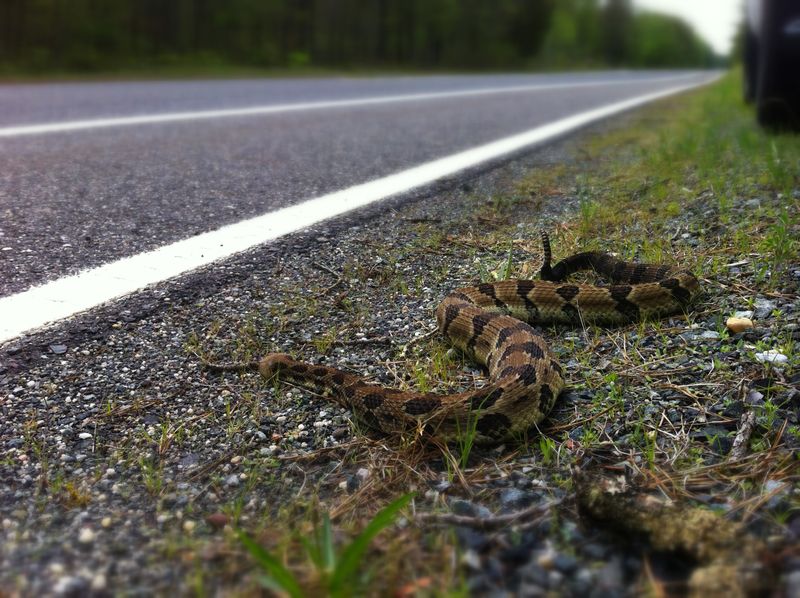
Few sounds stop a hiker faster than a dry, buzzing rattle. New Jersey is home to the timber rattlesnake, an endangered species found in the Pine Barrens and the rugged northwestern highlands.
These heavy-bodied snakes can stretch past four feet long. Their venom is powerful, yet they are famously calm and usually warn people well before striking.
Homes near forest edges in Sussex, Warren, Passaic, and the Pinelands sometimes get surprise visits. If you spot one, back away slowly and call your local wildlife officials.
Harming or killing a timber rattler is illegal in the state, so let the experts handle relocation.
3. Black Widow Spider
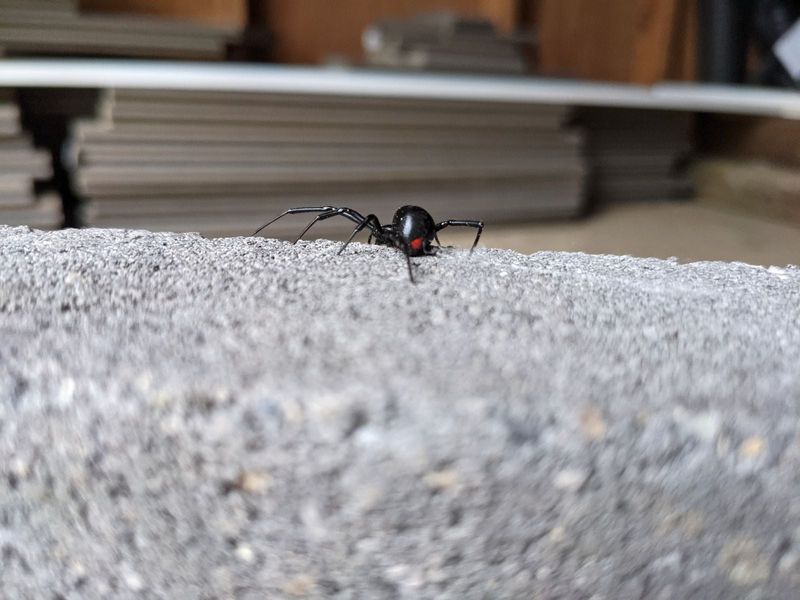
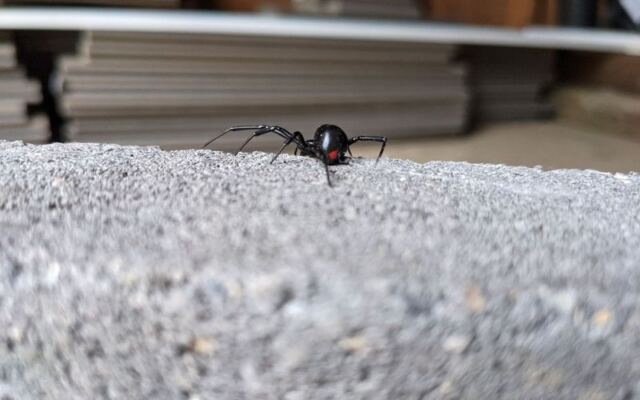
Did you know New Jersey actually has two kinds of widow spiders? The northern black widow is the one most likely to set up shop under your deck boards, inside a garden shed, or behind a stack of flowerpots.
Look for a glossy black body with red markings on the belly. Their webs are tangled and messy, not the neat circles you see in cartoons.
A widow bite can cause muscle cramps, sweating, and stomach pain. Bites are uncommon, and deaths are extremely rare, but you should still see a doctor.
Wearing gloves when moving firewood or outdoor toys is a simple way to stay safe.
4. Brown Recluse Spider
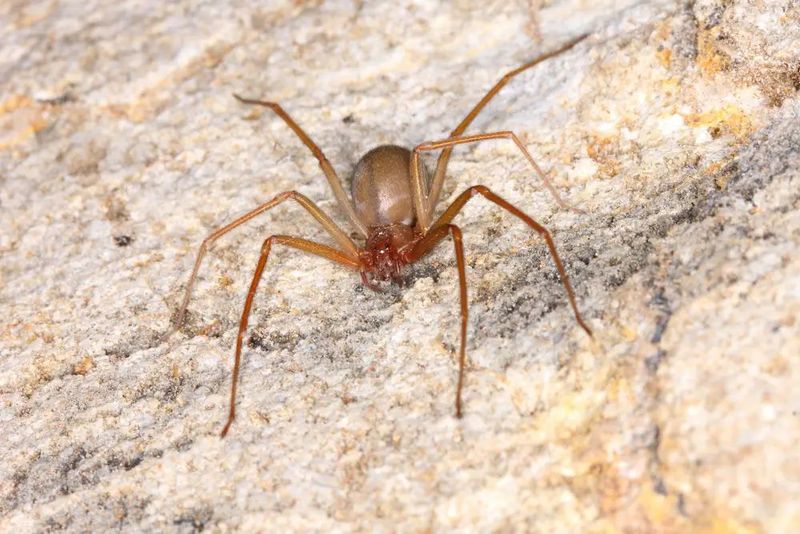
Here is a twist. The brown recluse is not a native New Jersey resident, but it occasionally hitches a ride here inside moving boxes, furniture, or shipments from southern states.
It is light brown with a dark violin shape on its back and six eyes instead of eight. It loves quiet places like closets, attics, and boxes that rarely get opened.
Most spider bites blamed on recluses in the Garden State are actually something else. Even so, if you just moved from the Midwest or South, shake out stored clothes and shoes before using them.
A real recluse bite can cause a slow-healing sore that needs medical care.
5. Eastern Yellowjacket
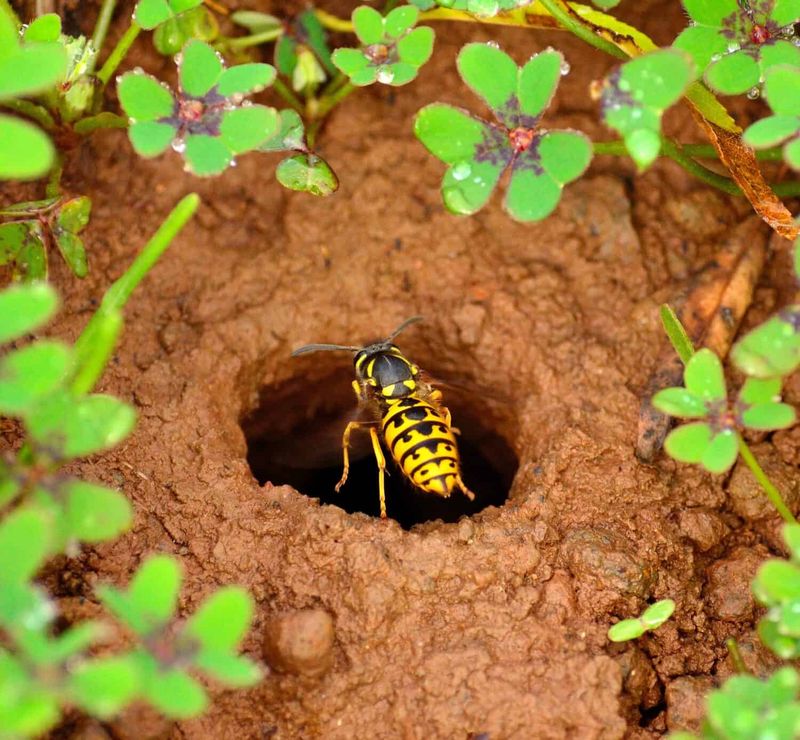
Ever had a picnic crashed by an uninvited guest who would not leave your soda alone? Meet the eastern yellowjacket, the bold, striped bully of late summer.
Unlike honeybees, yellowjackets can sting again and again. Many build nests underground, so mowing the lawn or stepping near a hole can trigger an angry swarm.
By August and September, colonies grow huge and the workers get cranky. Cover drinks outside, keep trash cans sealed, and watch for wasps flying in and out of one spot in the grass.
For people with allergies, a single sting can be a medical emergency.
6. Bald-Faced Hornet
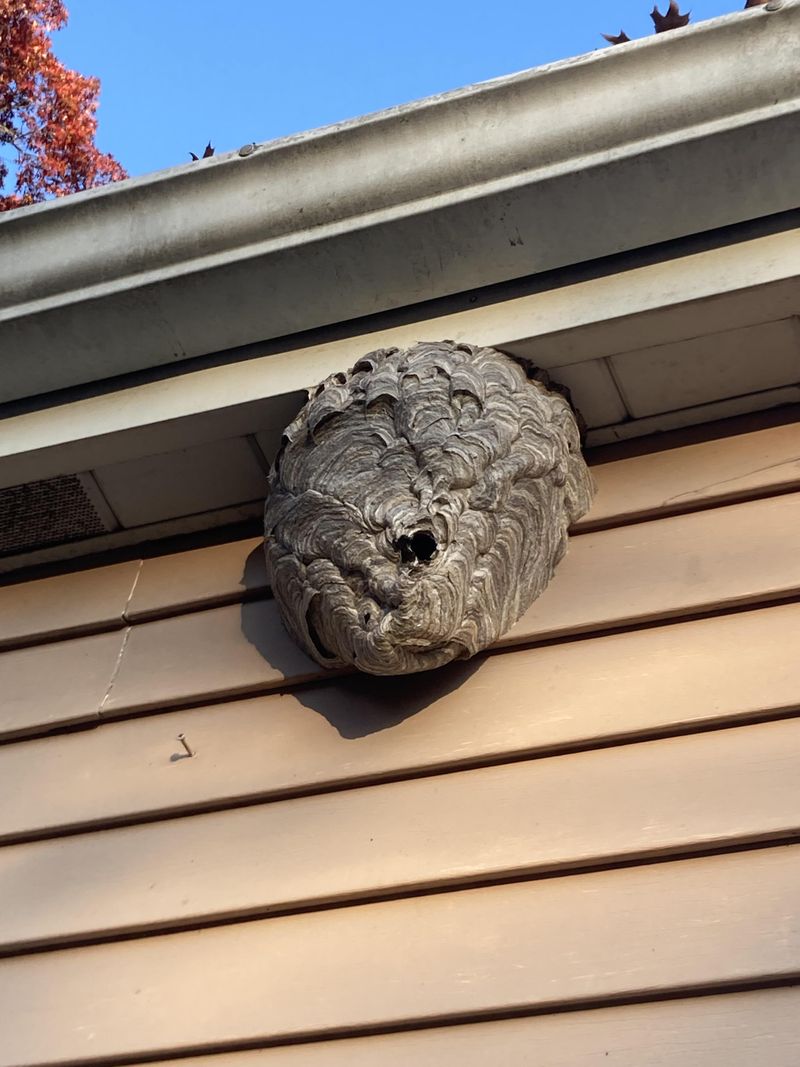
That giant gray paper ball hanging from your maple tree is not a decoration. It belongs to the bald-faced hornet, a black-and-white wasp with a seriously short temper.
Their nests can grow as big as a basketball and often hang from eaves, shrubs, or porch overhangs. Get too close and they will defend it fast, aiming for the face.
Fun fact: these insects are technically yellowjackets, not true hornets. Whatever you call them, do not swat the nest with a broom.
Call a pest professional, especially if the nest is near a door or walkway.
7. European Hornet
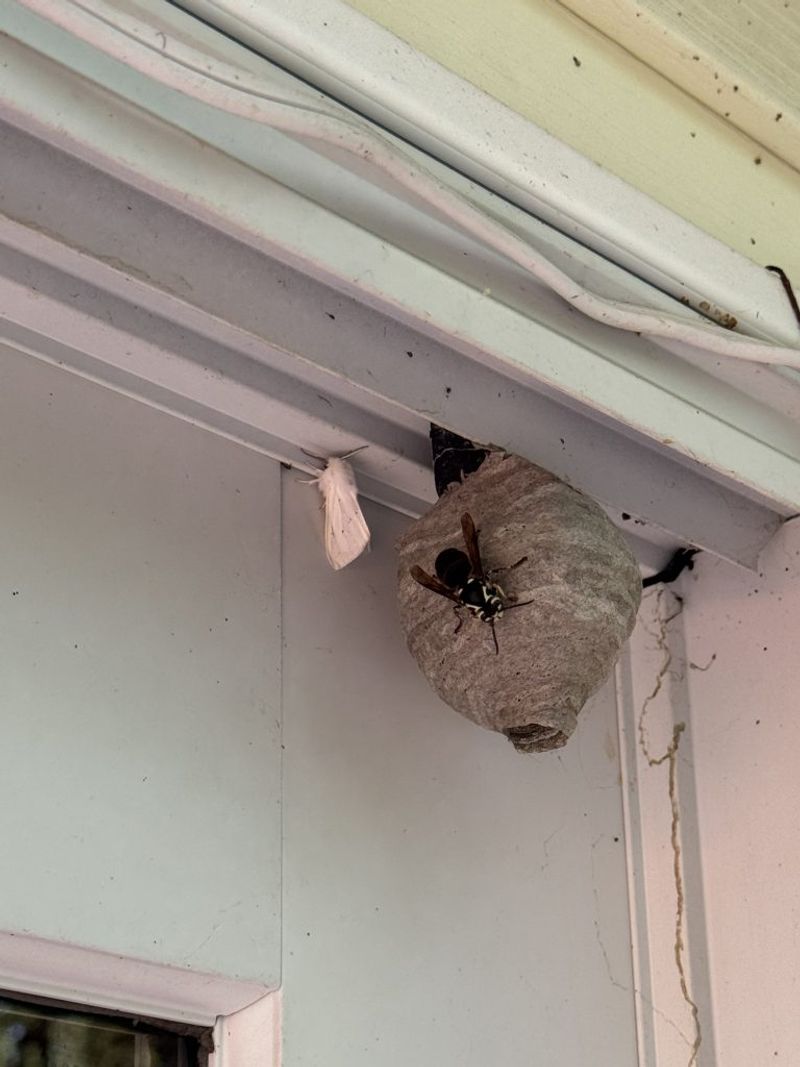
Leave your porch light on some summer night and you might meet a hornet the size of your thumb. The European hornet is the only true hornet living in New Jersey, and it actually flies after dark.
It arrived in North America in the 1800s and now nests in hollow trees, barn walls, and attics. Its reddish-brown head and long body make it look scarier than most wasps.
Thankfully, it is usually less aggressive than yellowjackets. It mainly hunts other insects and strips bark from lilac bushes.
Still, its sting packs a punch, so switch to yellow bug lights if they keep bumping your windows.
8. Eastern Cicada Killer
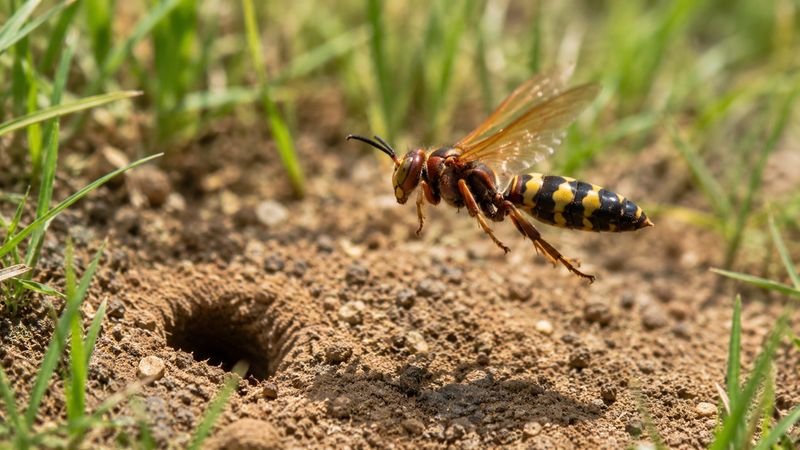
Watching a two-inch wasp drag a cicada across your sidewalk feels like a scene from a nature documentary. In July and August, eastern cicada killers dig burrows in sandy soil, flower beds, and the edges of patios all over the state.
Their size makes people panic. Yet these wasps are mostly harmless to humans.
Males have no stinger at all, and females rarely sting unless grabbed or stepped on.
Each female paralyzes cicadas with her venom and stuffs them into underground chambers to feed her young. Kids playing barefoot should still steer clear of their dirt mounds.
9. Saddleback Caterpillar
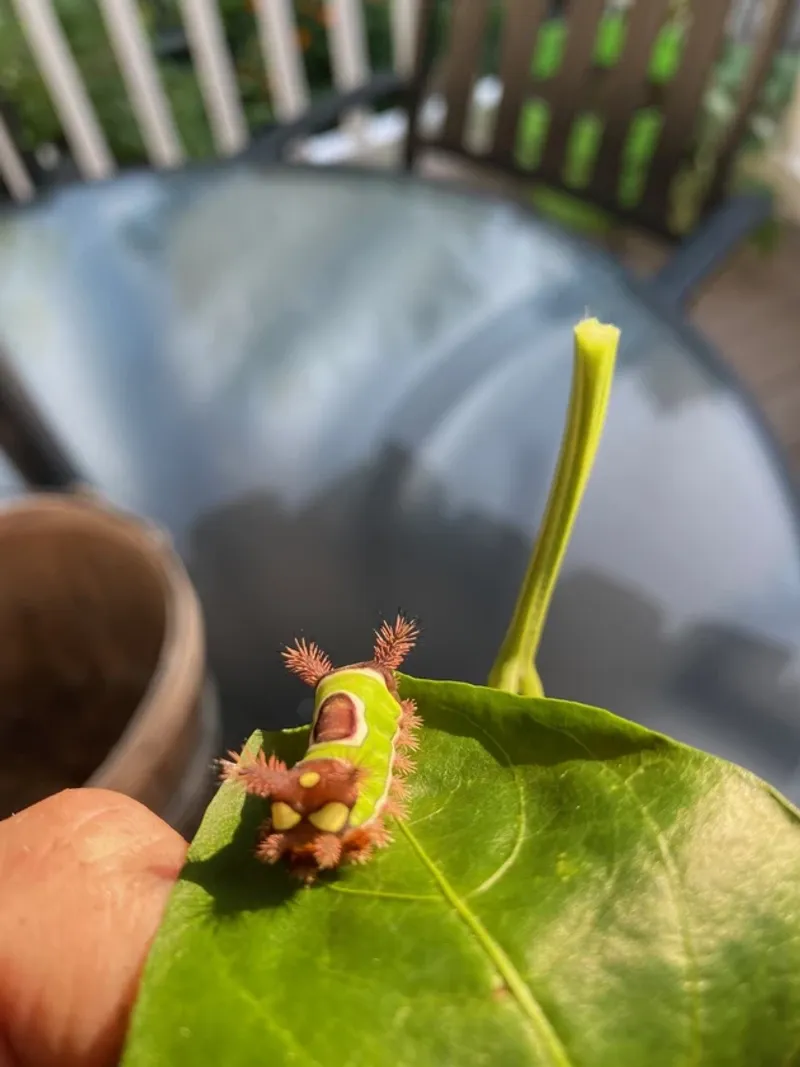
Cute? Absolutely.
Safe to pick up? Not even close.
The saddleback caterpillar looks like it is wearing a tiny green blanket with a brown spot in the middle, almost like a cartoon character.
Its body is covered in hollow spines connected to venom glands. Brushing against one can cause burning pain, swelling, and a rash that lasts for hours.
Look for them on the undersides of leaves on shrubs, corn, and ornamental plants from late summer into fall. Teach kids that fuzzy or spiky caterpillars are for looking, not touching.
If stung, press tape on the skin to pull out the spines, then wash with soap.
10. Northern Short-Tailed Shrew
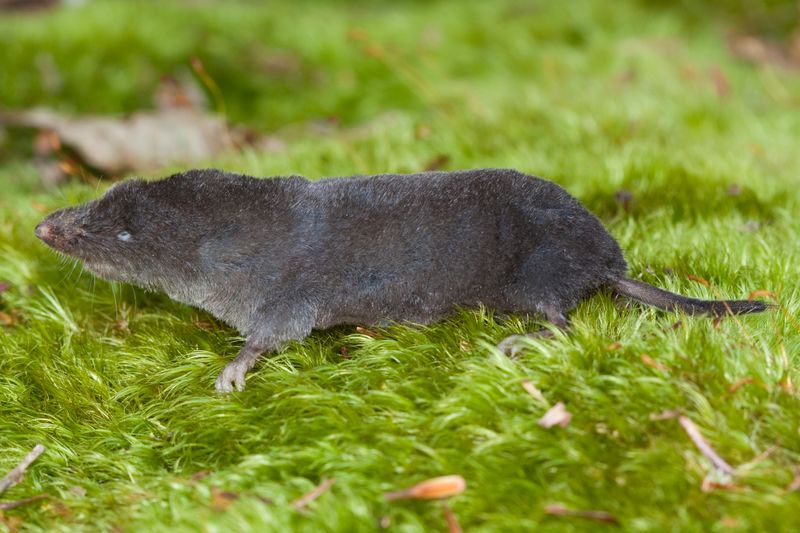
Here is the oddball on this list. A furry little mammal living under your shrubs carries venom in its spit.
The northern short-tailed shrew is one of the few venomous mammals in North America. Its saliva helps it stun earthworms, snails, and even mice, then store them alive for later meals.
For people, a bite is rare and usually just causes local pain and swelling for a few days. You would mostly meet one if your cat drags it inside or you lift a board in the garden.
Do not handle them with bare hands, and enjoy knowing your yard hides a tiny, fierce predator.
Share this story