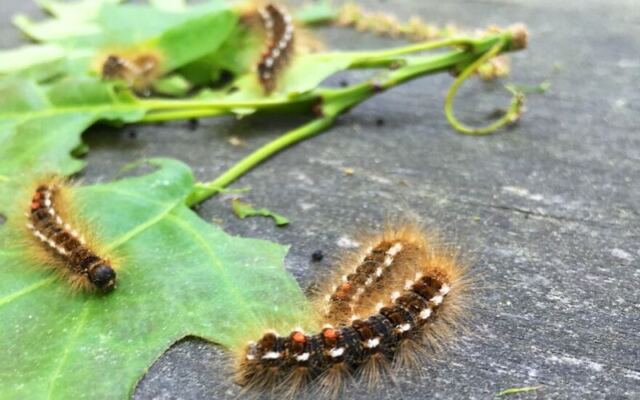
If you think you brushed against irritating caterpillar hairs, leave the area, take a cool shower, and change your clothes. That simple routine helps wash off hairs that may still be on your skin.
Some signs, like trouble breathing or swelling in the mouth or throat, need emergency care right away. Here is how to handle the first hour, soothe mild irritation, and avoid a repeat the next time you work outside.
First, leave the area and wash off possible hairs
Step away from the spot where the contact happened. Walk out of the area calmly, and avoid brushing at your arms, neck, or face with your hands.
Any hairs that landed on you can move around if you swat at them.
Next, head indoors for a cool shower. Maine CDC guidance recommends a cool shower and a change of clothes after possible exposure to browntail moth hairs.
Let the water run over your skin and rinse gently. Rubbing or scrubbing can push tiny hairs into the skin, so skip washcloths and rough sponges.
Then take off the clothes you wore outside. Handle them with care and place them straight into the laundry or a bag until you can wash them.
Shoes, hats, and gloves deserve a thought too, since hairs can cling to fabric.
These steps are about cleanup and limiting more contact. They do not confirm what touched you.
Many hairy caterpillars look alike, and plenty of things can irritate skin. Even so, a quick rinse and fresh clothes cost little and can help if loose hairs are involved.
Skip home experiments. Pesticide sprays, harsh cleaners, or homemade chemical mixes are not first aid and can make skin worse.
Water and clean clothes are the plan.
Know when to get urgent medical help
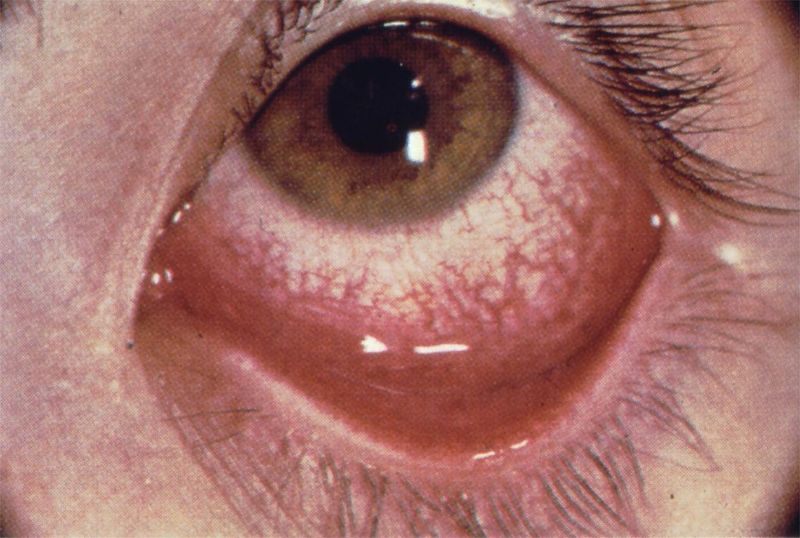
Most skin irritation from caterpillar hairs stays on the skin. Some symptoms are different and should not wait.
Maine CDC says to seek emergency medical care for trouble breathing or swallowing, or for swelling of the mouth, tongue, or throat.
Hairs can also get into the eyes. If that may have happened, flush the eye with plenty of water and get medical help, as MedlinePlus advises for caterpillar contact.
Do not rub the eye while you rinse.
A red, itchy rash on its own is a different situation. Reactions vary from person to person.
Some people have no rash at all, and a rash by itself is not a sign of danger. A Maine CDC fact sheet separates these skin reactions from the breathing and swelling symptoms that call for emergency care.
If you are unsure, call a doctor, clinic, or poison control for advice. Choose emergency services right away when breathing or swallowing becomes difficult.
Soothe mild irritation with symptom relief
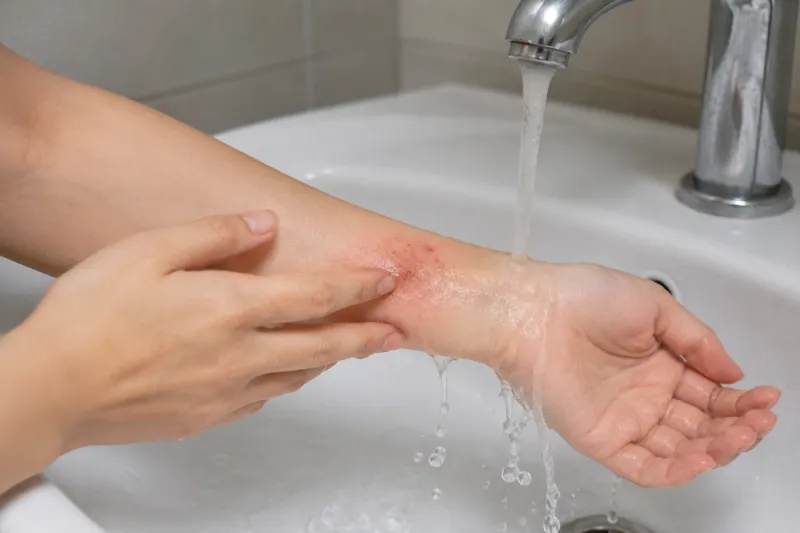
No special treatment cures this kind of rash. Care focuses on easing discomfort and preventing more exposure, which is why the cleanup steps come first.
Once hairs are rinsed away, you can turn to comfort measures.
For mild symptoms, Maine CDC lists calamine lotion, hydrocortisone cream, and a cool oatmeal or baking-soda bath as options. Keep the water cool, since hot water can make itchy skin feel worse.
Pat skin dry instead of rubbing.
Read and follow the directions on any product you use. Check the label for who can use it and where on the body it belongs.
Creams are not meant for the eyes or inside the mouth.
Keep an eye on how you feel over the next days. A 2026 Maine CDC health advisory points people toward clinical advice when symptoms are severe, persistent, or simply concerning.
A rash that keeps getting worse, covers a large area, or does not fade is a good reason to call a clinician.
If you notice new itching after putting clothes back on, think about whether outdoor items still carry hairs. Washing them again can help stop a cycle of irritation.
Hairs can cause exposure without a live caterpillar
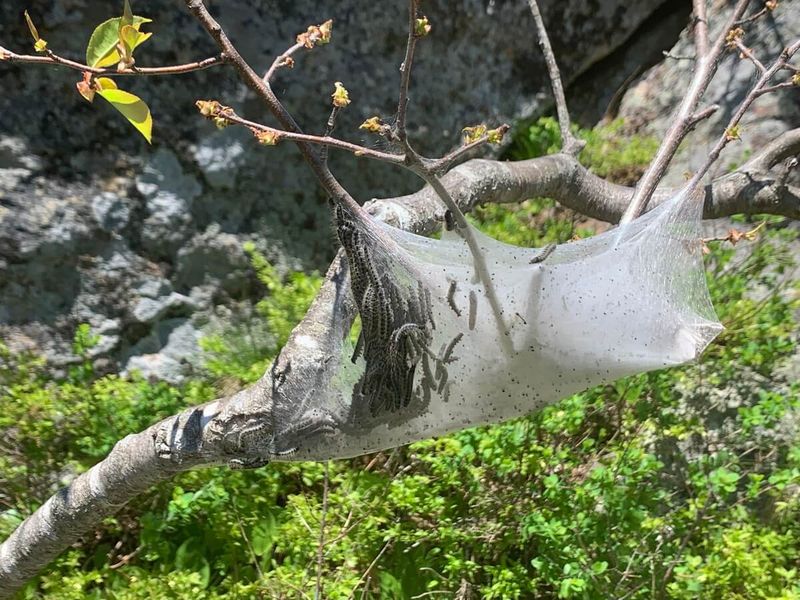
A caterpillar does not have to be crawling on you for hairs to reach your skin. Loose hairs can come from caterpillars, shed skins, and cocoons.
Maine CDC notes these tiny hairs can become airborne when disturbed and can remain a hazard in the environment, even for years.
That is why this is a hair exposure, not a bite or sting. The caterpillar is not injecting anything.
Irritation comes from contact with the hairs, and breathing them in is also possible.
The Maine Forest Service estimates the toxin may stay stable for one to three years. Think of that as a possible window of persistence.
It does not prove that a certain yard, shrub, or rash is tied to these hairs.
Many people worry about passing a rash to family. According to a Maine CDC fact sheet, the rash does not spread from person to person.
Hairs on clothing, towels, or belongings are another matter, since they can touch someone else’s skin.
A practical example: tossing yard clothes on the couch could leave hairs behind. Keeping them bagged until washing avoids that.
For more on the basics, see Maine CDC’s browntail moth page.
A rash alone cannot identify browntail moth
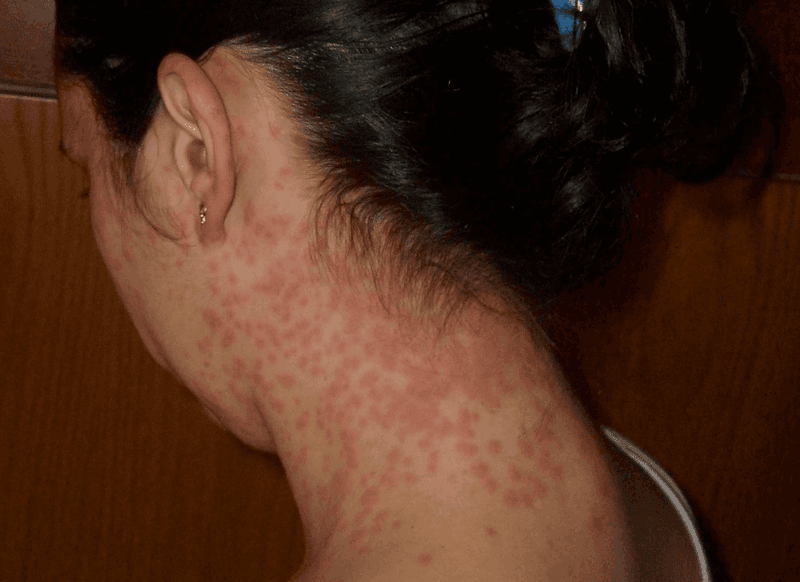
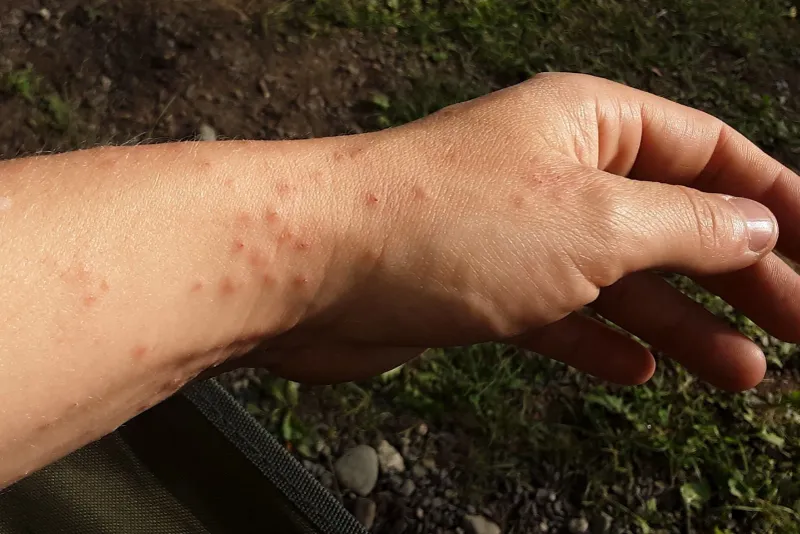
A red, itchy rash feels like an answer, but it is not one. The rash can look a lot like poison ivy, and other causes are possible.
Other caterpillar species also have hairs that can bother skin.
Location gives context, not a verdict. UMass Extension describes recent Massachusetts browntail moth populations as limited to some coastal areas, including parts of Cape Cod and the North Shore.
That does not mean the moth is absent elsewhere, and it does not rule out a local case.
Timing works the same way. UMass names May through July as the higher-risk period, when caterpillars are active.
Yet hairs may linger after the caterpillars are gone, so a month outside that window is not an all-clear.
The Maine Forest Service says precautions may make sense year-round in heavily infested areas.
So treat your situation as possible exposure to irritating hairs. Clean up, watch your symptoms, and ask a clinician if the rash worries you.
Skip trying to diagnose yourself from a photo or a single caterpillar.
Reduce exposure during yardwork
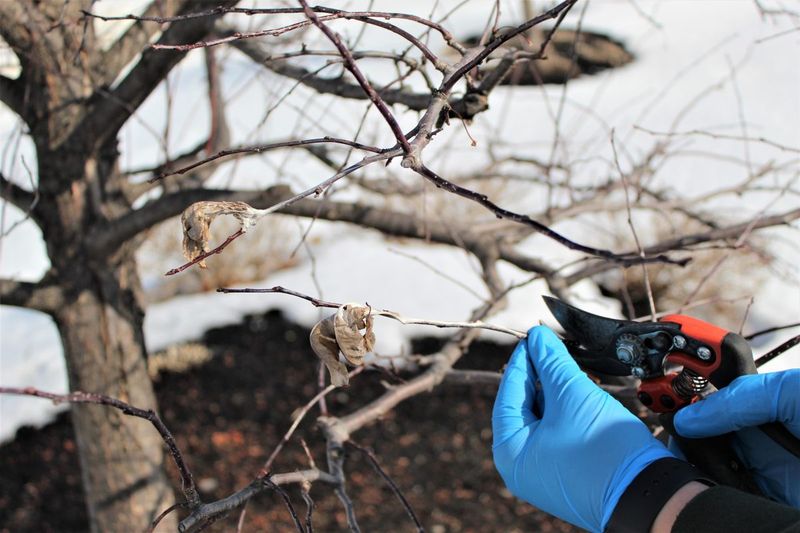
If you garden in an area with browntail moth activity, plan yardwork around the hairs. A 2026 Maine CDC advisory advises covering skin and face during jobs that stir up hairs, like mowing or raking.
Long sleeves, long pants, gloves, and eye protection are sensible choices.
The same advisory suggests working on damp days or wetting vegetation first. Moisture helps keep hairs from floating into the air.
Dry, breezy days are a poor time for this kind of chore.
Season matters, but not as a hard line. UMass Extension points to May through July as the higher-risk stretch.
Lingering hairs mean you can still be exposed in other months.
Leave caterpillars alone, and never handle them bare-handed. Nest removal is another job to approach with care.
The Maine Forest Service recommends protective gear for web removal and hiring professionals when nests are out of reach or hazardous. Skip ladders and pruning poles for high branches.
When the work is done, follow the cleanup routine: shower cool, change clothes, and bag the dirty ones. Reach for urgent care if breathing or swallowing gets hard.
A little preparation turns a risky chore into a routine one.
Share this story