Get the latest garden guides in your inbox →
Gardening Latest
  • General Gardening
  • Lawn Care
  • Plant Care
  • Composting
  • Soil Health
  • Backyard
  • Garden Muse Magazine
  • General Gardening
  • Lawn Care
  • Plant Care
  • Composting
  • Soil Health
  • Backyard
  • Garden Muse Magazine
  • News
  • Gardening Calendar
  • Garden Structures
  • Vegetable Garden
  • Vertical Garden
  • Raised Beds
  • Hydroponics
  • General Equipment
  • Community Gardens
Garden Themes
  • Spiritual Garden
  • Hydroseeding
  • Seeding and Laying Sod
  • Artificial Grass
  • Lawn Care Equipment
  • Plants
  • Trees
  • Planting Tools
  • Composting Basics
  • Fertilizer
  • Alternative Growing Mediums
  • Front Yard
  • Backyard Activities
  • Landscaping
Gardening Latest

Explore by state

Which state is your garden in?

Currently viewing Virginia

All states

Northeast

  • Connecticut —
  • Delaware 18
  • Maine —
  • Maryland 4
  • Massachusetts 21
  • New Hampshire —
  • New Jersey 5
  • New York 14
  • Pennsylvania 14
  • Rhode Island —
  • Vermont —

Southeast

  • Alabama 4
  • Arkansas —
  • Florida 4
  • Georgia 5
  • Kentucky 18
  • Louisiana 3
  • Mississippi —
  • North Carolina 3
  • South Carolina 17
  • Tennessee 1
  • Virginia 4
  • West Virginia —

Midwest

  • Illinois 3
  • Indiana 6
  • Iowa 18
  • Kansas —
  • Michigan 5
  • Minnesota 3
  • Missouri 3
  • Nebraska —
  • North Dakota —
  • Ohio 5
  • South Dakota —
  • Wisconsin 19

Southwest

  • Arizona 4
  • Colorado —
  • Nevada —
  • New Mexico —
  • Oklahoma —
  • Texas 3
  • Utah —

West

  • Alaska —
  • California 4
  • Hawaii —
  • Idaho —
  • Montana —
  • Oregon —
  • Washington —
  • Wyoming —

No state matches that search.

Site menu

Gardening Latest
  • General Gardening
    • News
    • Gardening Calendar
    • Garden Structures
    • Vegetable Garden
    • Vertical Garden
    • Raised Beds
    • Hydroponics
    • General Equipment
    • Community Gardens
    Garden Themes
    • Spiritual Garden
  • Lawn Care
    • Hydroseeding
    • Seeding and Laying Sod
    • Artificial Grass
    • Lawn Care Equipment
  • Plant Care
    • Plants
    • Trees
    • Planting Tools
  • Composting
    • Composting Basics
  • Soil Health
    • Fertilizer
    • Alternative Growing Mediums
  • Backyard
    • Front Yard
    • Backyard Activities
    • Landscaping
  • Garden Muse Magazine

Explore

  • About GardeningLatest.com
  • Contact Us

Get the latest from the garden

New guides on lawn care, plants and backyard projects, sent when they go up.

Subscribe →

Follow

  • Facebook
  • X
  • Pinterest
  • YouTube
Virginia Gardening

The Trees In Your Virginia Yard That Need A Permit Before The Chainsaw Comes Out

Cutting down a tree in your own yard sounds like your business and nobody else's.

CW

By Caroline Whitfield

November 22, 2026 · 5 min read

The Trees In Your Virginia Yard That Need A Permit Before The Chainsaw Comes Out

Cutting down a tree in your own yard sounds like your business and nobody else’s. In many parts of Virginia, though, the wrong cut can bring a stop-work order, a fine, or a bill to replant.

The rules depend on where you live, what kind of tree it is, and how big it has grown. Before you fire up the saw, here are the trees most likely to need a permit or a phone call first.

At a glance

Where
Virginia Gardening
Hardiness zone
7 0 to 10°F
Read
5 minutes
Published
November 22, 2026

1. Trees Inside a Chesapeake Bay Resource Protection Area
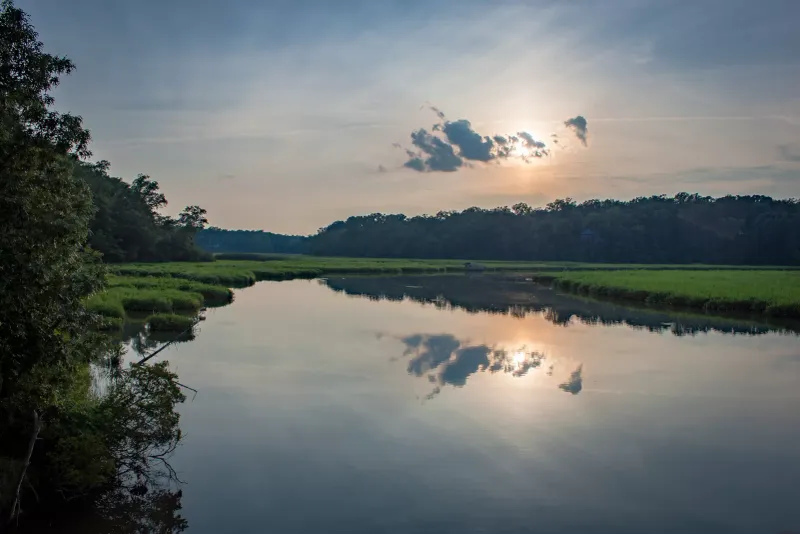
Trees Inside a Chesapeake Bay Resource Protection Area
© James City County/Williamsburg Master Gardener Association

A homeowner in Virginia Beach once cleared a few trees to open up a water view and ended up with a restoration plan longer than his mortgage paperwork. That story plays out every year in Tidewater.

The Chesapeake Bay Preservation Act sets aside a 100-foot buffer along tidal shores, wetlands, and certain streams.

Inside that Resource Protection Area, removing trees usually needs approval from your city or county. Some localities allow limited thinning for sight lines or dead trees, but you have to ask first.

Replanting is often required.

Not sure if your lot sits in an RPA? Most localities in the Bay region publish online GIS maps that show the buffer line right on your parcel.

2. Designated Heritage, Specimen, and Memorial Trees
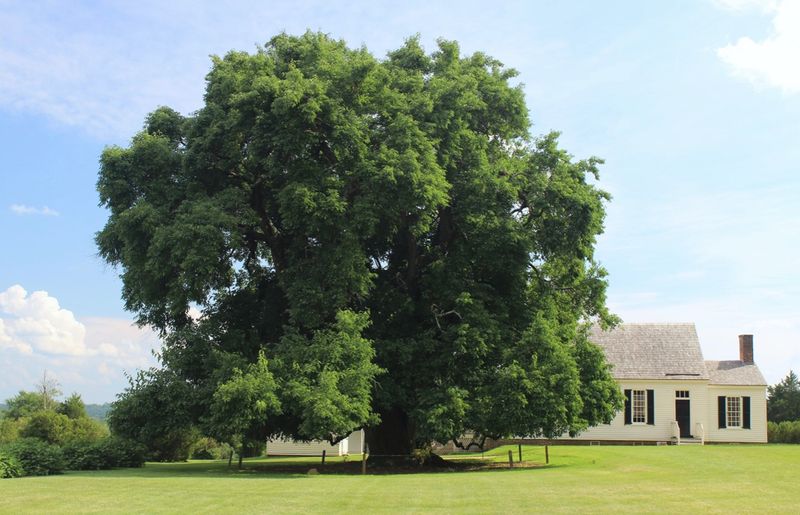
Designated Heritage, Specimen, and Memorial Trees
© Truetimber Arborists

Virginia law lets local governments honor certain trees the way towns honor old buildings. Under state code, localities can designate heritage, specimen, memorial, and street trees.

Once a tree has that label, cutting it without permission can lead to penalties.

These are usually the giants. Think of a 200-year-old white oak or a tree tied to local history.

Fun fact: Virginia keeps a Big Tree Program run through Virginia Tech that tracks the largest trees of each species in the state. If your yard holds a champion, someone may already have it on a list.

3. Street Trees in the Public Right-of-Way
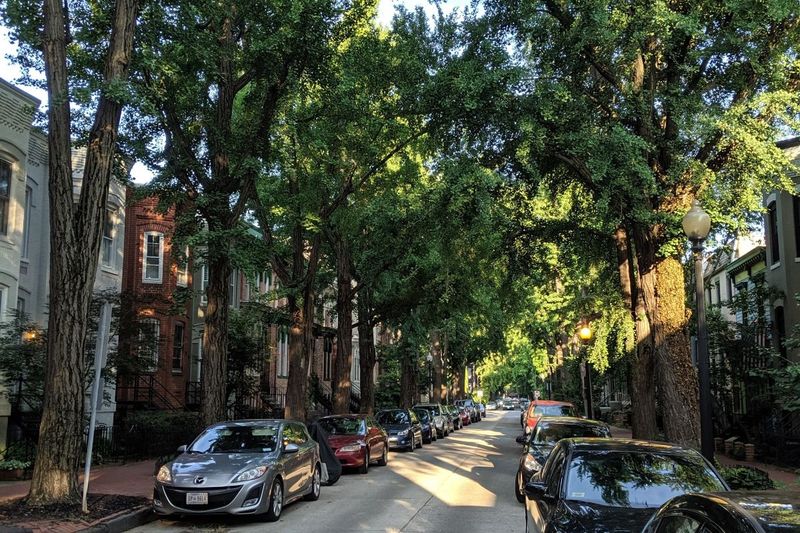
Street Trees in the Public Right-of-Way
© DeMarr Engineering

Here is the surprise that catches new homeowners. The tree between your sidewalk and the curb often is not yours at all.

It probably sits in the public right-of-way, owned by the city or VDOT.

Pull out enough trees on a hillside and the next big storm may carry your yard down the hill.

Arlington, Alexandria, Richmond, and Norfolk all have urban forestry staff who manage these trees. Pruning or removing one without a permit can bring fines and a replacement charge based on tree size.

The good news? If the tree is dying, the city may remove it for free.

One quick call could save you money.

4. Trees in Historic Districts
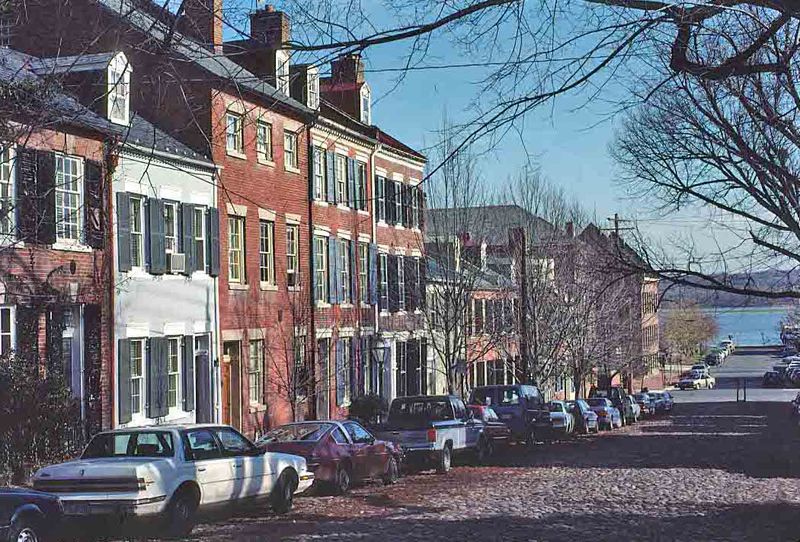
Trees in Historic Districts
© Virginia Department of Historic Resources

Picture Old Town Alexandria, the Fan in Richmond, or downtown Fredericksburg. The trees there are part of the scenery that review boards work hard to protect.

In some historic overlay districts, big landscape changes, including removing large trees, may need a certificate of appropriateness. Rules vary a lot from place to place, so check with your local historic preservation office.

Bring photos and an arborist report if the tree is sick. Boards tend to say yes faster when you show them the problem.

5. Trees Shown on an Approved Site Plan
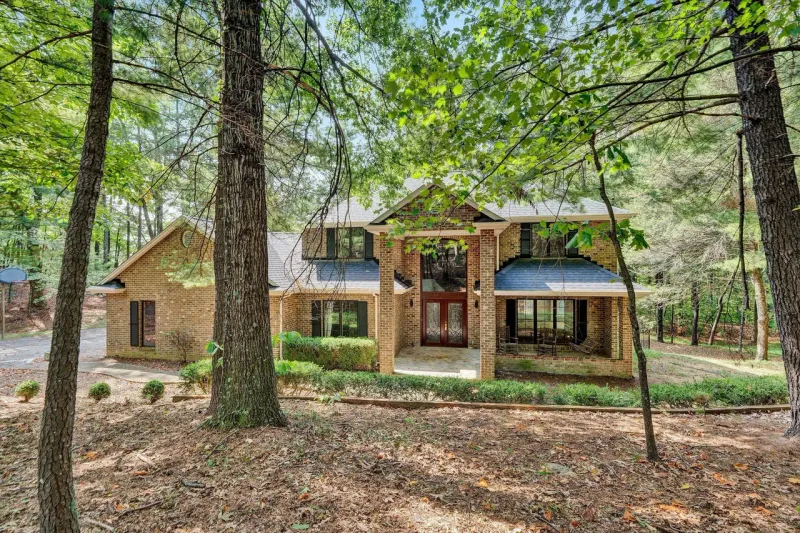
Trees Shown on an Approved Site Plan
© Realtor.com

Bought a newer home in Loudoun or Prince William County? Your builder may have promised to save certain trees to get the subdivision approved.

Those tree save areas often stay in force after you move in. Cutting them could break the conditions on the plan.

Look through your closing documents and plat. If you see hatched areas labeled tree save or conservation area, call the county before doing anything.

6. Trees Under HOA Rules
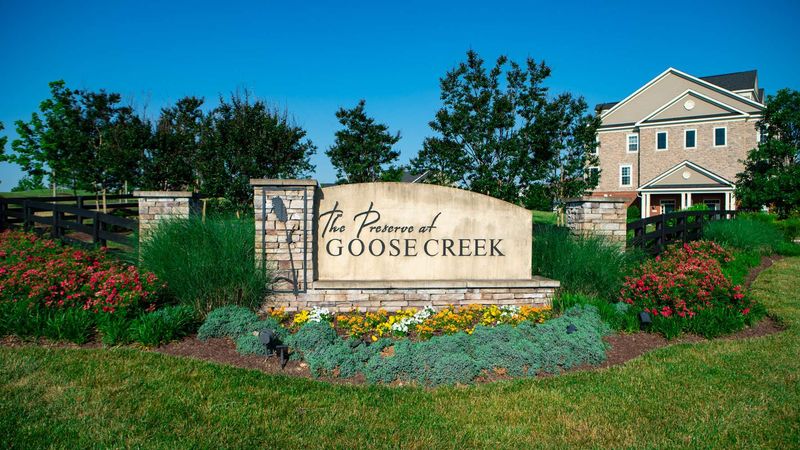
Trees Under HOA Rules
© Level Green Landscaping

Technically, a homeowners association is not the government. Try telling that to the person who just got a $500 violation letter.

Many Virginia HOAs require approval from an architectural review committee before you remove any tree over a set size, often around 4 to 6 inches across. Some also require you to plant a new one.

Covenants are legally binding in Virginia, so read yours. A simple request form now beats a fight later.

7. Trees in Floodplains and Steep Slopes
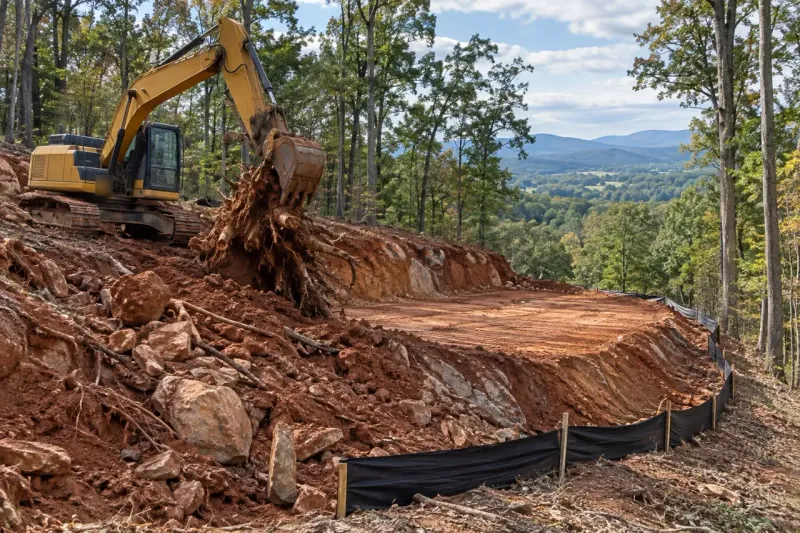
Trees in Floodplains and Steep Slopes
© Land Clearing in Charlottesville & Albemarle County, VA

Roots act like rebar for the soil. Pull out enough trees on a hillside and the next big storm may carry your yard down the hill.

Several Virginia counties limit clearing on steep slopes and in floodplains. Fairfax County, for one, regulates land disturbance in these zones, and larger clearing can trigger erosion and sediment control permits.

Disturbing more than a set area of land, often 2,500 square feet in Bay Act areas, can also require a land disturbance permit.

8. Trees Near Power Lines
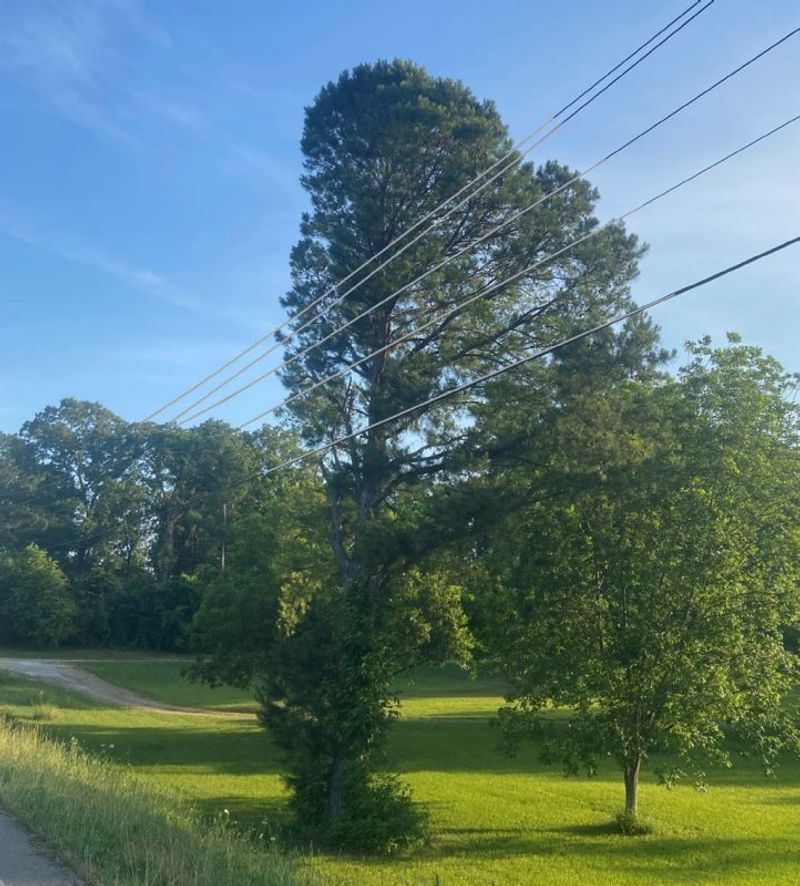
Trees Near Power Lines
© VCE Publications – Virginia Tech

No permit form here, but skipping this step is the most dangerous mistake on the list. Trees touching power lines can electrify the trunk, ladder, and you.

Dominion Energy and Appalachian Power handle trimming near their lines. Call them, or hire a line-clearance certified arborist.

Planning to dig out the stump? Virginia law requires calling 811 before digging so buried lines get marked.

9. Trees in Wetlands
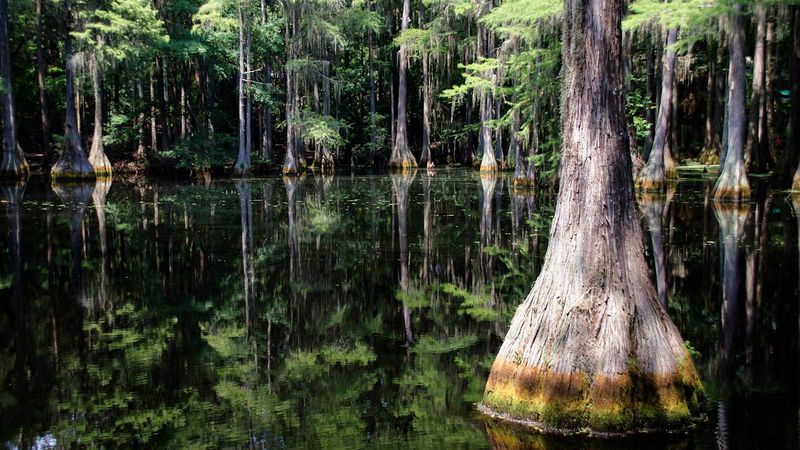
Trees in Wetlands
© Leaf & Limb

Soggy ground with bald cypress or red maple standing in water tells you something. You may be looking at a regulated wetland.

Nontidal wetlands are watched by the Virginia Department of Environmental Quality and sometimes the Army Corps of Engineers. Tidal wetlands fall under local wetlands boards and the Virginia Marine Resources Commission.

Cutting trees may be allowed, but grinding stumps, filling, or grading usually is not without a permit. When in doubt, ask VMRC or DEQ.

10. Large Trees in Localities With Tree Canopy Ordinances
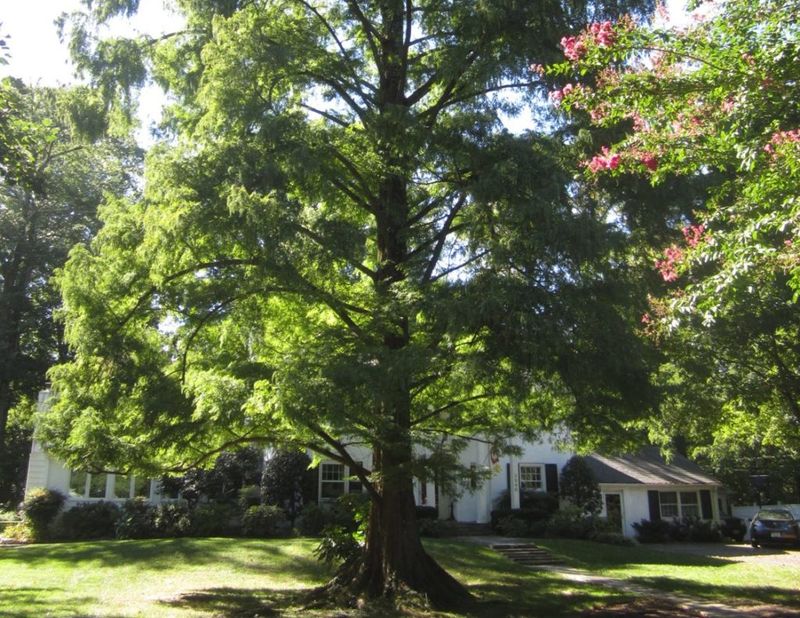
Large Trees in Localities With Tree Canopy Ordinances
© ARLnow

Size matters in tree law. A growing number of Virginia localities, especially in Northern Virginia, use tree canopy rules tied to development and redevelopment.

If you are building an addition, a pool, or a new house, the county may count your canopy and require replacement trees. Arlington has pushed hard on canopy protection, and Fairfax requires tree cover on many projects.

Measure trunks at about 4.5 feet off the ground before talking to staff. That number usually drives the rules.

The takeaway is simple: a five-minute call to your local planning office can save you thousands. Ask first, then cut.

Share this story
CW

Written by

Caroline Whitfield

More from Caroline Whitfield →

About Gardening Latest

Gardening Latest provides in-depth guides to maintaining and enhancing your garden and backyard. Learn how to make the most of the space you have and create a beautiful garden.

More about us →

Latest stories

  • Iowa GardeningIs a Northern Short-Tailed Shrew Hiding in Your Iowa Leaf Pile? What We Know About Its Venom

    Is a Northern Short-Tailed Shrew Hiding in Your Iowa Leaf Pile? What We Know About Its Venom

    4 min ago
  • New Jersey GardeningThese Venomous Critters Are Hiding Closer To Your New Jersey Porch Than You Think

    These Venomous Critters Are Hiding Closer To Your New Jersey Porch Than You Think

    17 min ago
  • North Carolina GardeningA Coyote Just Wandered Into Your North Carolina Yard: 7 Smart Moves and 3 Big Mistakes

    A Coyote Just Wandered Into Your North Carolina Yard: 7 Smart Moves and 3 Big Mistakes

    23 min ago
  • Michigan GardeningWhat Really Happens Inside a Michigan Yellowjacket Nest Once Hard Frost Hits

    What Really Happens Inside a Michigan Yellowjacket Nest Once Hard Frost Hits

    28 min ago
  • Massachusetts GardeningBrushed Against a Browntail Moth Caterpillar in Your Massachusetts Garden? Here’s What to Do Right Away

    Brushed Against a Browntail Moth Caterpillar in Your Massachusetts Garden? Here’s What to Do Right Away

    33 min ago

Gardening by state

Stories for your state, and the hardiness zone most of it gardens in.

Keep exploring

Read next

All Virginia Gardening →
Virginia GardeningVenomous Creatures Hiding In Virginia Leaf Piles That Homeowners Should Know Before Raking
Virginia Gardening

Venomous Creatures Hiding In Virginia Leaf Piles That Homeowners Should Know Before Raking

3 hr ago
Virginia GardeningFinal Mowing Heights for Virginia Lawns: Practical Targets for Tall Fescue and Bermudagrass
Virginia Gardening

Final Mowing Heights for Virginia Lawns: Practical Targets for Tall Fescue and Bermudagrass

Nov 11
Virginia GardeningVirginia’s Most Dangerous Venomous Snakes And Spiders Still Lurking In Yards As Temperatures Drop
Virginia Gardening

Virginia’s Most Dangerous Venomous Snakes And Spiders Still Lurking In Yards As Temperatures Drop

Nov 11

More from Virginia Gardening

  • Brushed Against a Browntail Moth Caterpillar in Your Massachusetts Garden? Here’s What to Do Right Away

    33 min ago
  • These Venomous Animals Share Your New York Backyard, Here’s How To Spot Them

    43 min ago
Back to top

Leave a response Cancel

Your email address stays private. Required fields are marked with an asterisk.

Gardening Latest

In-depth guides to maintaining and enhancing your garden and backyard: how to make the most of the space you have, and how to make it beautiful.

  • Facebook
  • X
  • Pinterest
  • YouTube

We may earn a portion of sales from products or services that are purchased through our site as part of our affiliate partnerships with retailers.

Explore

  • About GardeningLatest.com
  • Contact Us
  • Terms and Conditions
  • Privacy
  • Editorial Note:
  • FTC Disclosure

Newsletter

New garden guides and seasonal tips, straight to your inbox.

We’ll email you a link to confirm. Unsubscribe any time.

Almost there! Check your inbox and tap the link to confirm.

© 2026 Gardening Latest. All rights reserved.

Back to top