When Florida finally gets a break from the heat, you are not the only one who notices. Snakes, spiders, and other small creatures start hunting for warm, sheltered spots, and your porch can look like a perfect hideout.
Some of these visitors carry venom that can make a person or pet very sick. Knowing who might show up helps you enjoy those cool evenings without any nasty surprises.
1. Eastern Diamondback Rattlesnake
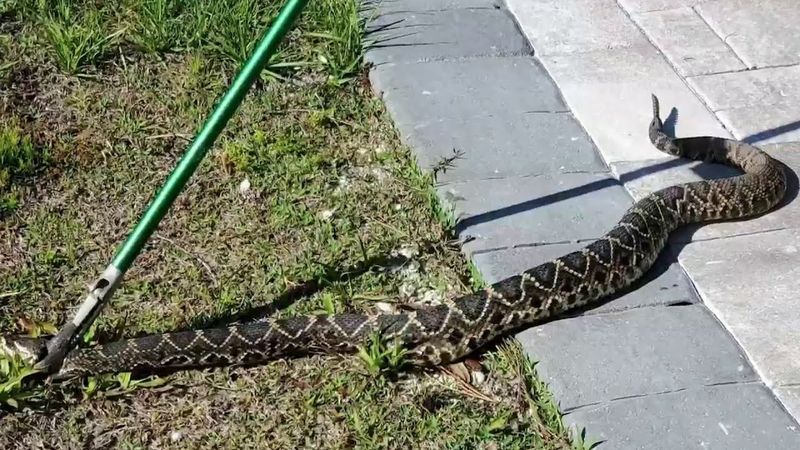
A slow, buzzing rattle near the back steps is a sound no Floridian forgets. The eastern diamondback is the largest venomous snake in North America, and some grow longer than six feet.
When fall temperatures dip, these heavy-bodied snakes move toward winter shelters like gopher tortoise burrows, woodpiles, and the dark gaps under porches.
Their venom attacks blood and tissue, so a bite needs emergency care right away. The good news is that diamondbacks usually prefer to stay hidden and often warn you before striking.
Give them space and they will almost always choose to leave.
Keep firewood stacked away from the house and seal openings under decks. A tidy yard gives a rattlesnake fewer reasons to linger.
2. Southern Black Widow Spider
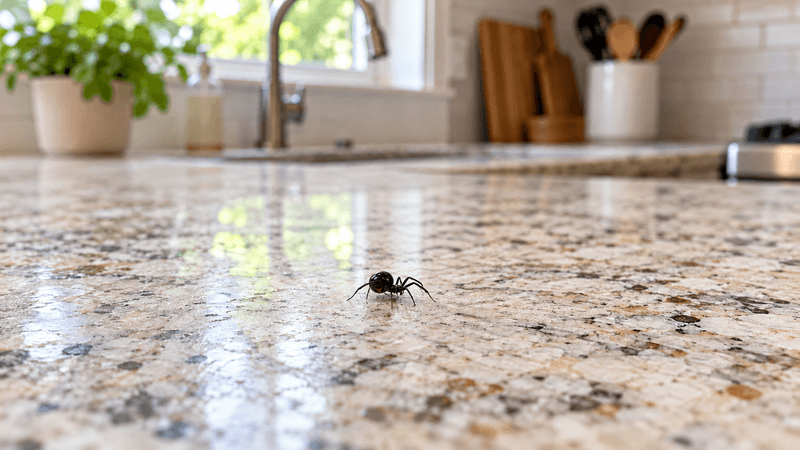
Flip over a patio cushion you have not touched since summer, and you might find a shiny black spider with a red hourglass on its belly. Southern black widows love quiet, cluttered corners, and cooler nights push them into sheltered spaces like flower pots, shoe racks, and outdoor storage bins.
Their venom is a neurotoxin that can cause painful muscle cramps, sweating, and nausea. Bites are rarely deadly for healthy adults, but kids and older folks can react more strongly.
Medical help is a smart call either way.
Wear gloves when you move stored porch items. Shake out shoes and blankets before using them, especially after they have sat outside for weeks.
3. Eastern Coral Snake
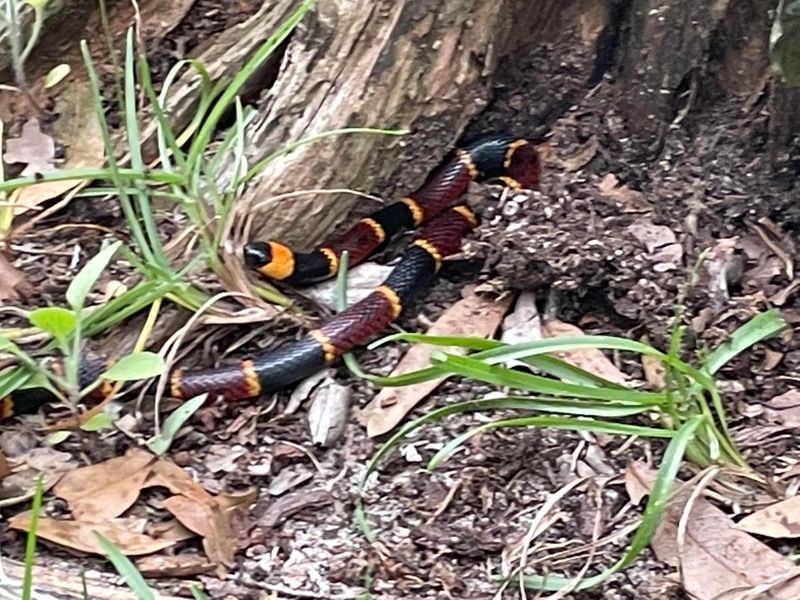
Red touches yellow, kills a fellow. Generations of Florida kids have learned that rhyme to tell the eastern coral snake apart from harmless look-alikes like the scarlet kingsnake.
Coral snakes are shy and spend most of their lives tucked under leaves, mulch, and logs. In autumn, they often slip out on mild days and may wander across patios or into garages.
Their small mouths mean bites are uncommon, but their venom is powerful and affects the nervous system.
Symptoms can be delayed for hours, which makes any bite a true emergency. Never pick one up, even if it looks small and calm.
Admire those bright bands from a safe distance.
4. Brown Recluse Spider
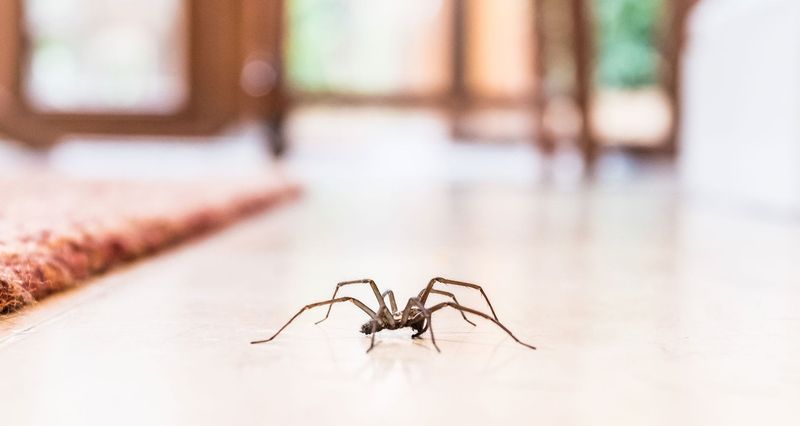
Here is a twist many people do not expect: true brown recluse spiders are fairly rare in Florida. Most sightings turn out to be other brown spiders.
Still, small populations have been found, often hitching rides in boxes and furniture from other states.
Look for a violin-shaped mark on the back and six eyes instead of eight. Recluses hide in dry, undisturbed places, so a stack of holiday boxes on a screened porch can be a cozy spot as weather cools.
Their bite can cause a slow-healing wound in some cases. Store items in sealed plastic bins instead of cardboard, and you will cut down on hiding places for many spiders, not just this one.
5. Florida Cottonmouth
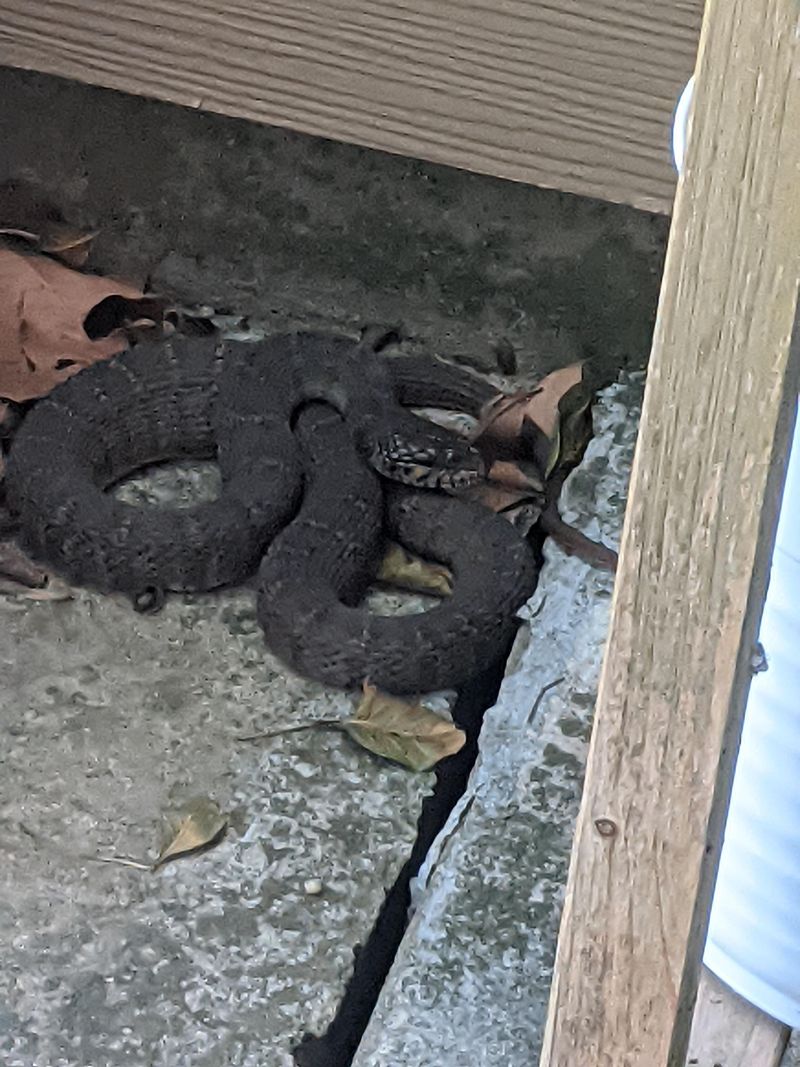
Live near a pond, canal, or retention lake? Then the cottonmouth might be your neighbor.
Also called the water moccasin, this thick, dark snake gets its name from the bright white inside of its mouth, which it flashes as a warning.
As nights cool, cottonmouths bask on sunny edges during the day and seek warm shelter after dark. Lakeside docks, porches, and lanais can attract them, especially if frogs and fish are close by.
Their bite causes serious pain and swelling and needs fast medical treatment. Fun fact: many harmless water snakes get mistaken for cottonmouths and killed by accident.
If you are not sure, just back away and let it be.
6. Giant Desert Centipede
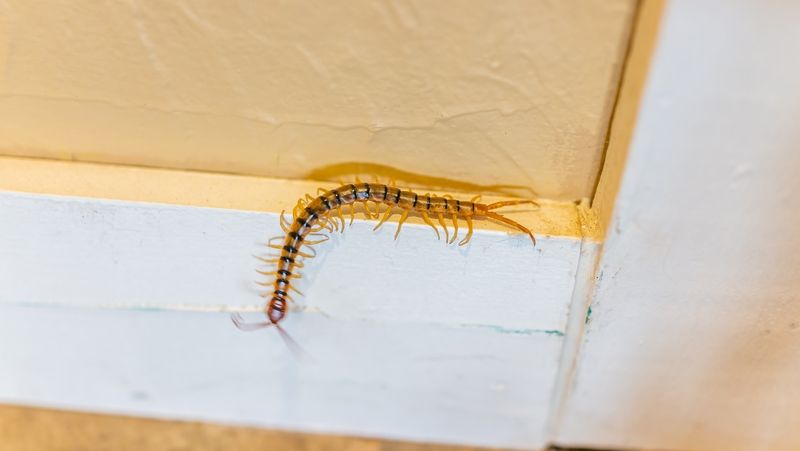
Nothing wakes you up faster than a six-inch centipede racing across the porch floor. Florida is home to several big centipedes, including the Florida blue centipede and the Scolopendra species, and they are fast, fierce hunters.
Centipedes do not bite with teeth. Instead, they pinch with special front legs that inject venom.
The sting can feel like a hornet attack, with redness and swelling, though it is rarely dangerous for adults.
These creatures love damp spots under mats, potted plants, and stones. Lift doormats now and then, fix leaky hoses, and keep mulch pulled back from the foundation.
Less moisture means fewer leggy surprises.
7. Dusky Pygmy Rattlesnake
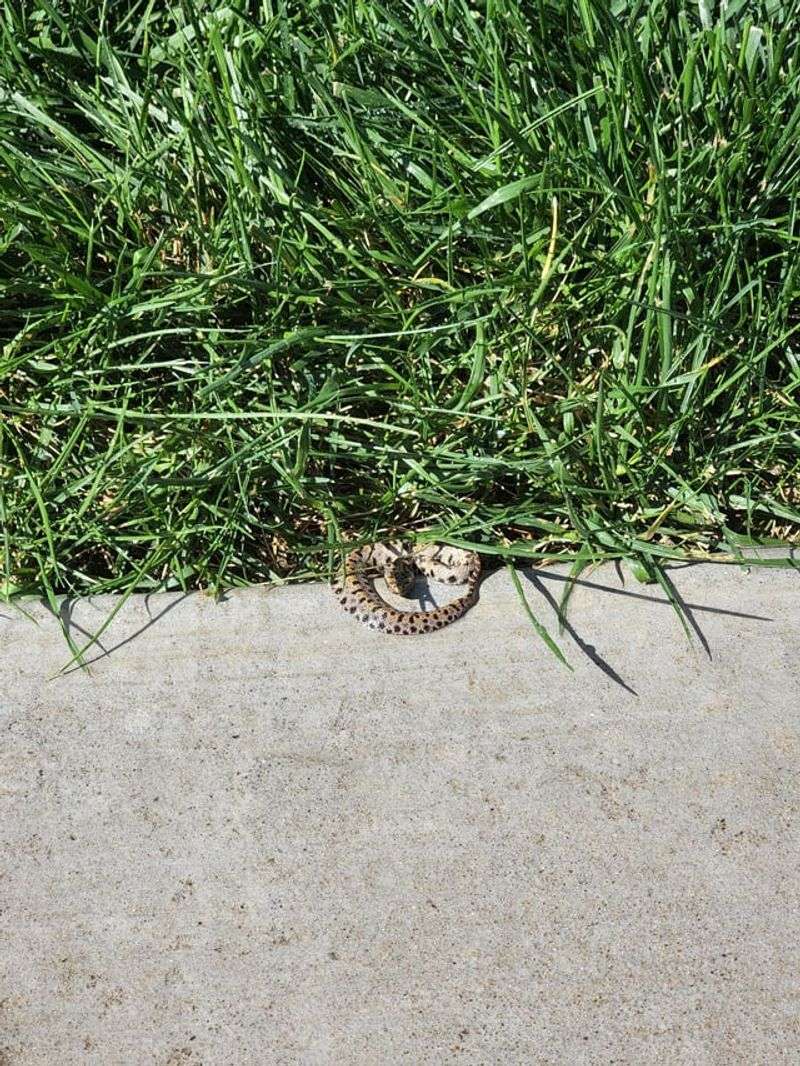
Small does not mean harmless. The dusky pygmy rattlesnake usually stays under two feet long, and its tiny rattle sounds more like a buzzing insect than a warning.
Many people never hear it at all.
Pygmies are one of the most common venomous snakes in Florida yards. In cooler months, they tuck into pine straw, garden beds, and the edges of porches.
Because they blend in so well, most bites happen when someone steps or reaches without looking.
A bite is painful and needs a doctor, though it is seldom life-threatening. Use a flashlight on evening walks and wear closed shoes outdoors.
Your toes will thank you.
Share this story