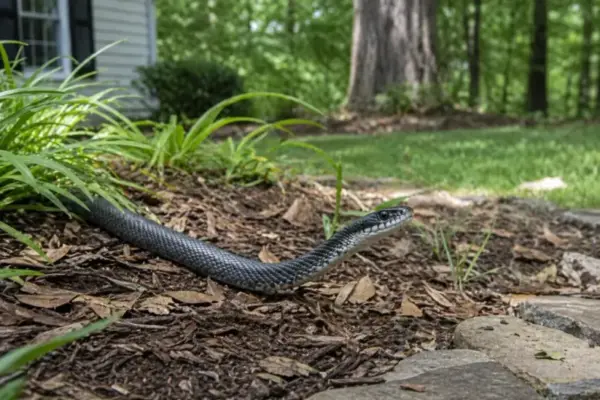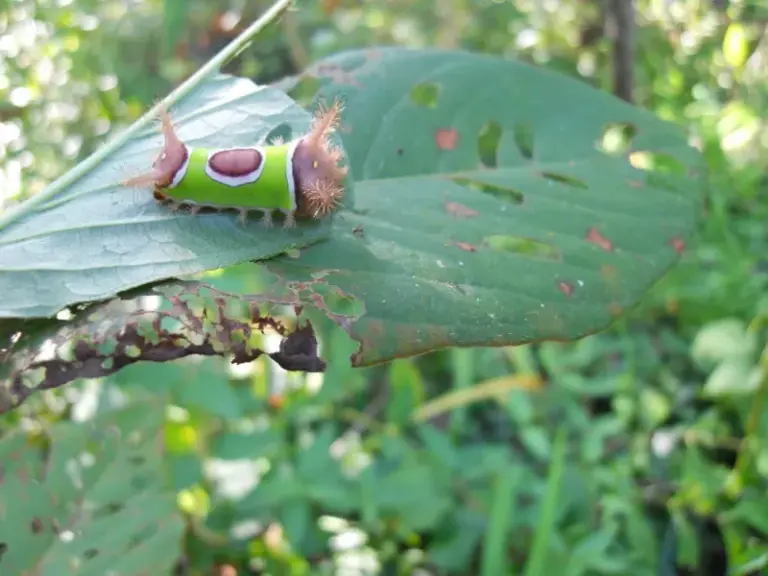
When a Florida storm floods the ground, snakes have to go somewhere, and your yard might look like the perfect hotel. Most people never realize that small, everyday yard habits can roll out the welcome mat for these slithery visitors.
Knowing what draws them in can help keep your family and pets safer during the rainy season. Here are eight common habits worth changing before the next big downpour.
1. Leaving Grass Long Between Mows
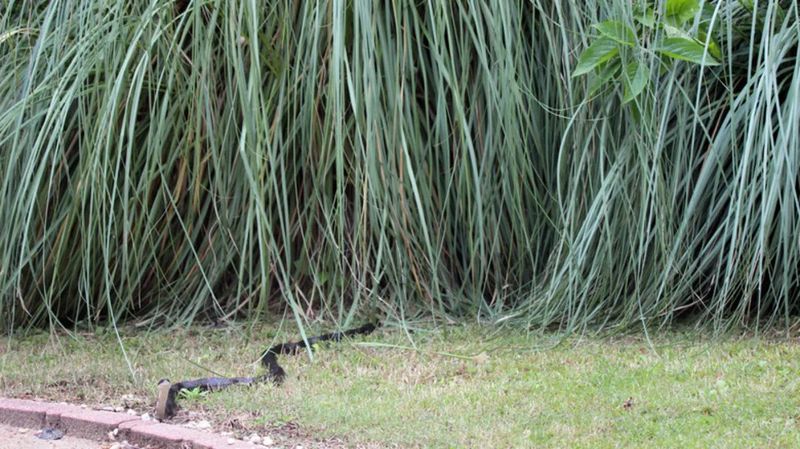
Picture tall grass after a soaking rain. To a snake, it is a cool, shaded hallway full of hiding spots and hungry frogs.
Florida lawns grow fast in summer, and skipping even one mowing can leave grass tall enough to hide a black racer or a pygmy rattlesnake. Wet blades also attract insects, which bring lizards and toads, which bring snakes looking for dinner.
Keep grass trimmed to about three or four inches, especially near doors, patios, and play areas. Short grass leaves snakes exposed to hawks and herons, and most of them would rather not take that risk.
2. Stacking Firewood Against the House
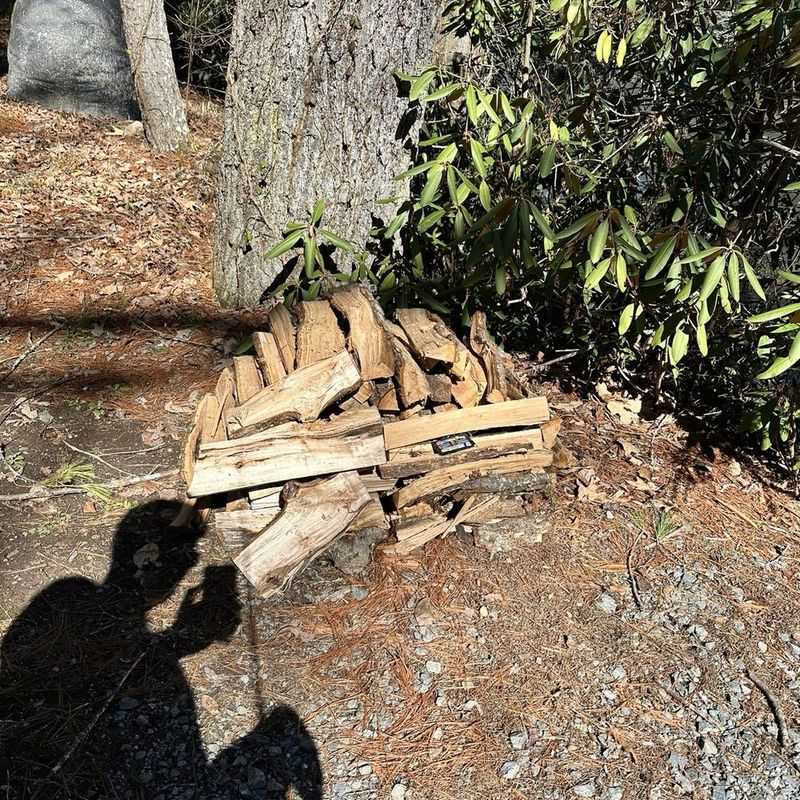
Grandpa always kept the woodpile right by the back door for convenience. Snakes appreciated that choice even more than he did.
Firewood stacks are full of gaps, damp bark, and rodents, which makes them a dream hideout once rain floods burrows in the ground. A pile touching your house also gives snakes a quiet path toward vents, gaps, and garage doors.
Move wood at least 20 feet from your home and raise it about a foot off the ground on a rack. You will still have easy access to it, without hosting uninvited guests underneath.
3. Ignoring Standing Water and Clogged Drains
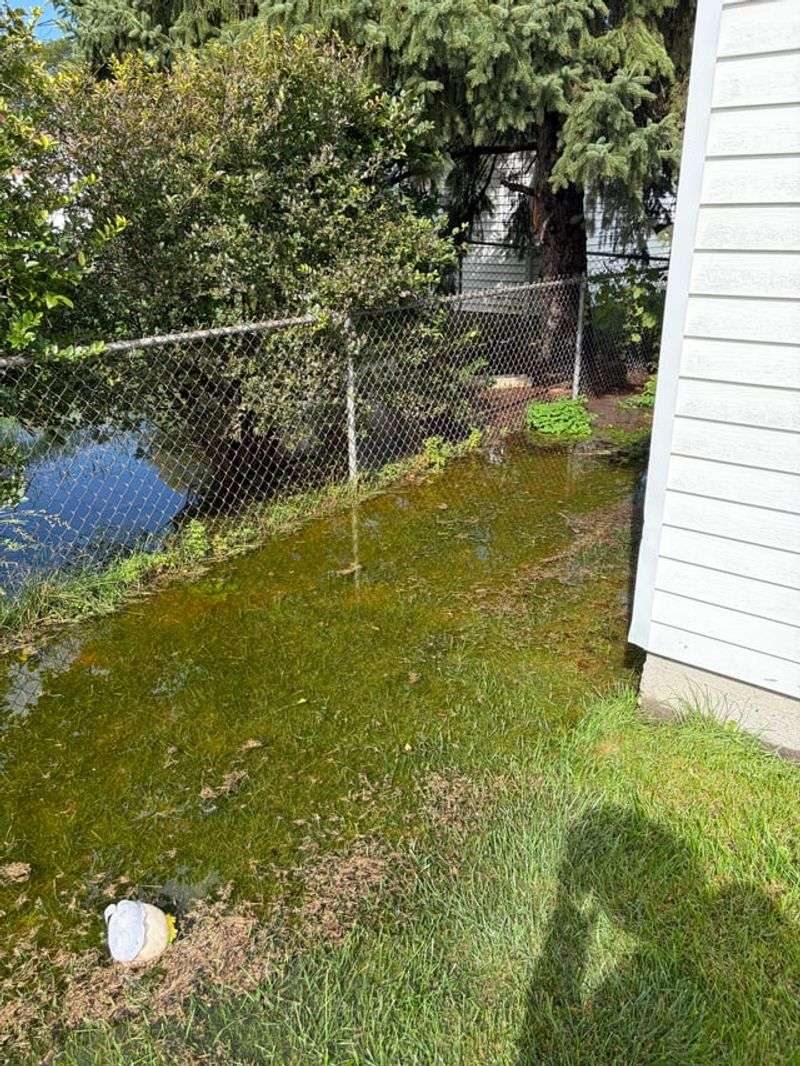
Here is a chain reaction worth knowing. Standing water brings frogs, frogs bring snakes, and suddenly your soggy corner has its own food web.
Clogged gutters, low spots, and blocked drains can hold water for days after a Florida storm. Water snakes and cottonmouths in some areas are especially drawn to these mini ponds, since they hunt frogs and small fish.
Clear gutters regularly and point downspouts away from the house. If certain spots always flood, consider adding soil, a French drain, or a rain garden with good drainage.
4. Leaving Pet Food Outside
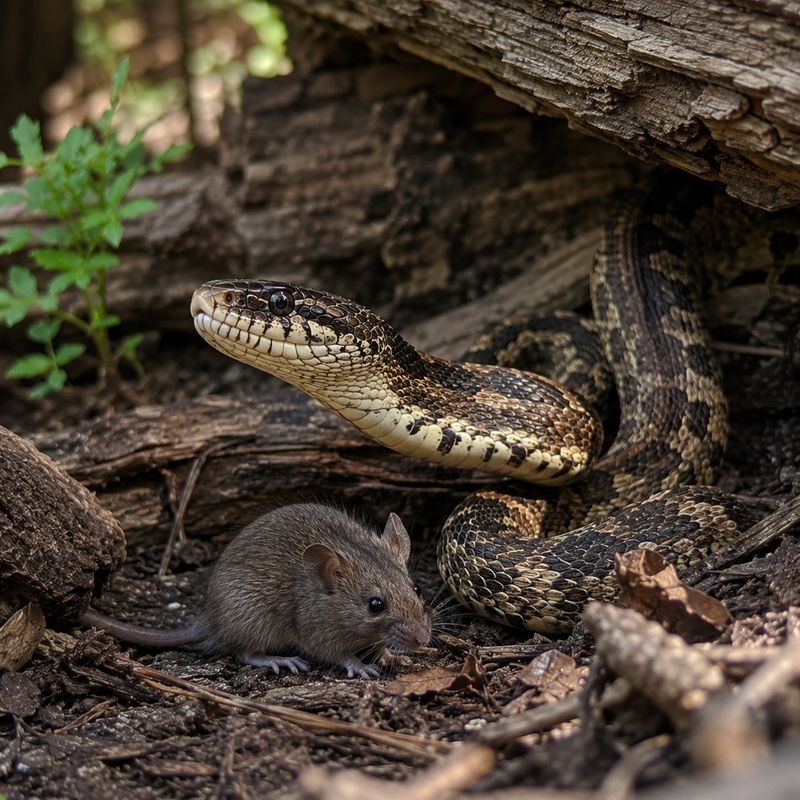
Snakes do not eat kibble. So why does a bowl of pet food matter?
Leftover food draws mice, rats, and even roaches, and those critters are exactly what many snakes hunt. After heavy rain pushes rodents out of flooded nests, a reliable food source on your porch becomes a magnet for them, and then for the snakes following them.
Feed pets indoors or pick up bowls as soon as mealtime ends. Store bags of food and birdseed in sealed plastic or metal bins too.
5. Letting Bird Seed Pile Up Under Feeders
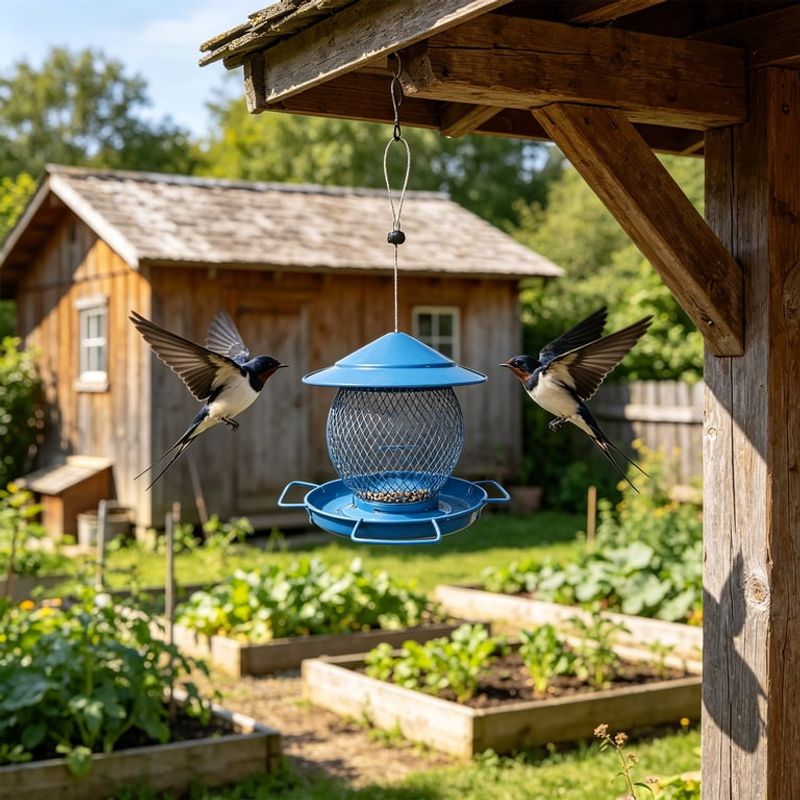
Bird lovers, this one stings a little. That cheerful feeder could be running a buffet that ends with a rat snake in the shrubs.
Spilled seed collects on the ground and gets soggy after rain. Squirrels, mice, and rats gather for the free snack, and snakes quickly learn where the crowd hangs out.
You do not have to give up feeders. Use a seed catcher tray, choose no-mess seed blends, and rake up spills every few days to keep the ground clean.
6. Keeping Thick Shrubs Close to the Foundation
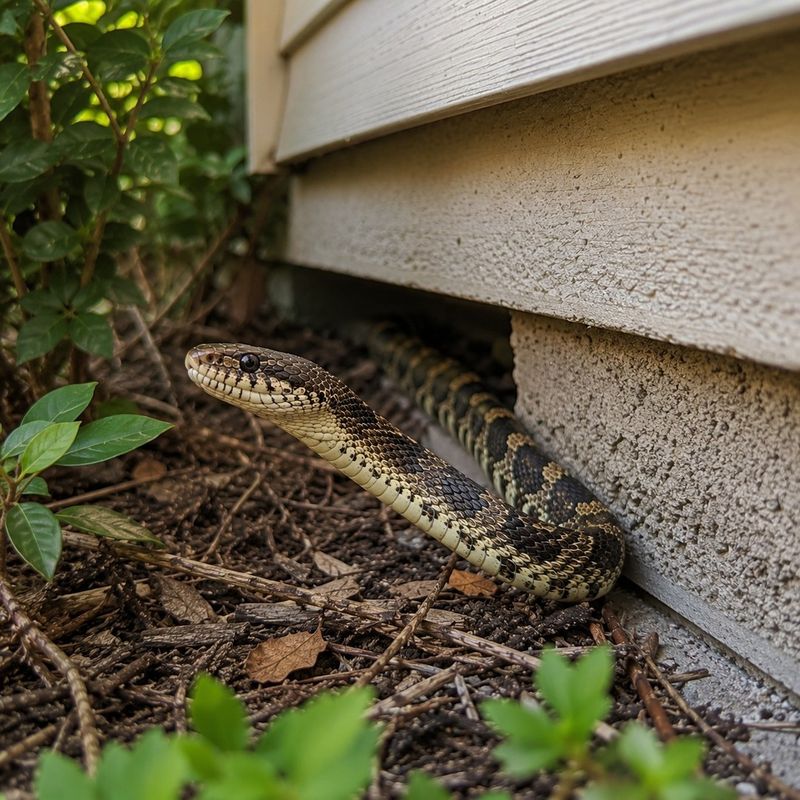
Lush landscaping makes a house look lovely from the street. Up close, dense bushes hugging the walls create dark, damp tunnels that snakes adore.
Thick ground cover like Asiatic jasmine and overgrown hedges hold moisture long after a storm passes. Snakes can rest there unseen, just inches from cracks, weep holes, and A/C lines leading inside.
Trim shrubs so there is a gap of at least a foot between plants and the house. Lifting the lower branches off the ground also helps, since snakes prefer cover that touches the soil.
Fun fact: Florida has around 50 native snake species, and only six are venomous. Still, nobody wants a surprise under the azaleas.
7. Leaving Yard Clutter and Debris Around
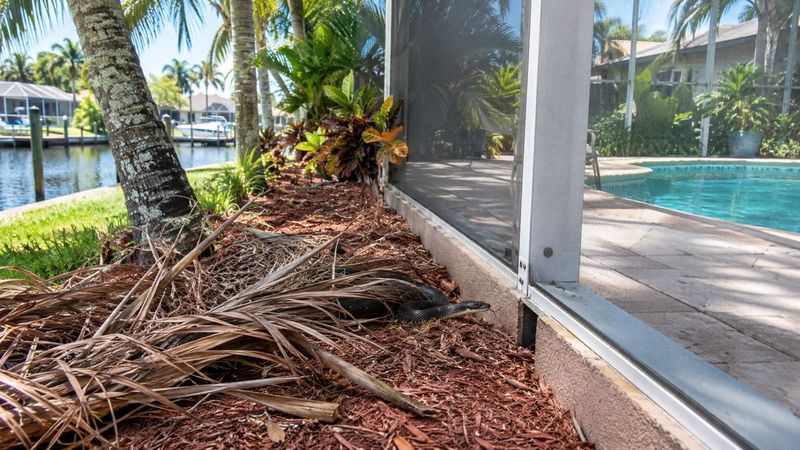
An old tarp, a stack of pots, a sheet of plywood from last hurricane season. Every one of them is snake real estate.
Flat objects lying on the ground trap warmth and moisture underneath, which is perfect for snakes waiting out wet weather. Storm debris like fallen branches and palm fronds adds even more cover after a big rain.
Do a quick cleanup walk after each storm. Wear gloves and boots, and lift items away from your body using a tool, just in case someone is napping under there.
8. Skipping Gap and Crack Repairs

Think about how a snake sees your home during a flood: a dry, high, safe place. If there is a way in, it might just find it.
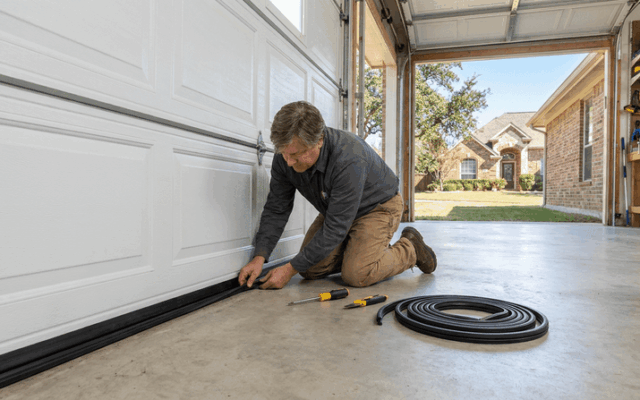
Small gaps under garage doors, torn screens, open pipe holes, and cracks in the foundation are easy to overlook. A young snake can slip through an opening barely wider than a pencil.
Walk around your home and seal gaps with caulk, weather stripping, or metal mesh. Add door sweeps to garage and exterior doors, and patch lanai screens quickly.
A little repair work on a sunny weekend can save you from a startling hallway encounter on the next rainy night.
Share this story