Few things ruin a summer evening in Ohio faster than the sharp, lingering smell of a skunk under the porch. Striped skunks are common across the Buckeye State, from Cleveland suburbs to farm towns near Chillicothe.
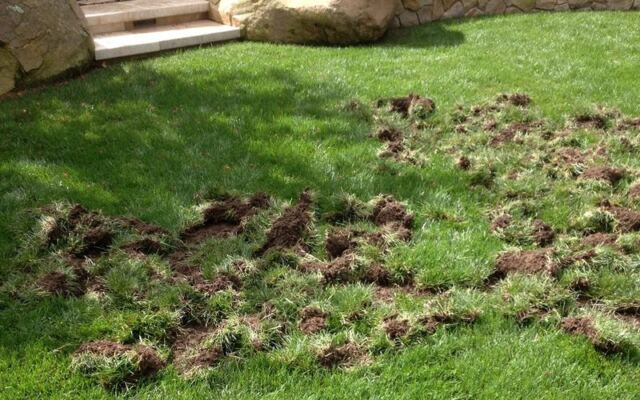
They dig up lawns, raid trash cans, and sometimes spray pets that get too curious. The good news is that a few smart, humane tricks can convince them to move on and stay gone.
1. Seal Off Porches, Decks, and Sheds
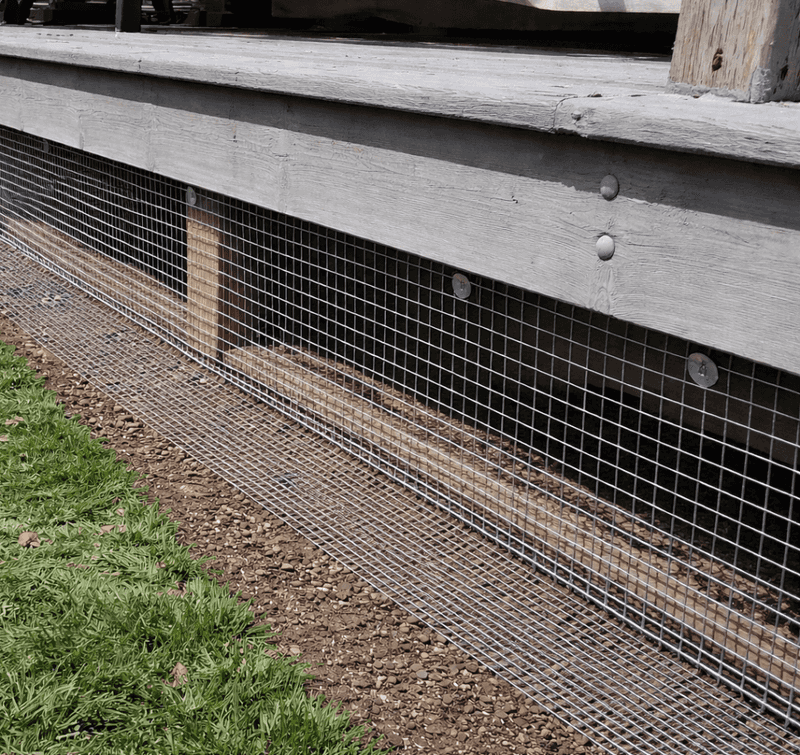
Picture a cozy, dry hollow under your deck with no wind and no predators. To a skunk, that is a five-star hotel, and Ohio has plenty of them.
The fix is hardware cloth, a sturdy wire mesh with quarter-inch openings. Dig a trench about 12 inches deep along the edge of the deck or shed, then bend the bottom of the mesh outward in an L shape so digging skunks hit a wall.
Before you seal anything, make sure nobody is home. Sprinkle flour at the entrance and check for tracks leading out, especially in May and June when mothers may have babies inside.
2. Lock Down Trash Cans
Skunks are not picky eaters. A bag of leftover chicken bones is basically a dinner invitation.
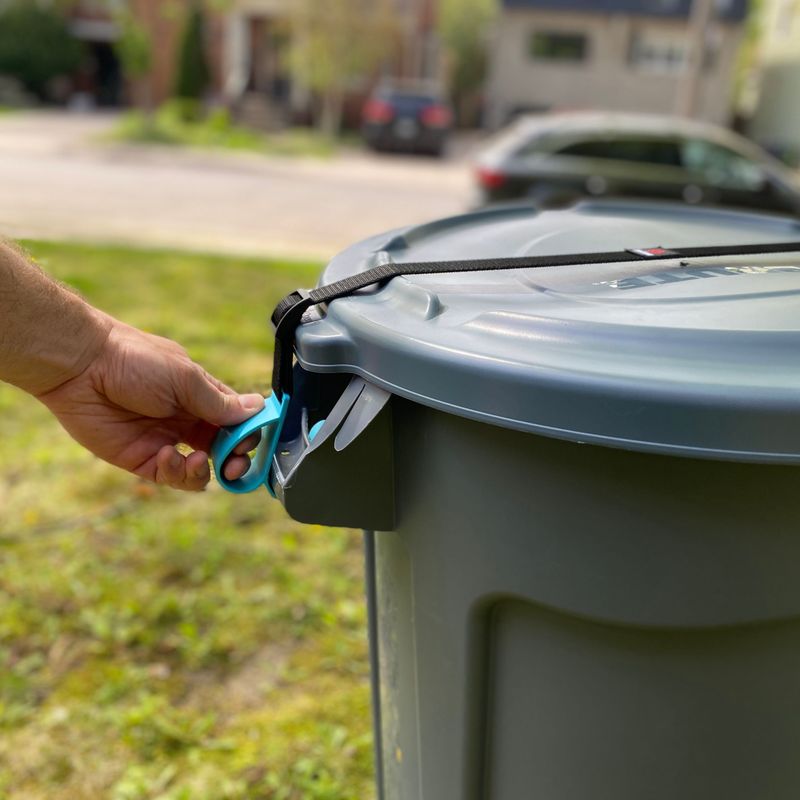
Use cans with tight lids, and add bungee cords or locking latches if your lids pop off easily. Storing cans inside a garage or shed overnight works even better.
Rinse out containers before tossing them, and put trash at the curb the morning of pickup instead of the night before. Fewer smells mean fewer visitors.
3. Bring Pet Food Inside
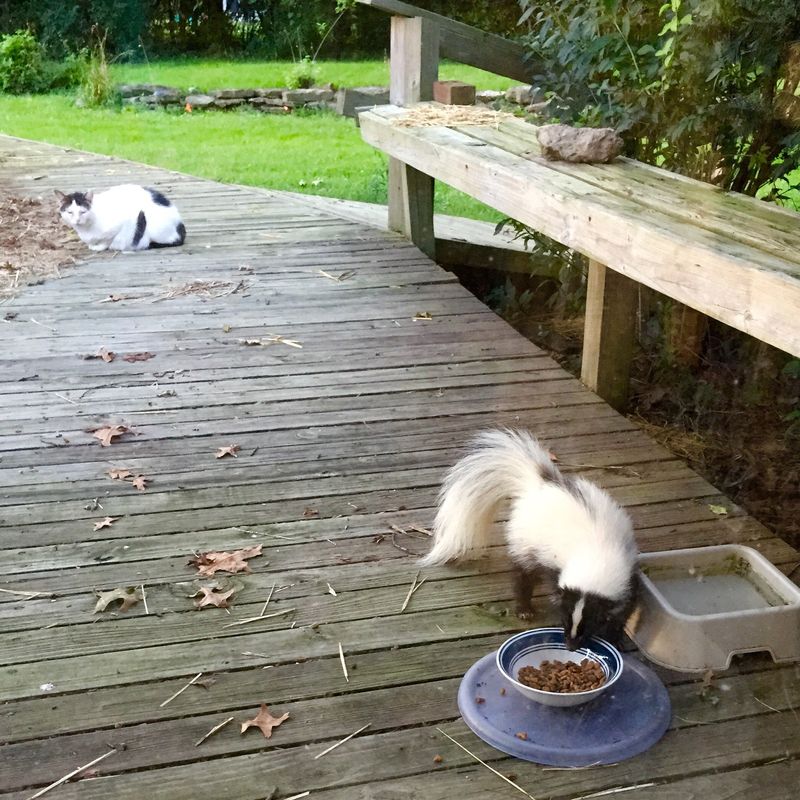
Here is a confession many pet owners make: the cat bowl stays on the porch all night. Skunks noticed long ago.
Feed pets during the day and pick up bowls before sunset. Skunks are nocturnal, so nighttime is when they go shopping.
Bird feeders count too. Spilled seed on the ground draws skunks, so use a tray under the feeder or sweep up each evening.
4. Treat Your Lawn for Grubs
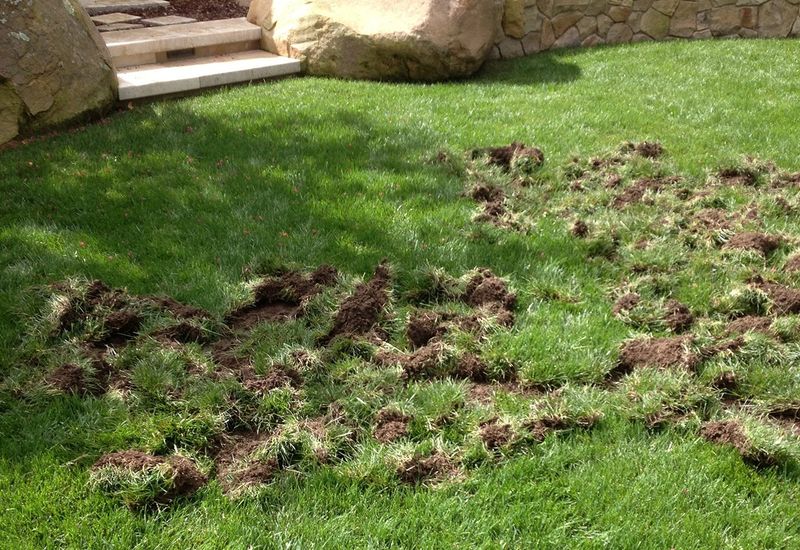
Woke up to dozens of little holes in the grass? That is skunk breakfast at work.
They dig for beetle grubs, which are especially common in Ohio lawns in late summer and fall.
Cut the food supply and the digging stops. Beneficial nematodes are tiny worms you spray onto the lawn, and they attack grubs without harsh chemicals.
Milky spore is another option for Japanese beetle grubs, though it works slowly. Healthy, deep-rooted grass also hides grubs better, so water deeply instead of often.
5. Install Motion-Activated Sprinklers

Nothing says go away like a surprise shower. Motion-activated sprinklers sense movement and blast a quick burst of water.
Skunks hate being startled, and they especially dislike getting wet. After a few soakings, most decide your yard is not worth the trouble.
Point the sprinkler toward garden beds, deck openings, or wherever you see tracks. Just remember to turn it off before you walk out to grab the newspaper.
6. Use Bright Lights at Night
Skunks love the dark. Their eyesight is weak, and they feel safer moving around in shadowy corners.
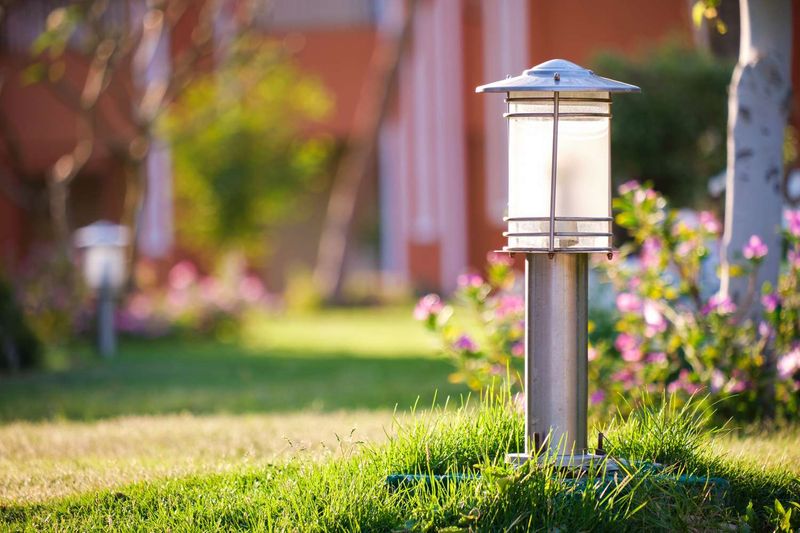
A motion-sensor floodlight can make them feel exposed. Aim it at spots where skunks hang out, like the space behind the shed or along a fence.
Some people place a small battery lantern under a porch for a few nights to encourage a skunk to leave a den. It is a simple, gentle push.
7. Try Scent Repellents
It feels a little funny to fight a smelly animal with smells, but it works. Skunks have a strong nose and dislike certain odors.
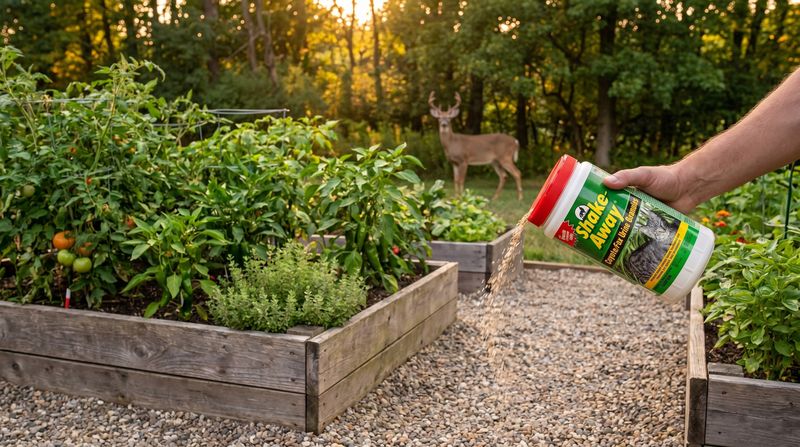
Citrus peels, ammonia-soaked rags, and castor oil repellents are popular choices. Commercial granules made from predator scents can also help.
Reapply after rain, because scents fade fast. Keep ammonia away from kids and pets, and never pour it directly on plants.
8. Clean Up Woodpiles and Brush

Grandpa always kept his firewood stacked by the back door. Handy, sure, but skunks thought so too.
Woodpiles, brush heaps, and tall weeds give skunks shelter close to food. Move firewood away from the house and raise it about a foot off the ground on a rack.
Trim overgrown shrubs and rake up leaf piles in fall. A tidy yard has fewer hiding spots, which makes it far less inviting.
9. Pick Up Fallen Fruit
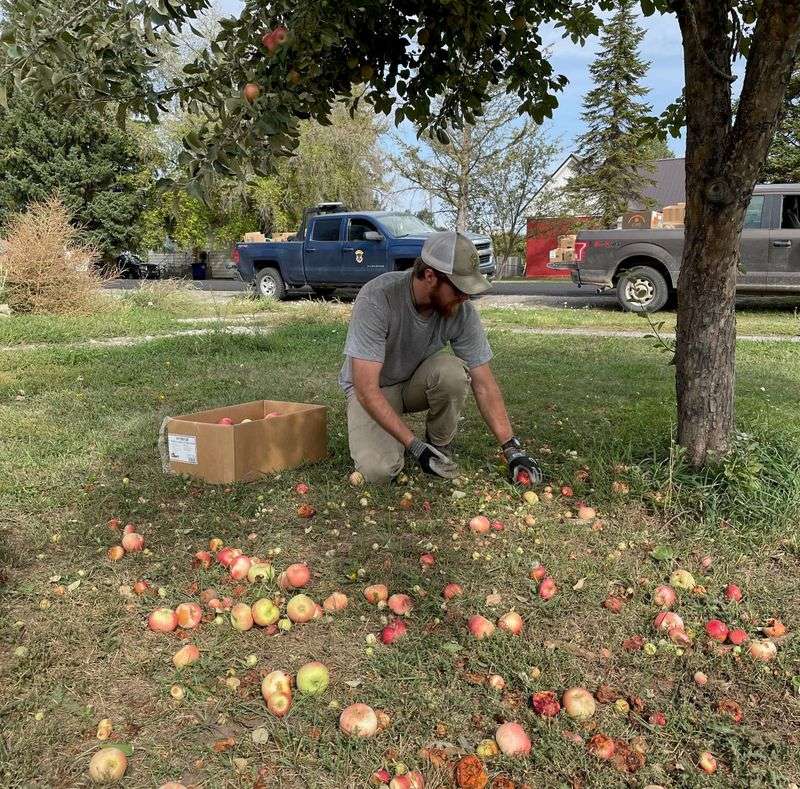
Ohio backyards are full of apple, pear, and mulberry trees. When fruit drops, skunks come running for the sweet treat.
Collect fallen fruit every day or two during harvest season. Compost bins should have secure lids, and avoid tossing meat or dairy into them.
Vegetable gardens can be guarded with a short fence buried a few inches deep. Ripe tomatoes and melons tempt more critters than you might expect.
10. Call a Licensed Wildlife Pro

Sometimes a skunk just will not take the hint. That is when it is time to call in help.
Ohio has rules about trapping and moving wildlife, and skunks can carry rabies. A licensed nuisance wildlife operator knows the law and can use one-way exclusion doors so the skunk leaves on its own.
If a skunk acts strange, like wandering in daylight or stumbling, keep away and call your local health department or the Ohio Division of Wildlife. Safety comes first.
Share this story