Get the latest garden guides in your inbox →
Gardening Latest
  • General Gardening
  • Lawn Care
  • Plant Care
  • Composting
  • Soil Health
  • Backyard
  • Garden Muse Magazine
  • General Gardening
  • Lawn Care
  • Plant Care
  • Composting
  • Soil Health
  • Backyard
  • Garden Muse Magazine
  • News
  • Gardening Calendar
  • Garden Structures
  • Vegetable Garden
  • Vertical Garden
  • Raised Beds
  • Hydroponics
  • General Equipment
  • Community Gardens
Garden Themes
  • Spiritual Garden
  • Hydroseeding
  • Seeding and Laying Sod
  • Artificial Grass
  • Lawn Care Equipment
  • Plants
  • Trees
  • Planting Tools
  • Composting Basics
  • Fertilizer
  • Alternative Growing Mediums
  • Front Yard
  • Backyard Activities
  • Landscaping
Gardening Latest

Explore by state

Which state is your garden in?

Currently viewing North Carolina

All states

Northeast

  • Connecticut —
  • Delaware 21
  • Maine —
  • Maryland 7
  • Massachusetts 24
  • New Hampshire —
  • New Jersey 8
  • New York 17
  • Pennsylvania 17
  • Rhode Island —
  • Vermont —

Southeast

  • Alabama 7
  • Arkansas —
  • Florida 7
  • Georgia 8
  • Kentucky 21
  • Louisiana 6
  • Mississippi —
  • North Carolina 6
  • South Carolina 20
  • Tennessee 4
  • Virginia 6
  • West Virginia —

Midwest

  • Illinois 6
  • Indiana 9
  • Iowa 20
  • Kansas —
  • Michigan 8
  • Minnesota 6
  • Missouri 6
  • Nebraska —
  • North Dakota —
  • Ohio 8
  • South Dakota —
  • Wisconsin 22

Southwest

  • Arizona 7
  • Colorado —
  • Nevada —
  • New Mexico —
  • Oklahoma —
  • Texas 6
  • Utah —

West

  • Alaska —
  • California 7
  • Hawaii —
  • Idaho —
  • Montana —
  • Oregon —
  • Washington —
  • Wyoming —

No state matches that search.

Site menu

Gardening Latest
  • General Gardening
    • News
    • Gardening Calendar
    • Garden Structures
    • Vegetable Garden
    • Vertical Garden
    • Raised Beds
    • Hydroponics
    • General Equipment
    • Community Gardens
    Garden Themes
    • Spiritual Garden
  • Lawn Care
    • Hydroseeding
    • Seeding and Laying Sod
    • Artificial Grass
    • Lawn Care Equipment
  • Plant Care
    • Plants
    • Trees
    • Planting Tools
  • Composting
    • Composting Basics
  • Soil Health
    • Fertilizer
    • Alternative Growing Mediums
  • Backyard
    • Front Yard
    • Backyard Activities
    • Landscaping
  • Garden Muse Magazine

Explore

  • About GardeningLatest.com
  • Contact Us

Get the latest from the garden

New guides on lawn care, plants and backyard projects, sent when they go up.

Subscribe →

Follow

  • Facebook
  • X
  • Pinterest
  • YouTube
North Carolina Gardening

8 Trees and Shrubs North Carolina Gardeners Can Prune Now and 4 You Should Leave Alone

Late winter in North Carolina is the sweet spot for grabbing your pruners and shaping up the yard.

WD

By Wyatt Daniels

November 23, 2026 · 6 min read

8 Trees and Shrubs North Carolina Gardeners Can Prune Now and 4 You Should Leave Alone

Late winter in North Carolina is the sweet spot for grabbing your pruners and shaping up the yard. Plants are still resting, you can see every branch clearly, and fresh growth will cover your cuts in a few weeks.

But some favorites set their flower buds last summer, so one wrong snip can wipe out a whole season of blooms. Here is which plants are ready for a trim right now and which ones you should leave alone until after they flower.

At a glance

Where
North Carolina Gardening
Hardiness zone
8 10 to 20°F
Read
6 minutes
Published
November 23, 2026

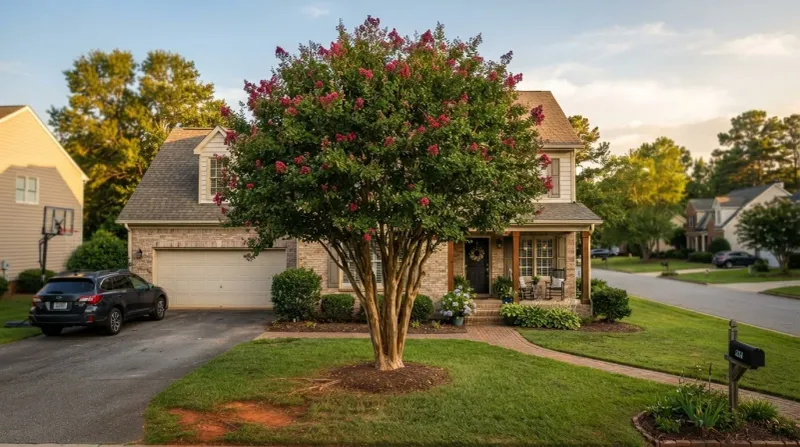
1. Crape Myrtle

Crape Myrtle
© Wake Tree Removal

Drive through any Raleigh neighborhood in February and you will spot the scene called crape murder: trunks chopped to ugly knobs. Please do not join that club.

Crape myrtles bloom on new wood, so late winter is the right time to prune, just with a lighter touch.

Remove suckers at the base, crossing branches, and twigs growing toward the center. Cut small branches back to a side shoot or the trunk instead of leaving stubs.

The reward is that gorgeous mottled bark and a natural vase shape. Your summer flowers will show up right on schedule.

2. Butterfly Bush
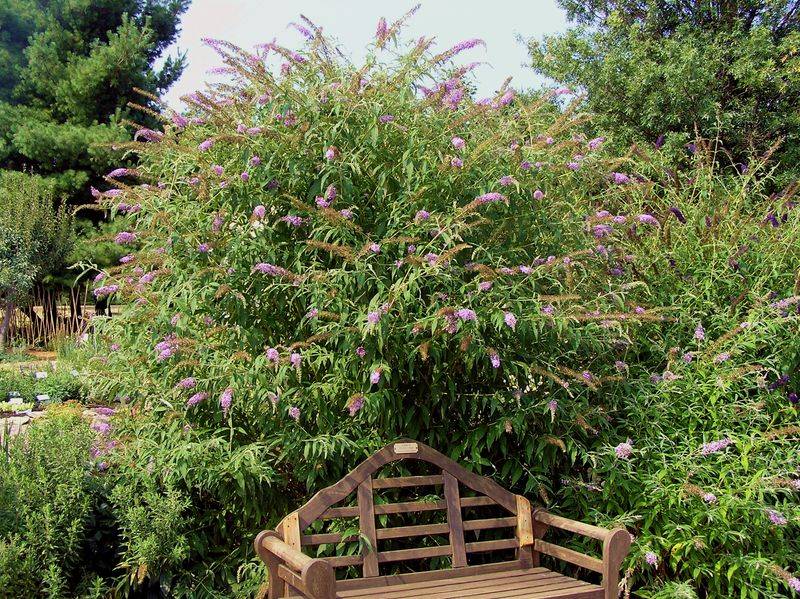
Butterfly Bush
© Clemson HGIC – Clemson University

Want more butterflies in July? Start by being a little ruthless in late February.

Butterfly bush flowers on the current season’s growth, so cutting it back hard to about 12 to 24 inches actually encourages fuller plants and more blooms. Left alone, it turns into a lanky, woody tangle with flowers only at the tips.

Wait until you see tiny green buds swelling along the stems, then cut just above a healthy pair. In the mountains, hold off a few extra weeks until hard freezes pass.

3. Panicle Hydrangea
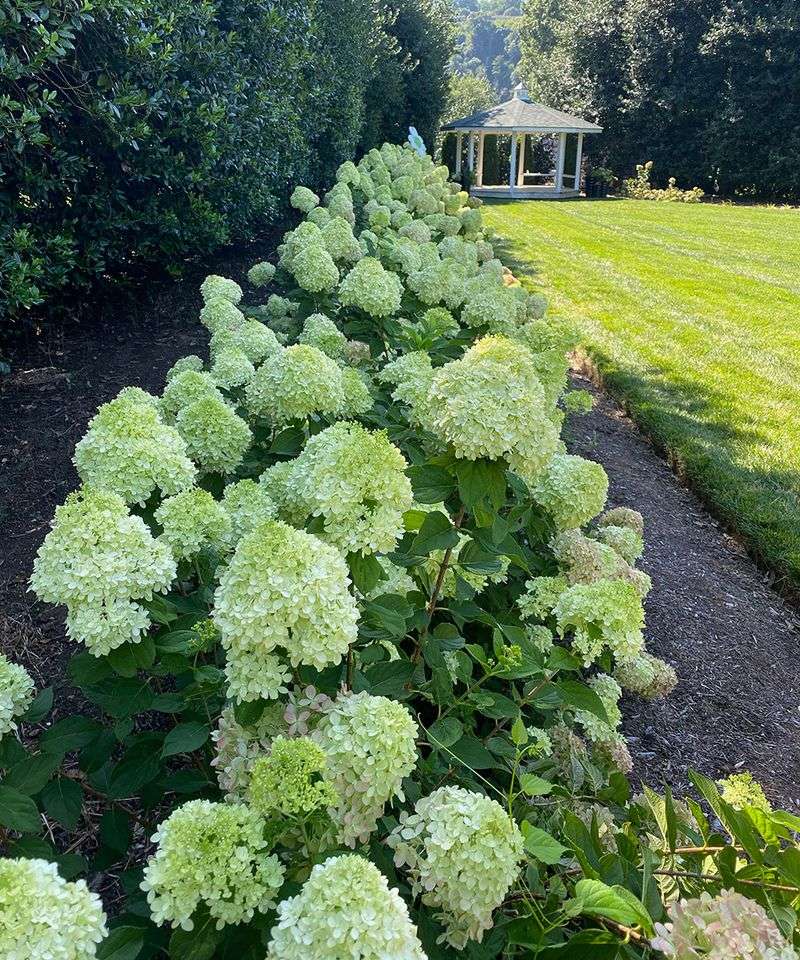
Panicle Hydrangea
© Fine Gardening

Not every hydrangea is fussy, and the panicle types like Limelight and Quick Fire prove it. They form flower buds on new growth each spring.

That means you can snip off the dried cone-shaped blooms and cut stems back by about a third right now. Keep the thickest stems as a framework so the flower heads do not flop after a summer storm.

A fun bonus: those dried winter blooms make great indoor arrangements. Save a few before they hit the compost pile.

4. Smooth Hydrangea
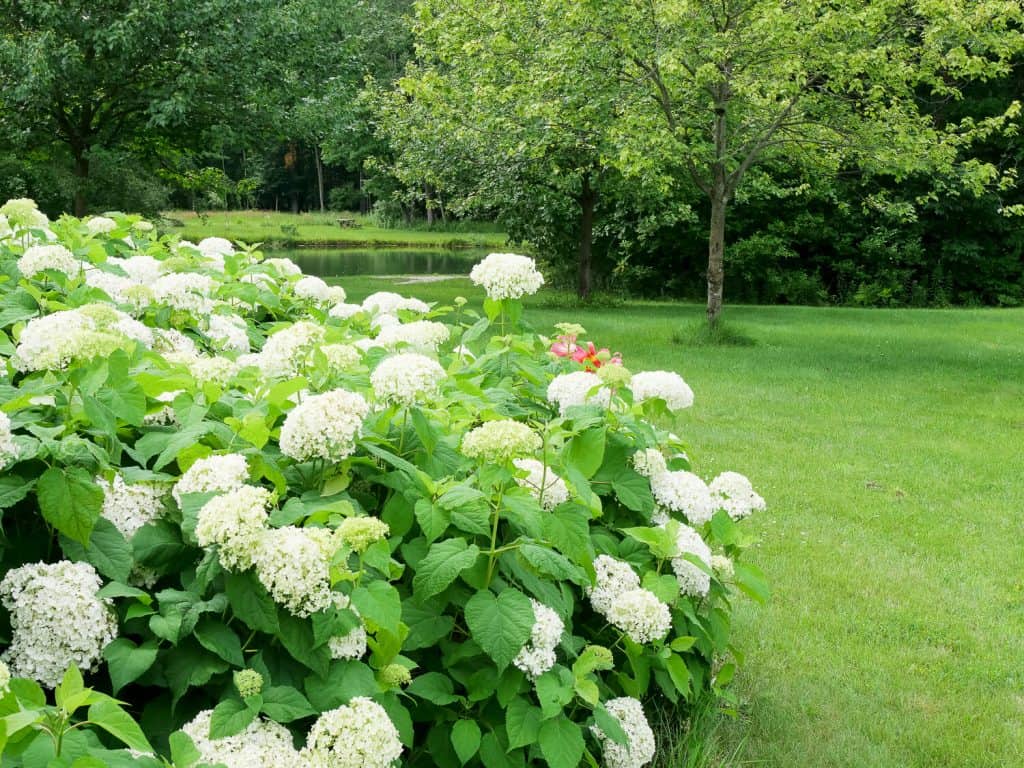
Smooth Hydrangea
© Grace In My Space

Here is a happy fact for native plant fans: smooth hydrangea grows wild in North Carolina’s mountain coves and stream banks. Annabelle is its famous garden cousin.

Because it blooms on new wood, you can cut the whole plant back to about 6 to 18 inches in late winter. Taller cuts give sturdier stems that hold those big white snowballs upright.

Remove dead wood, rubbing branches, and competing leaders so the tree grows one strong central trunk.

Some gardeners skip pruning entirely and the plant still flowers. Trimming simply gives you a tidier, more compact shrub.

5. Knock Out Roses
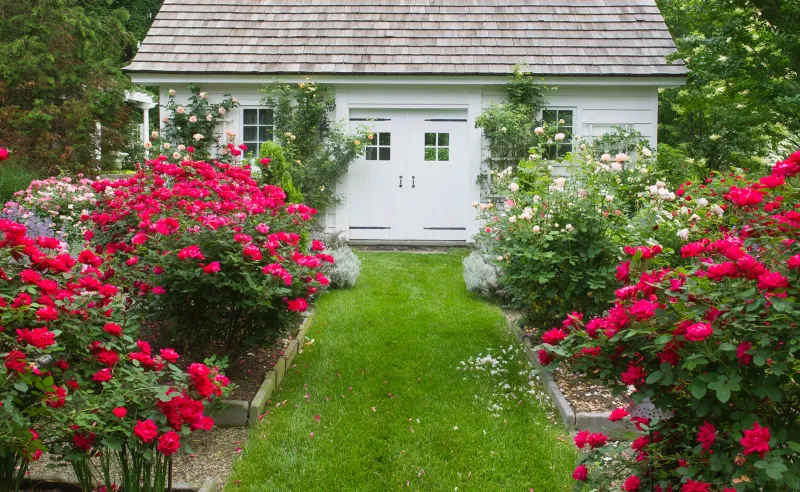
Knock Out Roses
© The Knock Out® Family of Roses

Knock Outs earned their name by being tough, and a firm late winter trim keeps them that way. Many NC gardeners use Valentine’s Day as a mental reminder, though mid to late February works well across most of the state.

Cut the shrubs back by about one third to one half. Remove dead canes, crossing stems, and anything thinner than a pencil.

Good airflow through the center helps fight black spot during our humid summers. Wear thick gloves, because those thorns do not care how careful you are.

6. Abelia
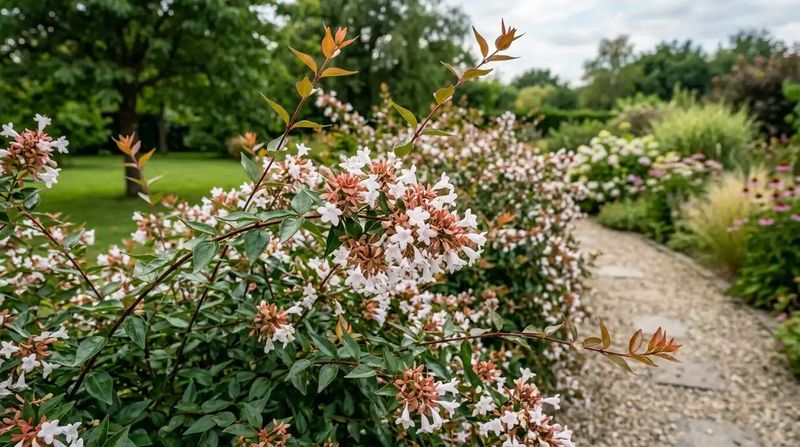
Abelia
© Plant and Stories

Abelia is the hardworking shrub that blooms from late spring nearly until frost, and bees adore it. Its flowers come on new growth, so late winter pruning fits perfectly.

Skip the boxy shearing, which ruins its graceful arching habit. Instead, remove a few of the oldest, woodiest canes right at the ground each year.

Overgrown plants can even be cut back hard to rejuvenate them. Within one season, fresh shoots will fill back in.

7. Boxwood

Boxwood
© PlantingTree

Picture the brick walkways of Old Salem or the Biltmore grounds, and boxwoods are probably lining them. These classic Southern shrubs can be pruned in late winter before new growth starts.

Rather than shearing only the outside, reach in and thin small branches to open gaps. Light reaching the interior keeps leaves healthy inside and lowers disease risk.

Avoid heavy pruning in late summer or fall. Tender new growth can get damaged by our early cold snaps.

8. Red Maple
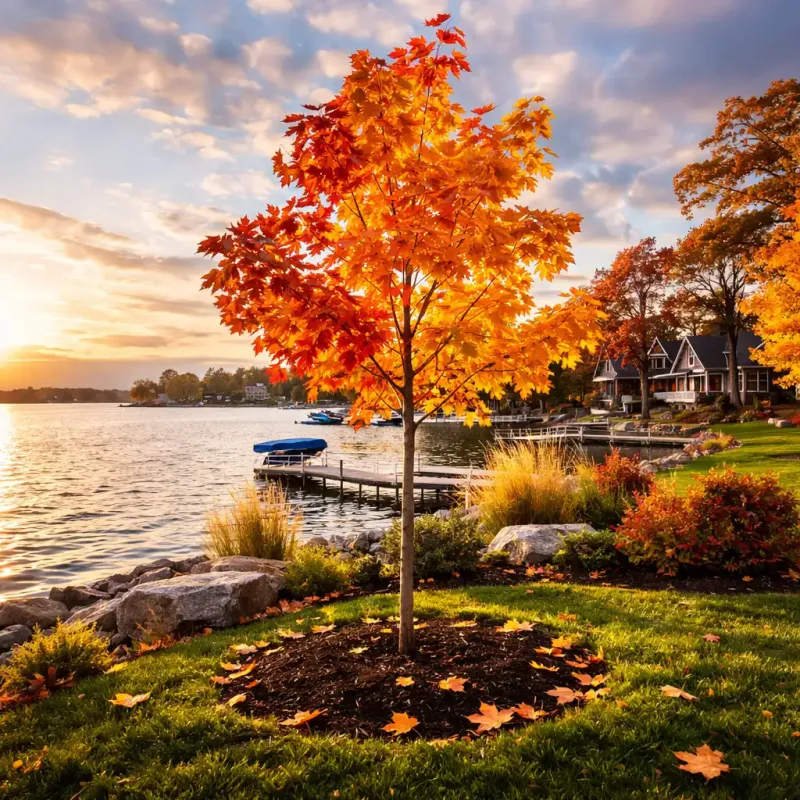
Red Maple
© Pleasant View Gardens

Ever seen sap dripping from a freshly cut maple? It looks alarming, but it usually does no harm.

Red maples, native across the whole state, can be structurally pruned while dormant. Remove dead wood, rubbing branches, and competing leaders so the tree grows one strong central trunk.

Keep it modest, taking no more than about a quarter of the canopy. For anything high or near power lines, call a certified arborist.

9. Azalea

Azalea
© A-Z Animals

Hands off, at least for now. Azaleas set next spring’s flower buds the previous summer, and they are already sitting fat on the branch tips.

Prune now and you will be staring at green leaves during the April show while your neighbors’ yards glow pink. Wilmington throws a whole festival for these blooms, so missing them stings.

Wait until flowers fade, then trim within a few weeks. Finish by early July so the plant has time to set new buds.

10. Bigleaf Hydrangea
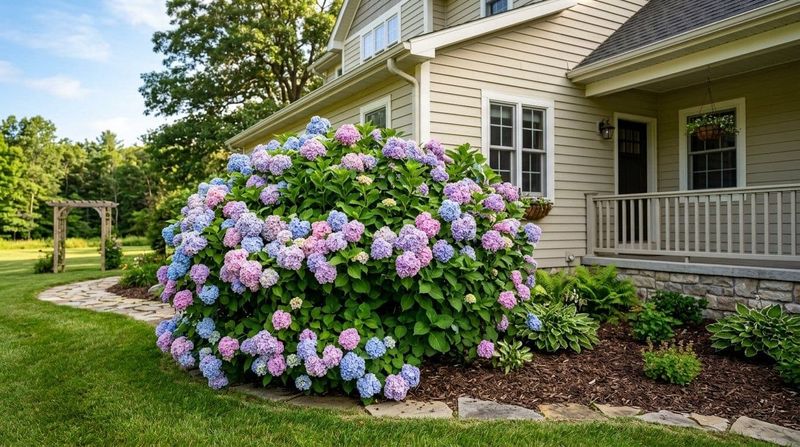
Bigleaf Hydrangea
© Colonial Classics

Ask around any garden club and someone has a sad story about a mophead that never bloomed. Nine times out of ten, a winter pruning was to blame.

Bigleaf hydrangeas mostly flower on old wood, meaning the buds formed last fall. Cut those stems now and you remove this year’s blue and pink blooms.

For now, just snip dead tips back to the first fat, healthy bud. Do any real shaping right after flowering in summer.

Reblooming types like Endless Summer are a bit more forgiving.

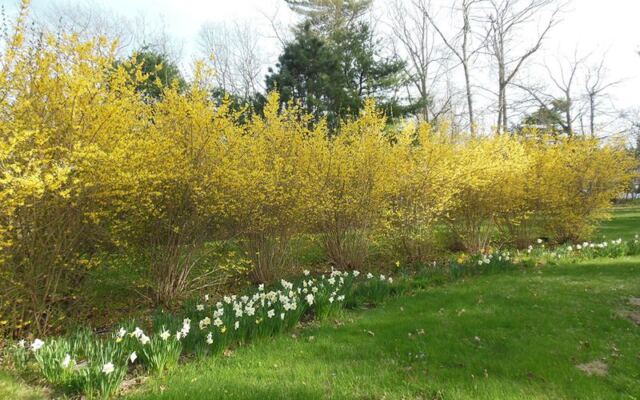
11. Forsythia
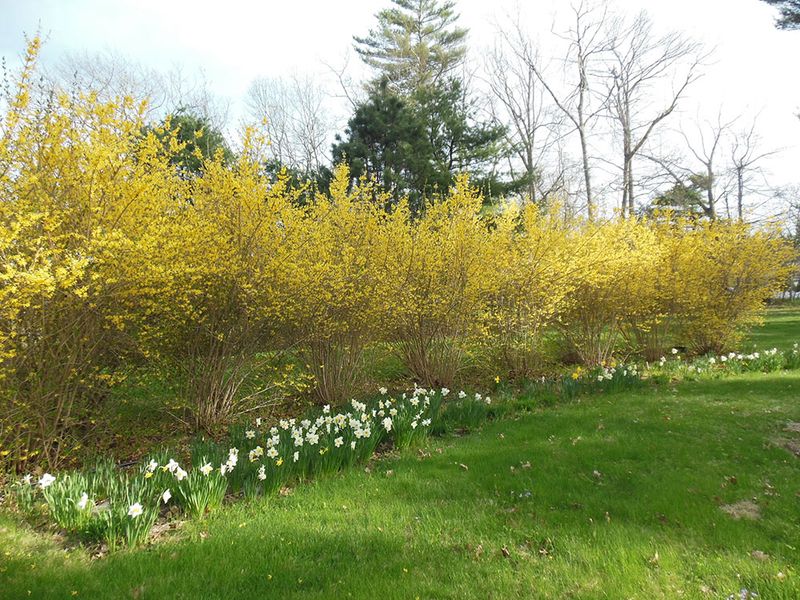
Forsythia
© University of Maine Cooperative Extension

Forsythia is the first loud splash of yellow on the roadside each March, almost like a sunny alarm clock for spring. All those flowers are already packed into the bare stems.

Prune before bloom and you simply cut off the show. Instead, enjoy the color, then grab your loppers as soon as the petals drop.

Removing a few of the oldest canes at ground level keeps it from becoming a giant yellow haystack. Avoid shearing it into a ball.

12. Flowering Dogwood
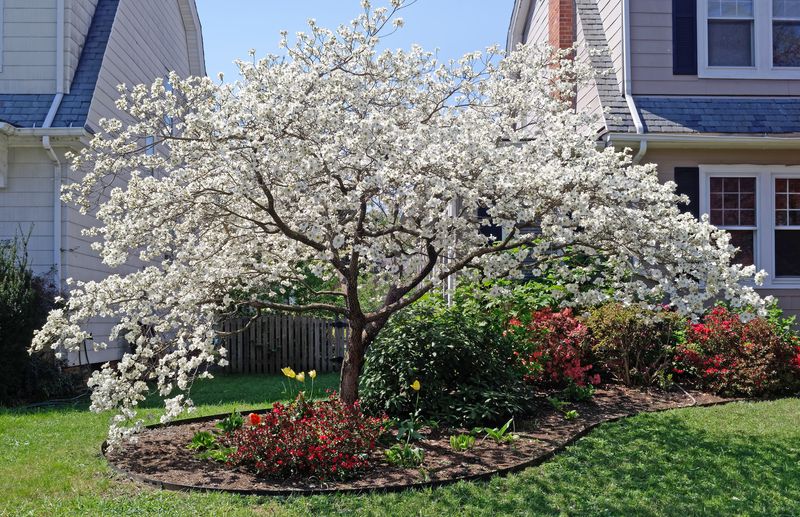
Flowering Dogwood
© The Old Farmer’s Almanac

As North Carolina’s official state flower, the dogwood deserves a little respect, and that includes patience with the pruners. Its flower buds sit like tiny gray buttons on the branch tips all winter.

Pruning now costs you blossoms. Worse, fresh spring cuts can attract dogwood borers that tunnel into the bark.

The safest window is after bloom, or even in summer, and only for dead or damaged wood. Dogwoods naturally grow into a handsome layered shape, so they rarely need much help at all.

Share this story
WD

Written by

Wyatt Daniels

More from Wyatt Daniels →

About Gardening Latest

Gardening Latest provides in-depth guides to maintaining and enhancing your garden and backyard. Learn how to make the most of the space you have and create a beautiful garden.

More about us →

Latest stories

  • New Jersey GardeningDon’t Scrape Off Those Papery Tan Clumps On Your New Jersey Shrubs, They’re Full Of Baby Garden Helpers

    Don’t Scrape Off Those Papery Tan Clumps On Your New Jersey Shrubs, They’re Full Of Baby Garden Helpers

    Just now
  • Michigan GardeningThe Michigan Trees That Bring Owls to Your Yard and Keep Mice Out of Your Garage

    The Michigan Trees That Bring Owls to Your Yard and Keep Mice Out of Your Garage

    11 min ago
  • Massachusetts GardeningSnakes Aren’t the Only Venomous Animals in Massachusetts Yards, and This Mouse-Sized Shrew Proves It

    Snakes Aren’t the Only Venomous Animals in Massachusetts Yards, and This Mouse-Sized Shrew Proves It

    16 min ago
  • New York GardeningThose Ladybug Look-Alikes Crawling Inside Your New York Home Chose It For A Reason

    Those Ladybug Look-Alikes Crawling Inside Your New York Home Chose It For A Reason

    26 min ago
  • Ohio GardeningThese Clever Tricks Send Skunks Packing From Ohio Yards for Good

    These Clever Tricks Send Skunks Packing From Ohio Yards for Good

    32 min ago

Gardening by state

Stories for your state, and the hardiness zone most of it gardens in.

Keep exploring

Read next

All North Carolina Gardening →
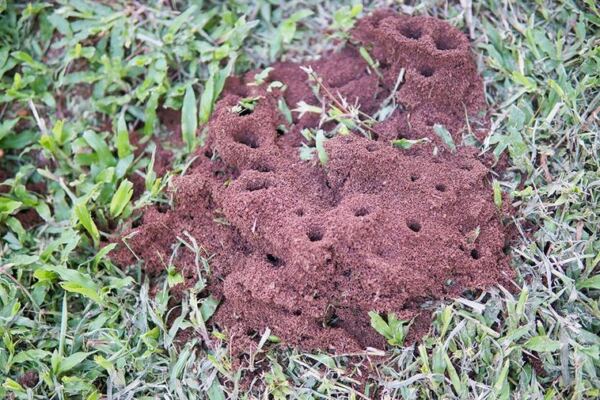
North Carolina GardeningGot Hit by Fire Ants in North Carolina? Here’s What to Do, and Why You Leave Those Blisters Alone
North Carolina Gardening

Got Hit by Fire Ants in North Carolina? Here’s What to Do, and Why You Leave Those Blisters Alone

15 hr ago
North Carolina GardeningThe Venomous Snakes, Spiders, and Stingers Hiding Around North Carolina Homes and Yards
North Carolina Gardening

The Venomous Snakes, Spiders, and Stingers Hiding Around North Carolina Homes and Yards

17 hr ago
North Carolina GardeningA Coyote Just Wandered Into Your North Carolina Yard: 7 Smart Moves and 3 Big Mistakes
North Carolina Gardening

A Coyote Just Wandered Into Your North Carolina Yard: 7 Smart Moves and 3 Big Mistakes

21 hr ago

More from North Carolina Gardening

  • Snakes Aren’t the Only Venomous Animals in Massachusetts Yards, and This Mouse-Sized Shrew Proves It

    16 min ago
  • Those Ladybug Look-Alikes Crawling Inside Your New York Home Chose It For A Reason

    26 min ago
Back to top

Leave a response Cancel

Your email address stays private. Required fields are marked with an asterisk.

Gardening Latest

In-depth guides to maintaining and enhancing your garden and backyard: how to make the most of the space you have, and how to make it beautiful.

  • Facebook
  • X
  • Pinterest
  • YouTube

We may earn a portion of sales from products or services that are purchased through our site as part of our affiliate partnerships with retailers.

Explore

  • About GardeningLatest.com
  • Contact Us
  • Terms and Conditions
  • Privacy
  • Editorial Note:
  • FTC Disclosure

Newsletter

New garden guides and seasonal tips, straight to your inbox.

We’ll email you a link to confirm. Unsubscribe any time.

Almost there! Check your inbox and tap the link to confirm.

© 2026 Gardening Latest. All rights reserved.

Back to top