You might think your backyard is your own business, but many Ohio towns see it a little differently. City councils from Columbus suburbs to small villages near Lake Erie keep adding new rules about what you can build, burn, or keep behind your house.
Most of these changes pass with little fanfare, so plenty of homeowners only find out when a warning letter shows up. Here are nine backyard features that are getting harder to have in the Buckeye State, and why local leaders are cracking down.
1. Open Burn Pits and Large Bonfires
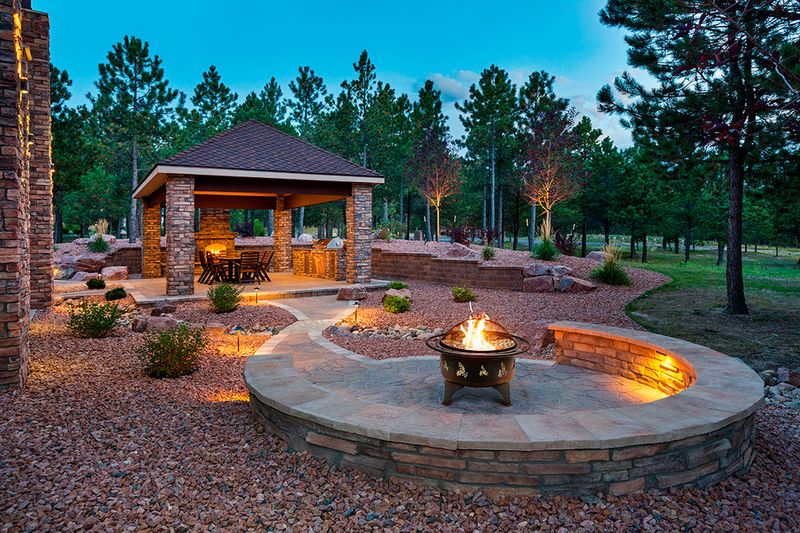
Picture a cool October night, a pile of logs, and smoke rolling right into your neighbor’s open bedroom window. That scene is exactly what many Ohio towns are trying to stop.
Ohio EPA rules already ban burning trash and leaves in most incorporated areas, and cities are going further.
Several suburbs now cap recreational fires at about three feet wide and two feet tall. Some require the fire to sit at least 25 feet from any building.
Others ban burning entirely on high-ozone days or when the wind picks up.
Small store-bought fire bowls are usually still fine. The big, homemade pits that blaze until midnight are the ones drawing complaints, and fines can follow quickly.
2. Outdoor Wood-Burning Boilers
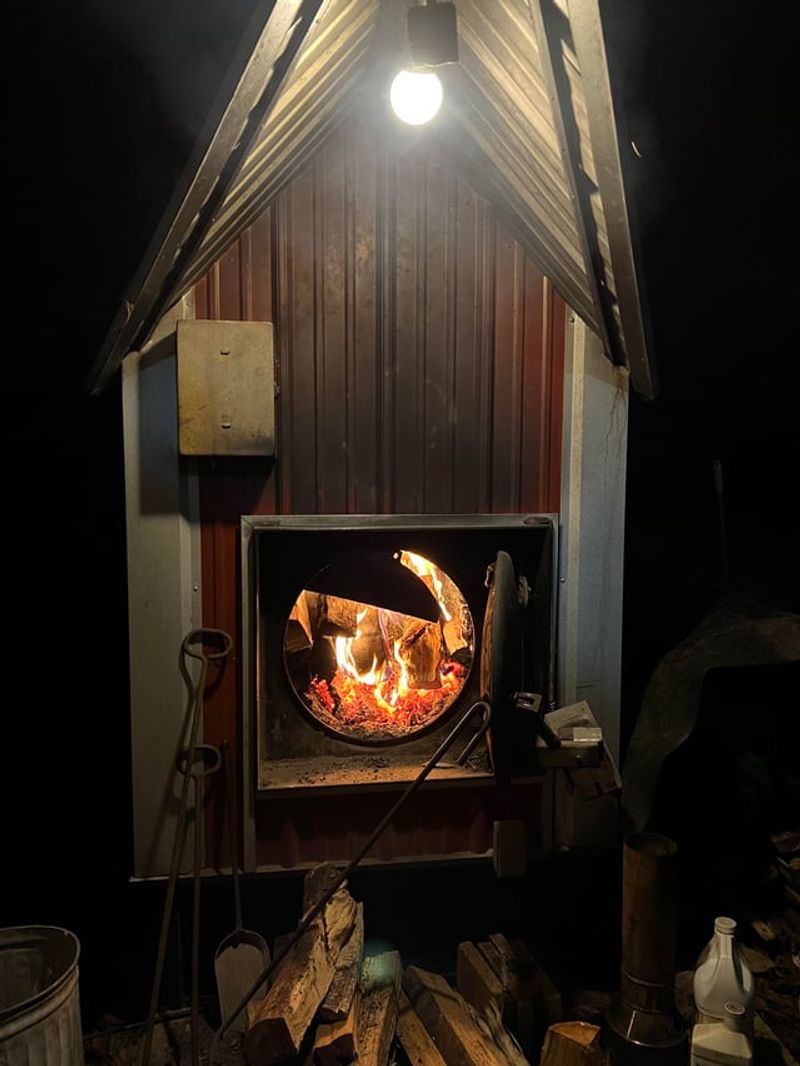
Ever smelled thick wood smoke on a calm winter morning and wondered where it came from? Odds are it was an outdoor wood boiler, a little shed-like furnace that heats a home through underground pipes.
Farm families love them because firewood is cheap. Neighbors, not so much.
These units burn slowly and often create heavy smoke that hangs low, especially in valleys.
A growing number of Ohio villages now ban new installations inside town limits or require very tall chimneys and big setbacks. If you already own one, check whether yours is grandfathered in before you replace it.
3. Backyard Chicken Coops
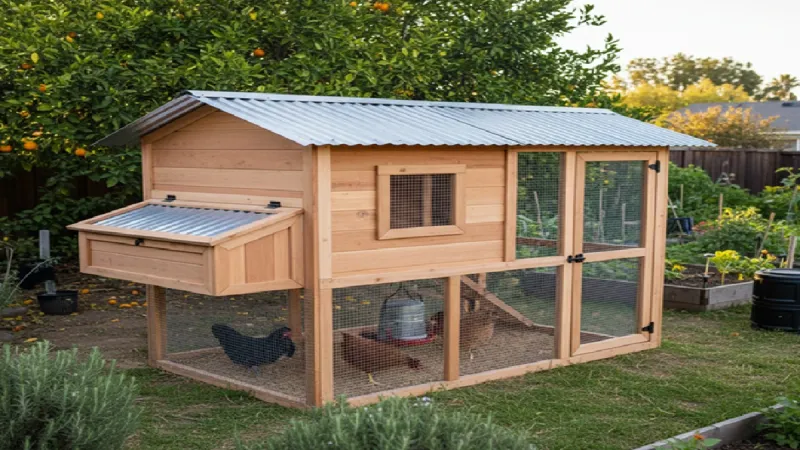
Fresh eggs every morning sound dreamy. During the egg price spikes of recent years, lots of Ohioans thought so too, and coops popped up everywhere.
Towns noticed. Some cities, like Columbus and Cincinnati, allow hens with permits.
Plenty of smaller suburbs, though, have tightened rules or flat-out banned them, citing noise, smell, and the rats that sometimes follow spilled feed.
Roosters are almost always off the table. Fun fact: hens do not need a rooster to lay eggs, so you only skip the 5 a.m. wake-up call.
4. Short-Term Rental Pools

A private pool listed for hourly rent? Apps now let homeowners rent out their backyard pools to strangers, and some Ohio towns are not amused.
Neighbors complain about parking jams, loud music, and a steady stream of cars on quiet streets. Cities argue that a pool rented by the hour turns a home into a business.
Several communities have updated zoning codes to block this practice in residential areas. Swimming with your own family and friends is still perfectly fine.
Charging admission is where trouble starts.
5. Tall Privacy Fences in Front and Side Yards

Good fences make good neighbors, the old saying goes. Ohio zoning boards might add: as long as they are not too tall.
Many towns now cap backyard fences at six feet and front yard fences at three or four. Solid walls near corners are a growing target because they block drivers from seeing kids on bikes.
Some places also require the nice side of the fence to face outward.
Homeowners sometimes build first and ask later. That move can mean tearing the whole thing down, so a quick permit call can save serious money.
6. Invasive Plants Like Callery Pear

Those pretty white spring trees lining so many Ohio streets carry a secret. Callery pear, often sold as Bradford pear, smells a bit like rotten fish and spreads like wildfire into fields and woods.
Ohio banned the sale and planting of Callery pear statewide starting in 2023. It joined other invasive plants on the state list, like certain types of honeysuckle and buckthorn.
You do not have to cut down a tree you already own. Still, many towns now encourage removal and even offer swap programs where you trade an old pear for a native tree like serviceberry or redbud.
7. Accessory Sheds Used as Living Spaces
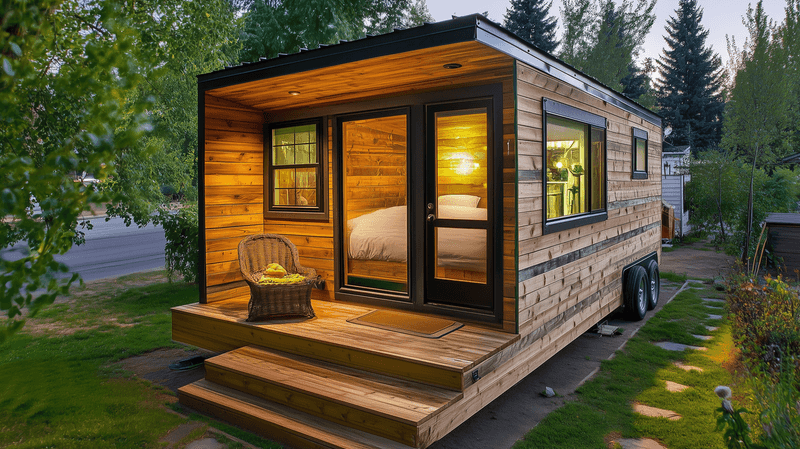
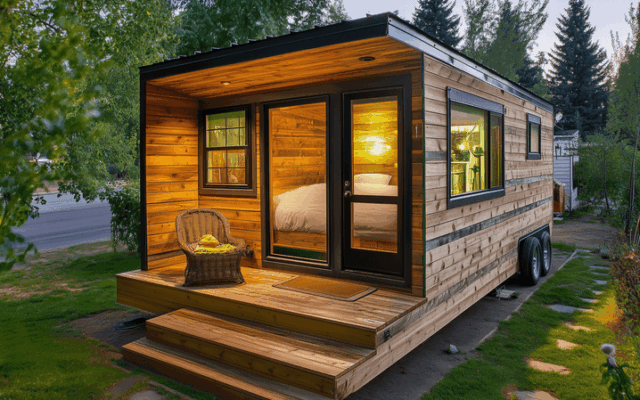
Turning a garden shed into a cozy office sounds clever. Turning it into a bedroom for a renter is where Ohio towns draw a firm line.
Converted sheds often lack proper wiring, exits, and heat. Fire officials worry about people sleeping in spaces never built for it.
Some cities are slowly allowing true accessory dwelling units with inspections and permits. Others ban anyone living in a backyard structure at all.
The difference comes down to whether you follow building codes or wing it.
8. Unregistered Vehicles and Project Cars
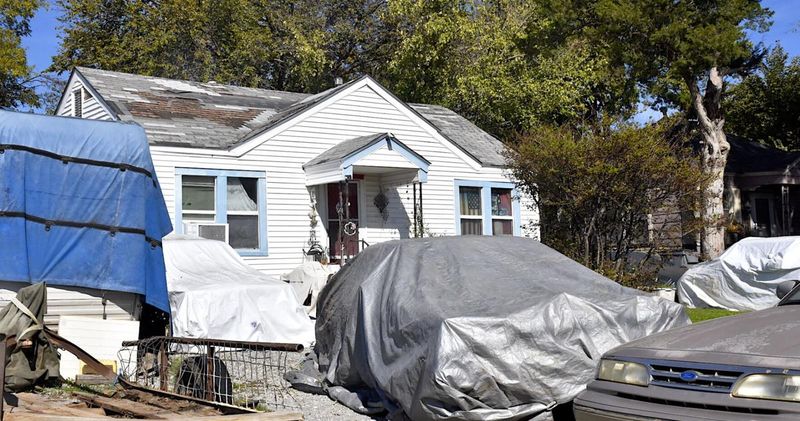
Every Ohio family seems to know an uncle with a half-finished truck sitting in the backyard. He swears he will fix it next summer, and has been swearing that since 2012.
Towns are losing patience. Many now ban inoperable or unlicensed vehicles stored in plain view, even on private land.
Leaking fluids and critters nesting inside are the main complaints.
The usual fix is simple. Keep the project in a garage or under a fitted car cover, and make sure the plates are current.
9. Bright Outdoor Floodlights
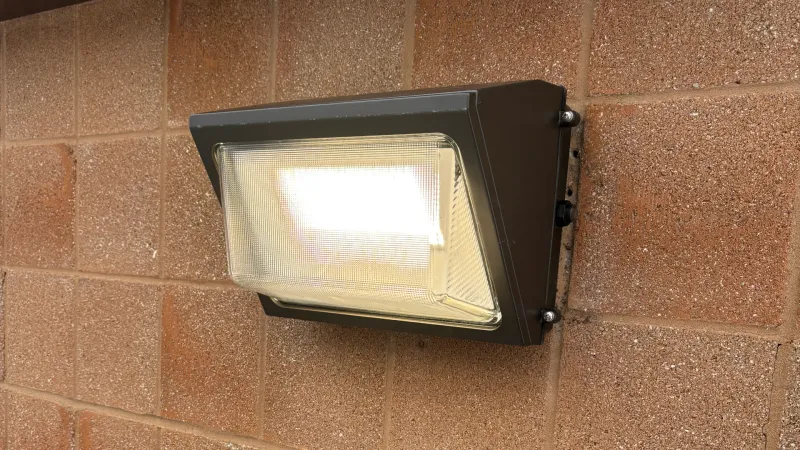
Light can be a surprisingly heated topic. One harsh floodlight aimed the wrong way can turn a neighbor’s bedroom into daylight at 2 a.m.
Dark sky rules are spreading across Ohio, especially near places like Geauga County, home to a certified dark sky park. New codes often require lights to point down and stay shielded so the glow does not spill over property lines.
Motion-sensor lights and warm-colored bulbs usually keep you in the clear. They also help birds and bugs, which rely on dark nights to find their way.
Share this story