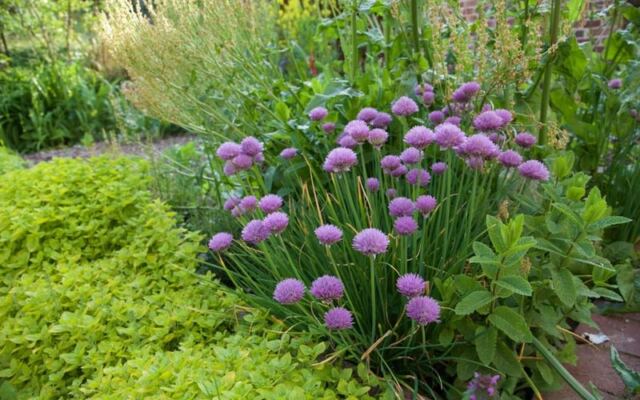
Nobody wants to find a bark scorpion curled up in a shoe by the front door. In Arizona, these little hunters are part of desert life, but you can make your home less inviting to them.
Some plants give off strong scents that scorpions and the bugs they eat tend to avoid. Pair the right plants with a few smart yard habits, and your patio can feel a lot more relaxed.
1. Lavender
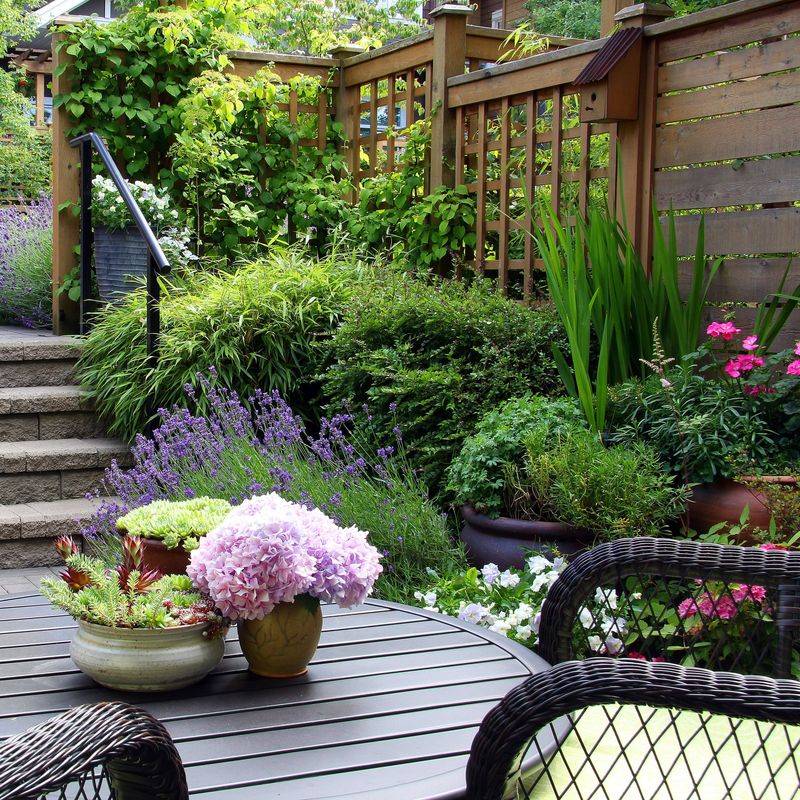
Picture a summer evening on a Scottsdale patio, the air smelling faintly of soap and sunshine. That scent comes from lavender, and many Arizona gardeners swear by it near doorways.
Its strong oils are a turnoff for many insects, and fewer insects means less food to lure scorpions close.
Spanish lavender and lavandin varieties handle desert heat better than English types. Give them full morning sun, some afternoon shade, and soil that drains fast.
Soggy roots will kill lavender faster than any heat wave.
Keep pots raised on stands instead of sitting flat on the ground. Scorpions love hiding under anything cool and damp, so lifting containers removes a sneaky shelter spot.
2. Rosemary
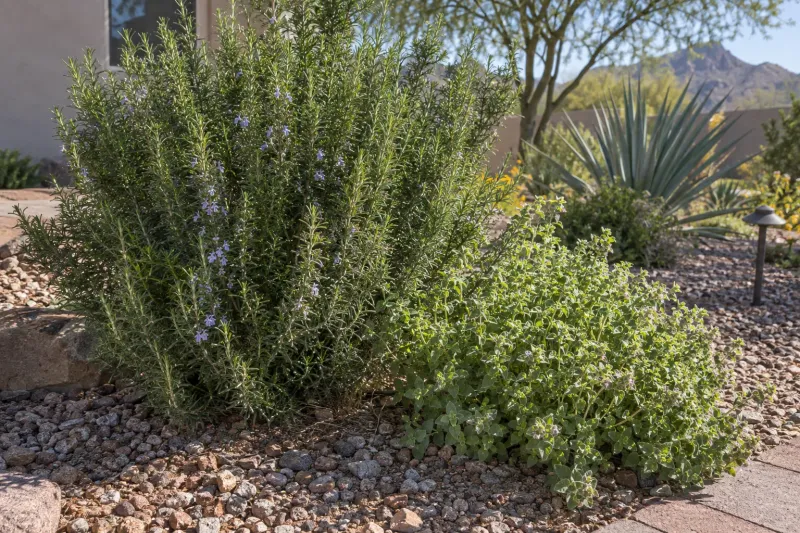
Here is a plant that pulls double duty: dinner seasoning and patio guard. Rosemary thrives in Arizona with almost no fuss, shrugging off 110-degree days once its roots settle in.
Its piney, resin-heavy aroma tends to drive away crickets, cockroaches, and other bugs that scorpions hunt. Cut down the snack bar, and the hunters have less reason to stick around your entry.
Upright varieties like Tuscan Blue look sharp flanking a front door. Just trim the lower branches so they do not touch the ground or walls, since dense foliage at ground level can become a hiding place instead of a barrier.
3. Mexican Marigold
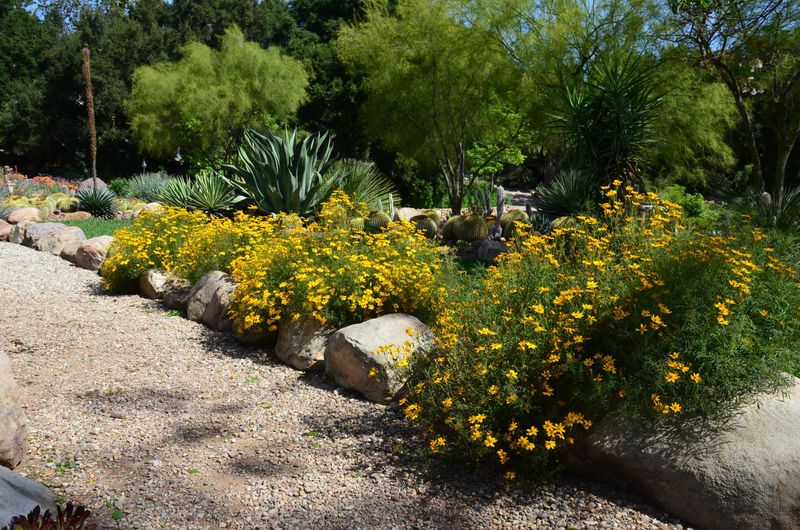
Brush past a Mexican marigold and you will know it instantly. The leaves release a sharp, citrusy, almost medicinal smell that some people love and others find a little wild.
Native to the Southwest, Tagetes lemmonii laughs at drought and bursts with golden flowers in fall and spring. That punchy fragrance discourages a wide range of pests, making it a smart border plant along patios.
Plant it a few feet from walls rather than right against them. Fun fact: hikers in southern Arizona sometimes crush the leaves to enjoy the scent on the trail, and it has earned the nickname copper canyon daisy.
4. Peppermint
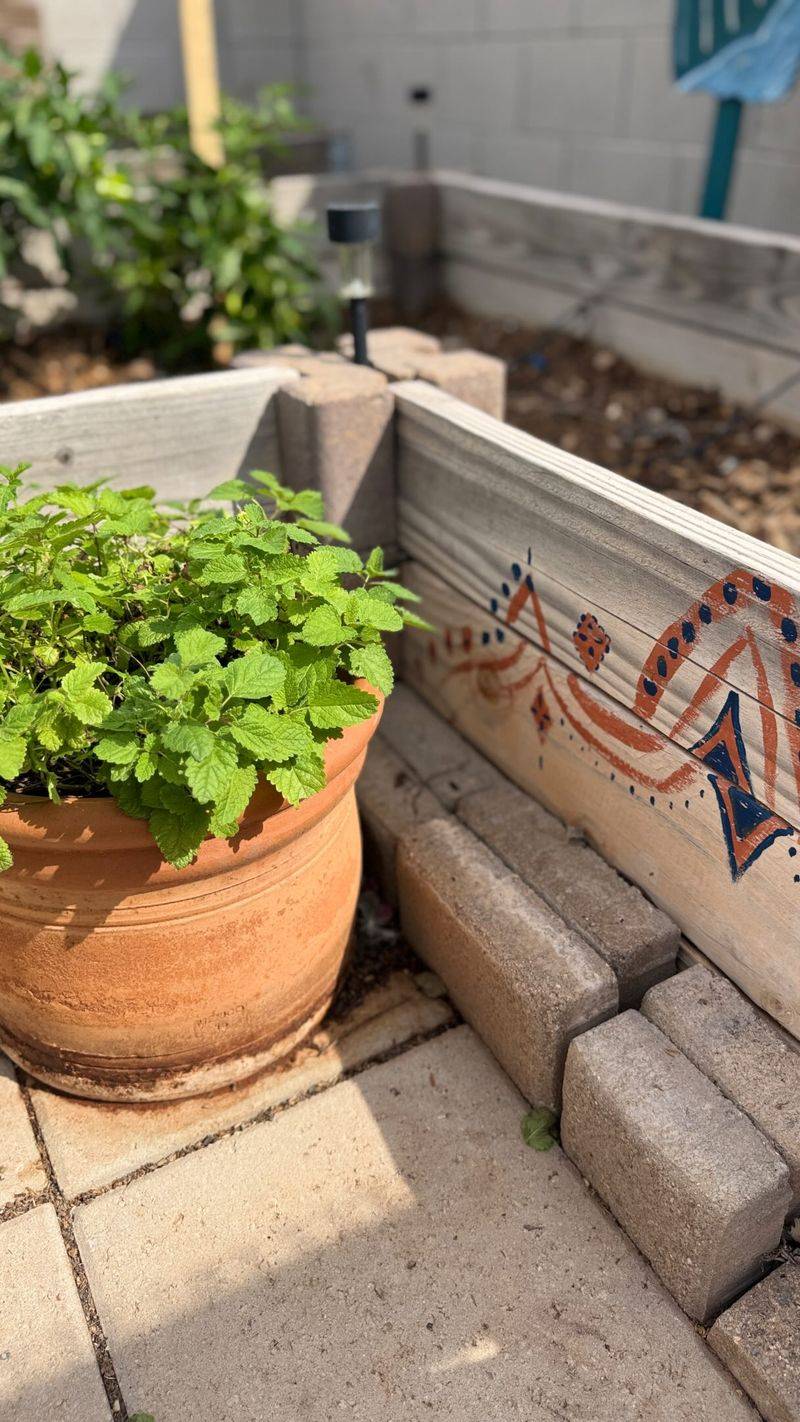
Mint oil shows up in plenty of natural pest sprays, and for good reason. Peppermint’s cool, sharp scent overwhelms many crawling bugs, and some homeowners report fewer scorpion sightings after using it.
A word of warning, though. Mint spreads like gossip, so always grow it in a container.
In Arizona, it also wants afternoon shade and regular water, which makes it the thirstiest plant on this list.
Because it needs moisture, keep the pot on a table or stand, not on the ground. Damp soil at floor level is exactly what scorpions look for.
Snip a few leaves now and then to release more scent near your seating area.
5. Desert Lavender
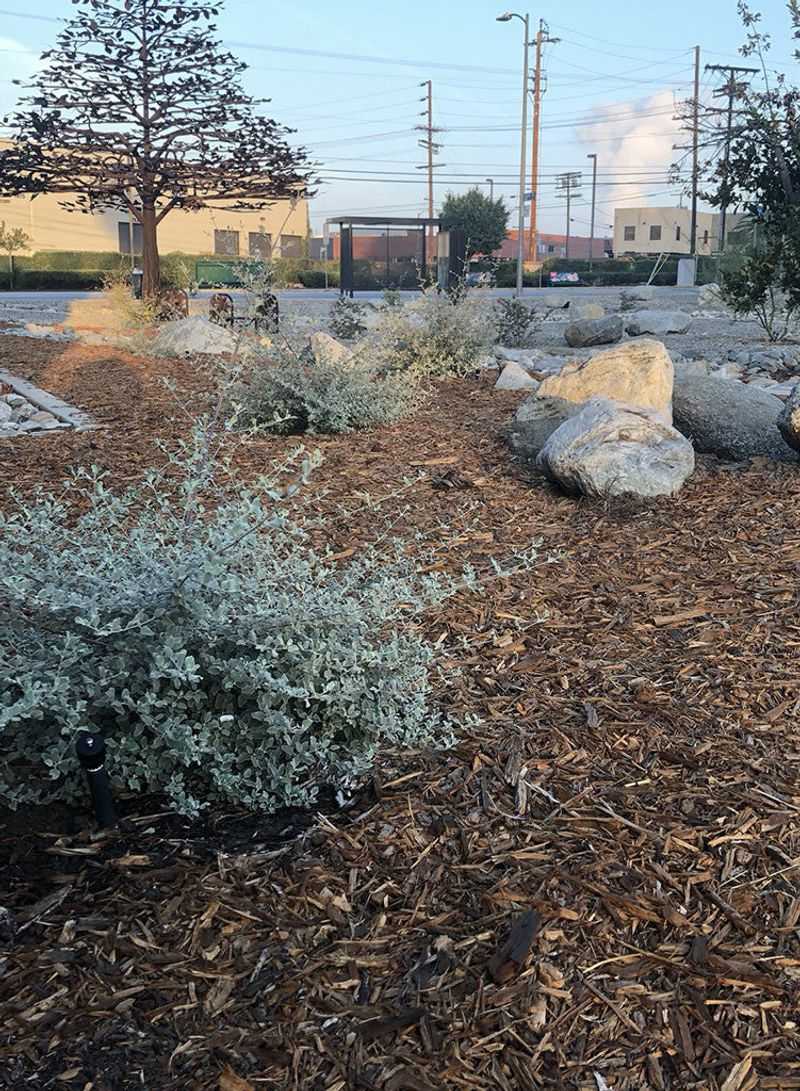
Don’t confuse it with the French cousin. Desert lavender, Condea emoryi, is a true Sonoran native with fuzzy silver leaves and tiny violet blooms that bees adore.
Rub a leaf and you get a strong, sweet, slightly minty smell. Like other aromatic plants, it helps make your yard less appealing to the insects scorpions follow around.
Best of all, it needs almost no water once established.
This shrub can reach six feet or more, so give it room along a property edge or wall line. Keep the base pruned up a bit so debris does not collect underneath.
Clean ground around plants is just as important as the plants themselves.
6. Lemongrass
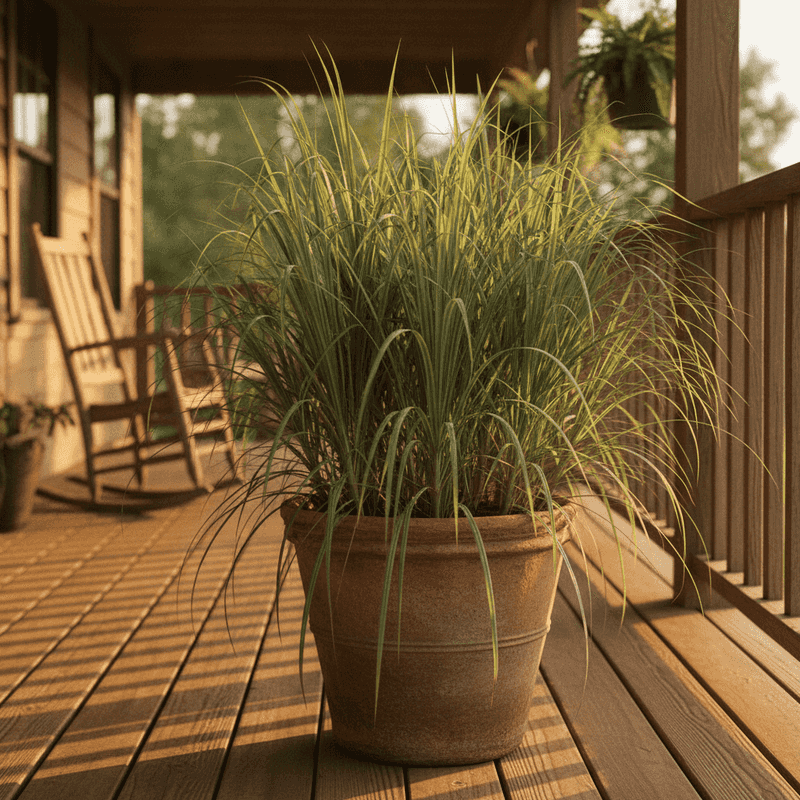
Citronella candles get all the credit, but they borrow their power from plants like lemongrass. The bright lemony oil in its blades is famous for chasing off mosquitoes and many other bugs.
Lemongrass loves Arizona heat as long as it gets steady water. It grows best in large pots that you can move into a sheltered spot during rare winter freezes.
Set a pot or two near your sliding door or patio seating. Bonus: you can cut a few stalks for soups and tea, so your pest helper also earns its keep in the kitchen.
7. Cedar Mulch Alternative: Gravel With Aromatic Herbs
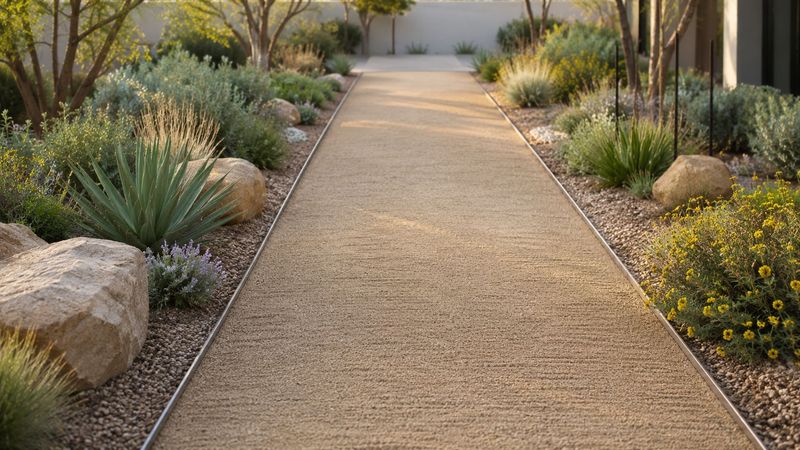
Ever wondered why scorpions love some yards more than others? Often it comes down to what is on the ground.
Thick wood mulch and leaf piles create cool hiding spots, while open gravel does not.
A smart setup pairs decomposed granite near your foundation with low aromatic herbs like thyme and garden sage. The herbs add scent, and the gravel keeps things dry and exposed.
Space plants so you can see the soil between them. Scorpions hate being out in the open, so a tidy, airy border sends them looking for shelter somewhere else.
8. Garlic and Chives
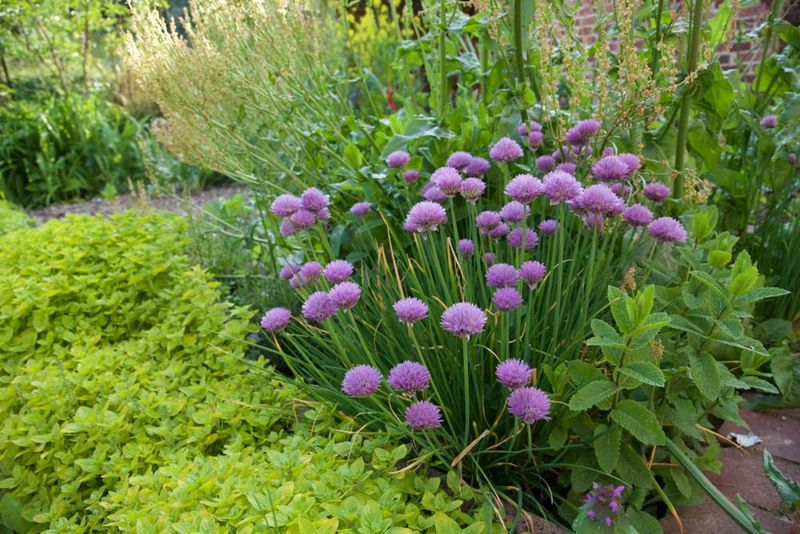
Grandma had a reason for tucking garlic around her garden beds. Plants in the onion family release sulfur compounds that many pests find downright offensive.
Garlic and chives grow well in Arizona’s cooler months, from fall through spring. Plant them in a raised bed near your walkway, where they can help reduce the bugs that draw scorpions toward your door.
Keep expectations realistic, since no plant is a force field. Still, combined with sealed door gaps, a blacklight check at night, and a clutter-free patio, these smelly helpers become part of a solid scorpion defense plan.
Share this story