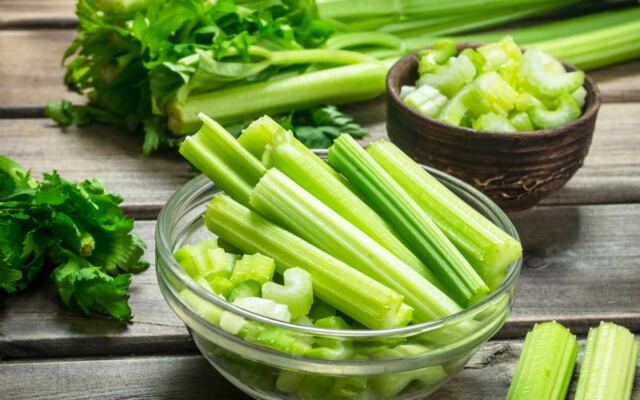
Eating celery every day adds crunch, water, a little fiber, and a few vitamins and minerals to your meals. That is what Tennesseans are finding out, and it is a useful, ordinary gain.
Celery grows in many cool-season garden beds around the state and sits in nearly every grocery store. Here is what a daily stalk or two can and cannot do for your body.
What does two stalks actually add?
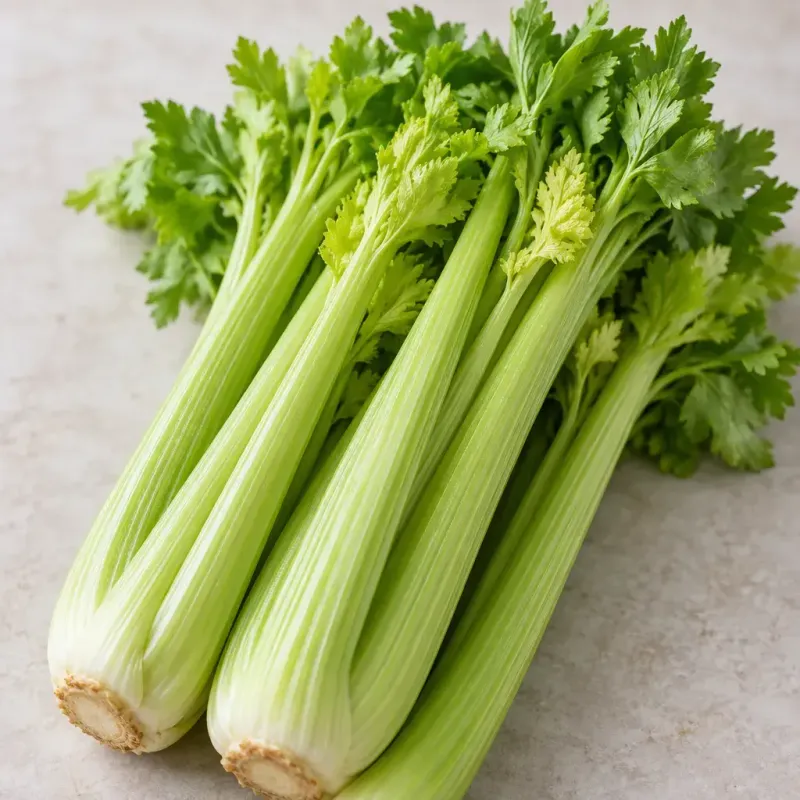
A standard serving gives a good starting point. FDA’s nutrition table for raw vegetables lists two medium stalks, about 110 grams, at 15 calories, 2 grams of fiber, 115 milligrams of sodium, and 260 milligrams of potassium.
That makes celery a low-calorie food that fills a plate without adding much energy.
Most of what you crunch is water. USDA data list raw celery as about 95 percent water, with 1.6 grams of fiber and 29.3 micrograms of vitamin K per 100 grams.
Those numbers are modest. Celery adds a bit of fiber and a few micronutrients, but it will not meet your daily needs for any of them on its own.
Sodium deserves a quick note. Celery contains natural sodium, so it is not a sodium-free food, though the amount in two stalks is small.
What changes a snack far more is what goes with it. Salted peanut butter, ranch dip, cream cheese, and the salt in a pot of soup can add much more sodium and calories than the celery itself.
So the plain stalk is a light, crisp base. Whether it helps your diet depends on whether you pair it with a healthy dip or a heavy one.
A daily serving does not guarantee a body-changing effect
Here is the plain answer to the question many readers have. Celery is a crunchy, water-rich vegetable with some fiber and a handful of micronutrients.
Nothing in the research shows that eating it every day causes a special or predictable change in your body.
What celery does for you depends on the rest of your diet. If a few stalks replace a bag of chips at snack time, you may take in fewer calories and more fiber.
If they are simply added on top of an already balanced diet, the difference will be small.
No evidence-based daily dose of celery has been established either. You do not need a set number of stalks to stay healthy, and eating more does not guarantee more benefit.
A varied diet with many vegetables matters more than any single one.
Form matters, too. Whole celery keeps its fiber, which is part of what makes it filling.
Straining it into juice removes much of that fiber, so juice is a different food. Oregon State University Extension makes this same point when it discusses celery juice.
Raw celery’s numbers, including its fiber and vitamin K, come from the USDA nutrient report for the whole vegetable.
Think of celery as a useful everyday food, not a switch that changes how your body works.
Celery juice claims go beyond the evidence

Social media has made celery juice famous for big promises. Fans say it detoxes the body, clears acne, improves digestion, or works best on an empty stomach.
The cited evidence does not show any of these.
Oregon State University Extension looked at celery juice and noted that claims about empty-stomach benefits, such as better digestion or clearer skin, have not been demonstrated in studies. Nor does the evidence show celery juice cures disease.
A claim that sounds convincing in a video is not the same as a result shown in research.
Detox claims have a bigger problem. The National Center for Complementary and Integrative Health says research on detox diets is limited and low in quality.
It found no compelling evidence that they remove toxins or help with weight management. Your liver and kidneys already handle waste every day.
None of this makes celery juice dangerous for most people. It is just a drink made from a vegetable, and it leaves behind much of the fiber.
If you enjoy it, treat it as a beverage. If you are paying extra for it because of a health promise, the evidence does not back that promise up.
What did the blood-pressure studies actually test?
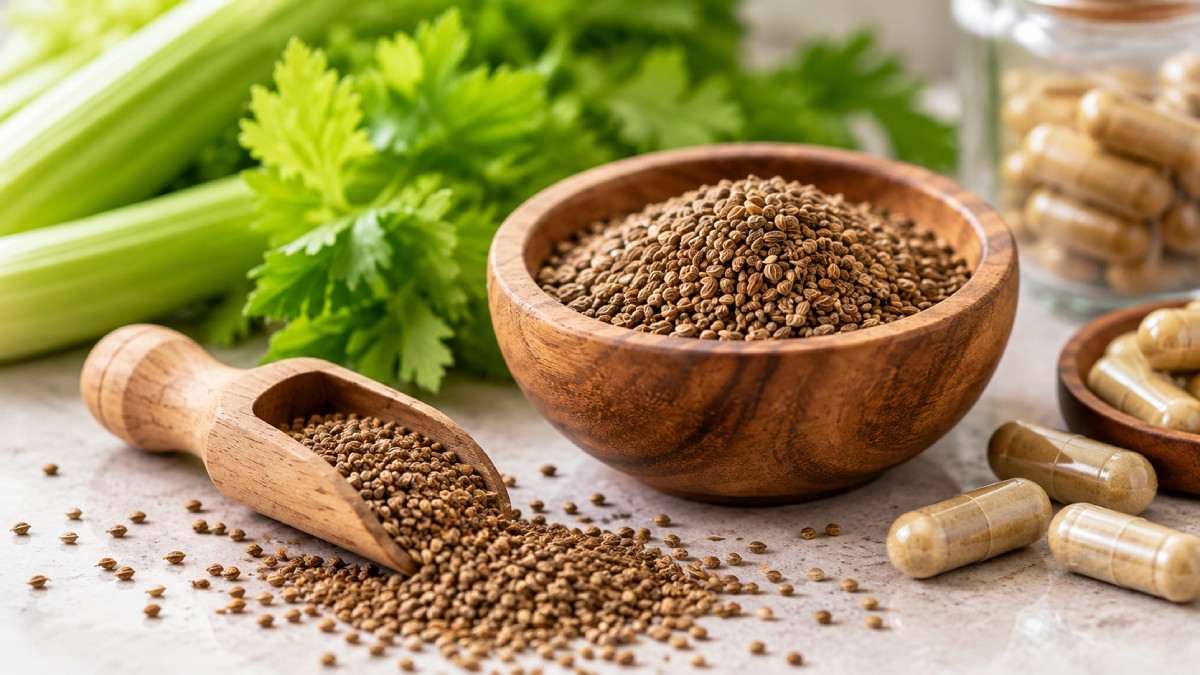
You may have seen headlines saying celery lowers blood pressure. The studies behind them tested celery preparations, not a daily snack of stalks, and the difference matters.
A 2022 crossover trial gave 52 patients 1.34 grams per day of celery-seed extract for four weeks. Blood pressure was lower during the extract phase.
That was a concentrated extract, not a serving of the vegetable you buy at the store.
A 2025 meta-analysis pooled 10 randomized studies with 511 participants. It also looked at celery preparations, not one standardized serving of whole celery.
The authors reported blood-pressure changes but noted substantial differences between studies, small samples, and a need for larger, longer trials.
Put plainly, these results are early and cover specific products. They do not show that eating celery stalks treats high blood pressure.
They also do not mean celery can stand in for medication or regular medical care.
If you have high blood pressure, keep taking your prescribed medicine and talk with your clinician before adding supplements such as celery-seed extract. Eating celery as part of a vegetable-rich diet is fine, but it is not a treatment plan.
Tennessee gardeners can plan celery around cool-season conditions
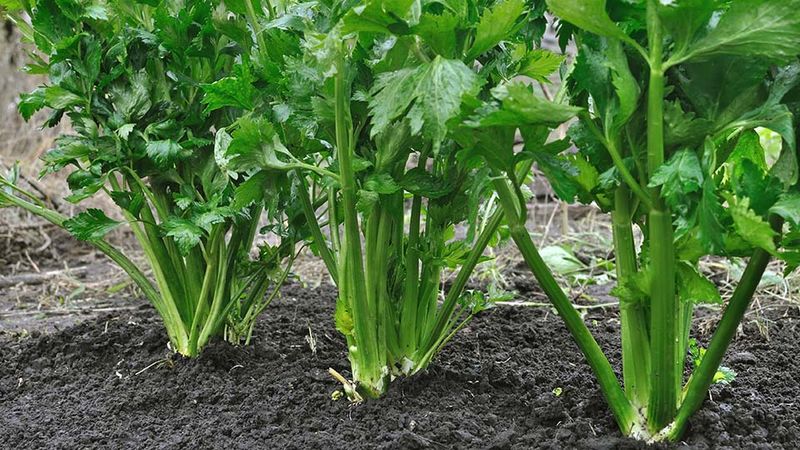
For gardeners, celery is a fair challenge. The University of Tennessee’s 2026 home garden publication lists celery among common home-garden crops, so it is a recognized choice for Tennessee beds.
The UT vegetable guide Keep Your Cool advises starting seeds 10 to 12 weeks before moving transplants outdoors. It also warns that temperatures below 55 degrees Fahrenheit can cause bolting, when the plant sends up a flower stalk instead of growing good stalks to eat.
Tennessee covers a lot of ground, from the mountains in the east to the river lowlands in the west. Frost dates, spring swings, and soil all vary, so no single planting date fits every yard.
Check your local weather, and call your county UT Extension office for timing advice for your area.
A few habits help. Watch the forecast for cold snaps after transplanting, keep the soil evenly moist, and spread mulch to hold moisture.
Results will differ from garden to garden and year to year.
Home-grown celery is a gardening reward, not a health upgrade. Its nutrition is the same kind of ordinary nutrition you get from store-bought stalks.
Some people should take extra care with a dietary change
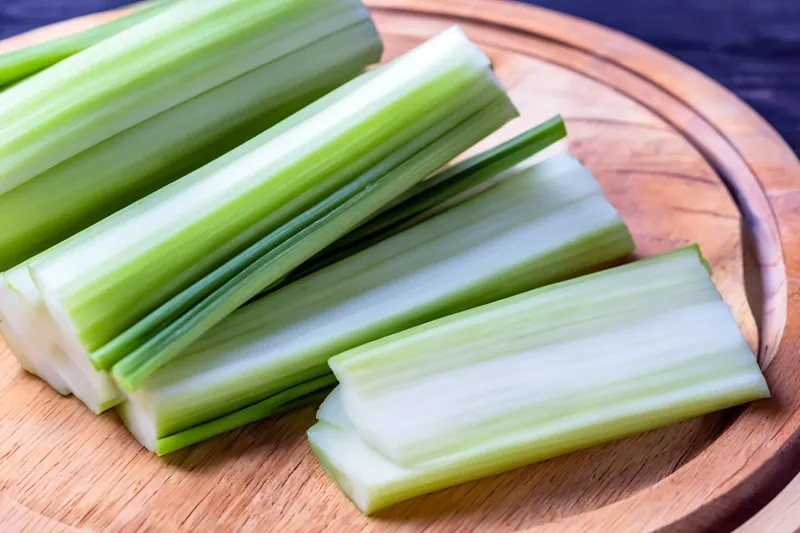
For most people, celery is an easy food to add. Two groups should take a little more care.
The first is people who take warfarin, a blood thinner. Celery contains vitamin K, and the NIH Office of Dietary Supplements says sudden changes in vitamin K intake can alter how warfarin works.
The advice is not to avoid celery. Keep your vitamin K intake steady from week to week, and check with your clinician before a big diet change, such as starting a daily juice habit.
The second group is people with pollen allergies. The American College of Allergy, Asthma and Immunology explains that celery can trigger pollen-food allergy syndrome in some of these people.
It commonly causes itching or tingling in the mouth or throat.
Get medical attention and talk to an allergist if a reaction goes beyond the mouth, such as hives, trouble breathing, or stomach symptoms. The same goes for symptoms after eating cooked celery, since cooking usually calms the pollen-related type of reaction.
Neither concern makes celery unsafe for everyone. They are simple reasons to pay attention to your own health history.
Celery earns a place as food, not as a cure
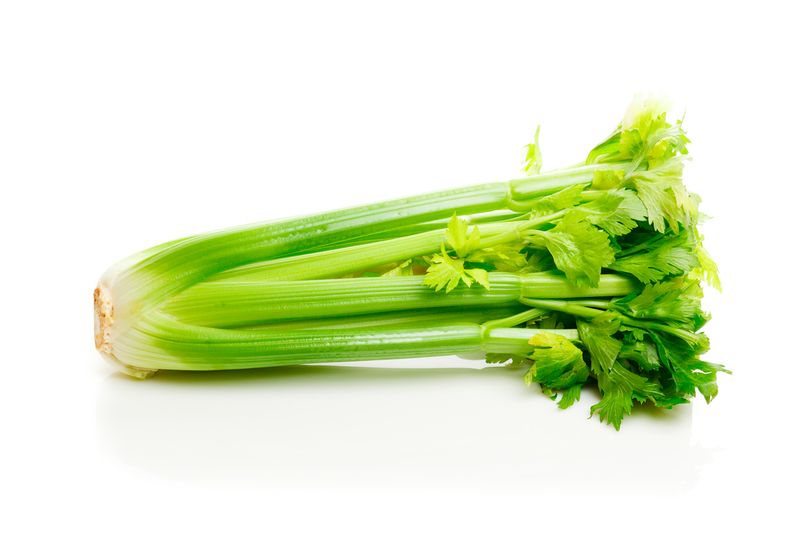
Celery can add water, a little fiber, and some nutrients to a varied diet, as the USDA nutrient data show. No special daily effect has been established, and no prescribed amount is needed.
Eat it if you like it, grow it if you enjoy the work, and skip the rituals. Some stalks are just good with soup and a spoonful of peanut butter.
Share this story