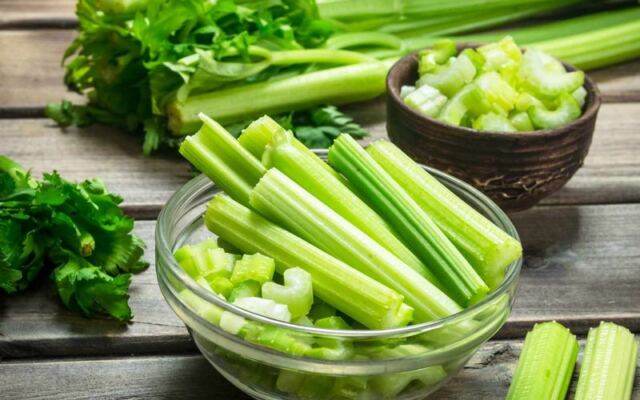
Celery is crunchy, cheap, and sitting in nearly every grocery store and many home gardens. Plenty of people swear that a stalk a day does something special for the body.
Others call it a waste of a snack. Here is what a daily celery habit can realistically offer, and where the big promises fall apart.
A serving of celery adds a little, not a cure
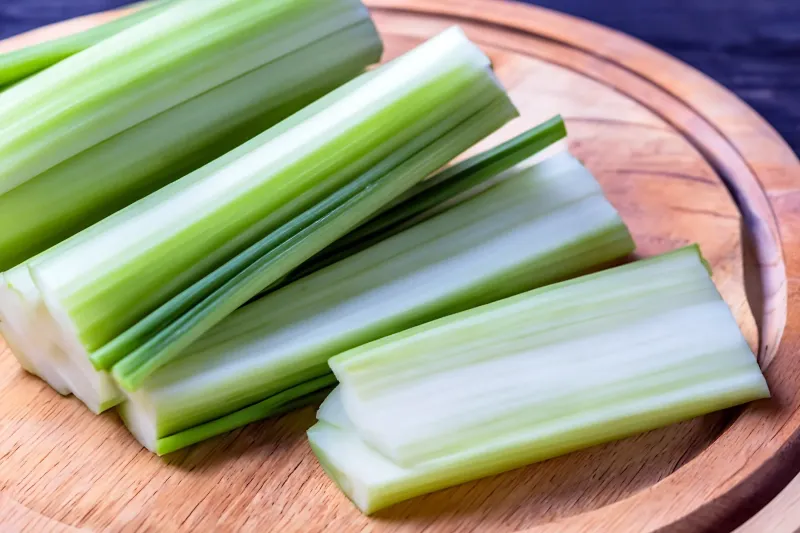
Start with the numbers. According to FDA nutrition data for raw vegetables, two medium raw celery stalks (110 grams) have 15 calories, 2 grams of dietary fiber, 260 milligrams of potassium, and 115 milligrams of sodium.
That is a very light serving. It fills a bit of space on your plate and gives you crunch and water without adding many calories.
For someone trying to eat more vegetables, that is a real, if modest, plus.
It is also worth being honest about what those numbers are not. Two grams of fiber is a small slice of what most adults aim for over a whole day.
Two hundred sixty milligrams of potassium is likewise a small contribution, so celery should not be treated as a major source of either one. Other vegetables, beans, fruits, and whole grains do much more of that heavy lifting.
So the fair way to think about celery is as a helpful extra. It can make a lunch feel bigger, give hummus or peanut butter a sturdy scoop, or add snap to soup, tuna salad, or a pan of vegetables.
Those are everyday benefits, and they are enough reason to keep it in the fridge.
What a single food on your plate rarely does is cause a dramatic change you can feel in your body. Adding a nutritious vegetable is a good move.
Expecting a visible transformation from it is where hopes tend to outrun the facts, and the next sections look at why.
The celery research does not prove a daily-stalk effect
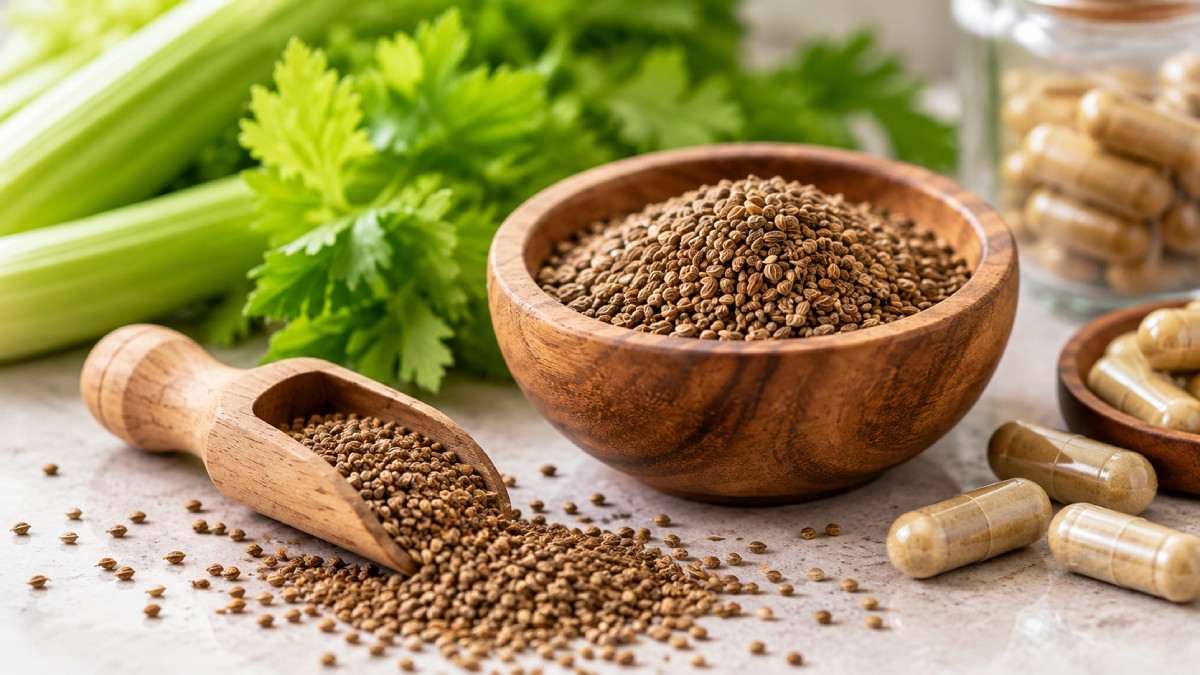
Headlines about celery and health often trace back to a 2025 systematic review and meta-analysis. It pooled 10 randomized trials involving 511 adults, and it reported improvements in some measures, including blood pressure.
That sounds promising, and it may be worth following up. But the details matter a lot here.
The trials tested celery interventions and preparations, not simply people eating an ordinary serving of stalks each day. A celery-seed extract or a concentrated product is a different thing from a snack of two stalks, so the results cannot be carried over to the crisper drawer.
The review also noted substantial heterogeneity, which means the studies differed a great deal from one another in who took part, what they were given, and what they found. On top of that, the sample sizes were limited.
When small studies point in different directions, the combined result is a hint, not a verdict.
The authors themselves called for larger, higher-quality trials. In plain terms, this is early evidence.
It does not show that eating celery stalks every day will lower your blood pressure or produce any other change you will notice.
If you enjoy celery, nothing here says to stop. It just means nobody can honestly promise you a particular result from the habit.
Blood pressure is a whole-diet question
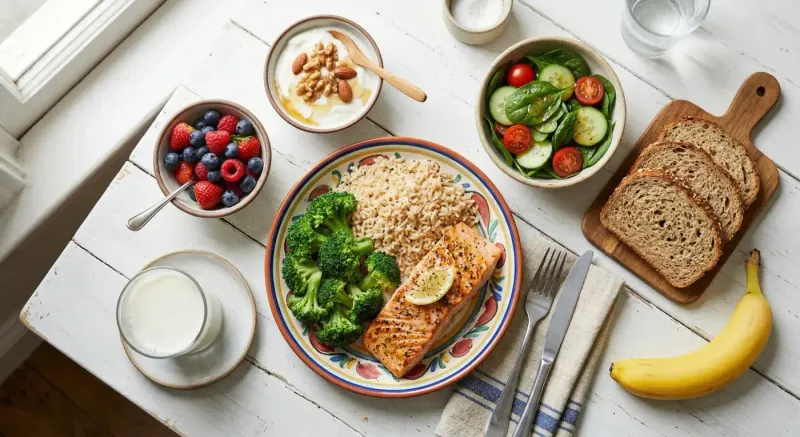
If blood pressure is the reason celery caught your eye, the bigger picture is the better place to look. The NHLBI DASH eating plan is built around a varied pattern of eating, with vegetables, fruit, whole grains, and lower-sodium choices working together.
Notice what is missing from that description: any single hero food. DASH is about the combination, repeated day after day, rather than one crunchy stalk.
Celery can certainly be one of the vegetables in that pattern. Chopped into soup, tossed in a grain salad, or paired with a low-sodium dip, it fits right in.
But it plays a supporting role, alongside many other plants.
It is tempting to look at celery’s nutrition label and draw a conclusion. The potassium and sodium figures in the FDA table are simply nutrition facts.
They tell you what is in the food, not that the food treats high blood pressure.
A practical next step is to look at the whole plate. Where could you swap in more vegetables or fruit, and where could you cut back on salty processed foods?
If your blood pressure is a concern, a clinician can help you set goals that celery alone cannot.
Celery is not a detox plan
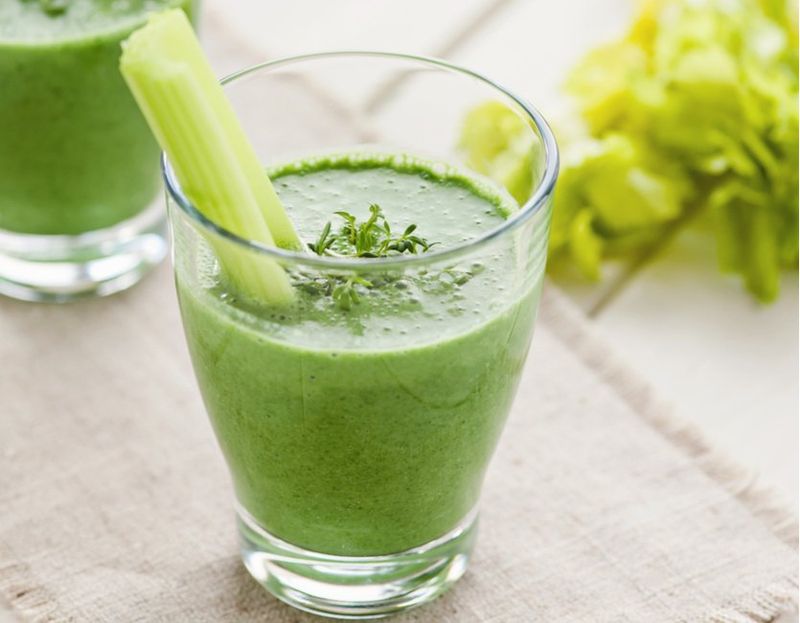
Scroll through social media and you will find celery juice described as a way to flush out toxins, cleanse the liver, or melt away weight. These are bold promises, and they are not backed up by strong evidence.
The NIH’s National Center for Complementary and Integrative Health, in its guide to detoxes and cleanses, says the evidence for these programs is limited and low in quality. It also points to a review that found no compelling evidence that detox diets remove toxins from the body.
Your liver and kidneys already handle the body’s filtering around the clock. No stalk or glass of juice has been shown to give them a boost.
Claims that celery cures chronic disease or reliably brings lasting weight loss do not hold up either.
There is a difference between adding celery to your meals and building your day around a cleanse. The first is just eating a vegetable.
The second can mean juice-only or highly restrictive plans, which NCCIH notes may carry risks and are not supported as a proven way to detox.
A handy clue: if a plan promises to purge something vague, such as toxins, and sells you a rigid routine to do it, be skeptical. Celery on your plate is fine.
Celery as a miracle is a story.
A simple habit still needs safe handling
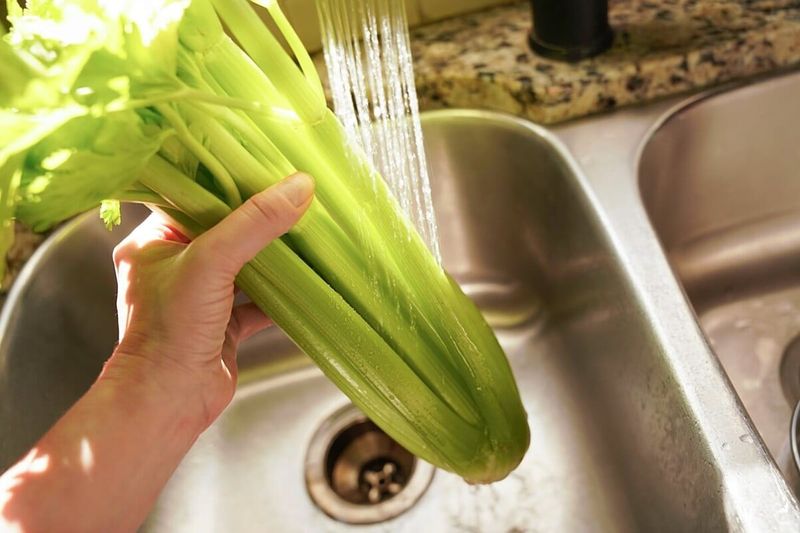
Fresh produce is a smart choice, and a few easy habits keep it that way. The advice from FoodSafety.gov starts at the sink.
Rinse your celery under running water before you cut or eat it. Do not use soap, bleach, or commercial produce washes.
Plain running water is the guidance.
The cutting board matters too. Keep one board for produce and a separate one for raw meat or seafood.
If you chop celery on the same surface where you just prepared raw chicken, you can move germs onto a food that people often eat raw.
Picture a Saturday in the kitchen: soup simmering, chicken being prepped, celery waiting for a snack plate. Setting out two boards before you start takes seconds and removes the guesswork.
These steps are small, but they are the kind that make an everyday vegetable habit worry-free. Rinse, skip the soap and bleach, and keep boards separate.
That covers the preparation basics for celery.
Some readers should take extra care
For most people celery is an easy food, but two groups should know about special cautions. The first is anyone taking warfarin, a blood thinner.
The NIH Office of Dietary Supplements advises that people on warfarin keep their vitamin K intake consistent and talk with their clinician about substantial changes in diet.
That is not a ban on celery. The key word is consistency.
If you plan to start eating a lot more vegetables, or to begin a daily celery habit, give your care team a heads-up so they can keep your dosing on track.
The second caution is celery allergy. Medical literature includes reports of celery-associated food-dependent exercise-induced anaphylaxis, a reaction that can occur when eating celery is followed by physical activity.
One example is a report on food-dependent exercise-induced anaphylaxis, and a later celery-specific case report describes the same pattern.
These reports show that a serious reaction is possible. They do not tell us how often it happens, and there is no reason to assume it is common.
If you ever have hives, swelling, trouble breathing, or feel faint after eating celery and exercising, seek medical care right away and talk with a clinician about testing.
Keep the expectation modest
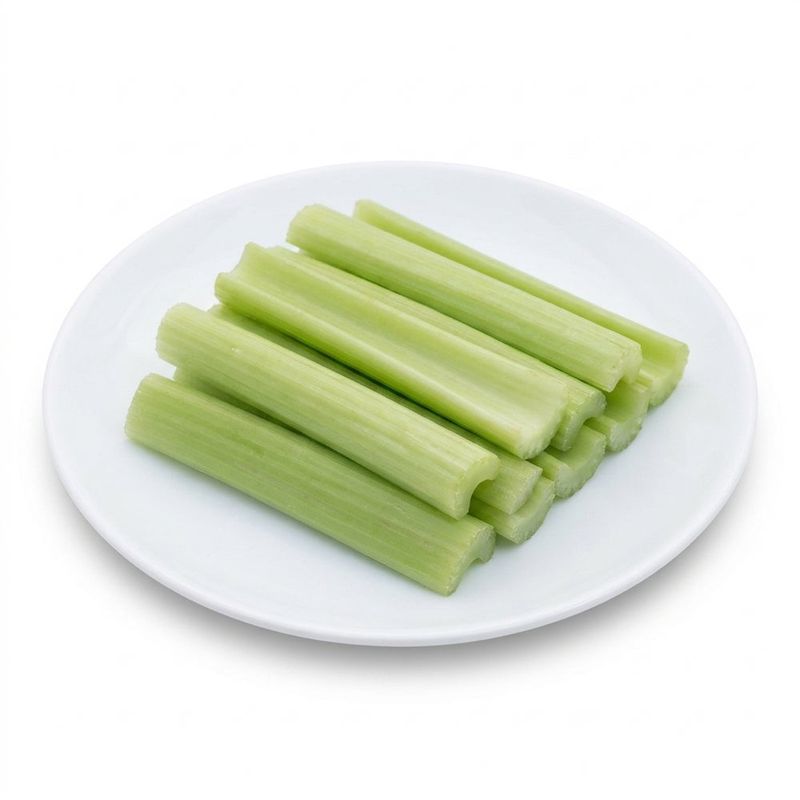
Celery earns its spot as an easy, low-calorie vegetable. By the FDA’s numbers, it adds crunch and a little fiber without much else.
Eat it because you like it.
What matters more is variety, the kind of broad pattern described in the DASH eating plan. Celery can join that mix but cannot stand in for it, or for medical care.
A stalk a day is a pleasant habit, not a promise.
Share this story