Get the latest garden guides in your inbox →
Gardening Latest
  • General Gardening
  • Lawn Care
  • Plant Care
  • Composting
  • Soil Health
  • Backyard
  • Garden Muse Magazine
  • General Gardening
  • Lawn Care
  • Plant Care
  • Composting
  • Soil Health
  • Backyard
  • Garden Muse Magazine
  • News
  • Gardening Calendar
  • Garden Structures
  • Vegetable Garden
  • Vertical Garden
  • Raised Beds
  • Hydroponics
  • General Equipment
  • Community Gardens
Garden Themes
  • Spiritual Garden
  • Hydroseeding
  • Seeding and Laying Sod
  • Artificial Grass
  • Lawn Care Equipment
  • Plants
  • Trees
  • Planting Tools
  • Composting Basics
  • Fertilizer
  • Alternative Growing Mediums
  • Front Yard
  • Backyard Activities
  • Landscaping
Gardening Latest

Explore by state

Which state is your garden in?

Currently viewing Texas

All states

Northeast

  • Connecticut —
  • Delaware 22
  • Maine —
  • Maryland 8
  • Massachusetts 24
  • New Hampshire —
  • New Jersey 8
  • New York 17
  • Pennsylvania 17
  • Rhode Island —
  • Vermont —

Southeast

  • Alabama 8
  • Arkansas —
  • Florida 8
  • Georgia 8
  • Kentucky 22
  • Louisiana 7
  • Mississippi —
  • North Carolina 6
  • South Carolina 21
  • Tennessee 5
  • Virginia 7
  • West Virginia —

Midwest

  • Illinois 7
  • Indiana 9
  • Iowa 21
  • Kansas —
  • Michigan 8
  • Minnesota 7
  • Missouri 7
  • Nebraska —
  • North Dakota —
  • Ohio 8
  • South Dakota —
  • Wisconsin 23

Southwest

  • Arizona 8
  • Colorado —
  • Nevada —
  • New Mexico —
  • Oklahoma —
  • Texas 7
  • Utah —

West

  • Alaska —
  • California 7
  • Hawaii —
  • Idaho —
  • Montana —
  • Oregon —
  • Washington —
  • Wyoming —

No state matches that search.

Site menu

Gardening Latest
  • General Gardening
    • News
    • Gardening Calendar
    • Garden Structures
    • Vegetable Garden
    • Vertical Garden
    • Raised Beds
    • Hydroponics
    • General Equipment
    • Community Gardens
    Garden Themes
    • Spiritual Garden
  • Lawn Care
    • Hydroseeding
    • Seeding and Laying Sod
    • Artificial Grass
    • Lawn Care Equipment
  • Plant Care
    • Plants
    • Trees
    • Planting Tools
  • Composting
    • Composting Basics
  • Soil Health
    • Fertilizer
    • Alternative Growing Mediums
  • Backyard
    • Front Yard
    • Backyard Activities
    • Landscaping
  • Garden Muse Magazine

Explore

  • About GardeningLatest.com
  • Contact Us

Get the latest from the garden

New guides on lawn care, plants and backyard projects, sent when they go up.

Subscribe →

Follow

  • Facebook
  • X
  • Pinterest
  • YouTube
Texas Gardening

7 Scents Mice Hate That Keep Them Out of Your Texas House This Winter

When the first cold front rolls across Texas, mice start looking for a warm place to spend the winter, and your house…

RC

By Ruby Castillo

November 23, 2026 · 5 min read

7 Scents Mice Hate That Keep Them Out of Your Texas House This Winter

When the first cold front rolls across Texas, mice start looking for a warm place to spend the winter, and your house looks like a five-star hotel to them. They can squeeze through a gap the size of a dime and chew through wires, insulation, and your pantry snacks.

The good news is that mice rely heavily on their noses, and some smells drive them crazy in the worst way. Here are seven scents you can use to make your home a place mice would rather skip.

At a glance

Where
Texas Gardening
Hardiness zone
8 10 to 20°F
Read
5 minutes
Published
November 23, 2026

1. Peppermint Oil

Peppermint Oil
© Pasadena Pest Control

Ask any grandmother in Lubbock how she kept mice out of the pantry, and there is a good chance she will say peppermint. That sharp, cooling smell feels refreshing to us, but to a mouse it is like walking into a wall of noise.

Their noses are so sensitive that strong menthol overwhelms them.

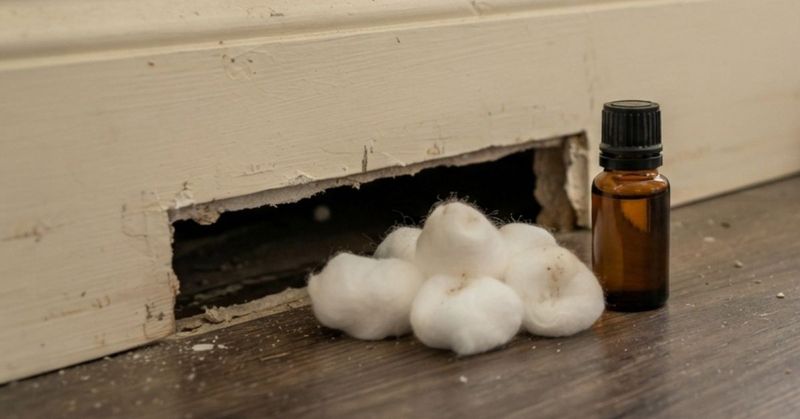
To use it, soak cotton balls with 10 to 15 drops of pure peppermint oil and tuck them into corners, under sinks, and near garage doors. Replace them every week or so, because the scent fades faster than you might think.

In heated Texas homes, the warm air can make the oil evaporate even quicker.

Peppermint works best as a deterrent, not a cure. If you already have a big mouse problem, pair it with sealing holes and setting traps.

2. Cayenne Pepper
Cayenne Pepper
© Biotech Termite & Pest Control

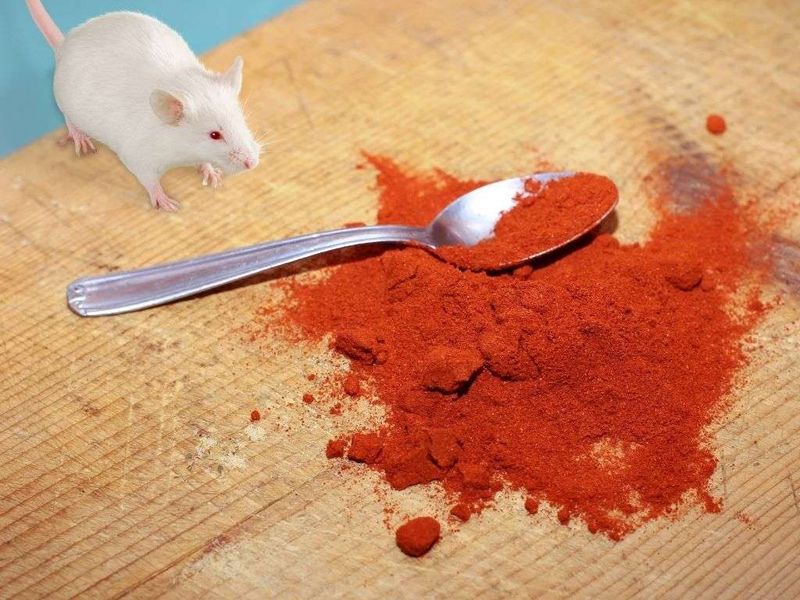
Texans already know their way around a good chili, so why not borrow from the spice rack? Cayenne pepper contains capsaicin, the same compound that makes your eyes water.

Mice that sniff or step in it get an irritating burn they will not forget.

You can hang dried eucalyptus bundles near doorways or run a diffuser in areas where you have seen droppings.

Sprinkle a thin line of cayenne along entry points like garage thresholds, attic edges, and spots behind appliances. You can also mix a teaspoon with water and a drop of dish soap to make a spray for outdoor foundations.

Just keep it away from pets and small kids, who might get curious.

Fun fact: birds cannot taste capsaicin, which is why some bird feeders use chili-coated seed to keep squirrels and rodents away.

3. Cloves
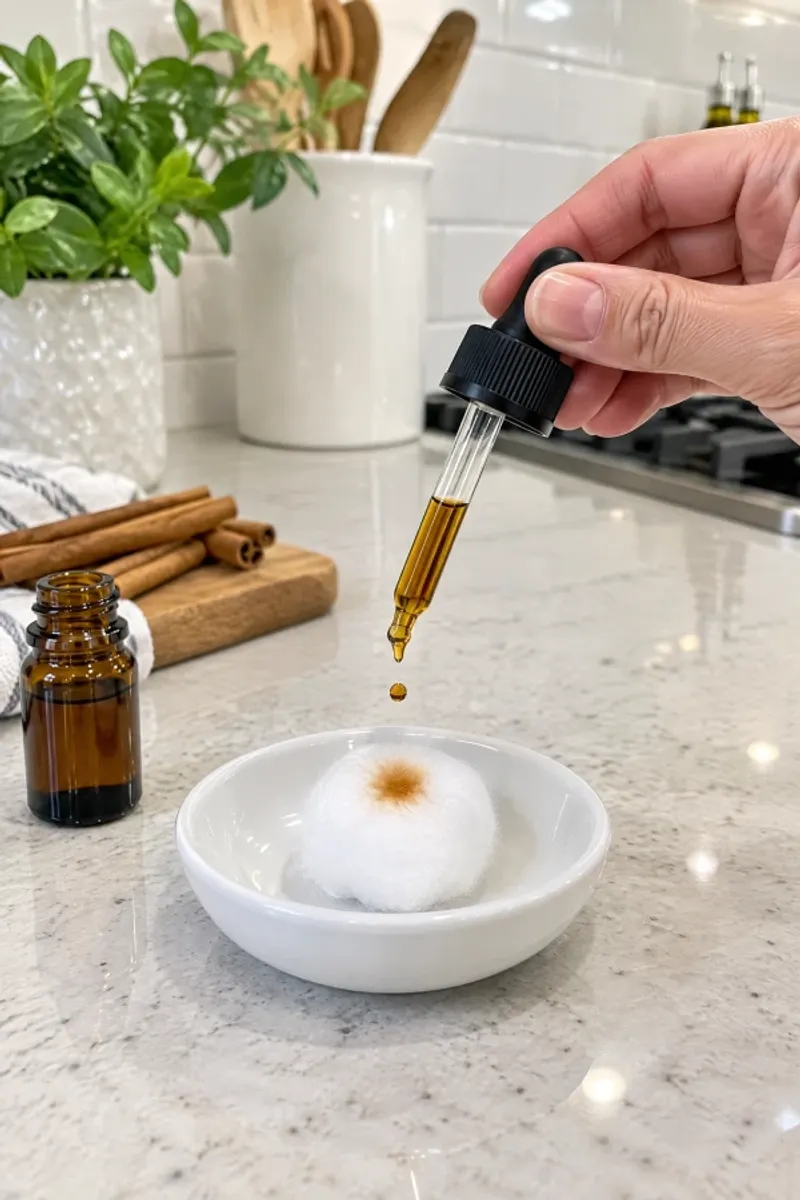
Cloves
© No More Termitex

Picture the smell of holiday ham baking in the oven. That warm, spicy aroma comes partly from cloves, and mice find it about as pleasant as we find skunk spray.

Cloves contain eugenol, a strong oil that irritates a rodent’s nose. Toss a handful of whole cloves into small mesh bags or old socks and place them in drawers, closets, and cabinets.

Clove essential oil on cotton balls works too and packs a bigger punch.

One bonus is that your home ends up smelling cozy, which suits the season nicely. A few sachets in the linen closet can protect your blankets from nest-building intruders.

4. Ammonia
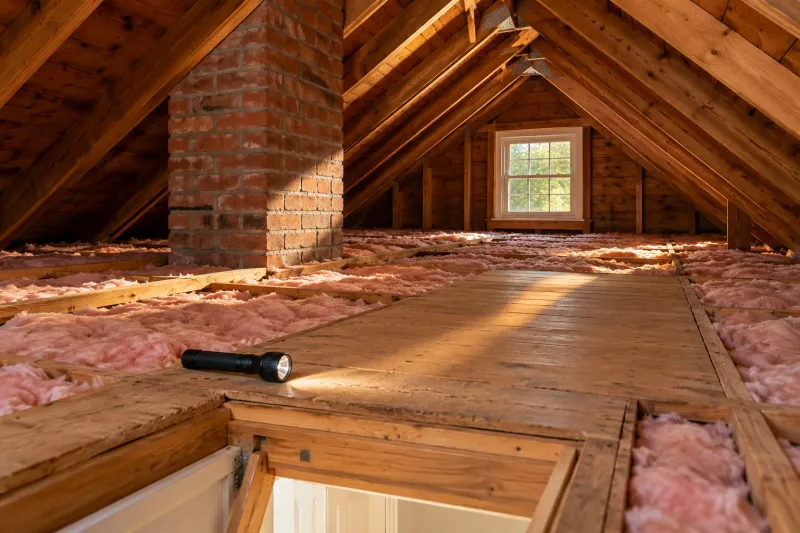
Ammonia
© Rodent Control Charlottesville

Here is a trick that sounds odd until you learn the science. Ammonia smells a lot like the urine of predators such as cats and foxes.

When a mouse catches a whiff, its instincts tell it danger is nearby.

Pour a few tablespoons of ammonia into a small, shallow lid and set it in places like the attic, crawl space, or shed. Never mix it with bleach, since that creates toxic fumes.

Also keep it out of living areas, because the smell is harsh on human lungs.

Many folks in rural Texas use this in barns and storage buildings where feed attracts rodents. It is cheap, simple, and surprisingly effective in closed-off spaces.

5. Eucalyptus
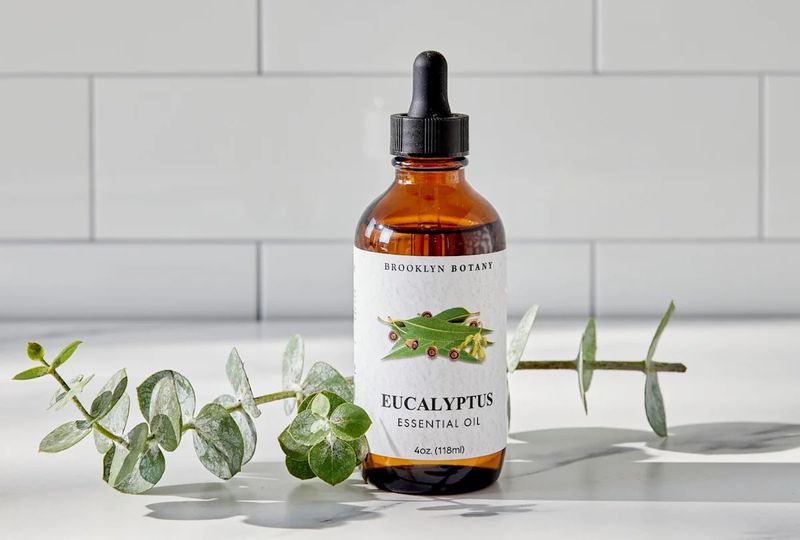
Eucalyptus
© Yahoo Shopping

Koalas may love eucalyptus, but mice want nothing to do with it. Its strong, medicine-like smell clogs their sense of smell, making it hard for them to find food or follow trails left by other mice.

You can hang dried eucalyptus bundles near doorways or run a diffuser in areas where you have seen droppings. Some people even plant eucalyptus outdoors in South Texas, where the mild winters let it grow well.

Keep in mind that eucalyptus oil is toxic to cats and dogs, so use it carefully if you have pets. Placing it in spots your animals cannot reach keeps everyone safe.

6. Vinegar

Vinegar
© Pest & Pollinator

Sometimes the best tools are already under your sink. White vinegar has a sour, punchy smell that mice dislike, and it does double duty as a cleaner.

That second job matters more than you might expect. Mice leave scent trails that guide other mice to food, and wiping counters, pantry shelves, and floors with vinegar erases those invisible maps.

Mix equal parts vinegar and water in a spray bottle and clean high-traffic spots once or twice a week.

You can also leave small bowls of vinegar in dark corners. It will not scare off a determined mouse alone, but it makes your kitchen feel much less welcoming.

7. Cedar
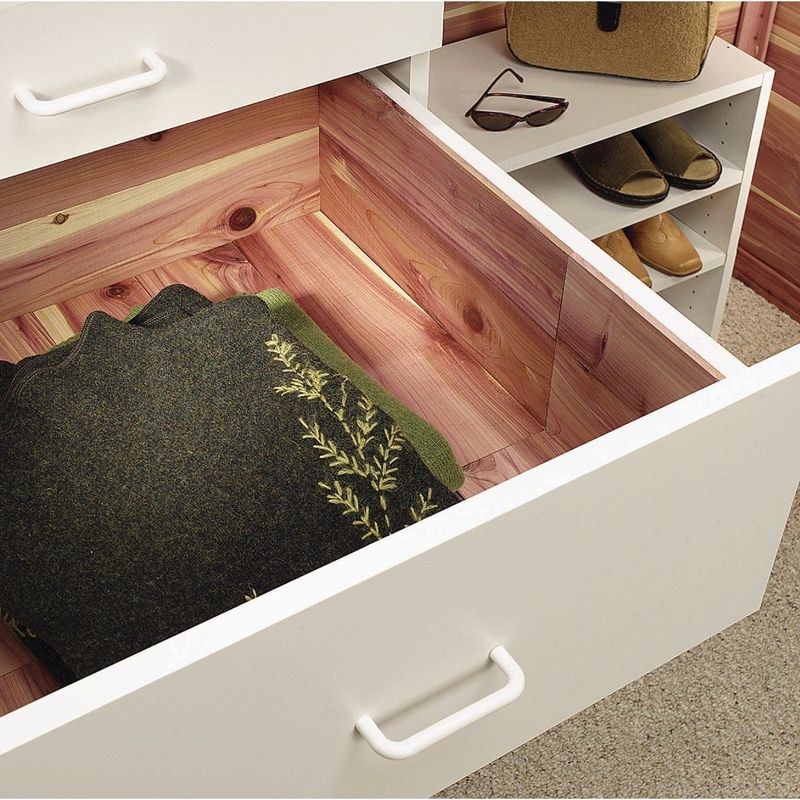
Cedar
© DoItBest

Drive through the Texas Hill Country and you will see cedar trees, technically Ashe juniper, everywhere. That same woodsy scent people love in hope chests is a turnoff for mice.

Cedar contains natural oils called phenols that irritate rodents. Set cedar blocks in closets, scatter shavings in the garage, or line storage bins with cedar chips.

Sand the blocks lightly every few months to wake up the scent again.

It is a gentle, pleasant option that blends right into your home. Combine it with sealed cracks and tidy storage, and you will have a strong defense all winter long.

Share this story

RC

Written by

Ruby Castillo

More from Ruby Castillo →

About Gardening Latest

Gardening Latest provides in-depth guides to maintaining and enhancing your garden and backyard. Learn how to make the most of the space you have and create a beautiful garden.

More about us →

Latest stories

  • Arizona GardeningThe Arizona Plants That Help Keep Scorpions Away From Your Patio and Front Door

    The Arizona Plants That Help Keep Scorpions Away From Your Patio and Front Door

    4 min ago
  • Wisconsin GardeningDoes Eating Celery Every Day Change Your Body? What the Evidence Shows

    Does Eating Celery Every Day Change Your Body? What the Evidence Shows

    20 min ago
  • Missouri GardeningMissourians Who Eat Celery Every Day Are Doing This To Their Bodies

    Missourians Who Eat Celery Every Day Are Doing This To Their Bodies

    26 min ago
  • Tennessee GardeningTennesseans Who Eat Celery Every Day Are Finding Out What It Does For Their Bodies

    Tennesseans Who Eat Celery Every Day Are Finding Out What It Does For Their Bodies

    32 min ago
  • Alabama GardeningThat Hopping Bug In Your Alabama Basement May Be A Camel Cricket, A Cricket And Not A Spider

    That Hopping Bug In Your Alabama Basement May Be A Camel Cricket, A Cricket And Not A Spider

    38 min ago

Gardening by state

Stories for your state, and the hardiness zone most of it gardens in.

Keep exploring

Read next

All Texas Gardening →
Texas GardeningThis Invasive Tree Is Spreading Through Texas Neighborhoods Faster Than You Can Pull It
Texas Gardening

This Invasive Tree Is Spreading Through Texas Neighborhoods Faster Than You Can Pull It

15 hr ago
Texas GardeningSpotted a Huge Black Moth Near Your Texas Front Door? Here’s What It Is
Texas Gardening

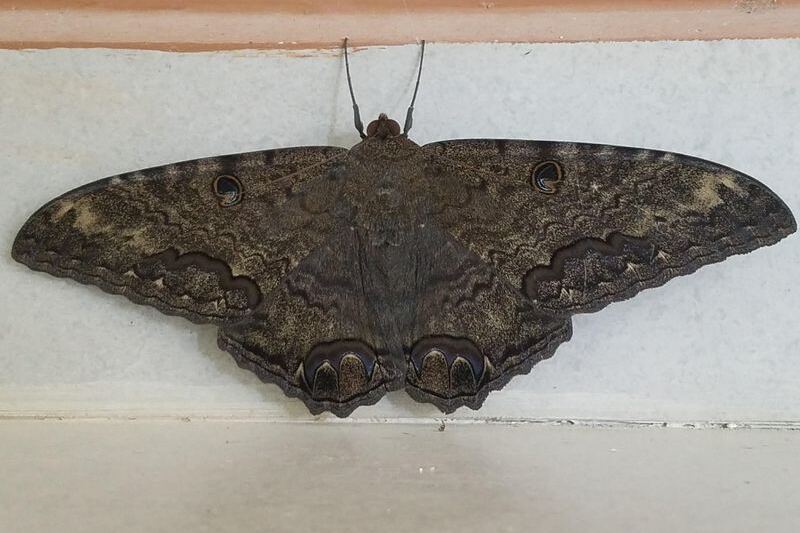
Spotted a Huge Black Moth Near Your Texas Front Door? Here’s What It Is

17 hr ago
Texas GardeningWhat Those Fresh Fire Ant Mounds After a Texas Rain Are Really Telling You
Texas Gardening

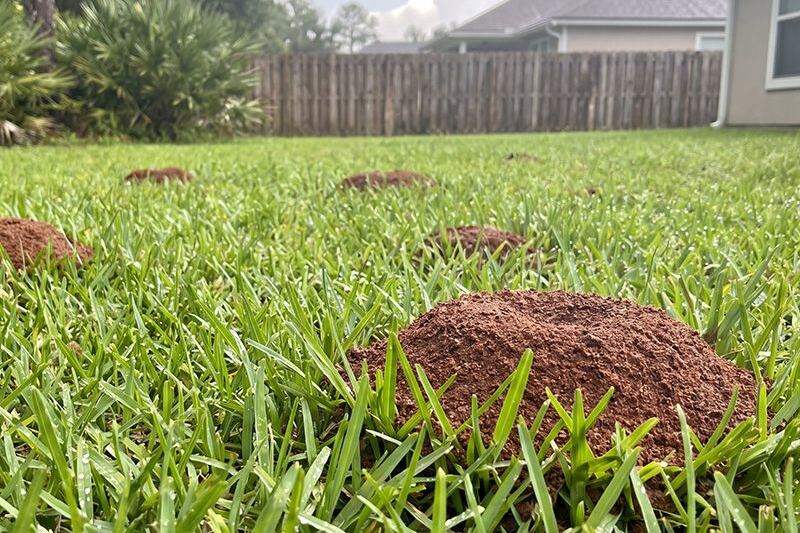
What Those Fresh Fire Ant Mounds After a Texas Rain Are Really Telling You

21 hr ago

More from Texas Gardening

  • Does Eating Celery Every Day Change Your Body? What the Evidence Shows

    20 min ago
  • Missourians Who Eat Celery Every Day Are Doing This To Their Bodies

    26 min ago
Back to top

Leave a response Cancel

Your email address stays private. Required fields are marked with an asterisk.

Gardening Latest

In-depth guides to maintaining and enhancing your garden and backyard: how to make the most of the space you have, and how to make it beautiful.

  • Facebook
  • X
  • Pinterest
  • YouTube

We may earn a portion of sales from products or services that are purchased through our site as part of our affiliate partnerships with retailers.

Explore

  • About GardeningLatest.com
  • Contact Us
  • Terms and Conditions
  • Privacy
  • Editorial Note:
  • FTC Disclosure

Newsletter

New garden guides and seasonal tips, straight to your inbox.

We’ll email you a link to confirm. Unsubscribe any time.

Almost there! Check your inbox and tap the link to confirm.

© 2026 Gardening Latest. All rights reserved.

Back to top