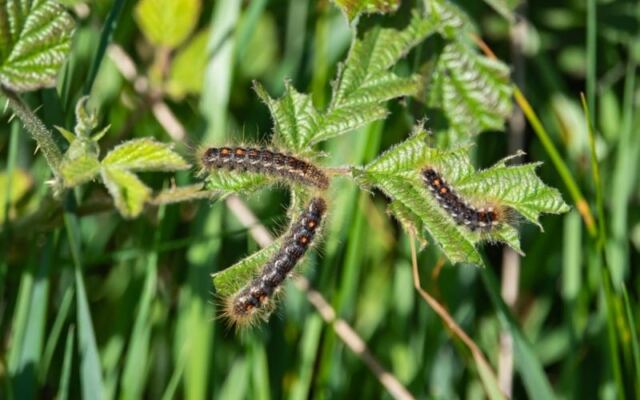
If a browntail moth caterpillar touched your skin, the quickest move is to gently lift any hairs off with fresh pieces of sticky tape, then wash the area with soap and water. The tiny hairs can cause an itchy rash like poison ivy, and they can hang around yards long after the caterpillars are gone.
Quick steps can cut down on continued contact with those hairs, though nothing can promise a rash will not show up. Here is what to do, what to watch for, and when to get help.
Lift hairs gently, then wash
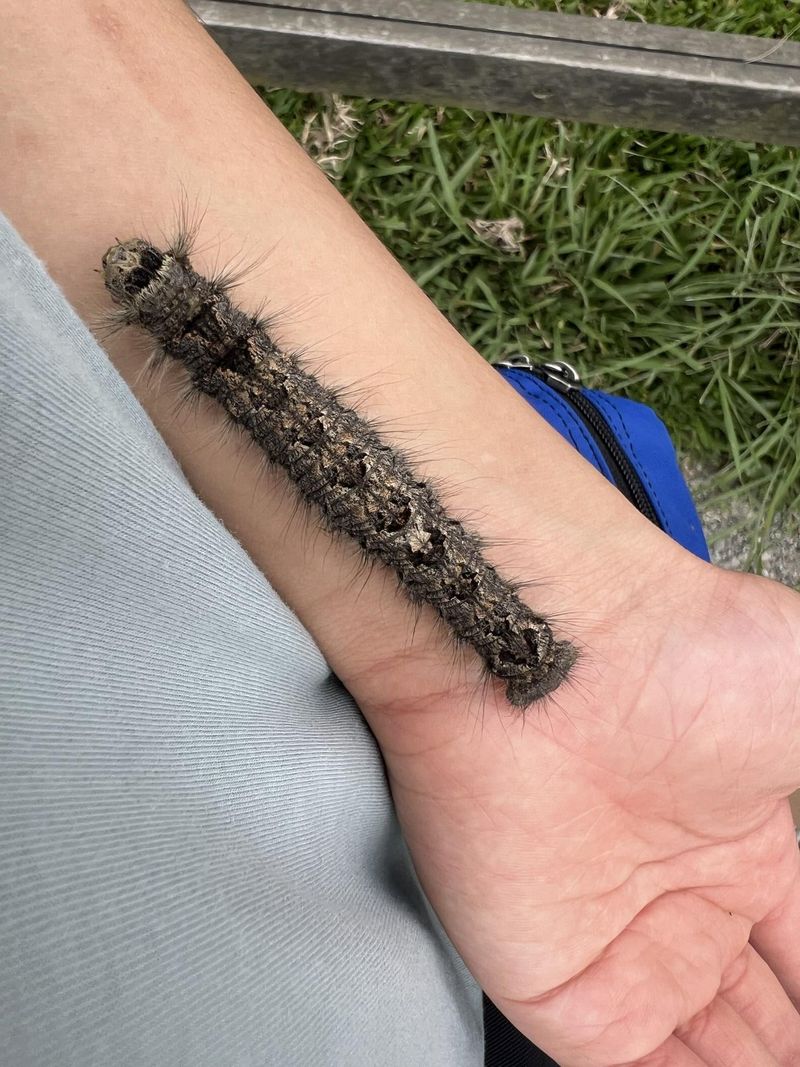
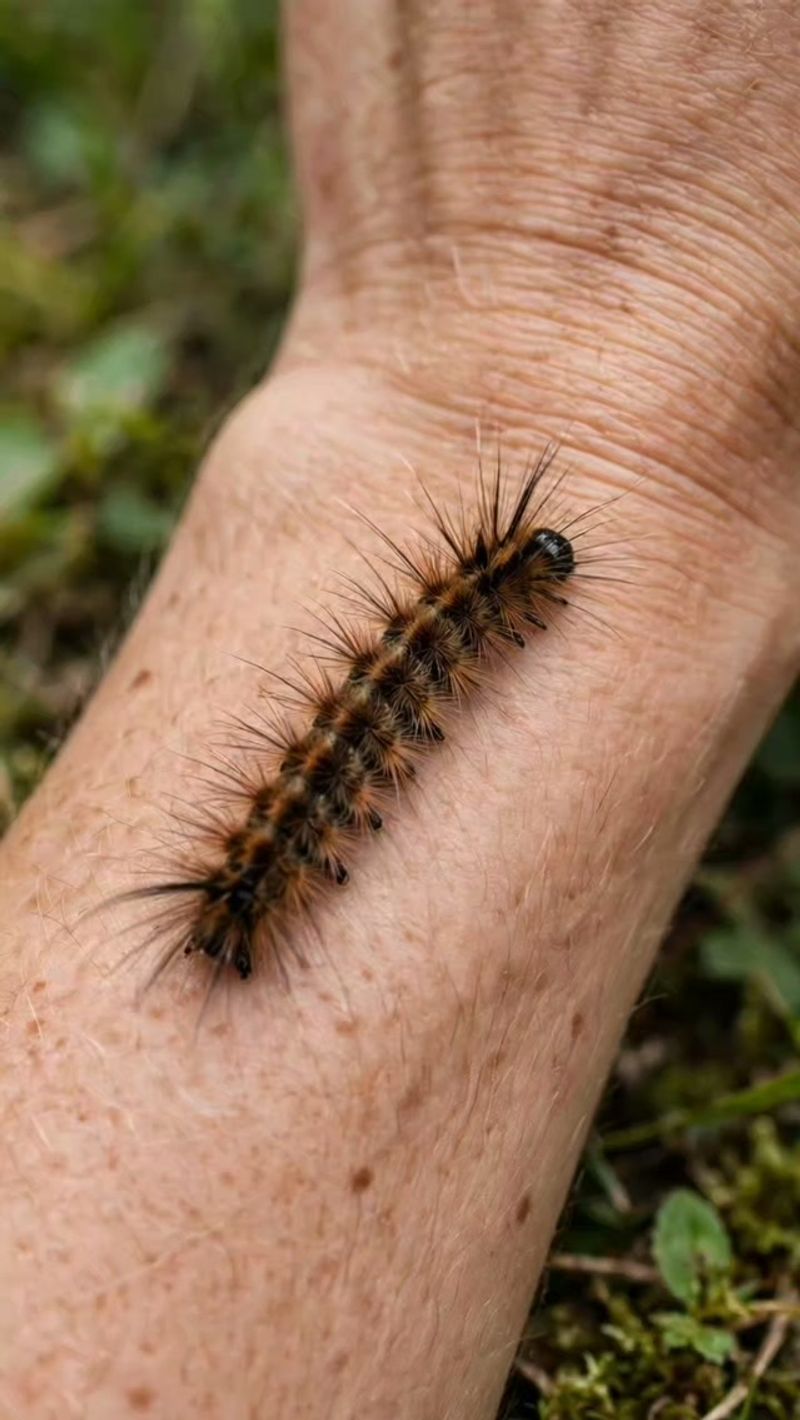
Start by stepping away from the spot where it happened, and do not swat or brush a caterpillar off with your bare hand. Crushing or rubbing can push the tiny hairs deeper into your skin.
If a caterpillar is still on you, flick it off with a stick or a gloved tool, and leave nests and caterpillars alone.
Next, try the tape method. Poison control guidance for caterpillar contact suggests gently pressing sticky tape onto the exposed skin and lifting it away.
Use a fresh piece each time, and repeat until the tape comes away clean. MedlinePlus gives similar advice for caterpillar hairs in general.
Once the tape is done, wash the area gently with soap and water. Skip hard scrubbing, since rubbing can add to the irritation.
Pat the skin dry with a clean towel.
Keep in mind where this advice comes from. Tape is general caterpillar first-aid guidance, and it may help lift hairs from the skin.
It has not been proven as a browntail-specific cure, and it cannot guarantee that a rash will not appear. Think of it as a sensible, low-risk way to remove what you can while you take the next steps.
If you are not sure whether hairs reached your skin, the same approach still makes sense. Check your wrists, neck, and forearms, where hairs often settle between gloves and sleeves.
Reduce any continued exposure
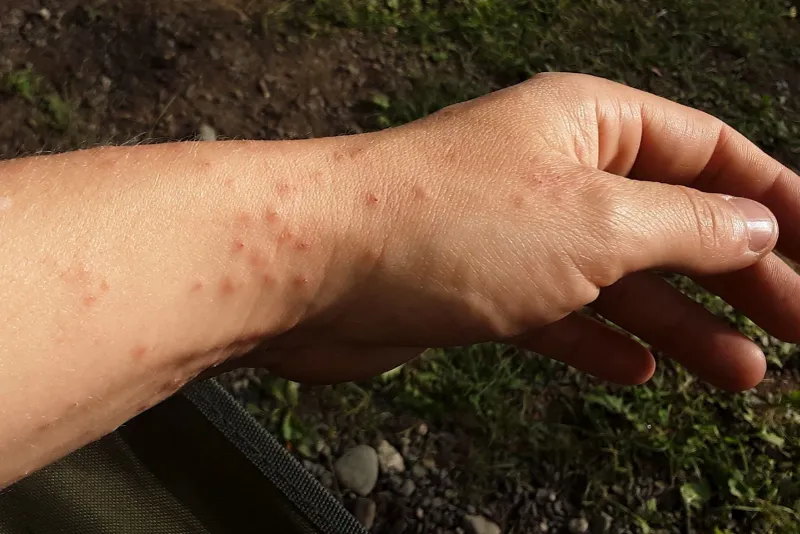
Skin is only part of the story, because hairs can cling to sleeves, hats, and socks. If you keep wearing the same clothes, you may keep picking up irritation.
The goal after yard work is to cut down on how long hairs stay in contact with you.
Maine CDC recommends taking a cool shower and changing clothes after being outdoors in areas where browntail moths live. Cool water is a good choice because hot water can make itchy skin feel worse.
Rinse your hair and neck too, since hairs can settle there.
Place the clothes you wore straight into the washing machine, and try not to shake them out indoors. Shaking can send loose hairs into the air.
Wash your hands after handling the laundry, and rinse out the basket or bag if it touched the clothes.
General poison control advice also points to washing the skin with soap and water after contact. Treat these steps as ways to reduce continued exposure, not as a promise that a rash will be prevented.
Some people still develop symptoms even when they do everything right.
Notice that this is different from soothing the skin. Removing hairs deals with the source of the irritation, while creams and cool compresses only ease how it feels.
You will usually want to do the removal steps first.
Soothe mild itching and irritation
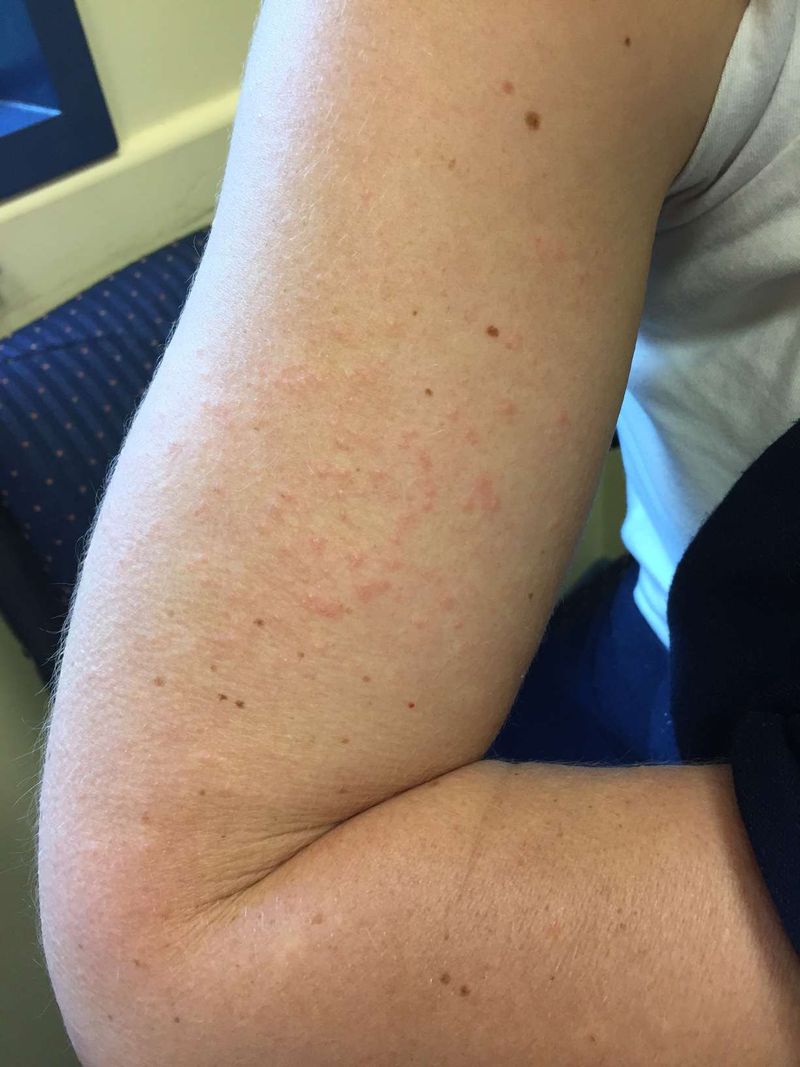
Once the hairs are off, comfort becomes the main job. For a mild rash, a cool compress can take the edge off the itch.
A wrapped ice pack works too, as long as you keep a cloth between the ice and your skin.
General first-aid advice in MedlinePlus describes icing for about 10 minutes, then taking it off for 10 minutes. Keep it brief, and stop if the skin feels numb or looks very red.
For browntail rashes in particular, Maine CDC lists a cool bath with baking soda, hydrocortisone cream, or calamine lotion. A Maine CDC fact sheet covers similar home care ideas.
These options ease symptoms. None of them neutralizes the rash, and there is no special treatment that makes it disappear faster.
Try to avoid scratching, since broken skin is more likely to get sore or infected.
Loose, soft clothing can help too, because tight sleeves rub on irritated spots. If home care is not helping, or the itching keeps you from sleeping, contact a healthcare provider.
A pharmacist or clinician can suggest stronger options that fit your situation.
Know when to get medical help
Most skin irritation from caterpillar hairs is uncomfortable but manageable at home. A few signs are different, and they should not wait.
Trouble breathing or swallowing, or swelling of the mouth, tongue, or throat, calls for emergency care right away.
Call 911 for severe breathing symptoms or signs of a serious allergic reaction. Both Maine CDC and poison control resources point to these as reasons for urgent help.
Do not drive yourself if you feel faint or short of breath.
Hairs can also reach the eyes or be breathed in during yard work. If they get in your eyes, rinse with plenty of water, and seek medical help if irritation persists.
MedlinePlus advises medical care after inhaling caterpillar hairs, so a cough or tight chest after raking is worth a call.
If you are unsure how worried to be, Poison Control can give advice that fits your exposure. In the United States, call 1-800-222-1222.
Have a few details ready, such as what you were doing, how long ago it happened, and what symptoms you notice.
For a mild rash that is not improving with home care, a regular visit to your healthcare provider is a good next step. That is a different level of urgency from the emergency signs above.
A rash may appear later, but it is not contagious
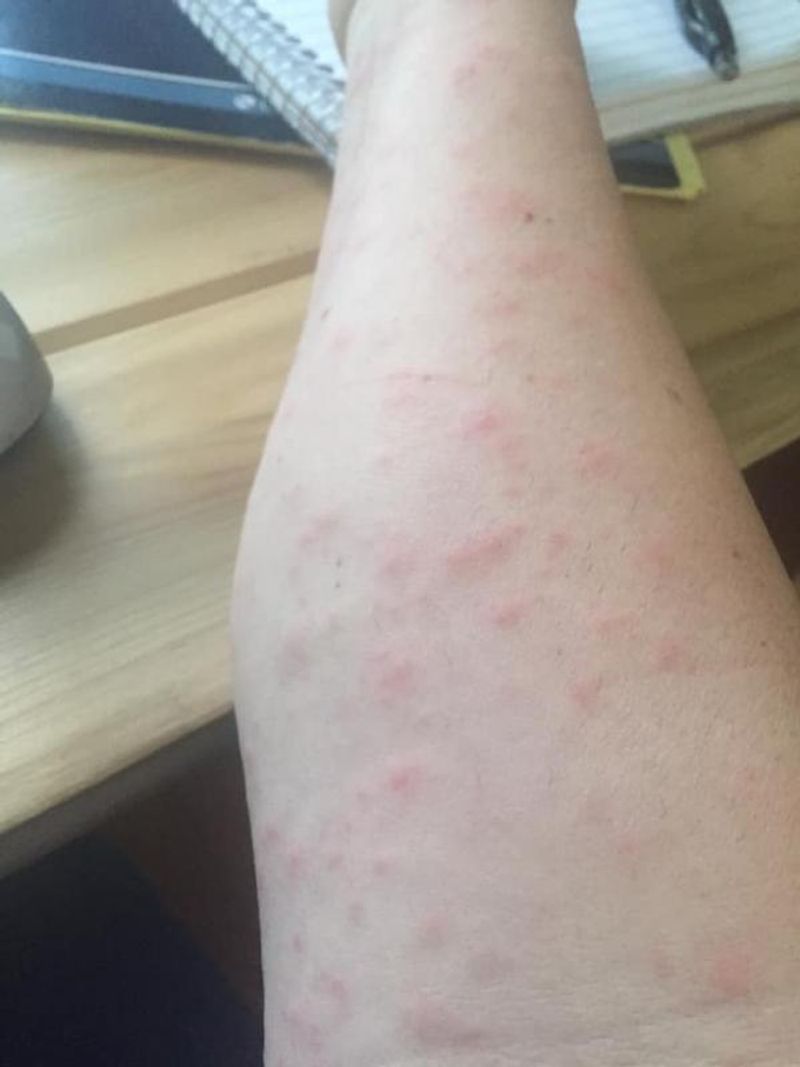
Some people notice itching within hours. Others see a rash show up later, sometimes after they have almost forgotten the encounter.
A delayed rash does not mean your first aid failed, since hairs can be hard to see and remove completely.
You also cannot pin every rash on browntail moths. DermNet notes that caterpillar-related rashes can look like other insect bites, allergies, and skin conditions.
A rash alone does not confirm browntail exposure, so think about where you were and what you were doing.
Good news for households: the rash is not contagious. The Maine Forest Service FAQ explains that symptoms follow contact with hairs on the skin or in the respiratory tract.
You cannot pass it to a family member by touching them. The worry is more hairs, which can ride on clothing or pets.
As for how long it lasts, Maine CDC says most rashes last from hours to several days. Some people who are more sensitive have a severe rash that lasts several weeks.
A useful habit is to snap a photo of the rash and jot down when and where you were outside. That record helps a healthcare provider if the rash drags on or does not look like what you expected.
Garden hairs can outlast the caterpillars
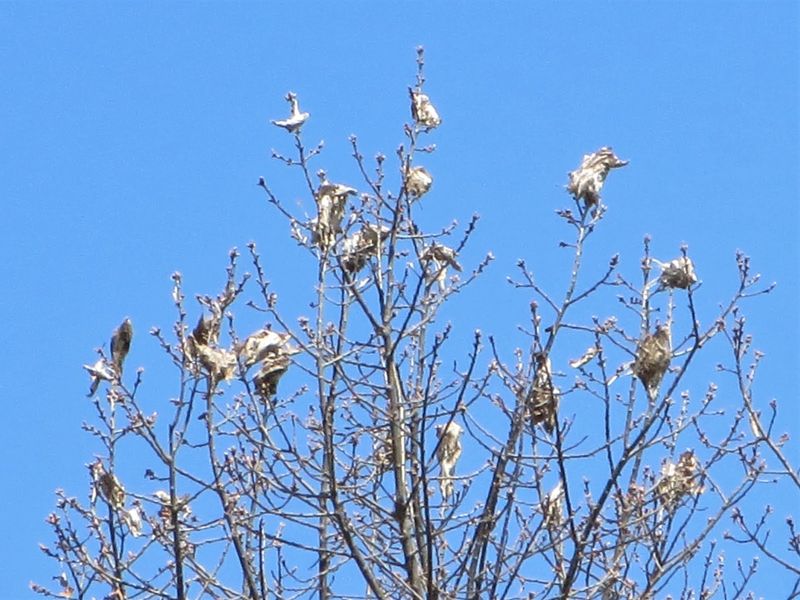
You do not have to touch a visible caterpillar to be exposed. Browntail caterpillars shed tiny hairs, and those hairs can settle in soil, leaves, nests, and on outdoor surfaces.
They can also drift through the air when disturbed.
According to Maine CDC, hairs may stay toxic for up to three years, though they lose strength over time. Raking, mowing, and pruning can stir them up.
The Maine Forest Service adds that the highest risk is generally in spring and early summer, but hairs can remain a hazard beyond caterpillar season.
Maine CDC suggests doing yard work on wet days, since moisture keeps hairs from floating. For jobs that may kick up hairs, wear protective clothing, goggles, and a mask.
Avoid unprotected dry raking or pruning in an affected area, and do not handle caterpillars, nests, or possibly contaminated material with bare hands.
Where does Massachusetts fit in? UMass Extension describes browntail moth as a concern in some coastal areas of Cape Cod and the North Shore in recent years.
It is not the explanation for every garden rash across the state, so a rash in the Berkshires, for example, more likely has another cause.
Researchers do not have enough information to say whether people build tolerance or whether reactions reliably get worse with repeated exposure. The safest plan is to protect yourself every time.
Remember the first steps
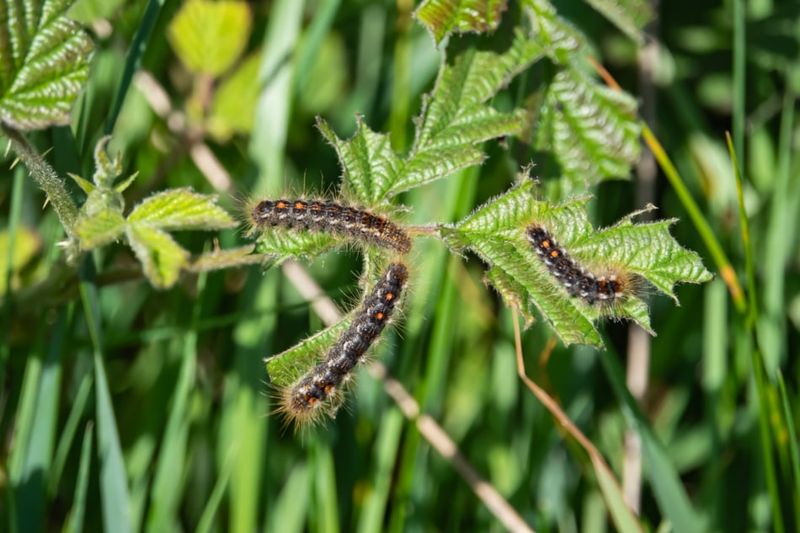
Keep it simple: lift suspected hairs with fresh pieces of tape, wash with soap and water, and use cool, soothing measures if mild itching shows up. Poison control guidance backs the tape and washing approach for caterpillar contact in general.
No step can guarantee that a rash will not appear.
Trouble breathing or swallowing, or swelling of the mouth, tongue, or throat, means emergency care, as Maine CDC advises.
A little gear and a wet-day schedule can keep a good garden day from turning itchy.
Share this story