Get the latest garden guides in your inbox →
Gardening Latest
  • General Gardening
  • Lawn Care
  • Plant Care
  • Composting
  • Soil Health
  • Backyard
  • Garden Muse Magazine
  • General Gardening
  • Lawn Care
  • Plant Care
  • Composting
  • Soil Health
  • Backyard
  • Garden Muse Magazine
  • News
  • Gardening Calendar
  • Garden Structures
  • Vegetable Garden
  • Vertical Garden
  • Raised Beds
  • Hydroponics
  • General Equipment
  • Community Gardens
Garden Themes
  • Spiritual Garden
  • Hydroseeding
  • Seeding and Laying Sod
  • Artificial Grass
  • Lawn Care Equipment
  • Plants
  • Trees
  • Planting Tools
  • Composting Basics
  • Fertilizer
  • Alternative Growing Mediums
  • Front Yard
  • Backyard Activities
  • Landscaping
Gardening Latest

Explore by state

Which state is your garden in?

Currently viewing Massachusetts

All states

Northeast

  • Connecticut —
  • Delaware 20
  • Maine —
  • Maryland 6
  • Massachusetts 23
  • New Hampshire —
  • New Jersey 6
  • New York 16
  • Pennsylvania 16
  • Rhode Island —
  • Vermont —

Southeast

  • Alabama 6
  • Arkansas —
  • Florida 6
  • Georgia 7
  • Kentucky 20
  • Louisiana 5
  • Mississippi —
  • North Carolina 5
  • South Carolina 19
  • Tennessee 3
  • Virginia 5
  • West Virginia —

Midwest

  • Illinois 5
  • Indiana 8
  • Iowa 19
  • Kansas —
  • Michigan 7
  • Minnesota 5
  • Missouri 5
  • Nebraska —
  • North Dakota —
  • Ohio 7
  • South Dakota —
  • Wisconsin 21

Southwest

  • Arizona 6
  • Colorado —
  • Nevada —
  • New Mexico —
  • Oklahoma —
  • Texas 5
  • Utah —

West

  • Alaska —
  • California 6
  • Hawaii —
  • Idaho —
  • Montana —
  • Oregon —
  • Washington —
  • Wyoming —

No state matches that search.

Site menu

Gardening Latest
  • General Gardening
    • News
    • Gardening Calendar
    • Garden Structures
    • Vegetable Garden
    • Vertical Garden
    • Raised Beds
    • Hydroponics
    • General Equipment
    • Community Gardens
    Garden Themes
    • Spiritual Garden
  • Lawn Care
    • Hydroseeding
    • Seeding and Laying Sod
    • Artificial Grass
    • Lawn Care Equipment
  • Plant Care
    • Plants
    • Trees
    • Planting Tools
  • Composting
    • Composting Basics
  • Soil Health
    • Fertilizer
    • Alternative Growing Mediums
  • Backyard
    • Front Yard
    • Backyard Activities
    • Landscaping
  • Garden Muse Magazine

Explore

  • About GardeningLatest.com
  • Contact Us

Get the latest from the garden

New guides on lawn care, plants and backyard projects, sent when they go up.

Subscribe →

Follow

  • Facebook
  • X
  • Pinterest
  • YouTube
Massachusetts Gardening

Fall Is When Massachusetts’ Venomous Yard Critters Show Up, And They’re Closer Than You Think

When the leaves start turning in Massachusetts, a lot of small creatures start looking for a warm place to spend…

AT

By Abigail Thatcher

November 23, 2026 · 6 min read

Fall Is When Massachusetts’ Venomous Yard Critters Show Up, And They’re Closer Than You Think
Fall Is When Massachusetts' Venomous Yard Critters Show Up, And They're Closer Than You Think

When the leaves start turning in Massachusetts, a lot of small creatures start looking for a warm place to spend the winter. Some of them carry venom, and your woodpile, garage, or basement might look like the perfect hotel.

Most of these critters are shy and rarely cause serious harm, but knowing who they are helps you stay safe while raking leaves or hauling in firewood. Here are ten venomous or stinging neighbors that get bolder and busier as autumn rolls in.

At a glance

Where
Massachusetts Gardening
Hardiness zone
6 −10 to 0°F
Read
6 minutes
Published
November 23, 2026

1. Yellowjackets

Yellowjackets
© Gardener’s Path

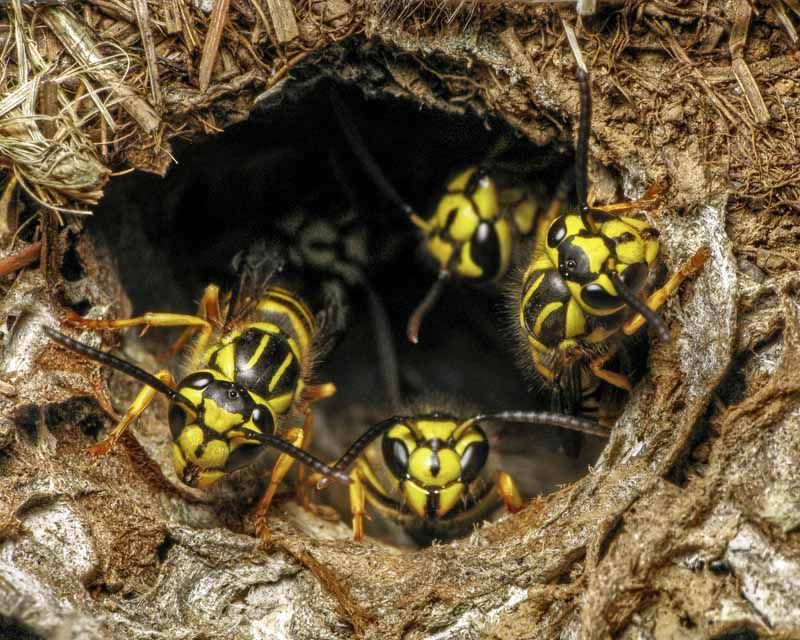
Ever had a picnic crashed by a buzzing striped bully? Late September is peak season for yellowjacket grumpiness in Massachusetts.

Their colonies are at their largest, and food is getting scarce.

Workers that spent summer hunting caterpillars suddenly crave sugar. That puts them right in your soda can, your apple cider, and your fallen backyard apples.

Many yellowjackets nest underground, often in old rodent holes. Running a mower over one can trigger a furious swarm, and unlike honeybees, they can sting again and again.

Watch for a steady stream of wasps zipping in and out of a single spot in the grass, and keep drinks covered outdoors.

2. Bald-Faced Hornets
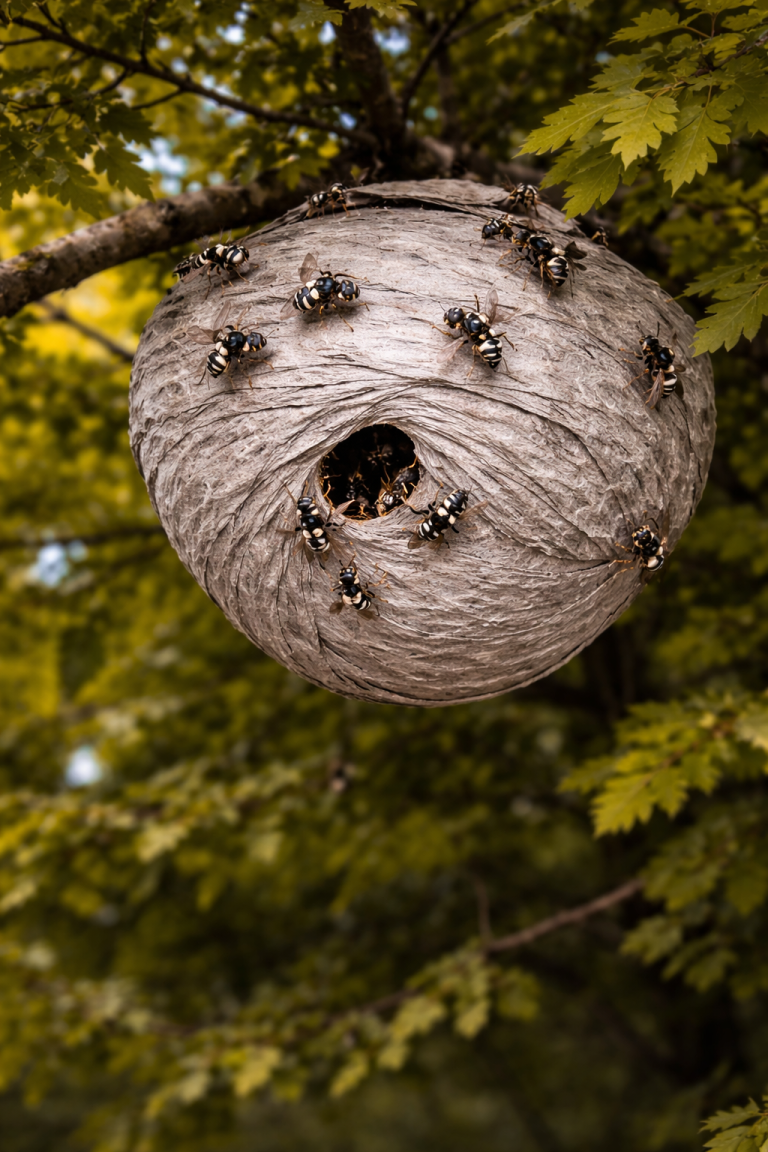
Bald-Faced Hornets
© New England Wildlife Control

Leaf drop has a sneaky side effect. Suddenly, that football-sized gray paper nest hanging over your driveway is in plain view, and you realize you walked under it all summer.

Bald-faced hornets are actually a type of yellowjacket, black with creamy white markings on the face. They guard their nests fiercely and can spray venom toward the eyes of an intruder.

Here is the good news. Once hard frosts arrive, the colony dies off and only new queens survive by hiding elsewhere.

Old nests are not reused, so a nest spotted in November can usually be left alone or removed safely after a few freezing nights.

3. Paper Wasps
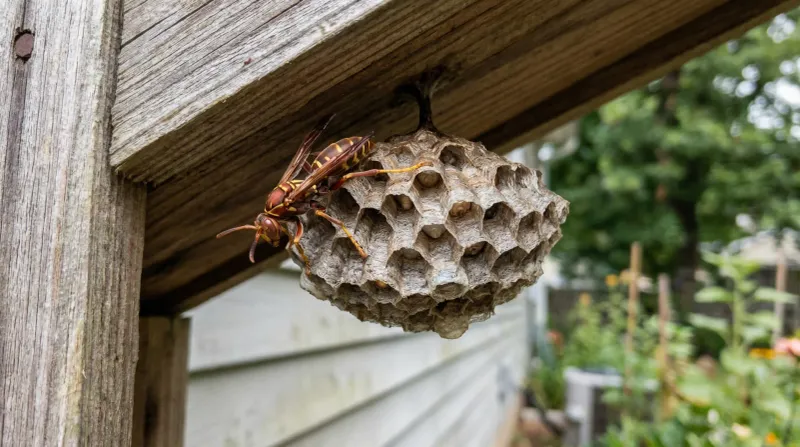
Paper Wasps
© Green Guard Pest Control

Picture a sunny October afternoon on the south side of your house. Paper wasps drift lazily along the siding, testing cracks around the windows.

Those slow fliers are often fertilized queens searching for a sheltered spot to spend winter. Attics, wall gaps, and window frames suit them perfectly.

In Massachusetts, copperheads are found in only a few rocky areas, mostly in the Connecticut River Valley and the Blue Hills region.

They are less aggressive than yellowjackets, yet a sting still hurts plenty. Problems usually happen when one wanders indoors on a warm winter day and lands on someone’s arm.

Sealing gaps around windows and soffits before Halloween keeps these drowsy guests outside where they belong.

4. Northern Black Widow Spider
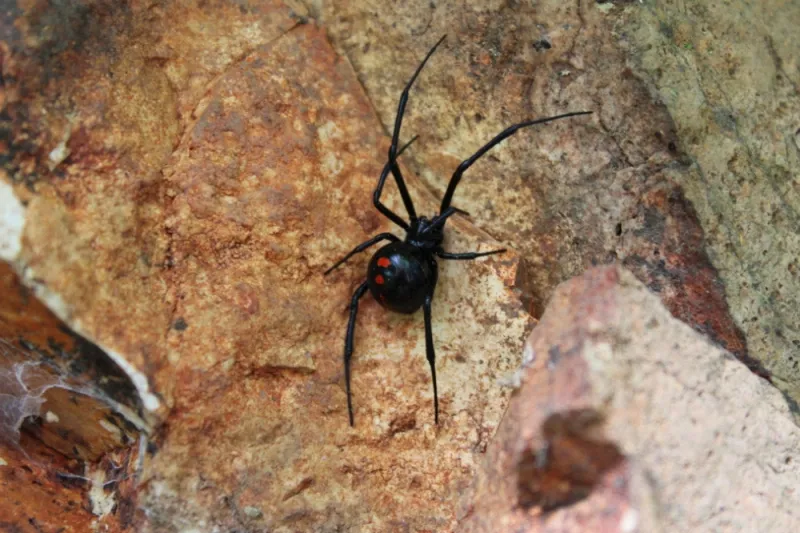
Northern Black Widow Spider
© Insectio

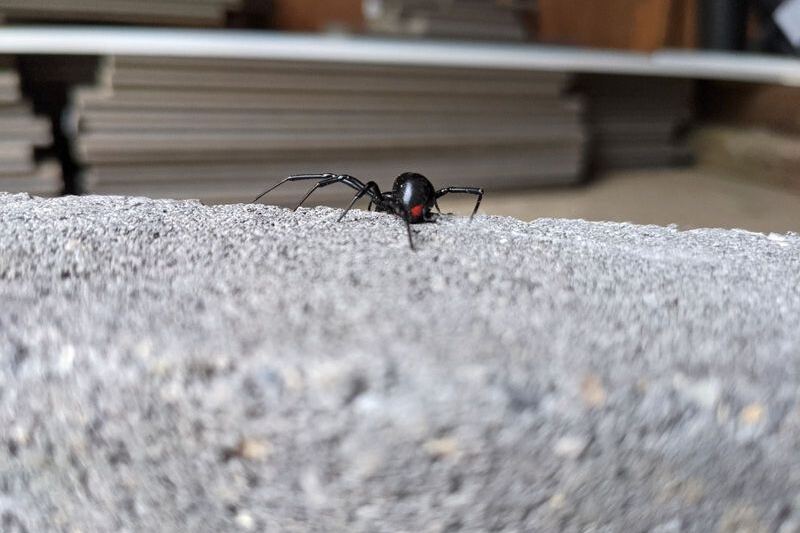
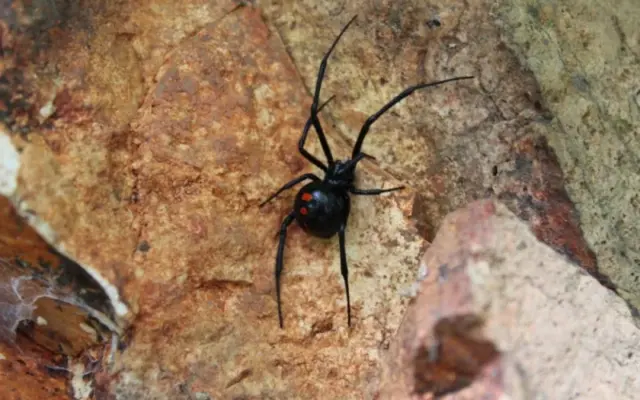
Yes, Massachusetts has black widows. The northern black widow lives here quietly, tucked into woodpiles, stone walls, and cluttered sheds.

You can spot it by its shiny black body and a broken red hourglass on the belly, sometimes with red spots along the back. Fall is when people start pulling firewood, flipping flowerpots, and reaching into storage bins, which is exactly where widows hide.

Bites are rare and rarely deadly, but the venom can cause painful muscle cramps and sweating. Wearing work gloves while stacking wood is a simple habit that makes a big difference.

Anyone bitten should get medical care, especially kids and older adults.

5. Yellow Sac Spider
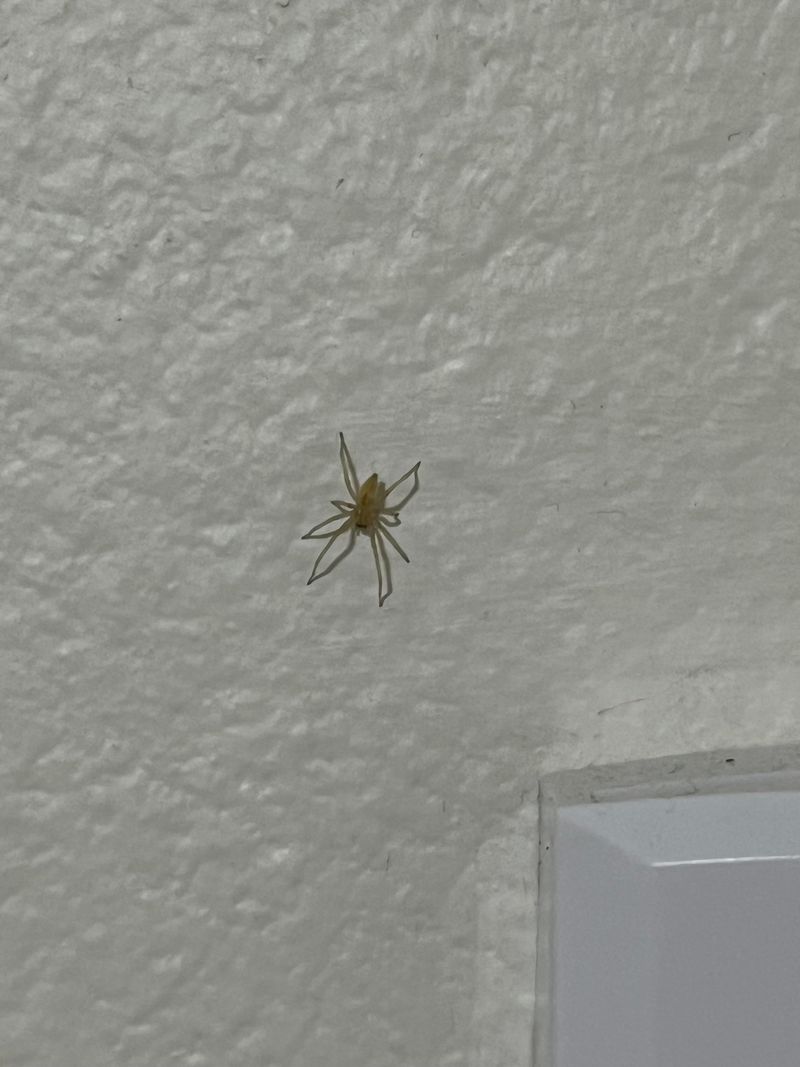
Yellow Sac Spider
© Reddit

Small, pale, and fast, the yellow sac spider is the critter most likely to bite you inside your own house. Cooler nights push it indoors, where it wanders at night hunting tiny insects.

It does not spin big webs. Instead, it builds little silk pouches in ceiling corners and behind picture frames, then roams freely after dark.

Bites usually happen when the spider gets trapped in clothing or bedding. Expect a red, itchy bump that heals on its own in most cases.

Shaking out sweaters pulled from summer storage is a smart move.

6. Timber Rattlesnake
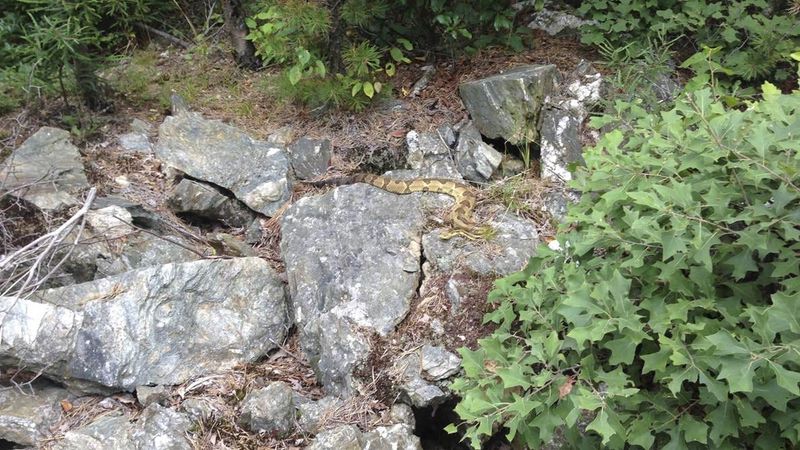
Timber Rattlesnake
© Ted’s Substack

Few people realize a rattlesnake lives within sight of Boston’s skyline. Timber rattlesnakes survive in a handful of rocky spots, including the Blue Hills and parts of western Massachusetts.

Autumn is migration time for them. They travel back toward rocky dens, called hibernacula, and bask on sun-warmed ledges to soak up heat.

Timber rattlers are endangered in the state and protected by law, so harming one is illegal. They are calm snakes that would rather rattle and retreat than strike.

Stay on trails, watch where you put your hands while scrambling over rocks, and give any rattler plenty of room.

7. Northern Copperhead
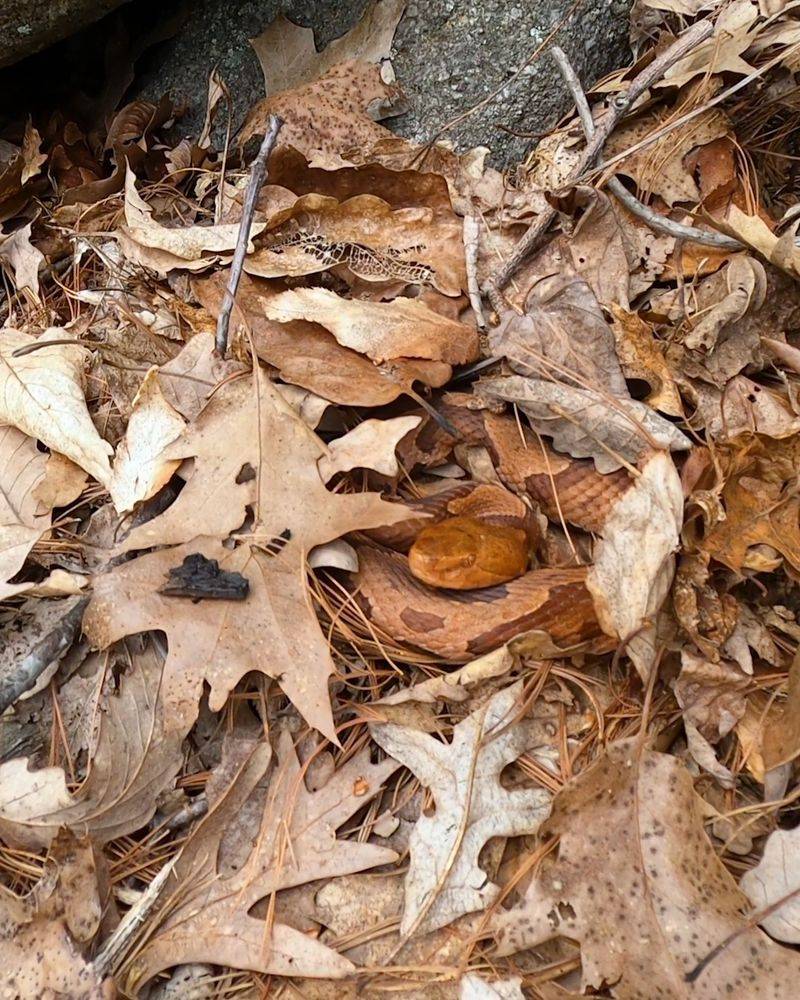
Northern Copperhead
© mlotterhand

Leaf litter is the copperhead’s secret weapon. Its copper and tan hourglass bands blend almost perfectly into a carpet of fallen oak leaves.

In Massachusetts, copperheads are found in only a few rocky areas, mostly in the Connecticut River Valley and the Blue Hills region. Like rattlers, they head toward communal dens in fall and may be seen basking along the way.

Fun fact: young copperheads have bright yellow tail tips they wiggle like worms to lure frogs. Bites are painful but seldom life-threatening.

Hikers in those regions should wear sturdy boots and avoid stepping blindly into leaf piles near rocks.

8. Saddleback Caterpillar
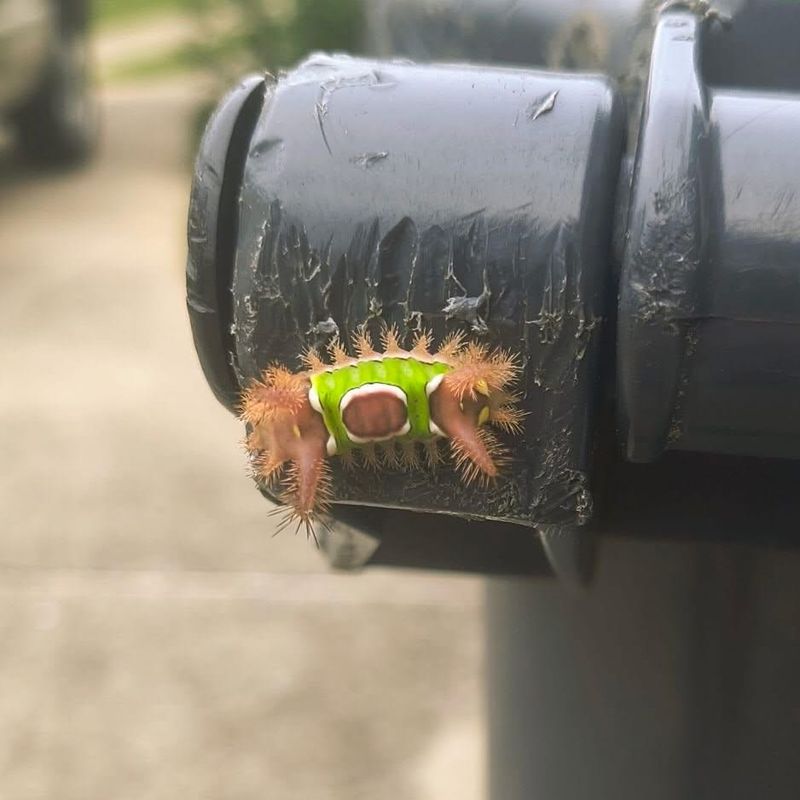
Saddleback Caterpillar
© spannwx

It looks like a tiny creature wearing a green saddle blanket. Cute, right?

Not to touch.

The saddleback caterpillar is covered in hollow spines that inject venom on contact. A brush against one can cause a burning sting, swelling, and sometimes nausea.

These caterpillars show up on garden plants, shrubs, and corn leaves in late summer and early fall. Kids love picking up caterpillars, so teach them this one is strictly look, not touch.

Pressing tape on the area pulls out stuck spines.

9. Hickory Tussock Moth Caterpillar
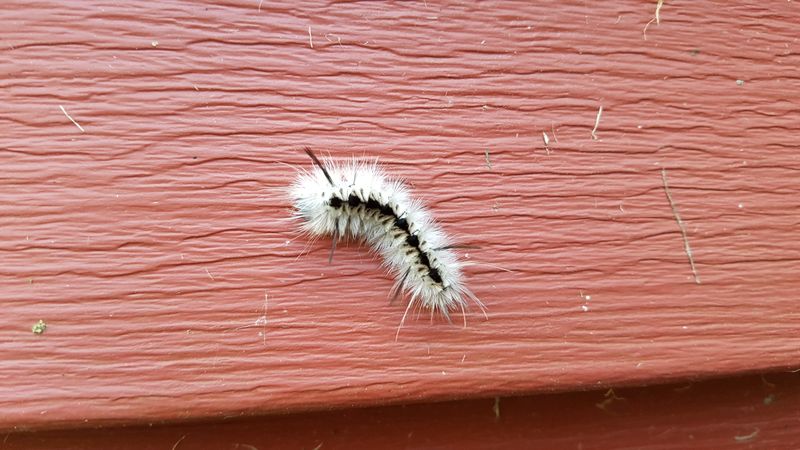
Hickory Tussock Moth Caterpillar
© UMass Amherst

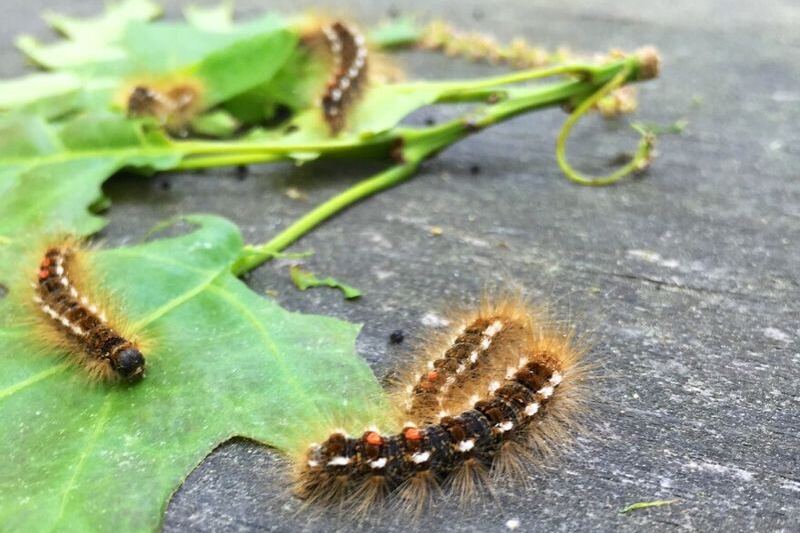
Every September, social media fills with photos of a fluffy white caterpillar with black tufts. People find them crawling on decks, sidewalks, and picnic tables all over the state.

Hickory tussock caterpillars are wandering to find a spot to spin a cocoon for winter. Their hairs can carry irritating chemicals that cause an itchy, burning rash for some people.

Reactions are usually mild, a lot like a nettle sting. Still, they look like a soft toy, which tempts little hands.

Use a leaf or stick to move one off your patio, and wash skin with soap if contact happens.

10. Short-Tailed Shrew
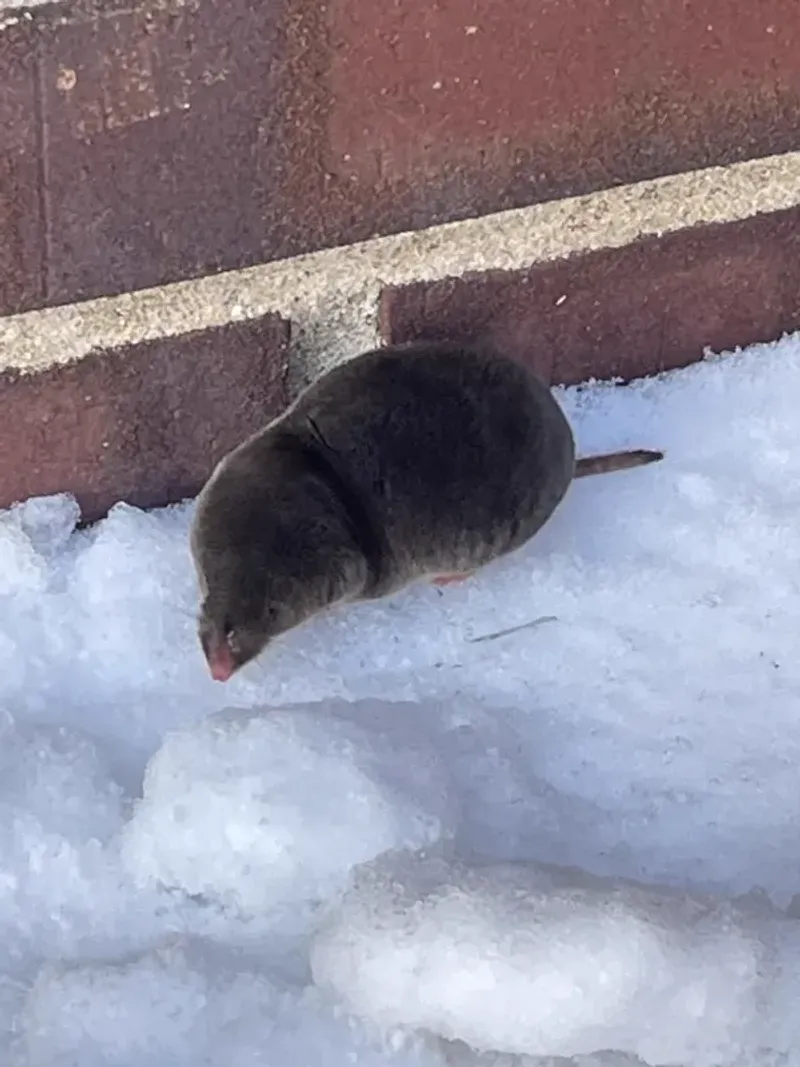
Short-Tailed Shrew
© Better Termite

Here is a surprise to finish the list: a venomous mammal. The northern short-tailed shrew, a tiny gray furball, has toxic saliva that helps it paralyze prey like worms, insects, and even mice.

Shrews get busy in fall, tunneling through leaf litter and sometimes slipping into garages or basements. Cats often catch them and leave them on doorsteps as gifts.

A bite to a human hurts and may swell for a few days, but it is not dangerous. Just never pick one up bare-handed.

Honestly, having shrews around is a win, since they eat plenty of garden pests.

Share this story
AT

Written by

Abigail Thatcher

More from Abigail Thatcher →

About Gardening Latest

Gardening Latest provides in-depth guides to maintaining and enhancing your garden and backyard. Learn how to make the most of the space you have and create a beautiful garden.

More about us →

Latest stories

  • North Carolina GardeningGot Hit by Fire Ants in North Carolina? Here’s What to Do, and Why You Leave Those Blisters Alone

    Got Hit by Fire Ants in North Carolina? Here’s What to Do, and Why You Leave Those Blisters Alone

    1 min ago
  • Michigan GardeningWhy Some Michigan Towns Are Overrun With Black Squirrels While Others Never See One

    Why Some Michigan Towns Are Overrun With Black Squirrels While Others Never See One

    6 min ago
  • California GardeningThis Is the California Shrub Rattlesnakes Love to Hide Under Near Your Path

    This Is the California Shrub Rattlesnakes Love to Hide Under Near Your Path

    16 min ago
  • New York GardeningStink Bugs Sneaking Into Your New York House? This Cheap Trap Catches Them Overnight

    Stink Bugs Sneaking Into Your New York House? This Cheap Trap Catches Them Overnight

    21 min ago
  • Ohio GardeningWhen Your Neighbor’s Tree Crashes Into Your Ohio Yard, Here’s Who Actually Pays

    When Your Neighbor’s Tree Crashes Into Your Ohio Yard, Here’s Who Actually Pays

    27 min ago

Gardening by state

Stories for your state, and the hardiness zone most of it gardens in.

Keep exploring

Read next

All Massachusetts Gardening →
Massachusetts GardeningShould You Cut That Giant Flower Stalk Off Your Massachusetts Rhubarb? Here’s Why It Shows Up
Massachusetts Gardening

Should You Cut That Giant Flower Stalk Off Your Massachusetts Rhubarb? Here’s Why It Shows Up

2 hr ago
Massachusetts GardeningBrushed Against a Browntail Moth Caterpillar in Your Massachusetts Garden? Here’s What to Do Right Away
Massachusetts Gardening

Brushed Against a Browntail Moth Caterpillar in Your Massachusetts Garden? Here’s What to Do Right Away

6 hr ago
Massachusetts GardeningMassachusetts Yards Hide These Venomous Creatures, And Here’s How To Tell Each One Apart
Massachusetts Gardening

Massachusetts Yards Hide These Venomous Creatures, And Here’s How To Tell Each One Apart

9 hr ago

More from Massachusetts Gardening

  • Hearing Scratching in Your Massachusetts Walls at Night? Flying Squirrels Are One Possibility

    Nov 20
  • When to Take Down Bird Feeders in Massachusetts Bear Country

    Nov 20
Back to top

Leave a response Cancel

Your email address stays private. Required fields are marked with an asterisk.

Gardening Latest

In-depth guides to maintaining and enhancing your garden and backyard: how to make the most of the space you have, and how to make it beautiful.

  • Facebook
  • X
  • Pinterest
  • YouTube

We may earn a portion of sales from products or services that are purchased through our site as part of our affiliate partnerships with retailers.

Explore

  • About GardeningLatest.com
  • Contact Us
  • Terms and Conditions
  • Privacy
  • Editorial Note:
  • FTC Disclosure

Newsletter

New garden guides and seasonal tips, straight to your inbox.

We’ll email you a link to confirm. Unsubscribe any time.

Almost there! Check your inbox and tap the link to confirm.

© 2026 Gardening Latest. All rights reserved.

Back to top