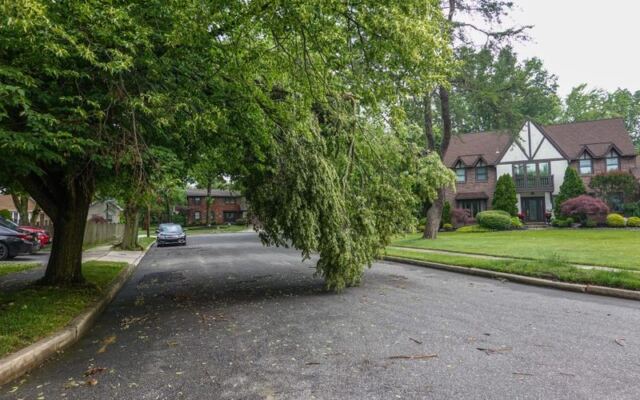
In Florida, a neighbor can generally trim branches that hang over their yard, and they usually pay for that work themselves. You generally do not have to reimburse them for cutting healthy limbs that cross the line.
Still, the right has limits, and a bad cut can cause bigger problems than the branch ever did. Here is where the line falls and what can go wrong.
The neighbor generally pays to trim branches on their side
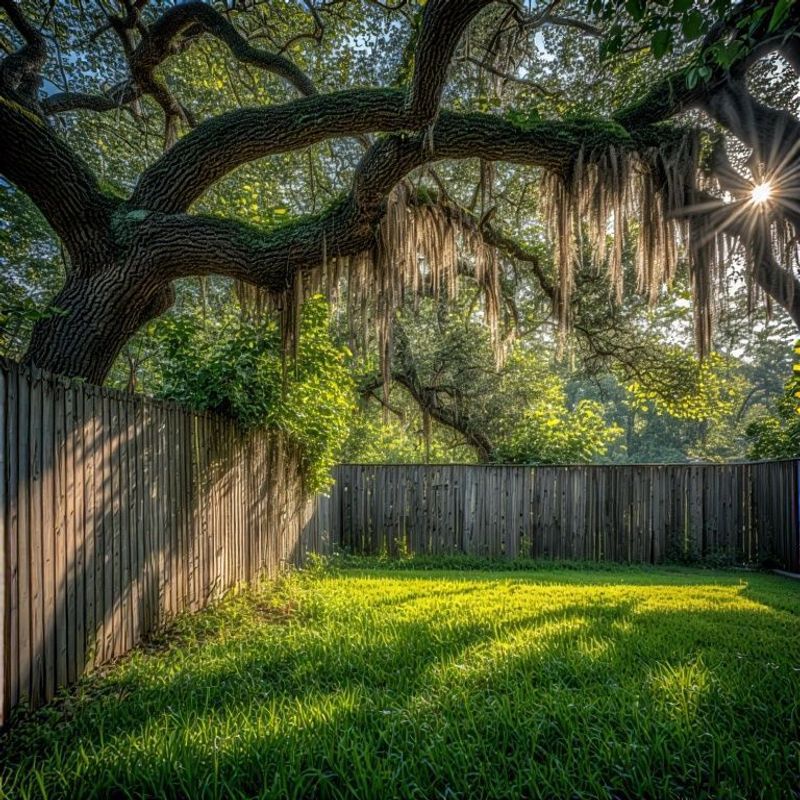
Here is the basic rule in Florida. A homeowner may trim branches that reach over the property line onto their land, but only up to that line, and ordinarily at their own expense.
The tree owner generally does not have to pay for that trimming just because healthy branches hang over a neighbor’s yard.
That rule comes from Florida’s common law, and it is summarized in the UF/IFAS handbook on Florida fence and property law. The handbook points to Florida appellate decisions, including Gallo v.
Heller and Scott v. McCarty, that support a landowner’s right to cut encroaching branches or roots on their own side at their own cost.
Think of it as a self-help rule. The law lets you deal with growth that crosses onto your land, but it does not make your neighbor responsible for arranging the work or covering the bill.
If a limb bothers you, the choice and the cost are generally yours.
The same rule works in reverse. If your own tree leans over a neighbor’s yard, they can usually cut back what crosses the line without sending you a bill, as long as the branches are healthy and the cutting stays within the legal limits.
The phrase “generally” matters here. Where the property line sits, how the cutting affects the tree, and whether the tree is dangerous can all change the picture.
The next sections take those limits one at a time, so you know where the simple rule stops working.
The property line limits where you can trim
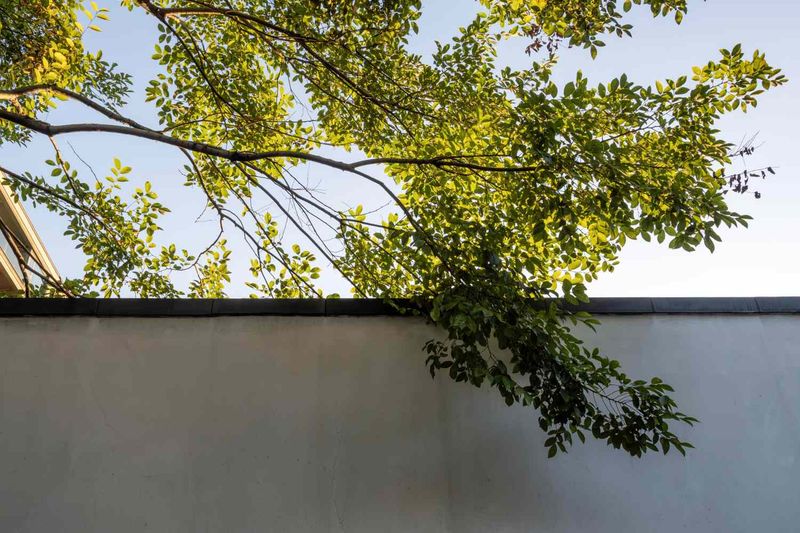
Your trimming right follows the property line, and it ends there. Before you pick up a saw, find out exactly where the boundary runs.
A recorded survey or the survey markers on your lot are better evidence than a fence, which may not sit on the true line.
Once you know the line, limit your cuts to the growth that actually crosses it. The UF/IFAS handbook describes the right as one to cut on your own side.
It is not a license to reach across and shape the tree to your liking.
Staying on your side also means staying on your side physically. If the work would require stepping onto your neighbor’s land, such as leaning a ladder in their yard, ask for permission first.
Get it in a text or email so there is a record.
Florida’s trespass law, section 810.09, deals with unauthorized entry onto property. Whether a particular situation meets its requirements depends on the facts, so there is no reason to test it.
A quick conversation is much cheaper than a dispute.
A simple example shows the point. If a limb crosses the line at ten feet up, you may cut it where it crosses.
You may not cut it back to the trunk on the neighbor’s side, and you may not walk over to do it without an okay.
Trimming rights do not settle every tree-damage dispute
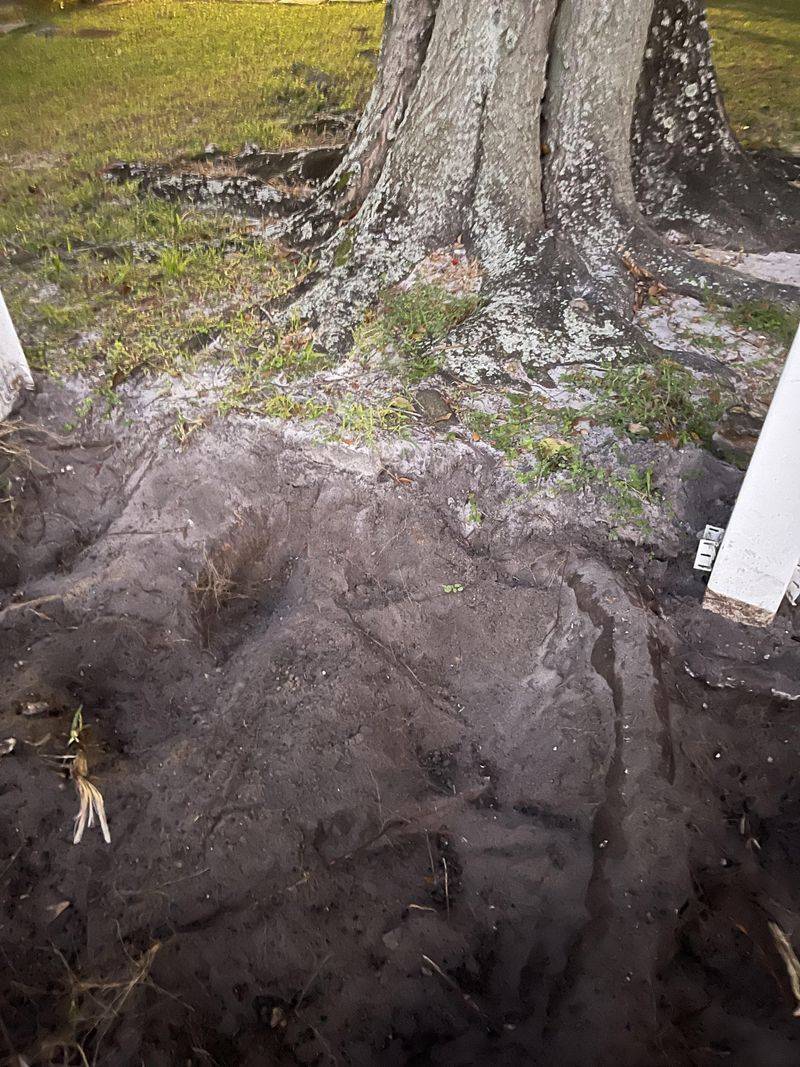
Staying on your side of the line does not make every cutting method safe. A cut that damages or weakens a tree can still lead to a dispute, even when the cut itself was made on your property.
Florida law has not fully settled that question.
The case most often discussed is Balzer v. Ryan, decided by Florida’s First District Court of Appeal in 2018.
It is a narrow decision. It involved cut roots that damaged a tree, and the court upheld a lower-court ruling under a limited form of review called second-tier certiorari.
That kind of review is not a full second look at the facts. The court asked a smaller question, so the decision says little about what would happen under a broader review.
The opinion also noted that it found no Florida case directly deciding whether a neighbor is liable for damage caused while exercising the trimming right. In other words, the question was open.
So Balzer is not blanket immunity for anything you do with a saw. It also does not mean you are automatically liable for any harm to a tree.
It means the answer can depend on the facts, and the cautious approach is to avoid heavy cuts that could kill or destabilize a tree.
A practical step is to cut only what you need, avoid large root cuts, and consider a certified arborist if the tree is valuable or the cut is big. Photos taken before and after the work can also help if a disagreement comes up later.
A tree on the boundary is not just an overhanging branch
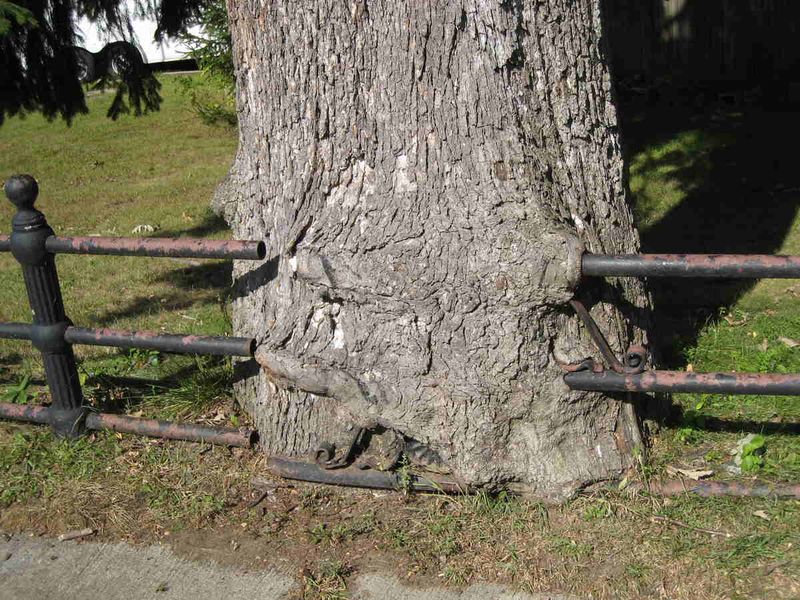
Overhanging branches and boundary trees are different problems. If the trunk of a tree sits on the property line, the tree is generally treated as jointly owned by both neighbors.
That changes the rules.
The UF/IFAS handbook explains that removing a shared tree without the other owner’s consent can lead to liability. Neither neighbor gets to decide alone that it must go.
The right to trim branches over your side does not answer the ownership question. It lets you cut limbs that cross your line.
It does not let you take down a tree that belongs partly to someone else.
Here is a way to spot the difference. If the trunk is fully in your neighbor’s yard and only limbs reach over, you are dealing with encroaching branches.
If the trunk spans the line, even partly, you should treat the tree as shared.
When in doubt, check the boundary first. A survey can show whether the trunk is on one lot or straddles the line, and that fact decides which rules apply.
For a shared tree, talk with your neighbor before any major work and try to agree in writing. If you cannot agree, a real estate attorney can explain your options before anyone cuts.
Florida’s pruning statute addresses permits, not a neighbor’s right to cut
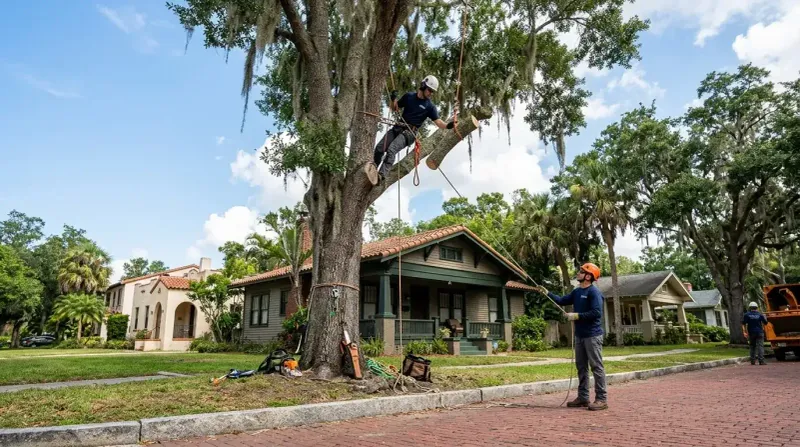
Some people hear about a Florida pruning law and assume it lets them cut a neighbor’s branches. It does not.
Section 163.045 is about local permits, not about what one neighbor may do to another’s tree.
The statute, which you can read in Florida Statutes section 163.045, limits certain local permitting requirements. It applies to pruning, trimming, or removal on qualifying single-family residential property.
The owner generally must have specified risk-assessment documentation for the exemption to apply. That is a condition tied to the property owner and the paperwork, not a general permission slip.
The law does not create a right to trim branches on someone else’s land. It also does not change the boundary rules covered earlier, such as staying on your own side and getting permission before you enter.
The two ideas answer different questions. The common-law rule asks what you may cut when a branch crosses your line.
The statute asks whether a local government may require a permit for certain work on qualifying property.
If you plan major work on your own tree, check whether the statute applies to your situation and what documentation it requires. Do not rely on it for a neighbor’s tree.
A known hazardous tree raises a separate liability issue
Trimming healthy branches is one topic. A tree that is rotten and dangerous is another.
The second raises the question of whether the owner can be responsible for harm the tree causes.
In Vaughan v. USMI Properties Five, LLC, Florida’s Sixth District Court of Appeal looked at allegations that a landowner actually knew a tree was rotten and that harm was foreseeable.
You can read the Vaughan opinion for the details.
The court held those specific allegations were enough to plead a negligence duty. It reversed a judgment on the pleadings and sent the case back.
It did not decide who is ultimately liable or how much anyone owes.
The opinion also says it is not final until the time for rehearing expires and any timely motion is resolved. So treat it as a decision that may still change.
This matters because older summaries distinguish between live and dead trees. The UF/IFAS handbook describes that distinction but notes the lack of Florida case law directly deciding it.
So no one should assume an owner is free from liability just because a tree is still alive.
The reverse is also true. A neighbor does not win automatically just because a tree looks bad.
The facts, such as what the owner knew and whether harm was foreseeable, drive the outcome.
If you worry about a neighbor’s tree, document it with photos, send written notice, and consider an arborist’s report.
Check local rules and keep away from power lines
Before any big pruning job, check the rules where you live. Cities and counties can have their own tree requirements, and homeowners associations may add more.
A call to your local government is a good first step.
Miami-Dade is a local example, not a statewide standard. Its tree pruning guidance warns that over-pruning can weaken or kill a tree and may violate county code.
It also says local municipalities may have extra rules and recommends a certified arborist.
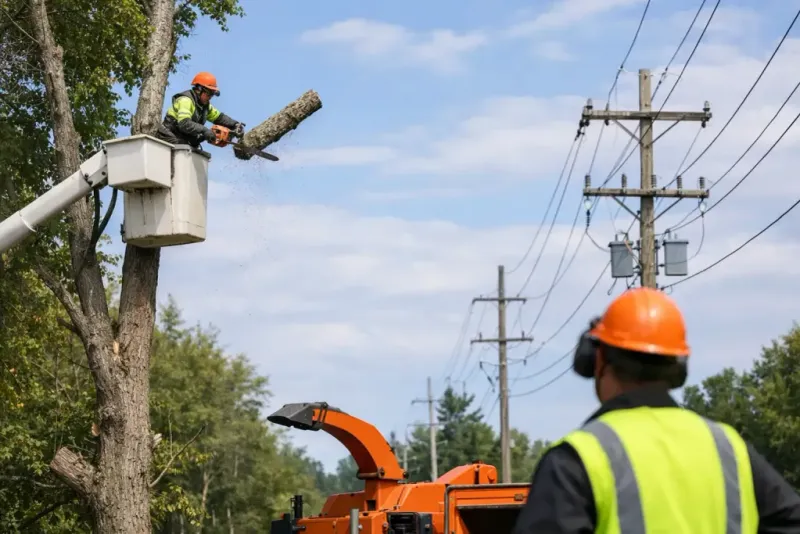
Power lines call for a different level of caution. Do not trim near them yourself.
Contact the utility or hire qualified line-clearance professionals, and look at FPL’s guidance on trees near electrical equipment.
OSHA states in its tree trimming safety guidance that work within 10 feet of a power line must be done by trained, experienced line-clearance tree trimmers. A limb that looks harmless can still be dangerous near a live wire.
The basic limits are simple. Stay on your side of the line, pay for your own work, and do not assume every cutting method is protected.
A tree can forgive a lot, but a lawsuit or a power line will not.
Share this story