Get the latest garden guides in your inbox →
Gardening Latest
  • General Gardening
  • Lawn Care
  • Plant Care
  • Composting
  • Soil Health
  • Backyard
  • Garden Muse Magazine
  • General Gardening
  • Lawn Care
  • Plant Care
  • Composting
  • Soil Health
  • Backyard
  • Garden Muse Magazine
  • News
  • Gardening Calendar
  • Garden Structures
  • Vegetable Garden
  • Vertical Garden
  • Raised Beds
  • Hydroponics
  • General Equipment
  • Community Gardens
Garden Themes
  • Spiritual Garden
  • Hydroseeding
  • Seeding and Laying Sod
  • Artificial Grass
  • Lawn Care Equipment
  • Plants
  • Trees
  • Planting Tools
  • Composting Basics
  • Fertilizer
  • Alternative Growing Mediums
  • Front Yard
  • Backyard Activities
  • Landscaping
Gardening Latest

Explore by state

Which state is your garden in?

Currently viewing Florida

All states

Northeast

  • Connecticut —
  • Delaware 21
  • Maine —
  • Maryland 8
  • Massachusetts 24
  • New Hampshire —
  • New Jersey 8
  • New York 17
  • Pennsylvania 17
  • Rhode Island —
  • Vermont —

Southeast

  • Alabama 7
  • Arkansas —
  • Florida 8
  • Georgia 8
  • Kentucky 22
  • Louisiana 6
  • Mississippi —
  • North Carolina 6
  • South Carolina 21
  • Tennessee 4
  • Virginia 7
  • West Virginia —

Midwest

  • Illinois 6
  • Indiana 9
  • Iowa 21
  • Kansas —
  • Michigan 8
  • Minnesota 6
  • Missouri 6
  • Nebraska —
  • North Dakota —
  • Ohio 8
  • South Dakota —
  • Wisconsin 22

Southwest

  • Arizona 7
  • Colorado —
  • Nevada —
  • New Mexico —
  • Oklahoma —
  • Texas 6
  • Utah —

West

  • Alaska —
  • California 7
  • Hawaii —
  • Idaho —
  • Montana —
  • Oregon —
  • Washington —
  • Wyoming —

No state matches that search.

Site menu

Gardening Latest
  • General Gardening
    • News
    • Gardening Calendar
    • Garden Structures
    • Vegetable Garden
    • Vertical Garden
    • Raised Beds
    • Hydroponics
    • General Equipment
    • Community Gardens
    Garden Themes
    • Spiritual Garden
  • Lawn Care
    • Hydroseeding
    • Seeding and Laying Sod
    • Artificial Grass
    • Lawn Care Equipment
  • Plant Care
    • Plants
    • Trees
    • Planting Tools
  • Composting
    • Composting Basics
  • Soil Health
    • Fertilizer
    • Alternative Growing Mediums
  • Backyard
    • Front Yard
    • Backyard Activities
    • Landscaping
  • Garden Muse Magazine

Explore

  • About GardeningLatest.com
  • Contact Us

Get the latest from the garden

New guides on lawn care, plants and backyard projects, sent when they go up.

Subscribe →

Follow

  • Facebook
  • X
  • Pinterest
  • YouTube
Florida Gardening

The Venomous Florida Spiders That Move Into Garages and Sheds Once Fall Arrives

When the Florida air finally cools a little in the fall, people are not the only ones looking for a cozy spot…

MV

By Marisol Vega

November 23, 2026 · 5 min read

The Venomous Florida Spiders That Move Into Garages and Sheds Once Fall Arrives

When the Florida air finally cools a little in the fall, people are not the only ones looking for a cozy spot. Spiders start creeping into garages, sheds, and storage rooms, where boxes and clutter give them perfect hiding places.

A few of these eight-legged guests carry venom strong enough to cause real trouble if you reach in the wrong spot without looking. Knowing which ones to watch for can help you clean out that shed with confidence instead of fear.

At a glance

Where
Florida Gardening
Hardiness zone
9 20 to 30°F
Read
5 minutes
Published
November 23, 2026

1. Southern Black Widow

Southern Black Widow
© Rigo Pest Prevention

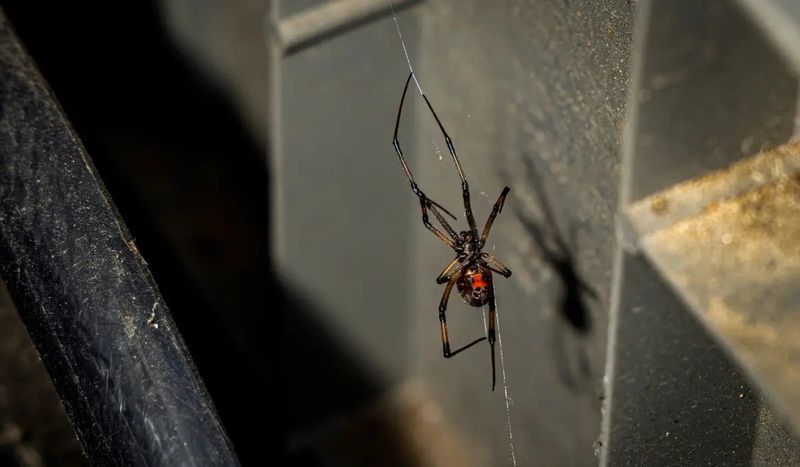
Picture a shiny black spider hanging upside down, flashing a bright red hourglass on its belly like a warning sign. The southern black widow is probably the most famous venomous spider in Florida, and garages are one of its favorite hangouts.

It loves dark, quiet corners near the floor, especially under shelves, inside flowerpots, and behind stacked lumber.

Its venom is a neurotoxin, which means it affects the nerves. A bite can cause muscle cramps, stomach pain, sweating, and a racing heart within an hour or so.

Deaths are extremely rare today, but anyone bitten should get medical help, especially kids and older adults.

The good news is that widows are shy and would rather hide than bite. Most bites happen when someone presses against a spider by accident, like slipping on an old work glove.

Shake out gloves and shoes stored in the garage, and you cut your risk way down.

2. Brown Widow
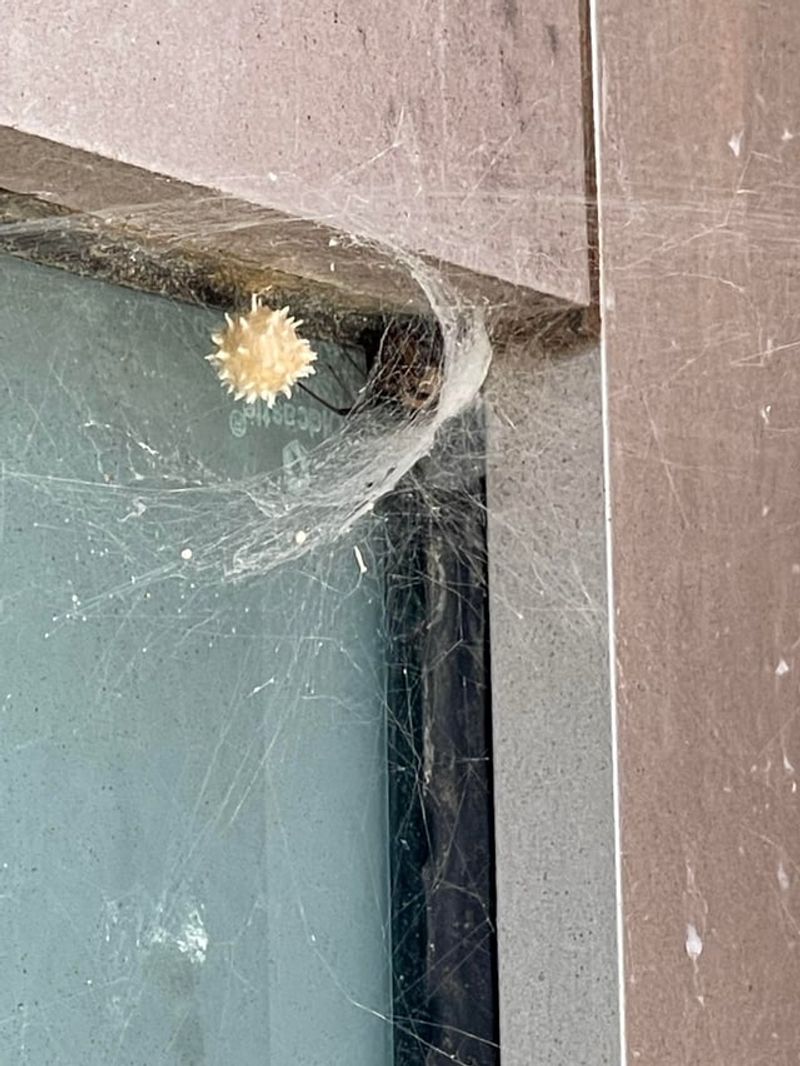
Brown Widow
© Reddit

Spiky egg sacs that look like tiny sea mines are usually the first clue. Brown widows arrived in Florida decades ago, likely from Africa, and have spread so well that they now outnumber black widows in many neighborhoods.

They are tan to brown with a striped pattern and an orange hourglass underneath.

The Mediterranean recluse has been found in a handful of Florida buildings, including garages and warehouses.

These spiders are bold builders. You will find their tangled webs under patio furniture, inside mailboxes, around garage door tracks, and in the handles of plastic storage bins.

Fall is a busy time, since cluttered sheds offer shelter from cooler nights.

Here is a bit of relief. Brown widow venom is potent drop for drop, but they inject much less of it than their black cousins, so bites are usually milder.

Expect pain and redness rather than a hospital visit, though it is smart to call a doctor if symptoms spread.

3. Red Widow
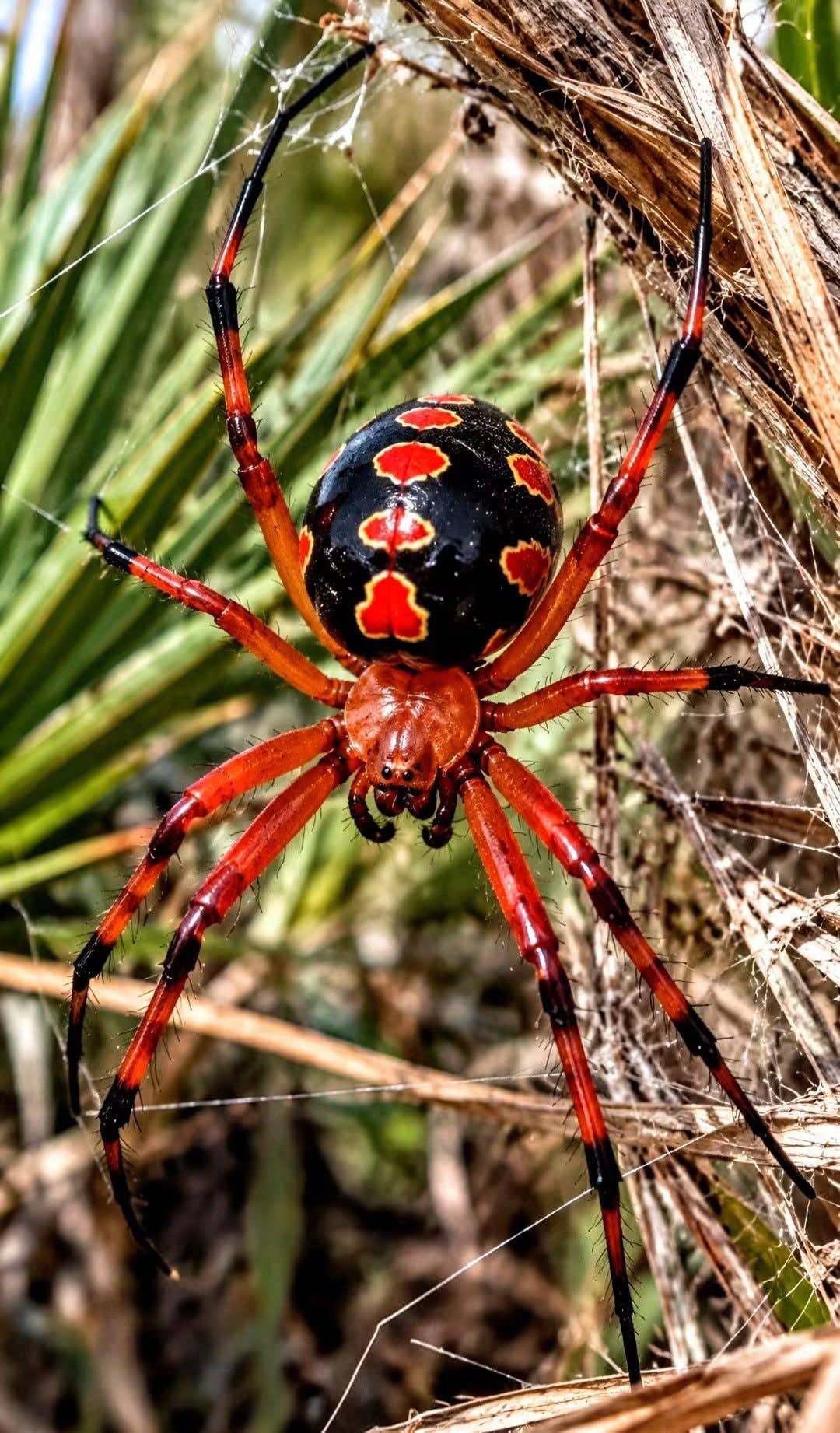
Red Widow
© The Horse Forum

Few Floridians ever see one, and that is part of the fun. The red widow lives only in Florida, mostly in the sandy scrub areas of the central and southern parts of the state.

Its legs and head glow orange-red, while its dark body is dotted with red spots outlined in yellow.

Most of the time, red widows build webs in saw palmetto plants rather than in buildings. Still, homes and sheds that sit right next to scrub land can get the occasional visitor when weather shifts in the fall.

Old equipment left near the edge of the property is a likely spot.

Fun fact: scientists did not officially describe this species until 1939. Its venom works much like other widows, so treat it with the same respect.

Snap a photo from a safe distance, since local naturalists love sightings of this rare spider.

4. Brown Recluse (Occasional Stowaway)
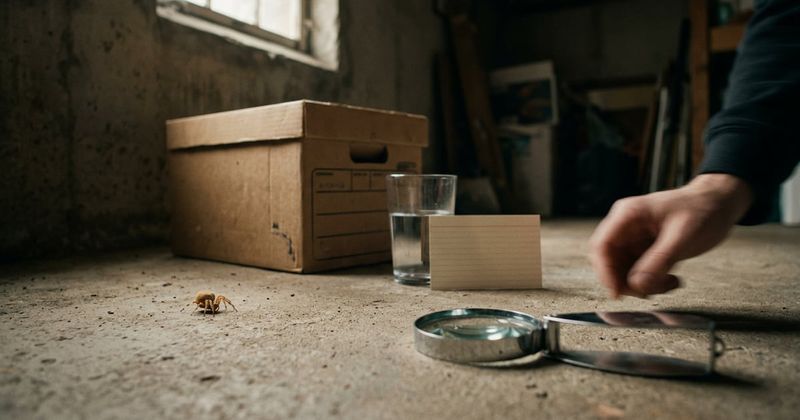
Brown Recluse (Occasional Stowaway)
© Alic Systems

Ask around and you will hear plenty of Floridians blame a strange sore on a brown recluse. Here is the truth: brown recluses are not native to Florida, and true sightings are rare.

Most of them arrive as hitchhikers in moving boxes or furniture shipped from states like Missouri or Tennessee.

When one does show up, a garage full of cardboard is exactly where it wants to be. Look for a light brown spider with a dark violin shape on its back and six eyes instead of eight.

Recluses wander at night and hide in folded clothes, boxes, and behind trim.

Their venom can damage skin and leave a slow-healing wound in some cases. If you recently moved from another state, unpack those boxes carefully.

Sealing storage items in plastic bins with tight lids is a simple fix.

5. Mediterranean Recluse
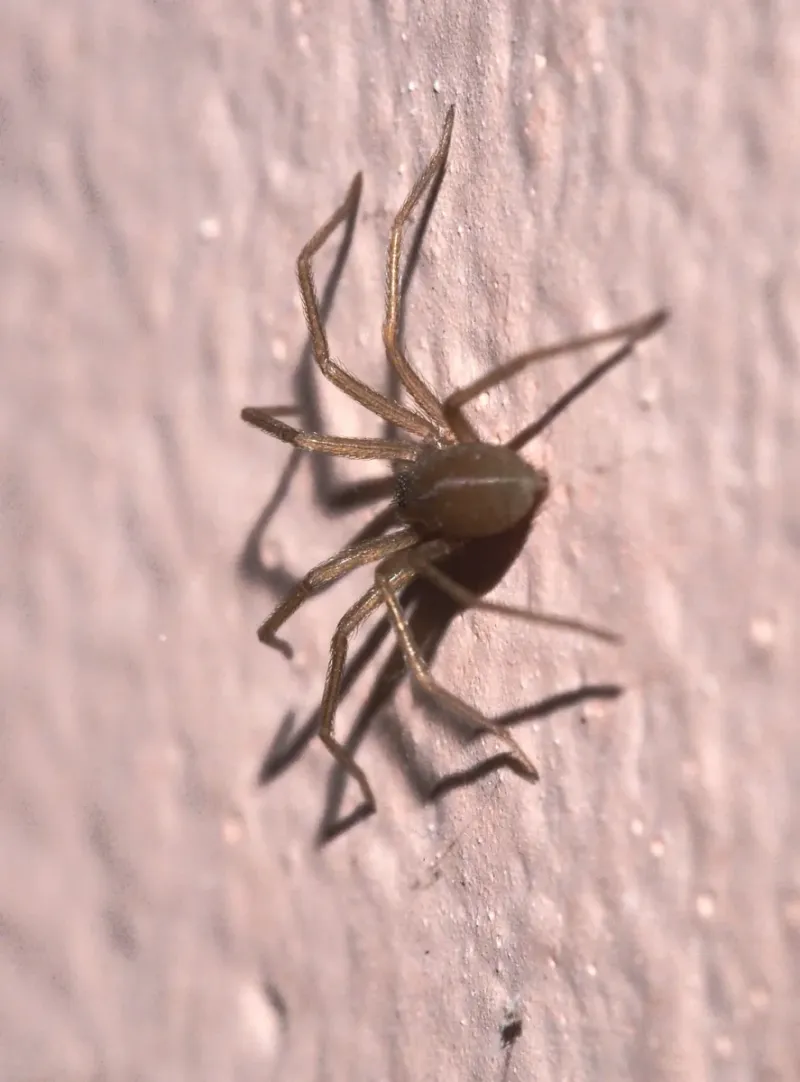
Mediterranean Recluse
© Animalia

Close cousins can be sneaky. The Mediterranean recluse has been found in a handful of Florida buildings, including garages and warehouses.

It looks a lot like the brown recluse, with a fainter violin mark and a slightly paler, sandy body.

This spider seems to prefer living indoors rather than out in nature. That makes concrete garages, utility rooms, and warehouses ideal homes, especially when dropping temperatures push bugs and the spiders that hunt them inside.

Populations tend to stay small and local.

Bites are uncommon and generally less serious than brown recluse bites, but they can still cause sores. Sticky traps placed along walls are a great way to find out if one is living with you.

Catching a sample also helps experts confirm what you have.

6. Southern House Spider
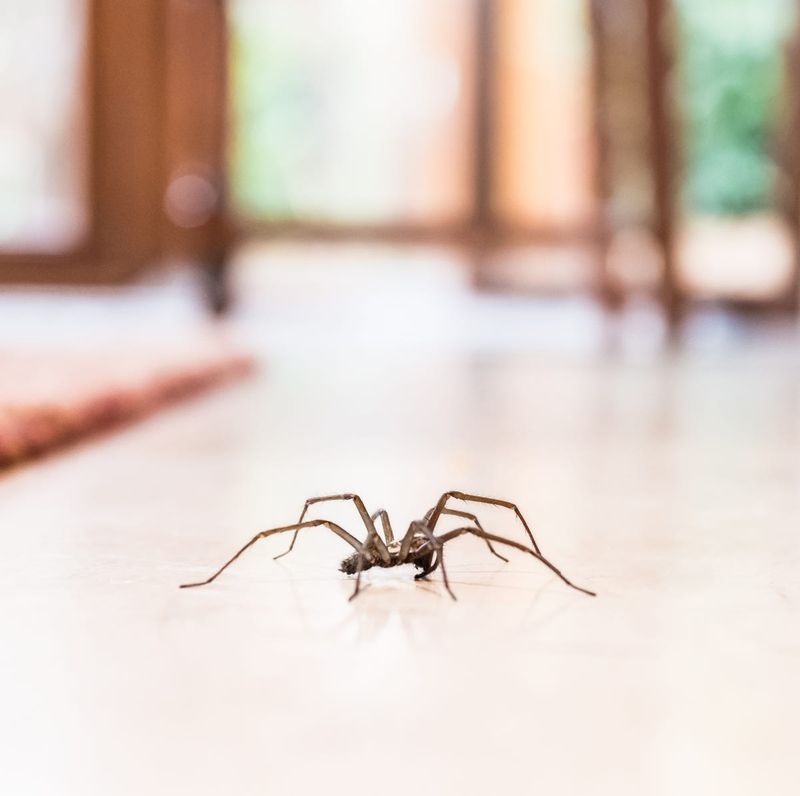
Southern House Spider
© Prevention

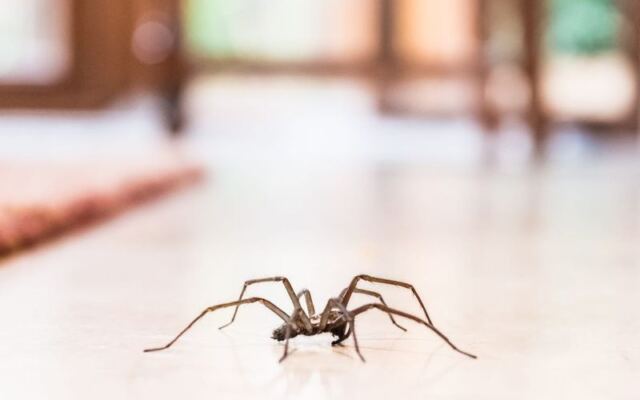
Long legs, dark color, and a habit of sprinting across the floor at night. Many people mistake the male southern house spider for a brown recluse, which leads to a lot of needless panic.

Females stay hidden in flat, fuzzy webs that spread out from cracks in wood and siding.

Sheds are paradise for this species. Gaps in old boards, window frames, and tool racks make perfect tunnel homes.

In the fall, males roam more as they search for mates, so you may suddenly notice them everywhere.

Do they have venom? Yes, as nearly all spiders do, and a bite can sting and swell a bit.

Serious reactions are almost unheard of, though. Think of this one as a startling neighbor more than a dangerous one.

7. Yellow Sac Spider
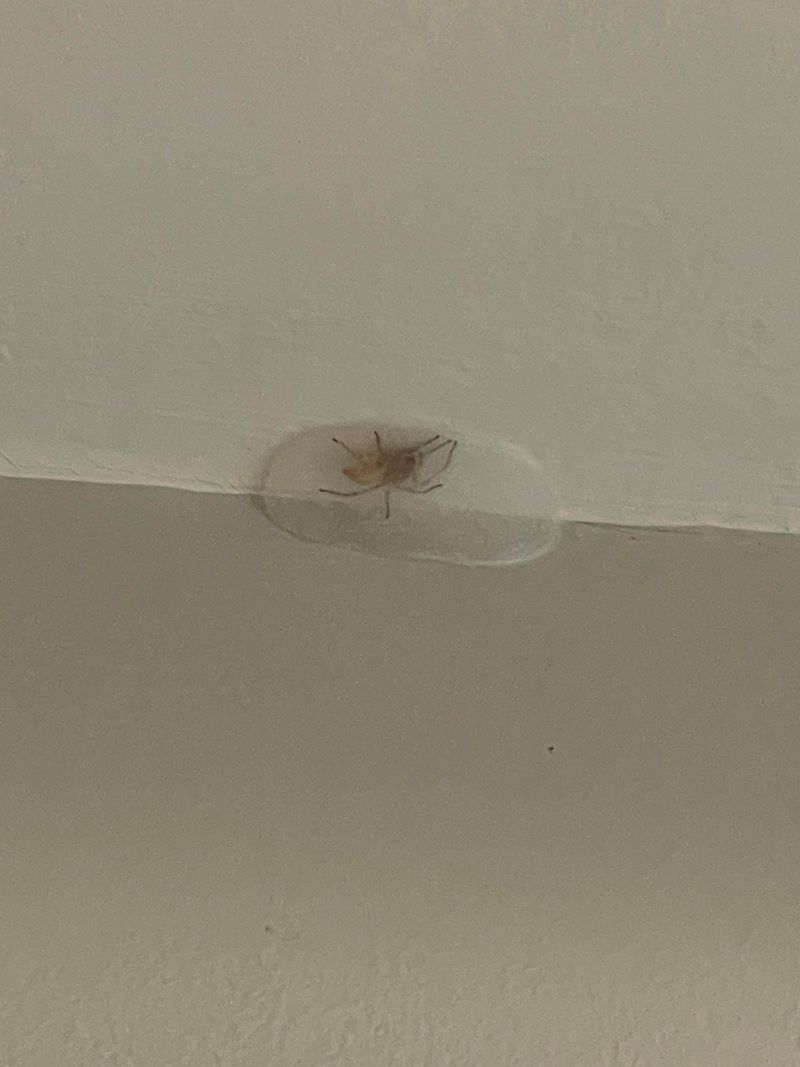
Yellow Sac Spider
© Reddit

Pale, almost see-through, and busy at night, the yellow sac spider is easy to overlook. During the day it rests inside a small silky pouch tucked into corners, ceiling edges, or the folds of a tarp.

After dark it hunts instead of using a web.

Out of all the spiders on this list, sac spiders may bite people most often. They wander a lot and sometimes crawl into stored clothes, gardening gloves, and even cars parked in the garage.

Cooler fall nights push more of them indoors.

A bite usually feels like a bee sting and may leave a red, itchy bump that heals within days. Some people get a small blister.

Clean the area, use a cold pack, and see a doctor if it gets worse. Clearing clutter and sealing door gaps keeps these roamers outside where they belong.

Share this story
MV

Written by

Marisol Vega

More from Marisol Vega →

About Gardening Latest

Gardening Latest provides in-depth guides to maintaining and enhancing your garden and backyard. Learn how to make the most of the space you have and create a beautiful garden.

More about us →

Latest stories

  • South Carolina GardeningSo That’s Why Coyotes Keep Howling Near Your South Carolina Home Late at Night

    So That’s Why Coyotes Keep Howling Near Your South Carolina Home Late at Night

    6 min ago
  • Kentucky GardeningEating Celery Every Day In Kentucky? Here’s What It’s Actually Doing To Your Body

    Eating Celery Every Day In Kentucky? Here’s What It’s Actually Doing To Your Body

    12 min ago
  • Maryland GardeningHere’s What Maryland Law Actually Says When A Neighbor’s Dog Keeps Pooping In Your Yard

    Here’s What Maryland Law Actually Says When A Neighbor’s Dog Keeps Pooping In Your Yard

    25 min ago
  • Iowa GardeningWhat Can Eating Celery Every Day Really Do for Your Body?

    What Can Eating Celery Every Day Really Do for Your Body?

    31 min ago
  • Virginia Gardening5 Smart Moves When A Coyote Wanders Into Your Virginia Yard, And 3 Big Mistakes

    5 Smart Moves When A Coyote Wanders Into Your Virginia Yard, And 3 Big Mistakes

    37 min ago

Gardening by state

Stories for your state, and the hardiness zone most of it gardens in.

Keep exploring

Read next

All Florida Gardening →
Florida Gardening7 Venomous Critters That Creep Toward Florida Porches Once the Nights Turn Cool
Florida Gardening

7 Venomous Critters That Creep Toward Florida Porches Once the Nights Turn Cool

15 hr ago
Florida GardeningThe Mulch Mistake That Pulls Termites Right Up Against Your Florida Foundation
Florida Gardening

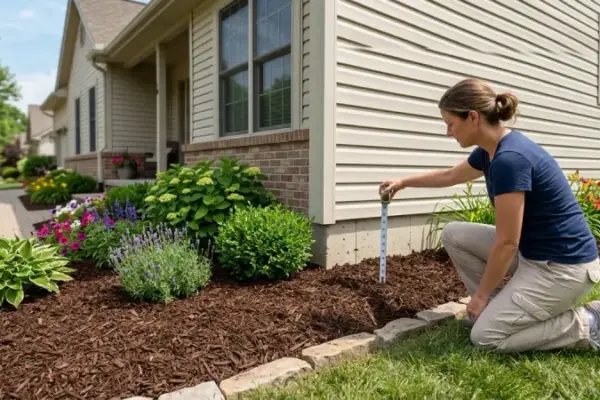
The Mulch Mistake That Pulls Termites Right Up Against Your Florida Foundation

17 hr ago
Florida GardeningThe Florida Yard Cleanup That Keeps Black Racers From Hanging Around Your Back Door
Florida Gardening

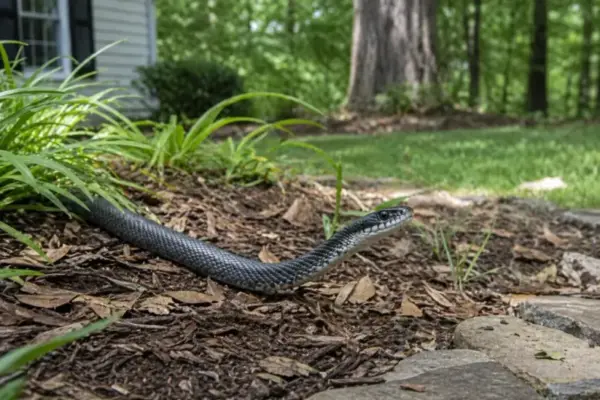
The Florida Yard Cleanup That Keeps Black Racers From Hanging Around Your Back Door

21 hr ago

More from Florida Gardening

  • So That’s Why Coyotes Keep Howling Near Your South Carolina Home Late at Night

    6 min ago
  • Eating Celery Every Day In Kentucky? Here’s What It’s Actually Doing To Your Body

    12 min ago
Back to top

Leave a response Cancel

Your email address stays private. Required fields are marked with an asterisk.

Gardening Latest

In-depth guides to maintaining and enhancing your garden and backyard: how to make the most of the space you have, and how to make it beautiful.

  • Facebook
  • X
  • Pinterest
  • YouTube

We may earn a portion of sales from products or services that are purchased through our site as part of our affiliate partnerships with retailers.

Explore

  • About GardeningLatest.com
  • Contact Us
  • Terms and Conditions
  • Privacy
  • Editorial Note:
  • FTC Disclosure

Newsletter

New garden guides and seasonal tips, straight to your inbox.

We’ll email you a link to confirm. Unsubscribe any time.

Almost there! Check your inbox and tap the link to confirm.

© 2026 Gardening Latest. All rights reserved.

Back to top