Get the latest garden guides in your inbox →
Gardening Latest
  • General Gardening
  • Lawn Care
  • Plant Care
  • Composting
  • Soil Health
  • Backyard
  • Garden Muse Magazine
  • General Gardening
  • Lawn Care
  • Plant Care
  • Composting
  • Soil Health
  • Backyard
  • Garden Muse Magazine
  • News
  • Gardening Calendar
  • Garden Structures
  • Vegetable Garden
  • Vertical Garden
  • Raised Beds
  • Hydroponics
  • General Equipment
  • Community Gardens
Garden Themes
  • Spiritual Garden
  • Hydroseeding
  • Seeding and Laying Sod
  • Artificial Grass
  • Lawn Care Equipment
  • Plants
  • Trees
  • Planting Tools
  • Composting Basics
  • Fertilizer
  • Alternative Growing Mediums
  • Front Yard
  • Backyard Activities
  • Landscaping
Gardening Latest

Explore by state

Which state is your garden in?

Currently viewing Delaware

All states

Northeast

  • Connecticut —
  • Delaware 23
  • Maine —
  • Maryland 9
  • Massachusetts 25
  • New Hampshire —
  • New Jersey 9
  • New York 18
  • Pennsylvania 18
  • Rhode Island —
  • Vermont —

Southeast

  • Alabama 8
  • Arkansas —
  • Florida 9
  • Georgia 9
  • Kentucky 23
  • Louisiana 8
  • Mississippi —
  • North Carolina 7
  • South Carolina 22
  • Tennessee 5
  • Virginia 8
  • West Virginia —

Midwest

  • Illinois 7
  • Indiana 10
  • Iowa 22
  • Kansas —
  • Michigan 9
  • Minnesota 7
  • Missouri 7
  • Nebraska —
  • North Dakota —
  • Ohio 9
  • South Dakota —
  • Wisconsin 23

Southwest

  • Arizona 8
  • Colorado —
  • Nevada —
  • New Mexico —
  • Oklahoma —
  • Texas 7
  • Utah —

West

  • Alaska —
  • California 8
  • Hawaii —
  • Idaho —
  • Montana —
  • Oregon —
  • Washington —
  • Wyoming —

No state matches that search.

Site menu

Gardening Latest
  • General Gardening
    • News
    • Gardening Calendar
    • Garden Structures
    • Vegetable Garden
    • Vertical Garden
    • Raised Beds
    • Hydroponics
    • General Equipment
    • Community Gardens
    Garden Themes
    • Spiritual Garden
  • Lawn Care
    • Hydroseeding
    • Seeding and Laying Sod
    • Artificial Grass
    • Lawn Care Equipment
  • Plant Care
    • Plants
    • Trees
    • Planting Tools
  • Composting
    • Composting Basics
  • Soil Health
    • Fertilizer
    • Alternative Growing Mediums
  • Backyard
    • Front Yard
    • Backyard Activities
    • Landscaping
  • Garden Muse Magazine

Explore

  • About GardeningLatest.com
  • Contact Us

Get the latest from the garden

New guides on lawn care, plants and backyard projects, sent when they go up.

Subscribe →

Follow

  • Facebook
  • X
  • Pinterest
  • YouTube
Delaware Gardening

That Tiny Shrew Tunneling Under Your Delaware Garden Is Actually a Venomous Mammal

Yes, a venomous mammal lives in Delaware, and it is small enough to fit in your palm.

OP

By Owen Pruitt

November 23, 2026 · 6 min read

That Tiny Shrew Tunneling Under Your Delaware Garden Is Actually a Venomous Mammal

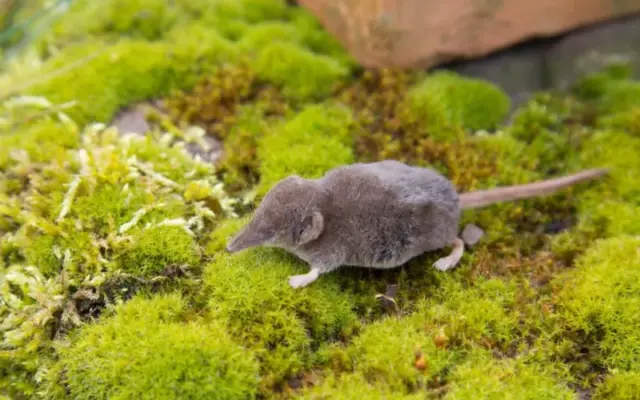
Yes, a venomous mammal lives in Delaware, and it is small enough to fit in your palm. The northern short-tailed shrew makes a toxin in its saliva and delivers it through a bite.

Most people picture venom only in snakes and spiders, so this tiny mammal surprises almost everyone. Knowing the facts helps you understand your yard wildlife without panic and without picking up the wrong animal.

At a glance

Where
Delaware Gardening
Hardiness zone
7 0 to 10°F
Read
6 minutes
Published
November 23, 2026

A garden tunnel doesn’t identify its maker
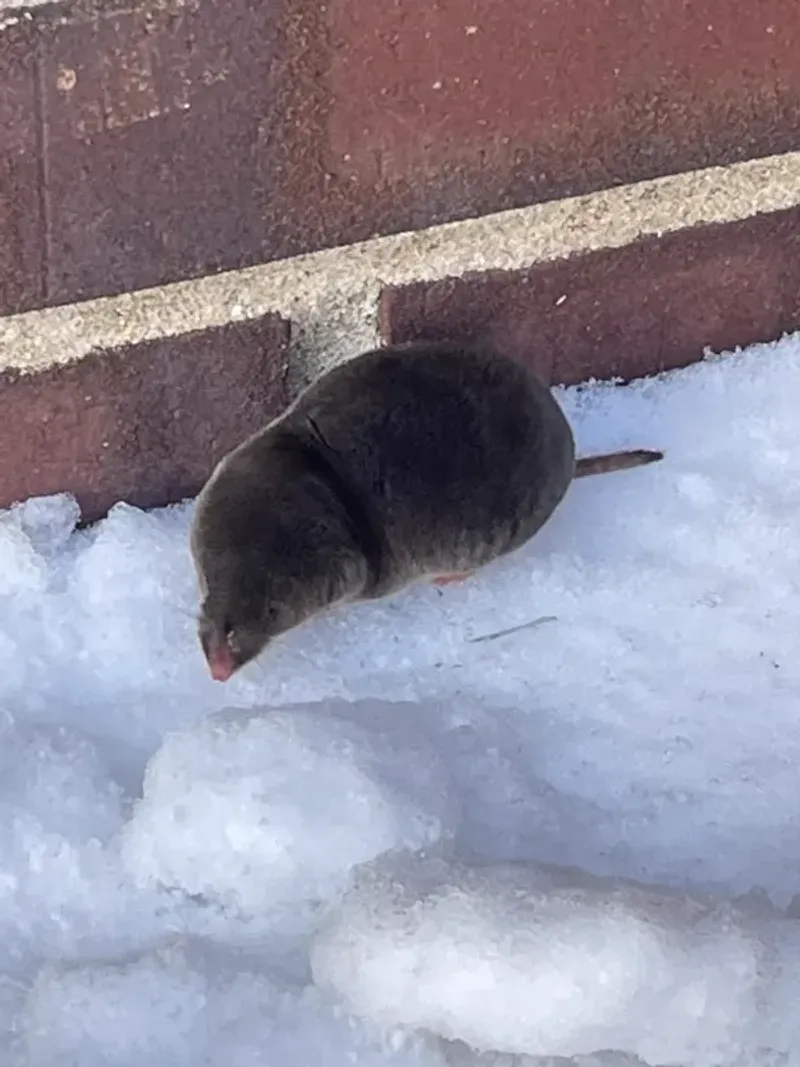
A garden tunnel doesn’t identify its maker
© Better Termite

Northern short-tailed shrews do live in Delaware. The American Society of Mammalogists lists Delaware within the species’ range, and a Delaware Nature Society naturalist has reported commonly meeting them locally.

That tells us the animal is part of the state’s wildlife. It does not mean one is living in every Delaware garden.

Gardens can suit them, though. University of Michigan’s species account includes flower and vegetable gardens among the places they use.

Damp soil, leaf litter, mulch, and plenty of insects and worms make a yard attractive to a hungry shrew.

Here is where people go wrong: a tunnel is not a signature. Short-tailed shrews can dig and use underground runways, but they may also travel through tunnels made by other small mammals.

Penn State Extension notes that shrews may feed in runways made by other animals rather than creating their own surface tunnels.

A confirmed identification needs more than a hole in the lawn or a quick dark blur. Similar-looking shrews also occur in Delaware, and even regional wildlife writers admit they can be hard to tell apart.

Photos taken from a distance, or help from a local naturalist, beat guessing.

Venom is rare among mammals
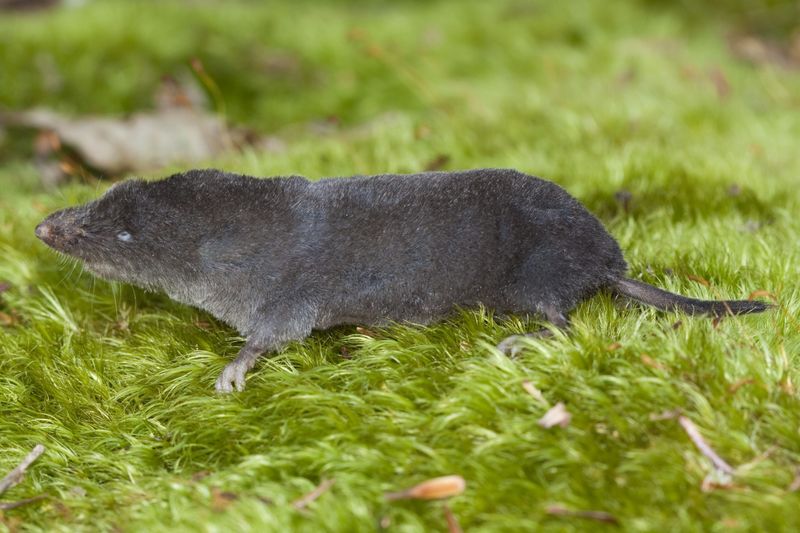
Venom is rare among mammals
© Life’s Emergency Training

Venom shows up in many animal groups, not just snakes and spiders. Scorpions, some fish, certain lizards, and a few mammals also make it.

So the idea that venom belongs to only two kinds of animals does not hold up.

The same research paper describes accounts of people bitten by short-tailed shrews who felt local burning and swelling.

Among mammals, though, venom is unusual. A review of venom use in shrew-like mammals recognizes several venomous mammals while stressing how rare the trait is in this group.

Some shrews are among the ones scientists point to.

That is why the label “venomous mammal” is fair for the northern short-tailed shrew. In this context, venom means a toxin that is delivered through a bite.

The shrew’s toxin sits in its saliva and enters prey when it bites.

It helps to keep the claim modest. The shrew is one example of a rare mammal strategy, not the only venomous animal beyond snakes and spiders.

Think of it as a small member of a surprisingly varied club.

Grooved teeth deliver toxin in a bite
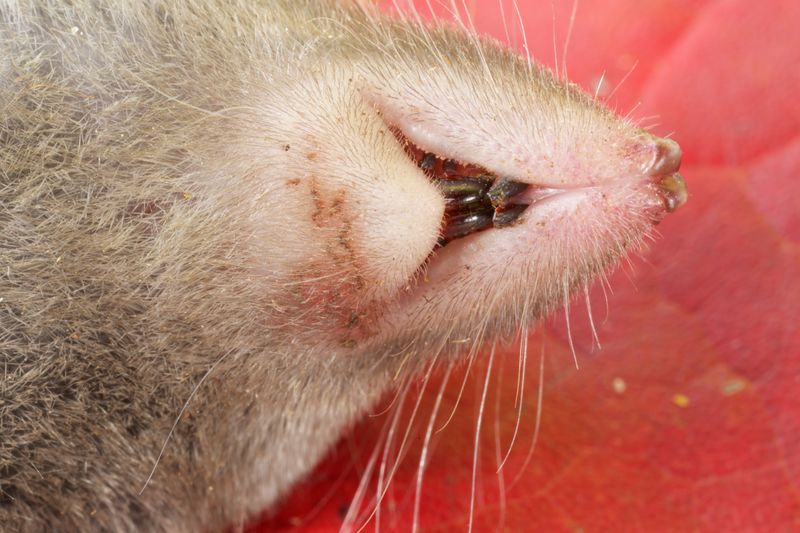
Grooved teeth deliver toxin in a bite
© BBC Wildlife Magazine

The toxin comes from the shrew’s salivary glands. When the animal bites, grooved teeth help move that saliva into the wound.

The research that first isolated blarina toxin traced it to these glands.

This is not how a snake works. A shrew has no hollow fangs and no needle-like channel running through its teeth.

Think of tiny grooves that guide saliva, not a syringe, a point also covered in a review of venom in shrew relatives.

Why have it at all? Scientists think the toxin may help the shrew subdue prey such as insects, worms, and snails, and that fits how wildlife agencies describe these animals’ feeding.

Still, that is a proposed role. The full ecological job of the toxin is not completely settled.

For a gardener, the practical meaning is simple. The bite is the delivery system, so the safest approach is to avoid putting hands near a shrew’s mouth.

The toxin study doesn’t predict a human bite
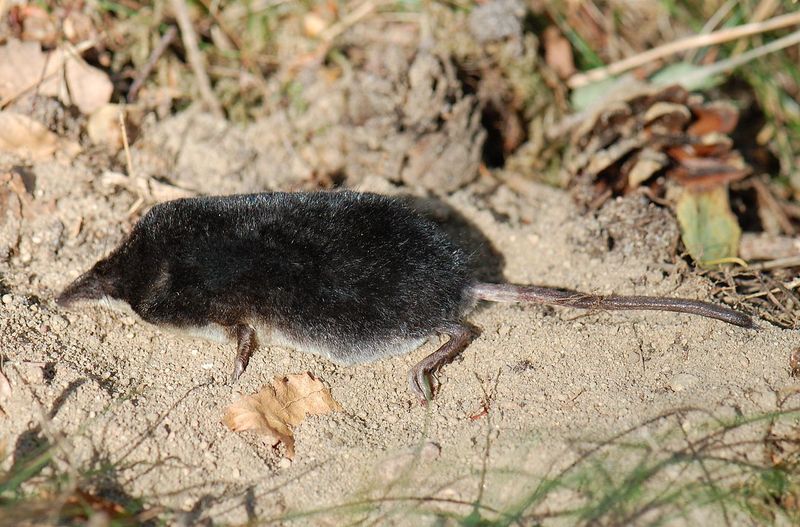
The toxin study doesn’t predict a human bite
© All you need is Biology – WordPress.com

The key paper here is a peer-reviewed study that isolated and characterized blarina toxin. Researchers pulled the toxin out of the shrew’s salivary glands and tested it in laboratory mice.

The study found the purified toxin had toxic effects in those mice.

Details matter in how it was tested. The mice received purified toxin by injection into the abdomen.

That is a controlled lab setup, very different from a shrew biting through skin.

So what does the study show? It shows that the toxin is real, that it can be identified, and that it affects mammals in a lab test.

That settles the question of whether the shrew has a toxin.

It does not tell us how much toxin a natural bite would deliver, or how a person would react. Lab results in mice should not be stretched into claims about people.

Scientists who study venom treat that gap as a real limit, and gardeners should too.

The takeaway: the shrew’s chemistry is documented, but human outcomes need their own evidence, which is covered next.

What researchers report about bites to people
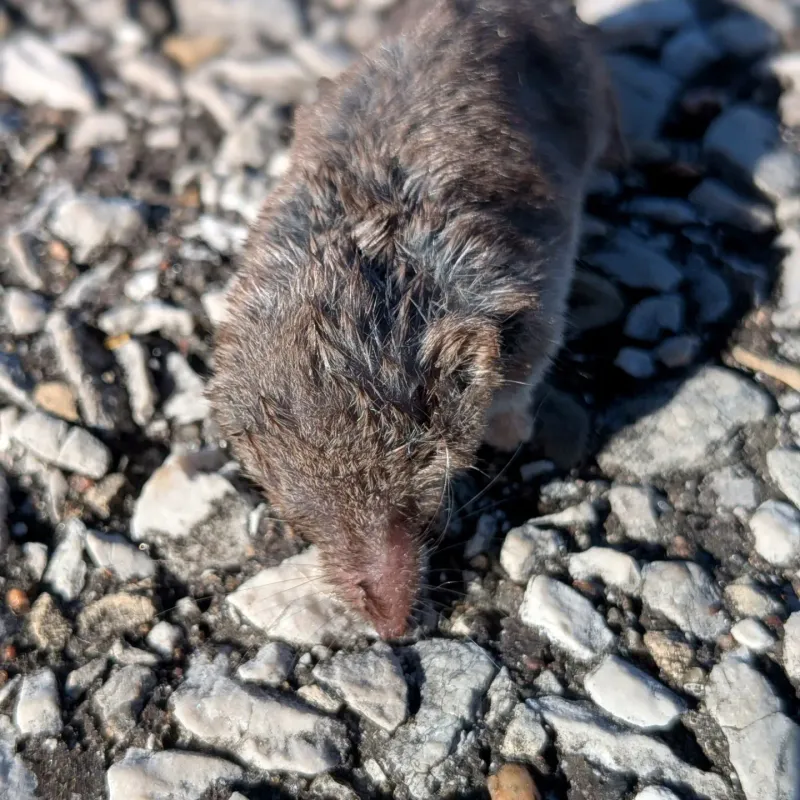
What researchers report about bites to people
© johngillerjr

Human evidence is thin. The same research paper describes accounts of people bitten by short-tailed shrews who felt local burning and swelling.

It does not lay out a full medical picture or count how often these things happen.

Bites also appear to be rare. The University of Michigan account says they usually happen when someone handles the animal.

A shrew running through a flowerbed is not looking for a fight with you.

Two shortcuts are wrong. Calling a bite harmless ignores the reported burning and swelling, and any bite can break the skin.

Calling it deadly goes beyond what the evidence shows, since no one has established severe or fatal outcomes from natural bites.

That leaves a middle path: take it seriously, but don’t panic. Treat a bite like any wildlife bite, keep an eye on the wound, and ask a professional if you are unsure.

If you find a shrew that your cat brought in, let the practical steps in the next section guide you.

Give shrews space, and wash any bite promptly

Give shrews space, and wash any bite promptly
© MarijuanaGrowing.com

Keep your hands off. Do not pick up a live shrew, and do not touch a dead one either.

CDC guidance on wildlife advises keeping your distance from wild animals and not touching dead animals with bare hands.

If a shrew in your yard is in the way, step back and let it move on. If you need to clear a dead one, ask local animal control or your public health department what to do rather than scooping it up yourself.

If you are bitten, wash the wound right away with soap and water. Then contact a healthcare professional or your public health department for advice.

CDC advice on wildlife exposures recommends prompt washing and a professional assessment.

That is general bite guidance for any wild animal. It is not a sign that shrews commonly carry rabies.

A surprising wild neighbor calls for care, not panic
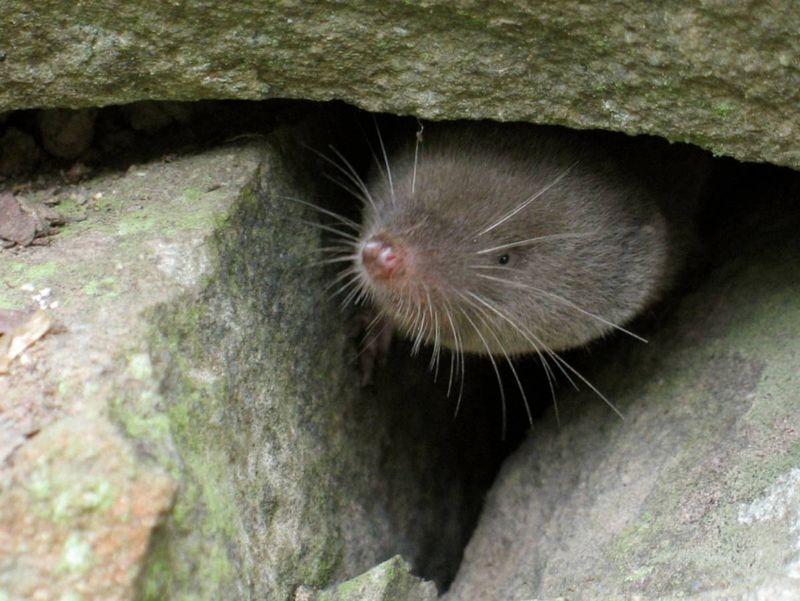
A surprising wild neighbor calls for care, not panic
© Nature & Garden

A venomous mammal does occur in Delaware, and range records place the northern short-tailed shrew here. Still, a tunnel alone cannot tell you who dug it.

The toxin research does not show a bite to be either harmless or typically dangerous to people.

Keep your hands away, follow CDC wildlife guidance, and get advice after any bite.

Some of the most surprising chemistry in the garden belongs to the smallest neighbors.

Share this story
OP

Written by

Owen Pruitt

More from Owen Pruitt →

About Gardening Latest

Gardening Latest provides in-depth guides to maintaining and enhancing your garden and backyard. Learn how to make the most of the space you have and create a beautiful garden.

More about us →

Latest stories

  • Louisiana GardeningDoes Eating Celery Every Day Make a Difference?

    Does Eating Celery Every Day Make a Difference?

    5 min ago
  • South Carolina GardeningSouth Carolina Gardeners Share Their Yards With These Venomous Creatures, So Here’s How To Spot Each One

    South Carolina Gardeners Share Their Yards With These Venomous Creatures, So Here’s How To Spot Each One

    19 min ago
  • Kentucky GardeningThis Invasive Tree Is Spreading Through Kentucky Neighborhoods Faster Than You Can Pull It

    This Invasive Tree Is Spreading Through Kentucky Neighborhoods Faster Than You Can Pull It

    25 min ago
  • Florida GardeningCan Your Florida Neighbor Make You Pay for Cutting Their Overhanging Branches? Here’s What the Law Says

    Can Your Florida Neighbor Make You Pay for Cutting Their Overhanging Branches? Here’s What the Law Says

    31 min ago
  • Maryland GardeningThose Leafy Green Balls Stuck In Leafless Maryland Trees Aren’t Squirrel Nests At All

    Those Leafy Green Balls Stuck In Leafless Maryland Trees Aren’t Squirrel Nests At All

    38 min ago

Gardening by state

Stories for your state, and the hardiness zone most of it gardens in.

Keep exploring

Read next

All Delaware Gardening →
Delaware GardeningYes, Delaware Has Coyotes, and Those Late-Night Howls Near Your Home Are Saying Something
Delaware Gardening

Yes, Delaware Has Coyotes, and Those Late-Night Howls Near Your Home Are Saying Something

3 hr ago
Delaware GardeningDelaware, Here’s What Actually Happens When You Eat Celery Every Single Day
Delaware Gardening

Delaware, Here’s What Actually Happens When You Eat Celery Every Single Day

18 hr ago
Delaware GardeningThat Red Fox Trotting Through Your Delaware Yard This Winter Is Actually on a Mission
Delaware Gardening

That Red Fox Trotting Through Your Delaware Yard This Winter Is Actually on a Mission

20 hr ago

More from Delaware Gardening

  • How to Protect Young Delaware Trees From Further Deer Rub Damage This Fall

    Nov 21
  • Delaware Is Home to Two Wild Owls That Start Calling Loudest in Late November, and Here’s How to Tell Them Apart by Sound

    Nov 20
Back to top

Leave a response Cancel

Your email address stays private. Required fields are marked with an asterisk.

Gardening Latest

In-depth guides to maintaining and enhancing your garden and backyard: how to make the most of the space you have, and how to make it beautiful.

  • Facebook
  • X
  • Pinterest
  • YouTube

We may earn a portion of sales from products or services that are purchased through our site as part of our affiliate partnerships with retailers.

Explore

  • About GardeningLatest.com
  • Contact Us
  • Terms and Conditions
  • Privacy
  • Editorial Note:
  • FTC Disclosure

Newsletter

New garden guides and seasonal tips, straight to your inbox.

We’ll email you a link to confirm. Unsubscribe any time.

Almost there! Check your inbox and tap the link to confirm.

© 2026 Gardening Latest. All rights reserved.

Back to top