Jumping worms are real, they have been found in California, and fall is a smart time to learn about them. Adults can lay cocoons in autumn, and those tiny cocoons can make it through winter.
That does not mean your mulch is crawling with them, but it does mean a strange, thrashing worm is worth a closer look. Here is how to spot the clues, report a sighting, and keep from spreading a problem.
What California’s detections tell us
Reports from the state give us a real starting point. The California Department of Food and Agriculture lists detections of Amynthas agrestis at a Napa County nursery in 2021, in Sonoma County in 2022 and 2023, and later in Humboldt County, according to a CDFA fact sheet.
Each of those reports shows the worm was present in that reported place. A list of finds is not a map of the whole state.
It tells us the worm has arrived in California, but it does not tell us how far it has spread.
CDFA also says the worm may be more widespread than what is currently known, a point made in its pest rating proposal. Think of that as a caution from experts who are weighing risk.
It is a reason to stay watchful, not proof that the worm lives in every county or every backyard.
The same goes for the calendar. Fall and winter are good times to pay attention, but the season alone cannot tell you that your yard has jumping worms.
Only a close look at the worm itself, and sometimes expert help, can start to answer that question.
So the right mindset is curious and calm. Know that detections exist, know that more may be out there, and treat your own garden as a place to observe rather than a place to assume the worst.
Why fall matters even when winter is coming
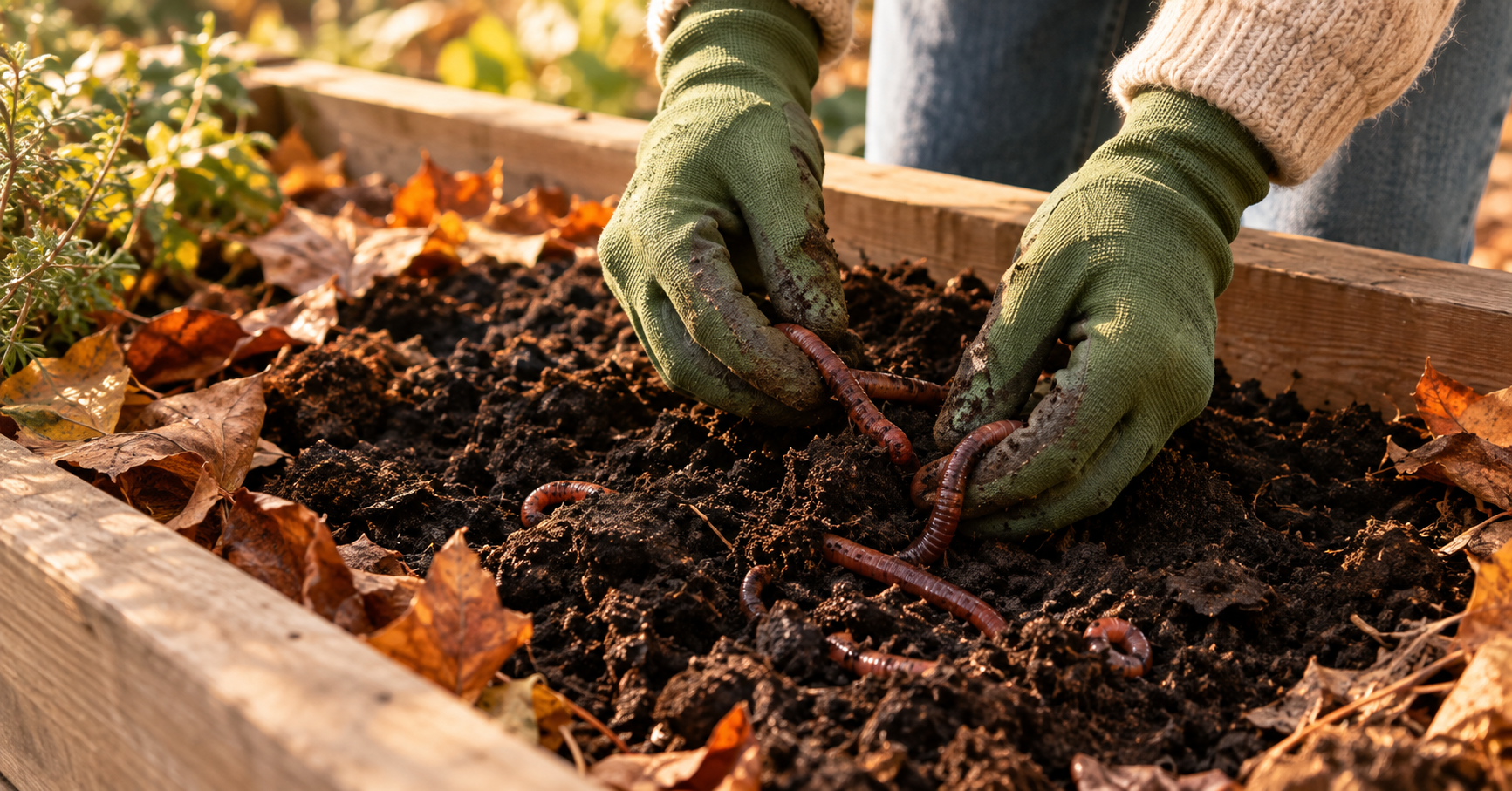
Autumn is when the clock starts ticking for a gardener who wants to prevent spread. Adult jumping worms can lay cocoons in fall, and according to University of Minnesota Extension, those cocoons can survive winter and hatch later.
Cocoons are tiny, soil-colored, and very hard to spot with the naked eye. You could be holding a shovelful of soil with cocoons in it and never know.
Adult worms are a different story. In colder regions, adults often die back after frost.
UMass Extension explains that adults may last longer in warmer places, which can include parts of California.
That means a quiet garden in January does not prove the worms are absent, and a few active worms does not prove an infestation either. Neither activity nor its absence settles the question.
Here is the practical payoff. Because cocoons ride out cold weather, chilly temperatures do not make suspect soil, compost, or mulch safe to move.
If you have any reason to be suspicious of a pile or a planting bed, keep that material where it is through winter.
What a jumping worm can look like
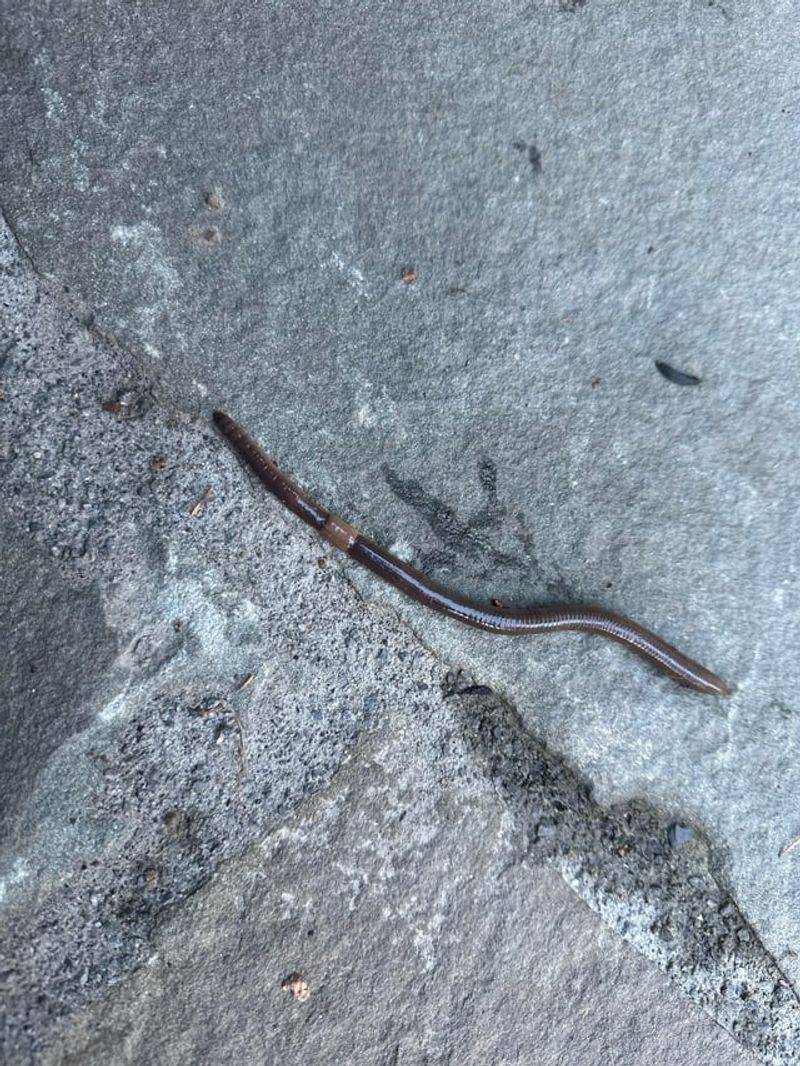
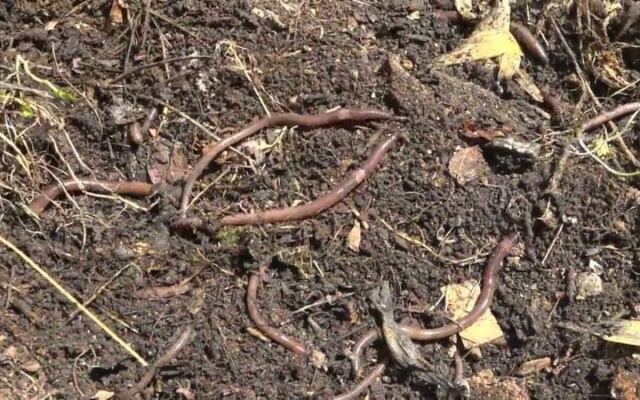
Picture yourself lifting a handful of mulch and watching a worm go wild. It flips, coils, and slithers like a small snake.
That behavior is a fun clue, but it is only a clue.
Other worms can move erratically when disturbed, so thrashing cannot name a species by itself, as NC State Extension points out. Treat it as a reason to look more closely, not as an answer.
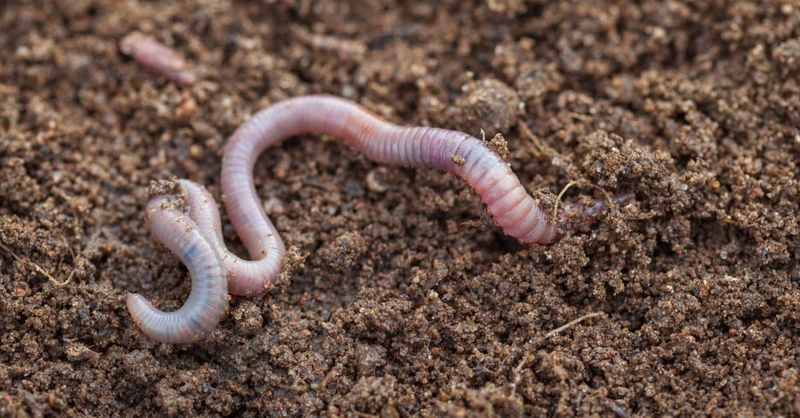
A better clue sits on the worm’s body. Mature worms have a band near the front end, and in jumping worms that band is pale, smooth, and lies flat against the body while encircling it.
If the band looks raised, like a saddle, or does not wrap all the way around, that points away from a jumping worm.
Even that has limits. The term jumping worms covers several similar-looking species, and a photo can suggest one without proving which it is.
Young worms also lack the band, which makes them much harder to judge.
CDFA cautions in its jumping worm fact sheet that confirming Amynthas agrestis may require dissection or DNA sequencing. So your job is not to be the final judge.
Your job is to notice, take clear photos, and pass the details along.
How mulch can be involved
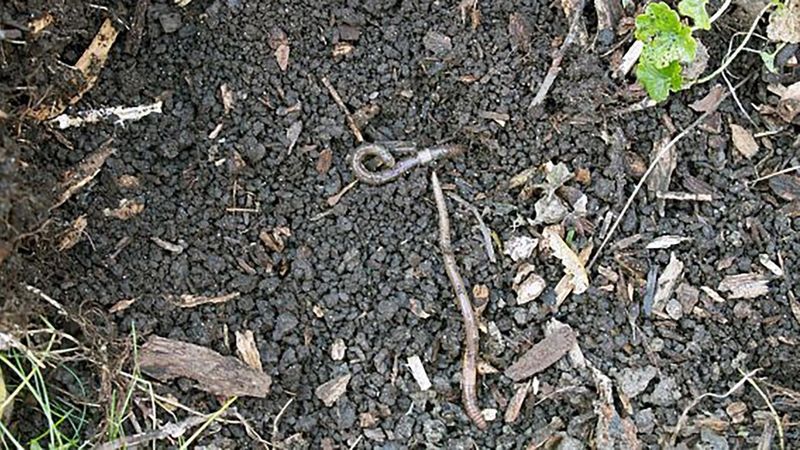
Mulch and jumping worms share a connection that is easy to misread. Jumping worms stay near the soil surface, and they can feed on leaf litter and mulch, according to University of Minnesota Extension.
A layer of chips is simply the kind of place they like to work.
That does not make mulch the culprit. The same extension guidance says it is unclear whether adding mulch itself improves conditions for the worms, so there is no reason to give up mulching your beds.
The bigger worry is movement. Soil, compost, and organic material that travel from one place to another can carry worms or their cocoons along.
A truckload, a shared pile, or a bag of potting mix are all ways a worm could hitch a ride.
Before you buy, ask suppliers about their process. UMass Extension discusses heat treatment of compost and mulch, so ask what temperatures they reach and whether the piles are turned.
Keep your expectations realistic, too. An untreated home pile is not automatically infested, and a bagged product is not automatically clean.
Good questions and a quick look through your material before spreading it are the sensible middle path.
Why gardeners watch for soil changes
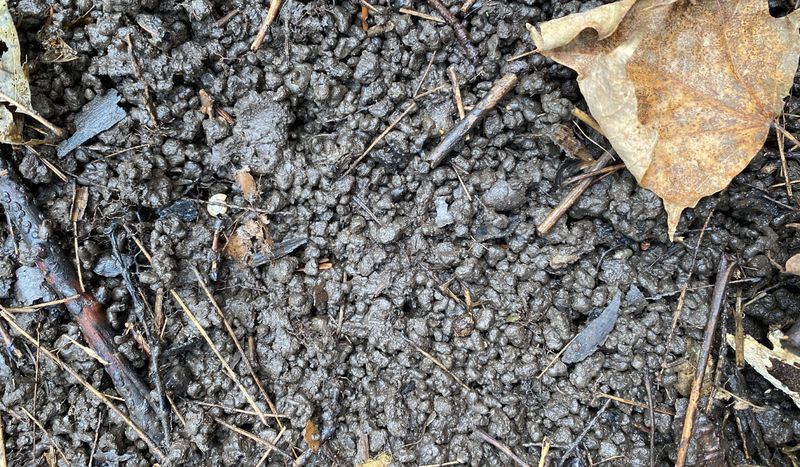
Soil can tell a story if you know what to read. Jumping worms feed near the surface, and they leave behind granular castings that resemble loose coffee grounds.
Spotting that texture in a bed where it was not before is a good reason to look closer.
Castings alone do not prove anything, since other things can make crumbly soil. Still, a dry, crumbly top layer paired with a thrashing worm is worth a photo.
The larger concern is what worms like these might do to soil and forest floors. Fast surface feeding can change how leaf litter breaks down and how the top layer of soil is built.
CDFA’s pest rating proposal notes that A. agrestis is not known to feed on living plants, so claims about worms eating live roots are not backed up.
Results also depend on the setting. University of Maryland Extension explains that effects vary with the site and other stresses on the plants, and research on some claimed plant impacts is limited.
That means no one can honestly say a garden or forest in California is doomed. There is also no measured level of damage here to point to.
Noticing soil changes is about early awareness, not alarm.
What to do when you suspect a jumping worm
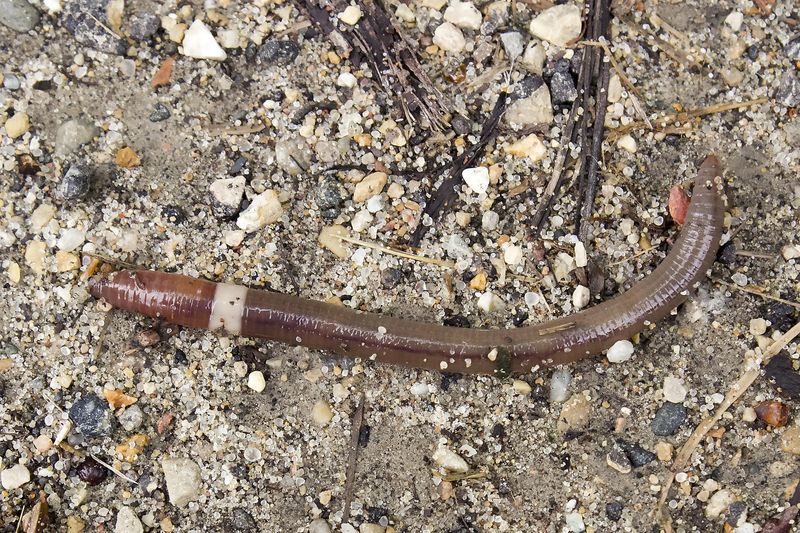
Found a worm that seems off? Start with your phone.
Take clear photos of the whole worm, a close-up of the band near the front end, and the spot where you found it.
Then reach out. Contact your county agriculture department or CDFA, and use the guidance on CDFA’s Report a Pest page.
Share your photos, the location, and what the soil or mulch looked like.
If you decide to collect a specimen, CDFA advises keeping it secured so it cannot escape. CDFA’s fact sheet provides guidance for handling invertebrate samples, so check it before you gather anything.
Remember the difference between a report and a result. Sending in a suspicion does not confirm the species.
Experts may need to examine the worm closely before anyone can say what it is.
You may have heard of the mustard pour. A mustard solution brings earthworms of many kinds up to the surface, as University of Maryland Extension describes.
It does not tell you that a worm is a jumping worm, and it does not control them, so any worm that surfaces still needs a careful look.
Keep suspect material from spreading
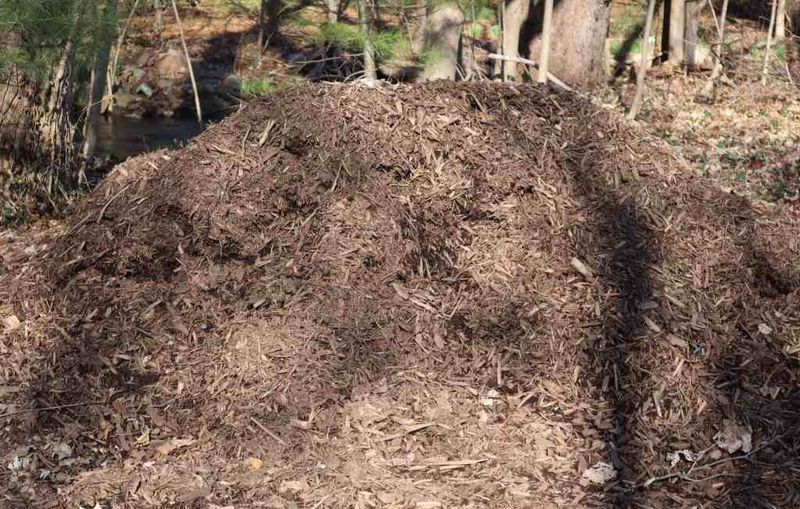
Spread prevention is the part of the story where ordinary gardeners make the biggest difference. If you suspect worms in a bed or pile, keep the soil, mulch, compost, and plants there rather than passing them along to neighbors or friends.
Plant swaps and free mulch giveaways are where a small problem could become a bigger one.
Clean up as you go. Brush soil off your shoes, wheelbarrow, and tools before leaving the area.
Tiny cocoons are the same color as dirt, so a quick scrape and rinse is worth the extra minute.
You might wonder about fighting back. Hand-picking adults and putting them in the trash may reduce numbers, but it does not eradicate the worms, and cocoons stay behind in the soil.
University of Minnesota Extension reports that there are no proven, research-based controls or approved pesticides for yard and garden use.
That is why improvised cures are a poor bet. Household chemicals, fertilizers, and products not labeled for this purpose can harm soil and other life without solving anything.
UMass Extension also notes that results from heat methods depend on the material, the temperature, and how long it lasts.
The workable plan is simple: identify, report, and contain. A careful gardener with clean boots may do more good than any bottle on a store shelf.
Share this story