Get the latest garden guides in your inbox →
Gardening Latest
  • General Gardening
  • Lawn Care
  • Plant Care
  • Composting
  • Soil Health
  • Backyard
  • Garden Muse Magazine
  • General Gardening
  • Lawn Care
  • Plant Care
  • Composting
  • Soil Health
  • Backyard
  • Garden Muse Magazine
  • News
  • Gardening Calendar
  • Garden Structures
  • Vegetable Garden
  • Vertical Garden
  • Raised Beds
  • Hydroponics
  • General Equipment
  • Community Gardens
Garden Themes
  • Spiritual Garden
  • Hydroseeding
  • Seeding and Laying Sod
  • Artificial Grass
  • Lawn Care Equipment
  • Plants
  • Trees
  • Planting Tools
  • Composting Basics
  • Fertilizer
  • Alternative Growing Mediums
  • Front Yard
  • Backyard Activities
  • Landscaping
Gardening Latest

Explore by state

Which state is your garden in?

Currently viewing North Carolina

All states

Northeast

  • Connecticut —
  • Delaware 26
  • Maine —
  • Maryland 12
  • Massachusetts 29
  • New Hampshire —
  • New Jersey 13
  • New York 22
  • Pennsylvania 22
  • Rhode Island —
  • Vermont —

Southeast

  • Alabama 12
  • Arkansas —
  • Florida 12
  • Georgia 13
  • Kentucky 26
  • Louisiana 11
  • Mississippi —
  • North Carolina 11
  • South Carolina 25
  • Tennessee 9
  • Virginia 12
  • West Virginia —

Midwest

  • Illinois 11
  • Indiana 14
  • Iowa 26
  • Kansas —
  • Michigan 13
  • Minnesota 11
  • Missouri 11
  • Nebraska —
  • North Dakota —
  • Ohio 13
  • South Dakota —
  • Wisconsin 27

Southwest

  • Arizona 12
  • Colorado —
  • Nevada —
  • New Mexico —
  • Oklahoma —
  • Texas 11
  • Utah —

West

  • Alaska —
  • California 12
  • Hawaii —
  • Idaho —
  • Montana —
  • Oregon —
  • Washington —
  • Wyoming —

No state matches that search.

Site menu

Gardening Latest
  • General Gardening
    • News
    • Gardening Calendar
    • Garden Structures
    • Vegetable Garden
    • Vertical Garden
    • Raised Beds
    • Hydroponics
    • General Equipment
    • Community Gardens
    Garden Themes
    • Spiritual Garden
  • Lawn Care
    • Hydroseeding
    • Seeding and Laying Sod
    • Artificial Grass
    • Lawn Care Equipment
  • Plant Care
    • Plants
    • Trees
    • Planting Tools
  • Composting
    • Composting Basics
  • Soil Health
    • Fertilizer
    • Alternative Growing Mediums
  • Backyard
    • Front Yard
    • Backyard Activities
    • Landscaping
  • Garden Muse Magazine

Explore

  • About GardeningLatest.com
  • Contact Us

Get the latest from the garden

New guides on lawn care, plants and backyard projects, sent when they go up.

Subscribe →

Follow

  • Facebook
  • X
  • Pinterest
  • YouTube
North Carolina Gardening

9 Copperhead Myths That Still Have North Carolina Neighbors Doing the Wrong Thing

Copperheads are the most common venomous snake in North Carolina, and they show up in backyards, woodpiles, and garden…

WD

By Wyatt Daniels

November 24, 2026 · 4 min read

9 Copperhead Myths That Still Have North Carolina Neighbors Doing the Wrong Thing

Copperheads are the most common venomous snake in North Carolina, and they show up in backyards, woodpiles, and garden beds every warm season. The trouble is that a lot of what people believe about them is just plain wrong.

Some of those old stories lead folks to get bitten, waste money, or kill harmless snakes by mistake. Here are nine myths worth dropping, and what to do instead.

At a glance

Where
North Carolina Gardening
Hardiness zone
8 10 to 20°F
Read
4 minutes
Published
November 24, 2026

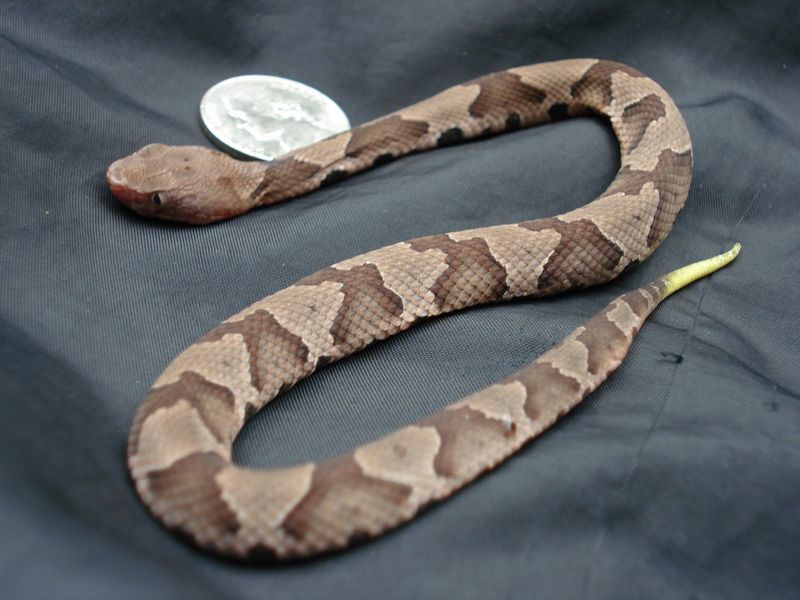
1. Baby Copperheads Are More Dangerous Than Adults
Baby Copperheads Are More Dangerous Than Adults
© Animal Keeper Blog

Ask around any cookout in Raleigh and someone will swear that baby copperheads are deadlier because they cannot control their venom. It sounds scary and logical.

Science does not back it up.

Adult copperheads carry far more venom than young ones, simply because they are bigger. Studies have found no proof that babies dump all their venom in one bite.

Bites from either age are rarely deadly to healthy adults, though both deserve a trip to the hospital.

The real lesson is simple. Treat every copperhead, big or small, with the same calm respect and keep your distance.

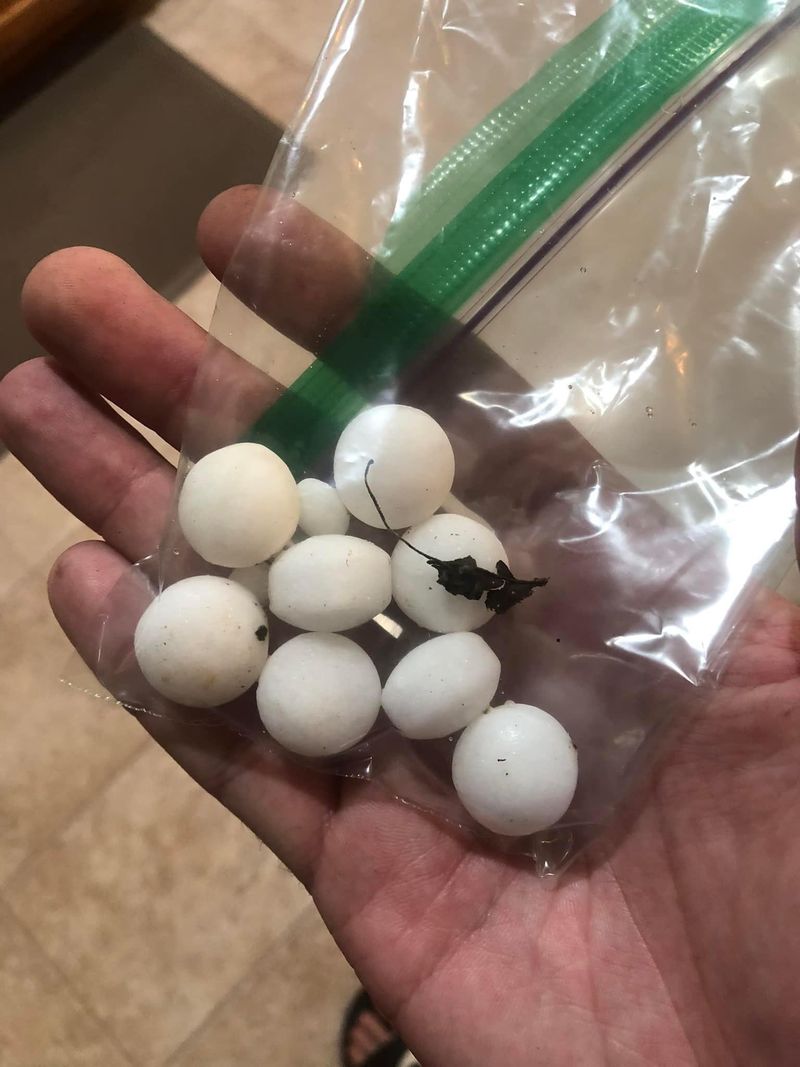
2. Mothballs Keep Snakes Away
Mothballs Keep Snakes Away
© Reddit

Grandma’s trick of sprinkling mothballs around the porch has survived for generations. Sadly, it does nothing to stop a copperhead.

Snakes do not care about the smell the way people hope.

Worse, mothballs are a pesticide, and using them outdoors this way breaks the label rules. They can poison pets, kids, and groundwater.

Want fewer snakes? Clear brush piles, trim tall grass, and seal gaps under sheds.

Take away hiding spots and the snakes move on.

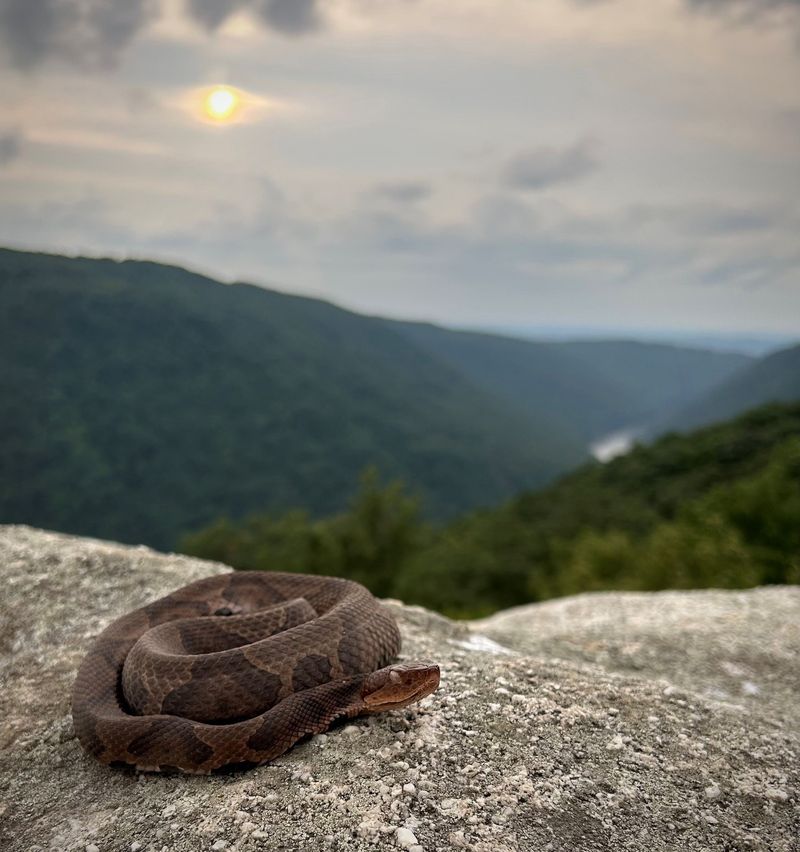
3. Copperheads Chase People
Copperheads Chase People
© wonderfulwestvirginia

Picture this: you step off the back deck, spot a snake, and it seems to slide right toward you. Panic sets in.

Was it chasing you?

Almost certainly not. Copperheads are ambush hunters that would much rather freeze or slip away.

Corn snakes, young rat snakes, and northern water snakes get killed by the thousands because people mistake them for copperheads.

A snake moving your way is usually heading for cover that happens to be behind you.

Back up slowly and give it a few feet. It will go about its business.

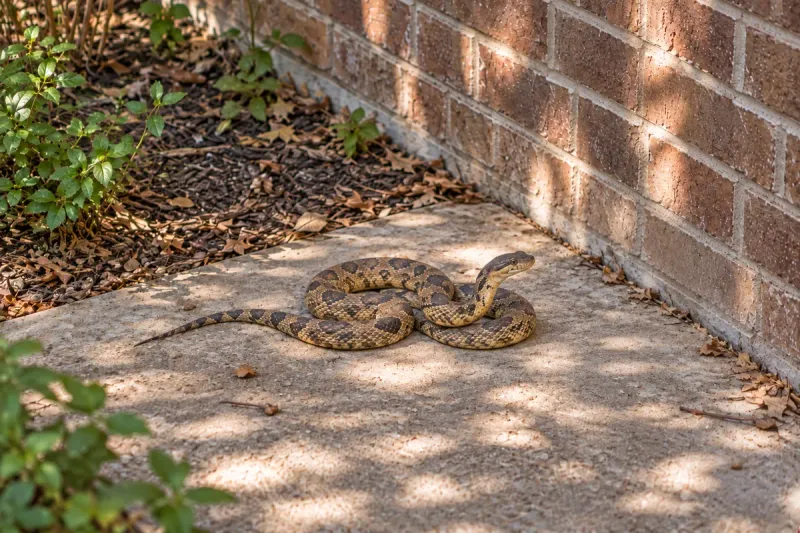
4. You Should Kill Every Copperhead You See
You Should Kill Every Copperhead You See
© Pest Me Off

Here is a fact that surprises many people: a large share of snakebites happen while someone is trying to kill or handle the snake. Grabbing a shovel puts you right in striking range.

Copperheads also eat mice, voles, and big cicadas, so they help keep pests down. If one is in a spot you cannot avoid, call a wildlife removal service.

Leaving it alone is often the safest choice for everyone.

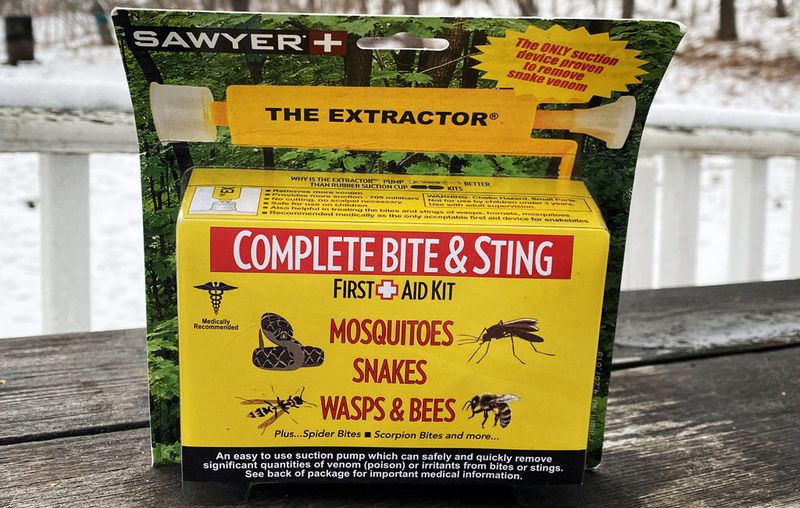
5. Cut and Suck Out the Venom
Cut and Suck Out the Venom
© Greenbelly Meals

Old Westerns made it look heroic. Slice the bite, suck out the poison, and ride off into the sunset.

Real medicine says no.

Cutting causes infection and damage, and sucking removes almost no venom. Tourniquets, ice, and snakebite kits also make things worse.

Instead, stay calm, remove rings or tight items, keep the limb still, and get to an emergency room. Call Carolinas Poison Center for guidance on the way.

6. Every Brown Patterned Snake Is a Copperhead
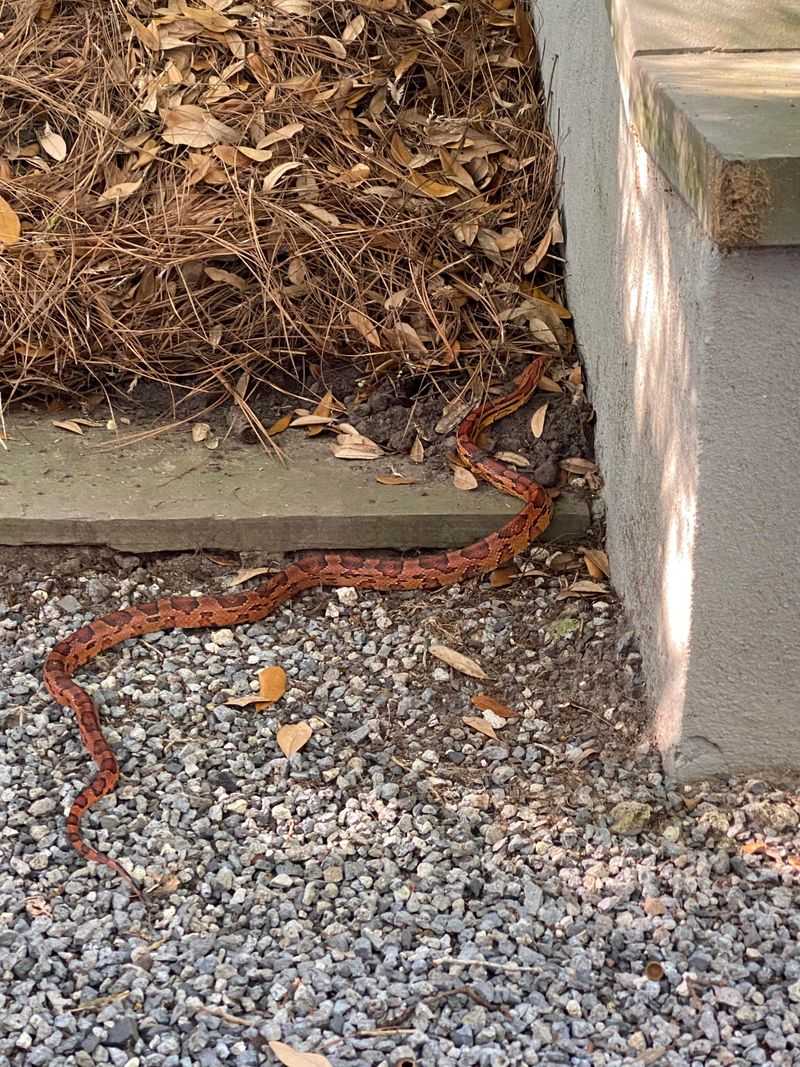
Every Brown Patterned Snake Is a Copperhead
© Reddit

Corn snakes, young rat snakes, and northern water snakes get killed by the thousands because people mistake them for copperheads. That is a shame.

Look for the hourglass bands, which are wide on the sides and narrow across the back. Copperheads also have a copper-colored head with no spots.

When in doubt, snap a photo from a distance and post it to a local snake ID group.

7. Copperheads Smell Like Cucumbers
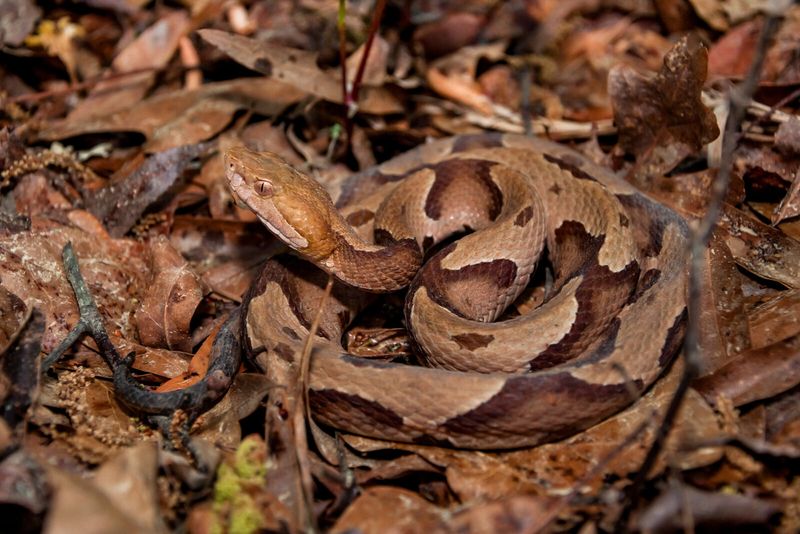
Copperheads Smell Like Cucumbers
© Garden & Gun Magazine

Some neighbors claim they can sniff out a copperhead by its cucumber scent. Fun idea, but do not trust your nose.

When stressed, copperheads can release a musky odor, and some people describe it differently. Most of the time, though, you will smell nothing.

Use your eyes, a flashlight at night, and boots in tall grass instead.

8. Snakes Are Only Out in the Daytime
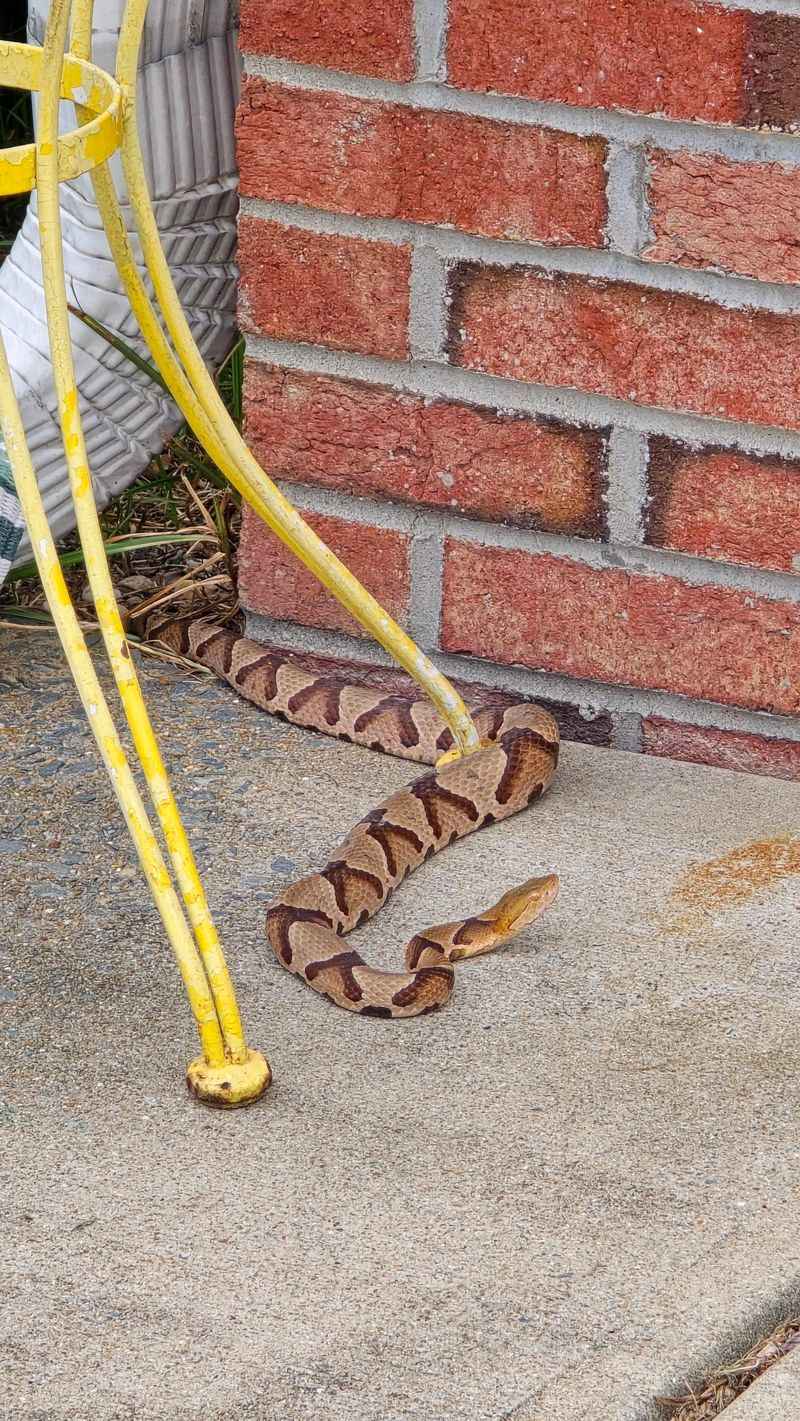
Snakes Are Only Out in the Daytime
© Reddit

Summer evenings in Charlotte feel perfect for barefoot walks. That is exactly when copperheads get busy.

During hot months, they hunt mostly at night, especially after rain. Many bites happen on dark sidewalks and driveways.

Wear shoes and carry a light after sunset. It is an easy habit.

9. A Dead Copperhead Cannot Bite
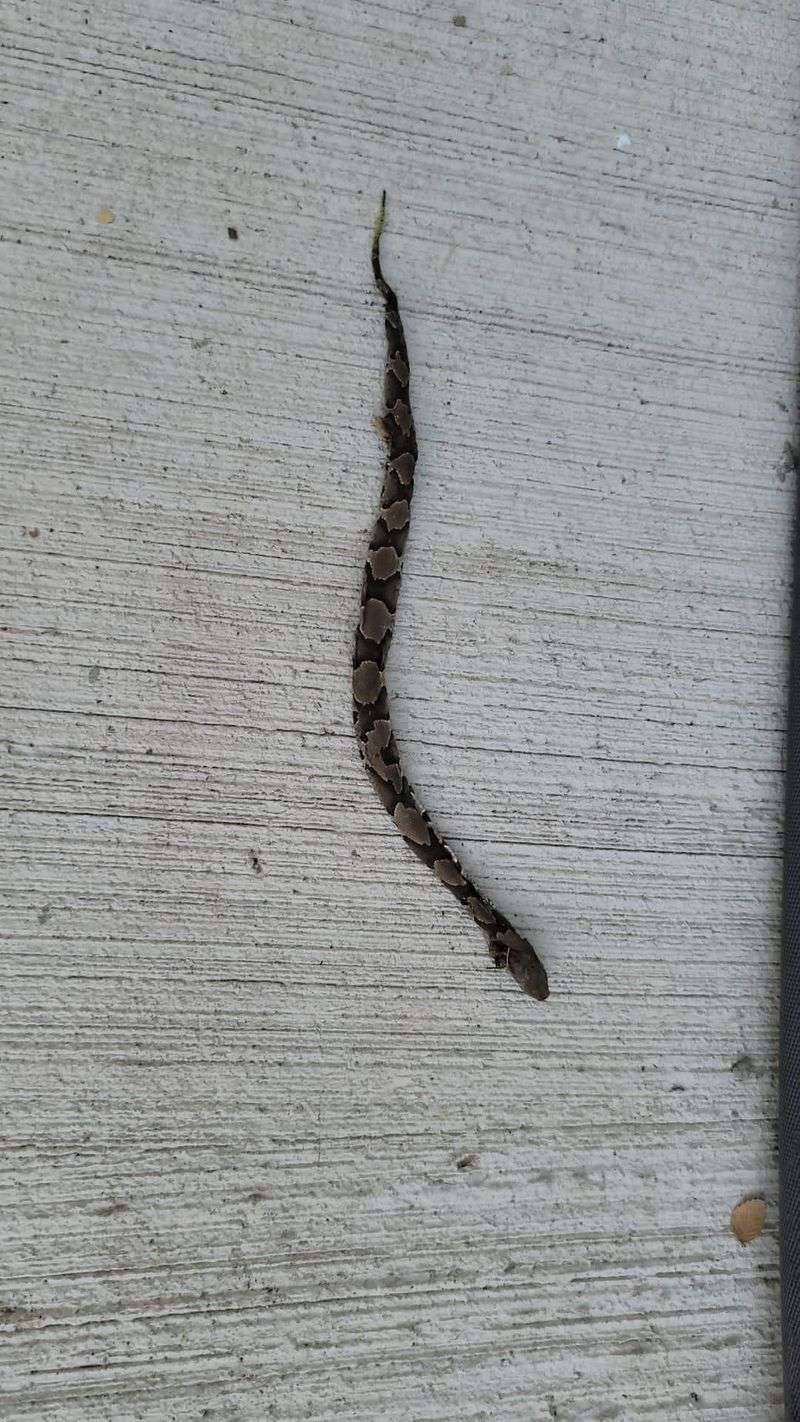
A Dead Copperhead Cannot Bite

Believe it or not, a snake’s reflexes can keep working for an hour or more after death. Even a cut-off head can still bite.

People have ended up in the hospital after picking up a snake they thought was harmless.

Move it only with a long shovel, and never with your hands.

Share this story
WD

Written by

Wyatt Daniels

More from Wyatt Daniels →

About Gardening Latest

Gardening Latest provides in-depth guides to maintaining and enhancing your garden and backyard. Learn how to make the most of the space you have and create a beautiful garden.

More about us →

Latest stories

  • Iowa GardeningIowa Gardeners Keep Brushing Against Io Moth Caterpillars, and Here’s How to Calm That Sting Quickly

    Iowa Gardeners Keep Brushing Against Io Moth Caterpillars, and Here’s How to Calm That Sting Quickly

    Just now
  • Virginia Gardening9 Protected Animals Virginia Homeowners Aren’t Allowed To Remove On Their Own

    9 Protected Animals Virginia Homeowners Aren’t Allowed To Remove On Their Own

    6 min ago
  • New Jersey GardeningHearing Coyotes Howl Near Your New Jersey Home at Night? Here’s What They’re Actually Saying

    Hearing Coyotes Howl Near Your New Jersey Home at Night? Here’s What They’re Actually Saying

    13 min ago
  • North Carolina GardeningYour Dog Just Ran Through a Fire Ant Mound in North Carolina, and Here’s What to Do First

    Your Dog Just Ran Through a Fire Ant Mound in North Carolina, and Here’s What to Do First

    19 min ago
  • Michigan GardeningMichigan’s Only Venomous Snake Has Company: a Thumb-Sized Shrew Living in Your Yard

    Michigan’s Only Venomous Snake Has Company: a Thumb-Sized Shrew Living in Your Yard

    24 min ago

Gardening by state

Stories for your state, and the hardiness zone most of it gardens in.

Keep exploring

Read next

All North Carolina Gardening →
North Carolina GardeningYour Dog Just Ran Through a Fire Ant Mound in North Carolina, and Here’s What to Do First
North Carolina Gardening

Your Dog Just Ran Through a Fire Ant Mound in North Carolina, and Here’s What to Do First

19 min ago
North Carolina GardeningWhy Some North Carolina Homeowners Are Learning to Live With the Squirrels Instead
North Carolina Gardening

Why Some North Carolina Homeowners Are Learning to Live With the Squirrels Instead

18 hr ago
North Carolina GardeningYes, North Carolina Has Scorpions, and Here’s What to Do If One Stings You
North Carolina Gardening

Yes, North Carolina Has Scorpions, and Here’s What to Do If One Stings You

20 hr ago

More from North Carolina Gardening

  • A Coyote Just Wandered Into Your North Carolina Yard: 7 Smart Moves and 3 Big Mistakes

    Nov 22
  • Is That Leafy Ball in Your North Carolina Oak a Squirrel Drey? What to Look For

    Nov 22
Back to top

Leave a response Cancel

Your email address stays private. Required fields are marked with an asterisk.

Gardening Latest

In-depth guides to maintaining and enhancing your garden and backyard: how to make the most of the space you have, and how to make it beautiful.

  • Facebook
  • X
  • Pinterest
  • YouTube

We may earn a portion of sales from products or services that are purchased through our site as part of our affiliate partnerships with retailers.

Explore

  • About GardeningLatest.com
  • Contact Us
  • Terms and Conditions
  • Privacy
  • Editorial Note:
  • FTC Disclosure

Newsletter

New garden guides and seasonal tips, straight to your inbox.

We’ll email you a link to confirm. Unsubscribe any time.

Almost there! Check your inbox and tap the link to confirm.

© 2026 Gardening Latest. All rights reserved.

Back to top