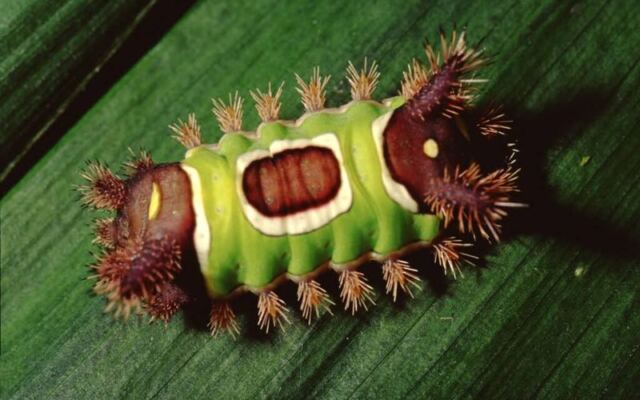
If a saddleback caterpillar stings you, start by getting it off your skin with an object, then use tape, soap and water, and a wrapped cold pack. These steps may ease the pain, though nothing guarantees relief.
Saddlebacks live in Kentucky and can cause severe irritation, so a little preparation goes a long way during yard work. Here is a clear order to follow, plus the warning signs that mean you need real medical help.
Move the caterpillar off safely
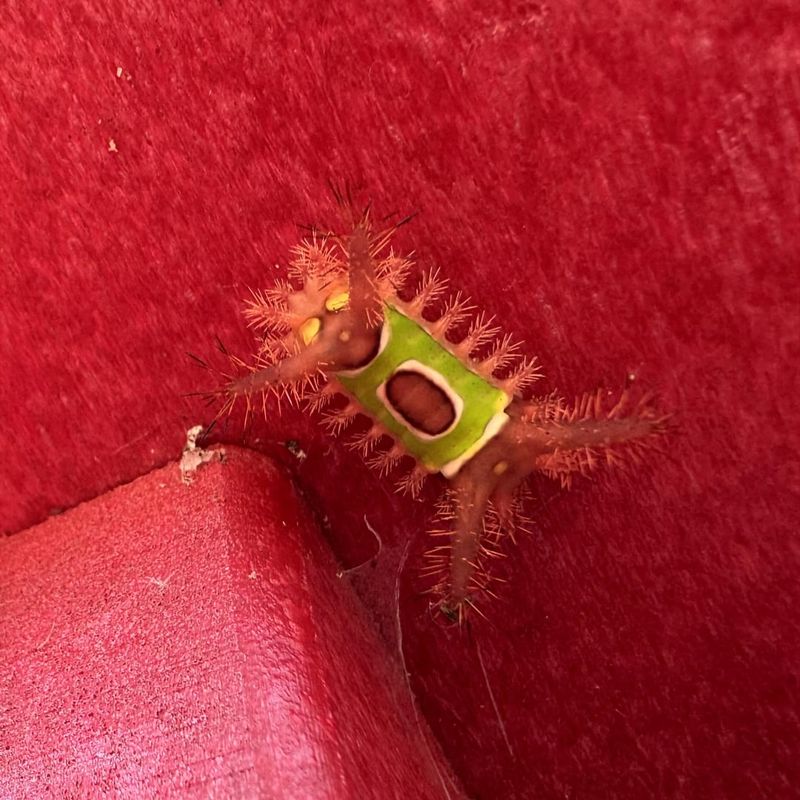
If the caterpillar is still on your skin, remove it with an object, not your bare hand. A stick, a folded piece of paper, or a pair of tweezers will do the job.
Grabbing it or swatting it away with your fingers can make things worse.
The reason is simple. Stinging spines cover these caterpillars, and they can break off and stay in the skin.
Brushing at the insect with a hand or a sleeve may push more spines into you or spread them to new spots.
Move slowly and calmly. Flick or nudge the caterpillar onto the ground or onto a leaf, and then step away so it cannot crawl back onto you.
Guidance from University of Kentucky entomologists says contact with a saddleback can cause severe irritation, and it advises keeping bare hands away from stinging caterpillars.
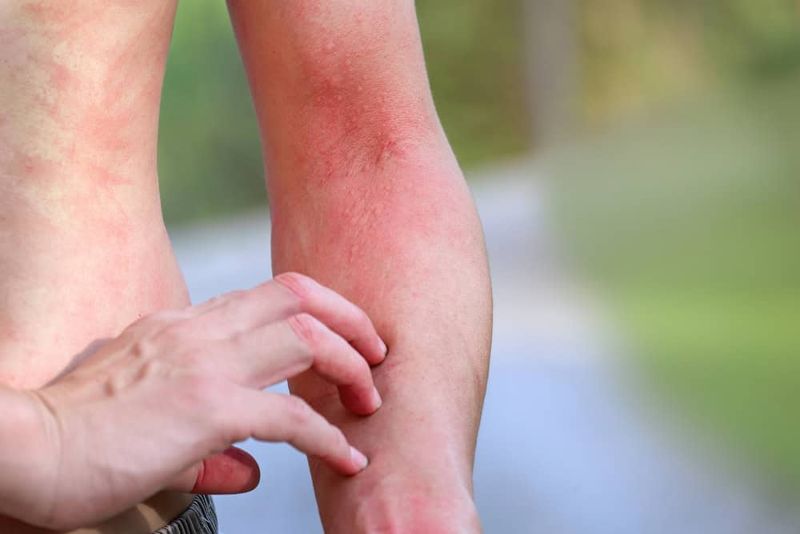
Once the insect is off, look at the skin. You may see a red patch, small bumps, or nothing much at first.
Pain can be sharp and burning, and it may build for a short while.
Stay out of the area where it happened, and keep children and pets back too. After that, move on to the next skin-care steps.
They are reasonable basic care, but they are not a cure and they cannot promise that the sting will hurt less.
Use tape to try to lift some spines
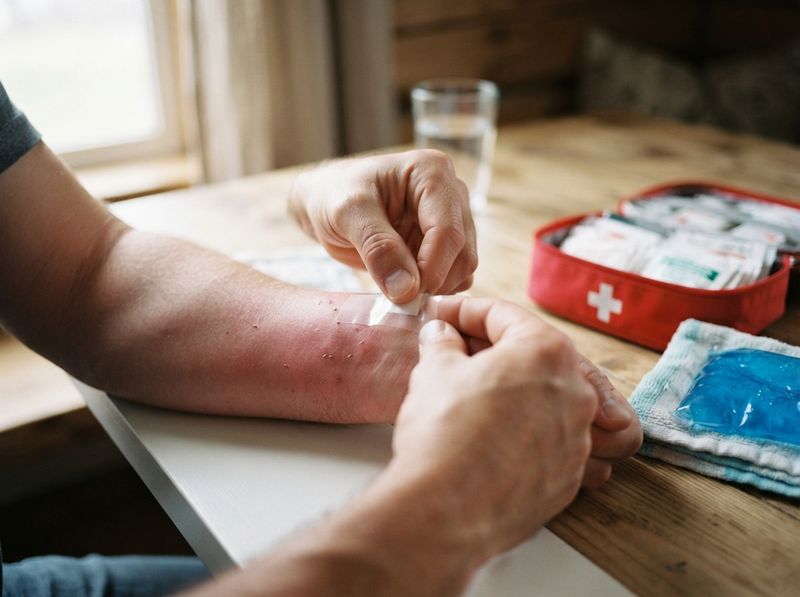
Grab some adhesive tape, such as packing tape, clear tape, or duct tape. Press a fresh piece gently onto the sore area, then lift it away.
Think of it like using a lint roller on your skin.
Use a new piece each time and repeat a few times if needed. Tape may lift some broken spines, and University of Kentucky guidance describes it this way.
It will not necessarily get every spine, so do not expect a perfect result.
Keep the pressure light. Do not dig at the skin with a pin or fingernail, and do not scrape hard with a card or blade.
Rough scraping can break spines into smaller pieces and irritate the skin even more.
If you do not have tape on hand, skip to washing rather than rubbing the area. A bit of leftover tape stuck to your skin is not a sign you did something wrong.
Just peel it off slowly.
Tape is a helpful try, not a treatment that fixes the sting. Pain may continue even after you have done it well, so keep going with the other basic steps.
Wash the skin and apply a cold pack
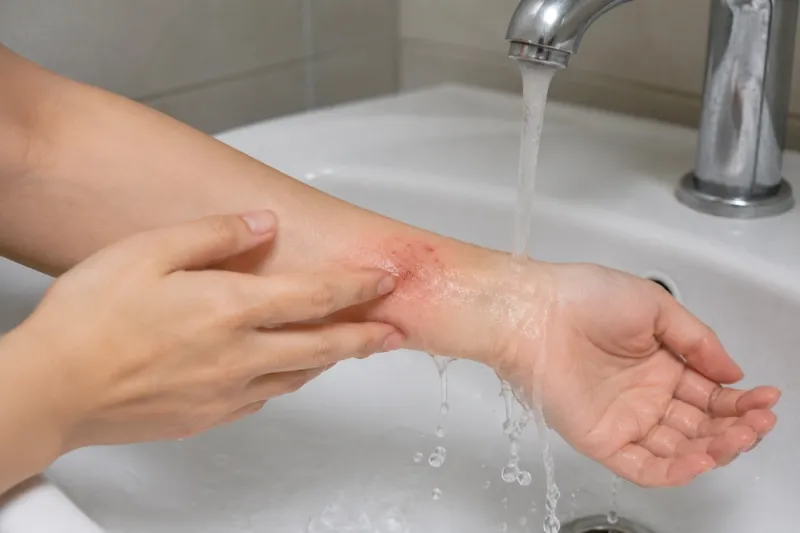
After the tape, wash the area gently with soap and water. Use a soft touch and pat the skin dry instead of rubbing.
Washing may remove some of the irritating material left on the surface.
Next, cool the spot. Wrap a cold pack or a bag of ice in a thin cloth so it never touches bare skin directly.
A cold pack may help with pain and swelling, according to University of Kentucky entomology.
For timing, MedlinePlus gives a general schedule of 10 minutes on, then 10 minutes off. Repeat that cycle as needed while you check how the skin looks and feels.
Treat these as reasonable comfort measures, not cures. Some people feel better quickly, and others still hurt after doing everything right.
No recovery time can be promised.
Stop icing if the skin turns very pale, numb, or more painful from the cold. Keep watching for signs that call for more help, which the next section covers.
Know when symptoms need emergency help
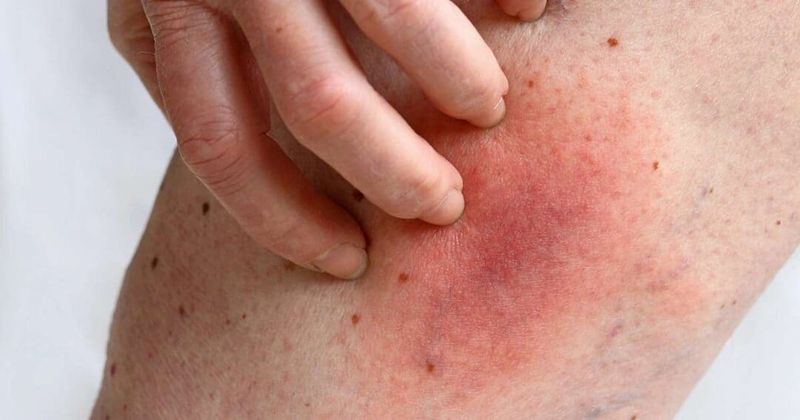
Most stings stay on the skin, with pain, redness, and swelling at the spot. A few people react more strongly.
Your whole body can be affected, and that is a different situation from a sore patch of skin.
Seek emergency help right away for difficulty breathing, fainting, or swelling of the lips, face, or tongue. Difficulty swallowing is also a serious warning sign, not a routine skin reaction.
Poison Control notes that shortness of breath or trouble swallowing can signal a serious allergic reaction.
Do not wait to see whether these symptoms pass. Call 911 or your local emergency number, or have someone drive you to an emergency room.
Do not drive yourself if you feel faint or dizzy.
Other signs deserve attention too, such as spreading hives, nausea, or a feeling that something is very wrong. When in doubt, get medical advice rather than guessing.
If you are gardening alone, keep your phone in a pocket. That small habit means help is one tap away if a reaction starts.
Treat eye and inhalation exposure differently
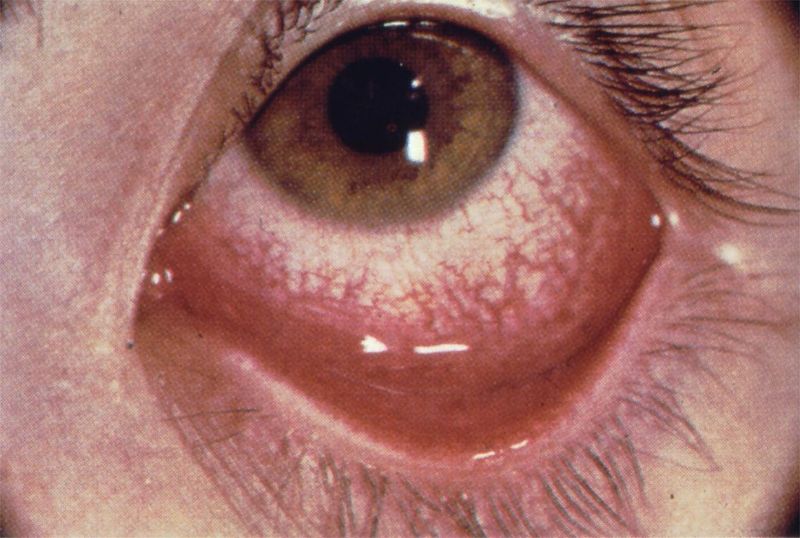
Eyes and lungs are not like skin, and stinging hairs in those places call for more caution. If a caterpillar or its hairs get in your eye, rinse it with lukewarm water.
Keep the eye open as much as you can while the water runs over it.
Then get medical help. MedlinePlus advises medical attention after eye exposure.
Do not rub the eye, since that can push fine hairs deeper.
Inhaling caterpillar hairs is a separate worry. If you think you breathed some in, get medical care.
Coughing, wheezing, or a sore throat after a close encounter should not be brushed off, and Poison Control is a good place to ask what to do next.
If breathing becomes hard at any point, treat it as an emergency and call for help. Wearing glasses and avoiding shaking branches that hold unknown caterpillars can lower the chance of a mishap.
Call Poison Control for individualized advice
The number to keep handy is 1-800-222-1222. Poison Control is available around the clock, so you can call at midnight or on a Sunday.
The staff can give advice that fits your age, symptoms, and health history.
Set your expectations realistically. Poison Control says pain often improves within hours, while Virginia Cooperative Extension notes that irritation can last a day or two.
Home measures may help, but they do not guarantee relief.
You will also hear different opinions about extras. University of Kentucky says antihistamines are reportedly ineffective and that baking soda may help, while Poison Control suggests hydrocortisone for itching and an antihistamine if that does not help.
None of these is a proven treatment for pain or venom.
Vinegar and other kitchen products are not shown to neutralize the venom, so there is no need to go hunting for them. Ask the Poison Control specialist what makes sense for you.
A plant or season cannot confirm the caterpillar
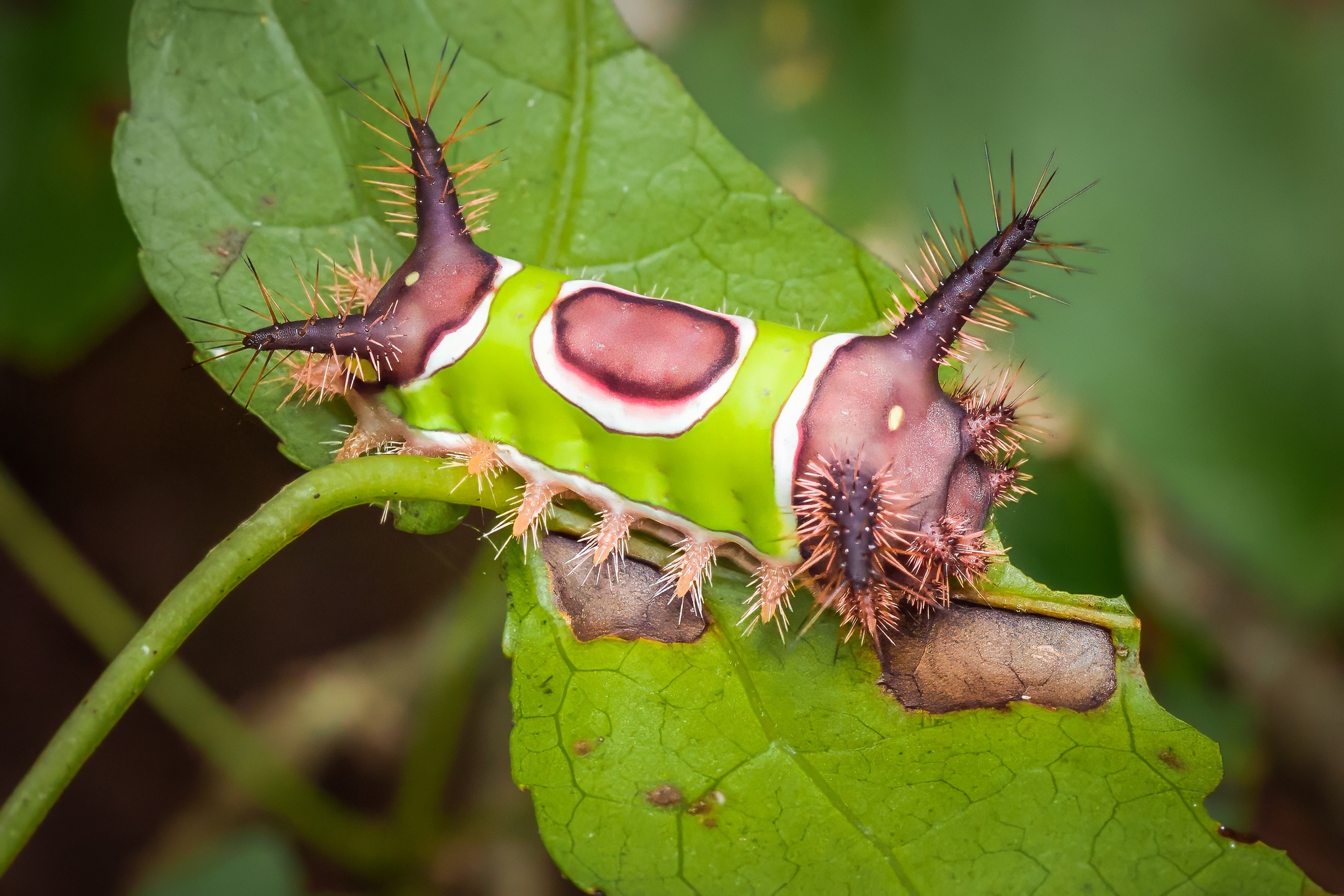
Saddleback caterpillars feed on many plants. University of Kentucky lists basswood, chestnut, cherry, oak, and plum, and LSU AgCenter describes generations from spring into fall.
Late-summer exposure is plausible, but timing is not proof.
That means finding a caterpillar on an oak, a maple, or a shrub cannot tell you what it is. Many harmless species eat the same leaves.
The plant and the month cannot confirm a saddleback, and they do not show that stings are common in Kentucky either.
Not every hairy or spiny caterpillar is venomous, either. Texas A&M’s school pest plan makes the point that identification matters because some with hairs or spines are not venomous.
A practical rule works well: treat any caterpillar you cannot name as something to leave alone. Use a stick or gloves and long sleeves if you must move one, and take a photo for a local extension office.
A little caution costs almost nothing in a garden.
Share this story